

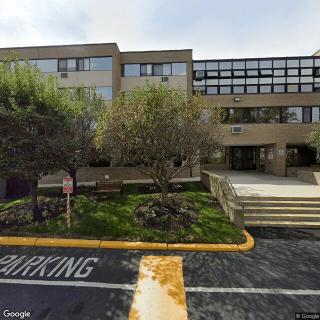
50A Maple Street, Warwick, RI 02888
To contact a resident: (401) 432-7999
For more information about senior living options: (866) 208-4318
Overall Review of A Peace of Mind Home Care
Pros
 Nicola and her staff provide excellent care for clients with dementia.
- They are loving and caring people.
- They treat clients like family.
- The agency is highly recommended for anyone needing home care.
- They are amazing people.
Review
A Peace of Mind Home Care in Warwick, Rhode Island, is best suited for families who want to keep a loved one with dementia safely at home under the care of a small, intimate team that treats clients like family. The account highlights a caregiver group led by Nicola, whose approach centers on warmth, consistency, and long-term relationships. For families seeking emotional security as much as practical support, and for those who value a home atmosphere where routines and familiar faces can reduce confusion, this option stands apart from traditional facilities. The arrangement emphasizes a human touch over formal protocols, aiming to build trust with both the person receiving care and the family paying the bill.
Careful consideration is warranted for families who need higher-level clinical oversight or specialized memory-care programming beyond what in-home aides typically provide. If 24/7 nursing supervision, comprehensive medication management, or structured social activities delivered in a staffed memory-care setting are non-negotiable, alternatives such as licensed home-health agencies with RNs on call or a dedicated memory-care residence may fit better. Families with tighter budgets or who require predictable, itemized pricing may also want to compare options to ensure the chosen path aligns with financial realities. In short, this service excels in warmth and stability; it may fall short where medical intensity or formal programming is non-negotiable.
Key advantages shift the balance in favor of in-home care in this case. The staff’s evident warmth and caring translate into daily reassurance for a loved one with dementia and for a family that worries about transitions. Being treated as part of a family fosters trust, reduces agitation, and supports adherence to care plans through familiar routines. Longevity, about four years of sustained caregiving in at least one noted situation, signals reliability and consistency, assets that alleviate stress for families watching a dementia journey unfold. These strengths often compensate for the absence of a clinical setting by delivering steadiness, personalized attention, and a sense of security that is hard to replicate in larger facilities.
Nonetheless, the absence of explicit downsides in the available account means due diligence is essential. Prospective families should verify practical details not captured in a single testimonial: what is the caregiver-to-client ratio during different shifts, and how is coverage handled during illness or holidays? How is care coordinated with physicians, and what is the process for updating care plans as dementia progresses? What training do caregivers receive specifically for dementia behaviors, communication strategies, and safety monitoring? Is there a written care plan, medical oversight, and clear pricing with no hidden fees? These questions help ensure that the warmth and stability described are supported by robust operational safeguards.
To make a well-informed decision, families should arrange a direct conversation with the provider to review a tailored plan. Ask for caregiver profiles and references, request a written care plan with milestones, and review a trial period or step-down/up options as needs evolve. Compare with local agencies or memory-care communities that offer similar personas, especially when relatives require hands-on caregiving alongside professional oversight. Consider logistics such as transportation to appointments, meal planning, and personal care tasks, and weigh how much in-home time is feasible versus the potential benefits of an on-site day program or memory-care facility. A practical choice aligns warmth with clarity on cost, availability, and safety.
Overall, A Peace of Mind Home Care stands out for families prioritizing a compassionate, home-based approach to dementia care, where the staff’s family-first attitude translates into stability and trust. For those who need more clinical intervention, structured memory-care programming, or predictable, facility-based programming, alternatives should be explored. The decisive factor is alignment: the right match provides not only excellent daily care but a sustainable, low-stress path for both the loved one and the family. With careful questions and a clear care plan, families can move confidently toward a choice that preserves dignity, comfort, and connection in the home setting.
 Board and Care Home
 Theodore F Green State (2 miles away)





 A Detailed Exploration of Living Wills and Advance Directives
 Comprehensive Guide to Medicare Coverage for Hospice Care
 Caring for Those Who Care: Recognizing, Understanding, and Overcoming Caregiver Burnout