At Atria Bay Spring Village, the monthly costs for various room types reflect both the premium amenities offered and the competitive landscape of senior living facilities in Bristol County and Rhode Island. For instance, a studio apartment is priced at $3,295, which is notably lower than the state average of $4,015 but slightly higher than the county's average of $2,928. Moving to larger accommodations, a semi-private room costs $5,095 - significantly above both county and state averages of $3,448 and $4,389 respectively. The 1-bedroom option is similarly positioned at $5,195; while it exceeds Bristol County's average of $4,385, it remains below Rhode Island's overall average of $4,796. Notably, Atria Bay Spring stands out with its 2-bedroom units priced at $8,395 - a figure that matches the county average yet surpasses the state benchmark of $5,810. These pricing dynamics illustrate Atria Bay Spring Village as a compelling choice for prospective residents seeking quality senior living in a vibrant community.
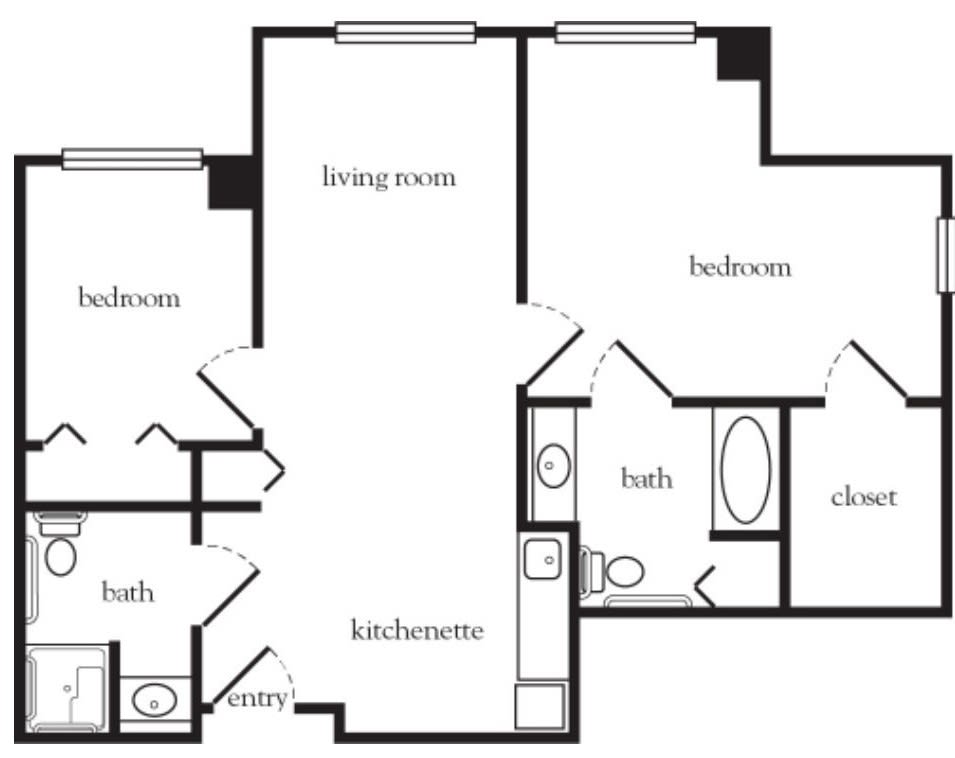
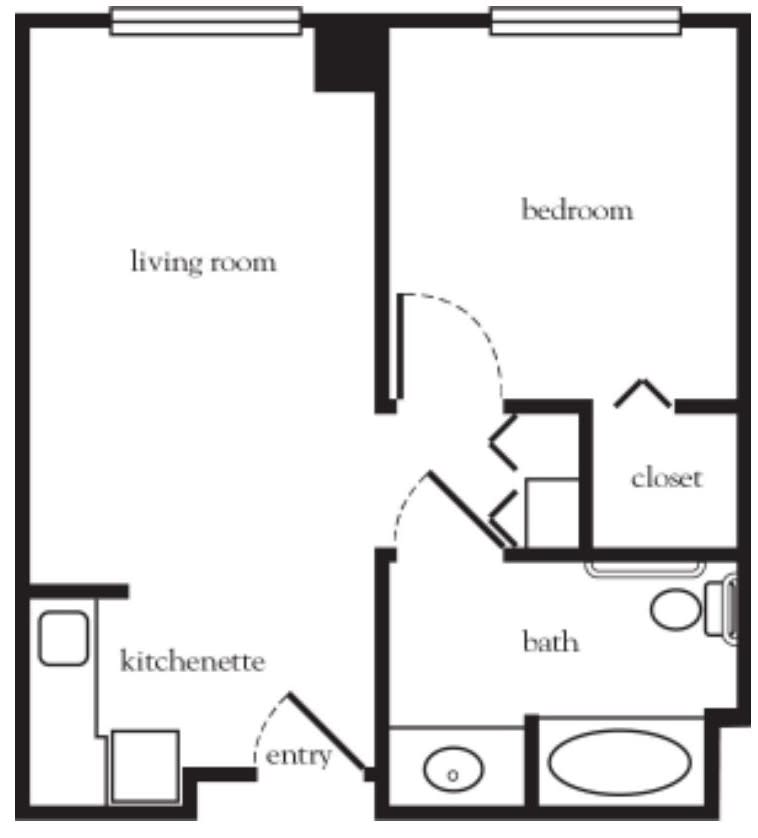
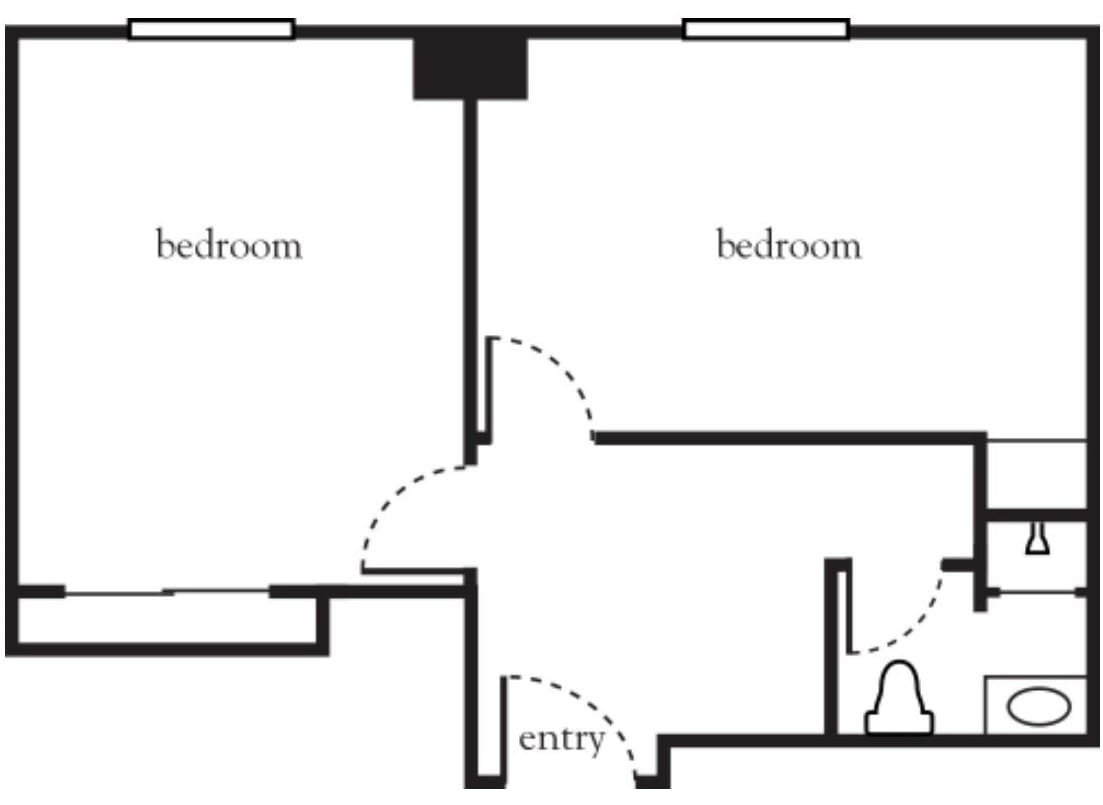
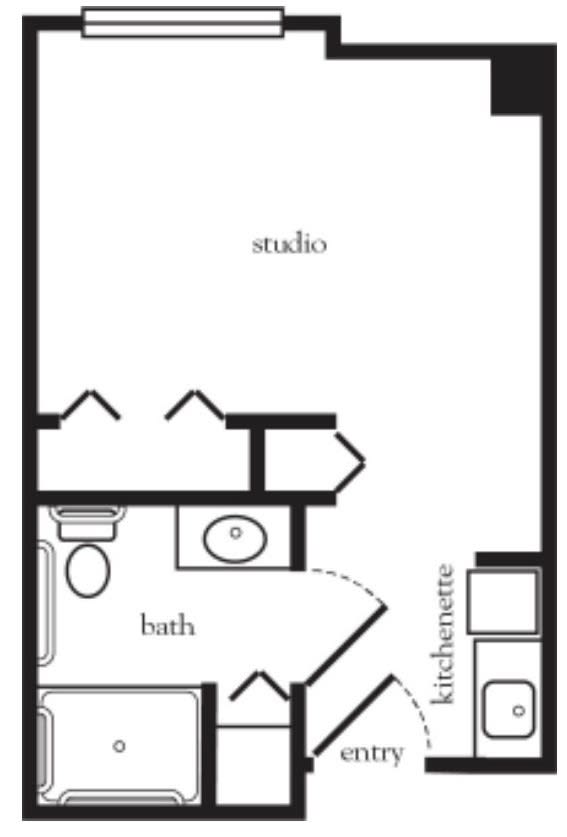
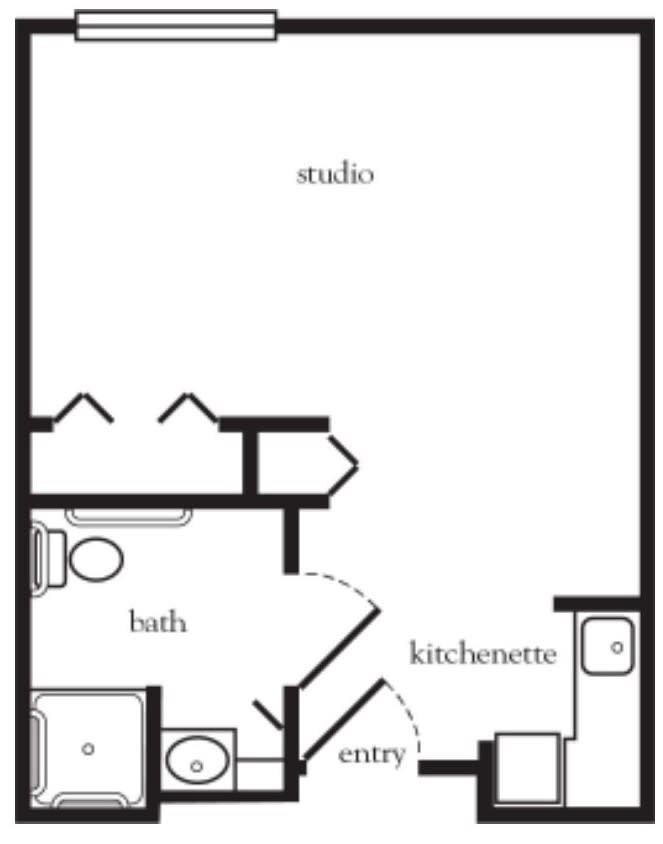
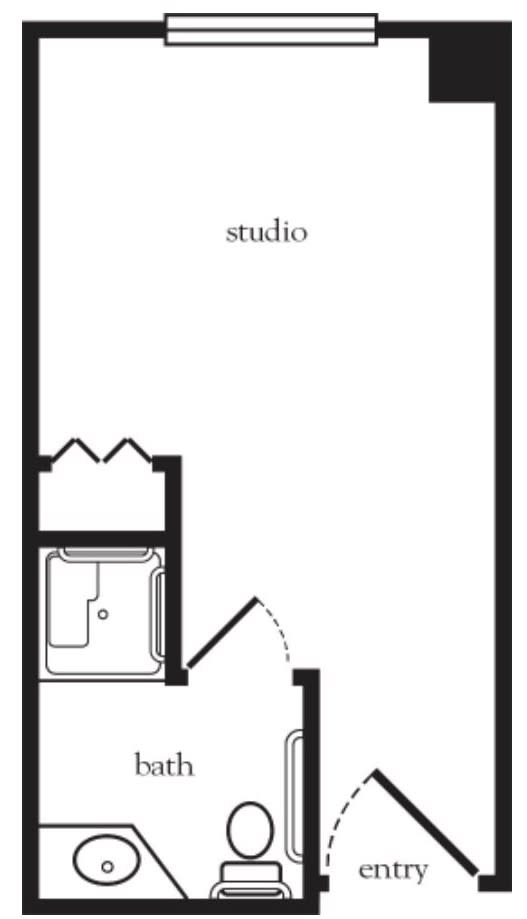
Floor plans
Atria Bay Spring Village
Bristol County
Rhode Island
Studio
$3,295
$2,928
$4,015
Semi-Private
$5,095
$3,448
$4,389
1 Bedroom
$5,195
$4,385
$4,796
2 Bedrooms
$8,395
$8,395
$5,810
Memory care communities with a similar price nearby
Staff attention and patience come up again and again in residents' stories.
Many residents and families describe staff as attentive, kind, and patient, including staying calm even when questions are repeated. Several also mention good day-to-day support with personal care, medication management, and helping families feel informed. A few reviews go the other direction, describing poor communication and lapses in care, which residents and families say undermined trust.
common38 reviews mention this
Activities keep residents engaged
Residents repeatedly talk about being kept busy with planned activities and outings.
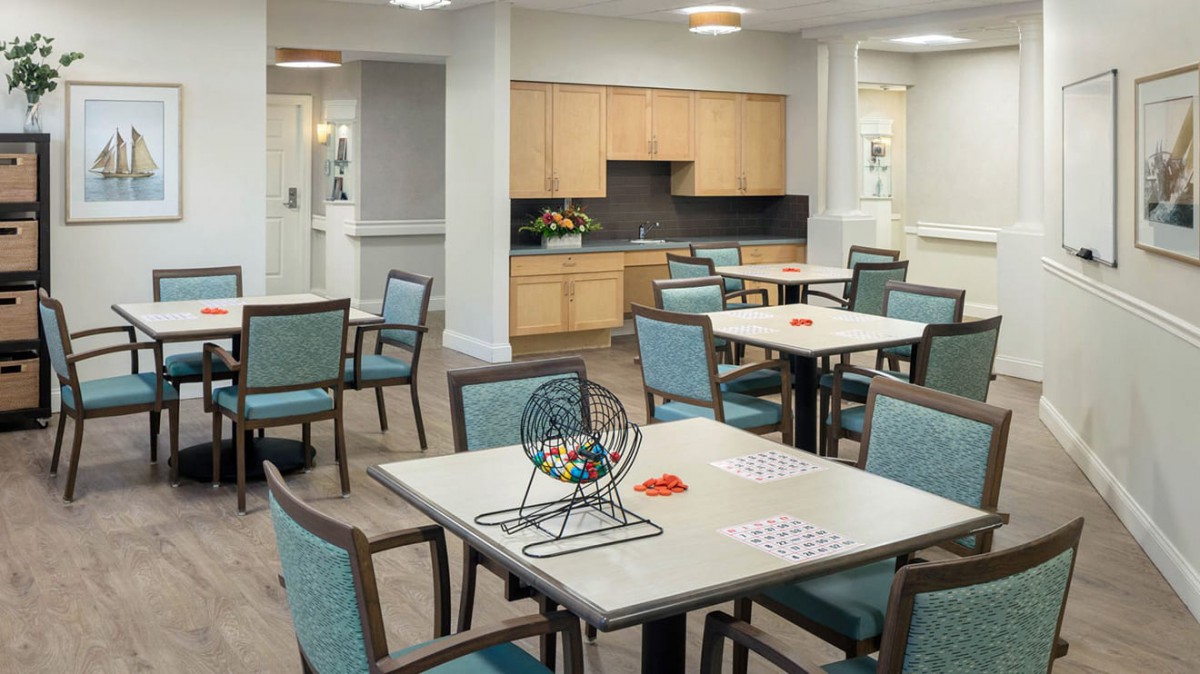
Across reviews, families describe regular activities that help residents stay engaged, including exercise classes and group events like bingo. Residents also mention enjoying social time, live music, religious programming, and trips that support people who don’t drive. Some reviewers, however, say promised outing frequency or unit-level activity access didn’t match expectations.
common32 reviews mention this
Dining quality is frequently praised
Meals are a standout strength, with many residents calling the food very good.
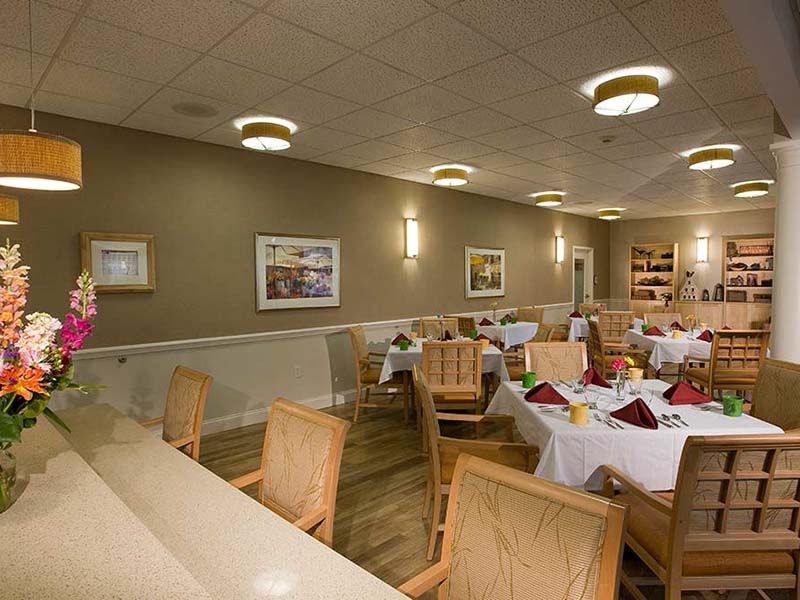
Multiple reviews highlight the food quality and the overall dining experience, with families saying menus look appealing and meals are enjoyable. Some also mention flexibility for sharing meals with family and choosing from daily options. Still, a few reviews raise concerns, including dining that can feel repetitive and difficulty meeting specific dietary needs.
caveat6 reviews mention this
Pricing is a recurring concern
Cost comes up as a clear drawback for families comparing value.
Some reviewers describe the community as very expensive and note ongoing annual increases as a strain on budgeting. Others compare pricing against what they feel they’re getting, including concerns about how dining and services are delivered for their loved one’s needs. The community does offer multiple room types, but affordability remains a recurring point of feedback.
caveat8 reviews mention this
Memory care experiences vary widely
Memory care satisfaction isn’t consistent across reviews.
Several families describe positive memory care experiences, including help with day-to-day routines, safety support, and communication that helps them feel at ease. But other reviews report serious problems, such as falls with delayed discovery, hygiene concerns, and staff not following through on requests. Taken together, families emphasize that memory care outcomes can depend heavily on how concerns are handled and followed up.
How we summarize
Counts show how many written reviews mention each theme; a review can touch several themes, and only frequently mentioned themes are displayed.
Features
Housing
52 resident community capacity
1-bedroom apartments
2-bedroom apartments
Studio apartments
Types of Care
Assisted Living
Independent Living
Memory Care
Pets
Cats allowed
Dogs allowed
Amenities
Activities off-site
Activities on-site
Air-conditioning
Bath tubs
Beautician on-site
Beauty salon
Cable or satellite TV
Computer center
Devotional services off-site
Devotional services on-site
Dining room
Fitness room
Fully furnished
Gaming room
Garden
Guest parking
Housekeeping services
Indoor common areas
Kitchenette
Laundry
Move-in coordination
Outdoor common areas
Outdoor patio
Outdoor space
Private bathrooms
Resident parking
Respite or short term stays offered
Restaurant-style dining
Small library
Telephone
Wellness center
Wheelchair accessible showers
Wi-Fi/high-speed internet available
Transportation
Theodore F Green State (4 miles away)
Community operated transportation
Transportation & parking
Transportation arrangement
Transportation arrangement (non-medical)
Care Services
12-16 hour nursing
24-hour call system
24-hour supervision
Activities of daily living assistance
Ambulatory care
Assistance with bathing
Assistance with dressing
Assistance with transfers
Coordination with health care providers
Dementia waiver
Diabetes diet
Diabetic care
High acuity care
Hospice waiver
Incontinence care
Meal preparation and service
Medication management
Mental wellness program
Mild cognitive impairment
Physical therapy
Special dietary restrictions
Specialized memory care programming
Transportation arrangement (medical)
Transportation to doctors appointments
Dining
Diabetes diet
Low / no sodium
Meals provided
Special dietary restrictions
Vegetarian
Activities
Activities off-site
Activities on-site
Community-sponsored activities
Concierge services
Devotional activities offsite
Devotional activities on-site
Fitness programs
Planned day trips
Religious services
Resident-run activities
Scheduled daily activities
Languages Spoken
English
Nearby Places of Interest
This part of Barrington, Rhode Island, offers a range of amenities within close proximity, making it a convenient and bustling area for senior living. There are several pharmacies nearby, including CVS and Walgreens, ensuring easy access to medication and healthcare needs. Additionally, there are various cafes and restaurants for dining options, as well as physicians' offices and hospitals for medical care. For recreational activities, there are parks such as Roger Williams Park and Colt State Park, providing opportunities for outdoor enjoyment. Transportation options like airports and train stations are also easily accessible for travel convenience. Overall, this area in Barrington offers a mix of essential services and recreational facilities that cater to the needs of seniors seeking a vibrant community to call home.
Pharmacies
CVS Pharmacy (1.5 miles)
CVS Pharmacy (2.4 miles)
CVS Pharmacy (3.3 miles)
Walgreens (3.3 miles)
Stop & Shop Pharmacy (3.6 miles)
Suburban Pharmacy (4.1 miles)
Walgreens (4.2 miles)
Cafes
Borealis Coffee Roasters (1.6 miles)
Starbucks (3.3 miles)
Panera Bread (3.5 miles)
West Shore Coffee Bar (4.4 miles)
Seven Stars Bakery (5.5 miles)
Panera Bread (5.7 miles)
Daves Coffee (5.7 miles)
Physicians
Barrington Pediatrics (2 miles)
Coastal Medical - Coastal Family Medicine (2.1 miles)
University Of Medicine Riverside (3.1 miles)
Coastal Medical - Waterman Pediatrics (4.1 miles)
Coastal Medical Sleep Disorder (4.4 miles)
University Orthopedics (4.6 miles)
University Surgical Associates - Roth, Leslie A, MD (5.2 miles)
Hospitals
Bradley Hospital (3.1 miles)
Hasbro Children's Hospital (5.3 miles)
Women and Infants Laboratory (5.3 miles)
Restaurants
Chick-Fil-A (3.3 miles)
McDonald's (3.5 miles)
Blount Clam Shack (3.6 miles)
What Cheer Tavern (3.8 miles)
Del's Lemonade & Refreshments (3.8 miles)
Wendy's (3.8 miles)
Brass Monkey (3.9 miles)
Parks
Roger Williams Park (3.9 miles)
Bold Point Park (5 miles)
Gano Park (5.5 miles)
Waterman St Dog Park (5.7 miles)
Colt State Park (5.7 miles)
India Point Park (5.9 miles)
Blackstone Park (6 miles)
Transportation
Green Airport (PVD) (4.8 miles)
T. F. Green Airport (5.1 miles)
Providence Station - MBTA & Amtrak (PVD) (6.4 miles)
Theaters
Providence Place Showcase IMAX Theaters (6.4 miles)
At Atria Bay Spring Village, the monthly costs for various room types reflect both the premium amenities offered and the competitive landscape of senior living facilities in Bristol County and Rhode Island. For instance, a studio apartment is priced at $3,295, which is notably lower than the state average of $4,015 but slightly higher than the county's average of $2,928. Moving to larger accommodations, a semi-private room costs $5,095 - significantly above both county and state averages of $3,448 and $4,389 respectively. The 1-bedroom option is similarly positioned at $5,195; while it exceeds Bristol County's average of $4,385, it remains below Rhode Island's overall average of $4,796. Notably, Atria Bay Spring stands out with its 2-bedroom units priced at $8,395 - a figure that matches the county average yet surpasses the state benchmark of $5,810. These pricing dynamics illustrate Atria Bay Spring Village as a compelling choice for prospective residents seeking quality senior living in a vibrant community.
The comprehensive features at Atria Bay Spring Village are designed to create a safe, supportive environment tailored to the unique needs of residents with dementia or Alzheimer's disease. With 24-hour supervision, residents receive constant monitoring that ensures their safety and well-being, while assistance with activities of daily living--including bathing, dressing, and transfers--promotes independence in familiar routines. Coordination with healthcare providers allows for personalized care plans, including medication management and specialized memory care programming aimed at enhancing cognitive function. The inclusion of meal preparation services ensures that residents receive nutritious meals aligned with dietary needs, while mental wellness programs help nurture emotional health. Additionally, services like incontinence care and transportation arrangements for medical appointments prioritize comfort and accessibility, ultimately fostering a holistic approach to memory care that supports both physical and emotional wellness.
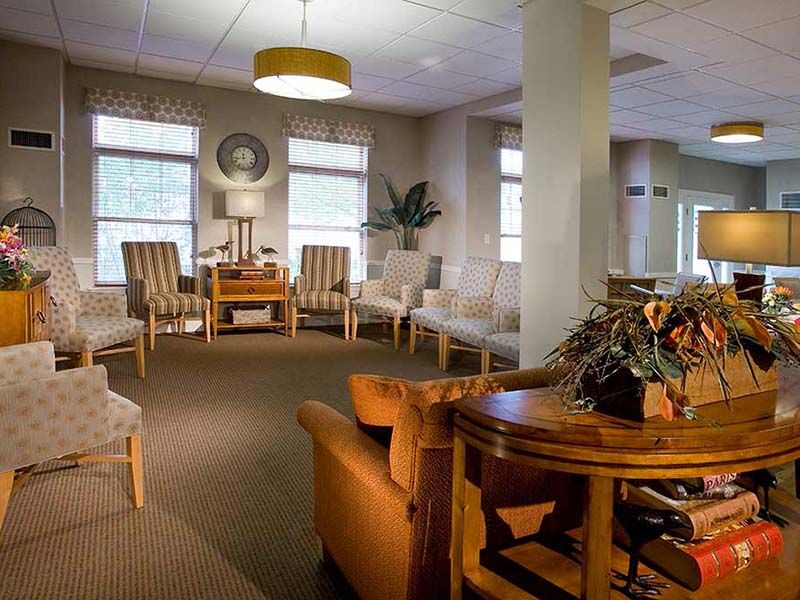
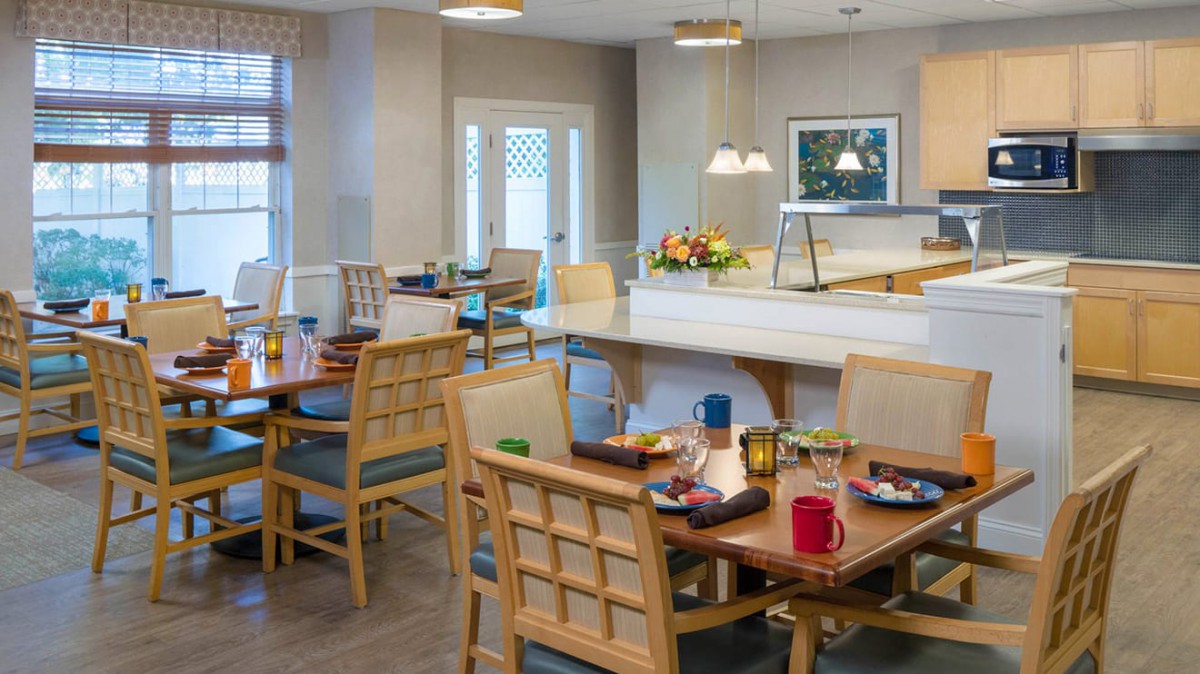
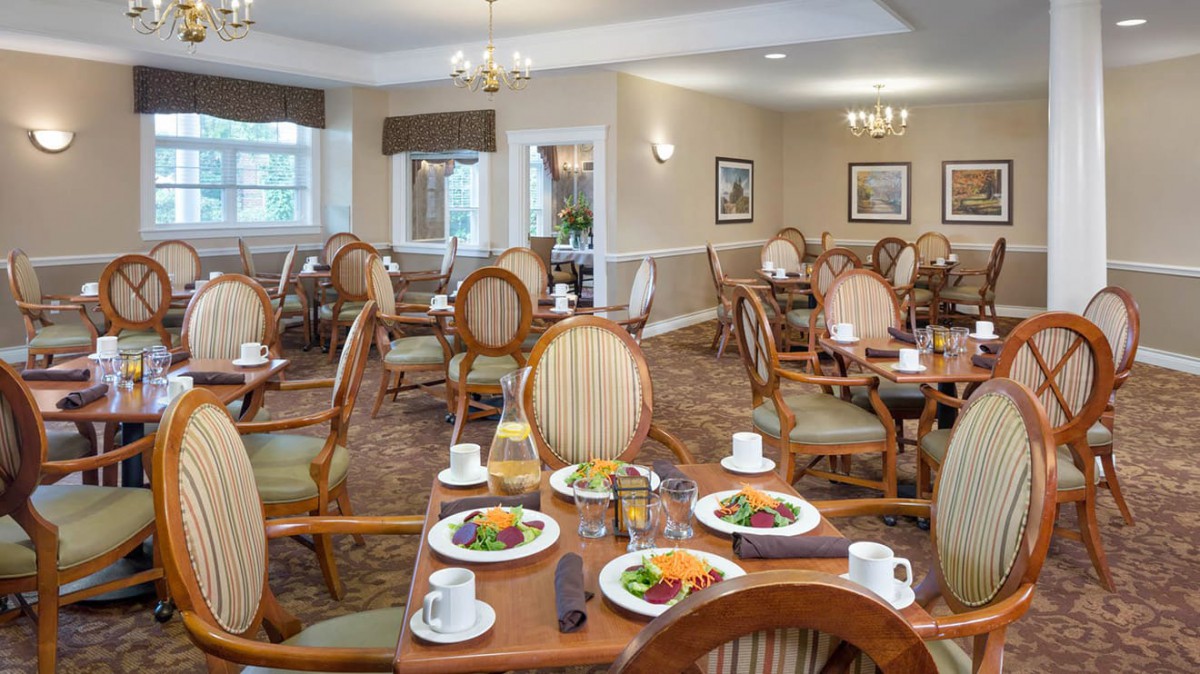
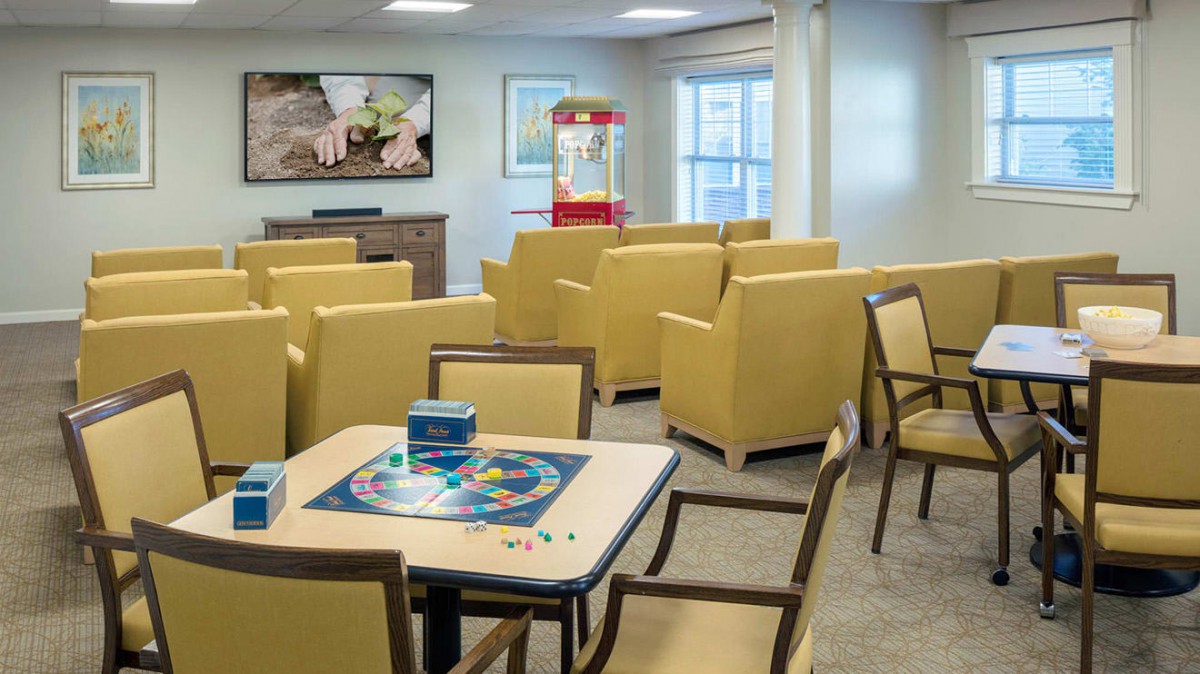
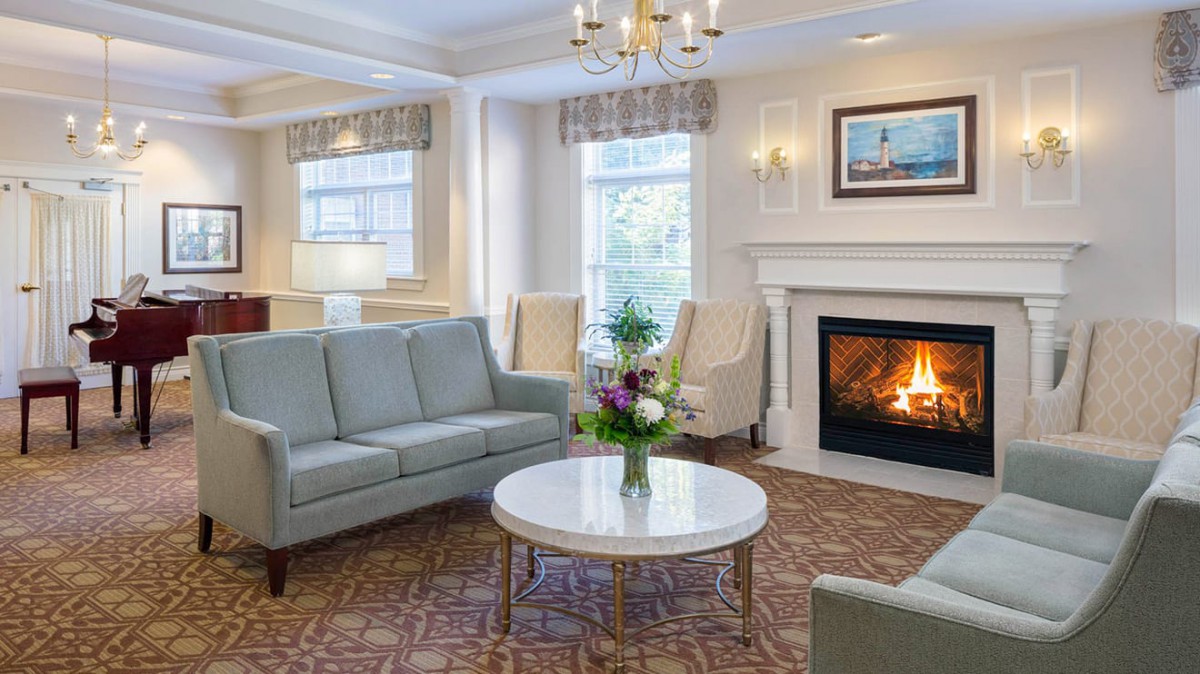
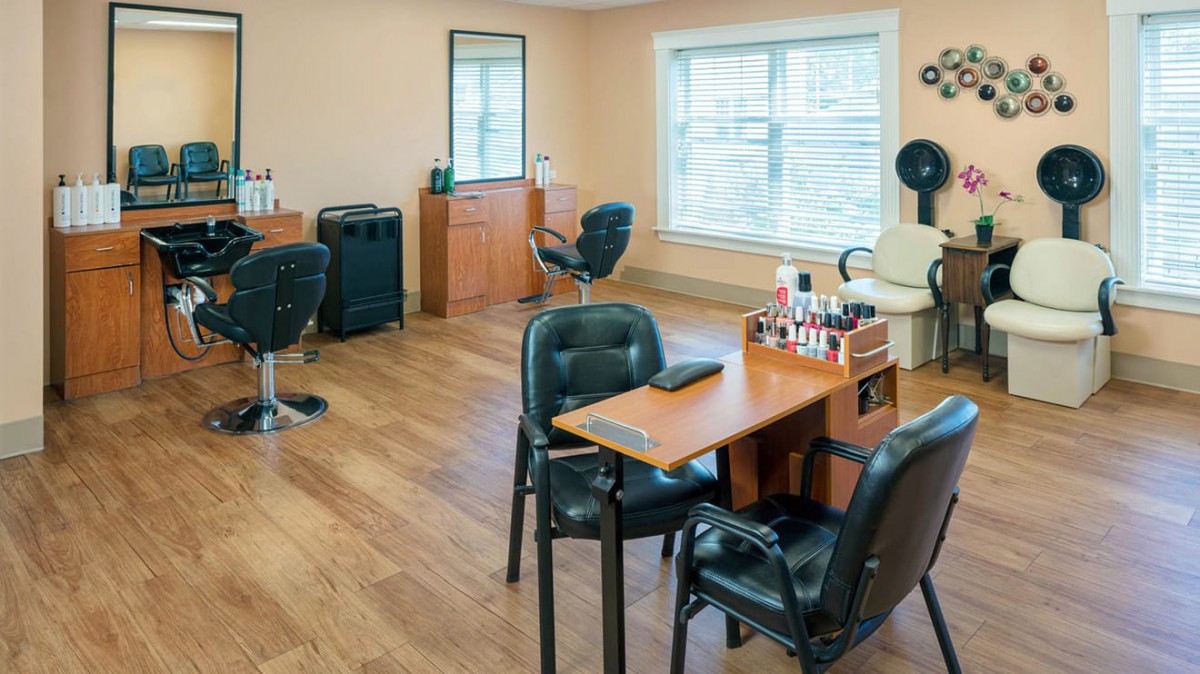
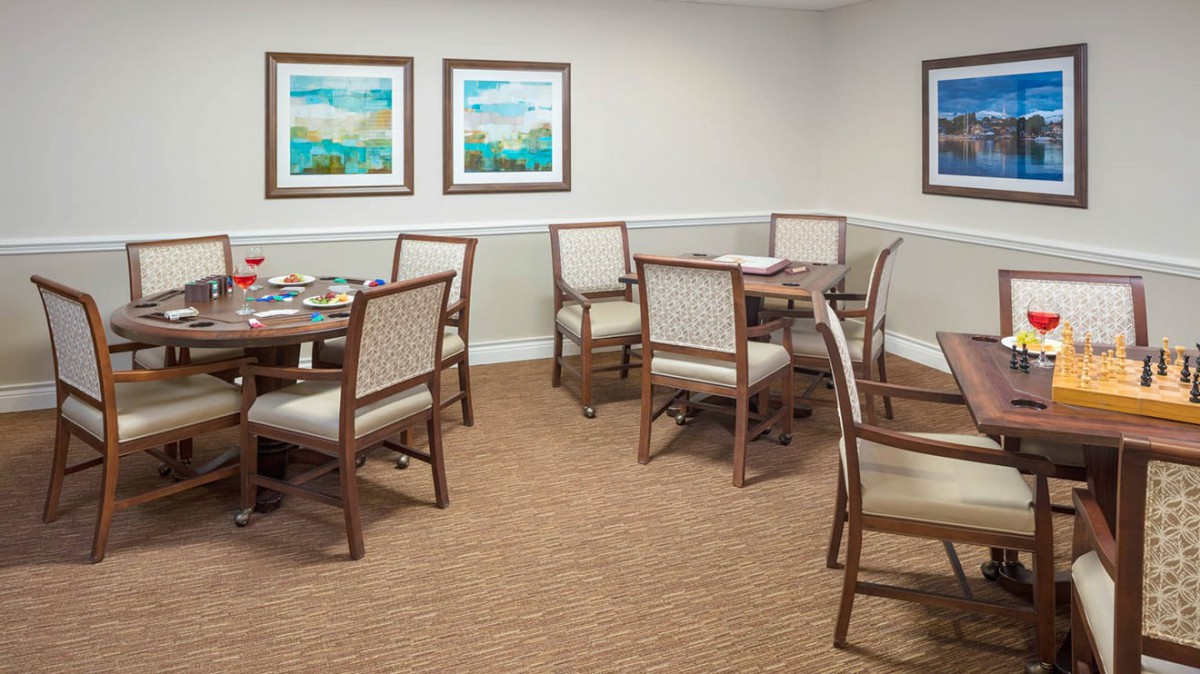
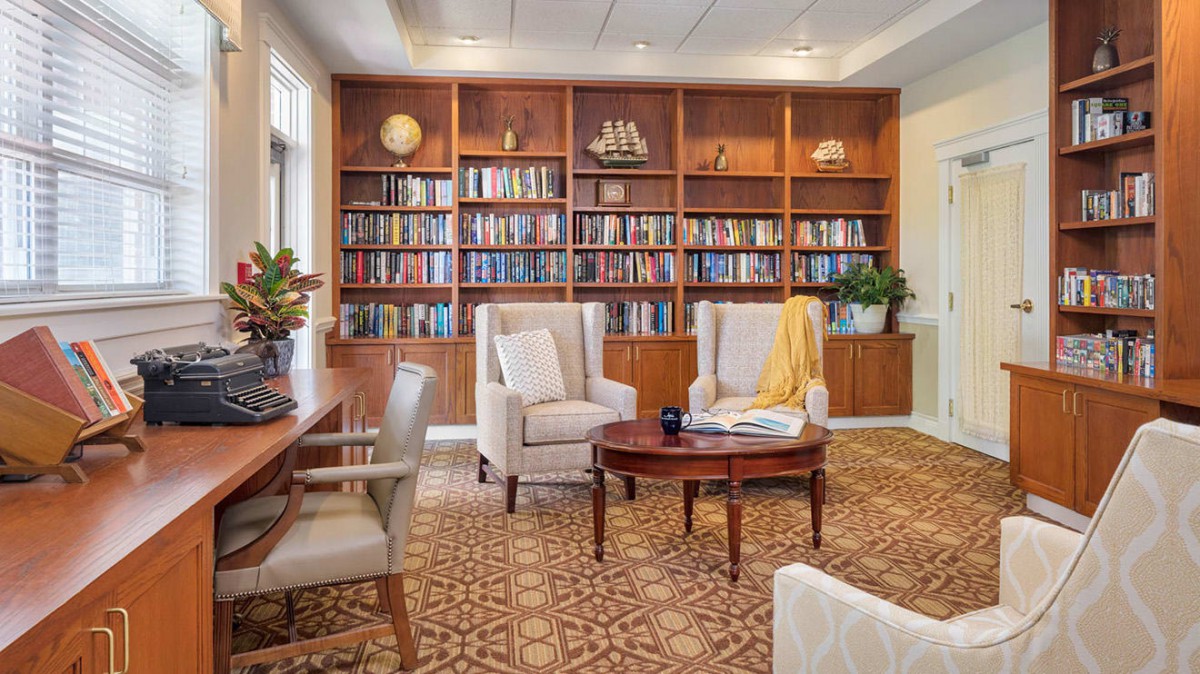
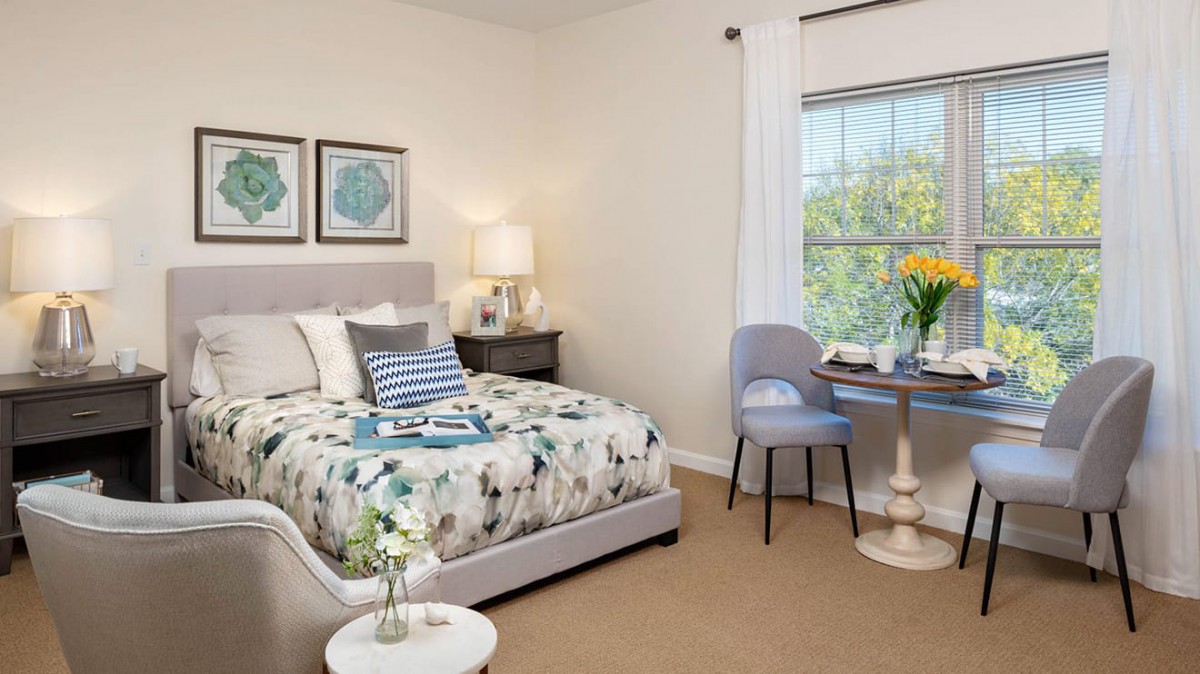
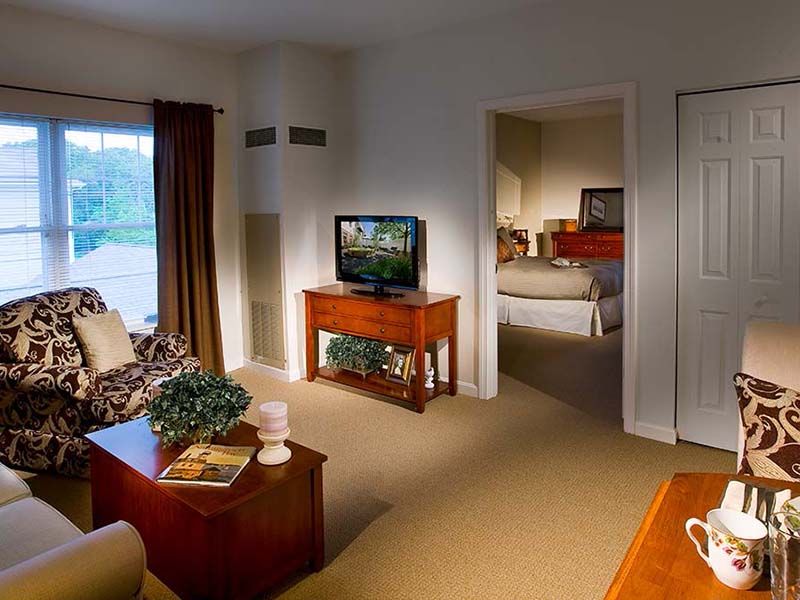
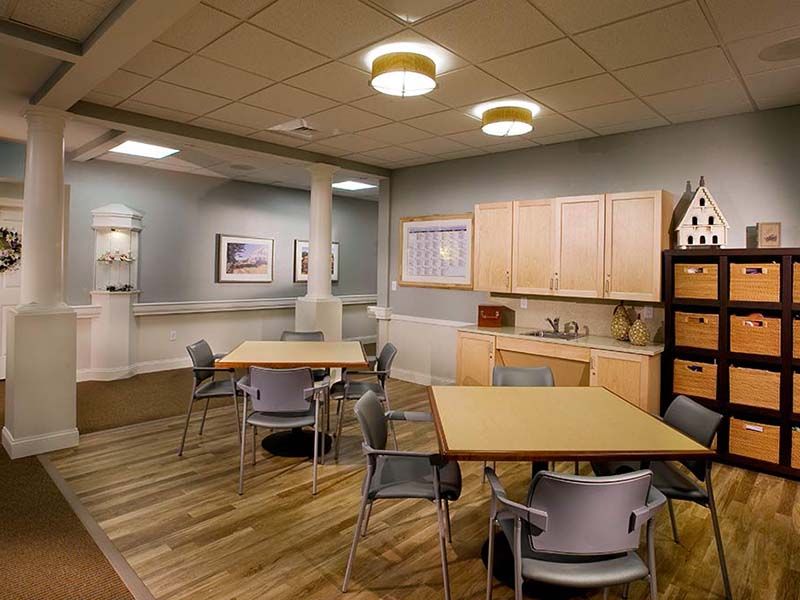
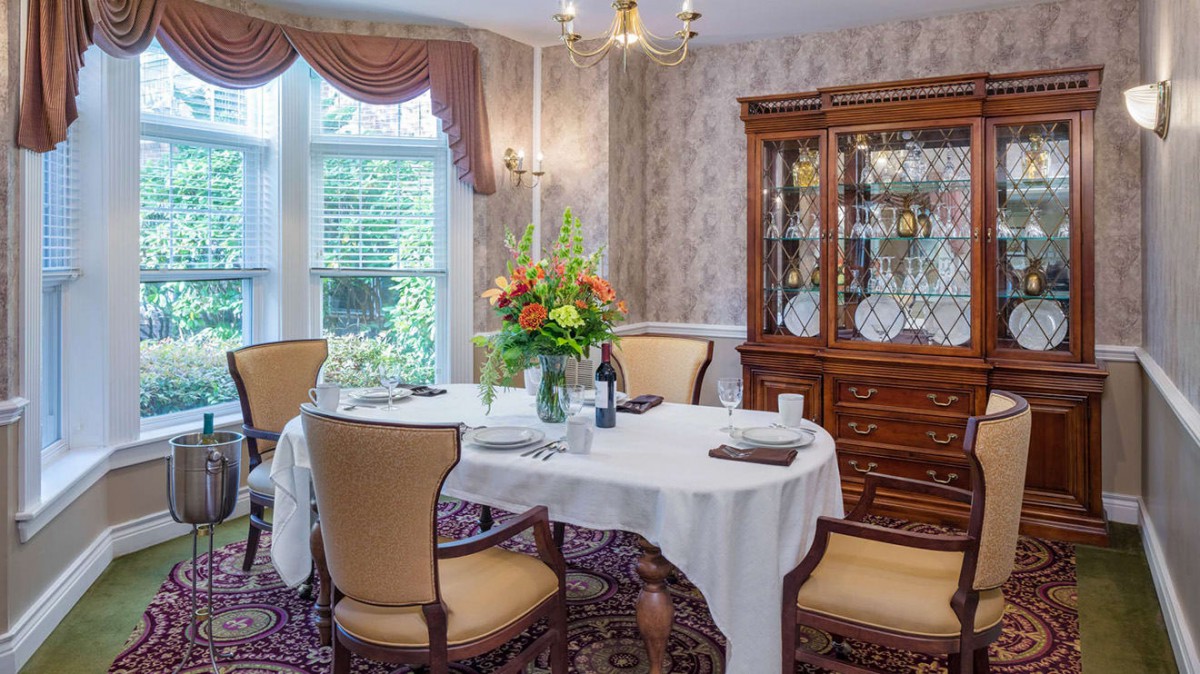
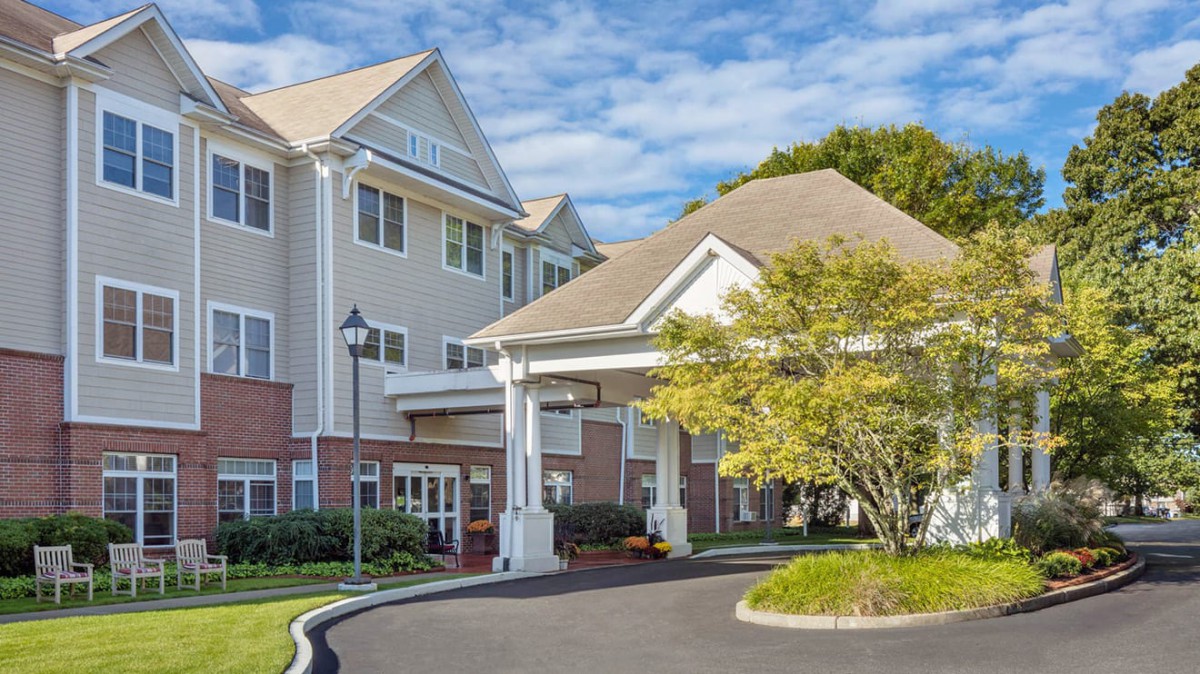
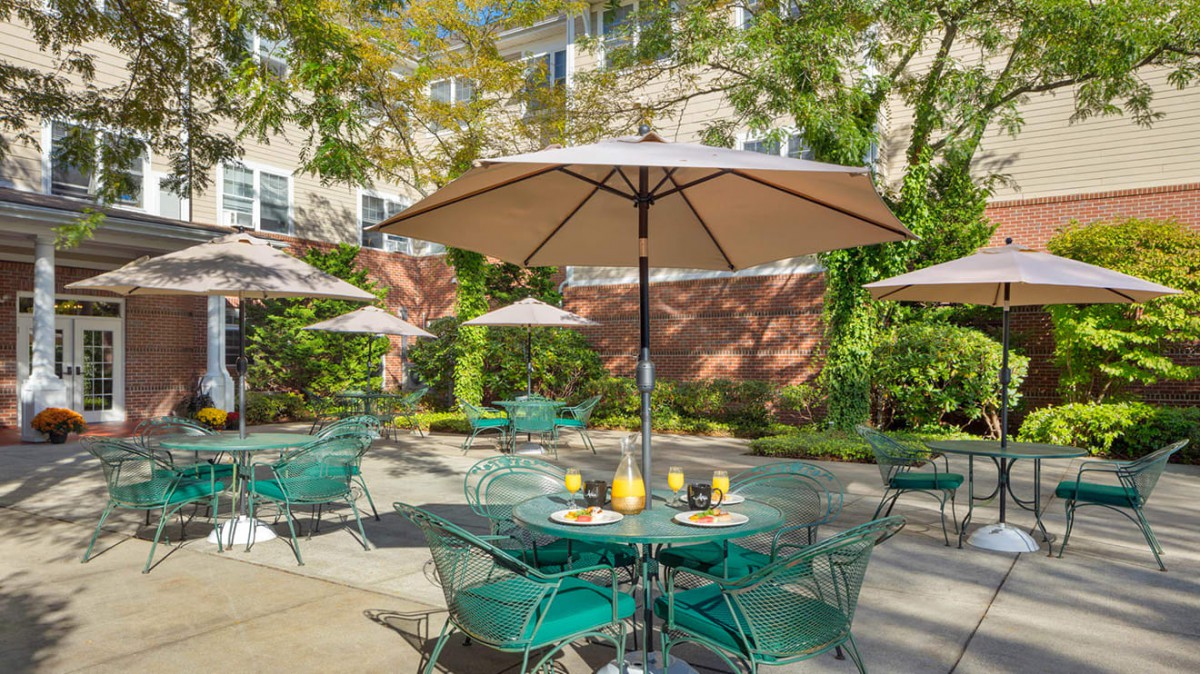
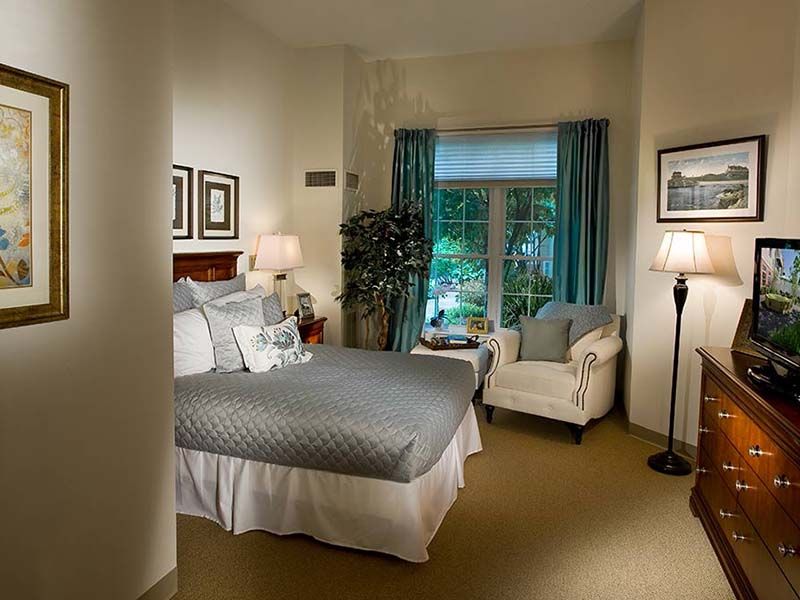
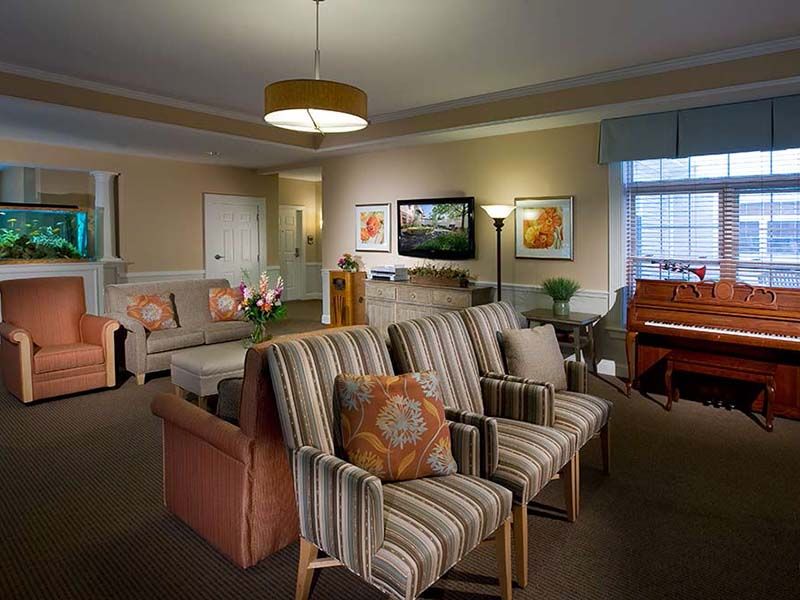
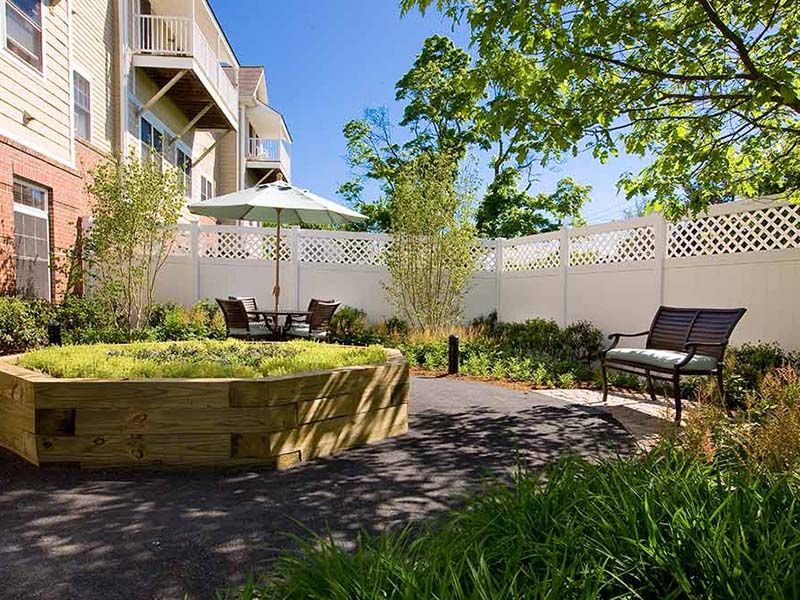
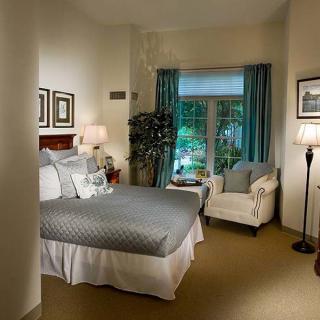
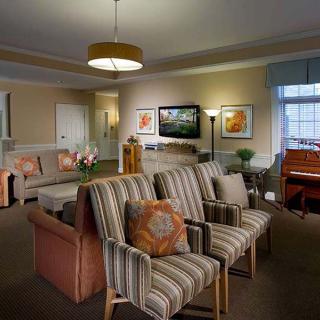
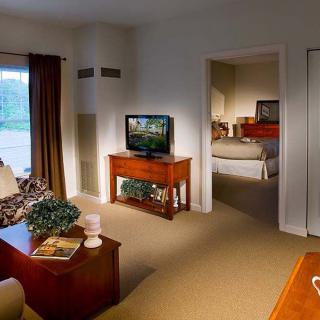
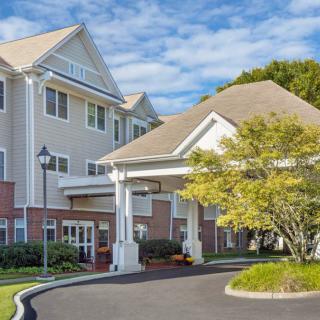
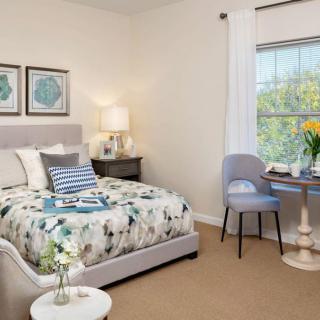
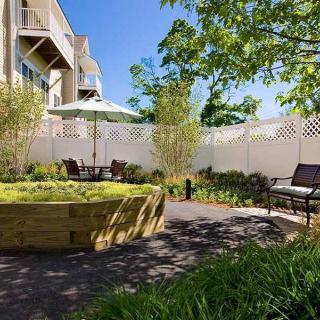
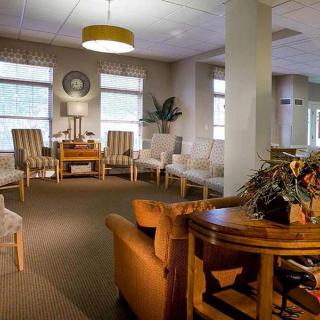
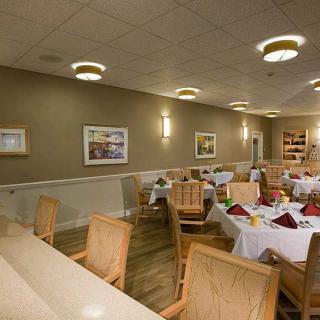
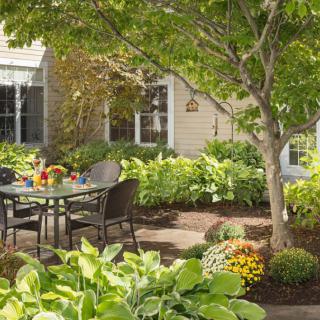
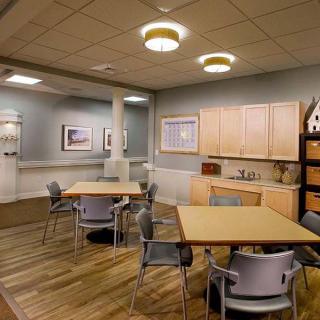
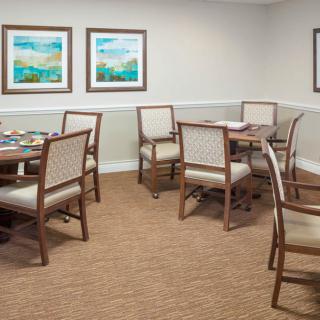
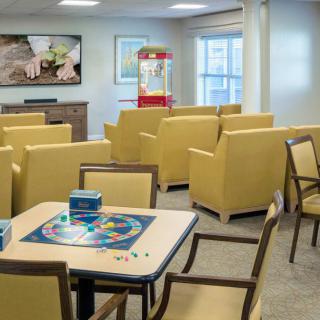
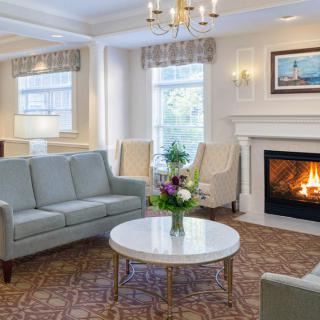
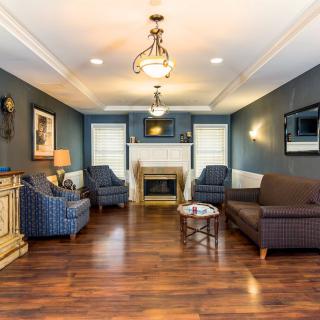
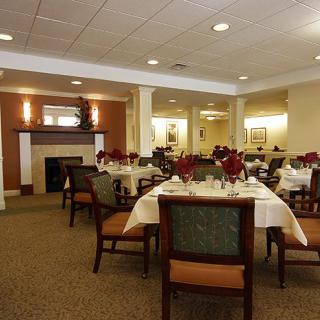
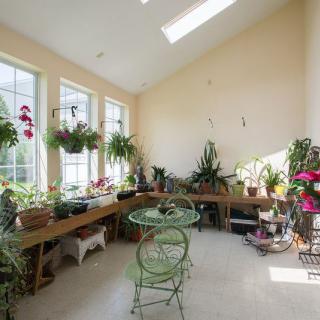
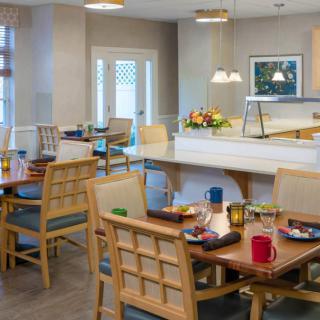
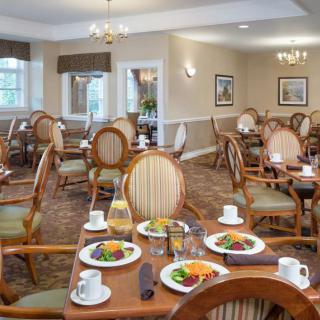
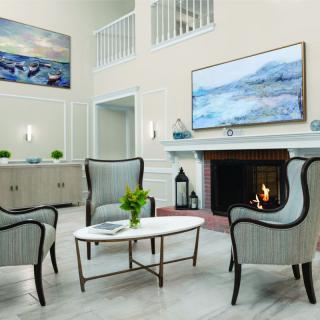
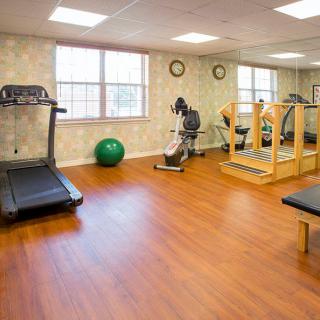
Atria Bay Spring Village on seniors.fyi includes 27 photos including images showing interior, floor plan, dining, bedroom, decor, windows, living room, salon, and more.
Nearby Communities
East Bay Geriatric Ctr
Riverside, RI
2.5 from 24 reviews
Strong access to health services and nearby amenities.
Bella Villa Assisted Living
Riverside, RI
5 from 3 reviews
$2,200 to $3,300 / month
Competitive pricing below county/state averages with comprehensive services
Anchor Bay At East Providence
East Providence, RI
4.7 from 154 reviews
$4,550 to $5,800 / month
Warm, welcoming atmosphere with friendly, attentive staff, spacious rooms, and engaging activities.
Gaspee Mansion Ltd
Warwick, RI
4.6 from 103 reviews
Near abundant dining, parks, and healthcare services.
Avalon Nursing Home
Warwick, RI
4.8 from 6 reviews
24-hour supervision with medication management, plus mental wellness support and social activities.
Beechwood Assisted Living
Warwick, RI
4.3 from 41 reviews
Nearby amenities include cafes, parks, dining, healthcare, transportation, worship, and theater.
Orchard View Manor
East Providence, RI
3 from 56 reviews
Some staff provide excellent care and rehab.
West Shore Health Center
Warwick, RI
3.5 from 32 reviews
Extensive amenities and 24/7 care.
Greenwich Farms At Warwick
Warwick, RI
4.6 from 80 reviews
$3,050 to $6,200 / month
Warm, caring staff; clean, homey environment with engaging activities and good dining.
Sundown syndrome, or sundowning, is a phenomenon in dementia patients characterized by increased confusion and agitation during late afternoon and evening, influenced by factors like disrupted circadian rhythms and fatigue. Effective caregiver strategies include establishing routines and managing environmental light while addressing caregiver stress through support services.
Delirium is a rapidly onset, reversible cognitive disturbance often caused by acute medical issues, while dementia is a gradual and irreversible decline due to chronic neurodegenerative diseases. Accurate differentiation between the two is essential for appropriate treatment and management in older adults.
Dementia, including Alzheimer’s disease, is often mischaracterized in terms of lethality as it leads to complications that can be fatal rather than being a direct cause of death; it causes a progressive decline in cognitive and physical health, making patients vulnerable to infections and other health crises. Effective management of nutrition, hydration, and communication is crucial in patient care, with palliative care becoming vital in advanced stages to enhance comfort and quality of life while caregivers play a key role amidst the challenges posed by the disease.
Get PricingAsk A QuestionSchedule A TourContact Senior Advisor
By clicking submit, you agree to our Partner's Terms of Use. You
also consent to receive calls and texts, which may be autodialed, from our Partner. Your consent is not a condition to
using our Partner's service. Please visit our Partner's Privacy Policy for information about their privacy practices.








 52 resident community capacity
 1-bedroom apartments
 Assisted Living
 Independent Living
 Memory Care
 Cats allowed
 Dogs allowed
 Activities off-site
 Air-conditioning
 Bath tubs
 Beautician on-site
 Cable or satellite TV
 Computer center
 Devotional services off-site
 Dining room
 Fitness room
 Fully furnished
 Gaming room
 Garden
 Guest parking
 Housekeeping services
 Indoor common areas
 Kitchenette
 Laundry
 Move-in coordination
 Outdoor common areas
 Outdoor patio
 Private bathrooms
 Respite or short term stays offered
 Restaurant-style dining
 Small library
 Telephone
 Wellness center
 Wheelchair accessible showers
 Wi-Fi/high-speed internet available
 Theodore F Green State (4 miles away)
 Community operated transportation
 12-16 hour nursing
 24-hour call system
 Ambulatory care
 Assistance with bathing
 Assistance with dressing
 Assistance with transfers
 Diabetes diet
 Diabetic care
 High acuity care
 Hospice waiver
 Incontinence care
 Medication management
 Mental wellness program
 Physical therapy
 Special dietary restrictions
 Transportation arrangement (medical)
 Concierge services
 Planned day trips
 English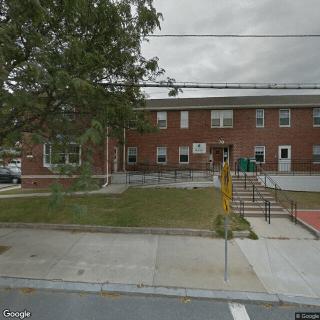
 Strong access to health services and nearby amenities.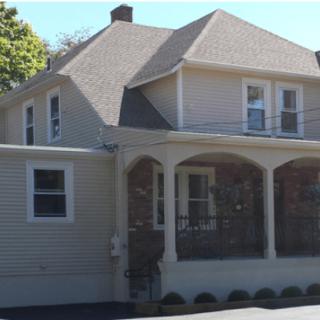
 Comprehending Evening Confusion in Dementia: Causes, Manifestations, and Support
 Delirium and Dementia: Unraveling the Key Differences
 Are Dementia and Alzheimer's Disease Lethal? A Comprehensive Exploration