
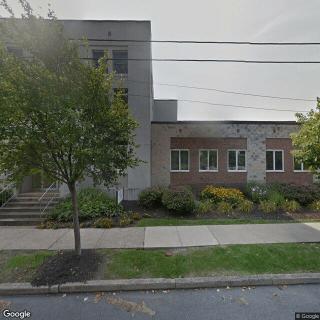
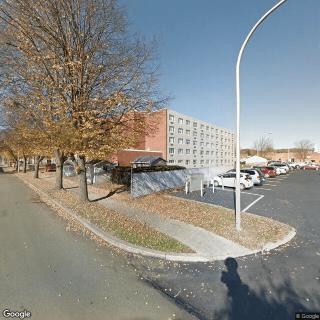
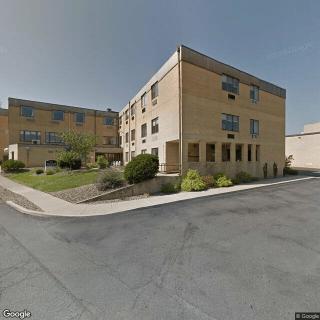
124 Emery Street, Williamsport, PA 17701
For more information about senior living options: (866) 208-4318
Overall Review of Willow View Personal Care Home
Pros
 Willow View Personal Care has been very good.
- The place is clean.
- The food is decent.
- They have a few different lounge areas with TVs.
- He is allowed to leave the facility for local trips or with family.
Cons
 Residents are not properly cared for.
- An elderly woman has been found wandering the streets five times in rain and freezing weather.
- Staff could not determine where she was when she appeared at the home at 5:30 a.m.
- They claim she should not be out unattended, but say that in a big house they can't keep track.
- The overall impression is horrified by the level of care provided.
Review
Willow View Personal Care Home is best suited for families seeking a small, home-like setting where daily assistance, medication management, and social engagement are provided without the bustle of a large campus. It works for seniors who are relatively independent but need help with routine tasks, a reliable meal routine, and the option to participate in local outings with family members. Prospective residents should understand that this setting leans more toward supportive care than specialized memory care or heavy medical oversight. In short, it is a practical choice for those who can tolerate occasional gaps in supervision and who value accessibility and a quieter environment over highly structured security.
Those who should consider alternatives are clear: safety and wander management are non-negotiable if memory issues or high wandering risk exist. Facilities with secure entrances, dedicated memory-care wings, or higher staffing ratios tailored to dementia care will typically offer greater protection for residents prone to leaving unattended. For families needing round-the-clock, tightly monitored supervision or more intensive medical support, larger, purpose-built communities may deliver a more consistent level of safety and care. Willow View may feel thin on the security and staffing front for residents with significant behavioral or cognitive challenges.
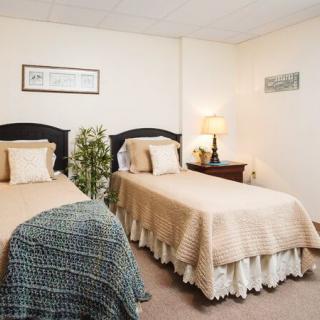
On the upside, the key advantages at Willow View are tangible and meaningful. The place is described as clean, which immediately reduces infection risk and supports a comfortable living environment. Food is noted as decent, a nontrivial factor for overall well-being and daily satisfaction in personalized care settings. The availability of a semi-private room, multiple lounge areas with televisions, and straightforward medication administration by nurses adds practical value, making daily rhythms predictable and manageable for residents who do not require constant one-on-one nursing attention. The ability for residents to leave the facility for local trips or to accompany family members on outings provides a welcomed sense of autonomy and connection to the community outside the walls.
Yet the most salient concern centers on safety and supervision. A review recounts a resident repeatedly wandering into the streets in adverse weather, with staff unable to determine her whereabouts in a timely manner. That account raises urgent questions about tracking, door security, and the overall adequacy of risk mitigation for residents who may not self-regulate. In a setting where even one resident can slip away, the consequences can be severe, and this clearly represents a material deficit in the facility’s risk management. For families evaluating Willow View, this is the critical lens through which every other positive attribute must be weighed.
The positives can offset some risk if a resident’s needs align with the facility’s strengths and the family can provide robust oversight. Cleanliness, reliable basic meals, and nurse-administered medications provide stability day to day. The capacity for local outings with family involvement helps sustain meaningful connections and reduce isolation, which is a real relief for every caregiver balancing life beyond the facility. However, these offsets do not erase the overarching concern: without stronger containment and monitoring for wander-prone residents, safety remains an unresolved vulnerability. Prospective residents should demand detailed, written assurances about security measures, staffing coverage, and incident response protocols before committing.
Bottom line: Willow View offers a practical, comfortable option for relatively independent seniors who require light to moderate support and value a homey atmosphere with accessible nursing care. It is not the ideal fit for residents with significant dementia-related wandering or those needing constant supervision. Families with strong local support networks and the ability to supervise or accompany a loved one on outings may find the arrangement workable, but others should pursue alternatives that prioritize security and continuous oversight. To make a well-informed decision, visit with a specific care plan in mind, request a tour focused on safety and staff responsiveness, interrogate the staffing ratios and shift coverage, and seek current residents’ families for candid feedback on day-to-day safety and enrichment opportunities.
 29 resident community capacity
 Assisted Living
 Beauty salon
 Cable or satellite TV
 Dining room
 Fully furnished
 Garden
 Housekeeping services
 Kitchenette
 Move-in coordination
 Outdoor space
 Restaurant-style dining
 Small library
 Telephone
 Wi-Fi/high-speed internet available
 24-hour call system
 Activities of daily living assistance
 Assistance with bathing
 Assistance with dressing
 Assistance with transfers
 Diabetes diet
 Medication management
 Mental wellness program
 Special dietary restrictions




 Vibrant Senior Living: A Comprehensive Guide for Active Older Adults
 When to Transition from Assisted Living to Memory Care: Key Indicators, Steps, and Finding the Right Community
 Assisted Living and Memory Care: Understanding Their Core Differences