
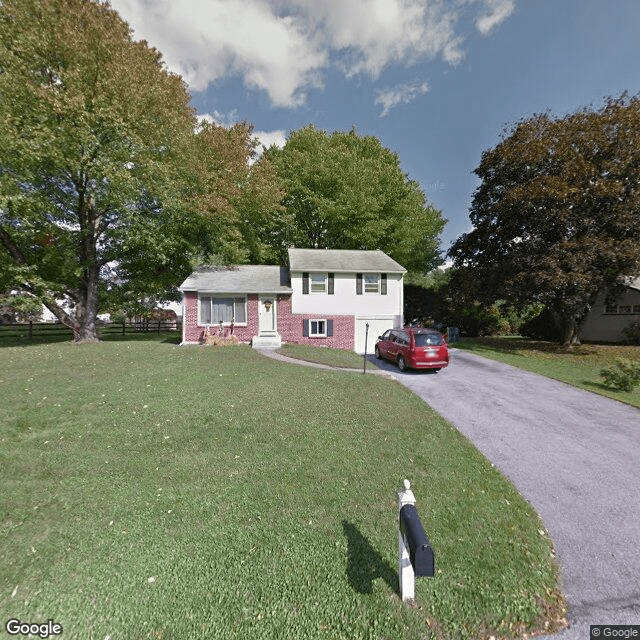
107 Penn Lane, West Chester, PA 19382
To contact a resident: (610) 348-5258
For more information about senior living options: (866) 208-4318
Overall Review of Compassionate Home Caregivers
Pros
 Compassionate Home Care is described as a great small company with an active owner who cares.
- The company is praised for delivering on its promises, doing all that it says during its sales pitch.
Cons
 The company failed to call back as promised, leaving the client waiting for weeks.
- Their communication was poor, and the owner did not respond to concerns in a timely manner, sometimes not at all.
- The caregivers sent were not suited to the client's needs and illness.
- One caregiver had transportation problems, and the client had to provide rides frequently.
- Another caregiver used household items without asking and brought their child to the home in a pushy way.
- There was no opportunity to express or discuss concerns with the owner as time went on.
Review
Compassionate Home Caregivers in West Chester is best suited for families seeking a small, hands-on, owner-led in-home care option for a loved one facing Alzheimer’s or cognitive decline. The agency’s strength is its intimate scale and direct leadership involvement, which allows routines, safety checks, and daily activities to be tailored around shifting needs. Families that prize access to the owner and a team that feels more like a close-knit support network than a rotating pool of contractors will find value here. When the arrangement holds, the personal touch can yield steady daily care and a caregiver relationship built on trust and familiarity.
Yet this option may not fit households requiring ironclad reliability or rapid, consistent communication. Reviews repeatedly describe slow responses and missed callbacks, with promises of follow-up left unmet. That dynamic can leave families in limbo during a vulnerable caregiving period. The small, owner-centric model can offer agility in good moments but also means coverage and responsiveness depend on one person’s bandwidth. For families needing guaranteed scheduling, robust backup coverage, or a proven, scalable escalation process, larger agencies with formal structures should be considered as a serious alternative.
On the positive side, the agency does deliver genuine, personalized care when a compatible caregiver is placed. An emphatic compliment notes that the company finally performs on what is promised during the sales pitch, highlighting a responsive, engaged owner and a culture that cares. The hands-on leadership tends to produce careful caregiver selection and a willingness to adapt plans as the loved one’s routines evolve. For families that want a partner who treats care as a relationship rather than a transaction, the small size and active involvement can translate into meaningful continuity and comfort for the patient.
Unfortunately, multiple reviews echo concerns about fit and conduct. Communication gaps and inconsistent owner responsiveness undermine confidence just when clarity is most needed. Some caregivers have been mismatched to the patient’s needs or illness, with practical issues ranging from transportation problems to instances of intrusiveness, such as caregivers acting without clear consent. The absence of a reliable channel for raising concerns and pursuing adjustments compounds the risk, leaving families feeling unheard during a stressful period.
Do the benefits offset the drawbacks? For families able to leverage the owner’s ongoing involvement and to secure careful caregiver matching, the advantages can compensate for some scheduling quirks, delivering a genuinely tailored care experience. However, the weight of reliability concerns remains a critical factor. If a dependable calendar, predictable staffing, and easy escalation are non-negotiables, this agency may fall short. In such cases, pursuing a larger agency with structured processes and guaranteed coverage can offer greater peace of mind, even if the personalized warmth is not as pronounced.
Practical steps for families considering this option: insist on a written care plan with defined caregiver assignments and a fallback plan; request a trial period to assess fit and communication; confirm backup coverage and a clear escalation path; designate a day-to-day point person besides the owner to streamline updates; verify caregiver training for Alzheimer’s and related needs; probe references for consistency and reliability; set expectations about boundaries, such as use of household items or inviting others into the home. If these terms can be met and the owner demonstrates consistent responsiveness, the arrangement can work; if not, explore alternatives promptly to avoid ongoing uncertainty and risk to the loved one’s wellbeing.
 Philadelphia International (18 miles away)







 Effective Strategies for Keeping Seniors' Minds Active: A Deep Dive into Brain Games and Apps
 In-Depth Look at the VA Aid and Attendance Program
 Nurturing Our Loved Ones: A Daughter's Journey in Caring for Her Mother