
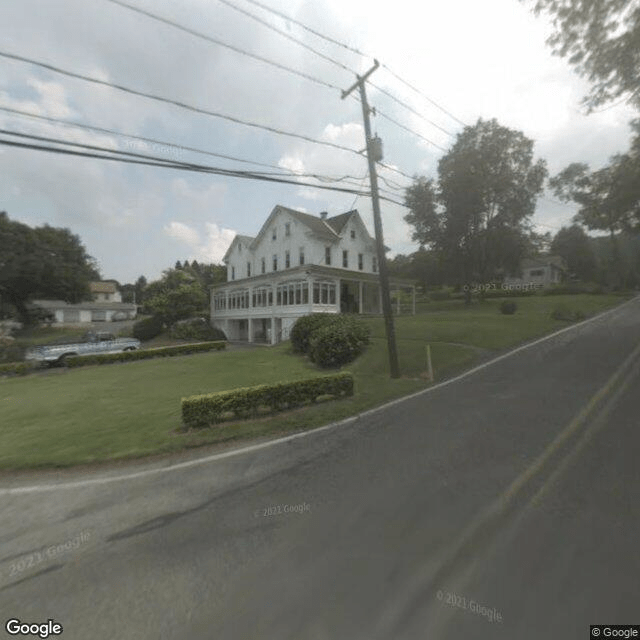
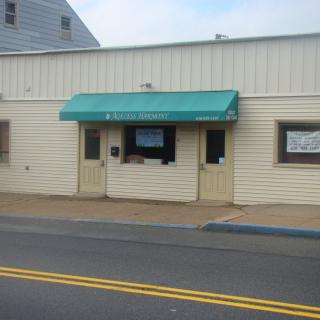
448 Preston Rd, Wernersville, PA 19565
To contact a resident: (610) 678-9282
For more information about senior living options: (866) 208-4318
Danken House Costs & Pricing
Danken House offers competitive pricing for its residents, significantly lower than the average costs observed in both Berks County and the broader Pennsylvania region. For a semi-private room, Danken House charges $1,140 per month, which is notably less than the county average of $3,216 and the state average of $3,542. Similarly, their studio apartments are available at $1,650, while the corresponding averages in Berks County and Pennsylvania stand at $3,338 and $3,737 respectively. This pricing strategy reflects Danken House's commitment to providing quality care and comfortable living arrangements while ensuring affordability for its residents compared to local and state benchmarks.
| Floor plans | Danken House | Berks County | Pennsylvania |
|---|---|---|---|
| Semi-Private | $1,140 | $3,216 | $3,542 |
| Studio | $1,650 | $3,338 | $3,737 |
Overall Review of Danken House
Pros
 The staff was really nice.
- It was the closest to my mom.
Cons
 The community was the worst of the three visited.
- It did not have an elevator in the building.
- The narrow stairs were hard for residents to use and seemed dangerous.
- It seemed dangerous for residents to have to go up and down those stairs.
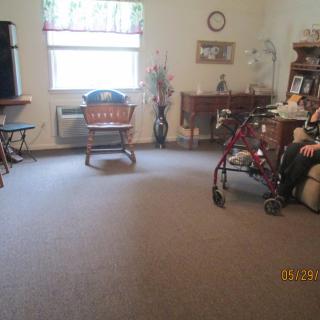
- The community was dark and had an odor.
- The residents did not look well taken care of.
- The community did not look kept up.
- There did not seem to be many plans or opportunities for residents to get out.
Review
Danken House in Wernersville is best suited for seniors who are largely independent, can navigate stairs, and prioritize being close to family over having a modern, high-amenity setting. Its strongest draw is location, the proximity to a caregiver or family member can make daily check-ins and visits straightforward. The staff is described as friendly and accommodating, and that warmth can smooth over some rough edges in a small building. In short, this community works well for residents who can manage mobility without daily hands-on assistance and who want a modest, intimate environment rather than a polished campus.
However, a number of residents may want to consider alternatives. Any resident who needs regular help with daily tasks, mobility aids, or fall prevention should look elsewhere, given there is no elevator and the building relies on narrow stairs. Cleanliness and upkeep appear inconsistent, and odors and dim lighting suggest maintenance gaps. Additionally, programming and outings are not robust, so those who expect structured activity calendars or frequent opportunities to get out will likely be disappointed. For families with these priorities, exploring other communities with accessible design, stronger housekeeping, and more planned activities is prudent.
Pros include a compassionate staff and a quietly homelike feel that can ease transitions for some residents. The human touch can make daily routines less stressful and help residents feel seen. Yet these positives do not erase critical safety and quality concerns. The absence of an elevator and the risk associated with enduring stairs are fundamental barriers for anyone with mobility limits or fall risk. A dark, unkempt environment with a noticeable odor compounds the risk, undermining health and well-being and making evenings and routine care harder. The lack of well-defined plans or outings also blunts overall quality of life, no matter how kindness is delivered.
From a practical standpoint, the access layout and upkeep shape every day at Danken House. Residents must contend with stairs rather than elevators, which means staff must continuously navigate mobility barriers during transport to meals, activities, and personal care. The interior ambience, dim lighting and lingering odor, adds to a sense of neglect and can affect mood and appetite. The care footprint appears limited, with few structured programs or external outings on offer, so days may pass with limited engagement rather than meaningful activity. These factors collectively limit comfort, safety, and the ability to sustain independence.
Families evaluating the option should demand candid information during tours: is there any phased plan for accessibility improvements or existing mobility accommodations? How are falls and mobility challenges managed? What maintenance schedules address odors, lighting, and cleanliness? What is the current and planned activity calendar, and how flexible is it to resident interests? It is wise to test-drive the place with a real visit and, if possible, speak with current residents about day-to-day life. If any of these questions trigger concerns, a more robust option with elevator access and stronger upkeep is likely a better fit.
Overall, Danken House represents a practical compromise: a close-to-family setting with kind staff but compromised by design and upkeep that make safety and engagement uncertain for residents needing more support. It is a reasonable choice only for those who are physically capable of managing stairs, who do not require regular assistance, and who value proximity over aesthetics and programming. For families where mobility needs, daily care, or a lively activity slate are nonnegotiables, alternatives with accessible construction, cleaner environments, and richer programming should be pursued. The right decision will hinge on whether proximity and personal attention can compensate for the buildingā€™s architectural and maintenance drawbacks.
 Assisted Living
 Activities off-site
 Devotional services off-site
 Indoor common areas
 Outdoor common areas
 Ambulatory care
 Meals provided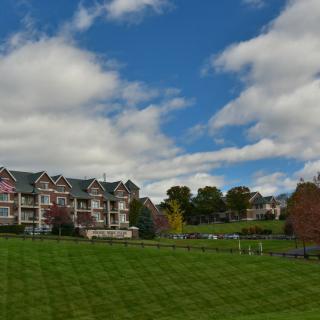

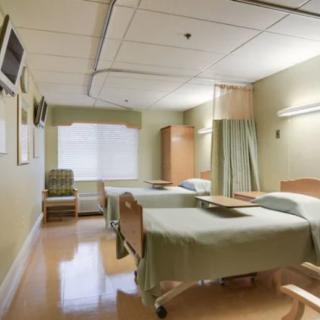
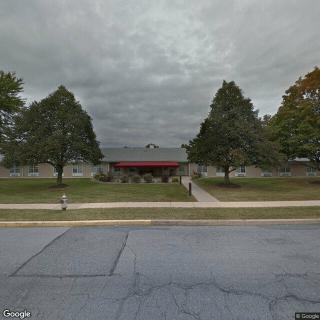
 How and When Medicaid May Cover Assisted Living Costs
 A Detailed Exploration of Assisted Living Medicaid Waivers Across the United States
 Comprehensive Residential Support and Assisted Living Solutions for Individuals with Disabilities