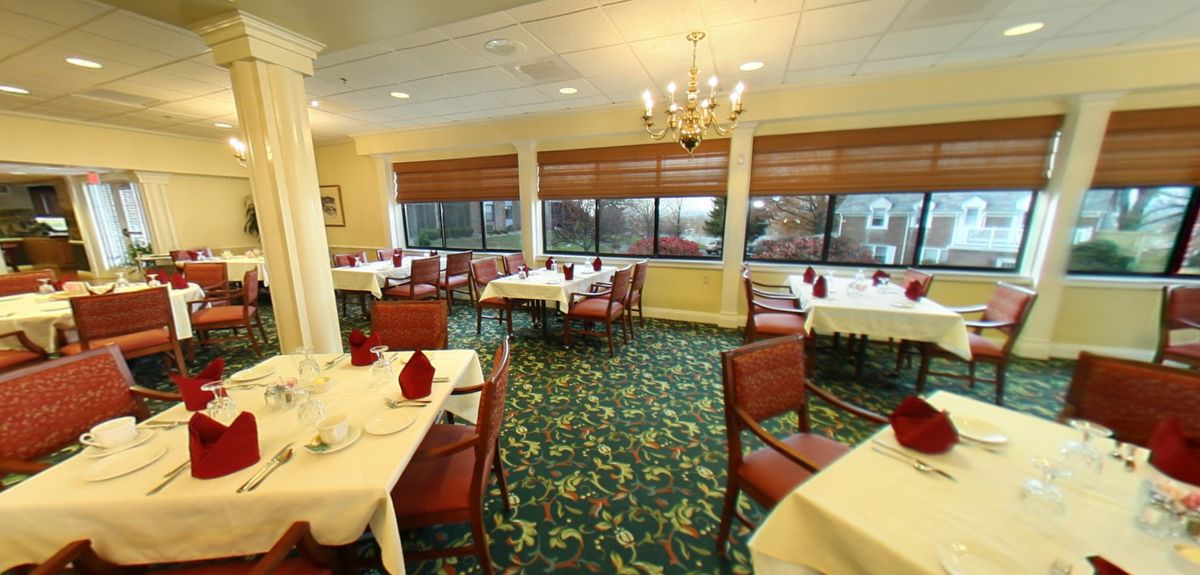
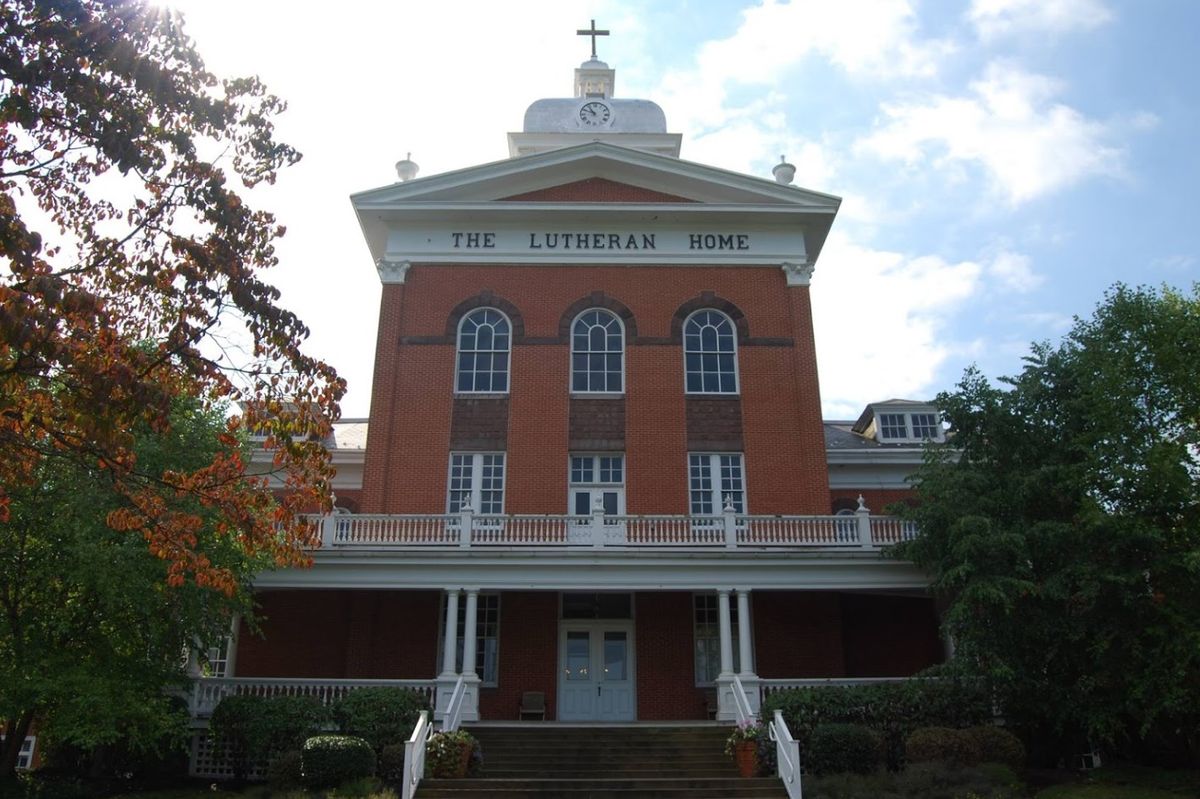
The Lutheran Home at Topton Costs & Pricing
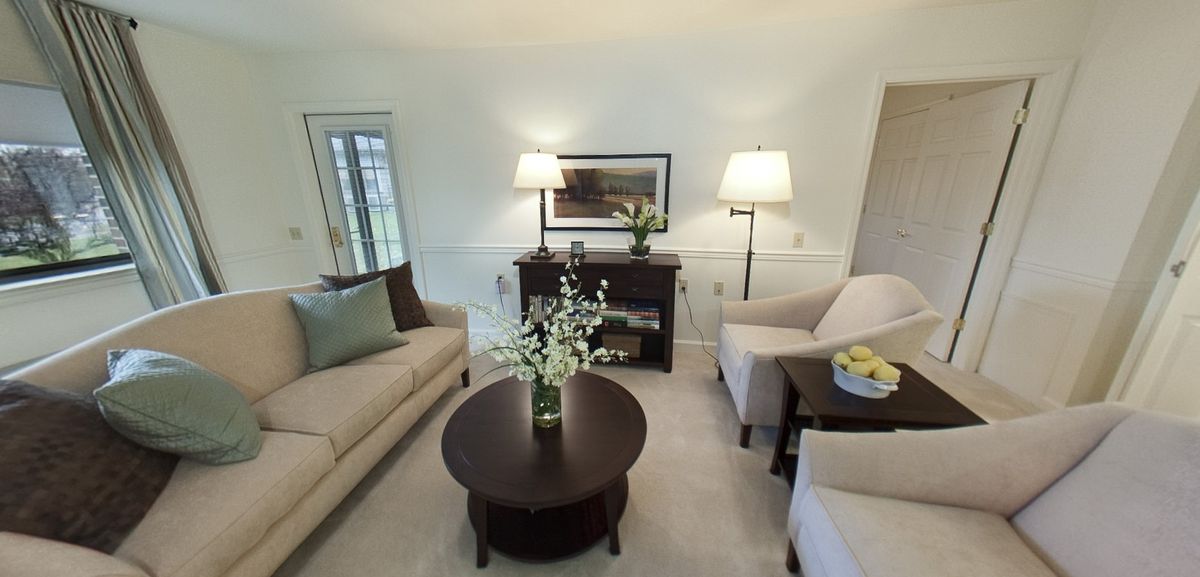
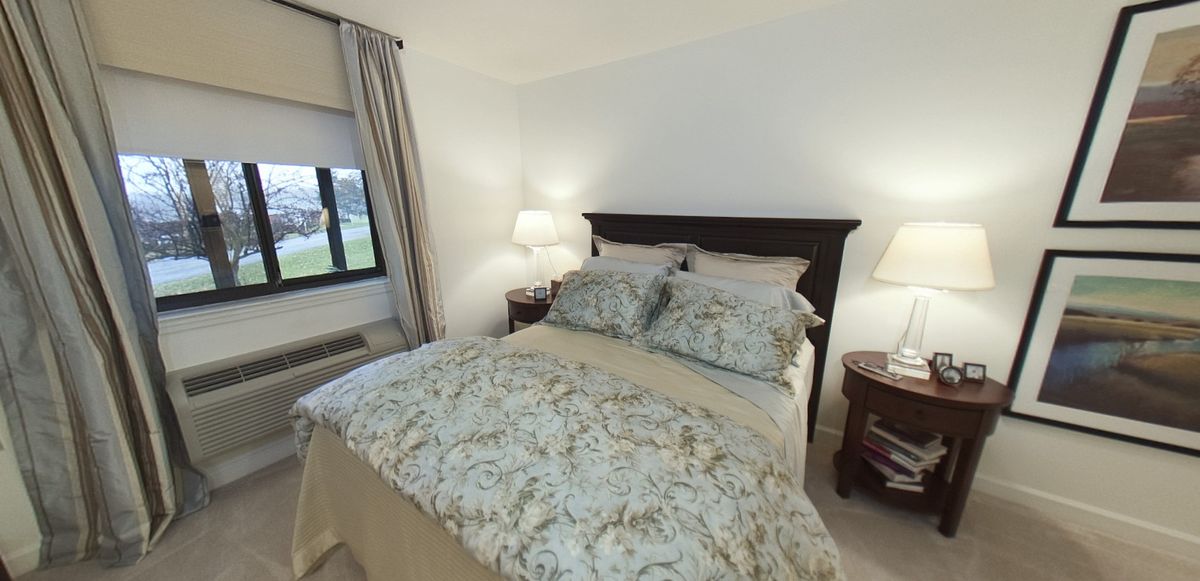
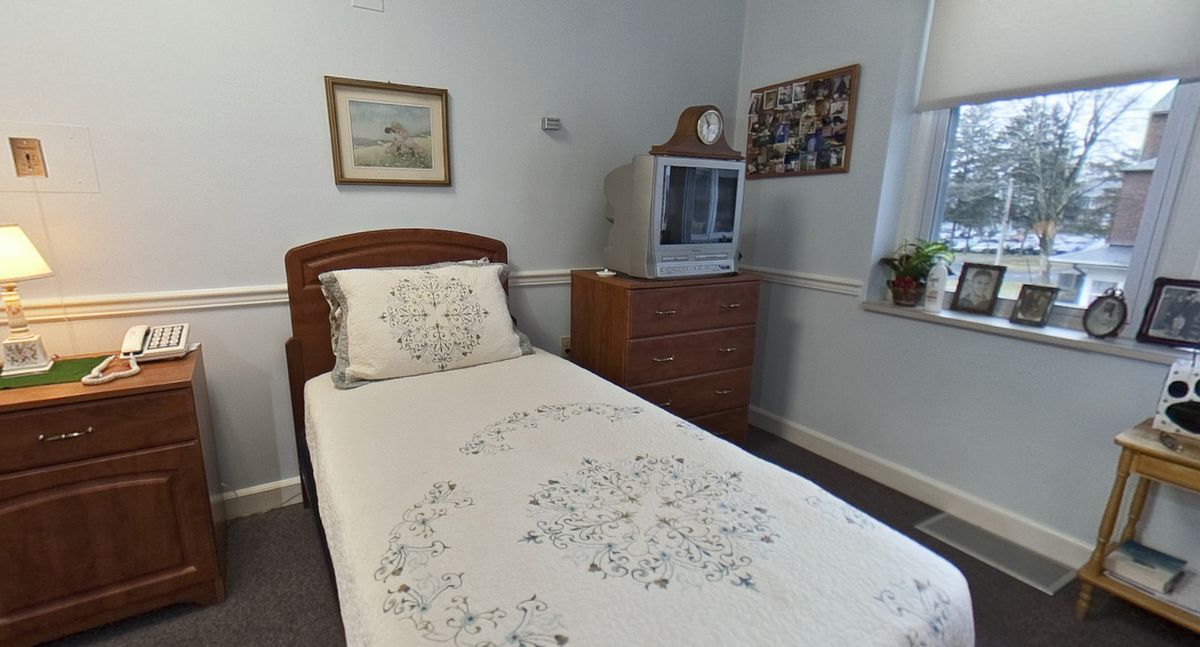
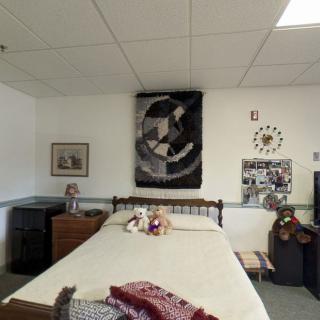
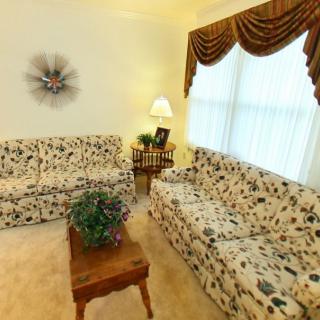
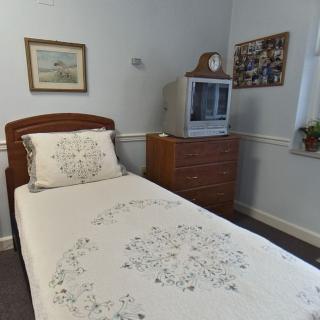
The Lutheran Home at Topton offers competitive pricing for its living accommodations when compared to both Berks County and the broader state of Pennsylvania. For instance, a studio room is priced at $1,605 per month, significantly lower than the county average of $3,338 and the state average of $3,737. Similarly, the one-bedroom unit at $2,170 and two-bedroom unit at $2,520 provide exceptional value compared to their respective local averages of $4,043 and $4,289. Interestingly, while semi-private rooms at The Lutheran Home are listed at $4,650 - higher than both the county's average of $3,216 and the state average of $3,542 - the overall affordability for private rooms positions The Lutheran Home as an attractive option for individuals seeking quality care in a supportive environment.
| Floor plans | The Lutheran Home at Topton | Berks County | Pennsylvania |
|---|
| Studio | $1,605 | $3,338 | $3,737 |
| 1 Bedroom | $2,170 | $4,043 | $4,006 |
| 2 Bedrooms | $2,520 | $4,289 | $4,242 |
| Semi-Private | $4,650 | $3,216 | $3,542 |
Assisted Living communities with a similar price nearby
-
from +$300 / mo
The Heritage of Green Hills
$1,905 to $3,338 / month
19.5 miles away
-
from +$236 / mo
The Heritage of Green Hills
$1,841 to $2,994 / month
19.5 miles away
-
from -$105 / mo
Evans Retirement Center
$1,500 to $1,800 / month
6.8 miles away
-
from -$105 / mo

The Villa St Elizabeth
$1,500 to $2,000 / month
18.1 miles away
-
from -$110 / mo
Above & Beyond Inc.
$1,495 to $2,500 / month
12.3 miles away
Overall Review of The Lutheran Home at Topton
common
29 reviews mention this
Staff care and responsiveness vary
Residents and families describe both compassionate staff support and serious gaps in day-to-day responsiveness.
Across reviews, many residents and families say nurses, aides, and other caregivers are caring, respectful, attentive, and quick to resolve concerns. Others describe delays and missed needs, including long waits for the call bell, trouble getting basic assistance, and medication or follow-up problems. Even in more positive reviews, there’s an expectation that families stay engaged and monitor care rather than assuming everything will be handled.
common
9 reviews mention this
Activities keep residents engaged
Many reviews highlight scheduled activities that help residents stay busy.
Multiple residents describe days filled with activities, games, and themed events, including art projects and parties. Reviews also point to options that support staying connected, like outdoor time, group crafts, and using an on-site library. Not every visitor is equally impressed with activity engagement, but the overall theme is that activities are part of daily life.
common
8 reviews mention this
Food quality is a mixed point
Dining is frequently mentioned, with residents reporting both enjoyable meals and frustration with meal issues.
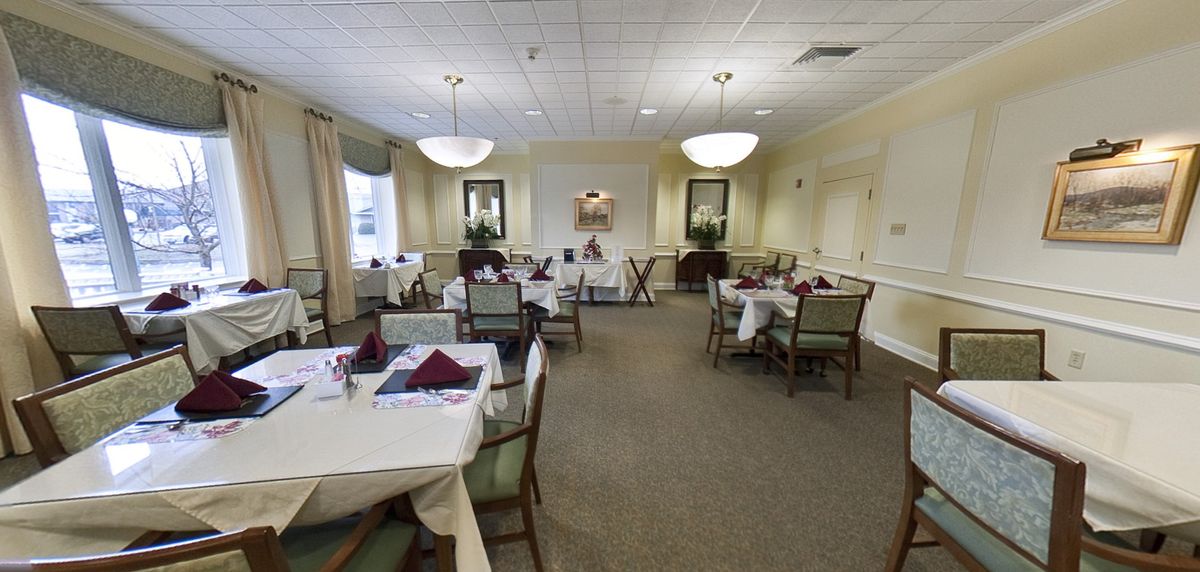
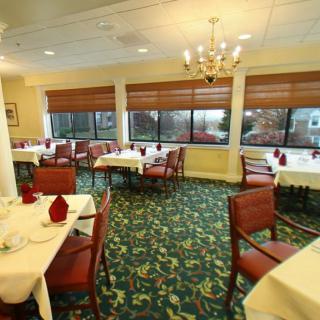
Some reviews praise the variety and quality of meals, describing generous portions and nutritious, well-balanced food. Others specifically mention food problems, including meals that need improvement or disappointment with what residents receive. Several reviews also tie dining to special diets and the overall service experience, including room service and guest meal options that fit different needs.
caveat
7 reviews mention this
Cleanliness and room upkeep split
Cleanliness and room condition receive mixed feedback across reviews.
Positive comments describe clean rooms, no unpleasant odors, and well-kept common spaces. Other reviews contradict that, citing dirty rooms, neglected floors, dust, and concerns about housekeeping not keeping up. Even when staff is described as kind, these cleanliness issues show up often enough to be a meaningful deciding factor for families.
caveat
6 reviews mention this
Care delays and staffing concerns
Several reviews describe long waits and breakdowns when residents need help quickly.
A recurring complaint is that residents wait extended periods for assistance, including help with toileting and basic care needs after using the call bell. Some reviews also describe issues around medication timing and follow-through, as well as therapy and nursing tasks not being completed as expected. Taken together, these reports emphasize responsiveness as an area that can fall short.
caveat
3 reviews mention this
Pricing feels expensive to some
Reviewers disagree on value, with some calling it expensive and others focused on care and outcomes.
At least a few reviews mention cost directly, including one saying it is expensive but worth it, and another expressing frustration with additional charges and pressured moves. The listing’s pricing pattern also indicates lower rates than county and state benchmarks across unit types. The split suggests that families’ sense of value may depend heavily on how well care and billing experiences match expectations.
How we summarize
Counts show how many written reviews mention each theme; a review can touch several themes, and only frequently mentioned themes are displayed.

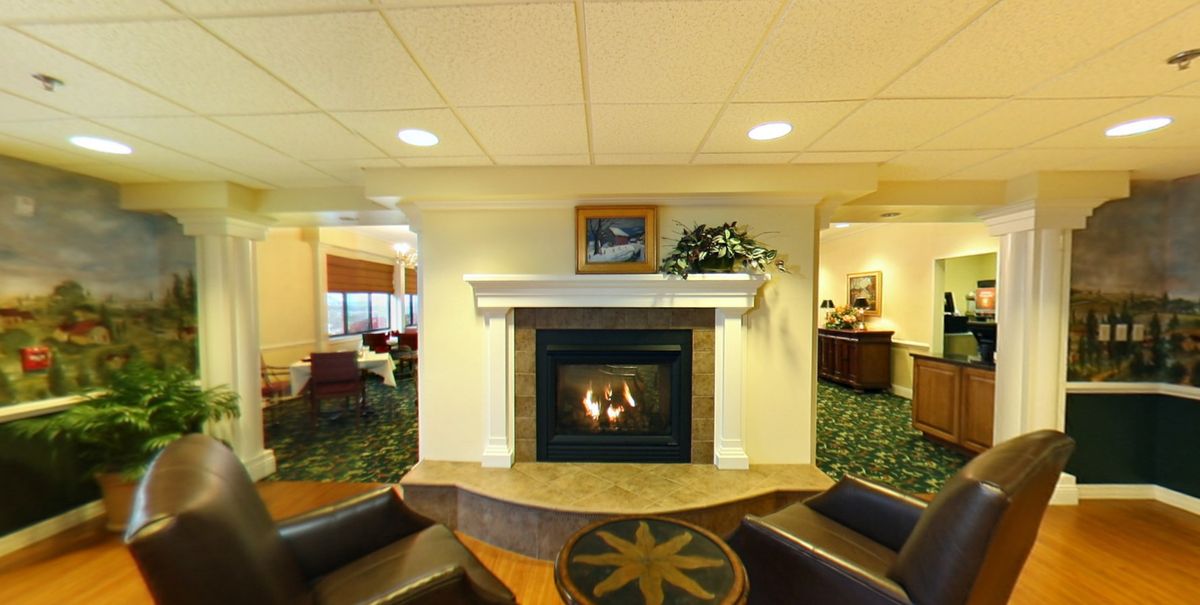
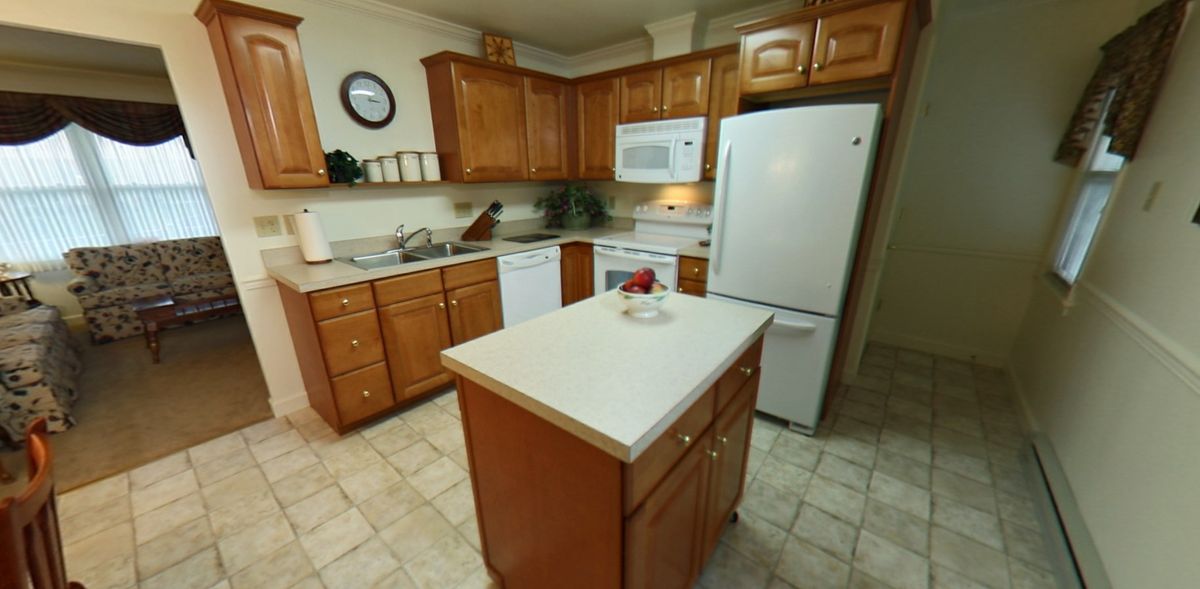
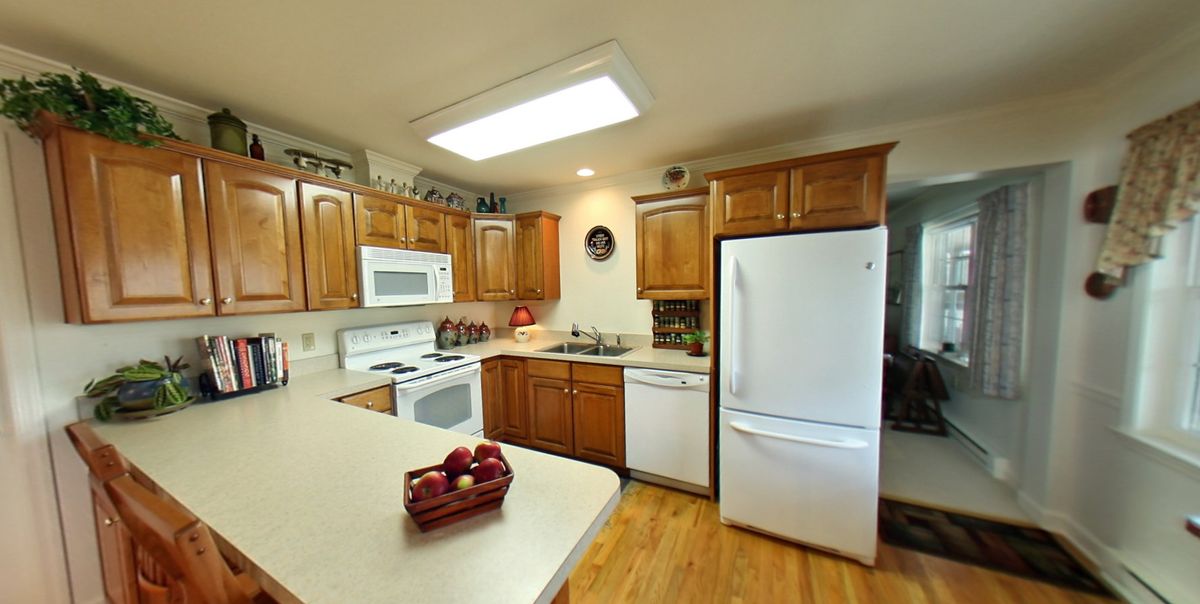
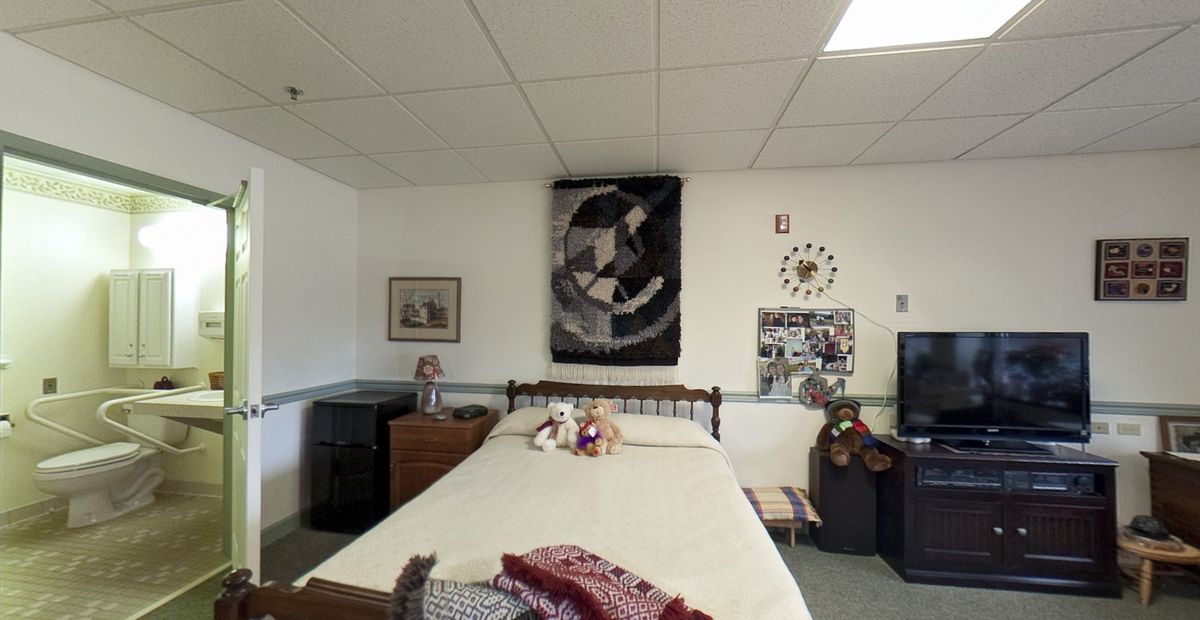
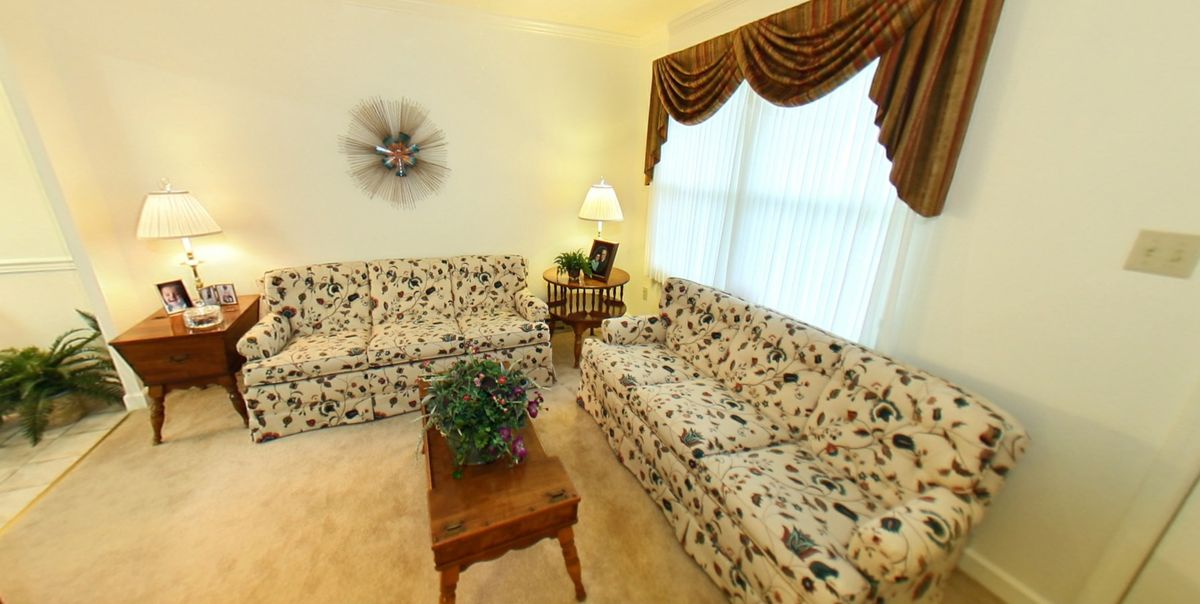
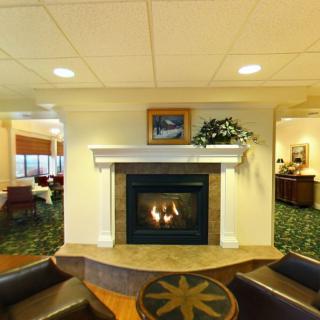

 92 resident community capacity
 Assisted Living
 Continuing Care Retirement Community (CCRC)
 Independent Living
 Memory Care
 Respite Care
 Skilled Nursing Facility
 Cats allowed
 Dogs allowed
 Activities off-site
 Air-conditioning
 Bath tubs
 Beautician on-site
 Cable or satellite TV
 Computer center
 Devotional services off-site
 Fitness room
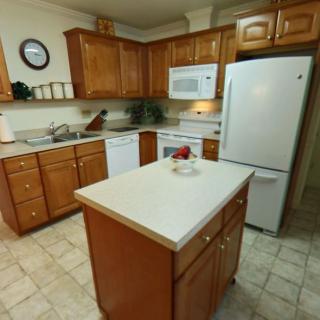
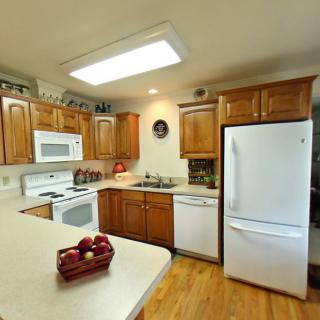
 Full kitchen
 Fully furnished
 Gaming room
 Garden
 Ground floor units
 Handicap accessible
 Housekeeping services
 Indoor common areas
 Move-in coordination
 Outdoor common areas
 Private bathrooms
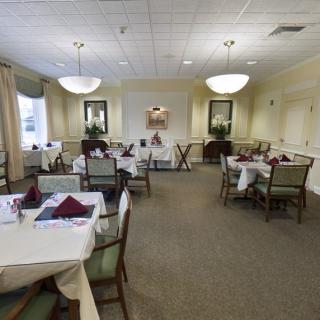
 Restaurant-style dining
 Small library
 Telephone
 Wellness center
 Wi-Fi/high-speed internet available
 Lehigh Valley International (17 miles away)
 Community operated transportation
 24-hour call system
 Ambulatory care
 Assistance with bathing
 Assistance with dressing
 Assistance with transfers
 Diabetes diet
 Diabetic care
 Incontinence care
 Medication management
 Special dietary restrictions
 Art classes
 Catholic services
 Concierge services
 Cooking classes
 Educational speakers / life long learning
 Jewish services
 Planned day trips
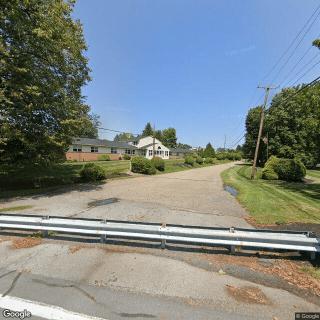
 Caring, homey environment with specialized diabetic care and engaging on-site activities.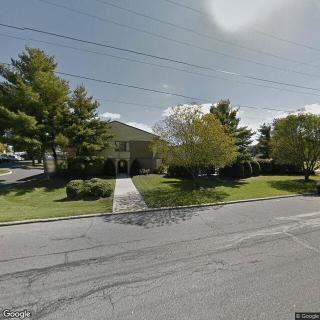


 Nourishing the Mind: Essential Dietary Approaches for Dementia
 Understanding Dementia Behaviors: Practical Insights and Strategies for Caregivers
 When Dementia Sparks Anger and Aggression: Understanding the Connection and Ways to Cope