Twin Cedar Senior Living offers competitive pricing for its services, particularly when compared to the broader market in Pike County and across Pennsylvania. For semi-private accommodations, residents can expect to pay $3,671 per month, which is lower than the county average of $3,823 and slightly above the state average of $3,542. In terms of studio apartments, Twin Cedar's monthly rate is $4,252 - while this exceeds both the county's average of $4,614 and Pennsylvania's average of $3,737 - the amenities and quality of care provided may warrant the higher investment. Overall, Twin Cedar Senior Living presents an appealing option for potential residents seeking a balance between cost and high-quality senior living care.
Floor plans
Twin Cedar Senior Living
Pike County
Pennsylvania
Semi-Private
$3,671
$3,823
$3,542
Studio
$4,252
$4,614
$3,737
Memory care communities with a similar price nearby
Residents and families repeatedly describe staff as caring and attentive.
Across many reviews, families say the staff responds to needs quickly, checks in, and treats residents with respect and kindness. Several reviewers also mention strong communication—calling families to keep them informed when things change. Multiple residents describe feeling supported as they settle in or as care needs evolve, including staff engaging residents and staying patient.
common35 reviews mention this
Dining stands out as consistently good
Food and dining support come up often in resident and family feedback.
Reviews frequently praise the meals as good, enjoyable, and well-prepared, with a number of families saying their loved one is “well fed” or content with the food. Some mention a focus on healthier choices or dietary limits, including no-sugar and low/no-sodium style dining. Residents also describe dining as a shared, social part of daily life, rather than just a routine task.
common40 reviews mention this
Activities help residents stay engaged
Daily programming and outings are a recurring reason families feel at ease.
Many reviews note that residents have activities to participate in every day, including games and group events. Several mention specific preferences—such as residents joining music, birdwatching, gardening, or themed events—while others highlight that staff helps residents stay involved even when they become less interested. Reviews also describe an atmosphere where it feels easier for residents to make friends and get out socially.
common45 reviews mention this
Clean, home-like setting is a plus
Reviews commonly highlight cleanliness and a home-like atmosphere.
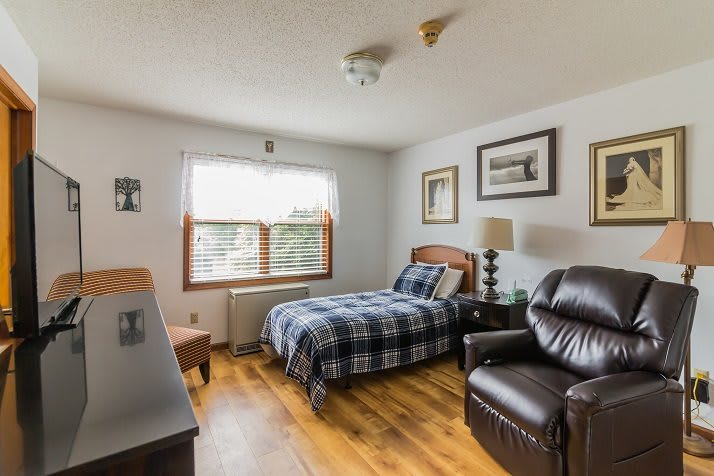
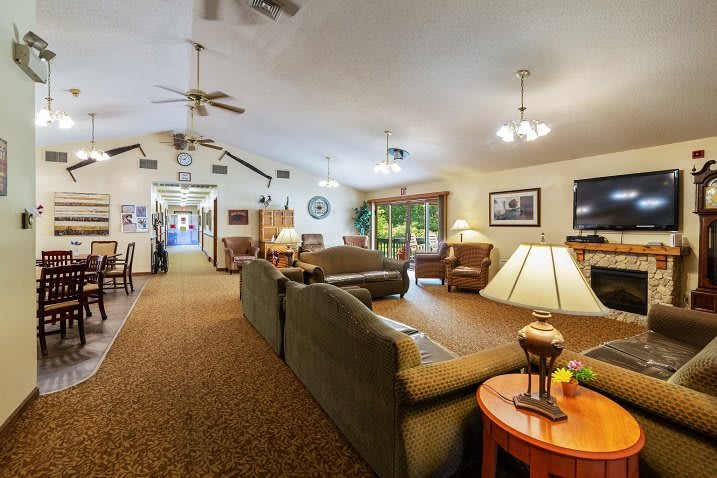
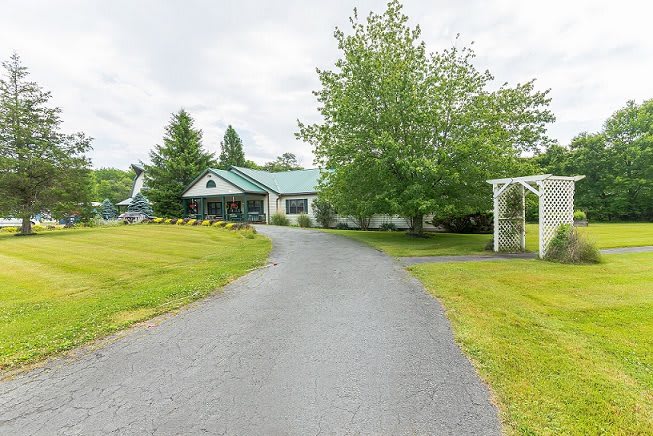
A recurring theme is that the community looks and feels well kept, with reviewers describing clean rooms, tidy common areas, and an overall atmosphere that feels more like home than a hospital. Several reviewers also mention the outdoor areas and walkable paths as part of the daily experience. At least one review ties cleanliness and order to comfort and peace of mind for families.
caveat4 reviews mention this
Pricing concerns and basic rooms
Some reviews raise concerns about cost and room size.
A few reviewers explicitly call out expense and note limits around assistance programs. There are also mentions that rooms can be small in size, and one review describes the amenities as very basic compared with expectations. Based on the posted pricing range, the community’s costs sit slightly above the state benchmark and below the county benchmark across the unit types shown.
How we summarize
Counts show how many written reviews mention each theme; a review can touch several themes, and only frequently mentioned themes are displayed.
Features
Housing
Studio apartments
Types of Care
Assisted Living
Memory Care
Pets
Cats allowed
Dogs allowed
Amenities
Activities off-site
Activities on-site
Air-conditioning
Bath tubs
Beautician on-site
Cable or satellite TV
Cafe
Computer center
Devotional services off-site
Devotional services on-site
Dining room
Garden
Garden view
Ground floor units
Guasts at mealtime
Guest parking
Handicap accessible
Hiking trails
Housekeeping services
Indoor common areas
Laundry
Outdoor common areas
Overnight guests
Party space
Private cleaning services
Resident parking
Respite or short term stays offered
Security gate
TV room
VA Benefits Consultation
Wheelchair accessible showers
Wi-Fi/high-speed internet available
Transportation
Transportation & parking
Care Services
Ambulatory care
Diabetic care
High acuity care
Hospice care
Incontinence care
Medication management
Physical therapy
Psychiatric care
Dining
Diabetes diet
Guest meals
International cuisine
Low / no sodium
Meals provided
No Sugar
Professional chef
Restaurant style dining
Room service
Special dining programs
Vegan
Vegetarian
Activities
Activities off-site
Art classes
Catholic services
Cooking classes
Day trips and outings
Devotional activities offsite
Devotional activities on-site
Educational speakers / life long learning
Fitness programs
Happy hour
Karaoke
Live musical performances
Live well programs
Religious services
Visiting chaplain or priest
Wine tasting
Languages Spoken
English
Nearby Places of Interest
This part of Shohola, Pennsylvania offers a variety of amenities and services that may be appealing to seniors looking for a comfortable and convenient living environment. There are several restaurants and cafes within a short driving distance, providing options for dining out or grabbing a quick bite to eat. Additionally, there are pharmacies nearby for easy access to medication and health supplies. In terms of healthcare, there are several physician practices located within a reasonable distance, ensuring that medical care is readily available. Places of worship are also close by for those who value religious services and community involvement. For outdoor recreation, there are parks within a few miles where seniors can enjoy nature and activities. Overall, this area provides a mix of essential resources and recreational opportunities that may make it an attractive option for senior living in Shohola.
Restaurants
Peter's Europa House (1.2 miles)
Waterwheel Café, Bakery & Bar (7.5 miles)
SideStreet Bar & Grill (7.8 miles)
Dimmick Inn & Steakhouse (7.8 miles)
Milford Diner (7.8 miles)
Tequila Sunrise (8 miles)
Log Tavern Brewing (8.1 miles)
Cafes
Donut Connection (4.4 miles)
Milfords Daily Grind (7.5 miles)
Foundry 42 (12.2 miles)
The Tusten Cup (16.8 miles)
Pharmacies
Walmart Pharmacy (4.7 miles)
Peerless Medical (6 miles)
Aliton's Pharmacy (7.7 miles)
Walgreens (7.8 miles)
Good Health Pharmacy (7.8 miles)
Medicine Shoppe (8.3 miles)
Customize Rx (11 miles)
Physicians
Redco Group (6 miles)
Precision Eye Group (6.8 miles)
Richard Buckley, M.D. - MilfordMD (7.6 miles)
Pocono Medical Care (7.6 miles)
Dingmans Medical (7.8 miles)
Shalini Byadgi, MD (7.9 miles)
Pediatric Practices Of Northeastern PA (8.5 miles)
Places of Worship
St John Neumann (6.7 miles)
Milford Bible Church (6.8 miles)
Long Meadow Chapel (8.5 miles)
Kadampa Med CTR Ny (9.5 miles)
Eldred United Methodist Church (10 miles)
St James RC Church (11.4 miles)
St Thomas The Apostle Church (12.4 miles)
Parks
Dingmans Farry (7.6 miles)
Ann Street Memorial Park (7.7 miles)
National Park Service-Raymondskill (8.3 miles)
Akenac Park (8.3 miles)
Airport Park (12 miles)
Willson Hill park (12.1 miles)
Point Peter (12.3 miles)
Hospitals
Bon Secours Community Hospital Foundation (12.2 miles)
Twin Cedar Senior Living offers competitive pricing for its services, particularly when compared to the broader market in Pike County and across Pennsylvania. For semi-private accommodations, residents can expect to pay $3,671 per month, which is lower than the county average of $3,823 and slightly above the state average of $3,542. In terms of studio apartments, Twin Cedar's monthly rate is $4,252 - while this exceeds both the county's average of $4,614 and Pennsylvania's average of $3,737 - the amenities and quality of care provided may warrant the higher investment. Overall, Twin Cedar Senior Living presents an appealing option for potential residents seeking a balance between cost and high-quality senior living care.
Incontinence care at Twin Cedar Senior Living ensures that residents feel comfortable and dignified in their daily lives, alleviating any additional stress or anxiety related to hygiene issues associated with dementia. The provision of medication management is crucial for this population, as it helps to maintain consistency in treatment protocols, reducing the risk of confusion and ensuring that residents receive the appropriate dosages at the right times to manage their symptoms effectively. Additionally, physical therapy plays an essential role in maintaining mobility and cognitive function; tailored exercises can enhance physical strength and coordination while also providing cognitive stimulation, which can be particularly beneficial for individuals experiencing memory loss. Together, these features create a supportive environment that addresses the multifaceted needs of residents with dementia or Alzheimer's disease.
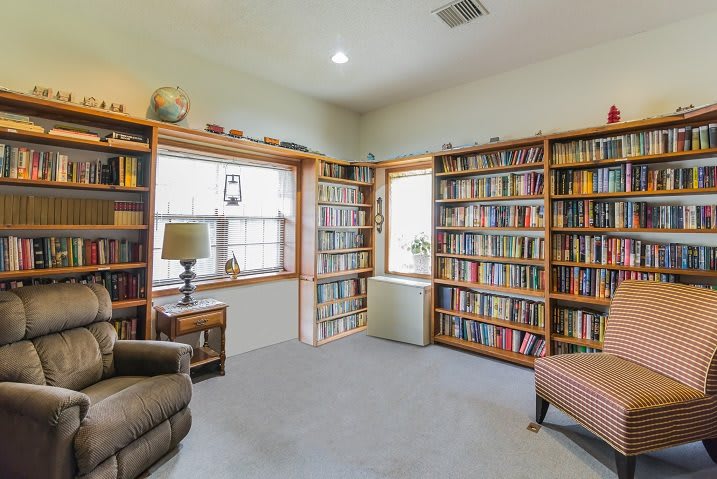
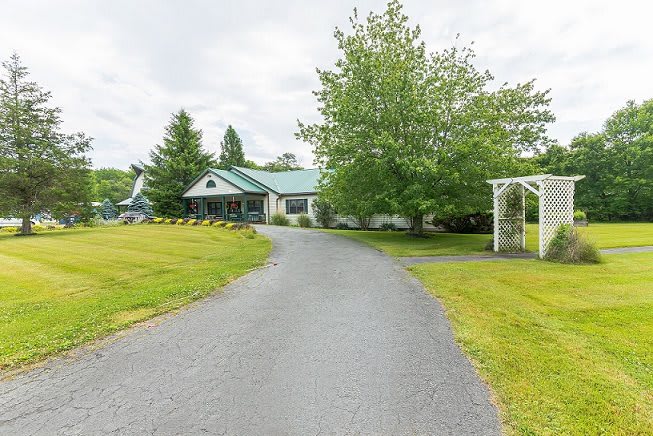
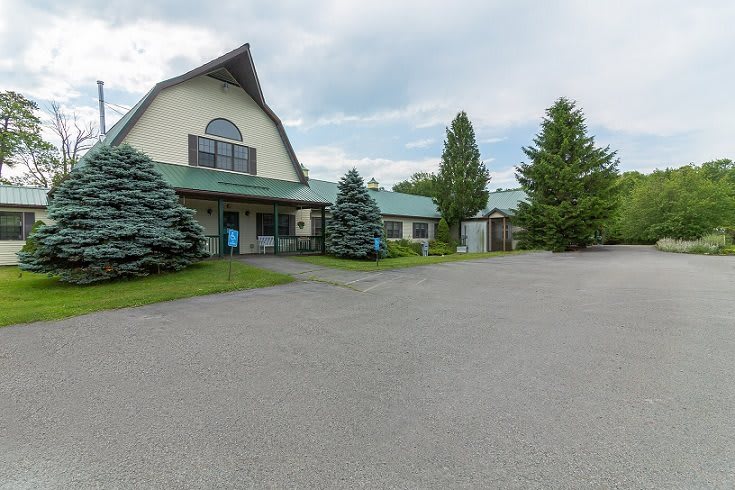
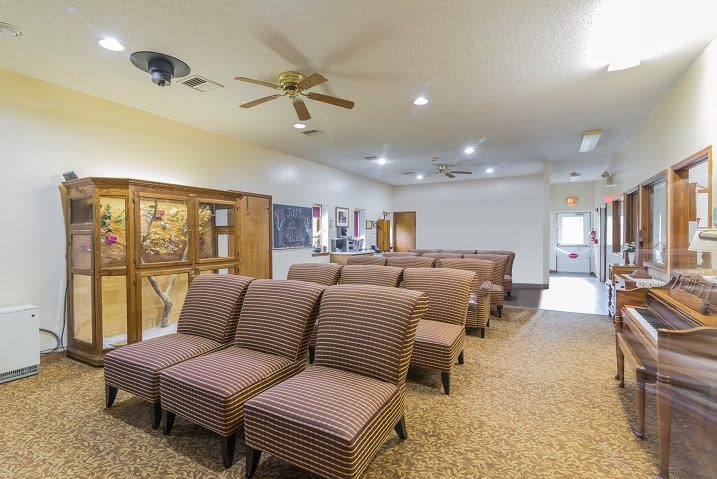
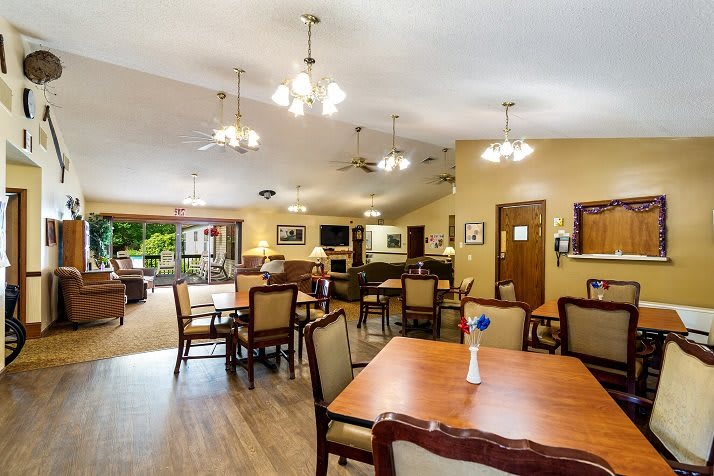
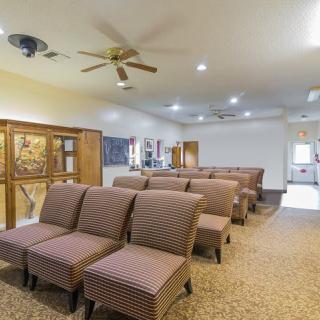
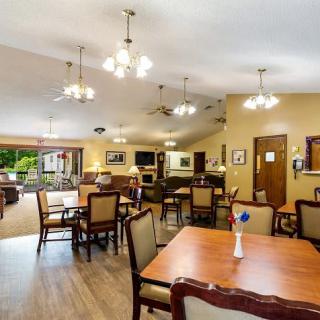
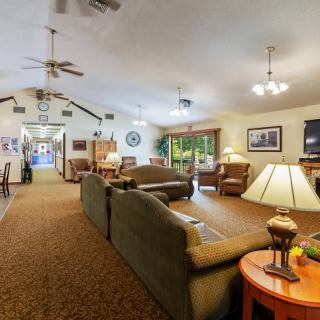
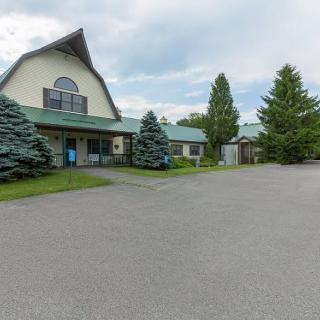
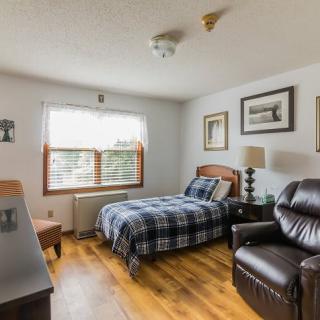
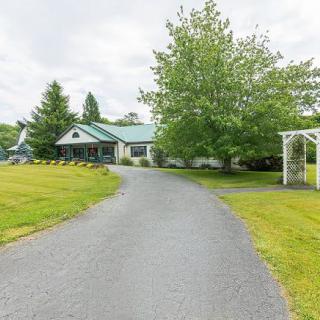
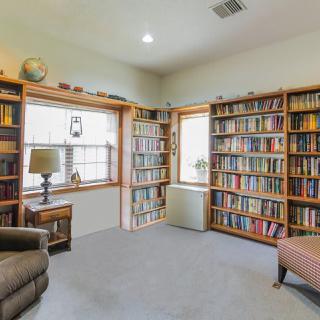
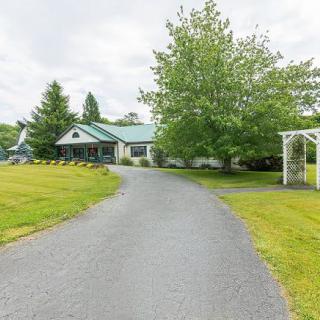
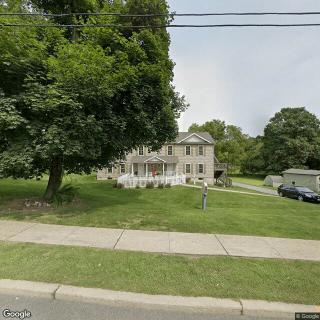
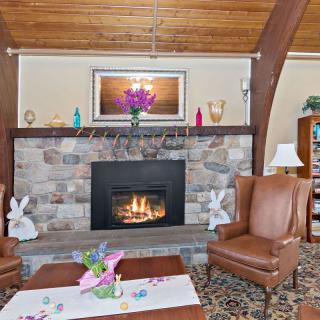
Twin Cedar Senior Living on seniors.fyi includes 9 photos including images showing interior, windows, trees, dining, decor, bedroom, architecture, seating, and more.
Nearby Communities
Reliable Home Care
Milford, PA
Convenient location with access to dining, healthcare, worship, and a nearby park; reliable, well-equipped care.
Devereux Tri State Adult Day
Milford, PA
Diabetic care and on-site activities with meals and indoor social areas, plus off-site devotional programs.
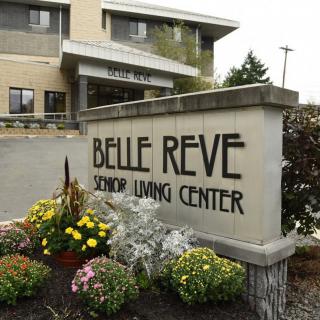
Belle Reve Senior Living Community
Milford, PA
4.3 from 135 reviews
$3,975 to $7,675 / month
Friendly, attentive staff and a clean, welcoming environment with engaging activities.
Milford Healthcare And Rehabilitation Center
Milford, PA
2.8 from 36 reviews
$2,050 to $3,050 / month
24/7 care with extensive on-site amenities.
Alliance Adult Living
Matamoras, PA
4.2 from 5 reviews
Small, personalized board-and-care setting with diabetes-friendly meals, daily activities, and transportation to medical appointments.
Alliance Senior Home
Matamoras, PA
5 from 11 reviews
Fully furnished units, housekeeping, and transport to medical appointments.
Bentley Assisted Living at Branchville
Branchville, NJ
4.8 from 88 reviews
$4,200 to $4,845 / month
Caring staff in a homey, activity-rich environment.
Carlucci Homes
Port Jervis, NY
4.7 from 19 reviews
$4,500 / month
Warm, home-like atmosphere with attentive, personalized care.
Clove Hill Manor
Wantage, NJ
Comprehensive care (medication management) with dietary accommodations and reliable connectivity.
Assisted living provides moderate support for seniors seeking independence, while memory care offers specialized support for individuals with dementia or cognitive impairments through structured routines and trained staff. Key differences include care approaches, environment security measures, staff training levels, activity types, and cost considerations.
Choosing between assisted living and nursing homes involves evaluating emotional and financial factors, with assisted living offering independence and support for daily activities at a lower cost, while nursing homes provide intensive medical care for individuals with significant health needs. The decision is influenced by personal preferences, health status, cognitive function, and varying Medicaid coverage across states.
The article presents eight strategies for preserving cognitive health and memory in older adults, emphasizing a nutrient-rich diet, regular exercise, intellectually stimulating activities, adequate sleep, social connections, stress management techniques, limiting harmful substances, and regular medical checkups to mitigate age-related memory decline.
Get PricingAsk A QuestionSchedule A TourContact Senior Advisor
By clicking submit, you agree to our Partner's Terms of Use. You
also consent to receive calls and texts, which may be autodialed, from our Partner. Your consent is not a condition to
using our Partner's service. Please visit our Partner's Privacy Policy for information about their privacy practices.

 Studio apartments
 Assisted Living
 Memory Care
 Cats allowed
 Dogs allowed
 Activities off-site
 Air-conditioning
 Bath tubs
 Beautician on-site
 Cable or satellite TV
 Cafe
Cafe Computer center
 Devotional services off-site
 Dining room
 Garden
 Ground floor units
 Guest parking
 Handicap accessible
 Hiking trails
 Housekeeping services
 Indoor common areas
 Laundry
 Outdoor common areas
 Overnight guests
 Party space
 Respite or short term stays offered
 Security gate
 VA Benefits Consultation
 Wheelchair accessible showers
 Wi-Fi/high-speed internet available
 Transportation & parking
 Ambulatory care
 Diabetic care
 High acuity care
 Hospice care
 Incontinence care
 Medication management
 Physical therapy
 Psychiatric care
 Diabetes diet
 Guest meals
 Art classes
 Catholic services
 Cooking classes
 Day trips and outings
 Educational speakers / life long learning
 Fitness programs
 Happy hour
 Karaoke
 Live musical performances
 Live well programs
 Wine tasting
 English
 Convenient location with access to dining, healthcare, worship, and a nearby park; reliable, well-equipped care.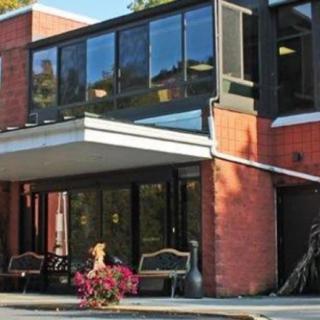
 Assisted Living and Memory Care: Understanding Their Core Differences
 Choosing the Right Senior Care: A Detailed Exploration of Assisted Living and Nursing Homes
 Safeguarding Your Memory Through the Golden Years: Eight Ways to Preserve Cognitive Health