
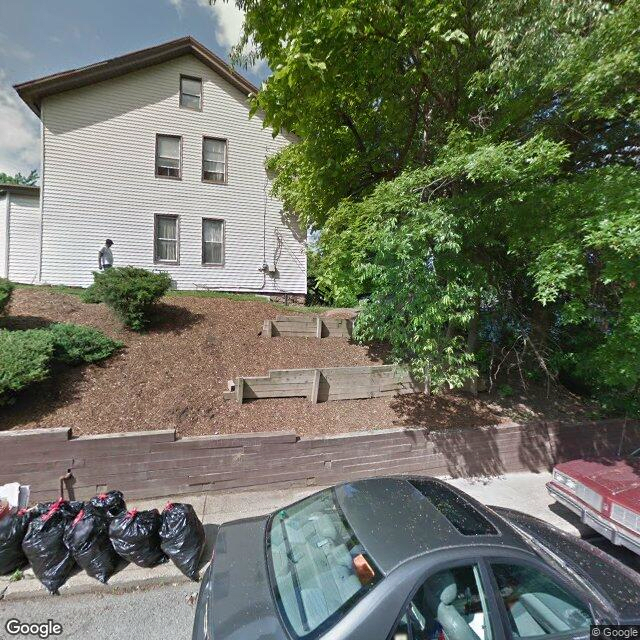
1610 HYBLA ST., PITTSBURGH, PA 15212
To contact a resident: (412) 761-6421
For more information about senior living options: (866) 208-4318
Overall Review of DONAHUE'S PERSONAL CARE I
Pros
 The staff at Horton's Personal Care Home are kind, considerate, and provide individualized care.
- The home is clean, safe, and delivers outstanding, compassionate care.
- Horton's Personal Care Home offers a caring, family-style environment with healthy meals that support residents' health.
- Mrs. Horton is a pleasure to work with and leads a team that provides outstanding care.
- Families strongly recommend Horton's Personal Care Home for its exceptional concern for clients and focus on healthy living for elders and those with disabilities.
- The warm, cozy atmosphere and personal attention give visitors a sense of peace.
Review
This community is best suited for families seeking a warm, home-like personal care setting where care is intensely personalized and delivered with steady, hands-on attention. It shines for seniors who benefit from stroke recovery or daily support in a small, intimate environment where caregivers know residents well. The model centers on individualized care plans, consistent routines, and meals built around nutrition and comfort, all delivered under the watchful eye of an engaged owner. For families prioritizing warmth, accessibility, and a peaceful, respectful atmosphere, this setting often feels like the right fit.
Those who may want to consider alternatives are those whose loved one requires higher levels of medical oversight or specialized programming. Larger facilities with extensive on-site nursing staffs, memory-care wings with structured activities, or hospital-level rehabilitation services might be better for residents with complex medical needs, frequent skilled nursing interventions, or advanced dementia. Families seeking a broad spectrum of clinical services, expansive social calendars, or highly scheduled, institution-like environments should weigh other options that emphasize more formal protocols and a wider array of on-site resources.
The strongest positives here offset potential trade-offs in meaningful ways. The care is described as outstanding and compassionate, with staff that are kind, respectful, and deeply attentive to individual needs. Owners who take a personal, hands-on role in daily operations cultivate trust and reassure families that the care plan is actively managed rather than delegated to a rotating staff. Cleanliness and safety are repeatedly noted, reinforcing peace of mind for families worried about home-like settings. The meals are not afterthoughts but a centerpiece, healthy, thoughtfully prepared dining that supports elder nutrition and fosters a sense of community during shared meals.
Even in the absence of stated drawbacks, the reviews imply practical considerations for decision-makers. A small, home-style environment excels at fostering relationships and tailoring routines, yet it may have limited capacity and fewer on-site specialists compared to larger communities. Families should confirm staffing continuity, the availability of licensed nursing coverage, and how care plans are updated as needs evolve. The owner-led approach is a strength, but ensuring that there is a clear point of contact for medical questions, medication management, and rapid escalation of concerns remains essential. A candid conversation about what happens after hours and during emergencies will help families assess fit.
Operational diligence becomes the bridge between appealing warmth and sustainable care. Prospective residents should probe average staff-to-resident ratios, the specific roles of caregivers versus licensed nurses, and the cadence of care-plan reviews with families. Ask about medication administration, physician visits, and care coordination with external providers. Inquire into the menu flexibility, dietary accommodations, and how nutrition goals are monitored for elders with appetite or swallowing concerns. Tour the space to verify safety features, accessibility, cleanliness, and the availability of common areas for meaningful activities. Understand pricing, what is included, and what might incur additional charges.
The bottom line is clear. For families prioritizing a nurturing, personalized environment where a caring owner is visibly invested in each resident’s well-being, this setting stands out as a strong choice, particularly for stroke recovery and ongoing, day-to-day support. Those whose loved ones require extensive medical interventions, dementia-specific programming, or larger-scale social and clinical amenities should consider other options with more formal structures and greater on-site medical capacity. Courtesy, consistency, and nutritious living are the hallmarks here, great reasons to choose this path, with the caveat that complementary services may be needed as medical needs grow.
 Board and Care Home
 Pittsburgh International (10 miles away)


 Navigating the Financial Road to Nursing Home Care: In-Depth Guidance and Resources
 Supportive Employee Benefits That Help Caregivers Attain Better Work-Life Harmony
 Top Cars for Senior Drivers and Essential Safety Innovations