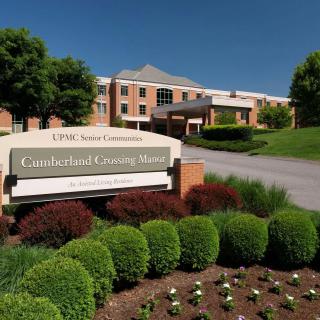
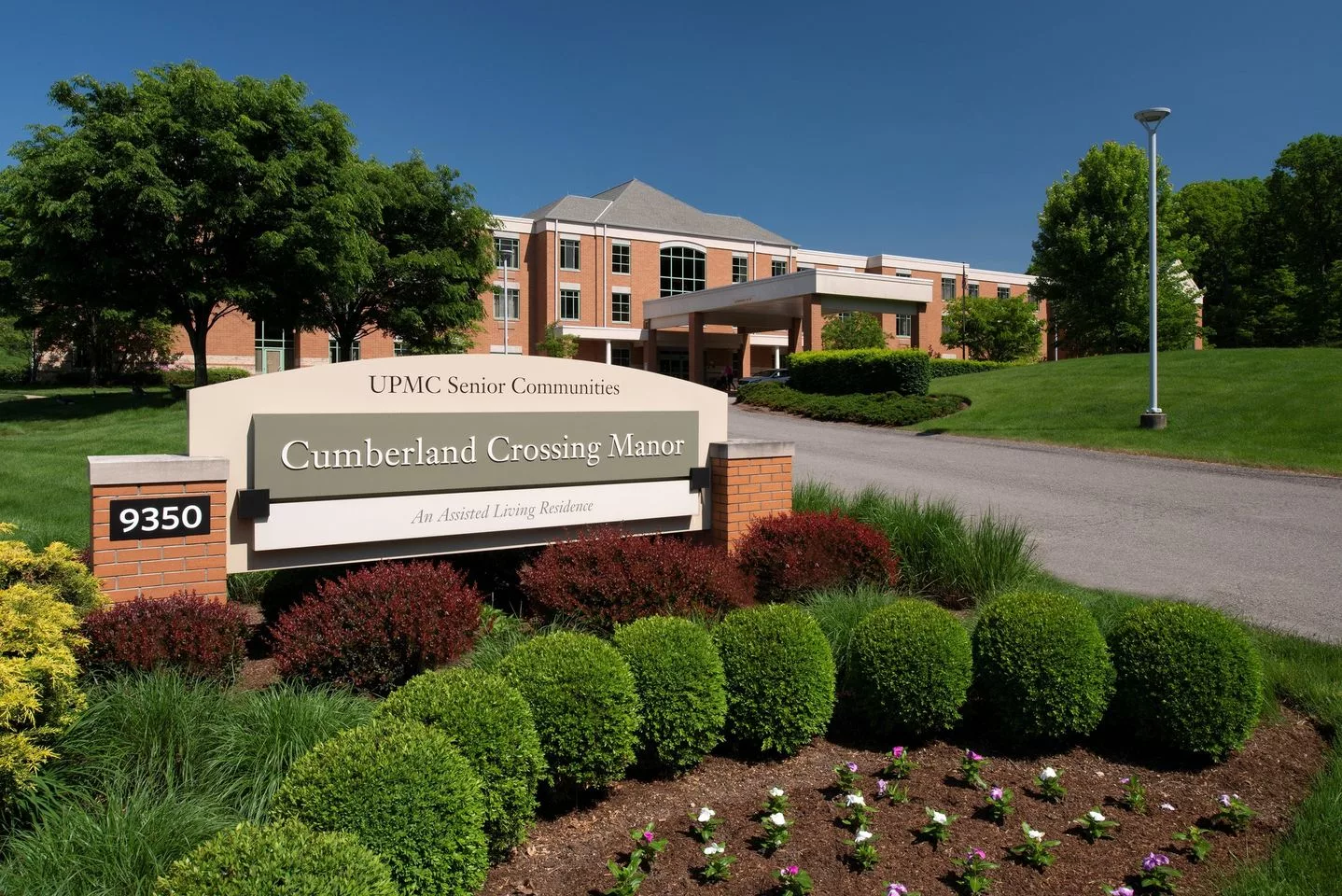

1201 Cumberland Road, Pittsburgh, PA 15237
For more information about senior living options: (866) 208-4318
Overall Review of Cumberland Crossing Manor
Pros
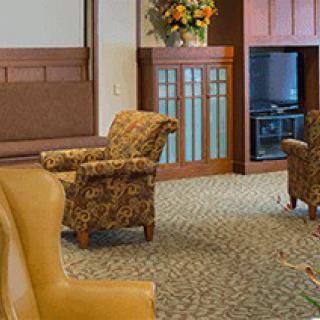
 The facility is clean and well maintained.
- It is a beautiful place with great staff, a wonderful activities director, and awesome residents.
- It has a friendly atmosphere, good food, many activities, and entertainment.
- Cumberland Crossing provides comprehensive care that reduces stress for families.
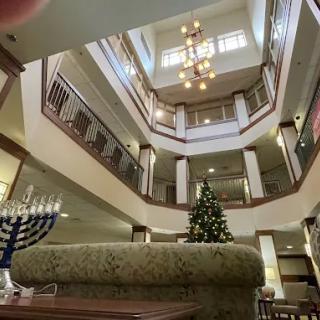
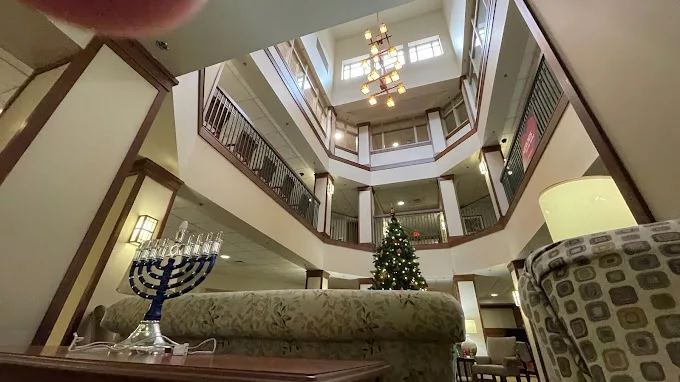
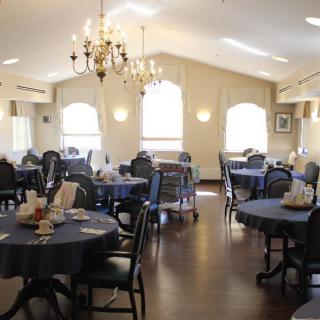
- The atrium is nice and lets in natural light.
- The dining room is restaurant-style with nicely set tables and an onsite chef.
- There are many activities, classes, and tours offered during the day.
- The staff are friendly, welcoming to residents and their families, and compassionate.
Cons
 Several staff treat residents badly, don’t communicate with family, and provide only a minimum level of care.
- They do not go over and above to help anyone.
- There was no food or dining service during COVID, and the dining rooms weren’t serving.
- They told a resident to move out when more assistance with walking and personal care was needed.
- The management treated a loved one horribly and did not want them to stay.
- A resident sat alone at meals for weeks because she couldn’t sit with others, and family wasn’t notified.
- The staff seemed to discourage use of wheelchairs, and the van lacked a wheelchair lift.
- The facility was described as too expensive for what is offered.
Review
Cumberland Crossing Manor in Pittsburgh is best suited for seniors who want a clean, attractive, activity-rich setting with hospital-backed resources and a strong sense of community. It suits those who mainly need assistance with daily living tasks and mobility, but not extensive memory care or intensive medical oversight. Families seeking a private-room environment, on-site dining, regular programming, and convenient access to medical services will find this campus particularly appealing. The facility’s UPMC affiliation and the breadth of on-site amenities make it a practical choice for residents who prioritize ease of care coordination alongside social engagement.
Those weighing alternatives should consider whether future needs may outpace what Cumberland Crossing can reliably provide. If memory impairment, significant personal care, or around-the-clock supervision are likely, this campus can feel insufficient over time. Some families report concerns about communication inconsistencies and staff turnover, which can translate into missed updates or gaps in responsiveness. For households sensitive to cost, or those hoping for highly consistent, long-term staffing and caregiver continuity, exploring other nearby options with stronger memory-care programs or more transparent family communication may be prudent. A smaller, more specialized facility or a location with a deeper emphasis on memory support could be worth a look.
The strongest positive dynamics here center on environment, programming, and social vitality. The community is consistently described as clean, bright, and well maintained, with an atmosphere that feels welcoming and resident-centric. A robust slate of activities, an attentive activities director, and plentiful entertainment options give residents meaningful daily engagement. Dining experiences are frequently highlighted as pleasant, with an on-site chef and restaurant-style service that supports familiar routines and social meals. The on-campus movie theater, varied classes, and multi-denominational worship options reinforce a sense of normalcy and choice, helping families feel that life remains active and dignified.
However, several meaningful drawbacks temper these strengths. Communication gaps and moderate staff turnover appear repeatedly, sometimes leaving family members in the lurch or uncertain about a loved one’s day-to-day welfare. Reports of staff treating residents with less warmth or failing to mobilize additional assistance when needed raise legitimate safety and quality-of-care concerns. Instances of residents needing higher levels of care or memory support leading to discharge decisions highlight a potential mismatch between expectations and capabilities for escalating needs. While many residents and families speak positively about the care team, the variability in staff consistency and responsiveness can erode confidence over time.
Despite the cons, the pros can offset many typical assisted-living concerns when the right conditions exist. A clean, modern facility with private rooms, a capable kitchen, and abundant activity options supports quality of life and reduces the immediacy of everyday frustrations. The hospital affiliation means medical coordination can be efficient, particularly for families juggling appointments and treatments around daily living. Transportation to appointments and the availability of campus amenities, such as worship services, social events, and in-house entertainment, help preserve independence and engagement, which often matters more than the occasional imperfect interaction with staff.
The practical decision hinges on a clear view of future needs and the family’s tolerance for potential gaps in care consistency. Cumberland Crossing Manor is a solid choice for premised care that remains largely independent in daily functioning, delivered in a warm, activity-filled environment with strong medical connectivity. It becomes a stronger fit for those who prize atmosphere, social opportunities, and predictable routines, and who can manage or mitigate occasional communication hiccups. For households anticipating memory challenges or requiring steady, higher-touch caregiving, it is wise to compare alternatives with more explicit memory-care pathways and firmer staffing guarantees.
In the end, Cumberland Crossing Manor serves best as a value-oriented option for seniors who want quality surroundings, engaging programming, and hospital-backed medical coordination, with the understanding that ongoing, clear family communication and potential escalation planning are essential. If a loved one is likely to need substantial assistance or memory support down the road, or if cost and staffing reliability are top concerns, explore other campuses or programs within the same network or neighboring communities. Conduct thorough tours, speak with multiple residents and families, and press for concrete details on memory-care capabilities, staffing ratios, and how transitions are managed. The right fit depends on balancing the appealing environment and activity-rich lifestyle with a realistic expectation of care needs and consistent, transparent communication.
 115 resident community capacity
 1-bedroom apartments
 Assisted Living
 Activities on-site
 Air-conditioning
 Beautician on-site
 Cable or satellite TV
 Computer center
 Devotional services off-site
 Dining room
 Financial aid
 Fitness room
 Fully furnished
 Gaming room
 Garden
 General store
 Housekeeping services
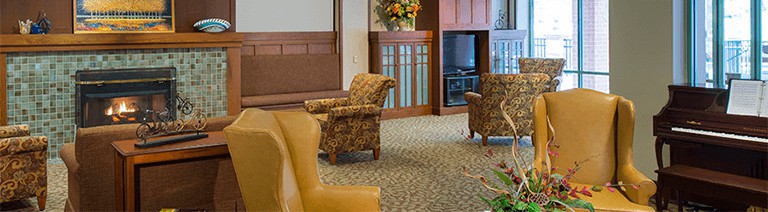
 Indoor common areas
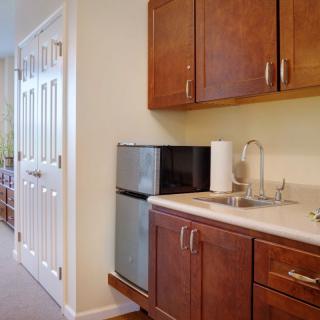
 Kitchenette
 Laundry
 Move-in coordination
 Outdoor space
 Private bathrooms
 Restaurant-style dining
 Small library
 Telephone
 Wellness center
 Wi-Fi/high-speed internet available
 Pittsburgh International (13 miles away)
 Community operated transportation
 24-hour call system
 Ambulatory care
 Assistance with bathing
 Assistance with dressing
 Assistance with transfers
 Diabetes diet
 Diabetic care
 Medication management
 Special dietary restrictions
 Walking wheelchair assistance
 Concierge services
 Planned day trips
 English



 Securing Financial Support for Assisted Living: A Comprehensive Overview
 Social Security Benefits and Assisted Living: Navigating Options Across the U.S.
 An Extensive Exploration of the VA Aid and Attendance Benefit