Residents describe staff as helpful and respectful, with mixed feedback about attention and nursing consistency.
Many reviews mention staff as friendly, caring, and respectful, and several families say aides, nurses, and administrative staff were attentive and kept them updated. A few reviews also flag problems, including concerns about proper attention when families are not checking in and inconsistency in nursing care. Even in the more critical reviews, the theme isn’t that services are unavailable—it’s that the experience depends on how staff respond when needs increase.
common8 reviews mention this
Meals get frequent praise
Food and meal service come up often, including praise for meals designed for dietary needs.
Residents and families repeatedly describe good meals, including general praise for the dining experience and service. Multiple reviews also mention accommodations for health or sensitive diets, which aligns with the community offering special dietary options. Even when other details aren’t perfect, dining is one area where reviews tend to stay positive.
differentiator2 reviews mention this
Memory care is specifically mentioned
Reviews specifically point to the memory support approach as a positive part of care.
One review highlights the memory support unit as fantastic, and another says they liked the assisted living and memory care. This matches the community’s care options, which include memory care, and suggests families considering higher-support needs find it an important piece of the offering.
common3 reviews mention this
Activities and wellness keep busy
Residents describe a packed mix of activities and wellness options.
Several reviews emphasize that there’s a lot to do, from socially oriented campus life to organized daily activities. One review lists a wide range of exercise and group activities, while others mention trips and community programming. This fits with the community offering planned activities and fitness-related options.
caveat4 reviews mention this
Pricing is a recurring concern
Cost comes up repeatedly, with reviews describing the community as expensive or overpriced.
Some reviews say the community is more expensive than expected, while others describe it as overpriced. One review also frames the financial side as something families should be cautious about when care needs increase, while a separate comment notes it wasn’t outrageously expensive. Overall, the reviews don’t treat price as a non-issue, and families weigh it alongside care and quality.
How we summarize
Counts show how many written reviews mention each theme; a review can touch several themes, and only frequently mentioned themes are displayed.
Features
Housing
79 resident community capacity
1-bedroom apartments
2-bedroom apartments
Detached homes
Studio apartments
Types of Care
Assisted Living
Continuing Care Retirement Community (CCRC)
Independent Living
Memory Care
Respite Care
Skilled Nursing Facility
Amenities
Air-conditioning
Beautician on-site
Beauty salon
Cable or satellite TV
Computer center
Dining room
Fitness room
Full kitchen
Fully furnished
Gaming room
Garden
Guasts at mealtime
Guest parking
Housekeeping services
Kitchenette
Laundry
Move-in coordination
Outdoor space
Private bathrooms
Resident parking
Respite or short term stays offered
Restaurant-style dining
Security gate
Small library
Swimming pool
Telephone
Wellness center
Wi-Fi/high-speed internet available
Transportation
Philadelphia International (13 miles away)
New Castle County (20 miles away)
Community operated transportation
Transportation & parking
Transportation arrangement
Transportation arrangement (non-medical)
Care Services
24-hour call system
24-hour supervision
Activities of daily living assistance
Assistance with bathing
Assistance with dressing
Assistance with transfers
Diabetes diet
Meal preparation and service
Medication management
Personal care assistants
Physical therapy
Special dietary restrictions
Dining
Diabetes diet
Low / no sodium
Low fat
Renal
Room service
Special dietary restrictions
Activities
Activities off-site
Community-sponsored activities
Concierge services
Fitness programs
Planned day trips
Religious services
Resident-run activities
Scheduled daily activities
Languages Spoken
English
Nearby Places of Interest
Parks
Ridley Creek State Park (0.9 miles)
Goose Creek Park (4.8 miles)
Marshall Square Park (7.5 miles)
Ellson Glen Park (8.1 miles)
Wilson Farm Park (8.3 miles)
Clem MacRone Memorial Park (8.3 miles)
Places of Worship
Willistown United Methodist Church (1.9 miles)
St Anastasia Rectory (4.8 miles)
St Paul's Episcopal Church (8.7 miles)
Restaurants
Chick-Fil-A (3 miles)
McDonald's (5.8 miles)
Terrain at Styer's (5.9 miles)
Chick-Fil-A (6.3 miles)
Freddy's Frozen Custard (6.4 miles)
Brick & Brew Gastropub (6.4 miles)
Anthony's Pizza & Italian Restaurant (6.4 miles)
Pharmacies
CVS Pharmacy (3 miles)
CVS Pharmacy (4.8 miles)
CVS Pharmacy (5.3 miles)
CVS Pharmacy (5.8 miles)
Walmart Pharmacy (5.9 miles)
GIANT Pharmacy (6.1 miles)
CVS Pharmacy (6.1 miles)
Physicians
Bowen, Anne Main Line Healthcare Westtown Family Medicine (3.1 miles)
Mid Atlantic Retina (3.8 miles)
Pulmonary Consultants (5.6 miles)
Penn Internal Medicine (6.5 miles)
Main Line Center For Oral & Facial Surgery (6.8 miles)
Fern Hill Medical Campus (7.1 miles)
Chin, Katherine Gateway Internal Medicine of West Chester (7.3 miles)
White Horse Village's comprehensive support framework is essential for residents with dementia or Alzheimer's disease, as it addresses their specific needs at every stage of cognitive decline. The 24-hour supervision ensures that residents are always monitored, enhancing safety and reducing the risk of wandering or accidents. Assistance with activities of daily living, such as bathing and dressing, promotes dignity while ensuring that personal hygiene and comfort are maintained. Help with transfers further supports mobility, encouraging residents to engage in their surroundings while minimizing fall risks. Meal preparation and service cater to nutritional needs, which is vital for both physical health and cognitive function. Medication management guarantees adherence to prescribed regimens, thereby optimizing health outcomes. Additionally, physical therapy can aid in maintaining mobility and strength, fostering a sense of independence while respecting individual capabilities. Collectively, these services create a nurturing environment conducive to the well-being of individuals navigating the challenges associated with memory impairment.
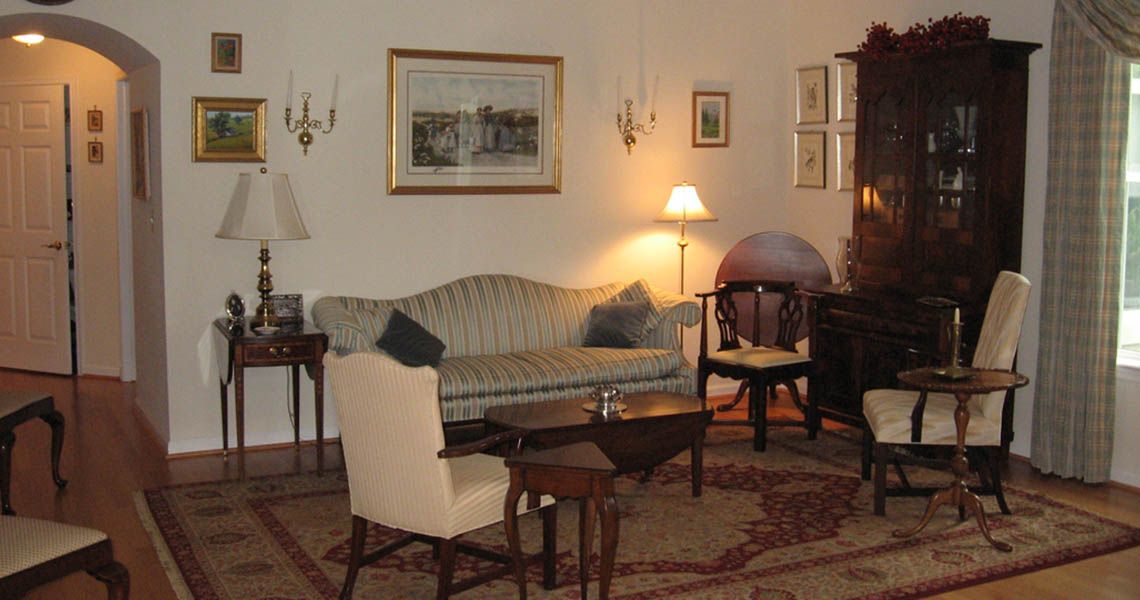
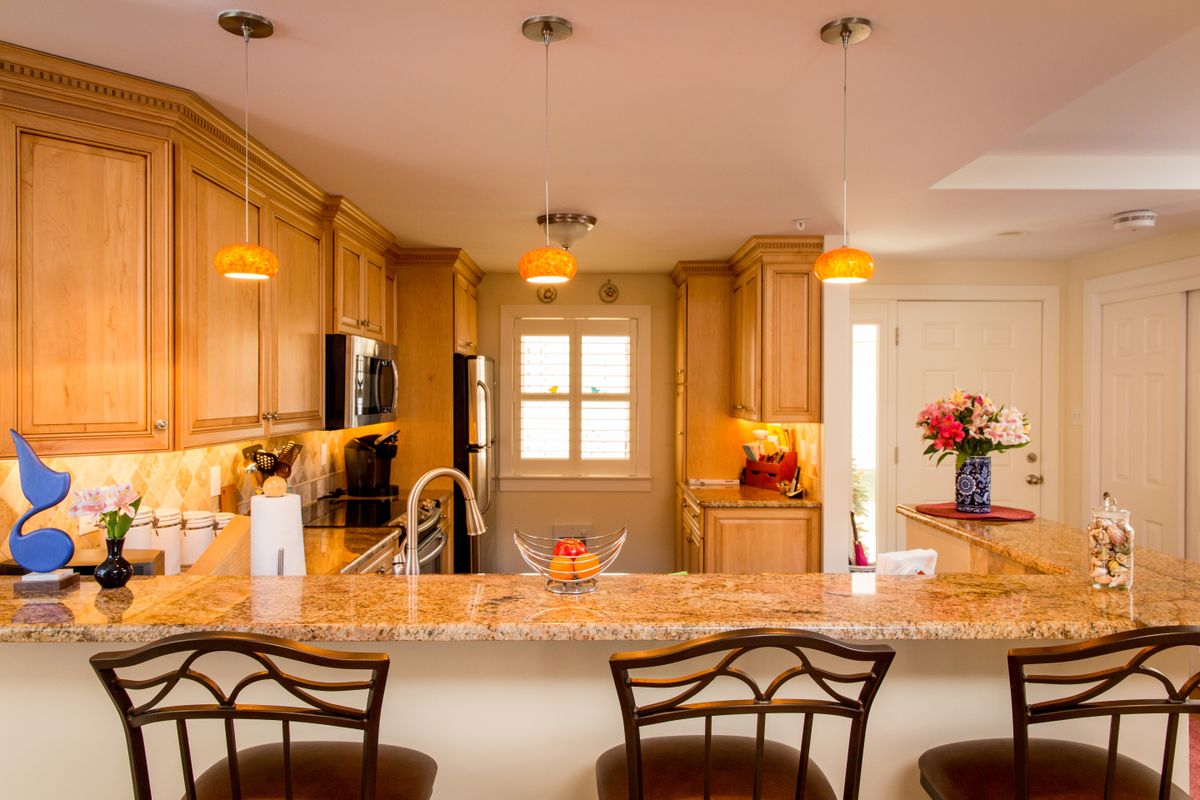
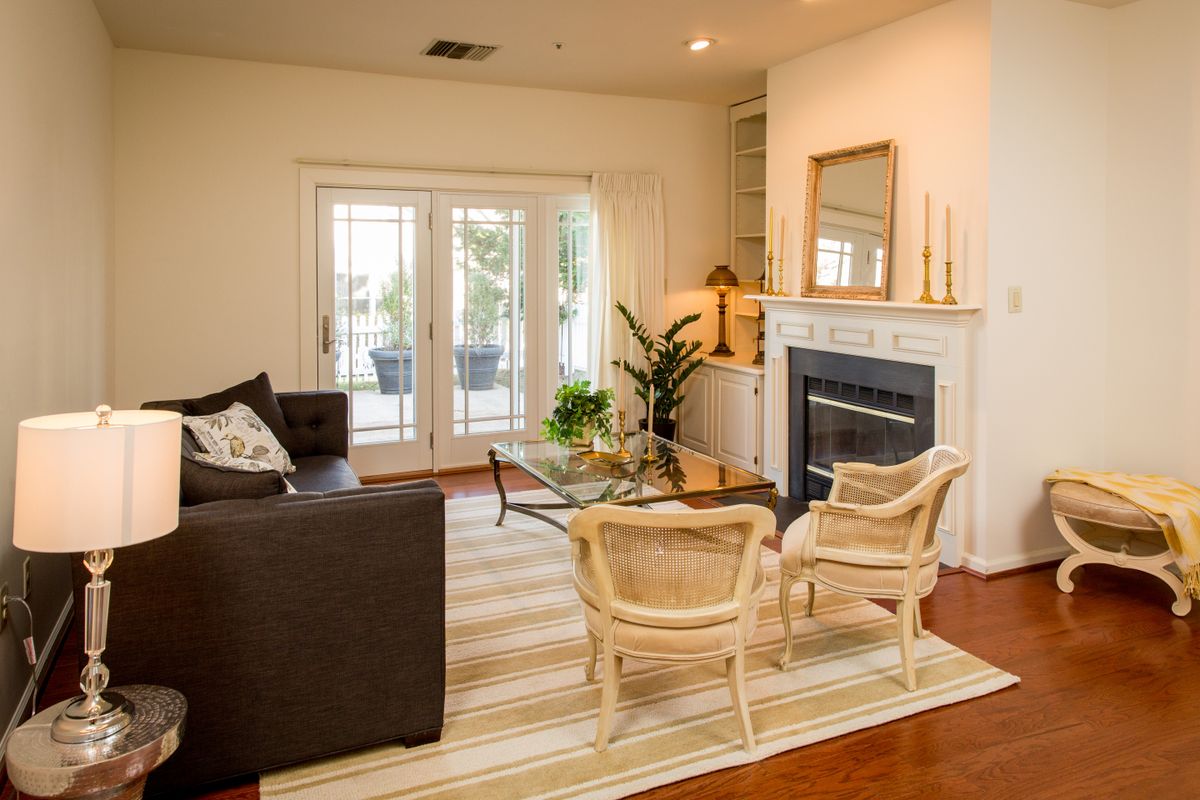
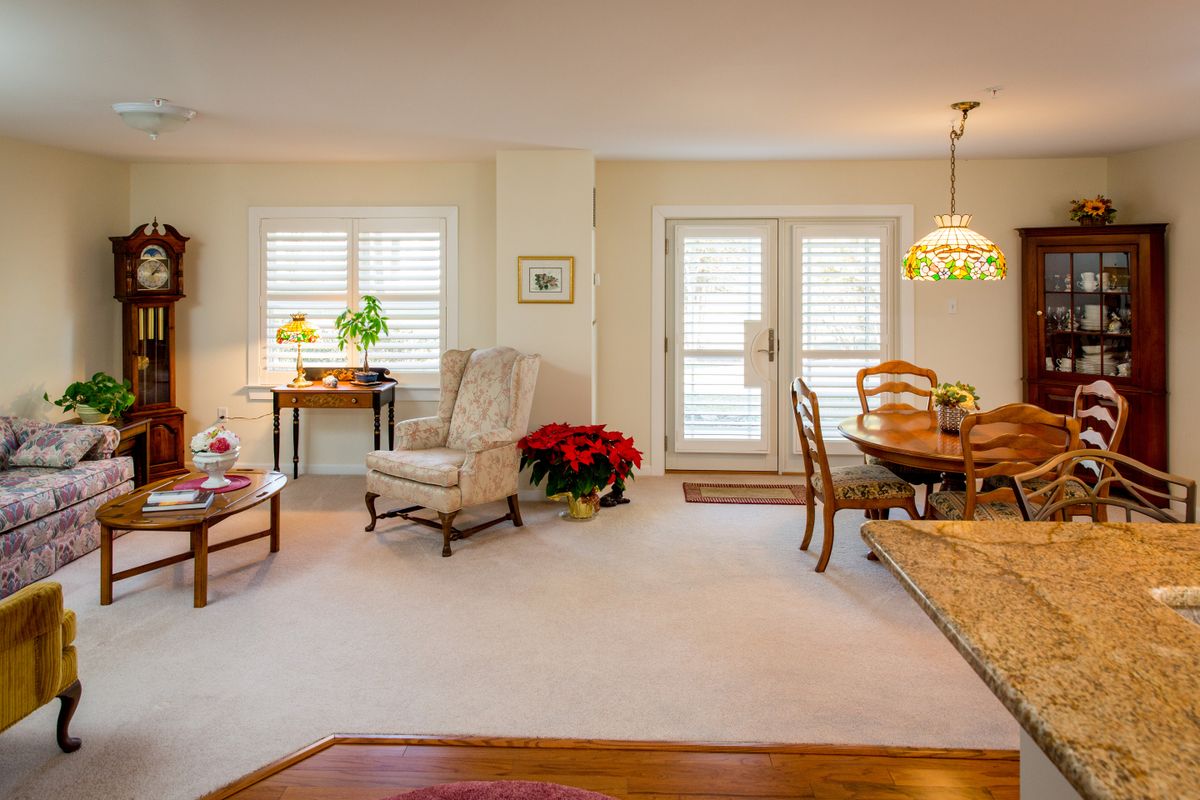
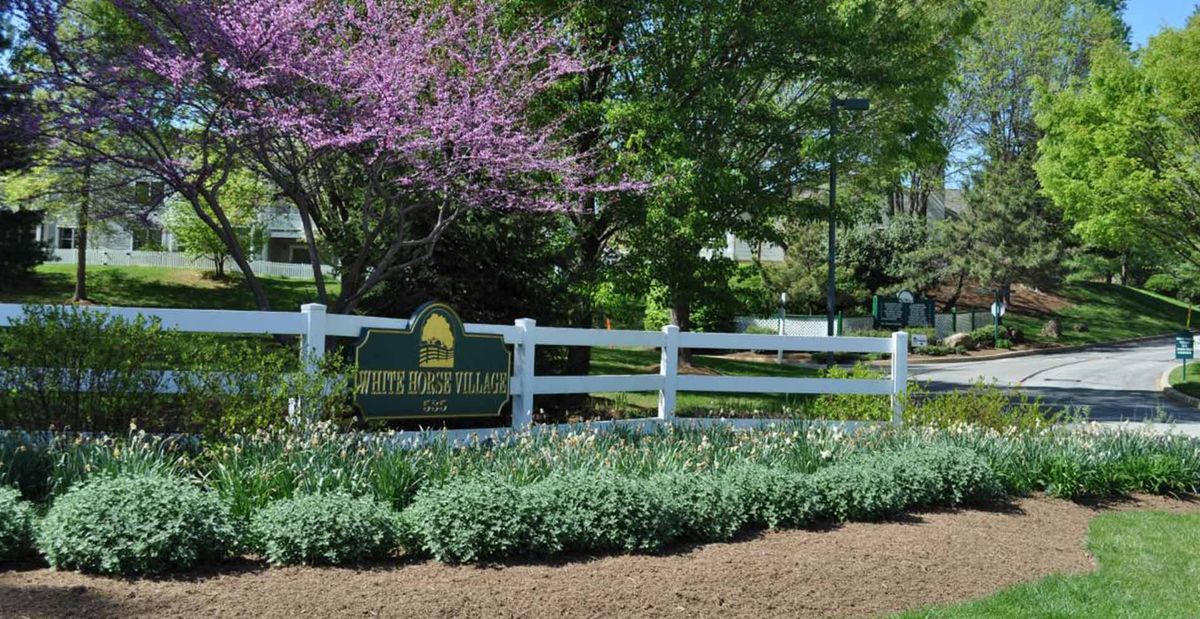
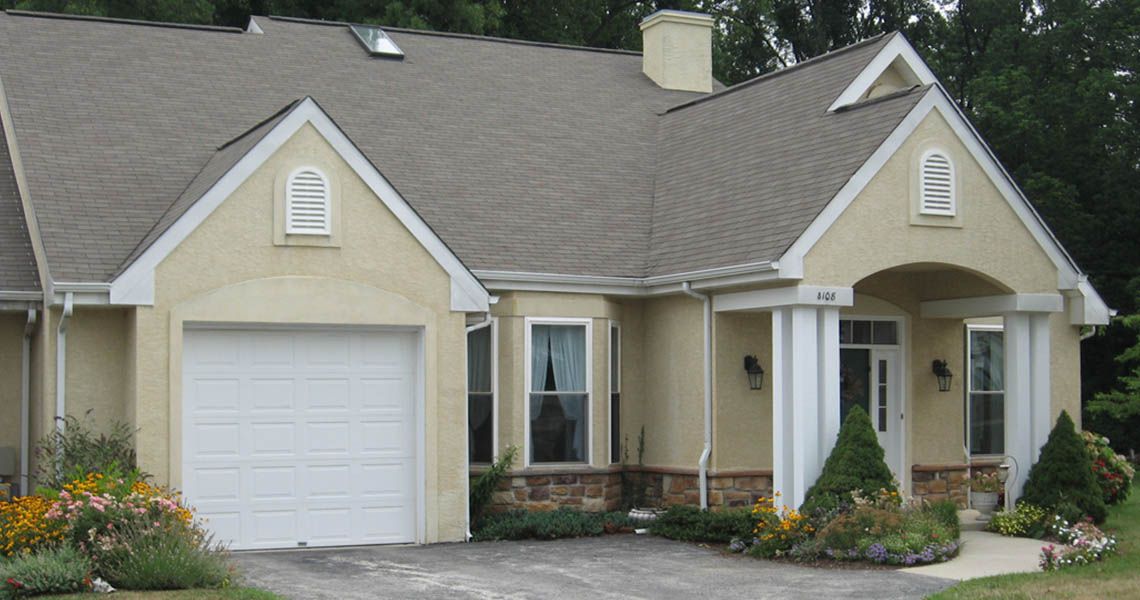
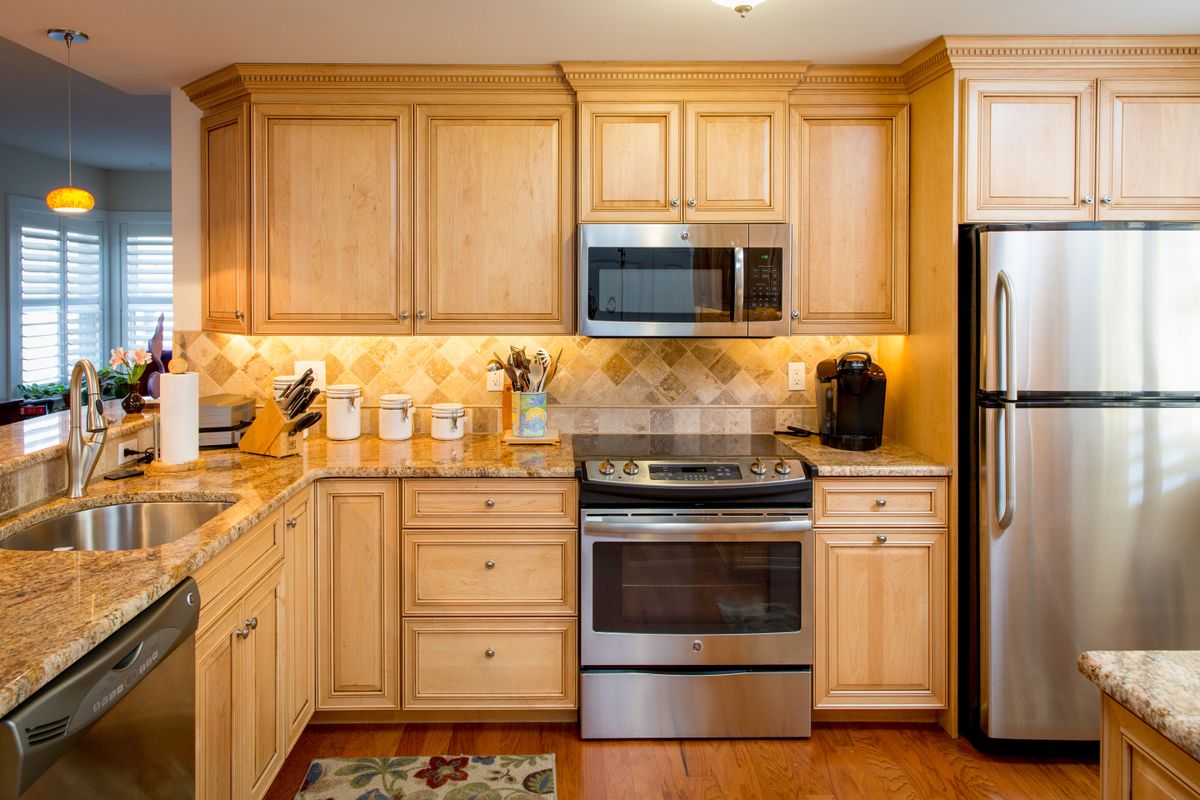
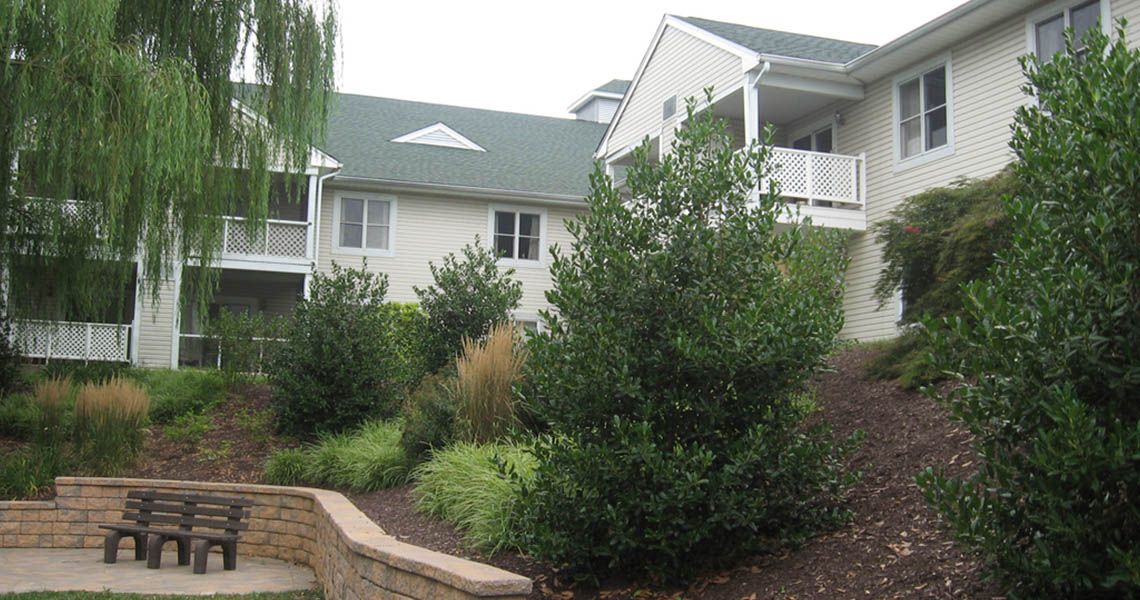
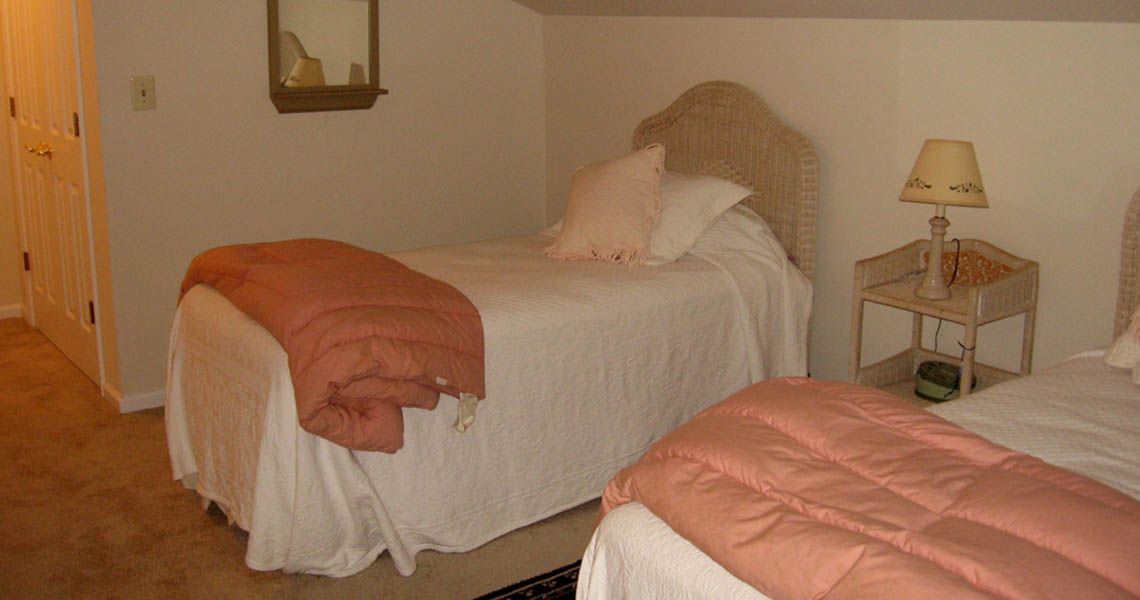
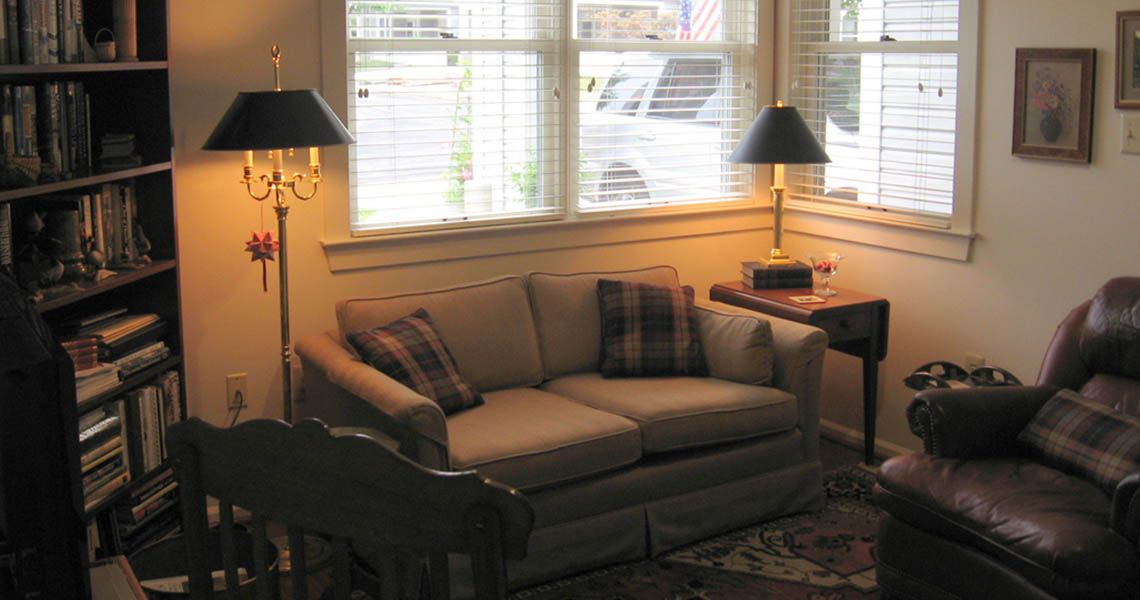
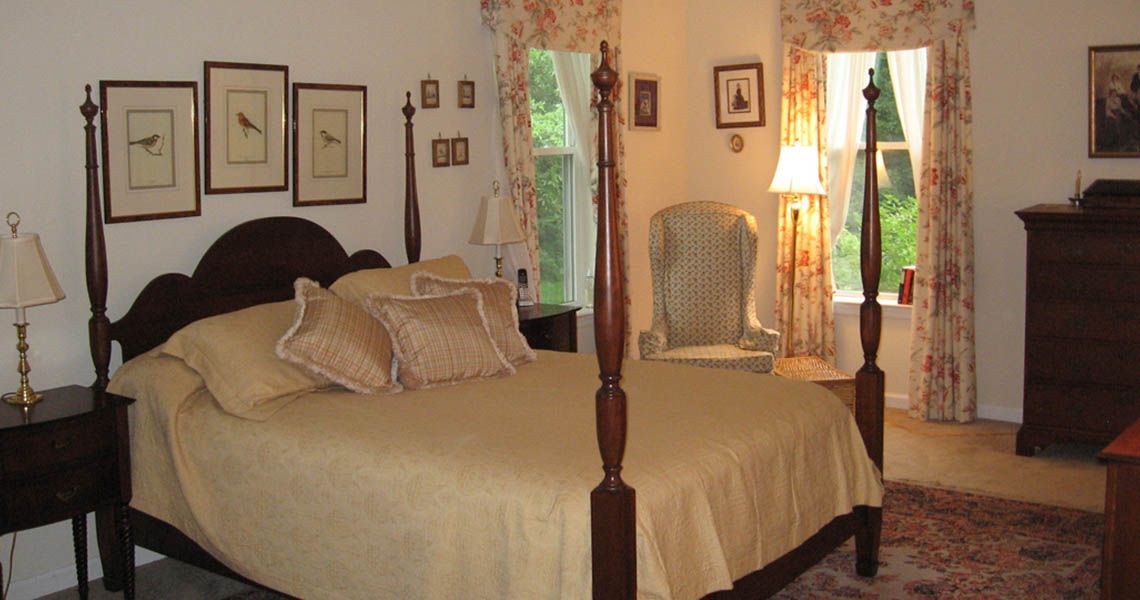
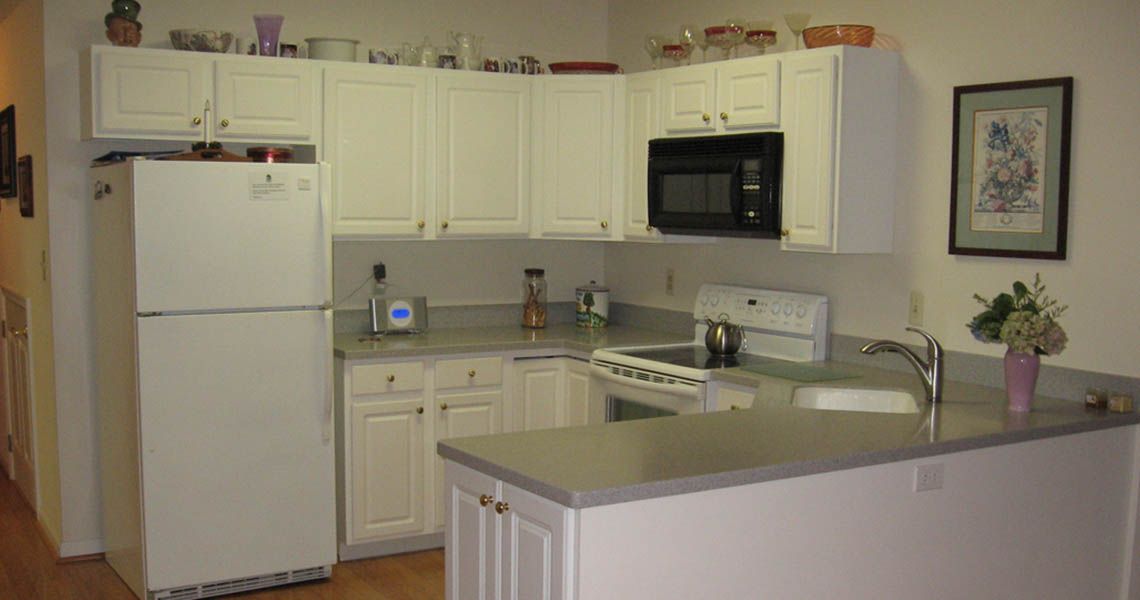
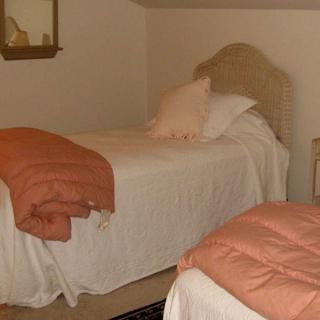
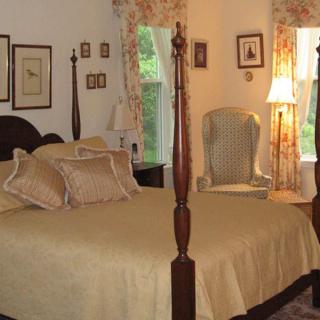
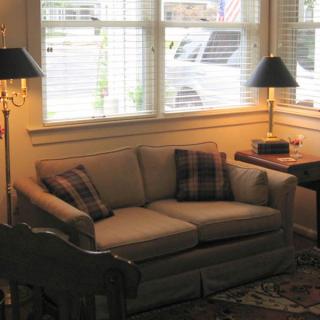
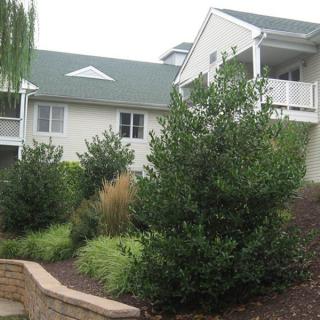
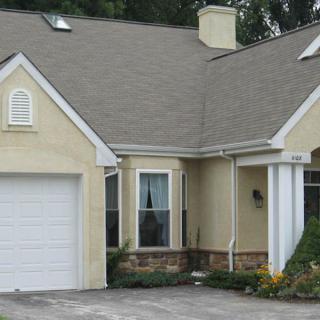
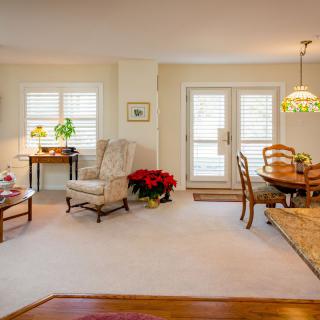
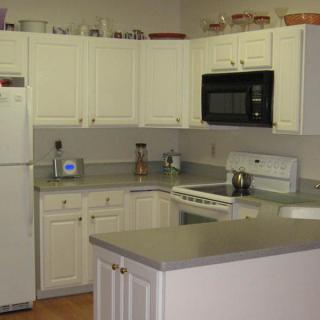
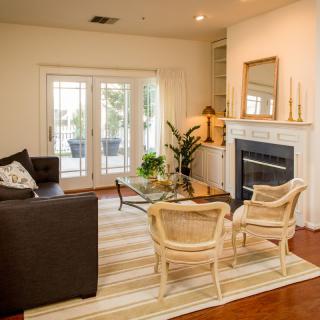
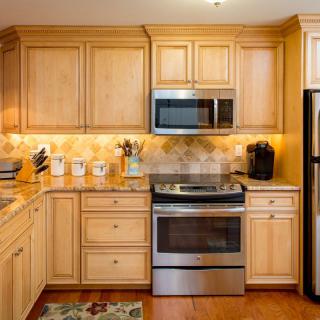
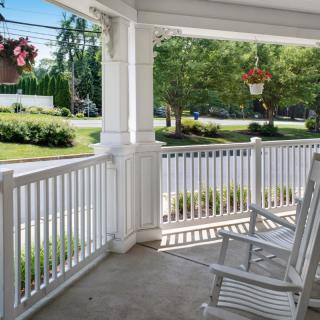
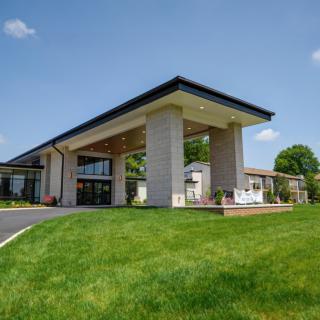
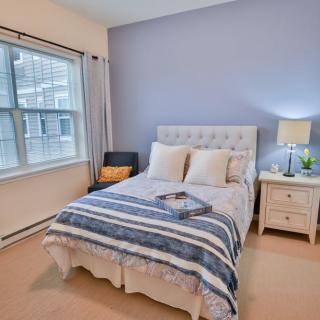
White Horse Village on seniors.fyi includes 12 photos including images showing interior, landscaping, living room, bedroom, decor, kitchen, windows, refrigerator, and more.
Nearby Communities
Lima Estates
Media, PA
4.5 from 63 reviews
Warm, homey atmosphere with engaging activities and well-kept grounds.
Arbor Terrace Willistown
West Chester, PA
4.7 from 188 reviews
$2,800 to $8,305 / month
Beautiful, well-maintained facility with friendly staff and engaging activities.
Skyline Manor
Glen Mills, PA
Intimate setting with comprehensive care and move-in coordination.
Sunrise Of Granite Run
Media, PA
3.8 from 103 reviews
$6,210 to $8,250 / month
Friendly, caring staff with engaging activities and a homey atmosphere.
Willowbrooke Court-Granite
Media, PA
4.3 from 75 reviews
Welcoming, friendly environment with continuous care options and engaging amenities.
Oakbridge Terrace At Granite Farms Estates
Media, PA
4.3 from 67 reviews
Long-term, flexible care within a single community with engaging activities and excellent dining.
Wesley Enhanced Living Main Line a CCRC
Media, PA
4.1 from 104 reviews
$1,816 to $3,150 / month
Warm, welcoming community with attentive staff and extensive amenities.
Merrill Gardens At Glen Mills
Glen Mills, PA
4.4 from 121 reviews
$2,600 to $6,500 / month
Friendly staff and a vibrant, engaging community with diverse dining options.
Truewood By Merrill, Glen Riddle
Glen Riddle, PA
4.1 from 122 reviews
$3,200 to $4,000 / month
Friendly, long-tenured staff in a warm, clean, community-focused setting with engaging activities.
The transition from assisted living to skilled nursing care is often prompted by complex medical needs that assisted living cannot meet, with key indicators including frequent health declines, increased falls, severe memory issues, and caregiver burnout. Families should recognize these signs early to discuss options with healthcare providers and prepare for the emotional and logistical aspects of moving to a facility that offers comprehensive medical support.
Dementia is characterized by cognitive decline, with nutrition playing a vital role in brain health; while no specific diet can prevent or reverse it, a nutrient-dense diet rich in antioxidants and healthy fats may support cognitive function. The MIND diet, which emphasizes beneficial foods and limits processed items, along with proper hydration and individualized meal strategies, can enhance the well-being of dementia patients.
Dementia affects memory and cognitive function in older adults, presenting challenges for caregivers due to behavioral changes such as confusion and mood swings. Compassionate, person-centered care that considers individual history and preferences, along with effective communication and environmental modifications, is essential for supporting both patients and their caregivers.
Get PricingAsk A QuestionSchedule A TourContact Senior Advisor
By clicking submit, you agree to our Partner's Terms of Use. You
also consent to receive calls and texts, which may be autodialed, from our Partner. Your consent is not a condition to
using our Partner's service. Please visit our Partner's Privacy Policy for information about their privacy practices.




 79 resident community capacity
 1-bedroom apartments
 Detached homes
 Assisted Living
 Continuing Care Retirement Community (CCRC)
 Independent Living
 Memory Care
 Respite Care
 Skilled Nursing Facility
 Air-conditioning
 Beautician on-site
 Cable or satellite TV
 Computer center
 Dining room
 Fitness room
 Full kitchen
 Fully furnished
 Gaming room
 Garden
 Guest parking
 Housekeeping services
 Laundry
 Move-in coordination
 Outdoor space
 Private bathrooms
 Restaurant-style dining
 Security gate
 Small library
 Swimming pool
 Telephone
 Wellness center
 Wi-Fi/high-speed internet available
 Philadelphia International (13 miles away)
 Community operated transportation
 24-hour call system
 Activities of daily living assistance
 Assistance with bathing
 Assistance with dressing
 Assistance with transfers
 Diabetes diet
 Medication management
 Physical therapy
 Special dietary restrictions
 Concierge services
 Planned day trips
 Religious services
 English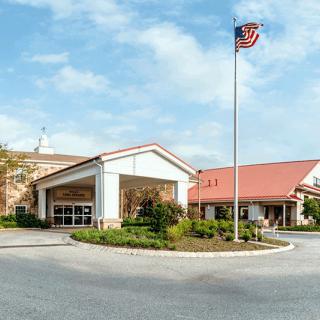
 Warm, homey atmosphere with engaging activities and well-kept grounds.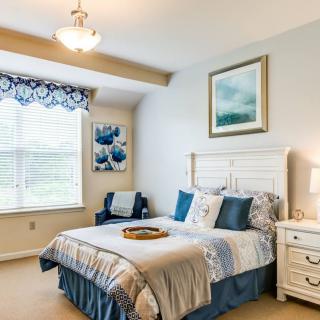



 8 Key Indicators That Suggest It May Be Time to Transition from Assisted Living to Skilled Nursing Care
 Nourishing the Mind: Essential Dietary Approaches for Dementia
 Understanding Dementia Behaviors: Practical Insights and Strategies for Caregivers