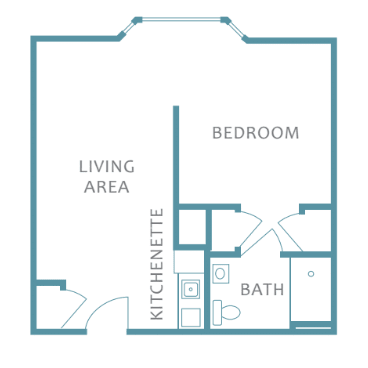
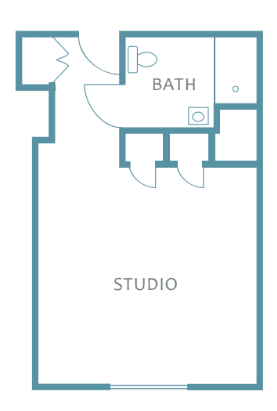
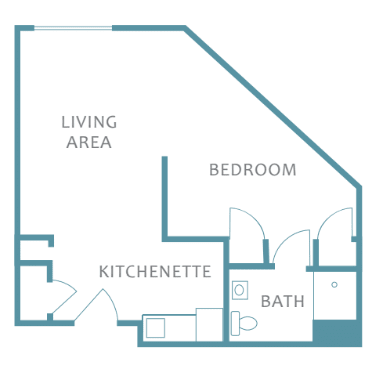
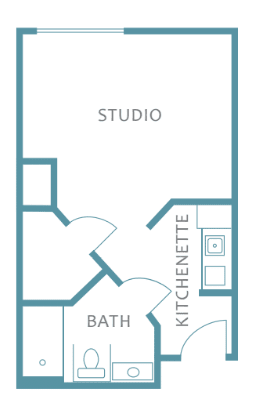
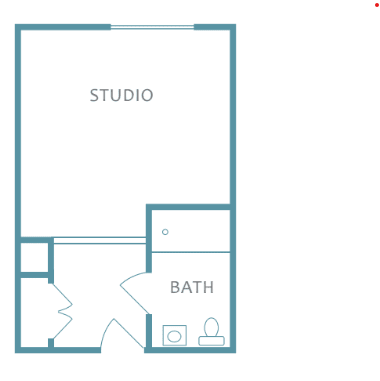
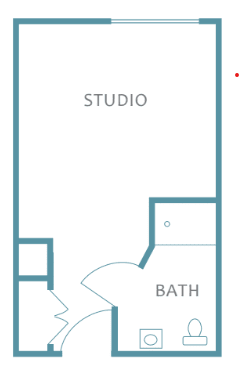
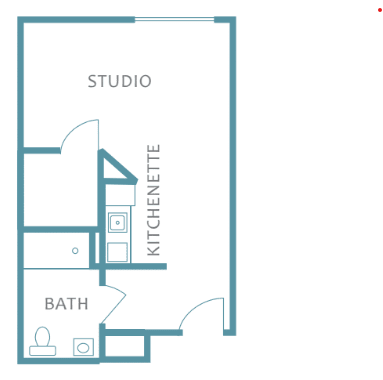
Bridges of Bent Creek offers a range of room types with pricing that reflects its premium services and amenities. For a studio, residents can expect to pay $4,700 per month, which is significantly higher than the average costs in Cumberland County at $3,768 and Pennsylvania at $3,737. The one-bedroom option is priced at $5,800, again surpassing both county and state averages of $3,815 and $4,006 respectively. Semi-private rooms are offered at $6,560 per month, compared to local and state averages of $3,958 and $3,542. These figures suggest that while Bridges of Bent Creek may require a larger financial commitment upfront, it likely provides enhanced comfort and care that many residents prioritize when choosing their living arrangements.
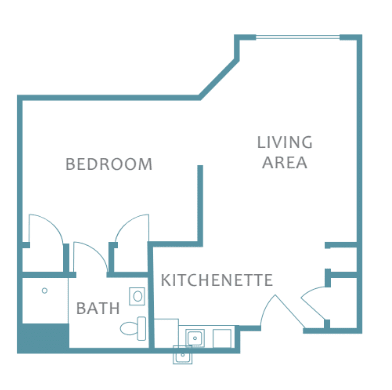
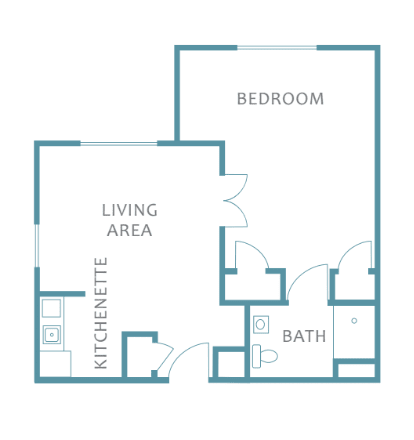
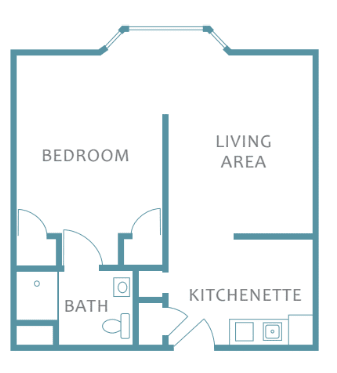
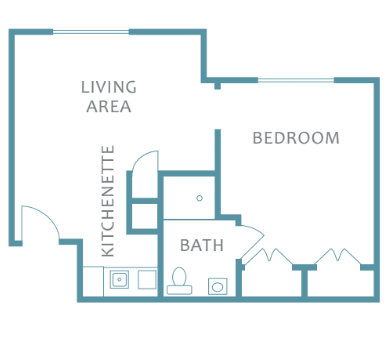
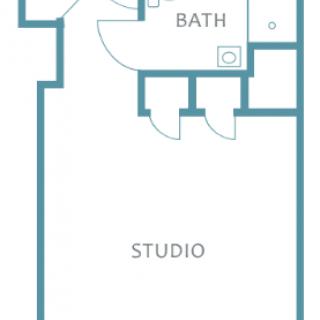
Floor plans
Bridges of Bent Creek
Cumberland County
Pennsylvania
Studio
$4,700
$3,768
$3,737
1 Bedroom
$5,800
$3,815
$4,006
Semi-Private
$6,560
$3,958
$3,542
Memory care communities with a similar price nearby
Residents and families frequently describe attentive, caring staff who respond quickly.
Many reviewers say the staff members are friendly and take the time to get to know residents, including addressing questions in a timely way. Families also describe clear communication and responsiveness when concerns come up, with staff treating people with respect. Several notes also point to experienced, compassionate hands-on care that supports daily comfort and keeps families informed.
caveat8 reviews mention this
Memory care feels both supported and risky
Reviews show a split experience in memory care, with strong support alongside serious staffing concerns.
Some reviewers specifically praise the memory care program, describing attentive, knowledgeable staff and care that helps residents feel safe and comfortable. Other reviews raise severe concerns about understaffing and supervision, including claims of inadequate overnight coverage and delays in responding to residents’ needs. Because both perspectives appear repeatedly, the memory care experience may depend heavily on staffing consistency and day-to-day operations.
common14 reviews mention this
Dining quality draws strong opinions
Dining is a frequent topic, with many praising food and others reporting meal issues.
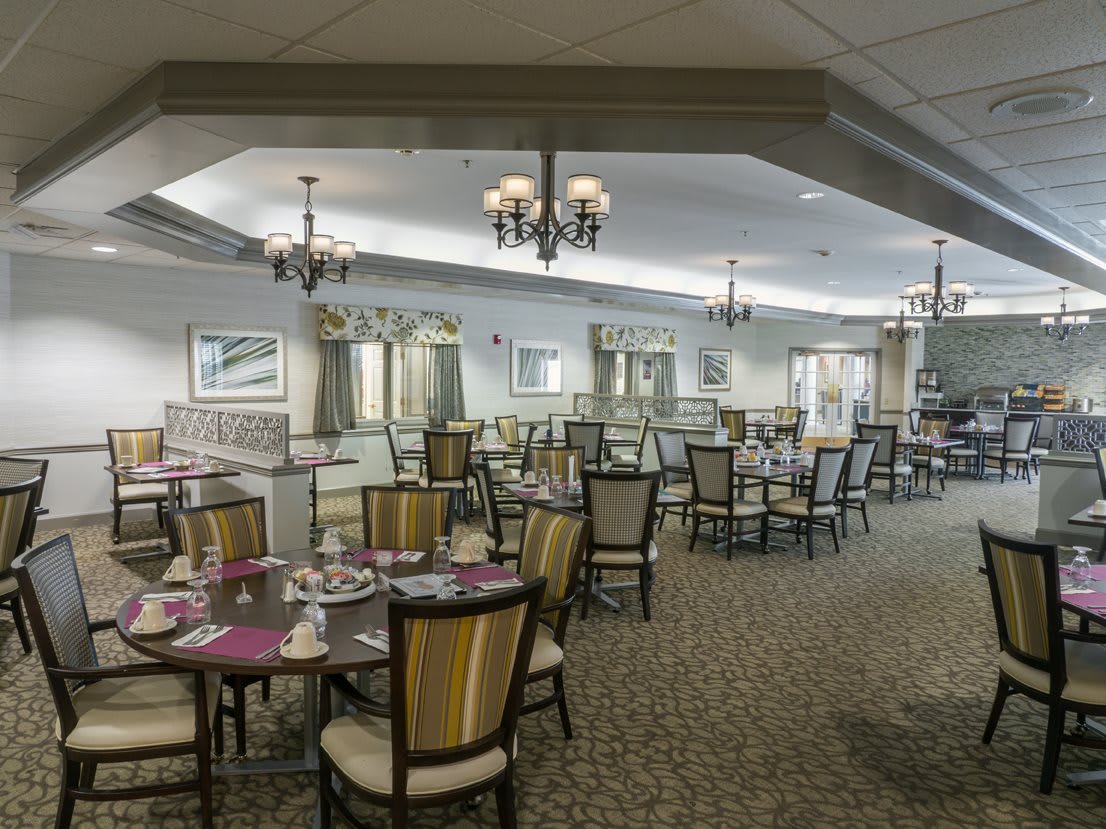
A large share of reviewers describe the food as very good, homemade, and enjoyable, with some calling out dining as a positive part of day-to-day life. Others mention dining problems, such as reduced dining or service and preparation that did not meet expectations. The community does offer a range of dining styles and diet options, which aligns with why dining can be either a highlight or a frustration depending on the visit and resident needs.
common12 reviews mention this
Activities and social time matter
Residents are described as staying engaged through frequent activities and events.
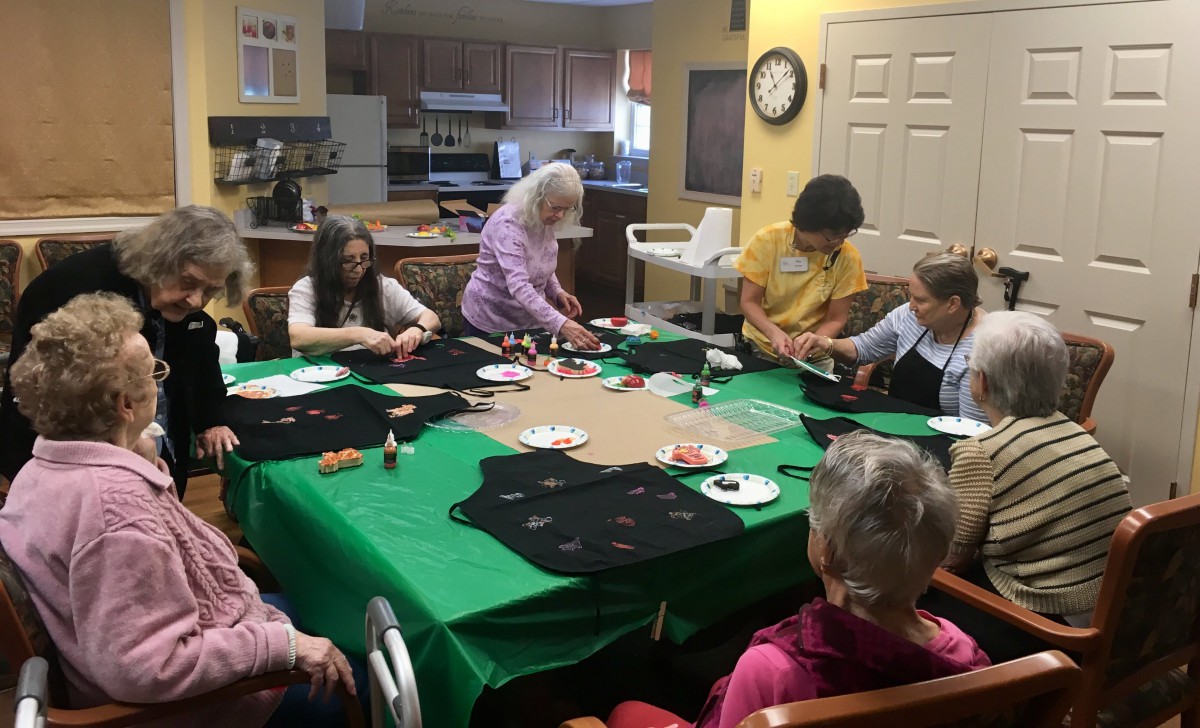
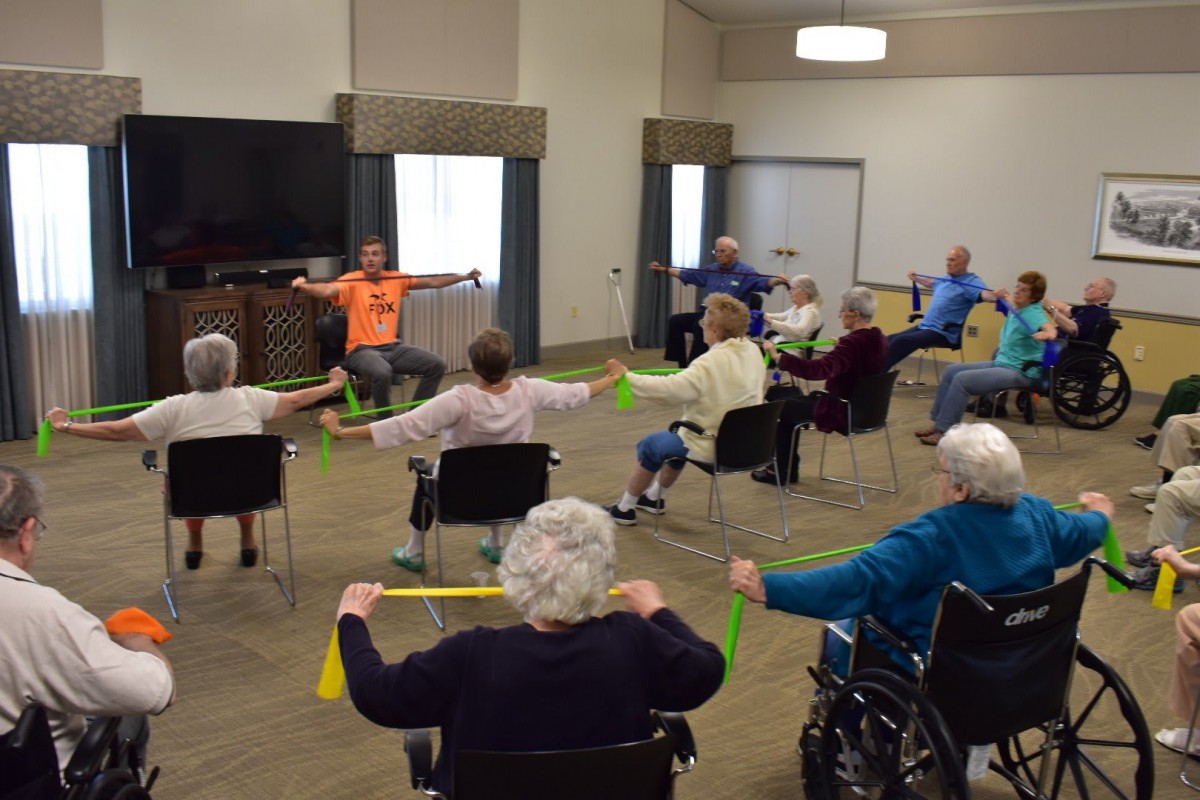
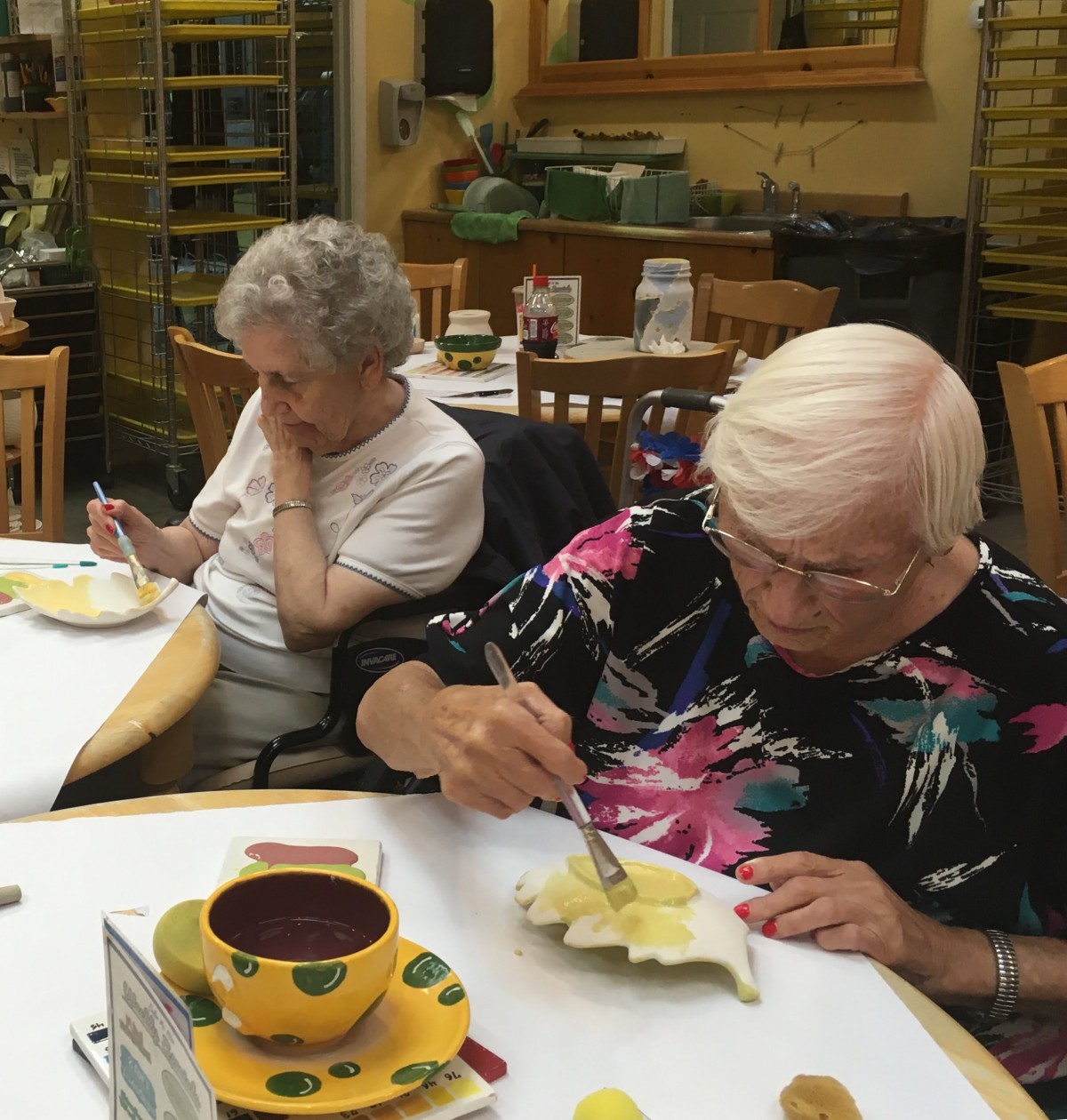
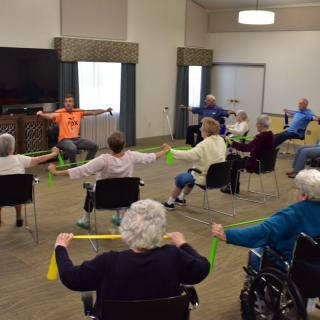
Reviewers often mention activities as a key part of the experience, including group outings, music, games, and regular scheduled programming. Some families also describe using the community spaces to cook or gather with visitors, adding to day-to-day social time. At the same time, a few reviewers say there could be more consistency or more activities, suggesting engagement varies over time.
common16 reviews mention this
Facility cleanliness and comfort are praised
Many reviews highlight a clean, comfortable building and welcoming common areas.
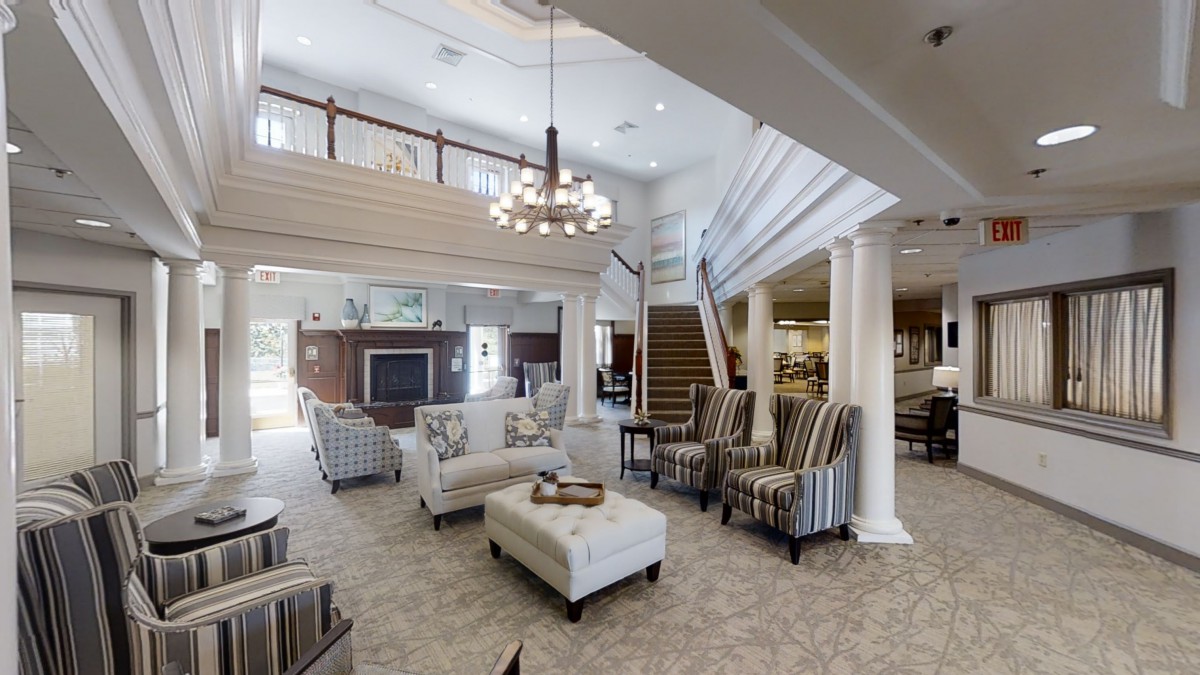
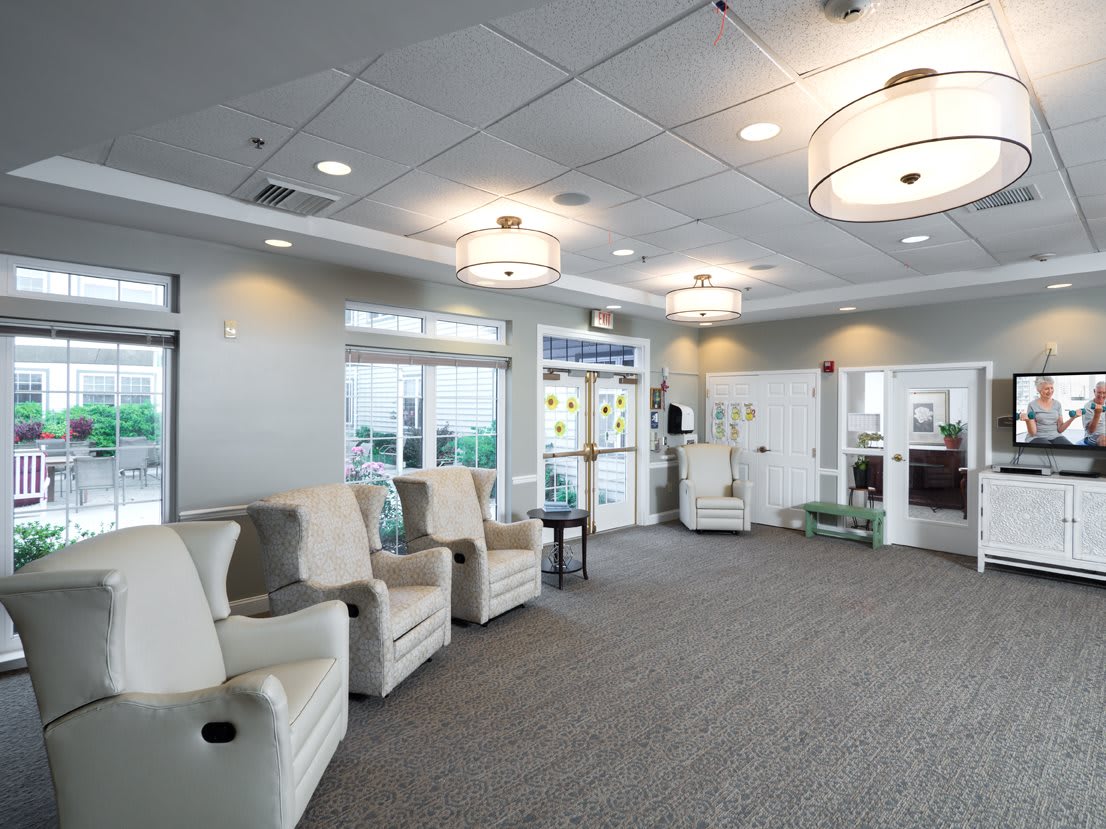
Multiple reviewers describe the community as clean, well kept, and comfortable, including the dining and common areas. Families also mention bright, modern spaces and outdoor areas that residents enjoy. A smaller number of reviews take the opposite view, describing cleanliness lapses, which may contribute to inconsistent experiences for different visitors or periods.
caveat7 reviews mention this
Pricing comes up repeatedly as a concern
Several reviews say the community is expensive relative to the care they observed.
Some families mention the cost as a downside, describing it as overpriced or too expensive as rates increased over time. Others say the pricing felt fair or good value for the care received, so perceptions vary. Still, repeated cost concerns show that affordability is an important factor when comparing expectations to what residents experienced.
How we summarize
Counts show how many written reviews mention each theme; a review can touch several themes, and only frequently mentioned themes are displayed.
Features
Housing
1-bedroom apartments
Studio apartments
Types of Care
Assisted Living
Memory Care
Pets
Cats allowed
Dogs allowed
Amenities
Activities off-site
Activities on-site
Air-conditioning
Beautician on-site
Cable or satellite TV
Devotional services off-site
Devotional services on-site
Full kitchen
Ground floor units
Handicap accessible
Housekeeping services
Indoor common areas
Kitchenette
Outdoor common areas
Private bathrooms
Respite or short term stays offered
Wheelchair accessible showers
Wi-Fi/high-speed internet available
Transportation
Harrisburg International (15 miles away)
Care Services
Ambulatory care
Diabetic care
High acuity care
Incontinence care
Medication management
Dining
Gluten-free
Guest meals
International cuisine
Low / no sodium
Meals provided
No Sugar
Organic
Professional chef
Restaurant style dining
Room service
Special dining programs
Vegan
Vegetarian
Activities
Activities off-site
Art classes
Catholic services
Cooking classes
Day trips and outings
Devotional activities offsite
Devotional activities on-site
Happy hour
Karaoke
Live musical performances
Live well programs
Other religious services
Protestant services
Visiting chaplain or priest
Languages Spoken
English
Nearby Places of Interest
This area of Mechanicsburg, Pennsylvania offers a variety of amenities and services that may be beneficial for seniors looking to settle in the area. With several physicians' offices, hospitals, pharmacies, and cafes within close proximity, residents have access to quality healthcare options and convenient dining choices. The presence of multiple parks provides opportunities for outdoor recreation and relaxation, while nearby places of worship offer spiritual support and community engagement. Overall, this neighborhood appears to be a well-rounded and accessible location for senior living with a range of resources available to meet various needs.
Physicians
Shah Neurology (0.1 miles)
Truong Steve Dr (0.4 miles)
Holy Spirit Hospital Silver Spring Center (0.7 miles)
Dr Roy Allen Williams, MD (1.3 miles)
Pinnacle Family Health (2.6 miles)
PinnacleHealth Good Hope Family Physicians (3 miles)
RMA of Central Pennsylvania at PinnacleHealth (3.4 miles)
Restaurants
McDonald's (0.8 miles)
Silver Spring Family Diner (0.9 miles)
Olive Garden (1 miles)
Taco Bell (1.1 miles)
Tikka Shack Mechanicsburg (1.2 miles)
Chili's Grill & Bar (1.6 miles)
Chick-Fil-A (1.7 miles)
Pharmacies
CVS Pharmacy (1.4 miles)
Wegmans (1.5 miles)
Weigmans Pharmacy (1.7 miles)
Rite Aid (1.8 miles)
Rite Aid (3.7 miles)
CVS Pharmacy (3.7 miles)
Rite Aid (3.8 miles)
Cafes
Starbucks (1.4 miles)
Starbucks (1.5 miles)
Panera Bread (1.6 miles)
Idea Coffee At Walden (1.8 miles)
Starbucks (5.4 miles)
Starbucks (5.4 miles)
Panera Bread (5.5 miles)
Hospitals
Post Acute Medical, LLC (3.1 miles)
UPMC Pinnacle West Shore (3.4 miles)
PinnacleHealth West Shore Hospital (3.5 miles)
PinnacleHealth Fredricksen Outpatient Center (3.5 miles)
West Shore Surgery Center (3.5 miles)
Healthsouth (4.7 miles)
Holy Spirit Hospital- Medical Arts Building (5.8 miles)
Bridges of Bent Creek offers a range of room types with pricing that reflects its premium services and amenities. For a studio, residents can expect to pay $4,700 per month, which is significantly higher than the average costs in Cumberland County at $3,768 and Pennsylvania at $3,737. The one-bedroom option is priced at $5,800, again surpassing both county and state averages of $3,815 and $4,006 respectively. Semi-private rooms are offered at $6,560 per month, compared to local and state averages of $3,958 and $3,542. These figures suggest that while Bridges of Bent Creek may require a larger financial commitment upfront, it likely provides enhanced comfort and care that many residents prioritize when choosing their living arrangements.
Bridges of Bent Creek's medication management system plays a crucial role in ensuring that residents receive their prescribed medications on time and in the correct dosages, which is vital for maintaining their cognitive function and overall health. This structured approach helps alleviate anxiety among residents and their families, as they can trust that potential medication errors are minimized. Meanwhile, incontinence care is designed to provide dignity and comfort for residents who may struggle with this common issue related to advanced dementia or Alzheimer's disease. By offering compassionate support and reliable assistance, the facility fosters an environment where individuals feel safe and cared for, allowing them to focus on social engagement and activities that stimulate cognitive function rather than being preoccupied by discomfort or embarrassment. Together, these features create a supportive atmosphere that enhances the quality of life for those dealing with memory-related challenges.
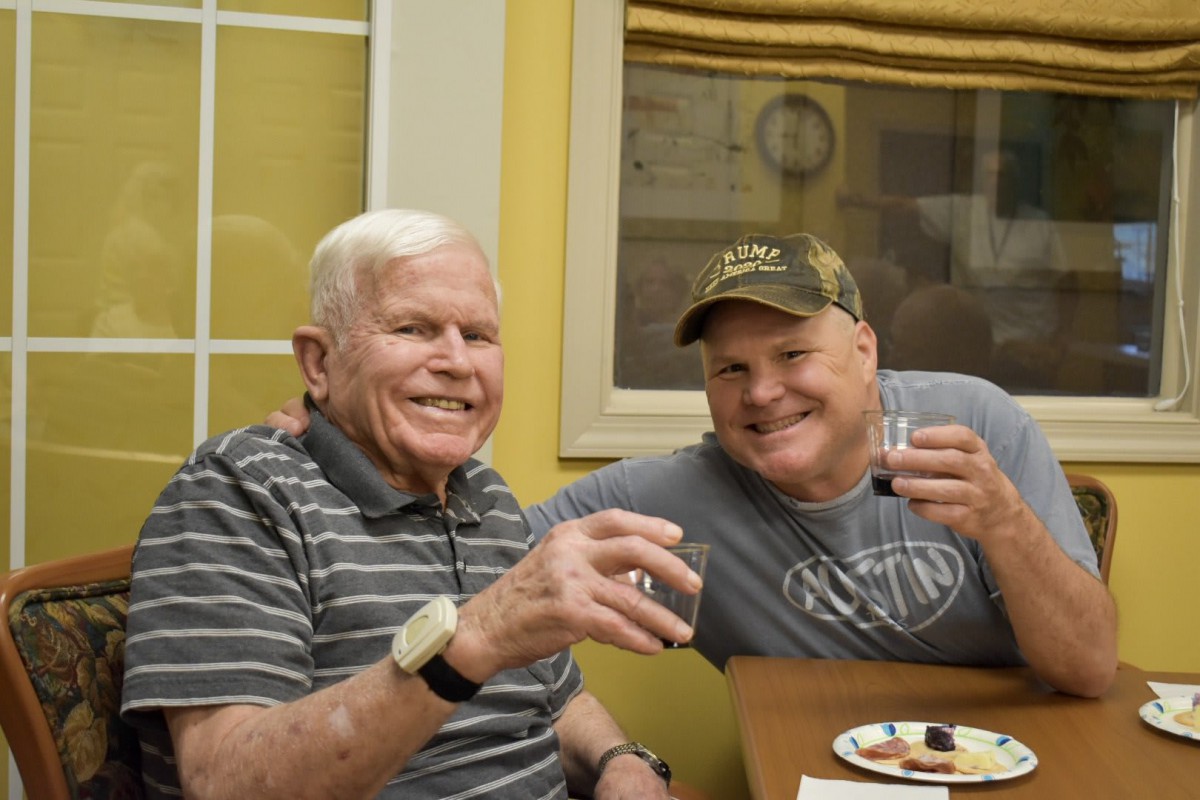
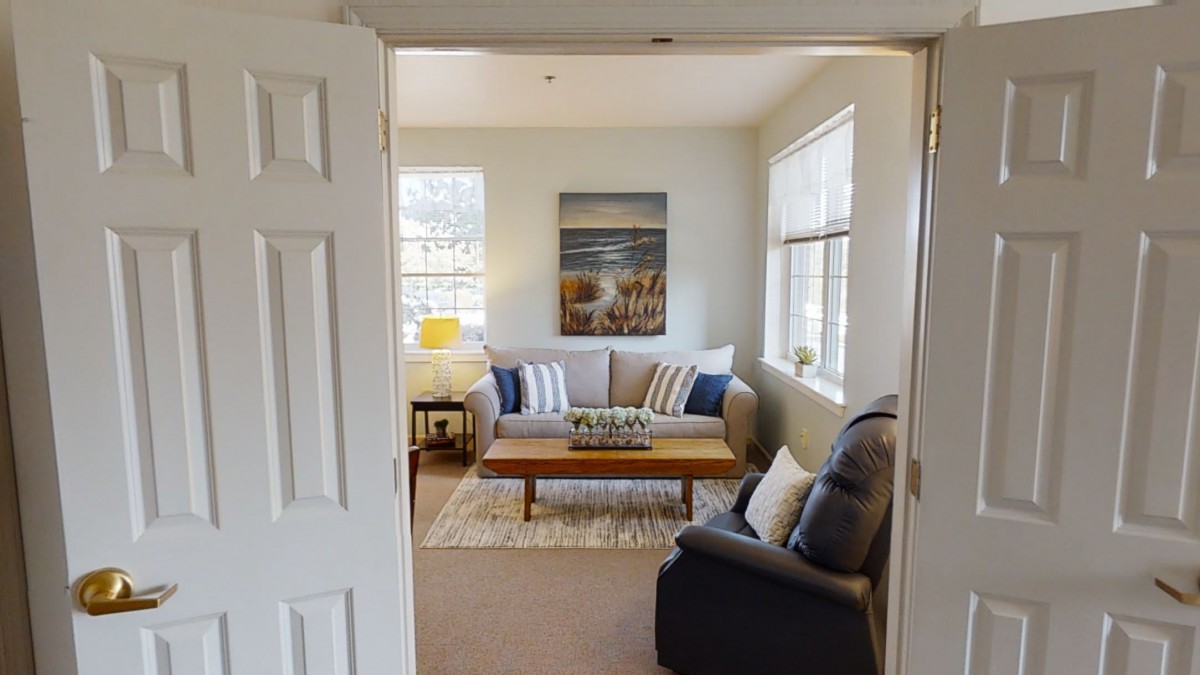
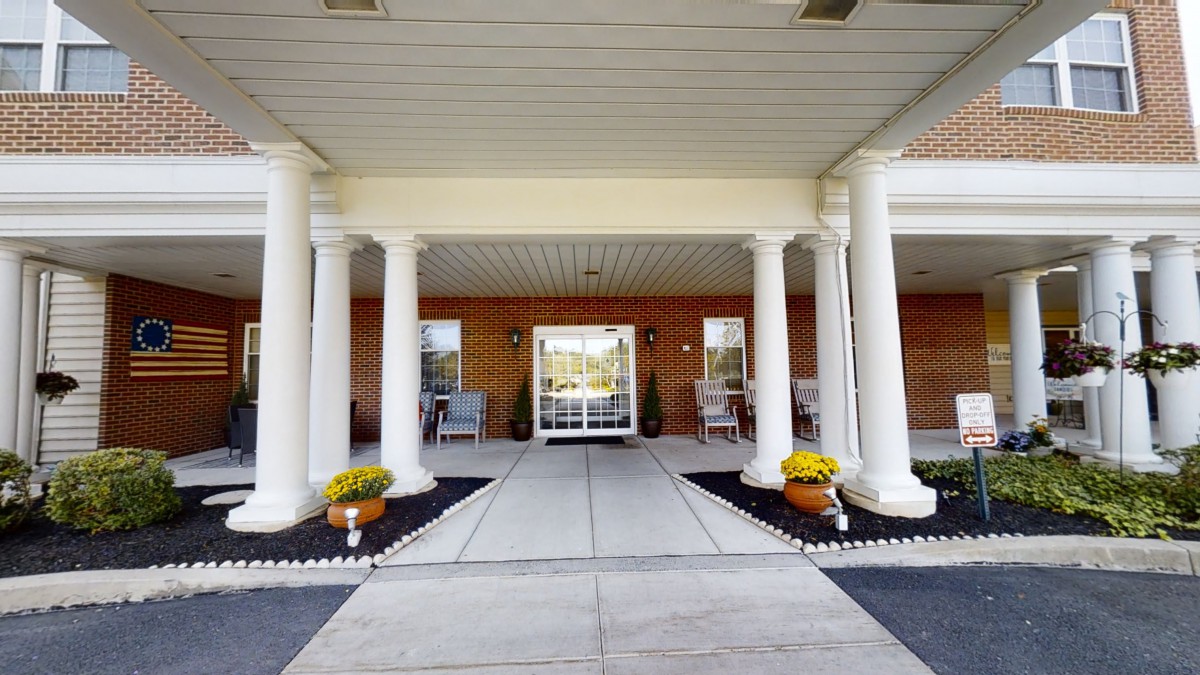
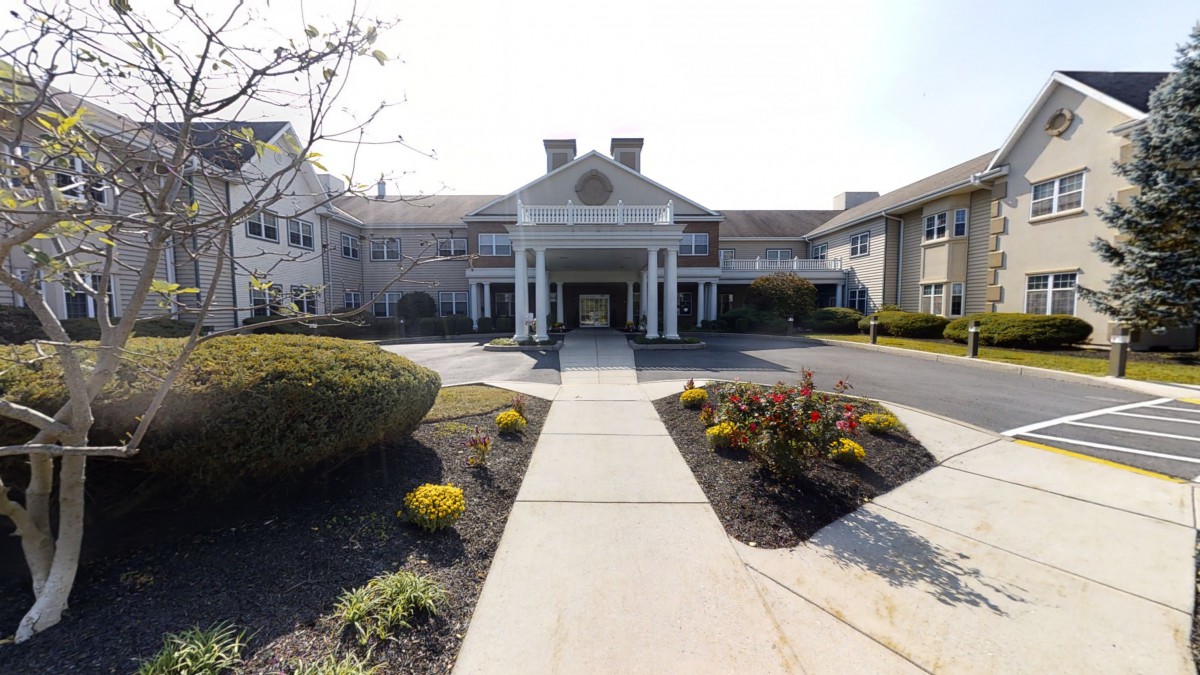
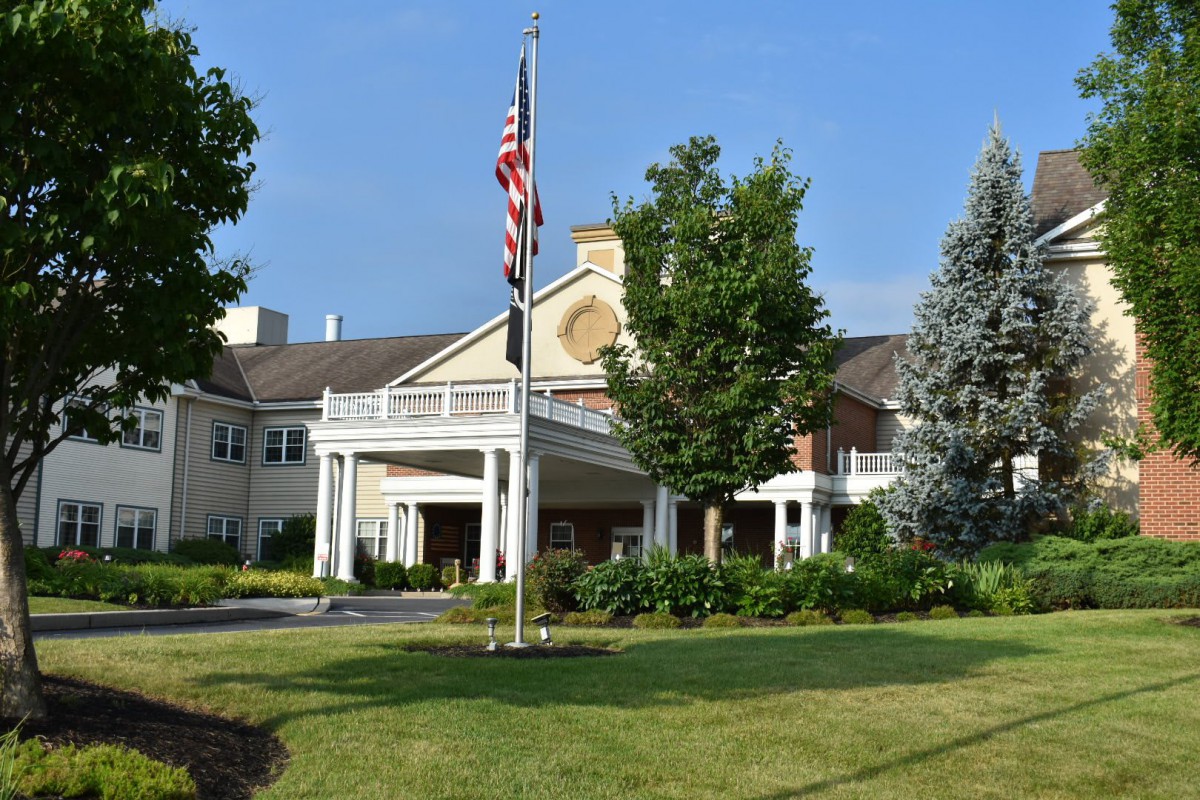
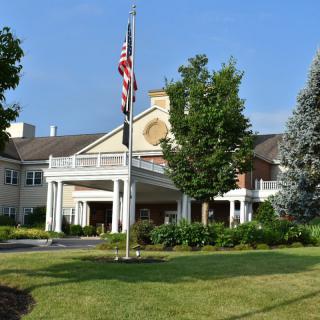
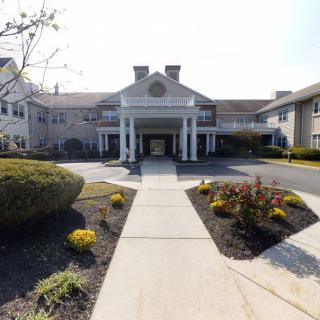
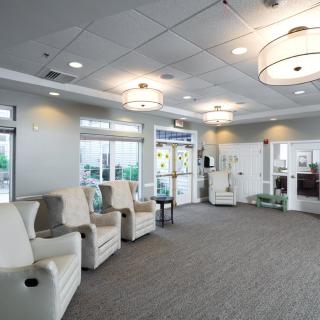
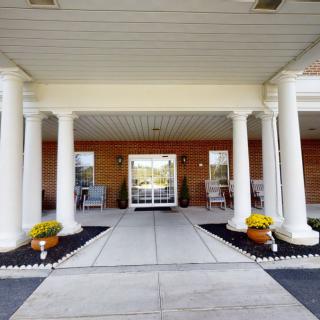
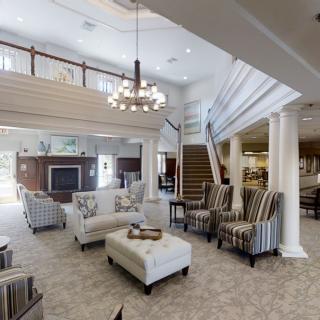
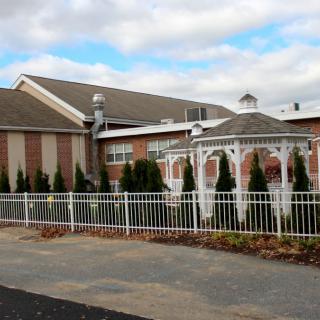
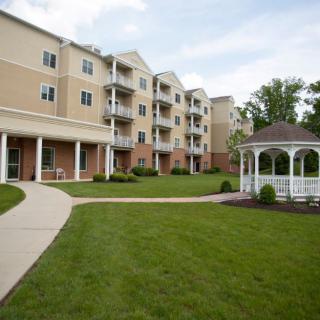
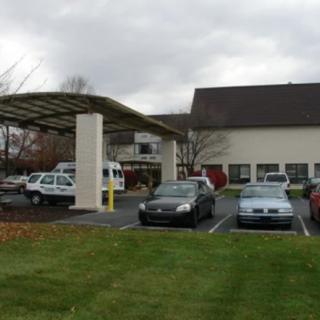
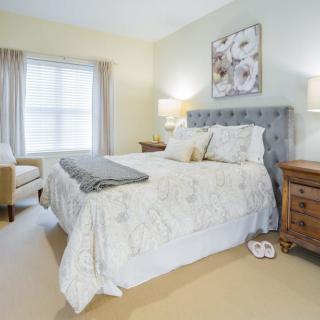
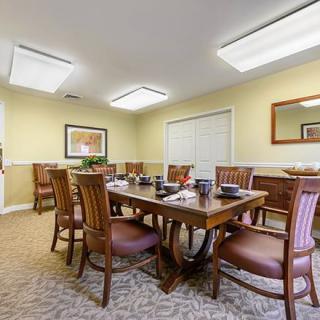
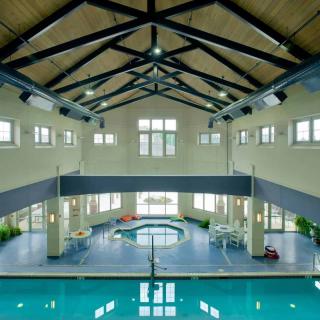
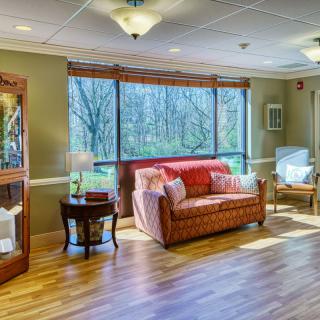
Bridges of Bent Creek on seniors.fyi includes 23 photos including images showing floor plan, interior, bathroom, studio apartment, bedroom, living area, kitchenette, architecture, and more.
Nearby Communities
The Bridges At Bent Creek
Mechanicsburg, PA
4.4 from 98 reviews
Strong memory care focus with 24/7 supervision and extensive on-site amenities.
Bent Creek Crossing
Mechanicsburg, PA
Small, intimate community with personalized care and essential services.
Carmella
Mechanicsburg, PA
4 from 2 reviews
Small, intimate community with personalized care (meals, medications, dressing) and convenient access to nearby amenities.
Silver Spring Specialized Community Residence
Mechanicsburg, PA
4.5 from 27 reviews
Small, personalized setting with 24-hour supervision, ADL assistance, coordinated care, and diabetes-friendly meals.
Harmony At West Shore
Mechanicsburg, PA
3.8 from 130 reviews
$2,965 to $3,800 / month
Friendly staff, engaging activities, and clean, attractive amenities.
Brookdale Grandon Farms
Mechanicsburg, PA
4.2 from 109 reviews
$2,640 to $5,205 / month
Caring, attentive staff in a clean, well-maintained setting.
Bethany Village
Mechanicsburg, PA
4.6 from 126 reviews
$7,800 to $9,810 / month
Friendly, welcoming community with helpful staff and spacious, well-designed apartments.
Artis Senior Living Of West Shore
Lemoyne, PA
4.6 from 63 reviews
Strong memory-care focus with attentive staff, engaging activities, a clean, welcoming environment, and solid family communication.
The Woods at Cedar Run
Camp Hill, PA
4.2 from 115 reviews
$2,495 to $5,250 / month
Caring staff with engaging activities on a well-kept campus.
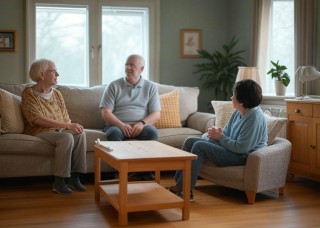
The article outlines effective communication strategies for interacting with loved ones with dementia, highlighting the need for empathy, patience, and understanding while emphasizing supportive approaches like using simple language, minimizing distractions, and focusing on feelings over facts to maintain dignity and foster connection. It also suggests seeking professional guidance when needed as communication challenges evolve.
VA nursing homes, or Community Living Centers (CLCs), offer tailored long-term care for veterans, featuring medical attention and rehabilitation in a supportive environment. The guide covers facility types, eligibility criteria, financial assistance options, quality of care standards, and alternatives to full-time nursing home placement.
At-home dementia care expenses vary widely based on care levels, location, and caregiver expertise, with monthly costs for home health aides exceeding $4,500 and specialized care potentially surpassing $100,000 annually. While families favor in-home care for its comfort and personalized attention, they must consider financial planning and the challenges of caregiver fatigue.
Get PricingAsk A QuestionSchedule A TourContact Senior Advisor
By clicking submit, you agree to our Partner's Terms of Use. You
also consent to receive calls and texts, which may be autodialed, from our Partner. Your consent is not a condition to
using our Partner's service. Please visit our Partner's Privacy Policy for information about their privacy practices.





 1-bedroom apartments
 Assisted Living
 Memory Care
 Cats allowed
 Dogs allowed
 Activities off-site
 Air-conditioning
 Beautician on-site
 Cable or satellite TV
 Devotional services off-site
 Full kitchen
 Ground floor units
 Handicap accessible
 Housekeeping services
 Indoor common areas
 Outdoor common areas
 Private bathrooms
 Respite or short term stays offered
 Wheelchair accessible showers
 Wi-Fi/high-speed internet available
 Harrisburg International (15 miles away)
 Ambulatory care
 Diabetic care
 High acuity care
 Incontinence care
 Medication management
 Gluten-free
 Art classes
 Catholic services
 Cooking classes
 Day trips and outings
 Happy hour
 Karaoke
 Live musical performances
 Live well programs
 English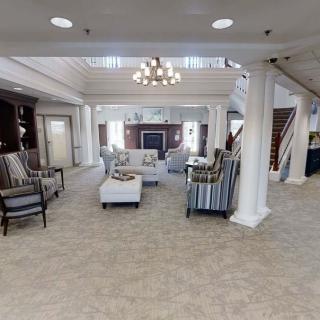
 Strong memory care focus with 24/7 supervision and extensive on-site amenities.

 How to Communicate with a Loved One Living with Dementia: 10 Supportive Strategies
 Comprehensive Guide to VA Nursing Homes: A Crucial Long-Term Care Resource for Veterans
 Estimating the Expenses of At-Home Dementia Care: A Detailed Exploration