St John Community, a CCRC in Mars, PA
SaveInformation last verified:
500 Wittenberg Way, Mars, PA 16046
For more information about senior living options: (844) 490-3973
St. John Community, a Continuing Care Retirement Community (CCRC), offers competitive pricing that stands out favorably against both Butler County and the broader Pennsylvania context. For instance, the cost of a studio apartment at St. John Community is $1,650 per month, significantly lower than the average of $3,475 in Butler County and $3,737 statewide. Similarly, one-bedroom units are attractively priced at $1,650 compared to the steep rates of $8,990 in Butler County and $4,006 across Pennsylvania. While two-bedroom accommodations at St. John Community come in at $3,506, they still remain more reasonable when juxtaposed with Butler County's average of $4,961 and Pennsylvania's average of $4,242. Overall, St. John Community provides an appealing affordability option for seniors seeking quality care and comfortable living arrangements within their community.
| Floor plans | St John Community, a CCRC | Butler County | Pennsylvania |
|---|---|---|---|
| Studio | $1,650 | $3,475 | $3,737 |
| 1 Bedroom | $1,650 | $8,990 | $4,006 |
| 2 Bedrooms | $3,506 | $4,961 | $4,242 |
St John Community in Mars, PA is best suited for families seeking a small, home-like continuum with strong memory-care focus and highly personalized therapy when staffing levels cooperate. The Rosecrest memory-care wing stands out as the clearest positive in a portfolio that otherwise shows wide variance. For seniors who value intimate, neighborly dynamics, a facility that can deliver tailored activity and meaningful social engagement, and a team that can adapt therapy to individual needs, this campus can feel like a firm, supportive home. It also works for families exploring rehab or short-term recovery pathways, where skilled physical and occupational therapy teams have shown real potential to drive progress and independence.
Those considering alternatives should especially note this community if reliability and consistent, attentive care are non-negotiables. If a loved one requires steady 24/7 nursing coverage, predictable medication administration, and consistently clean, odor-free environments, the risks voiced by numerous families should be weighed heavily. Billing transparency and alignment between what is promised during tours and what is billed afterward are another red flag area for many, suggesting that prospective residents who prize straightforward, predictable terms may prefer a different provider. In short, families with high demands for staffing stability, rigorous housekeeping, and uniform care across all units should scrutinize alternatives before committing.
The strongest pros at St John come from the Rosecrest unit and from certain therapy and dining experiences. Families report that caregivers in memory care form genuine bonds, know residents by name, and maintain a home-like rhythm that reduces the sense of institutional distance. The therapeutic staff, especially in physical and occupational therapy, often receive praise for adaptability, responsiveness, and individualized program design. On the dining side, a flexible menu, attentive chefs, and the opportunity to tailor meals to preferences are repeatedly cited as reliable positives. The campus also boasts spacious apartments with full kitchens and a genuine small-community feel, which can make the transition smoother and daily living more dignified for residents who can participate actively in community life.
Yet these strengths frequently collide with deep-seated operational challenges. The most persistent and widely echoed concerns center on understaffing and high turnover, which translate into slow call-bell responses, missed or delayed medication, and inconsistent adherence to care plans. Several families recount episodes of neglect or insufficient supervision, with some medicines mismanaged or not delivered promptly, and others describe rooms or common areas that feel dirty or poorly maintained. Even where staff are caring, the perception that the facility is stretched too thin colors the overall experience and creates anxiety for families who cannot be constantly on site to supervise care. These tensions between standout therapy in specific wings and overcrowded, inconsistent care on other floors define the facility’s central risk profile.
That mix matters because the bottom-line question is whether the care your loved one requires can be delivered reliably every day. Rosecrest’s memory-care strength suggests the campus can excel for residents with dementia who need intimate attention and routine, while the rehab and independent-living threads offer compelling value in the right sequence. However, the reports of cleanliness issues, delayed responses, and occasional misbilling inject substantial doubt into the day-to-day experience for any resident who is not already in a highly favorable unit. Families should prioritize a direct look at the unit their loved one will occupy, demand to see staffing rosters across shifts, and request to witness a live response to a test call bell. Engage in conversations about medication safety protocols, housekeeping schedules, and the steps administrative staff will take when concerns arise.
Practical next steps for those weighing St John include arranging separate visits focused on Rosecrest and on the general certified-care floors, speaking with current residents and families about staffing patterns, and securing a clear, written outline of all services and associated costs. Ask for access to recent inspection or survey findings, request a detailed care plan example, and probe how often care plans are updated in response to changing needs. If memory care is the priority, insist on seeing the specific routines, staff-to-resident ratios, and engagement calendars in Rosecrest, then compare with other area options that demonstrate higher and more consistent staffing levels, cleaner environments, and transparent billing. A trial period or respite stay can also help reveal whether the day-to-day experience aligns with expectations.
Ultimately, St John Community offers a compelling package for families prioritizing personalized memory-care attention and a family-like atmosphere, paired with strong rehab-oriented services and well-appointed living spaces. The caveat is real: the same campus can feel markedly better for some residents than for others, depending on unit assignment and the consistency of staffing. If the priority is unwavering daily reliability, if cleanliness and transparent billing cannot be compromised, alternatives should be pursued. For families who can navigate the trade-offs and lean into Rosecrest for dementia care, and who value a responsive therapy program and a warm, intimate community, St John remains a viable option worth serious consideration.
St John Community in Mars, PA is a comprehensive assisted living community that offers residents a range of care services and amenities to ensure their comfort and well-being. With various levels of care available, including independent living and memory care, residents can find the support they need.
The community provides a peaceful environment for residents with access to devotional services off-site for spiritual nourishment. Housekeeping services are available to ensure that residents have clean and tidy living spaces. Indoor common areas provide opportunities for socializing and engaging with fellow residents.
Residents also benefit from convenient laundry facilities on-site, allowing them to easily take care of their personal belongings. For those looking to stay active and enjoy some leisure time, there is a swimming pool where residents can relax and exercise at their own pace.
In terms of care services, St John Community offers specialized diabetic care for individuals who require assistance managing their diabetes. Additionally, meal preparation and service are provided to ensure that residents receive nutritious meals tailored to their dietary needs.
Devotional activities offsite provide opportunities for spiritual growth and connection with the broader community. The staff at St John Community is multilingual, speaking French, Italian, and Spanish, ensuring effective communication between staff members and diverse residents.
Located in a vibrant neighborhood in Mars, PA, St John Community benefits from its proximity to various amenities. Residents can explore three nearby cafes for a cup of coffee or a light snack. Four parks offer tranquil spaces for outdoor recreation and relaxation. With four pharmacies nearby, accessing medications and healthcare supplies is convenient for residents. Fifteen physicians in close proximity ensure access to medical care when needed.
Residents also have an array of dining options with 27 restaurants nearby offering diverse cuisines. Three places of worship are available within reach for spiritual support within the community's immediate surroundings. Furthermore, one theater nearby provides entertainment options for cultural experiences closeby. In case of emergencies or medical needs, two hospitals in the vicinity offer peace of mind knowing that quality healthcare services are within easy reach.
In summary, St John Community in Mars, PA is a well-equipped assisted living community offering various levels of care and amenities to enhance the quality of life for its residents. With a range of nearby amenities and services, residents can enjoy a comfortable and fulfilling lifestyle with all their needs catered to.
This part of Mars, Pennsylvania offers a variety of amenities and services that cater to the needs of seniors looking for a comfortable and convenient living environment. With multiple places of worship nearby, including Mars United Methodist Church and Valencia Presbyterian Church, residents have access to spiritual support and community engagement. The area also boasts several pharmacies such as CVS and Walgreens, ensuring easy access to medication and healthcare necessities. Additionally, there are numerous dining options available, from casual eateries like Dented Keg Brewing Company to popular chains like Chick-Fil-A. For medical needs, there are several physicians' offices nearby, including Good Samaritan Pain Clinic and Kids Plus Pediatrics. The abundance of parks in the vicinity, such as Adams Township Community Park and Cranberry Township Community Park, provide ample opportunities for outdoor recreation and relaxation. Overall, this part of Mars provides a well-rounded living experience for seniors seeking a vibrant community with essential amenities within close proximity.
St. John Community, a Continuing Care Retirement Community (CCRC), offers competitive pricing that stands out favorably against both Butler County and the broader Pennsylvania context. For instance, the cost of a studio apartment at St. John Community is $1,650 per month, significantly lower than the average of $3,475 in Butler County and $3,737 statewide. Similarly, one-bedroom units are attractively priced at $1,650 compared to the steep rates of $8,990 in Butler County and $4,006 across Pennsylvania. While two-bedroom accommodations at St. John Community come in at $3,506, they still remain more reasonable when juxtaposed with Butler County's average of $4,961 and Pennsylvania's average of $4,242. Overall, St. John Community provides an appealing affordability option for seniors seeking quality care and comfortable living arrangements within their community.
St John Community, a CCRC offers Studio apartments.
St John Community, a CCRC is located at 500 Wittenberg Way, Mars, PA 16046 in Butler County, Pennsylvania
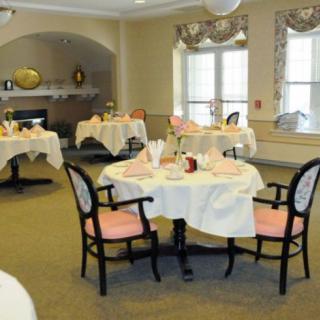
Meal preparation and service at St John Community are designed to cater specifically to the nutritional needs and preferences of residents with dementia or Alzheimer's disease, ensuring that each meal is not only balanced but also appealing. The dining experiences are structured to create a familiar and comforting environment, which can help reduce anxiety for residents during mealtime. By providing consistent meal times and employing staff trained in understanding the unique challenges faced by individuals with cognitive impairments, the community fosters a sense of routine that is beneficial for memory care. Additionally, accommodating individual dietary restrictions and preferences supports both physical health and emotional well-being, making mealtimes enjoyable and less stressful.
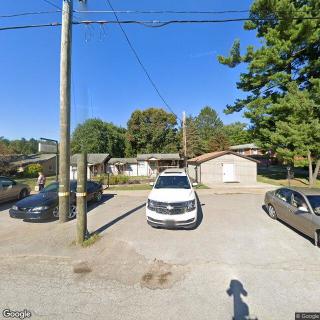
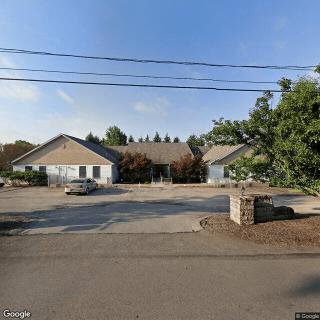
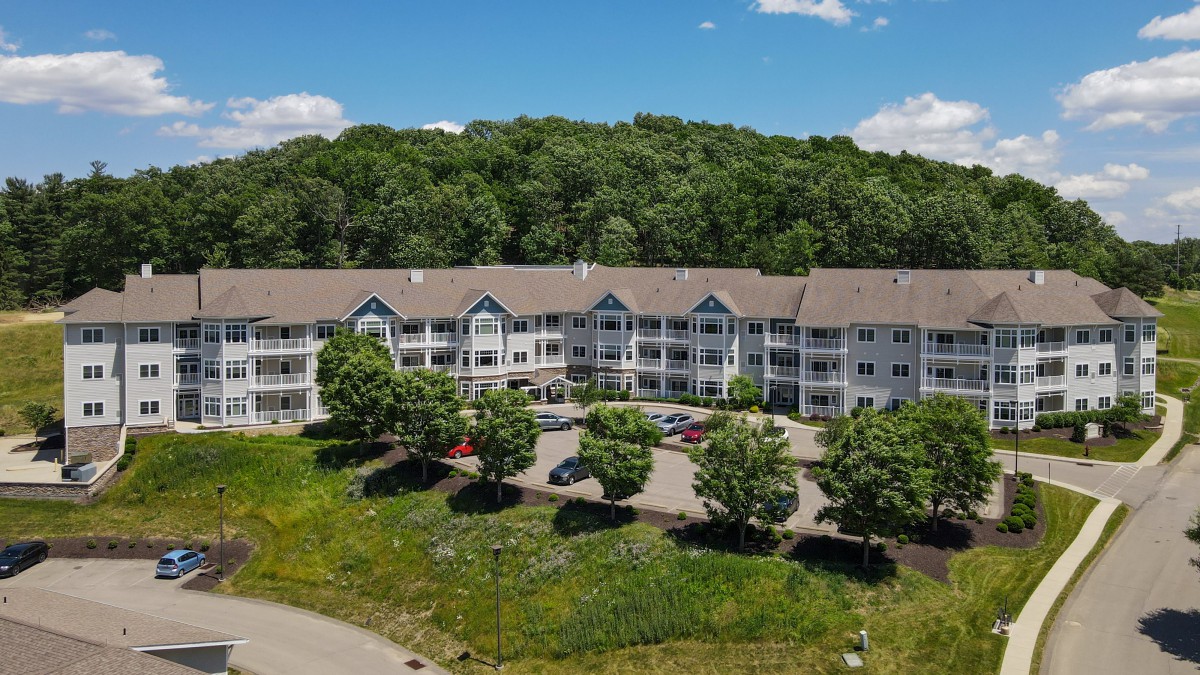
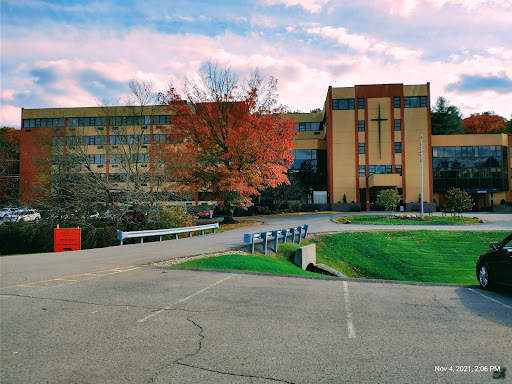
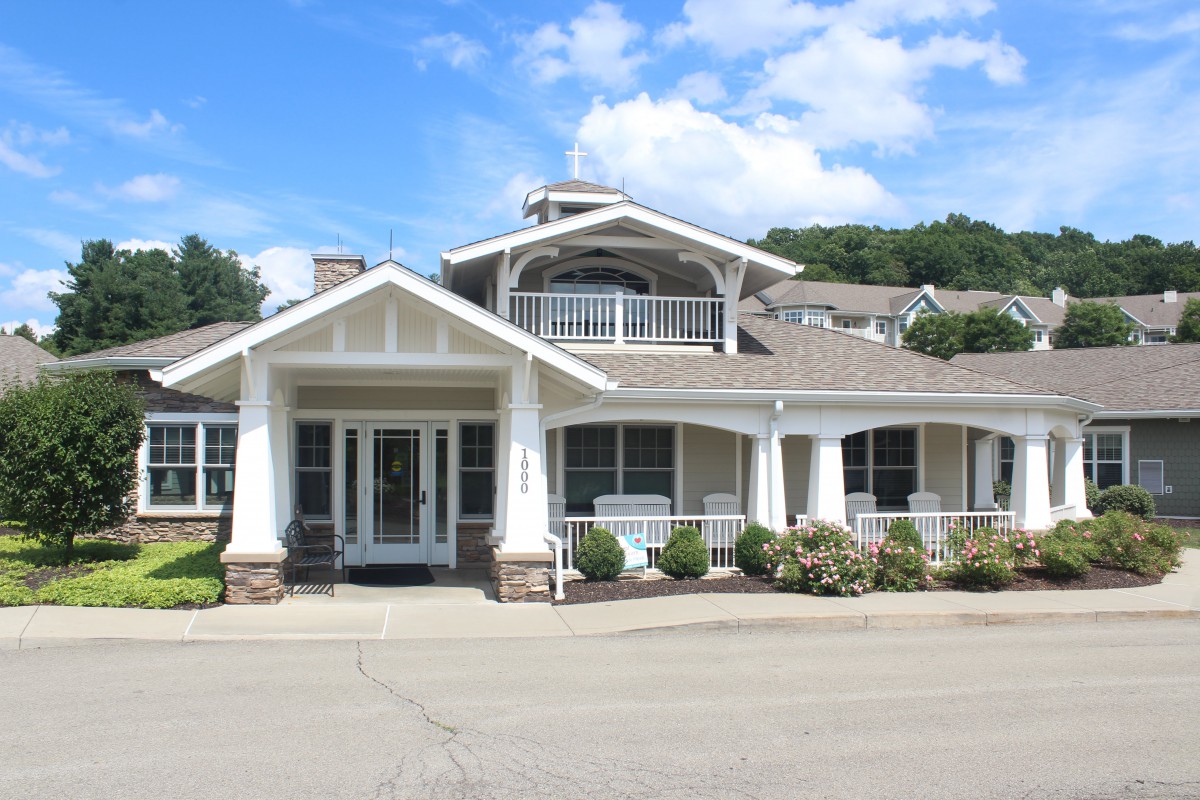
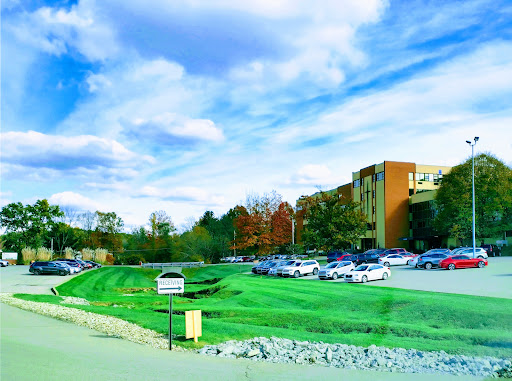
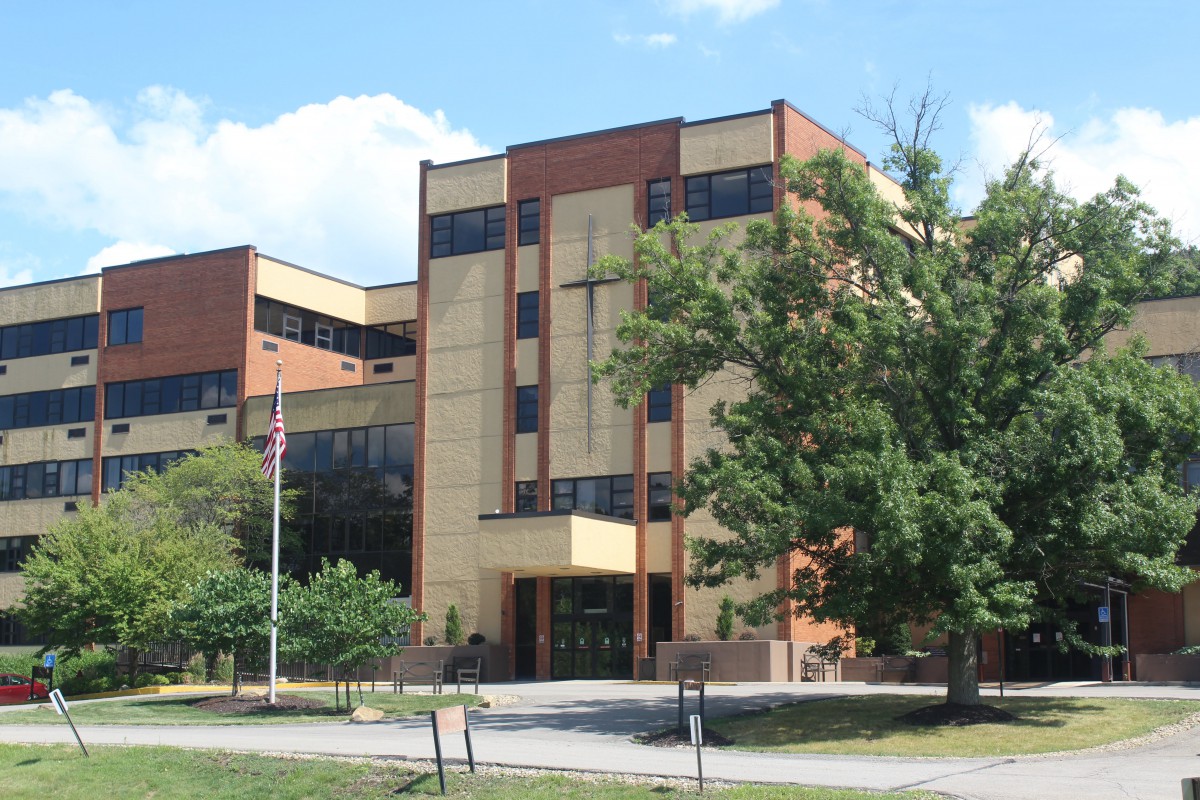
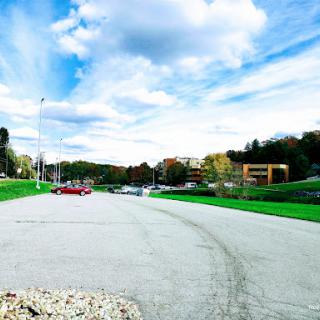
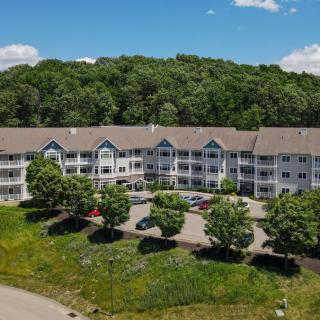
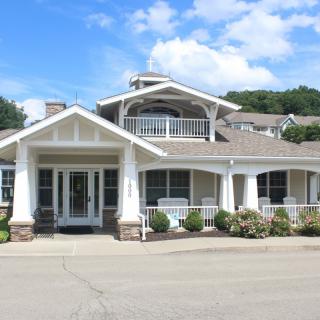
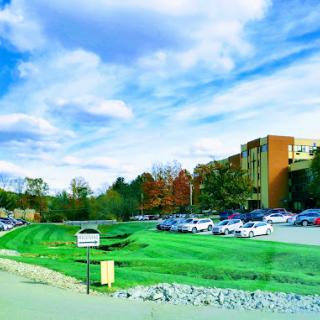
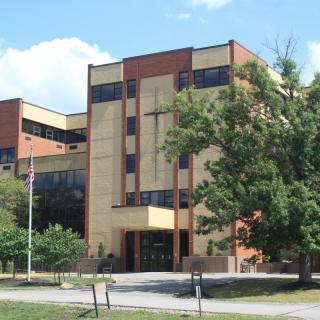
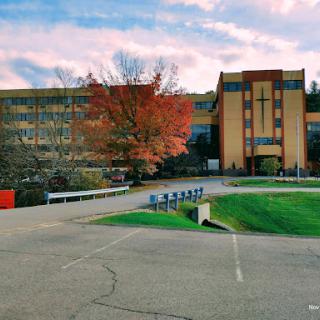
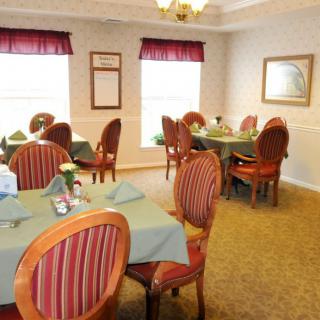
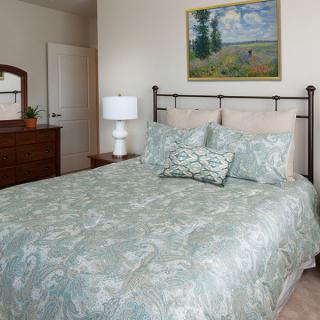
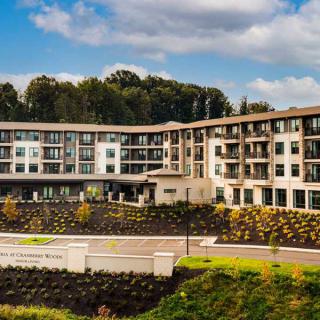
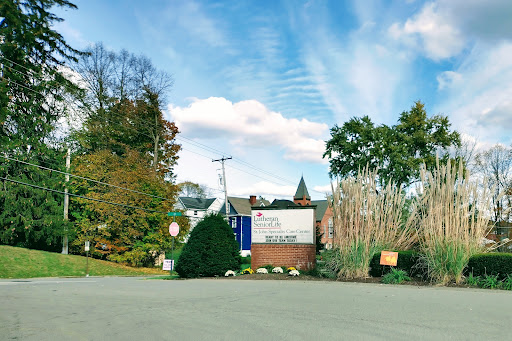
St John Community, a CCRC on seniors.fyi includes 8 photos including images showing building, landscaping, trees, architecture, outdoor, parking, grass, outdoors, and more.
Dementia Behaviors: In-Depth Understanding and Effective Coping Strategies
Dementia causes cognitive decline and challenging behaviors that caregivers must manage, necessitating an understanding of the neurological basis of these issues. Effective strategies and self-care for caregivers can enhance support for those with dementia and improve their daily lives.
5 Early Indicators of Dementia and What You Can Do
The content outlines five key early indicators of dementia, including significant memory loss and confusion about time and place, while emphasizing the need for professional evaluation and emotional support for both individuals showing symptoms and their caregivers. It encourages family members to monitor these signs closely and use online quizzes for initial awareness.
8 Important Indicators That Memory Care May Be Necessary

The article highlights eight indicators that a loved one with dementia may require specialized memory care, emphasizing the emotional and logistical challenges families encounter in this decision. It discusses signs such as difficulties with daily tasks, safety concerns, and caregiver burnout, suggesting that memory care facilities can provide the necessary support and structured environments for those experiencing cognitive decline.