
1000 Graham Way P O Box 1285, Mars, PA 16046
For more information about senior living options: (866) 208-4318
Overall Review of Rosecrest Residence
Pros
 The place is fabulous.
- Rosecrest is highly recommended.
- Residents show remarkable improvement over time.
- The staff engage residents from morning until bedtime.
- The facility cares for residents like family, which is priceless.
Cons
 Alzheimer's is a horrible, cruel disease.
Review
Rosecrest Residence in Mars, PA is best suited for seniors who need intensive memory-care support and a care team that treats residents like family. The reviews consistently highlight a structured, all-day engagement model tailored to Alzheimer’s and dementia, with staff actively involved from morning wake-up through bedtime routines. For families seeking a warm, home-like environment where cognitive and emotional needs are addressed through purposeful activities and attentive supervision, Rosecrest offers a compelling match.
Those considering alternatives should note that this community may not be the right fit for seniors who do not require memory-care intensity or who prioritize independent living, broader social programming outside dementia-focused routines, or more transparent cost structures. If independence is a primary goal, if there is a need for greater variety in activities not specifically tied to dementia care, or if budget constraints are tight, traditional assisted living or smaller, less memory-centered settings could be more suitable. One star in the mix signals that expectations may not align in every case, underscoring the importance of aligning care philosophy with individual needs.
The core strength here is the dementia-focused program that maintains high engagement throughout the day. Families repeatedly recount dramatic improvements in a loved one’s mood and outlook after moving to Rosecrest, with staff attentiveness translating into tangible benefits in daily life. The sense that residents are treated as members of a caring, almost familial community underpins many positive experiences. This level of daily interaction can reduce agitation, support cognitive routines, and provide consistent reassurance for both residents and their families, making it a powerful offset to what one might view as the typical limitations of memory-care settings.
On balance, the pros, robust memory-care engagement, evident resident improvements, and a staff culture oriented toward family-like care, tend to outweigh the main concerns that prospective families should interrogate. The ability to observe a sustained, day-long program dedicated to waking, activities, meals, and bedtime routines is a substantial value proposition for dementia care. When a resident’s well-being appears to improve and family members express renewed confidence and peace of mind, that experiential evidence often overrides more abstract questions about programming variety or cost on first impression.
Nevertheless, certain realities warrant careful consideration. Costs and specific service inclusions are not laid out in the reviews, leaving post-visit quoting essential to avoid sticker shock. The sample size is small, and a single one-star rating hints at potential gaps not captured in the generally glowing feedback. For families evaluating Rosecrest, these gaps translate into practical steps: demand a transparent care plan demonstration, request reference conversations with current families, and verify staffing ratios and dementia-care certifications. A thorough tour should include time spent with caregivers in routine interactions and a review of how individualized plans are developed and updated.
In decision-making terms, Rosecrest should be prioritized for families with a loved one whose primary need is structured, compassionate dementia care and who value continuity of caregiver presence and a home-like atmosphere. If memory-related care is less critical or if budget, independence, or social variety beyond dementia-focused programming weigh more heavily, explore alternatives that offer different trade-offs. The right choice depends on whether the priority is crisis-level support and mood stabilization or flexibility, cost predictability, and a broader array of activities not centered on memory care. Rosecrest stands out as a practical, effective option for the former, with clear caveats for the latter.
 30 resident community capacity
 Assisted Living
 Beauty salon
 Cable or satellite TV
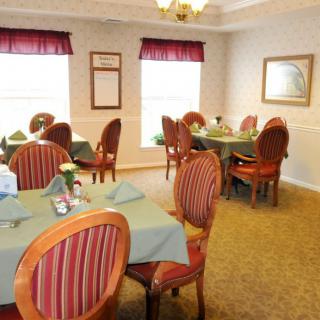
 Dining room
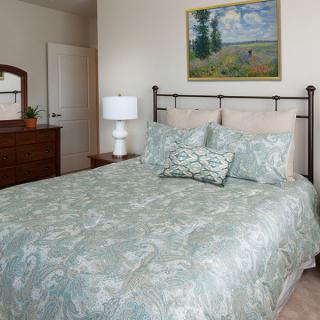
 Fully furnished
 Garden
 Housekeeping services
 Kitchenette
 Move-in coordination
 Outdoor space
 Telephone
 Wi-Fi/high-speed internet available
 Pittsburgh International (18 miles away)
 24-hour call system
 Activities of daily living assistance
 Assistance with bathing
 Assistance with dressing
 Assistance with transfers
 Diabetes diet
 Meal preparation and service
 Medication management
 Mental wellness program
 Special dietary restrictions
 Transportation arrangement (medical)
 Transportation to doctors appointments

 Understanding Medicaid Coverage for Assisted Living: A Comprehensive Guide
 How and When Medicaid May Cover Assisted Living Costs
 A Detailed Exploration of Assisted Living Medicaid Waivers Across the United States