Information last verified:
22 Cree Dr, Lock Haven, PA 17745
For more information about senior living options: (844) 490-3973
Susque-View Home Inc in Lock Haven, PA is best suited for families that prize a rehab-forward environment with a welcoming campus and a demonstrated capacity to mobilize residents back toward independence. The facility’s strongest case lies in its therapy emphasis, a bright indoor atrium, pleasant outdoor spaces, and a sense that residents can find community and meaningful activity when recovery remains the priority. For seniors transitioning from hospital stays who want to regain walking ability, or for those who value a garden-like atmosphere and accessible social programming, this community can deliver tangible progress and a humane, homelike feel. In short, it serves as a credible option for recovery-focused care where therapy teams are instrumental in daily life and the setting supports a positive mood during rehabilitation.
Still, there are clear flags that families should not overlook. Those prioritizing rock-solid daily caregiving, reliable call-bell responsiveness, and predictable nursing oversight will want to consider alternatives. Several reviews describe moments of neglect or delayed medication, with instances where no RN was on duty or calls were not returned promptly. Reports of bed safety lapses, including undersized beds, lack of railings, and even bed swaps without proper cleaning, raise serious concerns about day-to-day safety and infection control. If a family cannot tolerate frequent responsiveness gaps or feels uneasy about consistent supervision, it is prudent to explore other local options with stronger staffing discipline and more transparent, proactive communication.
On the upside, the community does show real strengths that can offset some risks for the right resident. The therapy department is repeatedly praised for helping residents regain mobility, and the staff team as a whole is cited by many families as caring and dedicated when care is properly aligned to individual needs. Observers note that admissions and social work staff can provide timely information and a clear recovery plan, which eases the transition from hospital to rehab. The physical environment, large windows with views, a bright atrium, and a welcoming social atmosphere, appears to support mood, motivation, and participation in activities. For some families, these elements translate into meaningful daily life and tangible improvements.
However, the gravity of the negative reports cannot be dismissed. A substantial portion of reviews describe hostile or neglectful behavior, with claims that staff focus on phones rather than residents, or that administrative leadership comes across as distant or cold. The most alarming anecdotes center on safety and dignity: delays in medication, calls ignored for extended periods, and a pattern of bed-related issues that threaten comfort and skin integrity. Allegations of misappropriated items and questions about cleanliness and pest presence color the overall perception of risk. While individual experiences vary, these recurring themes create a credibility gap that no amount of positive therapy testimonials can fully compensate for.
When weighing pros against cons, a practical conclusion emerges: the rehab and social environment can deliver real value, but only if daily caregiving meets high standards of reliability and safety. For residents whose primary goals are mobility improvement and social engagement, the applause-worthy therapy team and pleasant setting can drive meaningful gains even amid occasional frustrations. Yet the consistent, pervasive concerns about call-bell responsiveness, to-the-minute nursing availability, bed safety, and cleanliness tilt the balance away from confident recommendation for all potential residents. The risk of a negative, isolated experience is not negligible.
To navigate this decision well, prospective families should pursue concrete due diligence. Schedule multiple visits at different times to observe staff responsiveness and the cadence of therapy sessions. Request direct conversations with the rehabilitation director, the charge nurses, and current families who have recently navigated transitions in care. Examine recent state inspection reports and review any corrective action plans the facility has undertaken. Ask for transparent explanations about medication management protocols, bed safety measures, and infection-control practices, and insist on a written plan for ensuring bedside comms and timely reporting of health changes. A trial stay, with clear milestones and exit criteria, can reveal how the community performs under real-world pressures.
In the end, Susque-View Home Inc is a place where recovery-minded residents may thrive, and where a well-regarded therapy program can make a real difference in mobility and mood. Yet the mix of glowing testimonials and strong red flags means this community is not a universal fit. Families need to align their expectations with what the facility does well, rehab outcomes, social engagement, a bright, home-like environment, while remaining vigilant about daily care quality, safety protocols, and consistent staffing. If these red flags resonate or safety and reliability are paramount, exploring alternatives with a demonstrably higher standard of everyday caregiving is the prudent, decisive move.
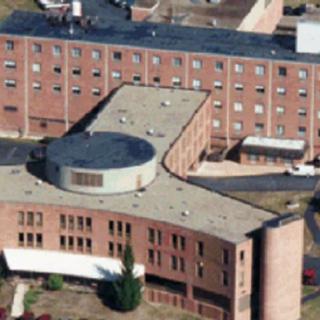
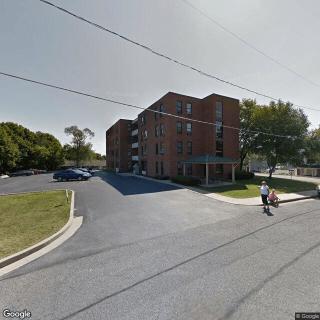
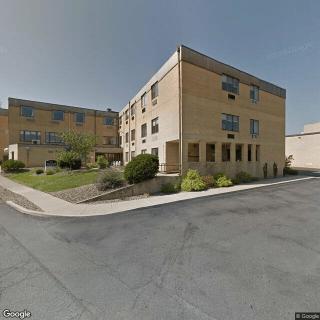
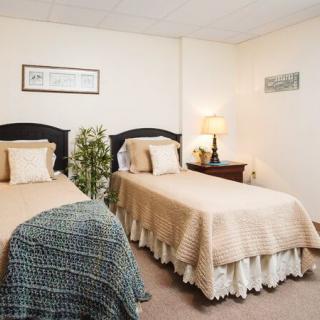
Susque-View Home Inc is an assisted living community located in Lock Haven, PA. Our community offers comfortable and safe living arrangements for seniors who require assistance with daily activities.
At Susque-View, we understand the importance of spiritual well-being, which is why we offer devotional services off-site to cater to the diverse religious needs of our residents. In addition to this, our indoor common areas provide a cozy and social environment where residents can interact and engage in various recreational activities.
We are dedicated to providing specialized care for individuals with diabetes. Our trained staff members are experienced in managing diabetic care and offer personalized assistance to ensure the health and well-being of our residents.
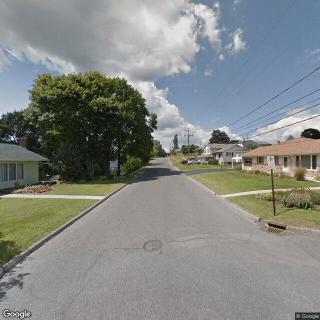
Our community is conveniently situated near various amenities that enhance the quality of life for our residents. There are numerous cafes, parks, pharmacies, physicians, restaurants, transportation options, places of worship, theaters, and hospitals nearby. This ensures easy access to essential services and promotes a vibrant lifestyle within the community.
At Susque-View Home Inc, we strive to create a nurturing environment where seniors can thrive while receiving the support they need. With our range of amenities and care services, we aim to provide an enriching experience for our residents while promoting their overall health and happiness.
Susque-View Home Inc is located at 22 Cree Dr, Lock Haven, PA 17745 in Lycoming County, Pennsylvania
Vibrant Senior Living: A Comprehensive Guide for Active Older Adults
Vibrant Senior Living emphasizes active senior living communities that promote independence and engagement through diverse amenities and activities, fostering wellness and social interaction among older adults. These communities range from independent to assisted living, with a focus on personal growth, family involvement, financial planning, and leveraging technology to enhance residents' experiences.
Transitioning from assisted living to memory care is driven by an individual's cognitive decline and specific needs, requiring careful evaluation of indicators like increased confusion and wandering. The process involves consulting medical professionals, researching suitable communities, considering financial and legal aspects, and ensuring effective communication for personalized care plans.
Assisted Living and Memory Care: Understanding Their Core Differences
Assisted living provides moderate support for seniors seeking independence, while memory care offers specialized support for individuals with dementia or cognitive impairments through structured routines and trained staff. Key differences include care approaches, environment security measures, staff training levels, activity types, and cost considerations.