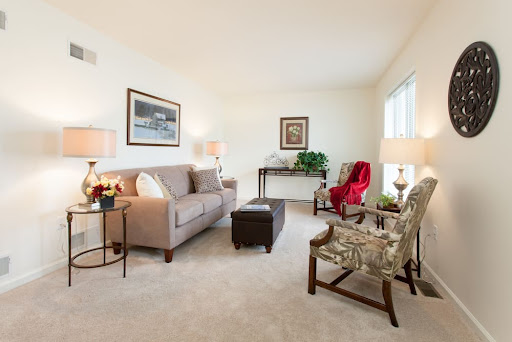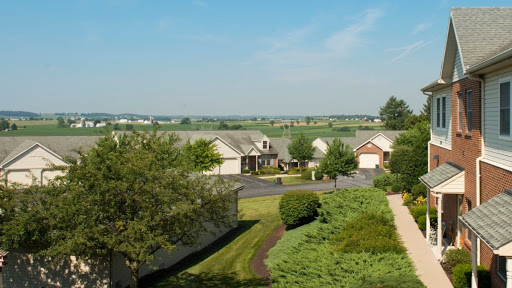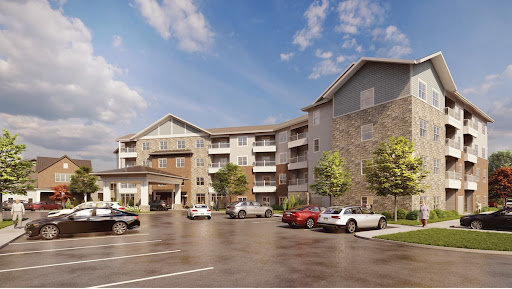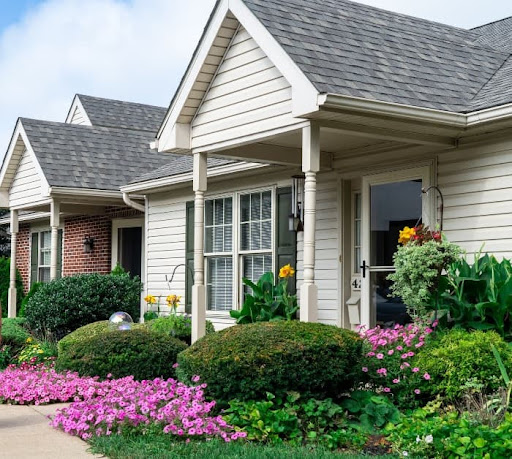

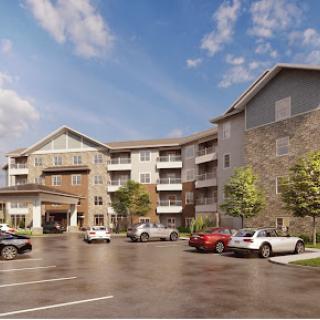
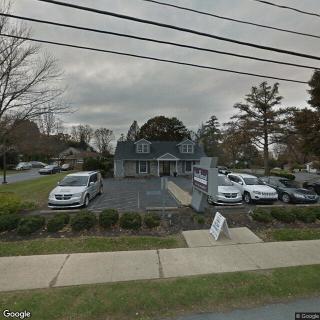
722 Furnace Hills Pike, Lititz, PA 17543
For more information about senior living options: (866) 208-4318
Overall Review of United Zion
Pros
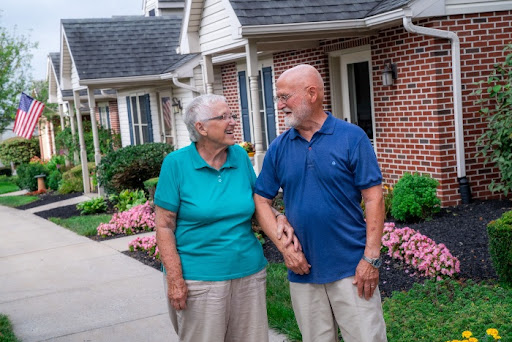
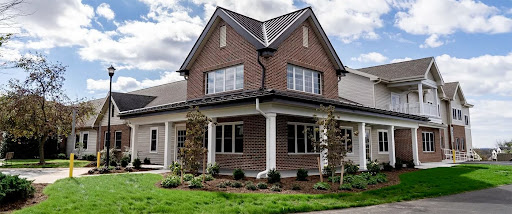
 The facility is faith-based, quaint, immaculate, and highly recommended.
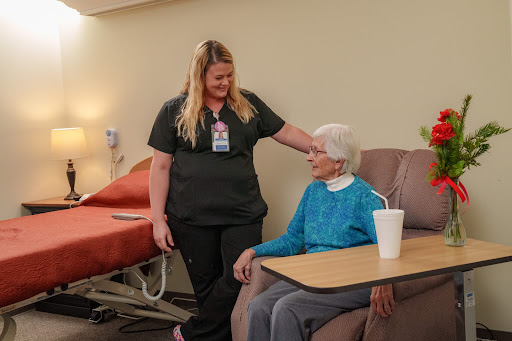
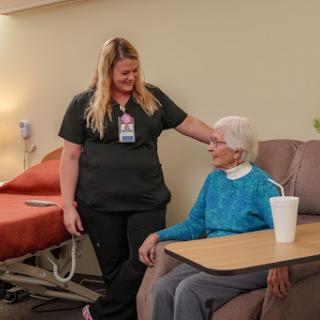
 - The staff is friendly and consistently focused on meeting residents’ needs.
- Residents receive excellent care during rehabilitation, described as the best of care.
- The food is stellar and the atmosphere is welcoming for everyone.
- The facility truly lives its mission and feels like a home away from home.
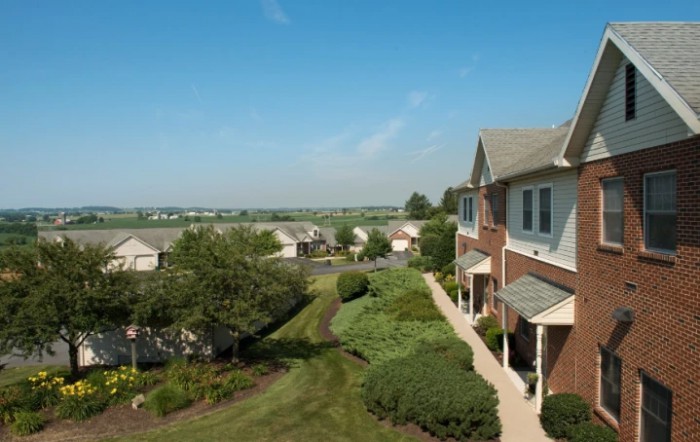
- The setting is beautiful with a close-knit community, where issues are resolved quickly.
Cons
 United Zion kicked out low-income senior citizens for the construction of the new expansion.
- They displaced over 100 people, including some with disabilities.
- Any company that kicks residents out of their homes because the land was repurposed doesn't deserve any money.
- They do horrible things and misuse the biblical card by using "United Zion" as their name.
- They evict residents on very short notices.
- Management is trash.
Review
United Zion in Lititz is best suited for families pursuing a faith-based, intimate setting where residents know one another and care feels personal. The small‑scale environment supports a family-like feel, with aides who seem accessible and a kitchen that delivers consistently strong meals. That combination often translates into a calm, home‑like daily rhythm, which can be especially comforting for seniors who value connection and routine over the gloss of a larger campus. However, this positives‑first picture sits against a troubling history that cannot be ignored in any planning conversation. The community has drawn sharp criticism for displacing long-standing residents to make way for an expansion, a move that erodes trust and raises hard questions about long-term housing security. With a 3.4 rating from 12 reviews, the sentiment is clearly divided: some families experience standout care, while others question governance and resident protections. For families prioritizing stability and transparent resident rights, this combination demands rigorous due diligence before deciding.
On the positives, United Zion earns credibility for delivering a truly personal care vibe. The setting’s compact size appears to enable staff to know residents by name and to respond without the delays sometimes associated with larger campuses. Reviewers repeatedly highlight attentive, accessible staff and a climate where issues are addressed promptly. The care itself is described as strong, with specific praise for rehab experiences and for staff who seem genuinely focused on individual needs. The food earns frequent accolades, with residents and families emphasizing how meals contribute to a sense of comfort and normalcy. In sum, the facility’s intimate atmosphere often translates into meaningful daily satisfaction, especially for residents who thrive in a tight-knit community and appreciate the reassurance of consistent, high‑quality meals and hands-on support.
Yet the most consequential drawback centers on management decisions and their fallout on resident housing. The most pointed concerns revolve around displacement tied to expansion plans, with claims that long‑time residents were evicted to make room for newer, upscale development. Several reviews cast the leadership as detached from the impact on vulnerable populations, portraying the approach as prioritizing growth over people. Such actions, if accurate as described, strike at the core of trust that families weigh when choosing care arrangements. They also raise conflicts with the institution’s faith-based branding, creating a sense that benevolence and mission are at odds with real-world practices around residency stability. Even among positive care experiences, this pattern complicates judgments about overall value and long‑term security.
The pros can offset the cons only to a point, and this is where decision-makers must be strategic. For families whose priority is a warm, manageable environment with individualized attention during rehab or shorter stays, United Zion can deliver a compelling experience. The intimate setting, responsive staff, strong nutrition, and a culture that seems to value resident well‑being can translate into genuine quality of life gains for those who do not anticipate long‑term, stable housing commitments. However, the displacement history, when paired with mixed messages about the treatment of residents during expansion, casts a long shadow. If the intention is to remain in one place for many years or to count on predictable housing, the balance tips toward caution. The critical question becomes whether there will be enforceable protections, relocation assistance, and clear timelines if future expansions are pursued.
Those weighing alternatives should prioritize facilities with a track record of stable resident retention and transparent, concrete policies around expansions. If stability and long‑term housing rights are non‑negotiable, consider options with documented resident protections, formal relocation procedures, and third‑party oversight of development plans. For families drawn to faith-based environments, it remains essential to vet whether the brand’s promises align with day‑to‑day practices and governance norms. Larger, more established campuses can offer more robust safeguards and longer histories of stability, even if they sacrifice some of the personalized charm. The right choice will depend on how much weight is given to personal attention and culinary quality versus housing security and governance accountability.
In the final analysis, United Zion presents a practical dilemma. It can be an excellent fit for seniors who want a small, home‑like community with attentive staff, strong meals, and a focus on meaningful daily living, particularly during rehab or short-to-medium stays. Yet the eviction history and the perception of management prioritizing expansion over resident stability cannot be dismissed, especially for families planning long-term residency or seeking assurance of housing continuity. Decision-makers should approach the community with a clear checklist: request written policies on relocation, establish expectations for future expansions, speak directly with current residents and families, and seek independent guidance on governance practices. When those assurances exist and align with a family’s values and risk tolerance, United Zion can be a warm, capable choice. If not, it is prudent to pursue alternatives that offer stronger assurances of stability, clearer resident protections, and governance that consistently places long‑term resident welfare at the forefront.
 49 resident community capacity
 1-bedroom apartments
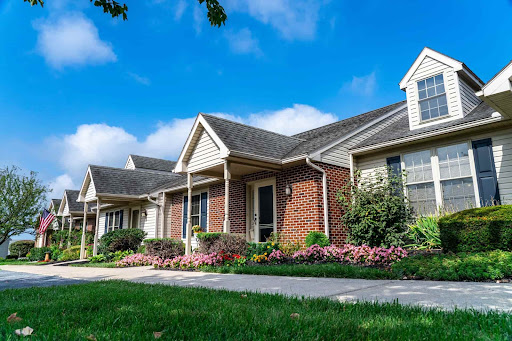
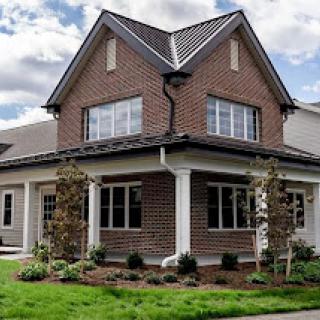
 Detached homes
 Assisted Living
 Continuing Care Retirement Community (CCRC)
 Independent Living
 Memory Care
 Skilled Nursing Facility
 Activities on-site
 Beautician on-site
 Cable or satellite TV
 Devotional services off-site
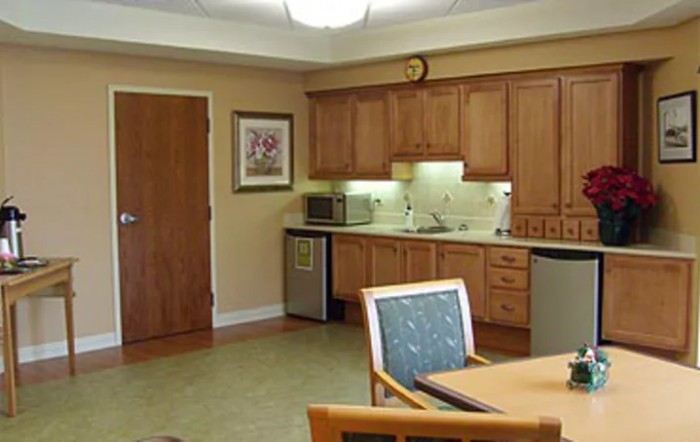
 Dining room
 Full kitchen
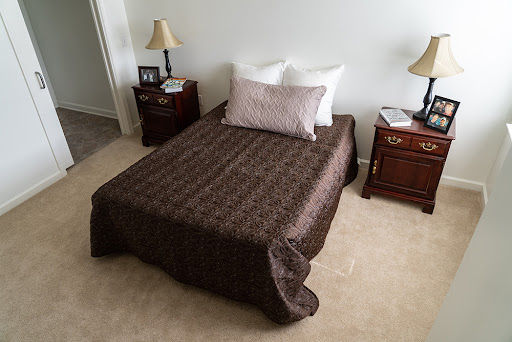
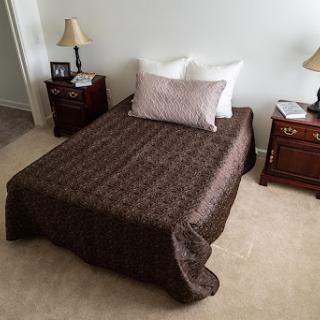
 Fully furnished
 Garden
 Housekeeping services
 Indoor common areas
 Laundry
 Move-in coordination
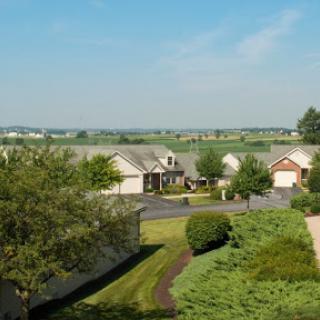
 Outdoor space
 Private bathrooms
 Resident parking
 Wi-Fi/high-speed internet available
 Harrisburg International (24 miles away)
 Community operated transportation
 24-hour call system
 Ambulatory care
 Assistance with bathing
 Assistance with dressing
 Assistance with transfers
 Diabetes diet
 Diabetic care
 High acuity care
 Hospice care
 Meal preparation and service
 Medication management
 Physical therapy
 Special dietary restrictions
 Fitness programs
 English

 Delirium and Dementia: Unraveling the Key Differences
 Are Dementia and Alzheimer's Disease Lethal? A Comprehensive Exploration
 Exploring the Power of Reminiscence Therapy for Individuals With Dementia