
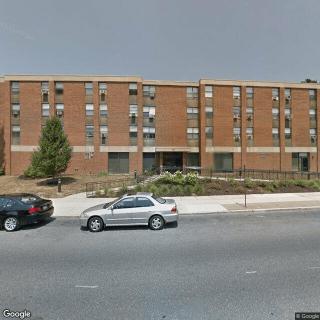
25 S 9th Street, Lebanon, PA 17042
For more information about senior living options: (866) 208-4318
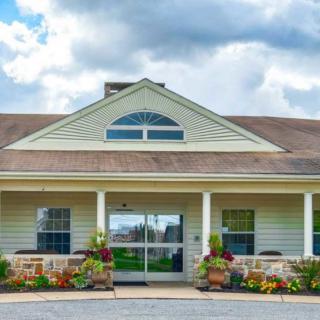
Overall Review of American House
Pros
 They love it here.
Cons
 The place is a joke.
- The place is nasty and staff mock residents.
- No one answers the phone at the facility.
- Public safety and the state should intervene.
- It is unacceptable.
- It is an awful place.
- There is abuse and neglect, and the facility remains open.
Review
American House in Lebanon, PA is best suited for families operating on a tight budget who can provide or coordinate vigilant oversight and are willing to accept uneven staffing and potential safety concerns as part of the package. It may appeal to residents who value a sense of familiarity with certain caregivers and staff, but that positive dynamic does not translate into consistently reliable care without active family or advocate involvement. In short, this community is not a hands-off option; it requires proactive supervision and careful monitoring to be workable.
Families should seriously consider alternatives if safety, transparent communication, and dependable caregiving are non-negotiables. The strongest signals from reviewers center on neglectful treatment, abusive behavior, and a pattern of staff indifference toward residents. An inability to reach the facility by phone and calls for regulatory scrutiny further compound the sense that oversight and accountability are lacking. For anyone who expects timely responses to concerns, regular housekeeping and hygiene standards, and a therapeutic environment, other communities are likely to deliver a more predictable, safer experience.
The few positive comments in the mix lean toward a perceived warmth or familiarity with staff, but these sentiments are overwhelmed by the downbeat pattern described in the majority of experiences. Even when a caregiver’s presence feels comforting, it cannot compensate for sustained issues such as abuse allegations, neglect, and a perceived neglect of basic resident welfare. In practical terms, warmth without safety and responsiveness is not a reliable foundation for long-term care. The risk/benefit calculation tilts decisively toward seeking stronger safeguards elsewhere.
The core pros, if they can be called pros, are essentially limited to personal connections that may exist with certain staff members or the prior association some residents or families have had with the building. Yet these potential advantages never elevate the overall risk profile above what families should tolerate in assisted living. The negative experiences, abuse claims, neglect, and nonresponsive administration, vastly overshadow any perceived comfort or familiarity. The mismatch between expectations and actual day-to-day operations makes this community a high-uncertainty choice, particularly for residents who require consistent oversight or have complex medical needs.
For families evaluating options, a disciplined due-diligence approach is essential. Recommend an unannounced multi-shift visit to observe staffing levels, resident interactions, and response times to call bells or questions. Request verbatim copies of the latest state inspection reports and any open investigations, and speak directly with residents and their families about their daily experiences. Probe staffing ratios, staff training on safety and abuse prevention, and the facility’s process for handling complaints. If possible, verify the presence of an active ombudsperson or advocate who can help monitor care quality and escalate concerns promptly.
Bottom line: this community should be treated as a last-resort option unless decisive, verifiable improvements are demonstrated and sustained. Families prioritizing safety, dignity, and reliable communication will want to explore other options first and use American House Lebanon as a comparison point only after confirming strong safeguards are in place. If choosing this community, implement concrete, enforceable safeguards: establish a regular cadence of unscheduled visits, develop a dedicated care-coordination plan with written expectations, and secure explicit escalation pathways for any incident or concern. The objective is to ensure that oversight is constant, communication is transparent, and resident welfare remains the central priority, not an afterthought.
 74 resident community capacity
 Assisted Living
 Air-conditioning
 Beauty salon
 Cable or satellite TV
 Computer center
 Dining room
 Fitness room
 Fully furnished
 Gaming room
 Garden
 Housekeeping services
 Kitchenette
 Move-in coordination
 Outdoor space
 Private bathrooms
 Restaurant-style dining
 Small library
 Telephone
 Wellness center
 Wi-Fi/high-speed internet available
 Harrisburg International (20 miles away)
 Community operated transportation
 12-16 hour nursing
 24-hour call system
 Activities of daily living assistance
 Assistance with bathing
 Assistance with dressing
 Assistance with transfers
 Diabetes diet
 Medication management
 Mental wellness program
 Special dietary restrictions
 Concierge services
 Planned day trips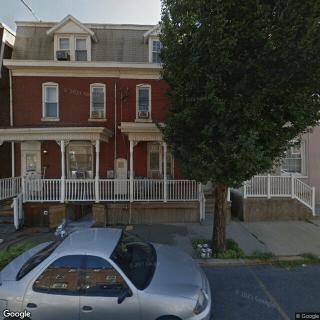



 8 Key Indicators That Suggest It May Be Time to Transition from Assisted Living to Skilled Nursing Care
 Vibrant Senior Living: A Comprehensive Guide for Active Older Adults
 When to Transition from Assisted Living to Memory Care: Key Indicators, Steps, and Finding the Right Community