
275 Dock Dr, Lansdale, PA 19446
To contact a resident: (215) 368-4438
For more information about senior living options: (866) 208-4318
Dock Woods, a CCRC Costs & Pricing
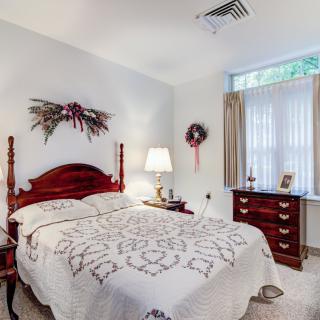
Dock Woods, a Continuing Care Retirement Community (CCRC), offers a range of living options with monthly costs that reflect the quality and comprehensive services provided. For instance, a studio apartment at Dock Woods is priced at $5,760, which is notably higher than both Montgomery County's average of $4,393 and Pennsylvania's average of $3,737. Similarly, the cost for a one-bedroom unit is set at $6,990, surpassing local rates of $4,619 in Montgomery County and $4,006 statewide. The semi-private rooms are also on the higher end at $7,560 compared to $4,587 in the county and $3,542 across Pennsylvania. These figures indicate that while Dock Woods may be more expensive than its surrounding areas, this investment reflects not only its prime location but also its commitment to providing exceptional care and amenities for its residents.
| Floor plans | Dock Woods, a CCRC | Montgomery County | Pennsylvania |
|---|---|---|---|
| Studio | $5,760 | $4,393 | $3,737 |
| 1 Bedroom | $6,990 | $4,619 | $4,006 |
| Semi-Private | $7,560 | $4,587 | $3,542 |
Memory care communities with a similar price nearby
-
from +$690 / mo
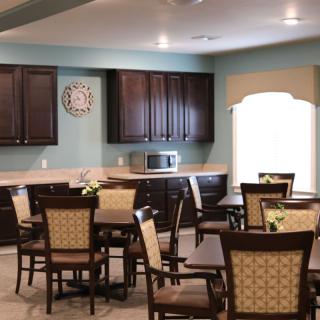
South Mountain Memory Care
$6,450 / month20.5 miles away -
from +$235 / mo
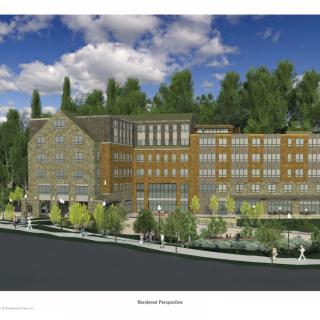
The Residence At Bala Cynwyd
$5,995 to $9,710 / month17.2 miles away -
from +$740 / mo
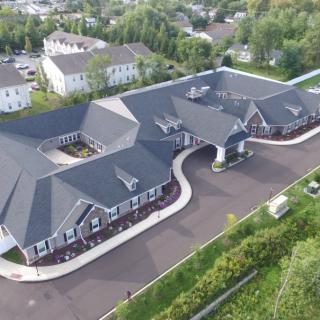
Bristol House Memory Care
$6,500 / month10.6 miles away -
from -$845 / mo
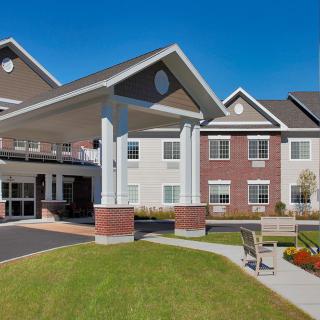
The Landing of Collegeville
$4,915 to $6,415 / month9.6 miles away -
from -$760 / mo
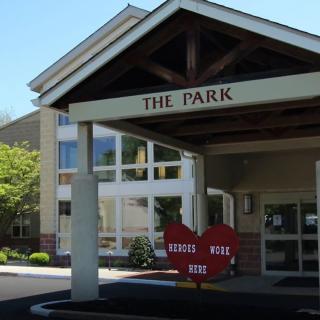
Personal Care Memory Care at The Park
$5,000 to $5,500 / month14.5 miles away
Overall Review of Dock Woods, a CCRC
Pros
 Dock Woods is a great place to live, with many activities and a welcoming community.
- The staff are very friendly and provide excellent care.
- The activity director goes out of her way to offer a broad spectrum of activities.
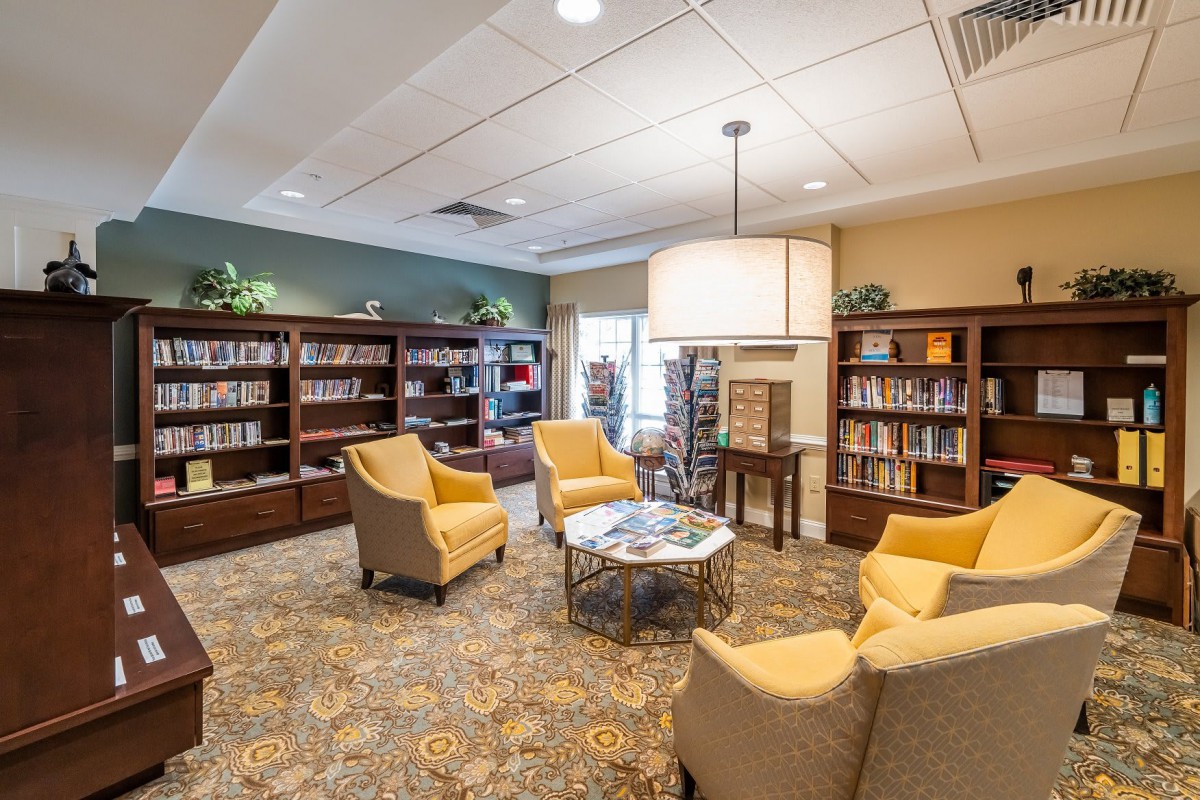
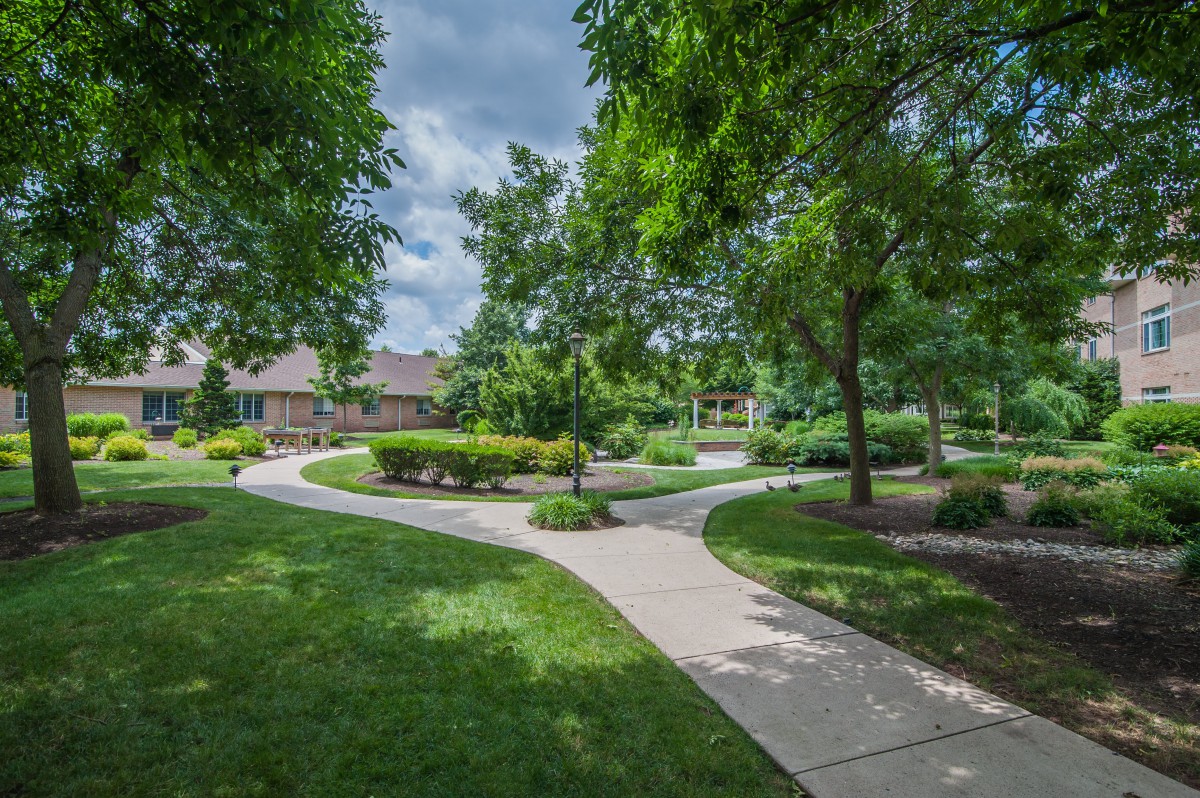
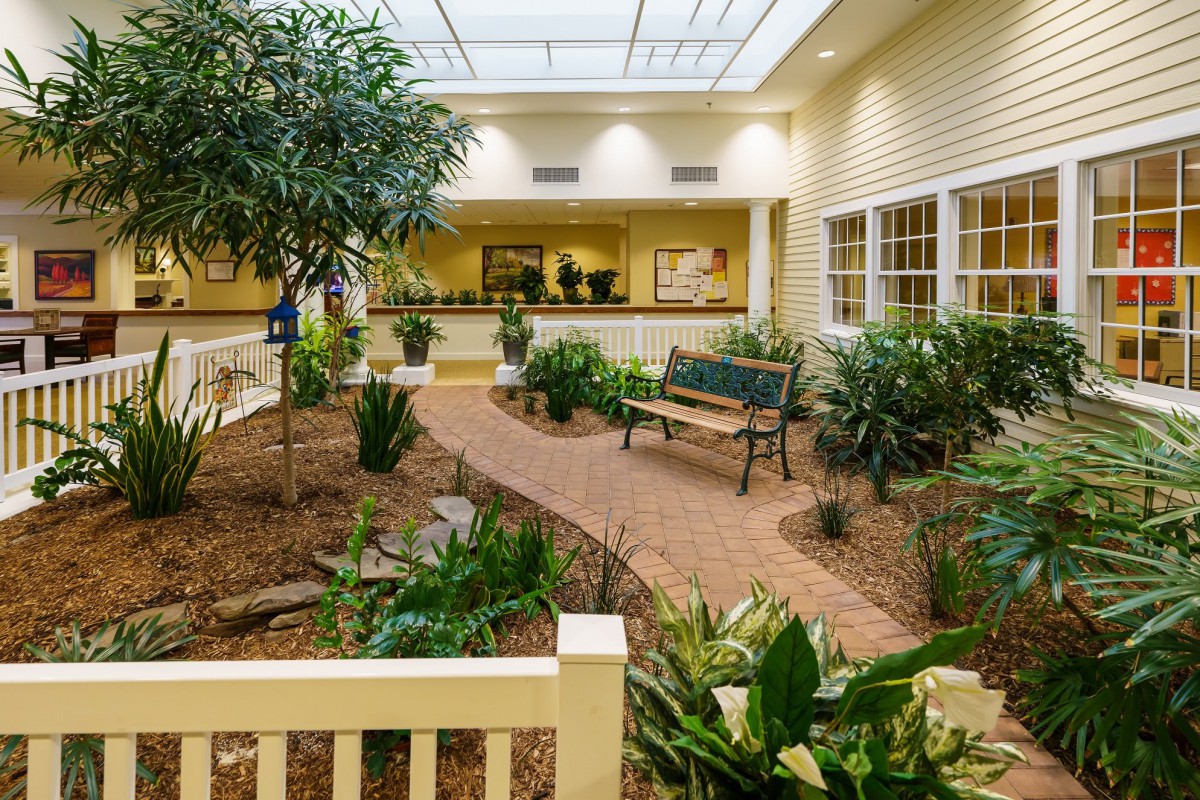
- The building layout makes it easy to reach shops, the wellness center, chapel, gym, library, game rooms, and dining facilities.
- The community is beautiful, and residents and staff look out for one another.
- Dock Woods feels safe and secure, offering a stress-free retirement.
- The community offers a range of living options to meet different needs, including independent living, assisted living, cottages, and apartment living.
Cons
 The food looked dried out and the grill was dirty, and the reviewer would not eat there again.
- The laundry in the subsidized housing was horrible, making it hard for residents to do laundry.
- Some residents were described as grabbing young women and making inappropriate statements, with staff letting it go by as if nothing happened, making the place seem disgusting for young girls.
Review
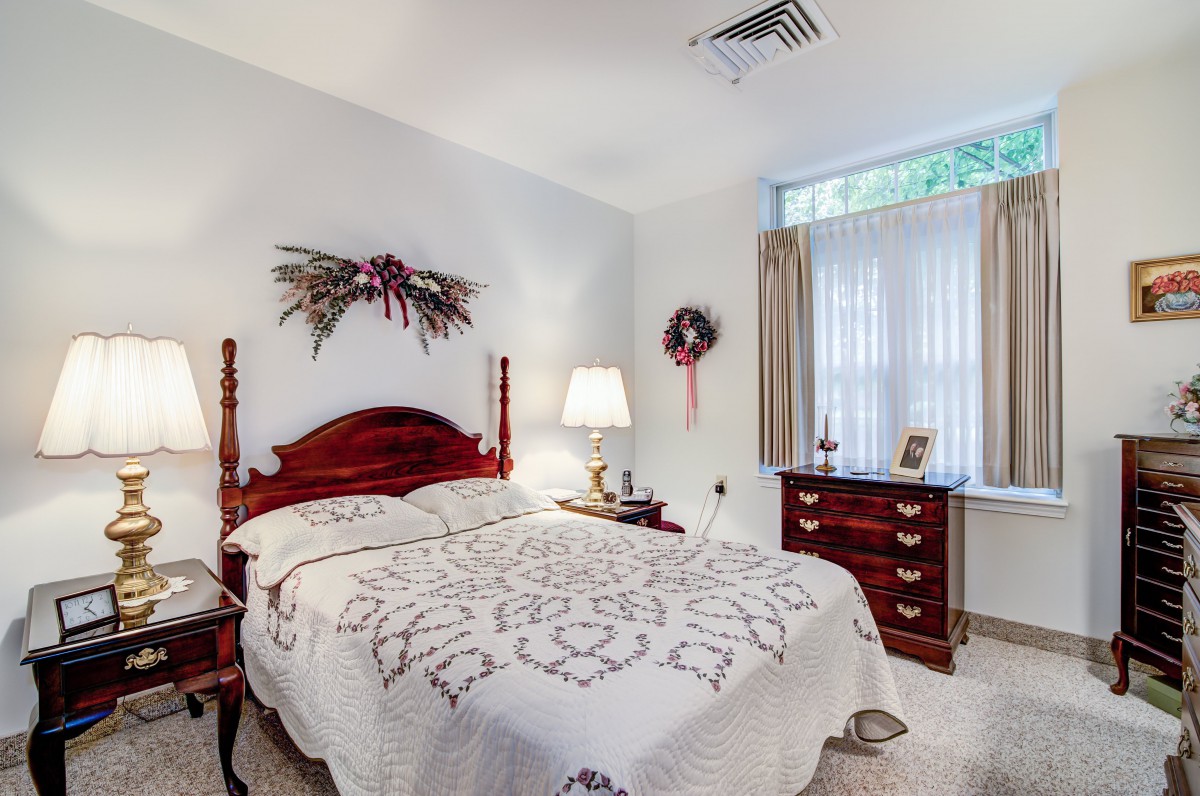
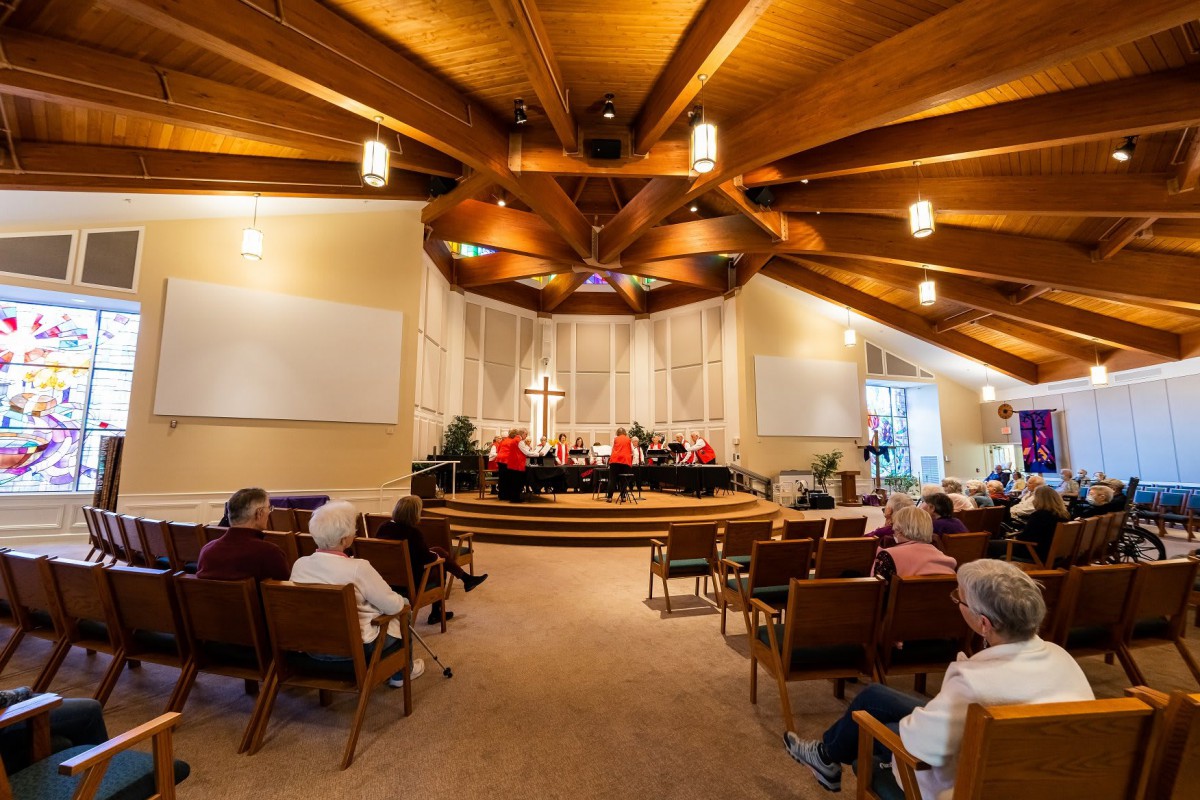
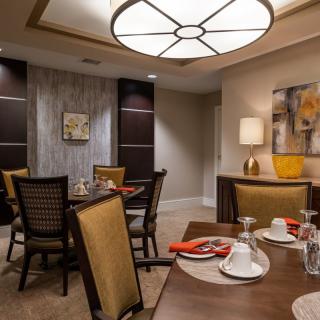
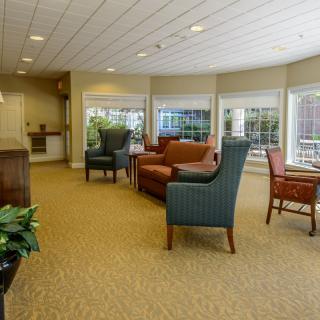
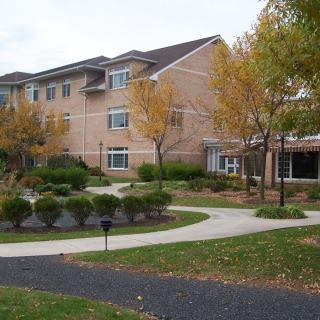
Dock Woods in Lansdale, Pennsylvania, is best suited for active seniors who want a connected, caring campus where community and long-term compatibility with care sit at the center of daily life. This CCRC combines independent living, cottages and villas, with on-site assisted living and a generous amenities mix, all within a walkable ecosystem that makes it easy to move between apartments, restaurants, the wellness center, chapel, gym, library, and game rooms. It appeals especially to couples or siblings who want to stay close while aging in place, and to residents who thrive on meaningful neighborly interaction, structured activities, and staff accessibility that supports a low-stress, predictable routine.
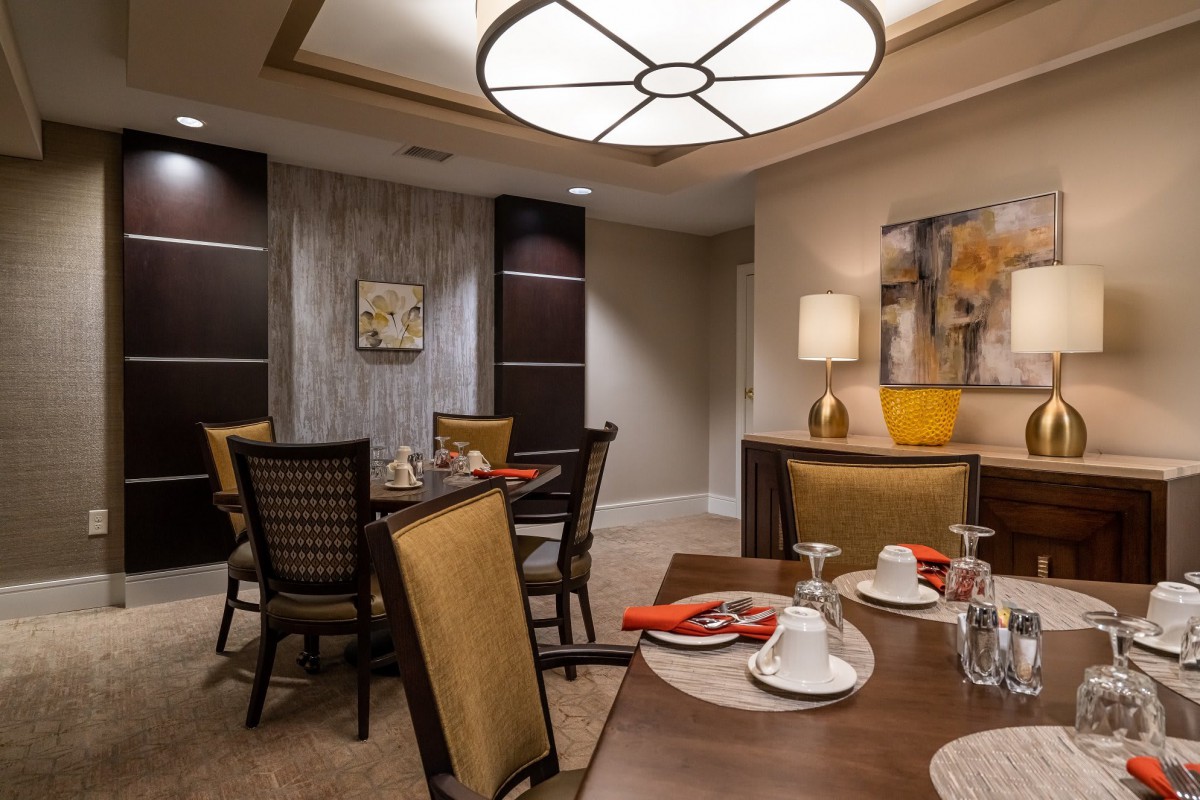
That said, it is prudent to consider alternatives in a few scenarios. Occupants needing immediate relocation may find some living options subject to waiting lists, which can delay plans. Dining quality appears variable across experiences; some praise meals as excellent, while others report dried-out dishes and concerns about cleanliness in certain food-preparation areas. For households relying on subsidized housing, laundry service has been described as problematic in some reviews, a factor that warrants verification during a visit. Additionally, there are warnings about safety and staff conduct in isolated comments; prospective movers should seek direct answers about safeguarding policies, incident reporting, and the campus culture to avoid any dissonance with expectations.
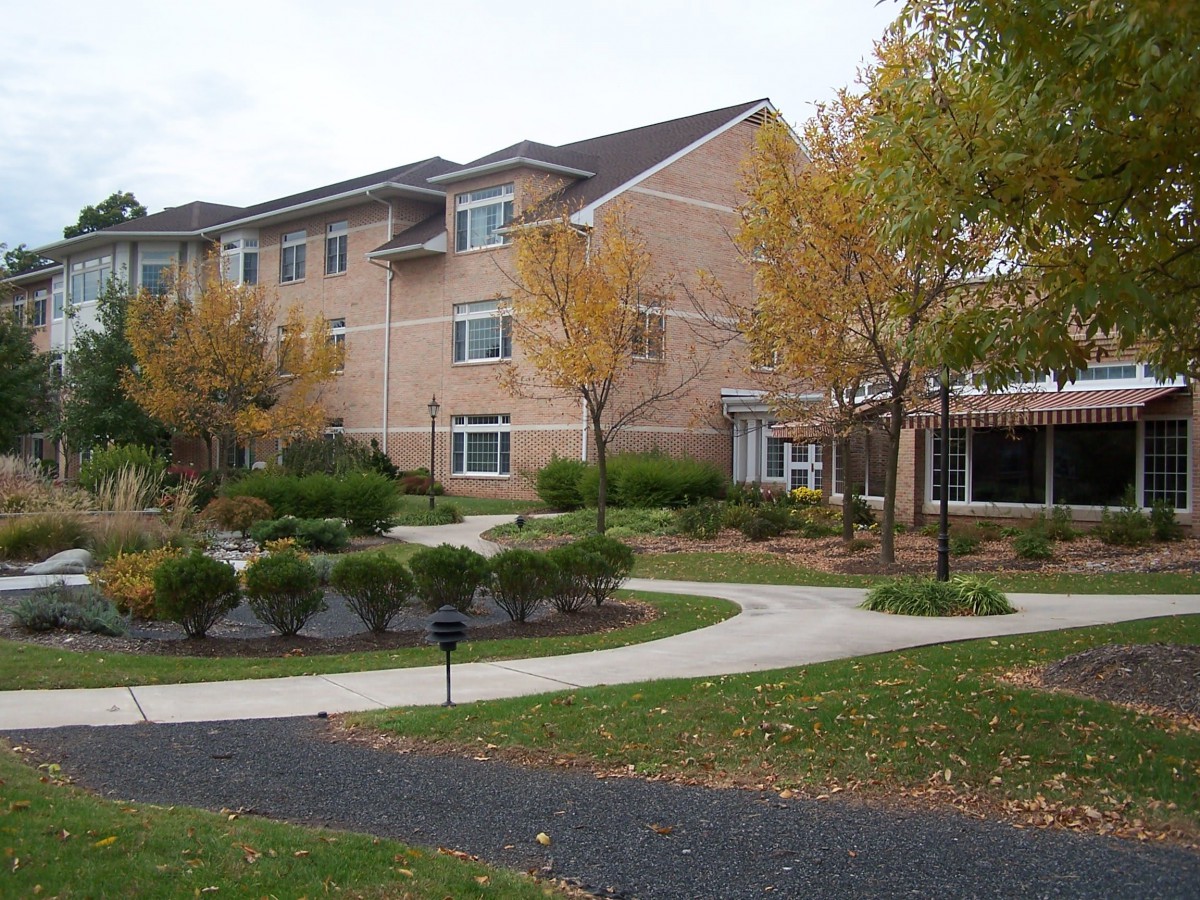
The strongest positives reduce the impact of the drawbacks for many residents. Dock Woods earns its reputation for warmth and genuine care: residents consistently highlight friendly, communicative staff and a culture of mutual regard among neighbors. The breadth of programming, ranging from exercise classes and card games to social events like Dine Arounds and holiday gatherings, ensures there is something for nearly every interest, which in turn sustains social bonds and a sense of purpose. The campus design supports easy movement between key spaces, making daily life less strenuous during winter months or inclement weather. Long-standing testimonials point to a feeling of safety, security, and belonging that are harder to reproduce in smaller or more fragmented settings.
Still, the cons deserve thoughtful consideration against the upside. Dining experiences appear to swing, some residents sing the praises of taste and variety, while others encounter meals that fail to meet expectations or reflect cleanliness lapses in prep areas. Laundry challenges in subsidized housing present a tangible, ongoing friction point for residents who depend on on-site services. A cautionary note in the reviews about on-site staff behavior underscores the importance of asking hard questions during tours: what training, supervision, reporting mechanisms, and escalation paths exist to protect residents and staff alike? These concerns, while not universal, merit transparent discussion to determine alignment with personal comfort levels and safety standards.
When weighing the landscape, the pros often offset the cons for those prioritizing community, continuity of care, and a broad continuum of living options. The ability to transition through independent living, villas, cottages, and assisted living on the same campus can ease future care planning and preserve social ties, which is particularly valuable for residents whose families want a predictable, long-term home. The compelling stories of responsive management, especially during emergencies, and the palpable sense that administration and residents care deeply for one another add a powerful layer of assurance. For many, that blend of security, resilience, and social texture makes Dock Woods a compelling choice despite the occasional dining or service hiccup.
For families evaluating next steps, a disciplined, information-driven approach is essential. Schedule a comprehensive tour with a focus on one or two dining venues, ask for recent dining menus, and request a kitchen or dining-services walkthrough to gauge consistency. Probe the subsidized housing laundry situation directly, including whether changes have been made or planned, and request references from current residents in those accommodations. Inquire about safety protocols, incident reporting, and staff training, and seek candid answers about how concerns are handled in real time. Finally, compare Dock Woods against alternatives with stronger guarantees on dining consistency, immediate occupancy, or on-campus laundry services, and measure these against the campus’s proven strengths in community, care, and long-term viability. Dock Woods is highly attractive for families seeking a warm, engaging campus with a robust activity slate and scalable care; for those whose priorities tilt toward immediate move, ultra-consistent dining, or flawless laundry across all housing types, exploring other CCRCs may be the smarter move.
 Assisted Living
 Memory Care
 Activities on-site
 Air-conditioning
 Beautician on-site
 Devotional services on-site
 Ground floor units
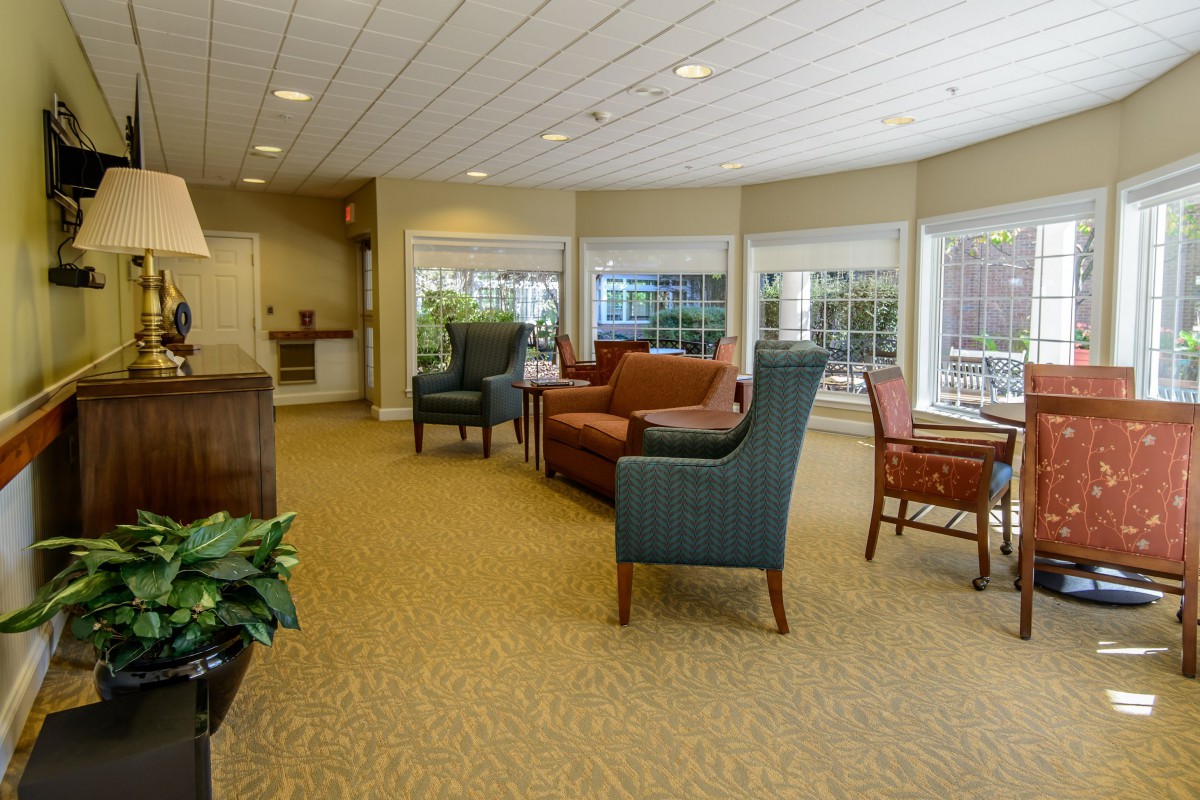
 Indoor common areas
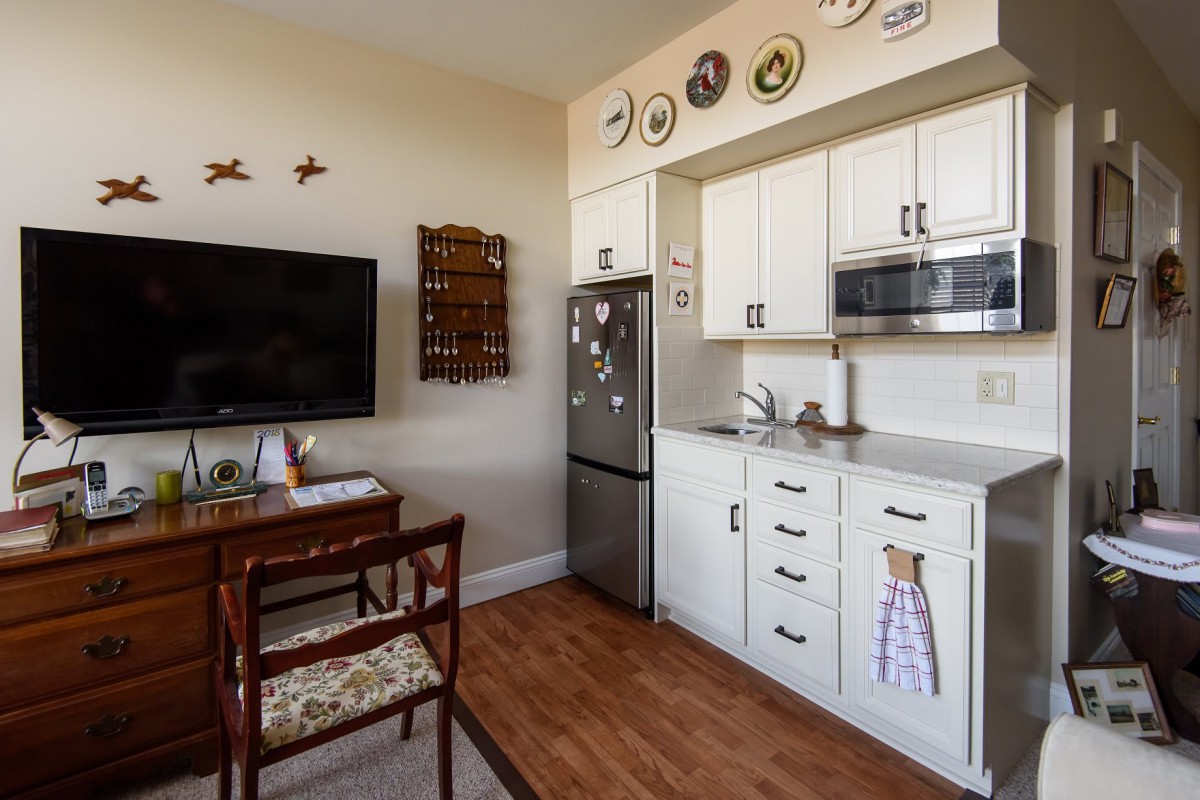
 Kitchenette
 Outdoor common areas
 Private bathrooms
 Respite or short term stays offered
 Swimming pool / hot tub
 Wheelchair accessible showers
 Wi-Fi/high-speed internet available
 Ambulatory care
 Diabetic care
 High acuity care
 Incontinence care
 Medication management
 Gluten-free
 Art classes
 Bible study group
 Cooking classes
 Day trips and outings
 Educational speakers / life long learning
 Live dance or theater performances
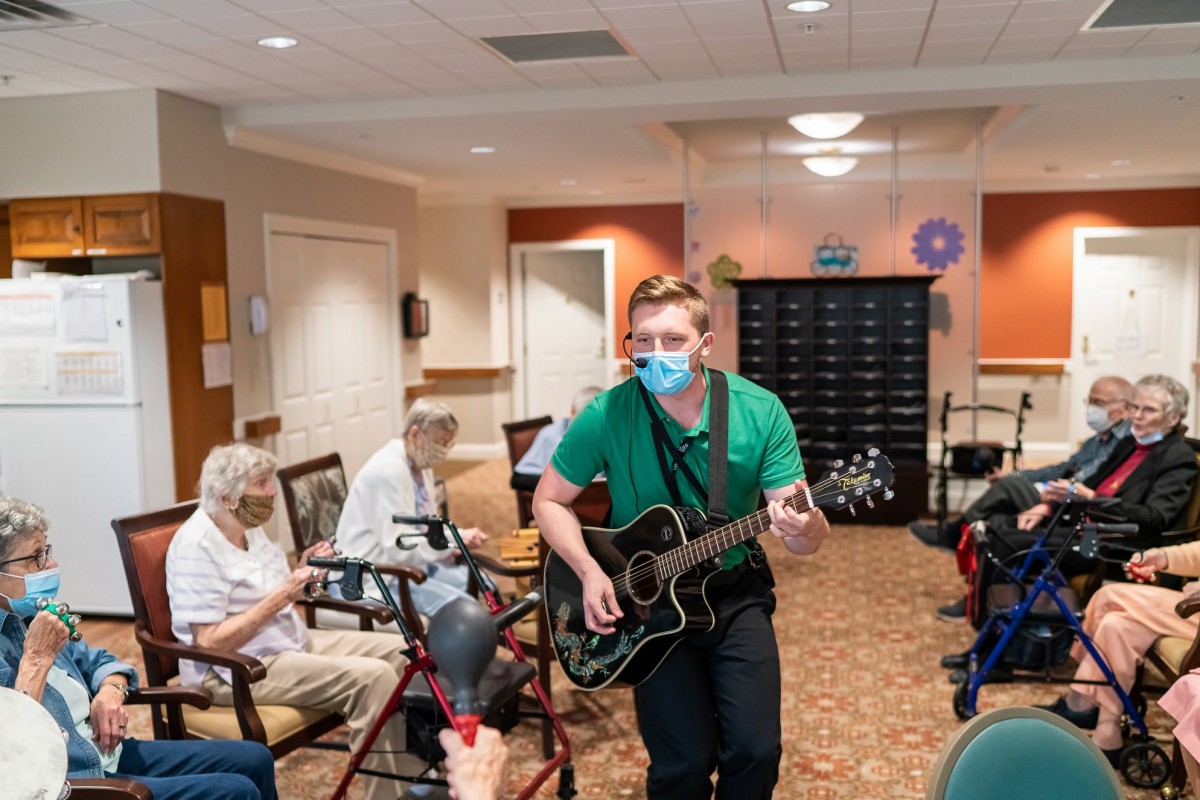
 Live musical performances
 Live well programs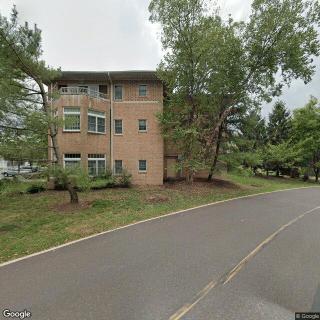


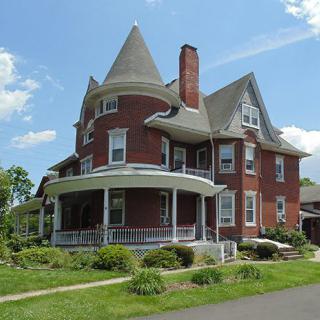


 Are Dementia and Alzheimer's Disease Lethal? A Comprehensive Exploration
 Exploring the Power of Reminiscence Therapy for Individuals With Dementia
 An In-Depth Look at Reminiscence Therapy in Dementia Care