For more information about senior living options: (866) 208-4318
4 from 27 reviews
5 stars
14
4 stars
6
3 stars
3
2 stars
1
1 stars
3
Paradise Manor Costs & Pricing
Paradise Manor offers competitively priced accommodations compared to the broader market in Montgomery County and the state of Pennsylvania. For a semi-private room, residents pay $2,200 per month, which significantly undercuts the average costs in Montgomery County at $4,587 and is also lower than Pennsylvania's overall average of $3,542. Similarly, for those opting for a studio, Paradise Manor's rate of $3,000 remains attractive in contrast to the county's average of $4,393 and the state's average of $3,737. This pricing strategy positions Paradise Manor as an appealing choice for individuals seeking quality care without the financial strain often associated with long-term living arrangements.
Floor plans
Paradise Manor
Montgomery County
Pennsylvania
Semi-Private
$2,200
$4,587
$3,542
Studio
$3,000
$4,393
$3,737
Assisted Living communities with a similar price nearby
Residents describe the facility as clean, comfortable, and easy to move around in.
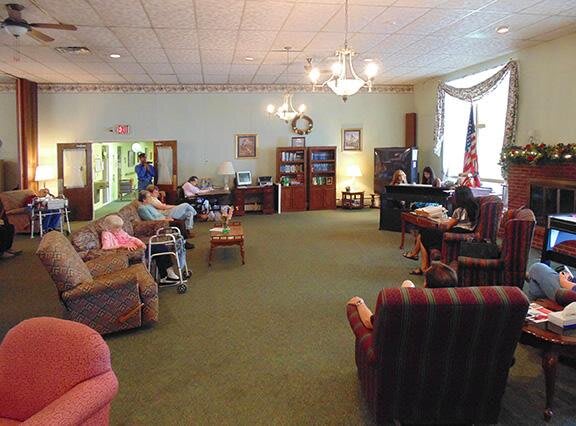
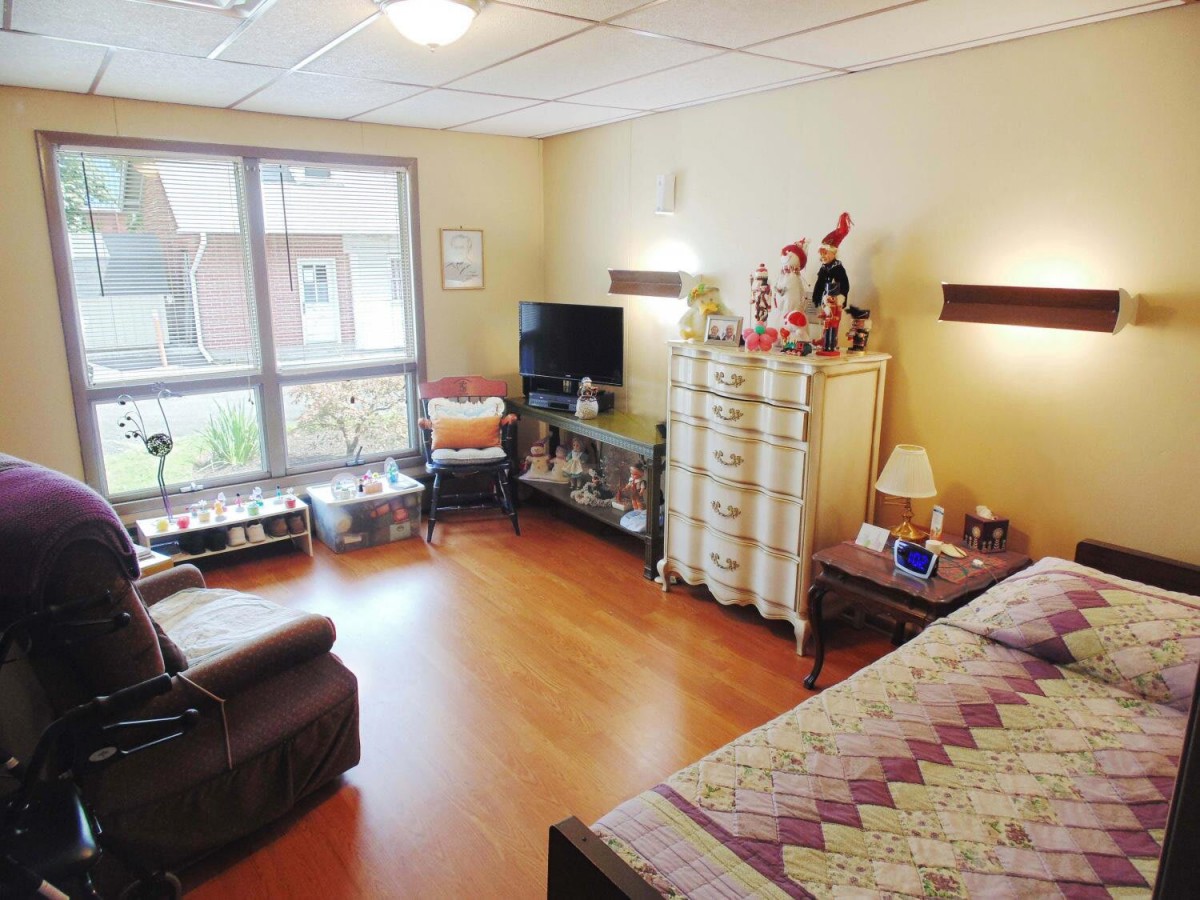
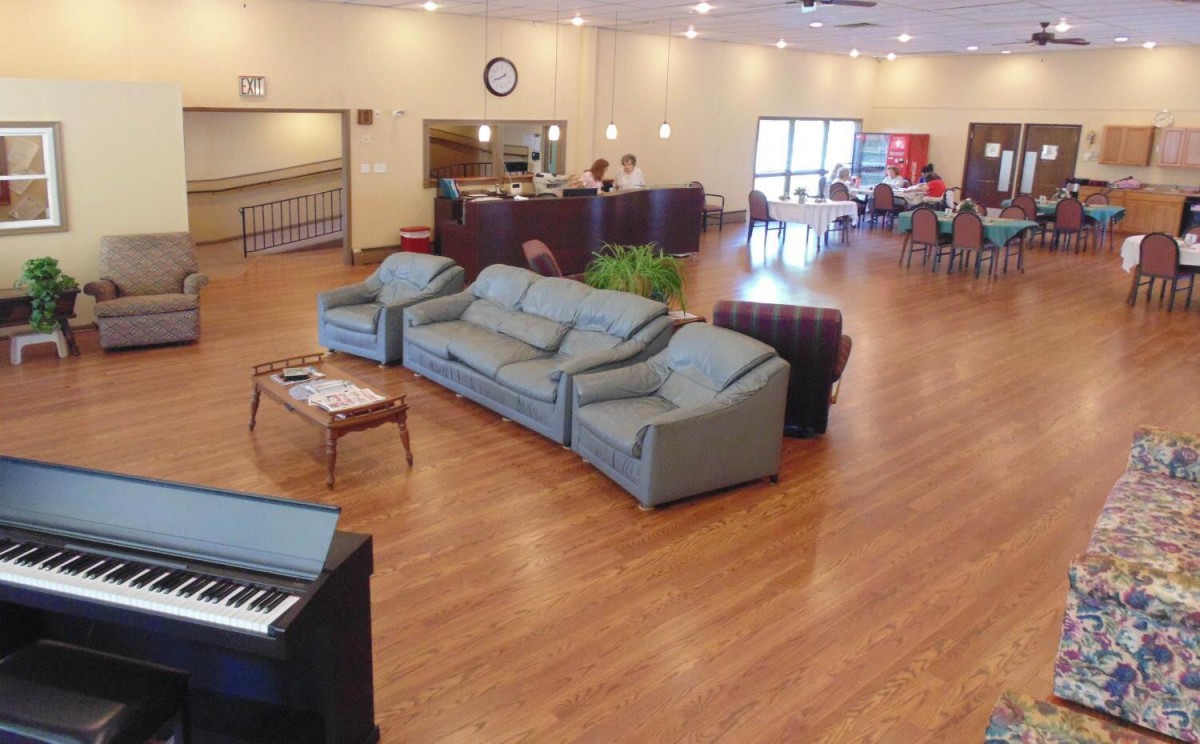
Multiple reviewers say the community looks and feels clean and “homey,” with comfortable common spaces. Residents and families also mention rooms being well-kept and the overall space feeling open. A few also note the building is older, but they still describe it as clean and in the middle of renovation work.
common16 reviews mention this
Staff feel caring and responsive
Staff are repeatedly described as gentle, friendly, and attentive to residents.
Across reviews, people describe the owners, administrator, and day-to-day staff as caring, respectful, and helpful. Several reviewers specifically call out how staff members keep families updated and provide day-to-day support that feels personal. Even when a reviewer says the community was not the right fit, they still describe the staff as kind and able to answer questions.
differentiator2 reviews mention this
Chef-driven meals and diet support
Food stands out, including support for individual dietary needs.
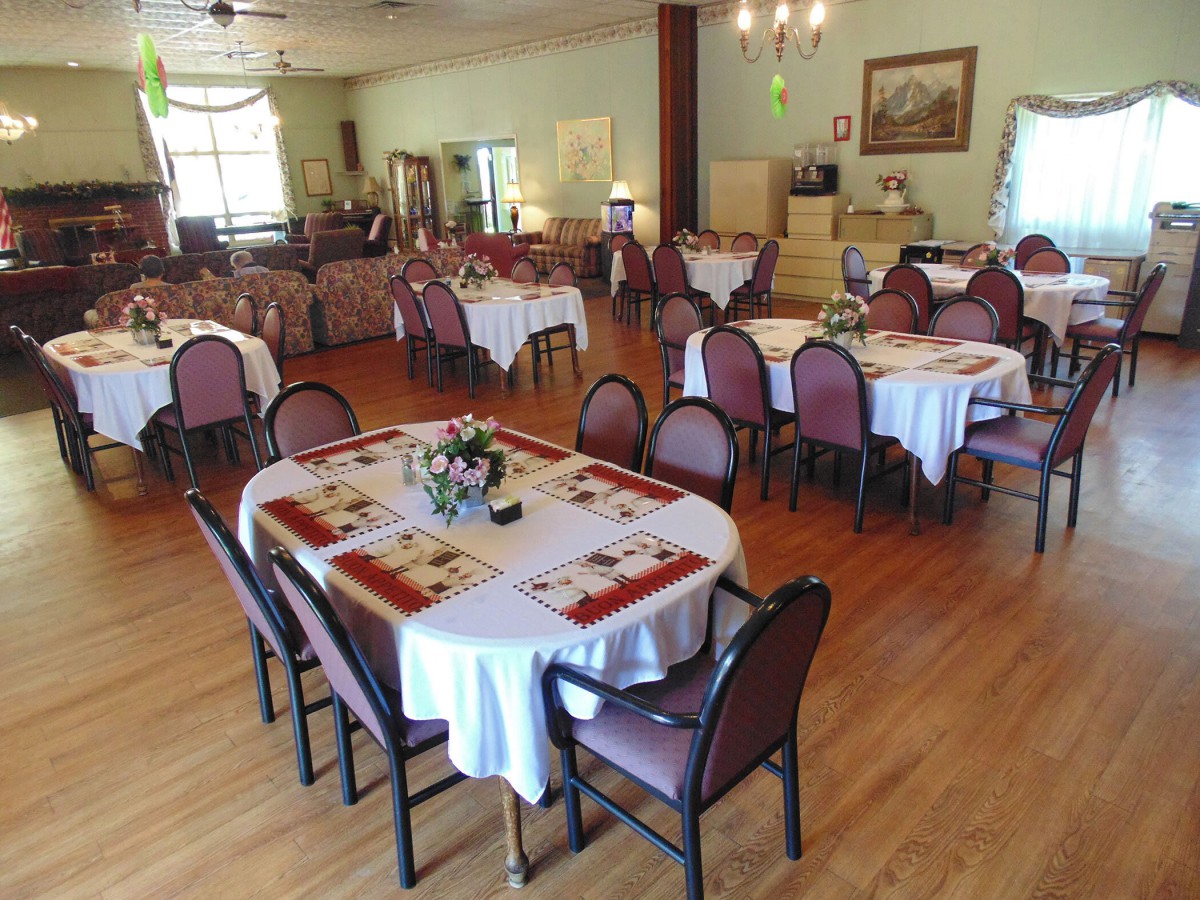
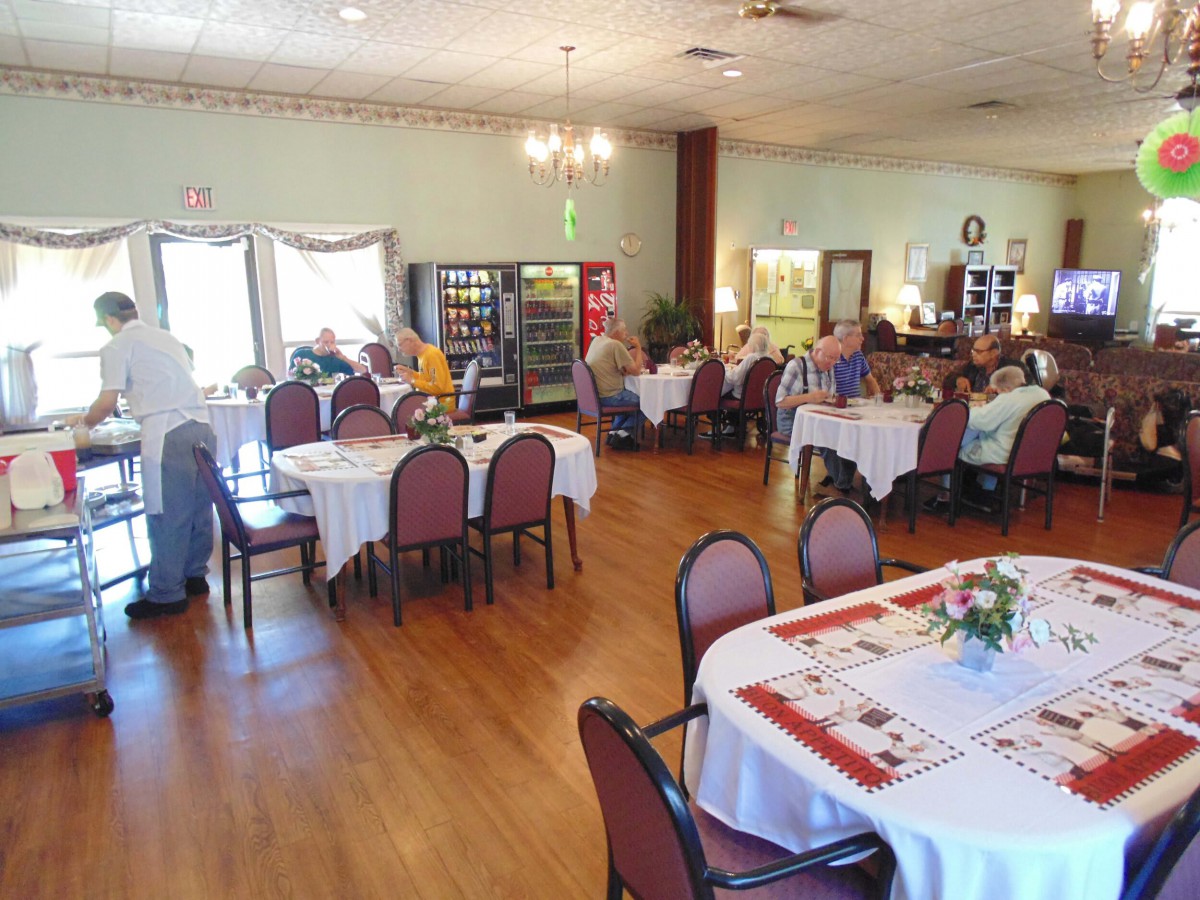
Two reviewers specifically praise the chef and say the meals are delicious and nutritious. One also notes the chef is accommodating with individual dietary needs and preferences, rather than taking a one-size-fits-all approach. This lines up with the community’s emphasis on professional chef meals and multiple diet options.
common4 reviews mention this
Activities and outings keep residents busy
Residents can stay engaged with scheduled activities and regular outings.
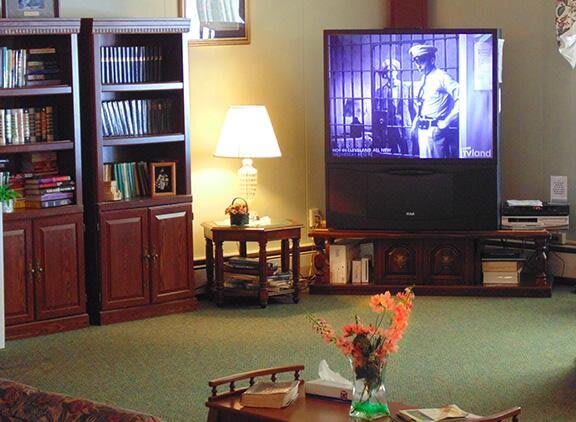
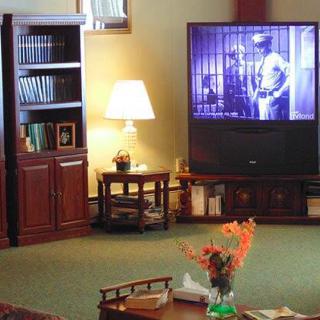
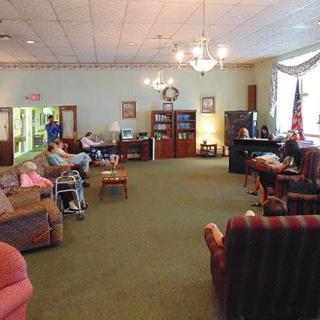
Families mention ongoing activities such as group trips, church services, and resident entertainment. One reviewer also points to an active schedule and daily activities being part of life in the community. Another mentions there are spaces on-site for residents to use, like a computer area and a large TV room. Reviews also suggest it’s possible to get out for shopping nearby.
caveat3 reviews mention this
Medical and dementia support concerns
Some reviewers question the strength of the medical care, especially for dementia.
A reviewer says the community is not a fit for someone dealing with dementia and calls the medical side their weakest link. Another describes the care their mother received as less than poor and says they were unhappy with management. A third reviewer notes feeling the community wasn’t the right match for their situation despite liking a nurse.
caveat4 reviews mention this
Building condition and room access
Reviews mention the facility feels older and there are notable layout limitations.
Several reviews describe the building as dark or extremely worn, and they say it still needs a lot of work despite attempts to update it. One reviewer highlights a specific layout issue by stating that rooms did not have bathrooms and that the facility had only one shower. Others say the facility is older, but describe it as clean and undergoing renovation in parts of the community.
How we summarize
Counts show how many written reviews mention each theme; a review can touch several themes, and only frequently mentioned themes are displayed.
Features
Housing
38 resident community capacity
Types of Care
Assisted Living
Respite Care
Amenities
Activities off-site
Activities on-site
Air-conditioning
Bath tubs
Beautician on-site
Beauty salon
Cable or satellite TV
Devotional services on-site
Dining room
Fully furnished
Garden
Ground floor units
Guasts at mealtime
Handicap accessible
Housekeeping services
Indoor common areas
Kitchenette
Laundry
Move-in coordination
Outdoor common areas
Outdoor space
Resident parking
Respite or short term stays offered
Restaurant-style dining
Security gate
Small library
Telephone
Wheelchair accessible showers
Wi-Fi/high-speed internet available
Transportation
Transportation & parking
Care Services
24-hour call system
24-hour supervision
Activities of daily living assistance
Ambulatory care
Assistance with bathing
Assistance with dressing
Assistance with transfers
Diabetes diet
Diabetic care
Meal preparation and service
Medication management
Mental wellness program
Special dietary restrictions
Dining
Diabetes diet
Gluten-free
Guest meals
International cuisine
Low / no sodium
Low fat
Meals provided
No Sugar
Professional chef
Renal
Special dietary restrictions
Activities
Art classes
Bible study group
Catholic services
Community-sponsored activities
Day trips and outings
Devotional activities on-site
Jewish services
Live dance or theater performances
Live musical performances
Other religious services
Protestant services
Resident-run activities
Scheduled daily activities
Visiting Rabbi
Visiting chaplain or priest
Languages Spoken
English
Nearby Places of Interest
This part of Hatfield, Pennsylvania offers a convenient and diverse range of amenities within close proximity. There are several pharmacies nearby such as CVS Pharmacy and Walgreens, making it easy to access medication and healthcare supplies. In terms of recreational activities, there are various parks to enjoy outdoor activities like School Road Park and Stony Creek Sports Park. For dining options, there is a selection of restaurants including Imprint Beer, Applebee's, and Zoto's Diner-Restaurant. Additionally, there are reputable physicians within a short distance such as Detweiler Family Medicine and Otolaryngology Plastic Surgery Associates for medical needs. The Jefferson Lansdale Hospital is also in the vicinity for any emergencies. Places of worship like Luthern Home and Mary Mother of the Redeemer offer spiritual support while theaters like AMC 309 Cinema 9 provide entertainment options. Cafes like Nonno's and Starbucks offer relaxing spots for social gatherings or quiet moments alone. Overall, this area provides a well-rounded community with essential services for senior living.
Pharmacies
CVS Pharmacy (0.7 miles)
Walgreens (2.3 miles)
CVS Pharmacy (2.5 miles)
CVS Pharmacy (2.8 miles)
Walgreens (3.3 miles)
CVS Pharmacy (3.7 miles)
CVS Pharmacy (3.7 miles)
Parks
School Road Park (1 miles)
Windlestrae Park (5.4 miles)
Stony Creek Sports Park (6.6 miles)
Upper Salford Park (7.5 miles)
Homested Park (9.4 miles)
Green Lane Park (9.9 miles)
Restaurants
Imprint Beer (1.3 miles)
Applebee's (1.6 miles)
Zoto's Diner-Restaurant (1.8 miles)
CJ's Doghouse (3.4 miles)
Miller's Ale House (3.8 miles)
Bull Restaurant & Tavern (3.8 miles)
Ooka Montgomeryville (3.8 miles)
Physicians
Detweiler Family Medicine (2.2 miles)
Otolaryngology Plastic Surgery Associates (2.3 miles)
Center for Total Women's Health - Lansdale (2.3 miles)
Trivalley Primary Care (3.6 miles)
Harleysville Medical Associates (4.1 miles)
Pennridge Pediatrics (4.4 miles)
Alpha Dermatology (5.8 miles)
Hospitals
Jefferson Lansdale Hospital (2.5 miles)
Places of Worship
Luthern Home (4.1 miles)
Mary Mother of the Redeemer (4.4 miles)
The National Shrine of Our Lady of Czestochowa (6.7 miles)
Neshaminy Warwick Presbyterian Church (10.8 miles)
Paradise Manor offers competitively priced accommodations compared to the broader market in Montgomery County and the state of Pennsylvania. For a semi-private room, residents pay $2,200 per month, which significantly undercuts the average costs in Montgomery County at $4,587 and is also lower than Pennsylvania's overall average of $3,542. Similarly, for those opting for a studio, Paradise Manor's rate of $3,000 remains attractive in contrast to the county's average of $4,393 and the state's average of $3,737. This pricing strategy positions Paradise Manor as an appealing choice for individuals seeking quality care without the financial strain often associated with long-term living arrangements.
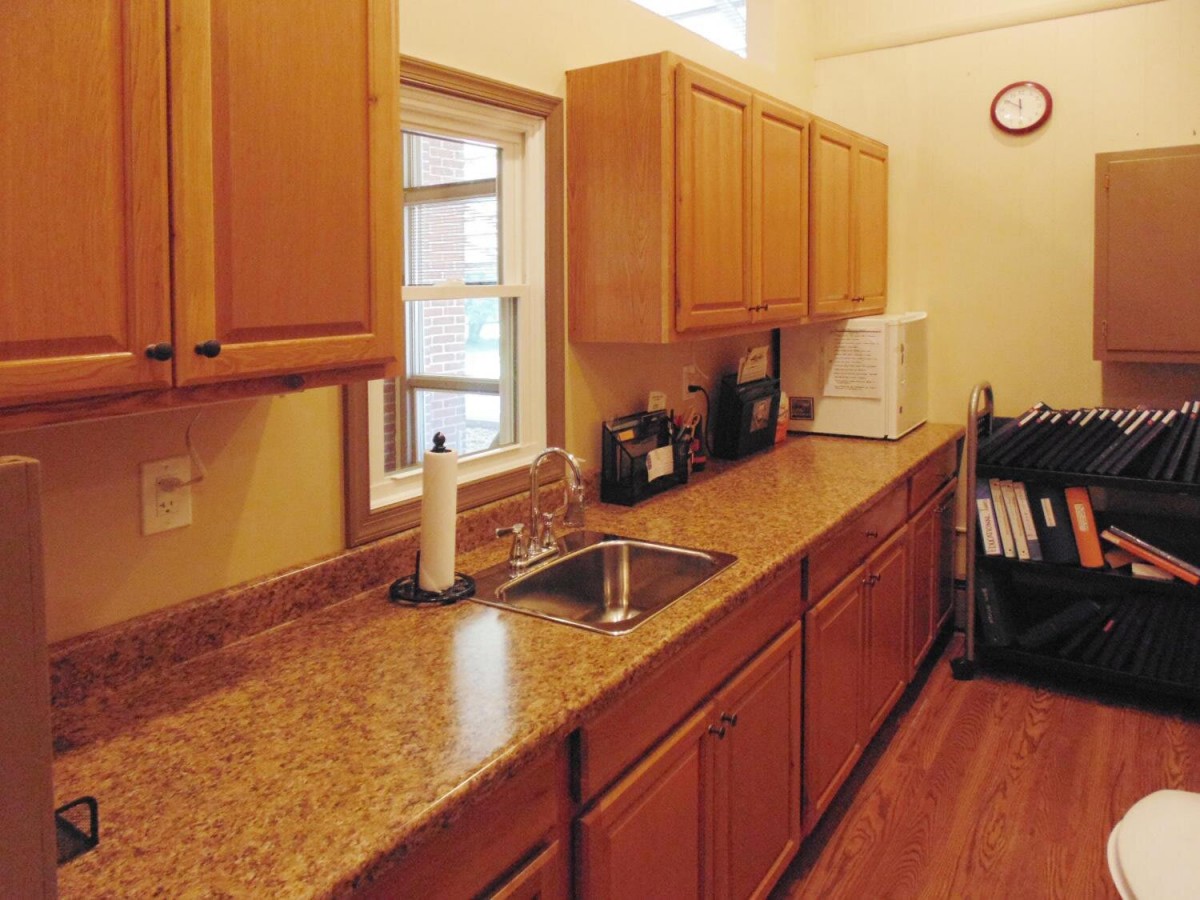
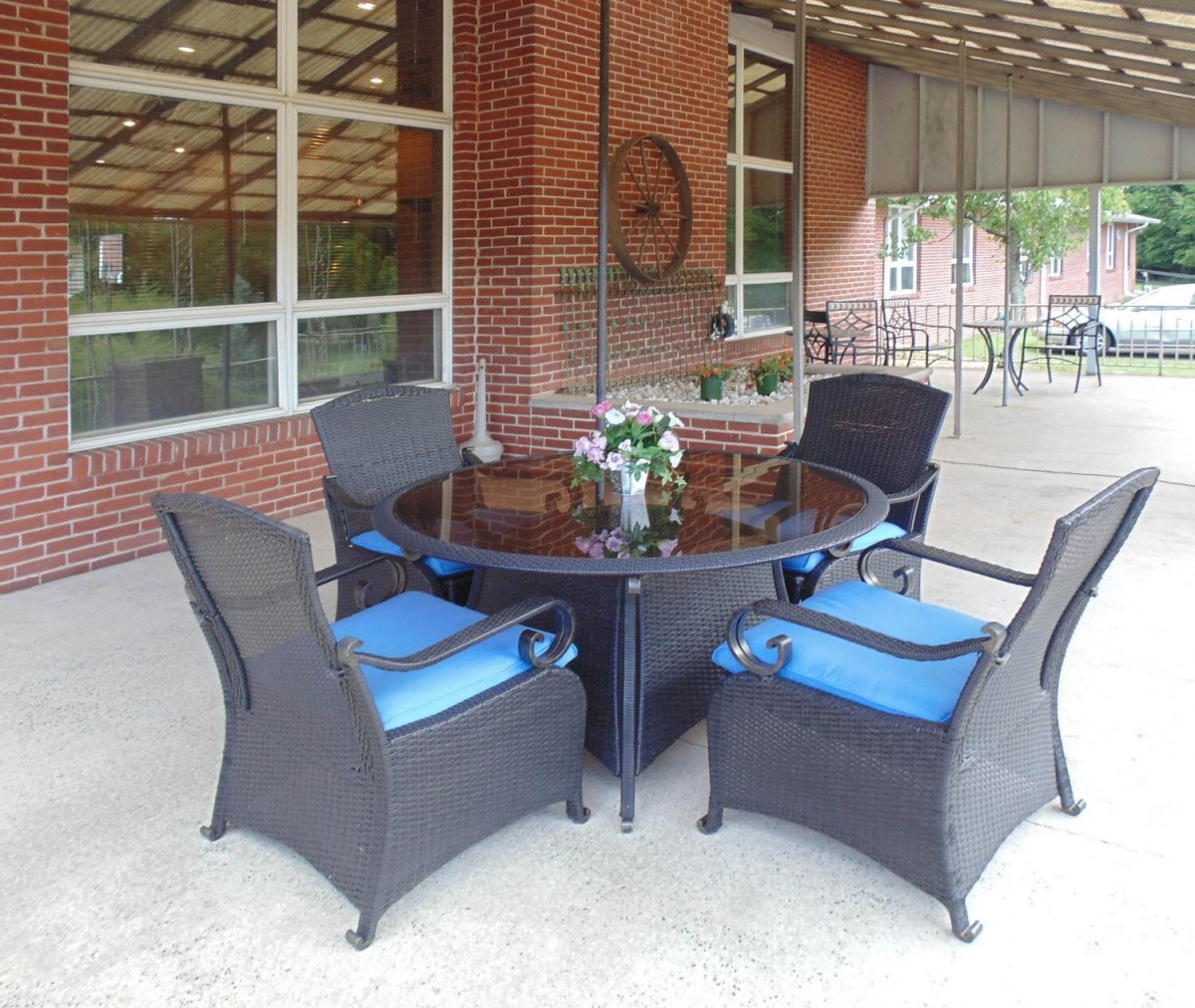
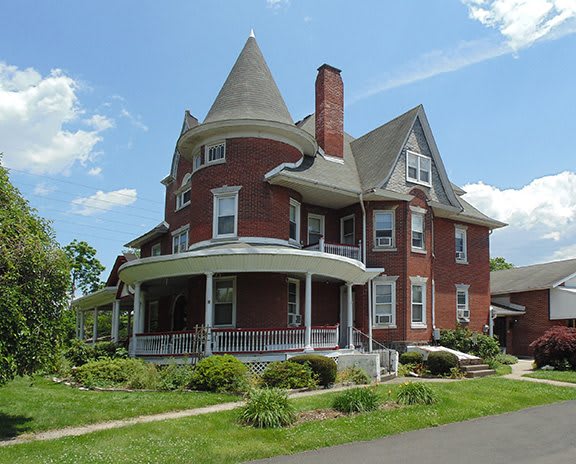
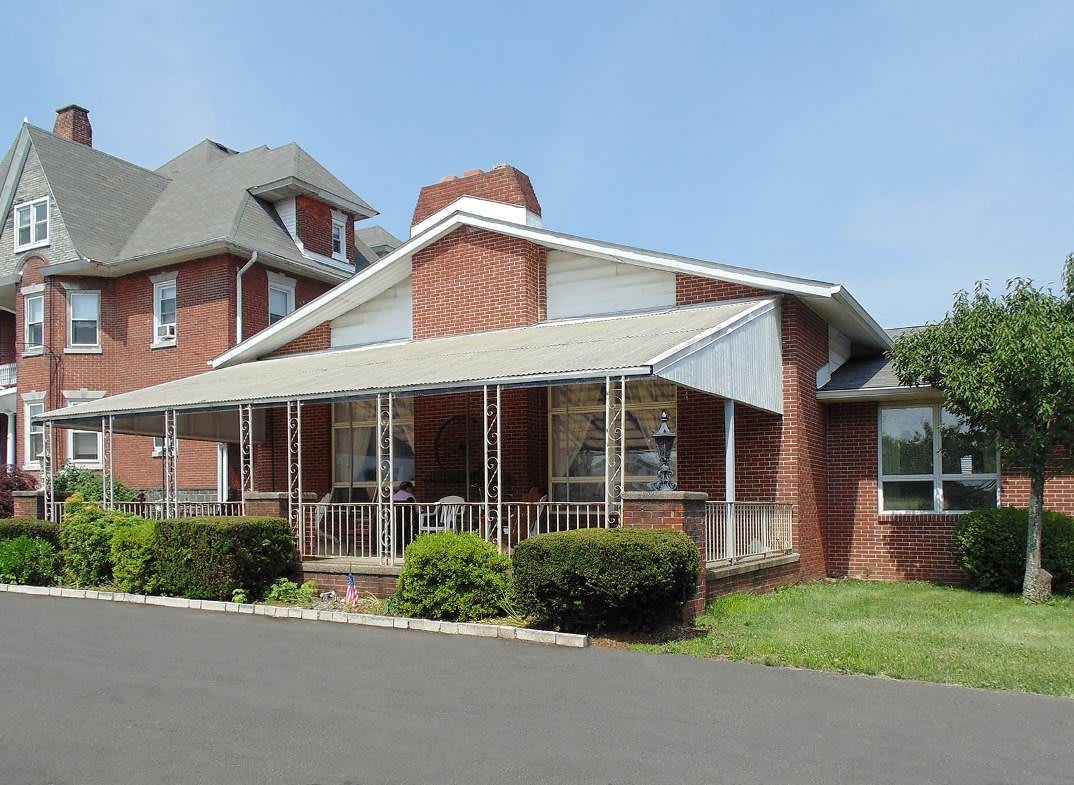
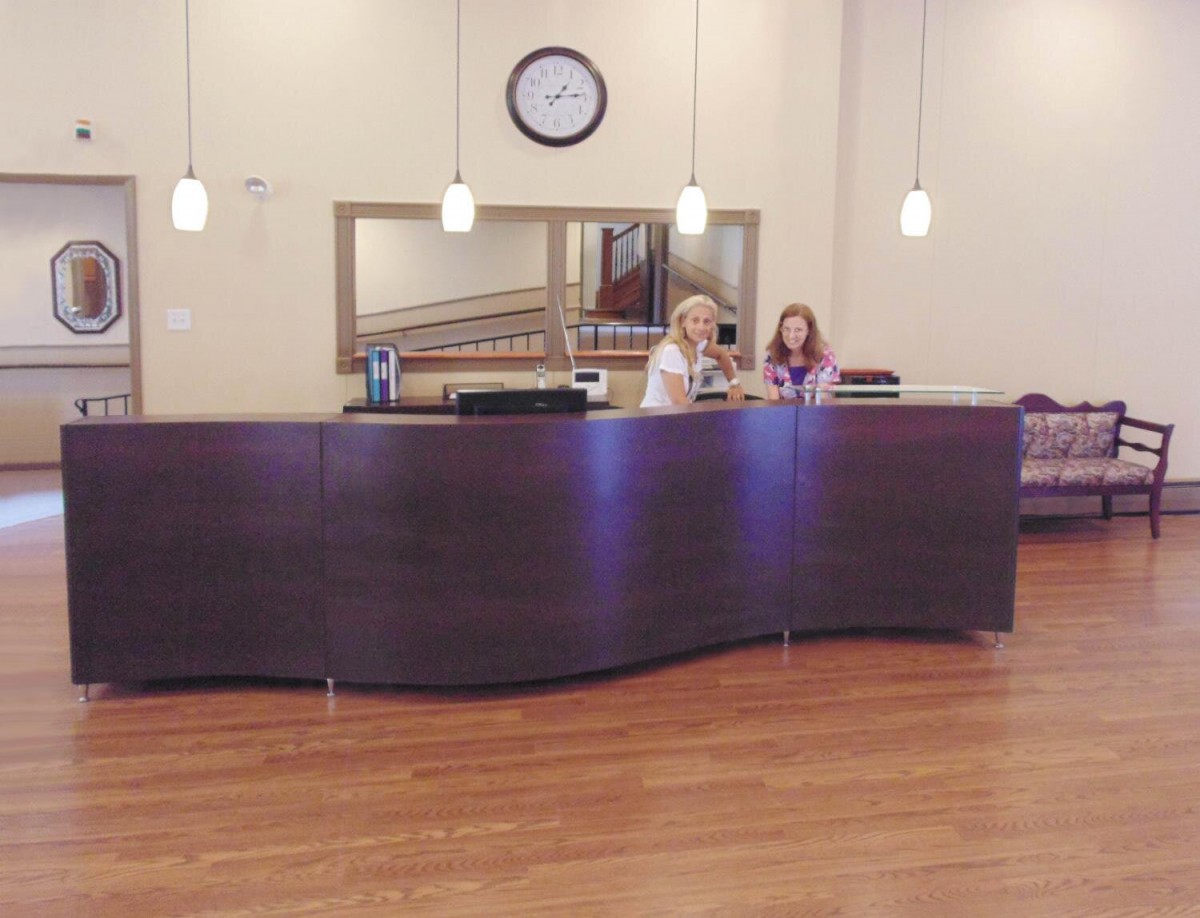
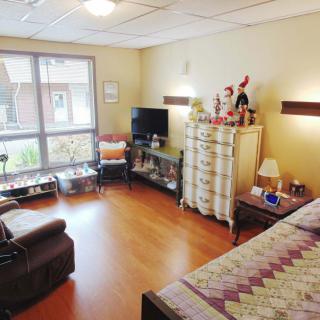
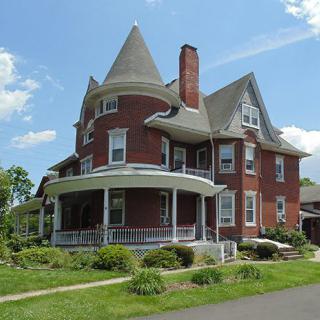
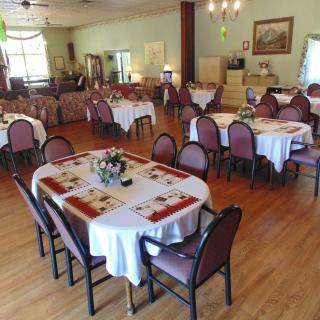
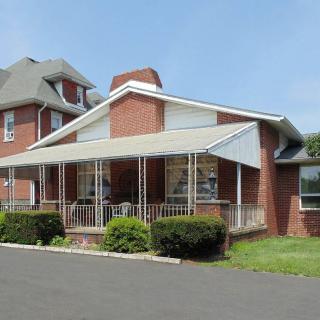
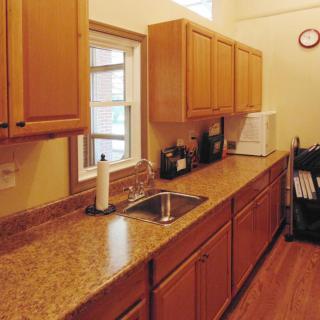
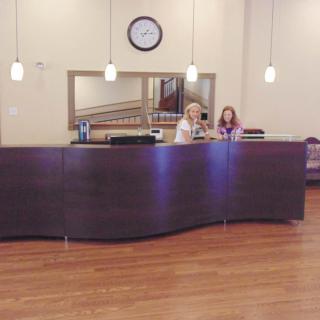
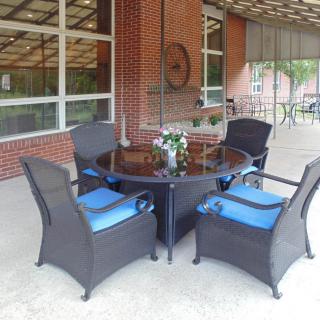
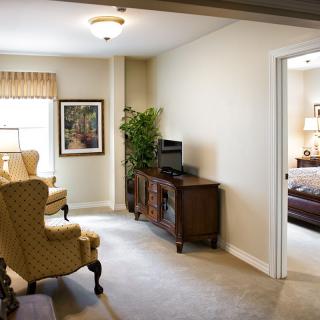
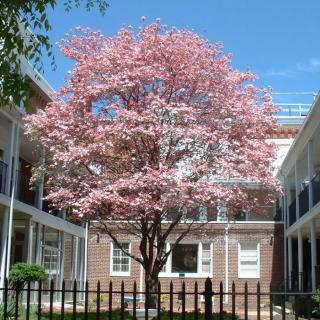
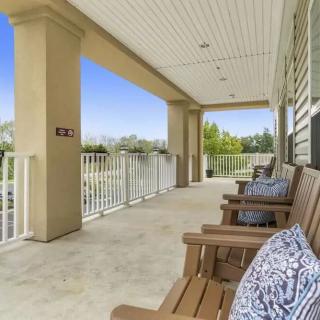
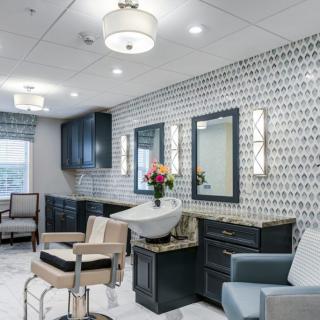
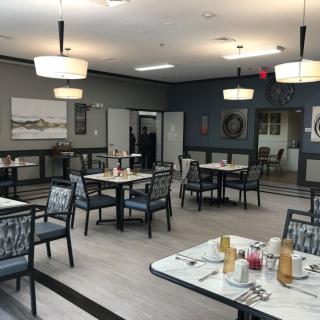
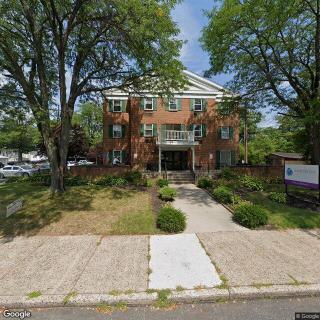
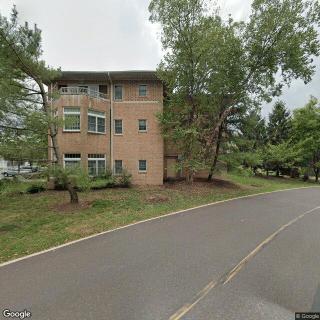
Paradise Manor on seniors.fyi includes 12 photos including images showing interior, dining, lounge area, decor, architecture, brick, porch, television, and more.
Nearby Communities
Tarrington Village
Hatfield, PA
Small, intimate community with personalized care.
Arbour Green
Hatfield, PA
Small, intimate community with personalized care.
Wyndham Woods
Hatfield, PA
Intimate, personalized care in a small community with essential amenities (Wi-Fi, nutritious meals, medication management).
The Willows of Living Branches
Hatfield, PA
5 from 6 reviews
$5,580 to $6,360 / month
Beautiful, well-maintained facility with attentive staff and on-site amenities.
Harrington Village
Souderton, PA
Small, intimate community with personalized care and convenient access to local pharmacies and physicians.
Derstine Run
Lansdale, PA
4.9 from 8 reviews
Offers multiple care levels (assisted, independent, memory care) with on-site activities and meals, plus nearby healthcare and amenities.
Harborview Rehabilitation And Care Center
Lansdale, PA
2.7 from 62 reviews
$6,118 / month
Extensive amenities and 24/7 care support
Dock Woods
Lansdale, PA
3.8 from 33 reviews
Wide range of care levels (CCRC) with extensive on-site amenities.
Souderton Mennonite Homes, a CCRC
Souderton, PA
3.9 from 27 reviews
$5,640 to $7,560 / month
Attentive, proactive staff with clear communication in a clean, well-maintained memory-care community.
Assisted living provides moderate support for seniors seeking independence, while memory care offers specialized support for individuals with dementia or cognitive impairments through structured routines and trained staff. Key differences include care approaches, environment security measures, staff training levels, activity types, and cost considerations.
Assisted living communities offer diverse activities beyond traditional games to enhance seniors' physical health, cognitive well-being, emotional enrichment, and social connections, including fitness classes, creative expression, and intergenerational interactions. These enriching programs foster community bonds and support residents' independence and happiness.
The article differentiates between assisted living and memory care, explaining that assisted living supports seniors with daily activities while promoting independence, whereas memory care provides specialized services for individuals with dementia, focusing on secure environments and cognitive support. It also addresses staff training, safety considerations, costs, family involvement, and transition strategies for families navigating these care options.
Get PricingAsk A QuestionSchedule A TourContact Senior Advisor
By clicking submit, you agree to our Partner's Terms of Use. You
also consent to receive calls and texts, which may be autodialed, from our Partner. Your consent is not a condition to
using our Partner's service. Please visit our Partner's Privacy Policy for information about their privacy practices.

 38 resident community capacity
 Assisted Living
 Respite Care
 Activities off-site
 Air-conditioning
 Bath tubs
 Beautician on-site
 Cable or satellite TV
 Devotional services on-site
 Dining room
 Fully furnished
 Garden
 Ground floor units
 Handicap accessible
 Housekeeping services
 Indoor common areas
 Kitchenette
 Laundry
 Move-in coordination
 Outdoor common areas
 Resident parking
 Restaurant-style dining
 Security gate
 Small library
 Telephone
 Wheelchair accessible showers
 Wi-Fi/high-speed internet available
 Transportation & parking
 24-hour call system
 Ambulatory care
 Assistance with bathing
 Assistance with dressing
 Assistance with transfers
 Diabetes diet
 Diabetic care
 Medication management
 Mental wellness program
 Special dietary restrictions
 Art classes
 Bible study group
 Day trips and outings
 Jewish services
 Live dance or theater performances
 Live musical performances
 English
 Small, intimate community with personalized care.

 Assisted Living and Memory Care: Understanding Their Core Differences
 Beyond the Bingo Hall: 50+ Enriching Activities for Seniors in Assisted Living
 Understanding the Distinctions: Assisted Living and Memory Care Explained