


2343 Bethlehem Pike, Hatfield, PA 19440
For more information about senior living options: (866) 208-4318
The Willows of Living Branches Costs & Pricing
The Willows of Living Branches presents a higher range of living costs compared to both Montgomery County and the broader Pennsylvania state averages. For a studio apartment, residents can expect to pay $5,580 per month, which significantly exceeds the county's average of $4,393 and the state average of $3,737. Similarly, one-bedroom accommodations at The Willows are priced at $6,360, placing them above the county's rate of $4,619 and the state's $4,006. This pricing reflects not only the premium services and amenities offered by The Willows but also its commitment to providing a supportive community environment for its residents.
| Floor plans | The Willows of Living Branches | Montgomery County | Pennsylvania |
|---|---|---|---|
| Studio | $5,580 | $4,393 | $3,737 |
| 1 Bedroom | $6,360 | $4,619 | $4,006 |
Assisted Living communities with a similar price nearby
-
from +$415 / mo
The Residence At Bala Cynwyd
$5,995 to $9,710 / month19.3 miles away -
from +$920 / mo
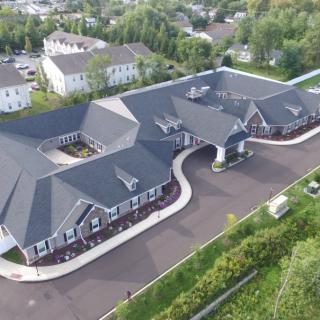
Bristol House Memory Care
$6,500 / month8.4 miles away -
from -$665 / mo
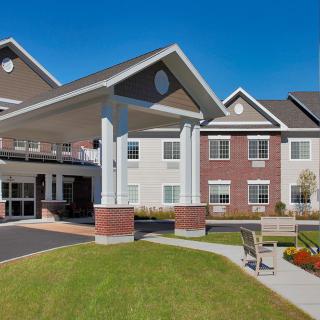
The Landing of Collegeville
$4,915 to $6,415 / month13.6 miles away -
from -$580 / mo
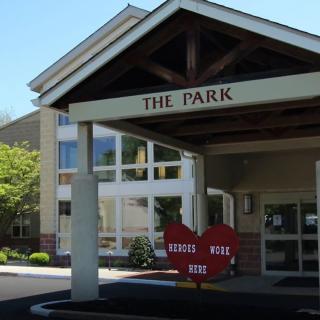
Personal Care Memory Care at The Park
$5,000 to $5,500 / month13.9 miles away -
from -$210 / mo
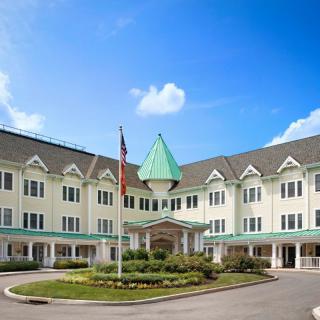
Sunrise of Blue Bell
$5,370 to $6,800 / month10.0 miles away
Overall Review of The Willows of Living Branches
Pros
 The staff know their jobs and care about the residents.
- The atmosphere is excellent.
- The staff are warm, wonderful, and work as a team to care for residents and each other.
- The Willows is a breath of fresh air.
- They had a great experience with The Willows and liked what they saw.
- The people are friendly and the surroundings are beautiful.
Cons
 The reviewer indicated that his father's care required more support than the facility could provide.
- The reviewer noted that the wait list was extremely long, which led them not to consider the facility.
Review
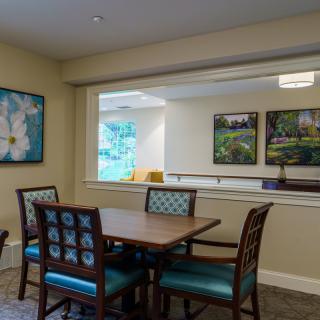
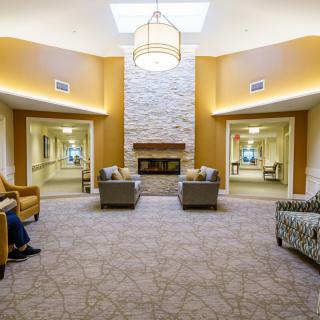
The Willows of Living Branches is best suited for seniors who want a warm, well-staffed assisted-living environment within a pleasant campus setting, where daily care needs are moderate and quality of life is prioritized. It serves residents who value a homelike atmosphere, proactive caregivers, and a genuine sense of teamwork among staff. Prospective movers should recognize that this is not a facility for high-acuity medical support or intensive memory care; as soon as care demands exceed what assisted living can provide, transitions become likely. For families seeking steadier daily assistance with a strong human touch, this community presents a compelling fit.
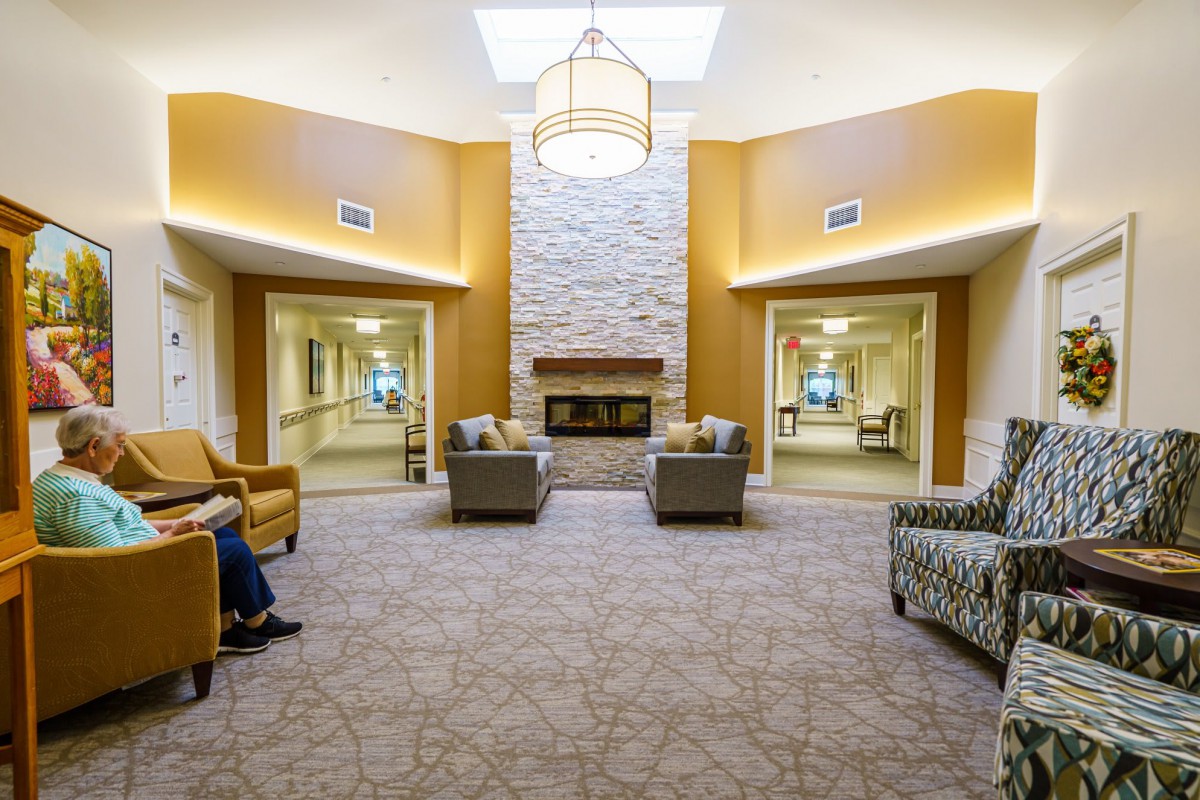
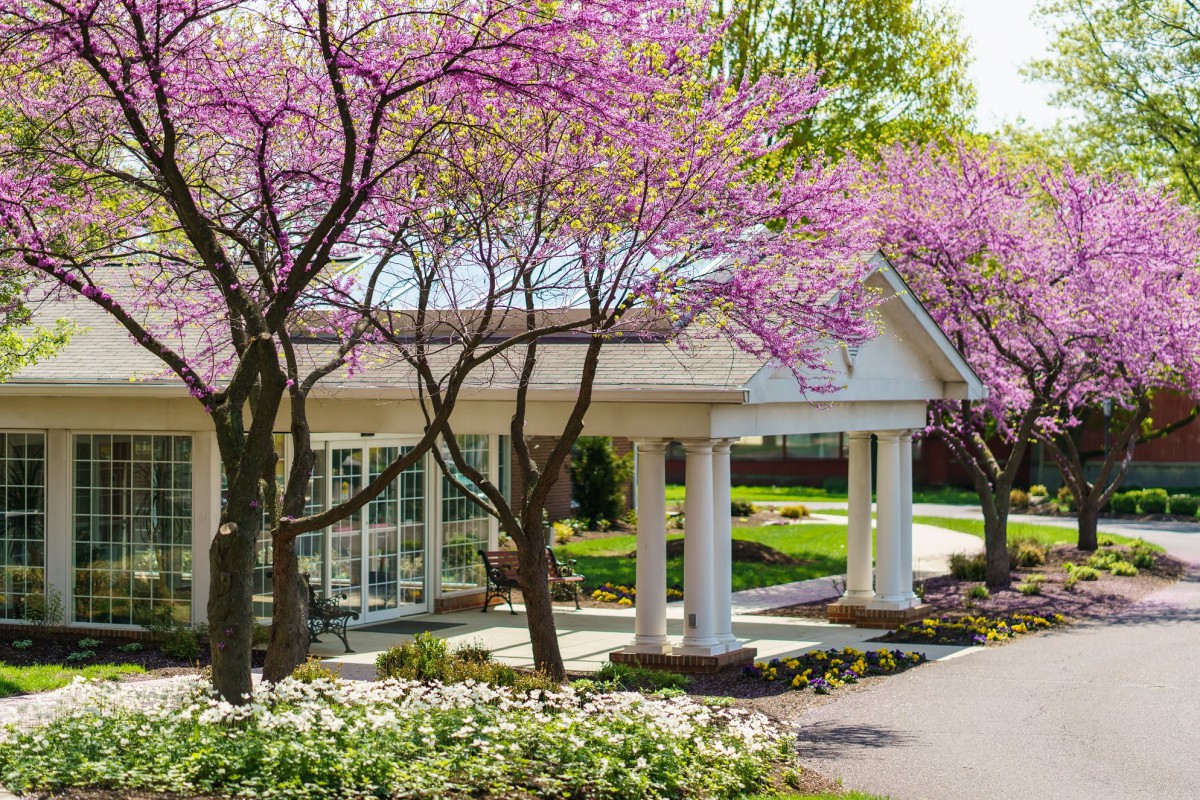
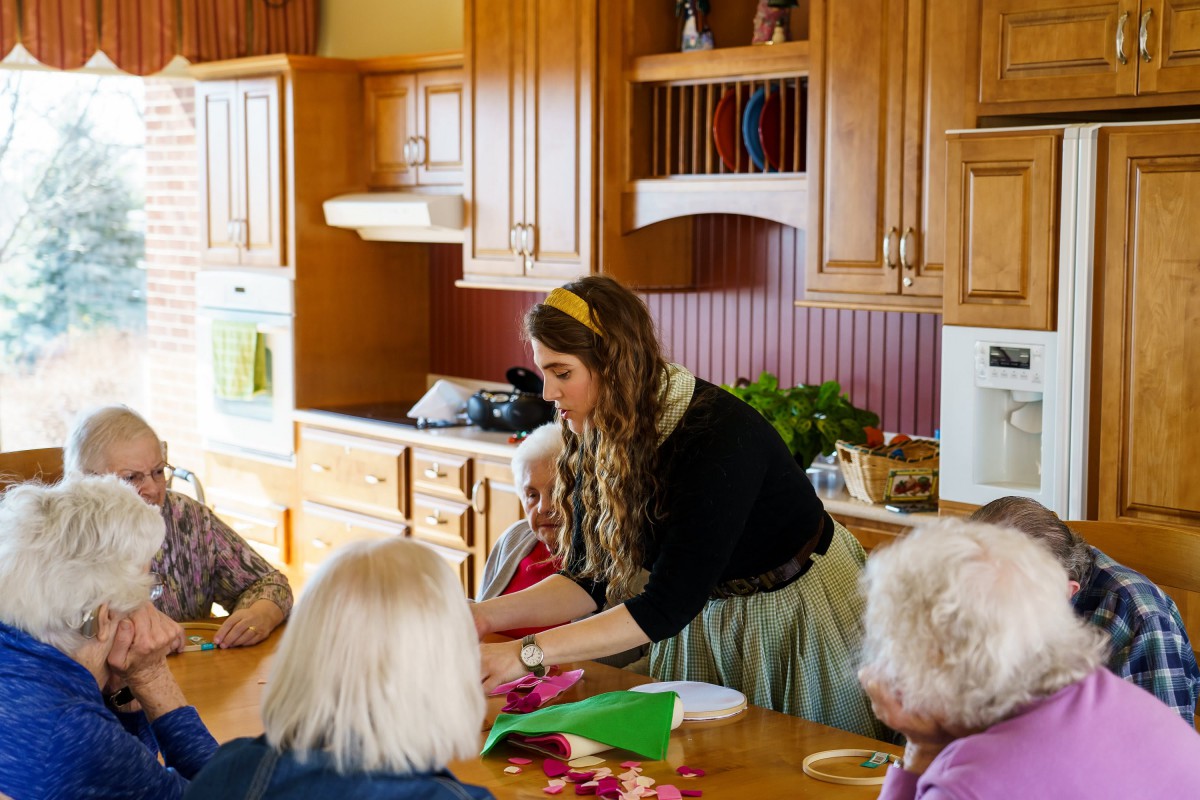
What stands out here are the concrete strengths of the caregiving team. Across reviews, staff are described as knowledgeable, dedicated, and genuinely invested in residents’ well-being. The atmosphere is repeatedly characterized as warm and collaborative, with caregivers working as a well‑orchestrated unit to support both residents and one another. The result is a sense of security and continuity that families notice quickly, a daily routine that feels reliable, respectful, and person-centered. Add in the appealing surroundings and the overall sense of a well-managed operation, and the environment emerges as more than just a place to live, it feels like a supported, communal home.
That said, a substantial practical hurdle colors the decision: the long wait list. Even when the facility delivers on the initial impression of quality, securing a spot can take considerable time. Tours tend to go well, and satisfaction with the physical space and the staff is high, but admission timing is unpredictable. For families facing urgency or who need an immediate move, this wait can be a nontrivial deterrent. The Willows thus demands foresight and planning; its best outcomes come to those who can align their timelines with a potentially extended enrollment process.
The most tangible caution emerges from a real-world example in these reviews: a resident who stayed for about a year before escalating care needs surpassed what the community could provide. That outcome crystallizes a truth about assisted living: it excels for steady, moderate support and rich engagement, but it is not a substitute for higher-acuity or long‑term clinical care. Prospective residents should, therefore, realistically forecast potential changes in health status and discuss contingency plans, what happens if assistance requirements grow or if specialized services become necessary? The Willows can deliver comfort and quality during the stay, but readiness for a future transition is a prudent companion to the decision.
For families weighing options, this means considering alternatives that offer quicker admission or broader care continuums. Nursing facilities or memory-care-focused communities in the Hatfield area may provide different pacing or an enhanced level of clinical oversight that becomes essential if needs evolve more rapidly. Within the same campus or nearby networks, it’s wise to compare wait times, gauge how flexible the community is about transitioning to higher levels of care, and confirm what happens if health status shifts. Clarifying these pathways ahead of time helps prevent disruptive transitions and preserves continuity of comfort and trust.
Overall, The Willows of Living Branches delivers a compelling blend of dedicated staff, a supportive community culture, and attractive surroundings. For seniors whose needs sit firmly in the assisted-living lane and whose families can accommodate a potentially lengthy admission process, the advantages are clear and meaningful. The decisive considerations are the length of the wait list and the reality that care needs may outgrow the facility’s scope at some point. When planning, prioritize timing and escalation pathways as part of the equation. For those with uncertain timelines or anticipated high-acuity requirements, exploring faster-admission options or higher-continuum settings ensures that the choice remains aligned with long-term care goals and peace of mind.
 80 resident community capacity
 Assisted Living
 Respite Care
 Activities off-site
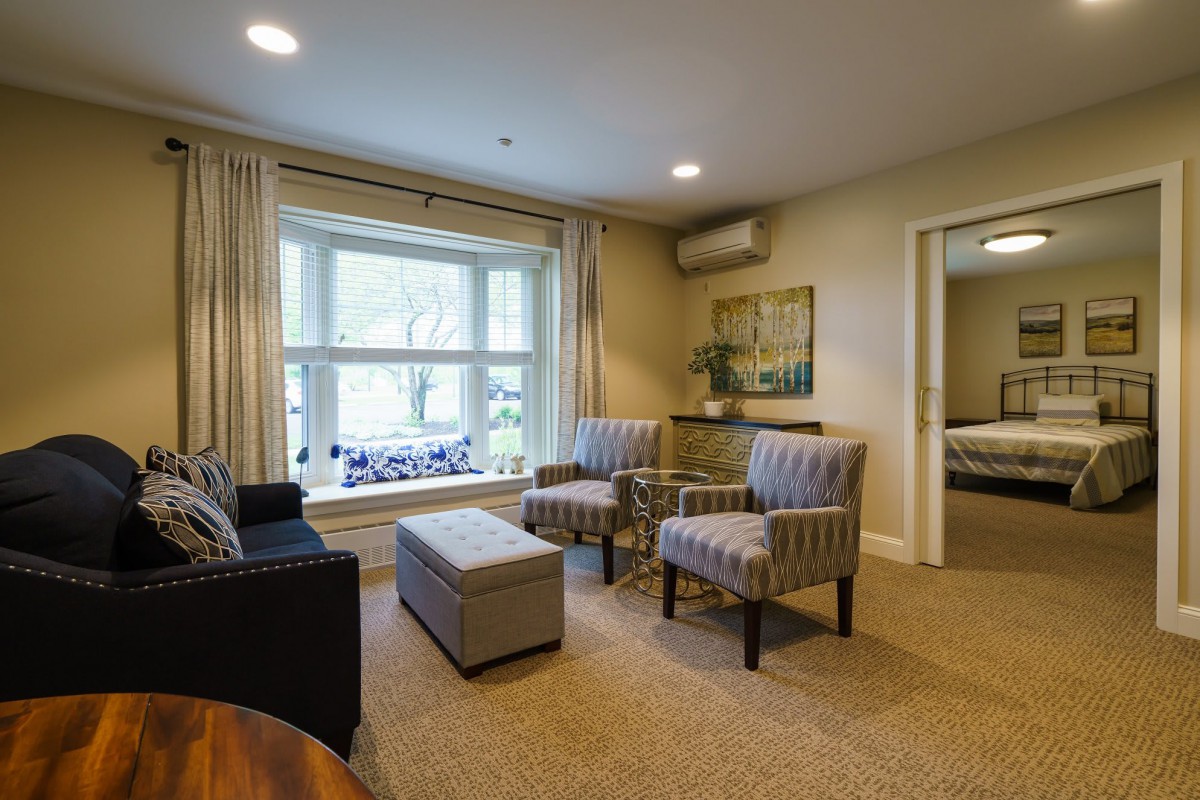
 Air-conditioning
 Beautician on-site
 Cable or satellite TV
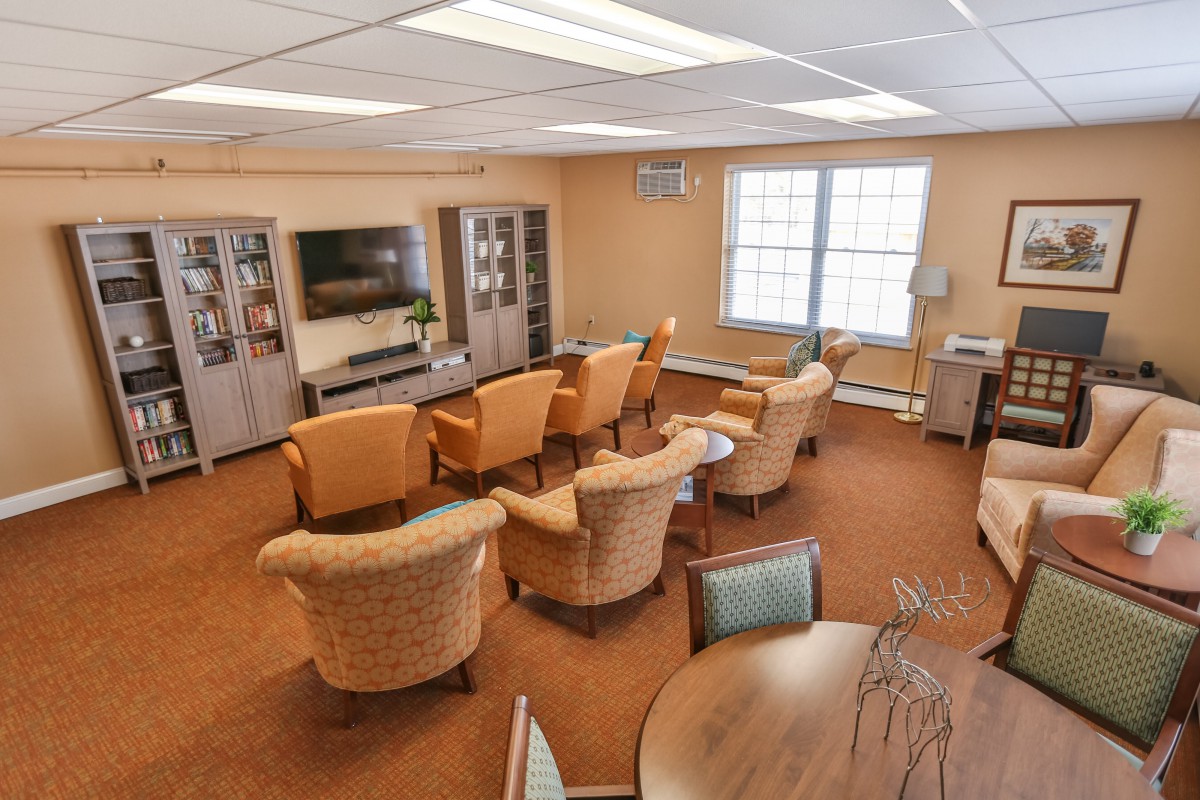
 Computer center
 Devotional services on-site
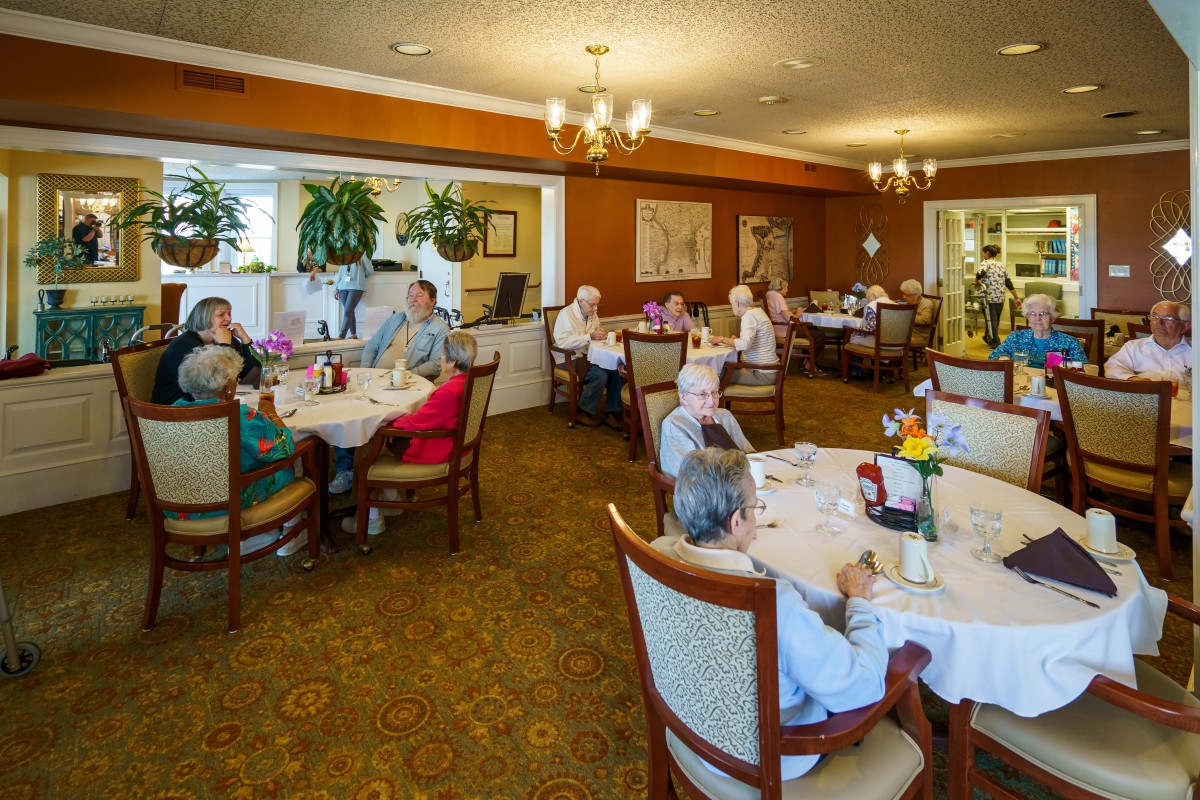
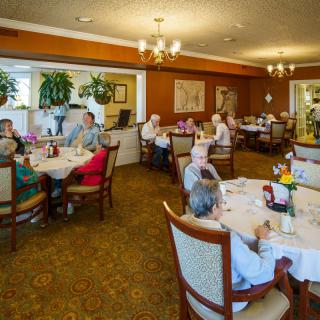
 Dining room
 Fitness room
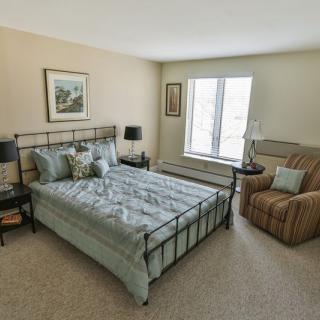
 Fully furnished
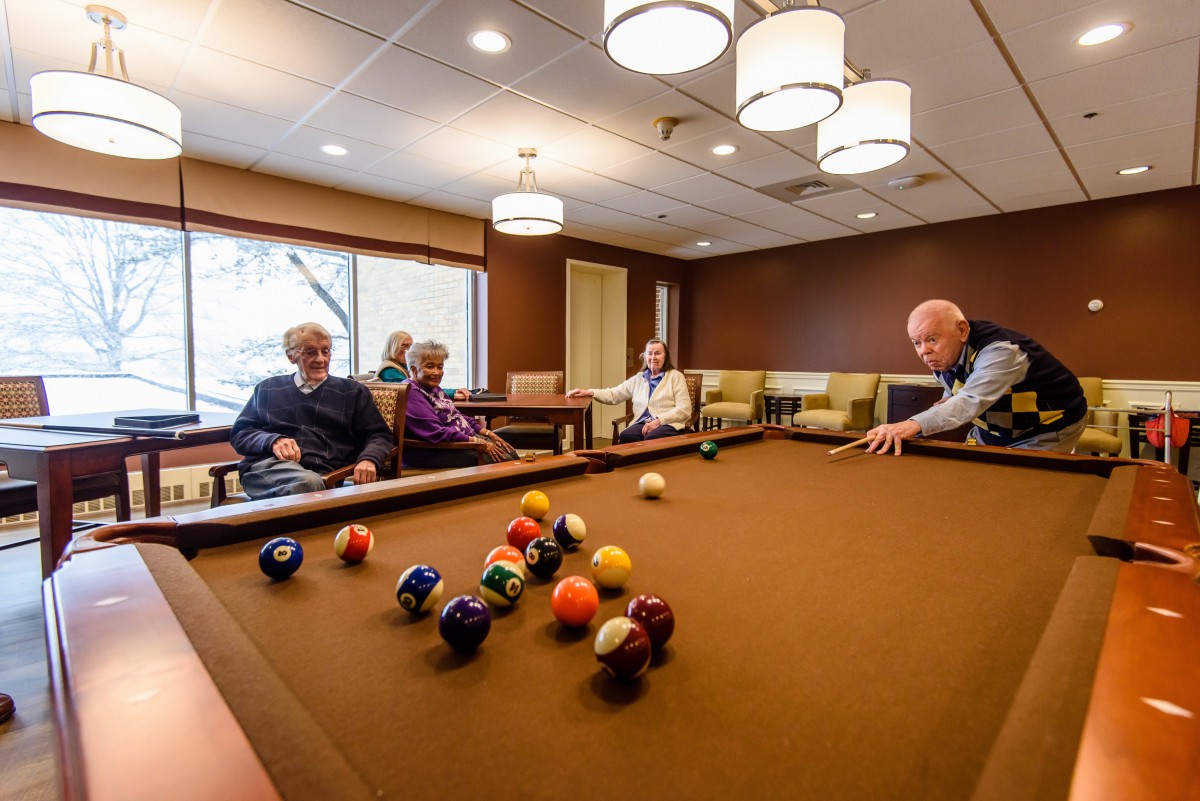
 Gaming room
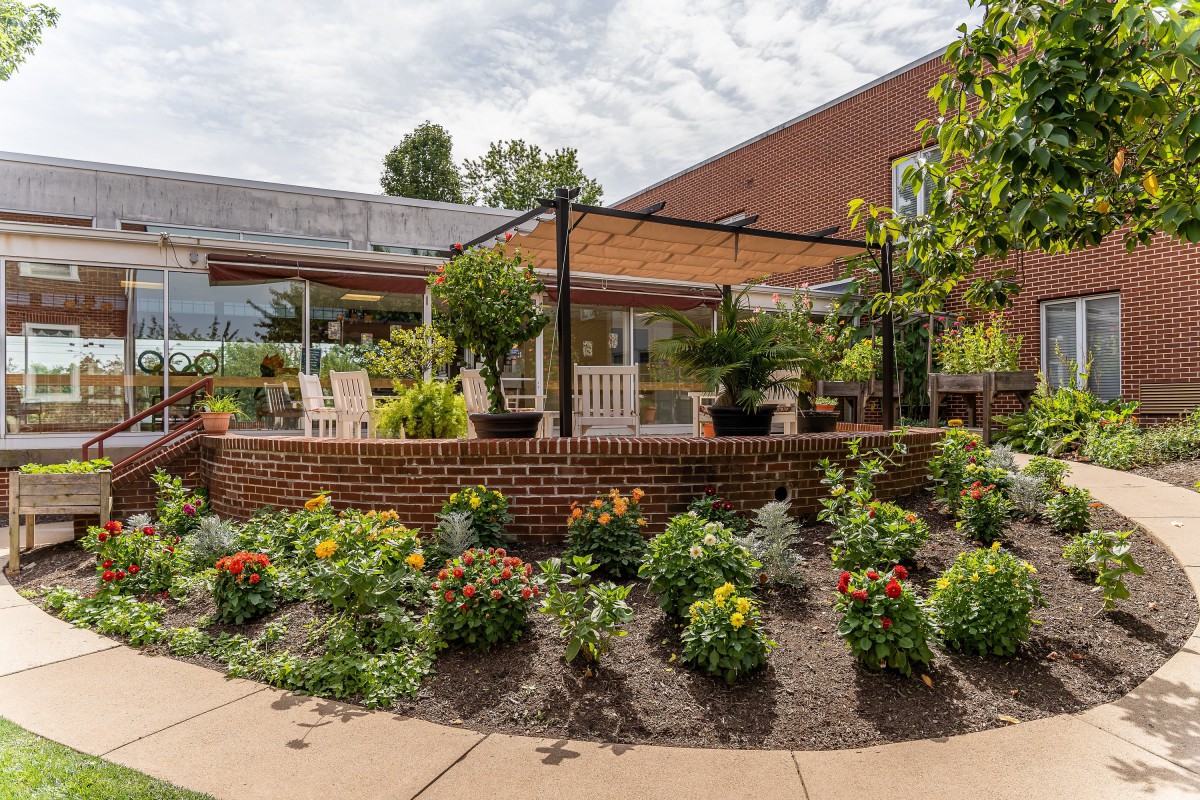
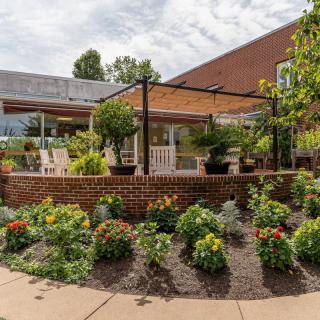
 Garden
 Ground floor units
 Housekeeping services
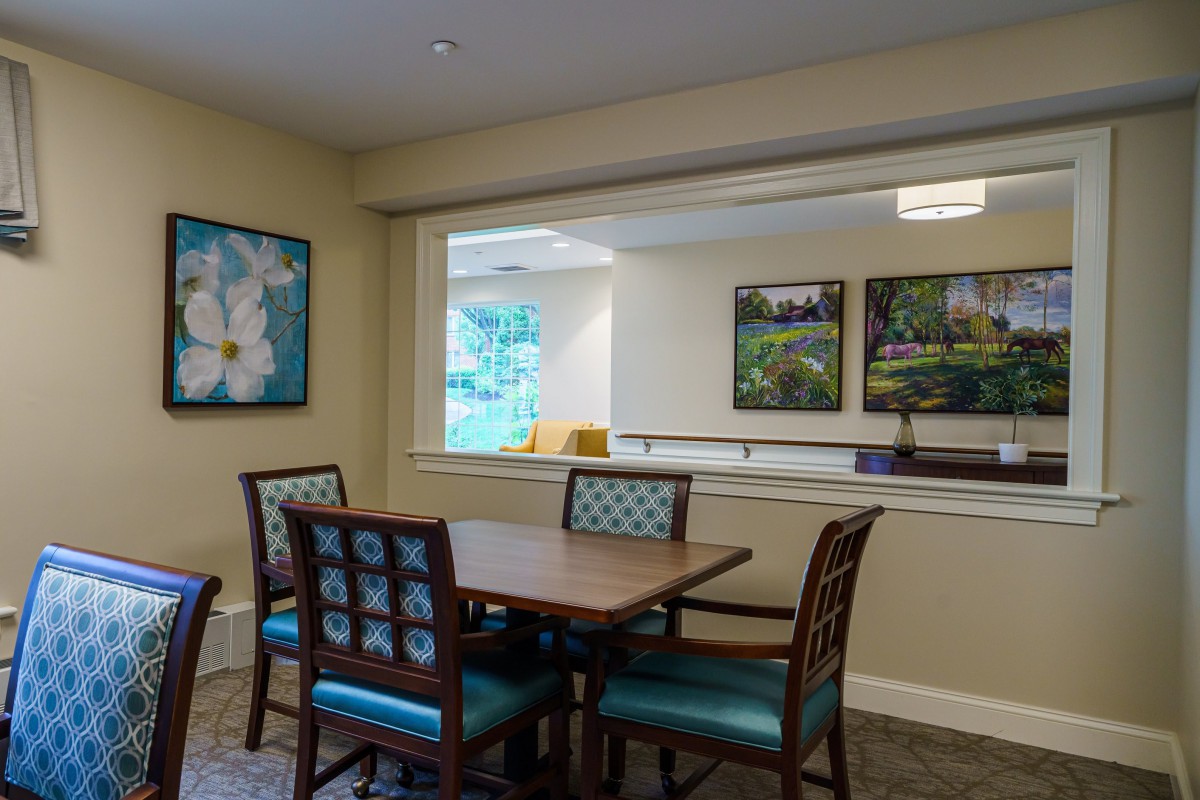
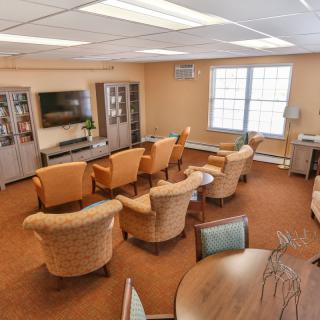
 Indoor common areas
 Kitchenette
 Move-in coordination
 Outdoor common areas
 Private bathrooms
 Restaurant-style dining
 Small library
 Telephone
 Wellness center
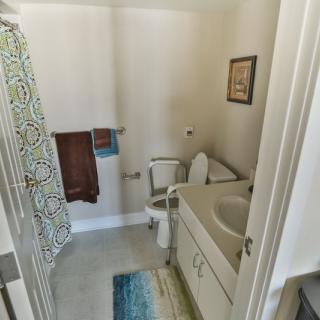
 Wheelchair accessible showers
 Wi-Fi/high-speed internet available
 Trenton-Mercer County (25 miles away)
 Community operated transportation
 12-16 hour nursing
 24-hour call system
 Ambulatory care
 Assistance with bathing
 Assistance with dressing
 Assistance with transfers
 Diabetes diet
 Diabetic care
 High acuity care
 Incontinence care
 Medication management
 Mental wellness program
 Special dietary restrictions
 Art classes
 Bible study group
 Concierge services
 Cooking classes
 Day trips and outings
 Educational speakers / life long learning
 Live dance or theater performances
 Live musical performances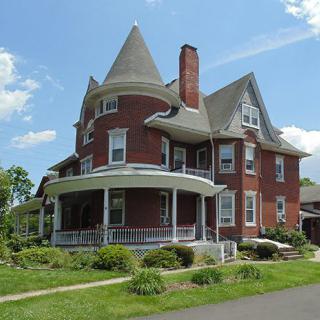


 Social Security Benefits and Assisted Living: Navigating Options Across the U.S.
 An Extensive Exploration of the VA Aid and Attendance Benefit
 Senior Transition Services: Understanding Their Role, Cost, and Importance