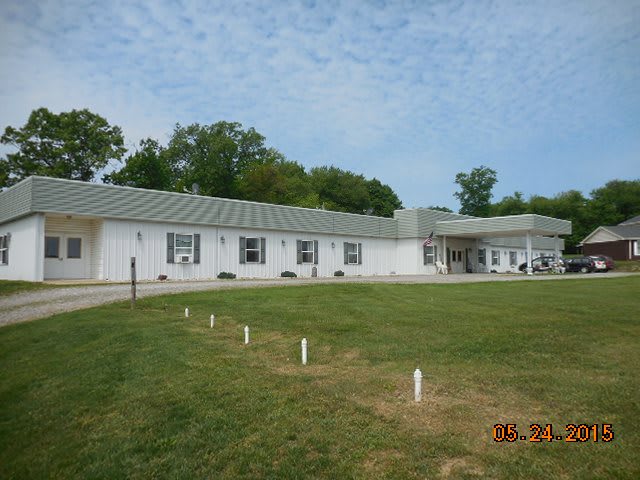
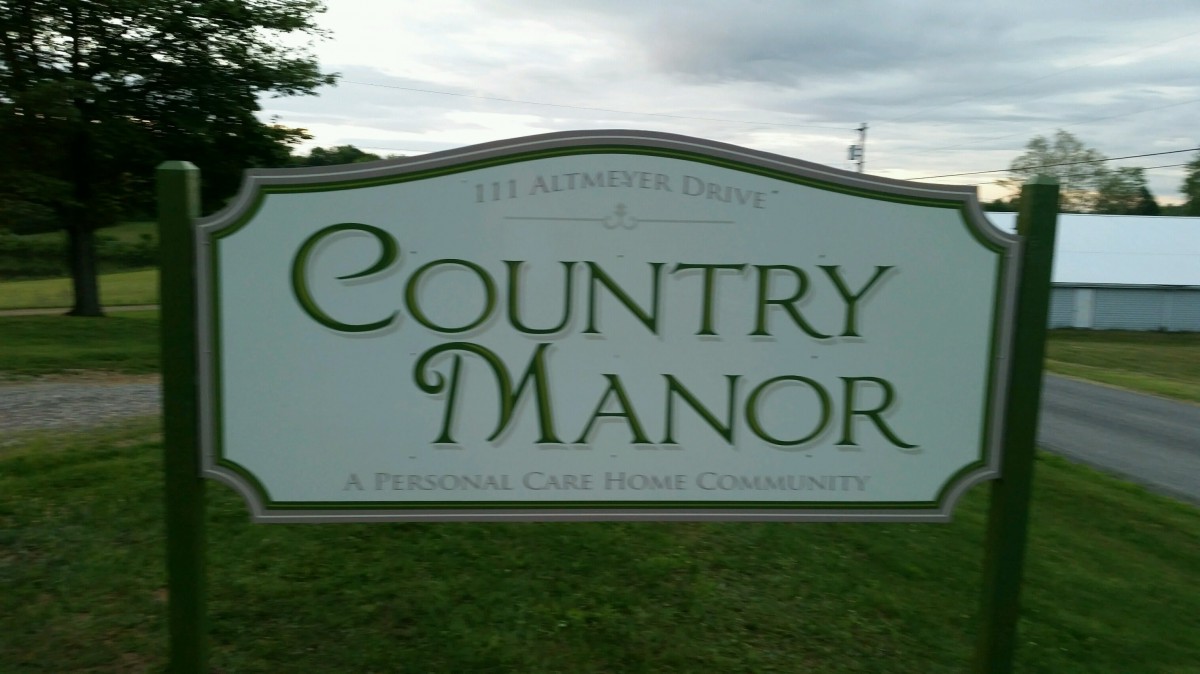
111 Altmeyer Drive, Kittanning, PA 16201
For more information about senior living options: (866) 208-4318
Country Manor Costs & Pricing
Country Manor offers competitive pricing for its accommodations compared to both Armstrong County and the broader Pennsylvania state averages. For a studio or one-bedroom unit, Country Manor's monthly rates are notably more affordable at $1,500, significantly lower than Armstrong County's corresponding prices of $1,820 for studios and $2,661 for one bedrooms. Interestingly, for two-bedroom units, Country Manor stands out with a cost of $1,500 which is considerably below the county average of $1,175 but still reflects the higher state average of $4,242. For those considering semi-private options, Country Manor's price of $1,850 is slightly above Armstrong County's rate of $1,811 but remains much more economical than the statewide average of $3,542. Overall, Country Manor provides an appealing financial choice for residents seeking quality living arrangements without straining their budgets excessively.
| Floor plans | Country Manor | Armstrong County | Pennsylvania |
|---|---|---|---|
| Studio | $1,500 | $1,820 | $3,737 |
| 1 Bedroom | $1,500 | $2,661 | $4,006 |
| 2 Bedrooms | $1,500 | $1,175 | $4,242 |
| Semi-Private | $1,850 | $1,811 | $3,542 |
Memory care communities with a similar price nearby
-
from +$100 / mo
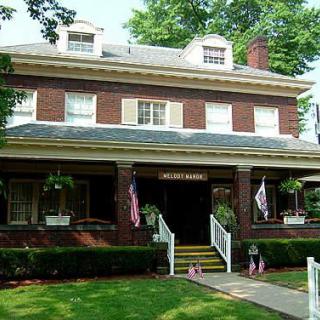
Melody Manor
$1,600 to $2,000 / month8.0 miles away
Overall Review of Country Manor
Pros
 The staff and residents seemed really nice and happy.
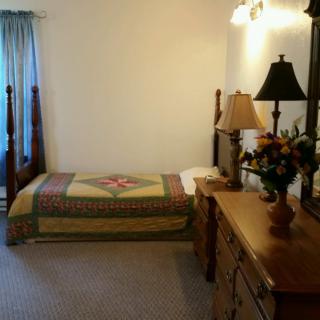
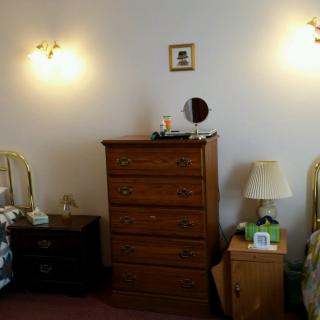
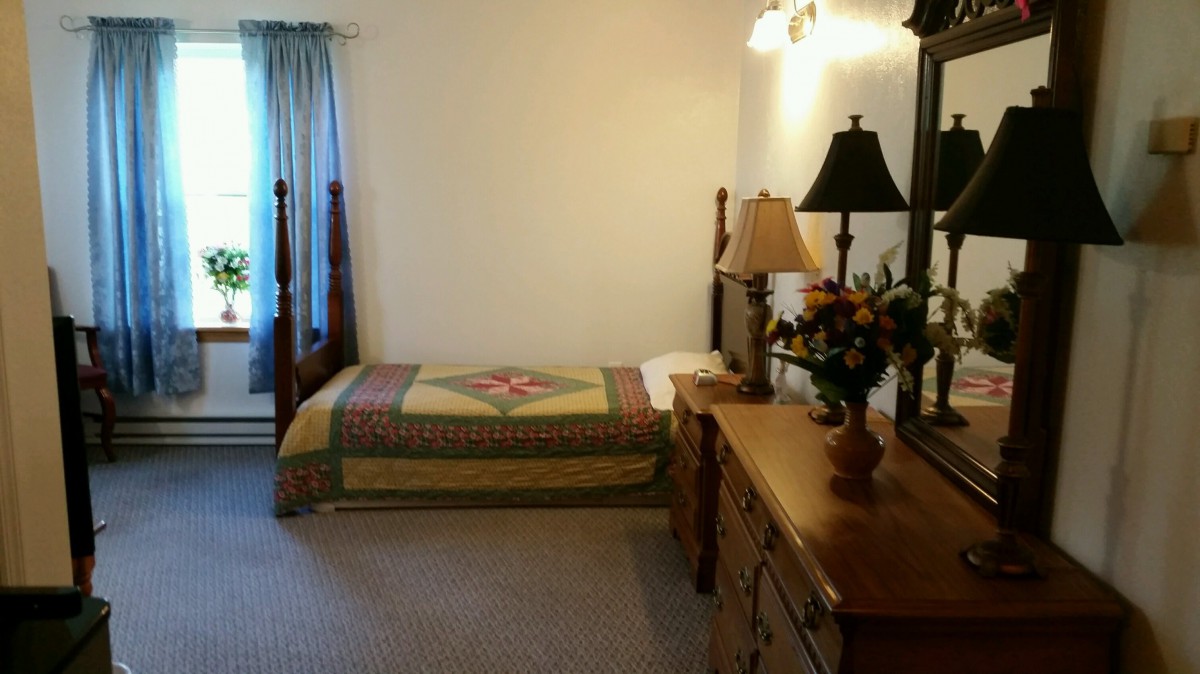
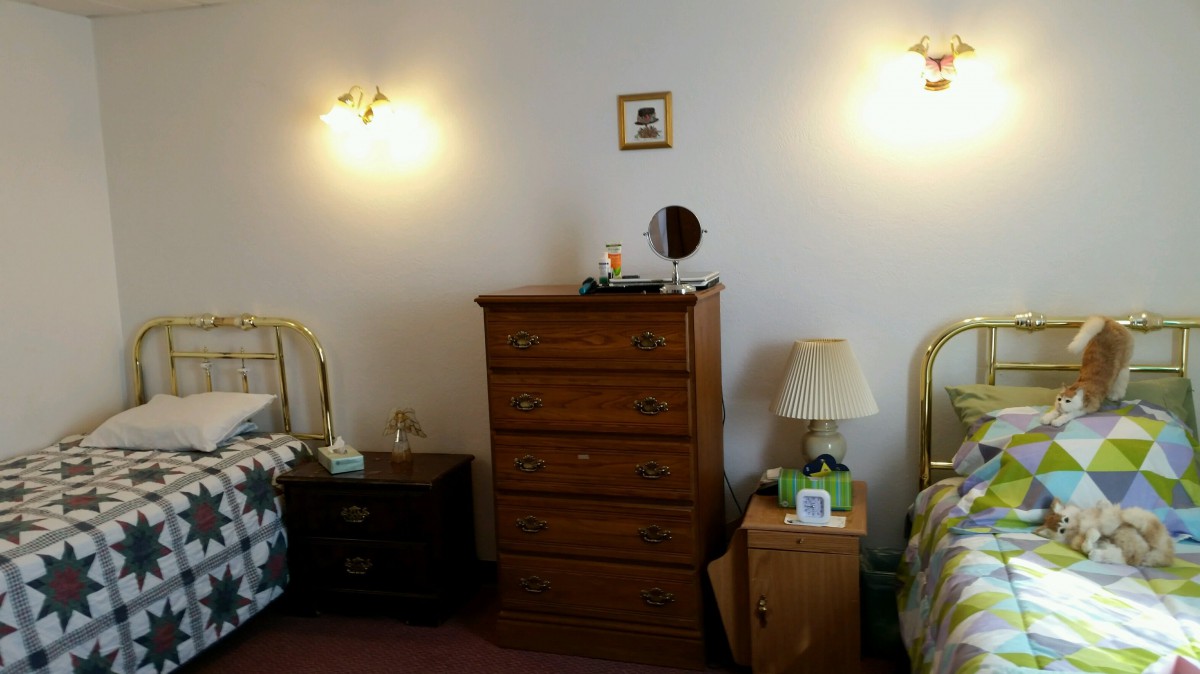
- The rooms were spacious and clean.
- The dining area felt welcoming and restaurant-like.
- The grounds were open and inviting, with walking trails.
- Residents can come and go as they please.
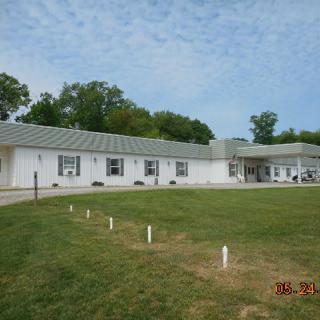
- The setting is absolutely beautiful, with fields, horses, and hills.
- The staff are friendly, accommodating, and responsive to questions.
- The facility is well maintained and has a clean, odor-free entry.
- The staff take care of meals, laundry, and medications for residents.
- They accommodate visitors promptly.
Cons
 The facility is described as stinky and neglectful of personal hygiene and medical care, with a staff member giving a resident a vape and other staff appearing unqualified and dressed like patients.
- Sores from disease led to a resident losing toes, and others ate in rooms with open sores while barefoot.
- The Department of Aging was attempting to close the place.
- Country Manor’s tour was poorly organized: the guide was not present, a unfriendly staffer showed rooms, it smelled, there were no restrooms for visitors, and at least one wall was not painted.
- Gram developed pneumonia and staff did nothing; concerns were dismissed and she stayed in bed for days.
- The facility misrepresented COVID status (claiming none) while COVID occurred; promises were not kept and staff communication and protocols were lacking.
- There were issues with shower facilities and limited activities post-COVID; there were very few staff on duty and care was inadequate.
Review
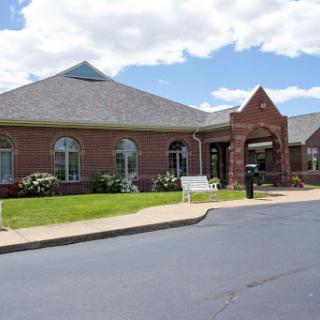
Country Manor in Kittanning, PA is best suited for families seeking a bucolic, country-setting residence where a sense of home-like privacy and outdoor appeal can be a meaningful backdrop to care. The property offers relatively spacious rooms, some with private half baths or even a small kitchen in select units, and a dining area that feels more restaurant-like than a typical fortress-style facility. For residents who value a pastoral view, open grounds, and the ability to come and go with a degree of independence, the environment can feel welcoming and comfortable. Yet this appeal rests on a fragile balance, because the most consequential aspects of care and safety are inconsistently delivered.
Those who should consider alternatives are families whose priority is consistent, high-quality medical oversight and crystal-clear communication. Multiple reviews recount neglected personal hygiene, delayed or inadequate medical attention, and situations in which health concerns were not promptly addressed. Accounts of pneumonia management, a lack of timely intervention, and staff that sometimes appeared unqualified or inattentive loom large. Administrative clarity is also a concern: several reviewers describe missing or delayed billing statements and uneven communication with families. For seniors with complex medical needs or whose families cannot closely monitor care, these gaps translate into meaningful risk.
The strongest pros, the country ambiance, clean rooms, and a dining setting that feels like a social hub, do offer real value. The grounds, walking trails, and a sense of freedom to move about without feeling confined can enhance quality of life when care is steady. Some rooms are well-appointed, and staff when present are described as friendly, accommodating, and responsive, with caregivers who provide meals, laundry, and medication management. These positives provide a degree of daily comfort and convenience that would be compelling if care consistency matched the appearance and atmosphere. However, the benefits do not reliably compensate for the core concerns around care quality and safety.
Care quality and staffing emerge as the decisive fault line. Stories range from favorable, staff communicating well, answering questions, and coordinating care, to devastating, reports of under-staffing, slow responses to medical needs, and practices that raise serious safety questions. Instances of pneumonia that were not promptly addressed, residents remaining in bed for extended periods, and situations where basic hygiene or monitoring seemed lacking dominate the negative narrative. The inconsistency in staffing levels and accountability undermines confidence in day-to-day safety, and even well-run shifts in some parts of the building cannot erase the sense that care quality is uneven.
Amenities and cost considerations add further complexity. While some residents enjoy private rooms with accessible bathrooms and a shared but functional dining layout, others encounter outdated furnishings, limited shower facilities, and old fixtures that feel out of step with modern expectations. Visitors note that some parts of the facility look and feel dated, with occasional clutter or boxes in rooms. Billing transparency is another sore spot, with mentions of missing monthly statements and questions about overall affordability relative to the level of care provided. Taken together, the financial and physical aspects dim the appeal for families seeking a turnkey, low-friction experience.
The practical recommendation is decisive: if the priority is a tranquil, country setting with comfortable living spaces and a welcoming social atmosphere, Country Manor deserves careful consideration, but only with assurances and safeguards in place. Prospective families should pursue a rigorous, hands-on evaluation that includes meeting the director and front-line nurses, reviewing daily care rosters, requesting a sample week of activity calendars, and obtaining a detailed, itemized billing plan. Demand a candid discussion about staffing levels, response times, and how medical concerns are escalated. If these assurances cannot be provided, or if the concern for consistent medical oversight, transparent reporting, and timely action remains unresolved, alternatives with stronger track records in care delivery and administrative clarity should be prioritized.
 40 resident community capacity
 Studio apartments
 Assisted Living
 Independent Living
 Memory Care
 Activities on-site
 Air-conditioning
 Beautician on-site
 Cable or satellite TV
 Devotional services off-site
 Dining room
 Financing advice
 Fully furnished
 Garden
 Ground floor units
 Guest parking
 Housekeeping services
 Indoor common areas
 Kitchenette
 Laundry
 Move-in coordination
 Outdoor common areas
 Overnight guests
 Party space
 Respite or short term stays offered
 Restaurant-style dining
 Small library
 Telephone
 Wheelchair accessible showers
 Wi-Fi/high-speed internet available
 24-hour call system
 Ambulatory care
 Assistance with bathing
 Assistance with dressing
 Assistance with transfers
 Diabetes diet
 Diabetic care
 Hospice care
 Incontinence care
 Medication management
 Mental wellness program
 Physical therapy
 Special dietary restrictions
 Arts and crafts
 BBQs or picnics
 Brain fitness
 Educational speakers / life long learning
 Games
Games Live dance or theater performances
 Live musical performances
 Stories
 Stretching classes
 Visiting chaplain or priest
 English

 An In-Depth Look at Reminiscence Therapy in Dementia Care
 Dementia-Related Hallucinations: Causes, Experiences, and Practical Approaches
 Illuminating Insights About Alzheimer's Disease: Ten Crucial Realities