






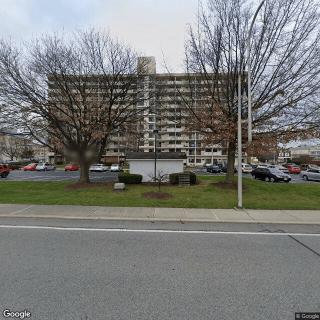
220 Newry St, Hollidaysburg, PA 16648
To contact a resident: (814) 693-4000
For more information about senior living options: (866) 208-4318
Presbyterian Village at Hollidaysburg Costs & Pricing
Presbyterian Village at Hollidaysburg offers a range of living options with monthly costs that reflect its premium services and amenities. A studio apartment is priced at $5,040 per month, significantly higher than the average cost in Blair County ($2,976) and Pennsylvania as a whole ($3,737). For those considering a one-bedroom option, the monthly fee rises to $5,790, which again surpasses both local and state averages - Blair County's typical cost being $3,525 and Pennsylvania's at $4,006. While these rates may seem elevated compared to comparable facilities, they often encompass added value in the form of comprehensive care, community engagement opportunities, and specialized programs tailored for residents' well-being.
| Floor plans | Presbyterian Village at Hollidaysburg | Blair County | Pennsylvania |
|---|---|---|---|
| Studio | $5,040 | $2,976 | $3,737 |
| 1 Bedroom | $5,790 | $3,525 | $4,006 |
Assisted Living communities with a similar price nearby
-
from +$570 / mo
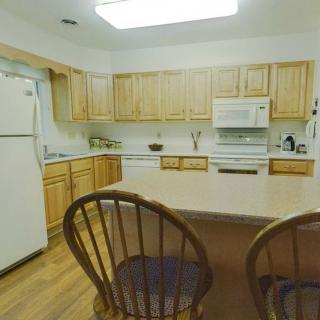
Westminster Woods at Huntingdon
$5,610 to $6,240 / month21.3 miles away
Overall Review of Presbyterian Village at Hollidaysburg
Pros
 The staff at Presbyterian Village at Hollidaysburg is superb, caring, and goes the extra mile.
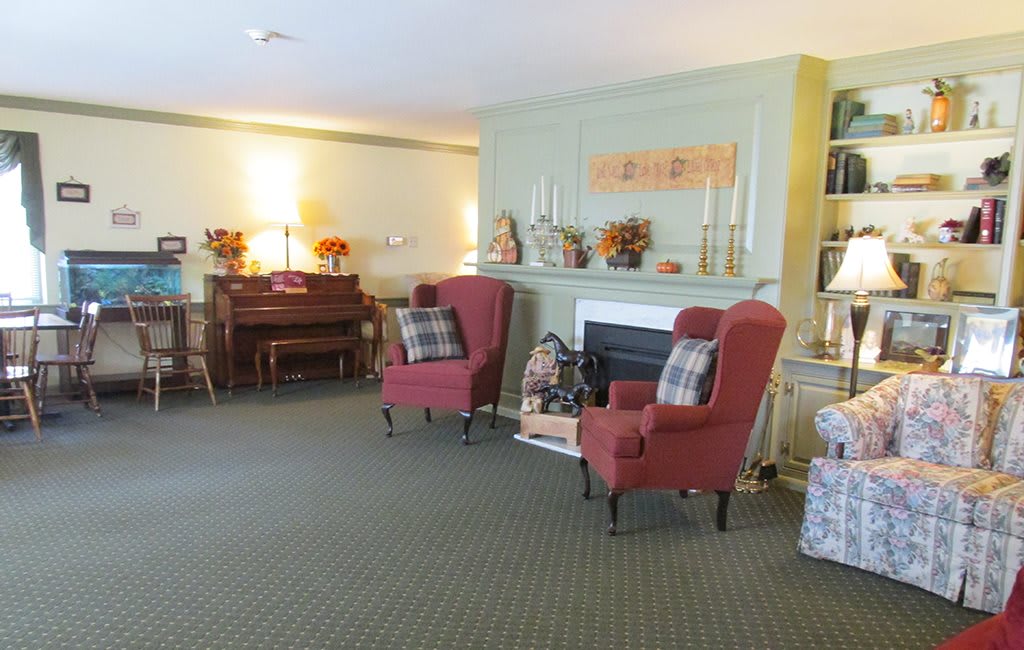
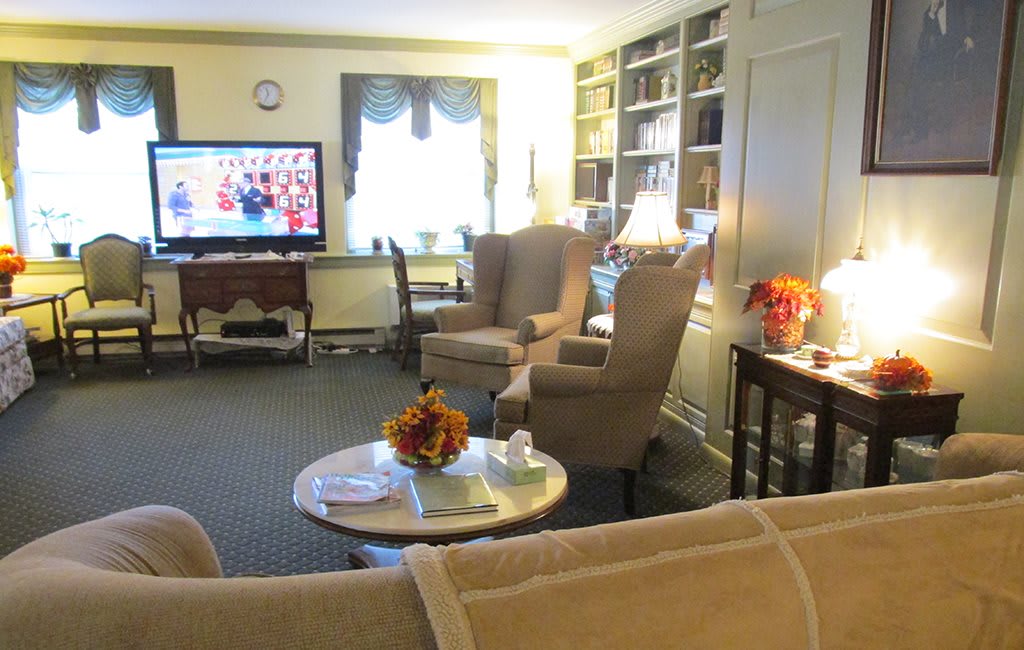
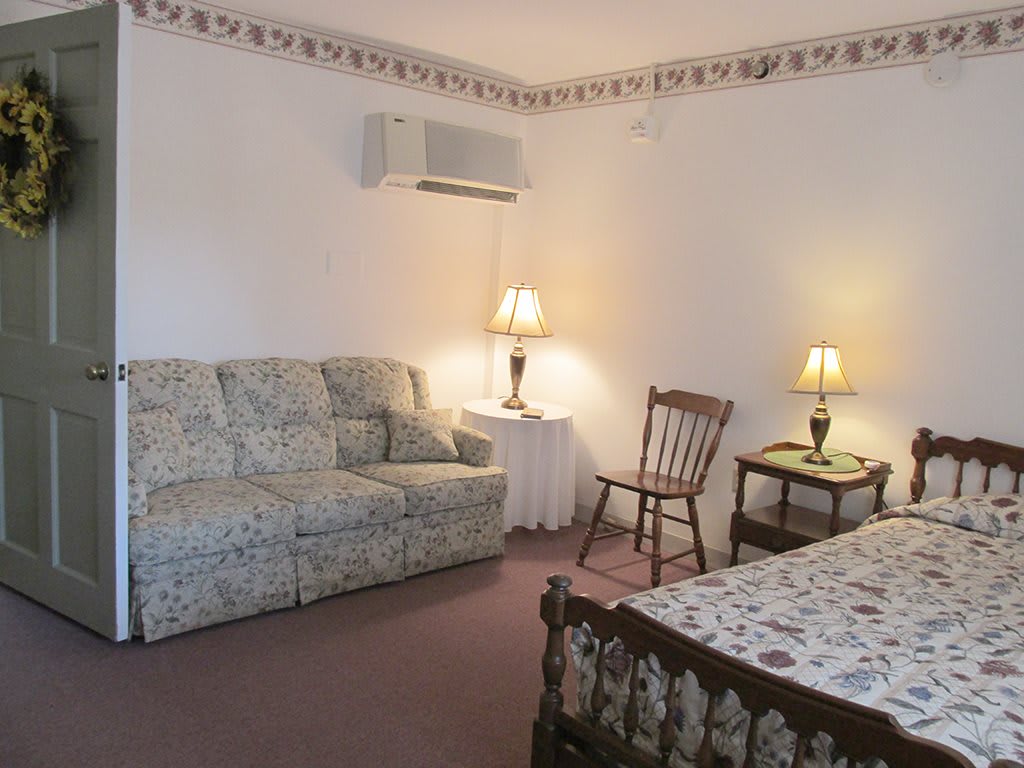
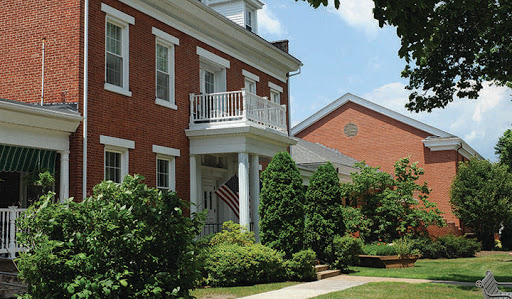
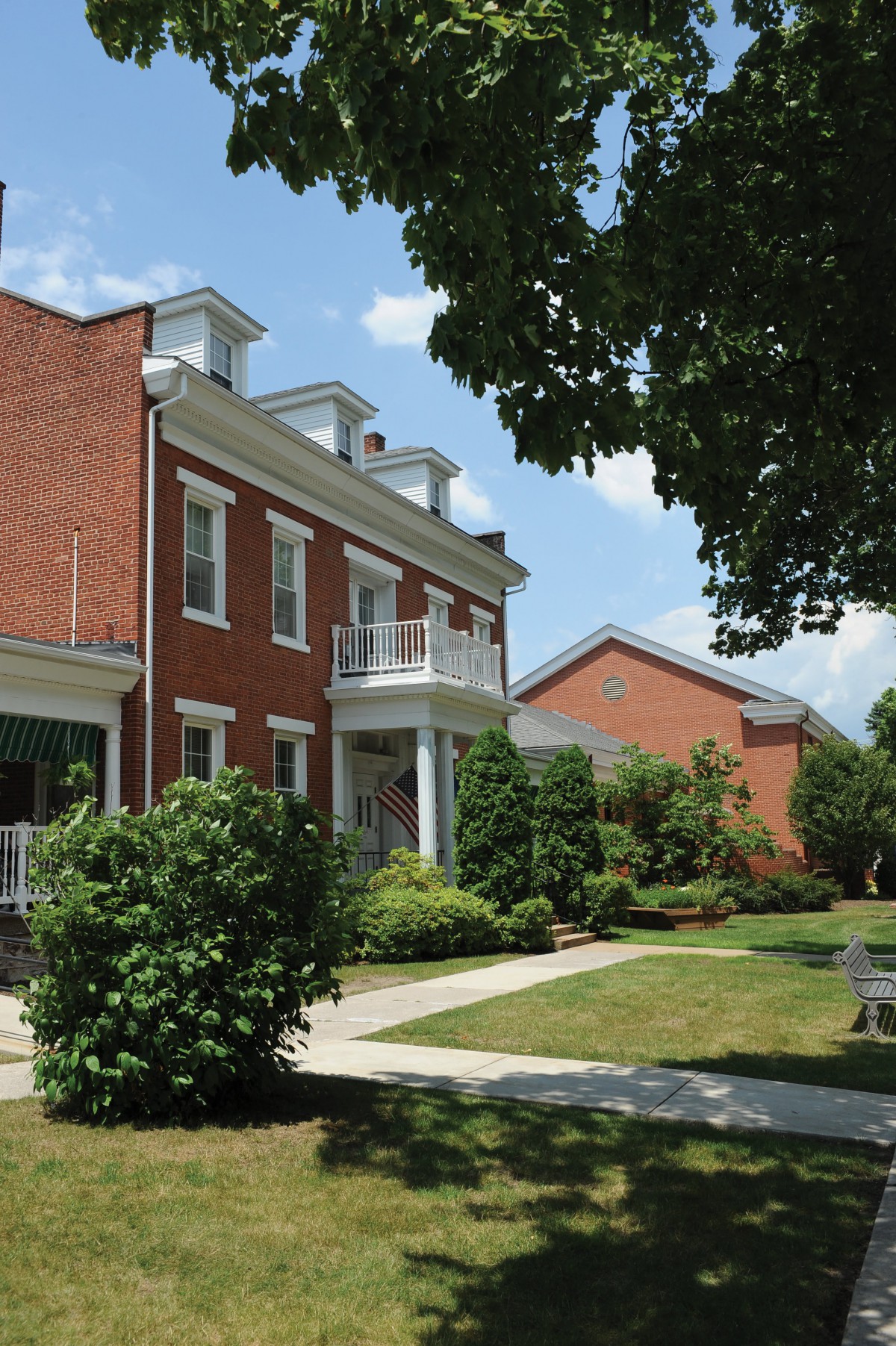
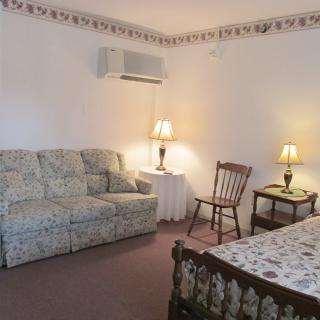
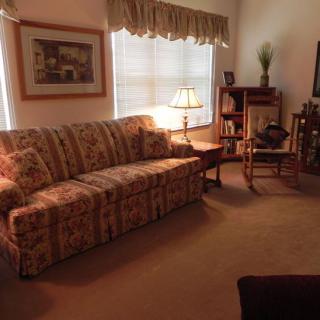
- The facility is neat, clean, and welcoming, with well-maintained rooms.
- The Personal Care Unit provides a private space and effective support for residents who need ongoing help.
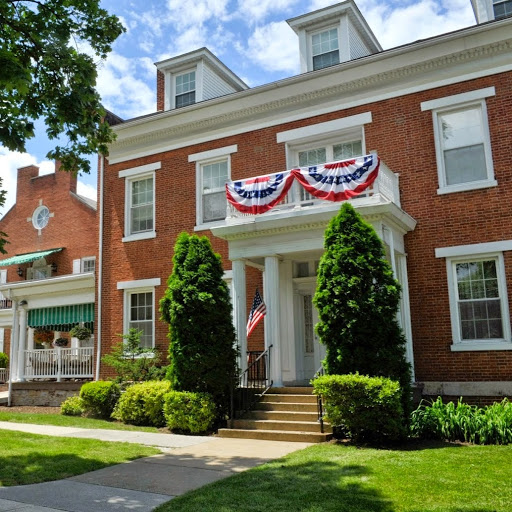
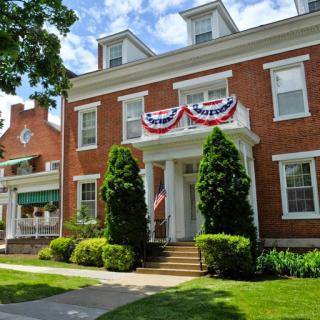
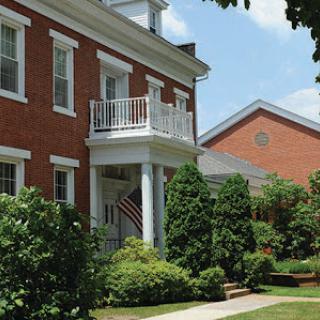
- The building is beautiful and well kept, with lovely volunteers organizing engaging activities.
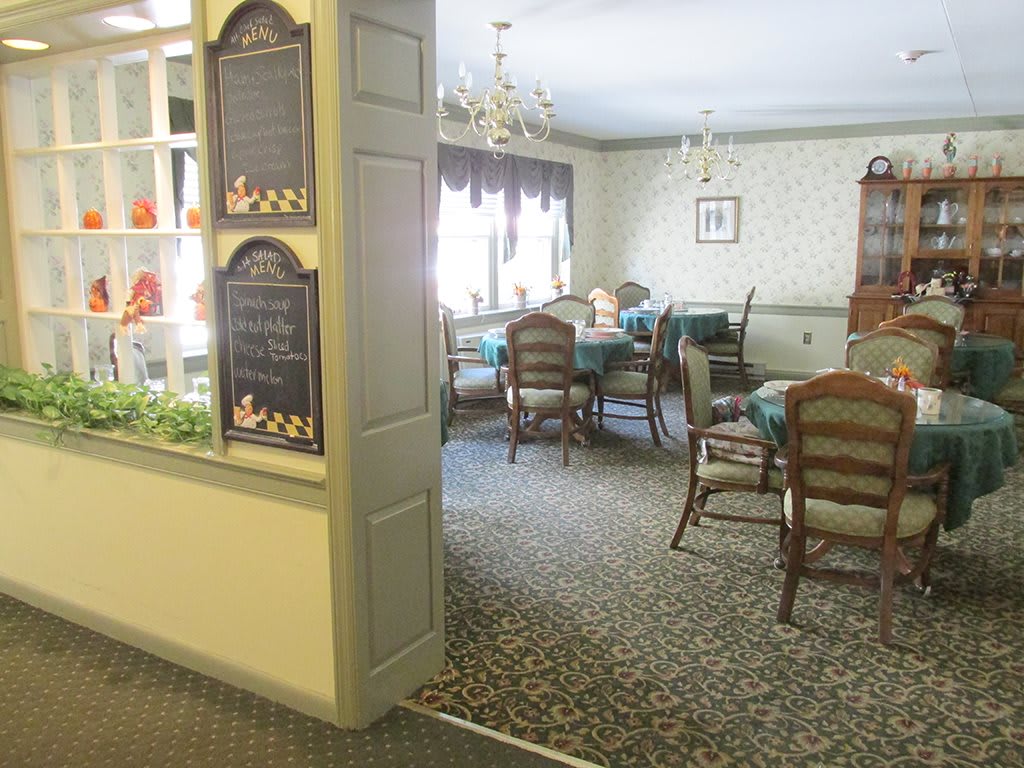
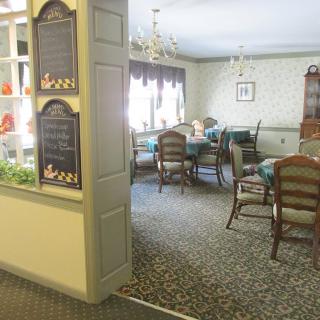
- The dining program offers a variety of good options and quality meals.
- The staff are friendly, compassionate, and highly skilled, making residents feel safe and respected.
Cons
 Higher ups are never here; corporate outreach yields no results.
- Problems brought to Administrators in personal care go unaddressed.
- The nurses and aides are wonderful, but overworked and underpaid, making proper care unlikely.
- An uncle was given expired medications.
- A nurse leaves medications in front of residents and never ensures they take them.
- Higher ups are aware but do nothing and don’t want bothered.
- They suggest putting your loved one elsewhere; the place is awful and overcharges.
- Corporate does not return calls; administrators are rarely present; the personal care administrator walked out.
- The elderly are overcharged and activities are canceled almost daily.
- Meals are rarely warm and vegetables undercooked.
Review
Presbyterian Village at Hollidaysburg is best suited for families seeking a warm, care-focused community that blends assisted living with on-site skilled nursing and rehabilitation. The campus works well for seniors who prize a home-like atmosphere, dependable direct-care staff, and a clear path through successive levels of care on one site. Proximity to a hospital and a built-in rehab ecosystem provide practical anchors for transitions from independence to higher support. For families prioritizing genuine interpersonal warmth, practical convenience, and affordability over decorative polish, this campus offers a credible, if imperfect, option.
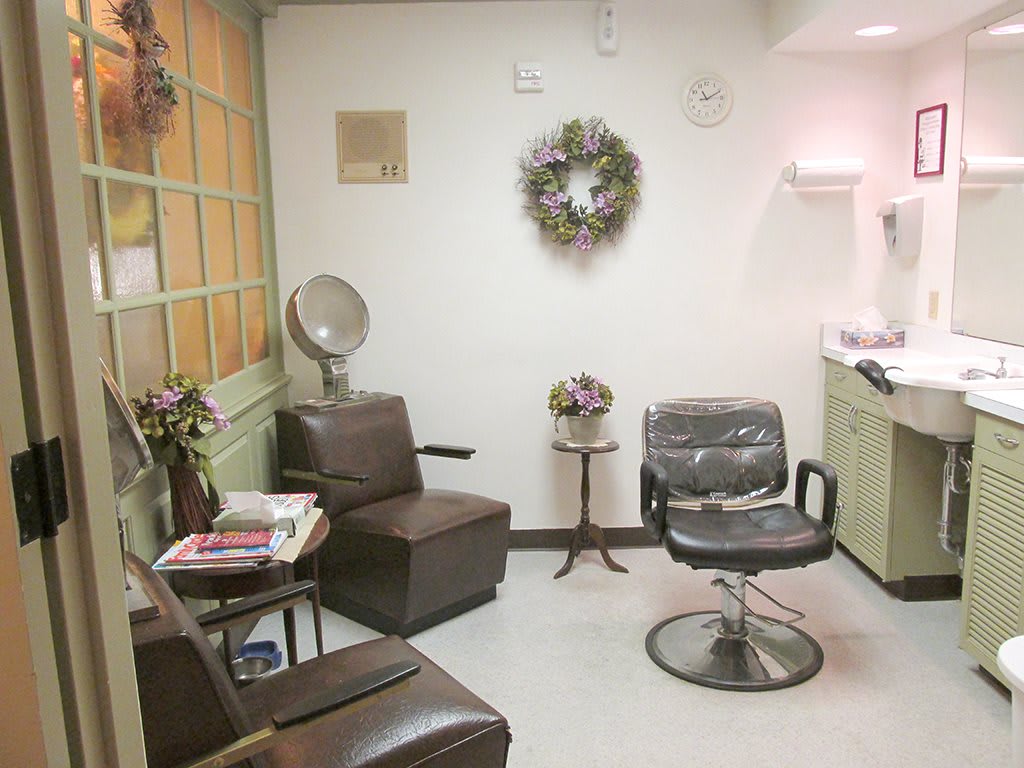
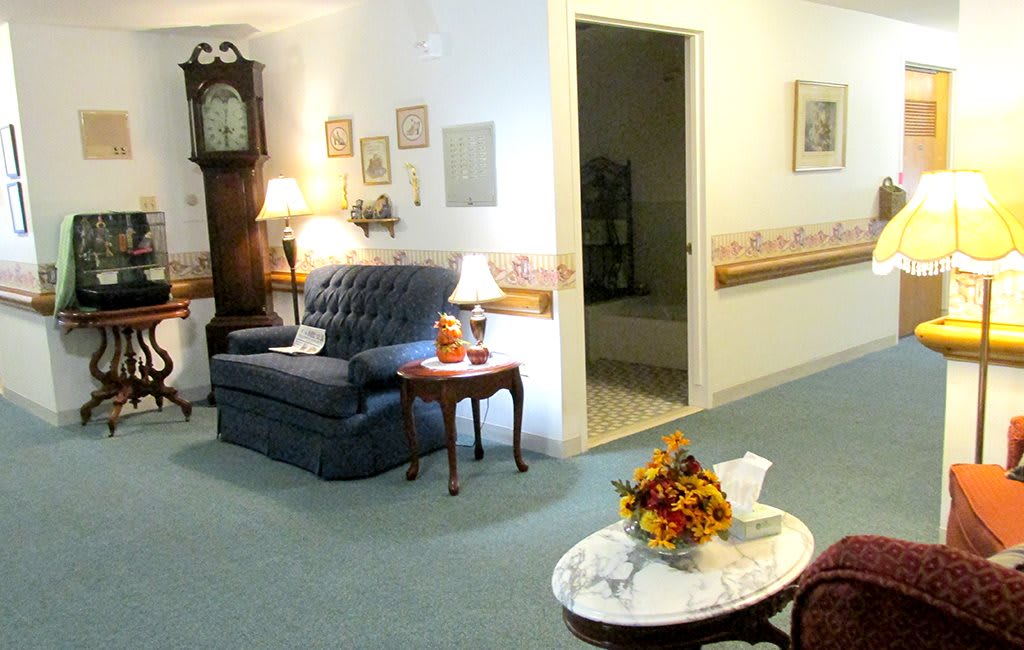
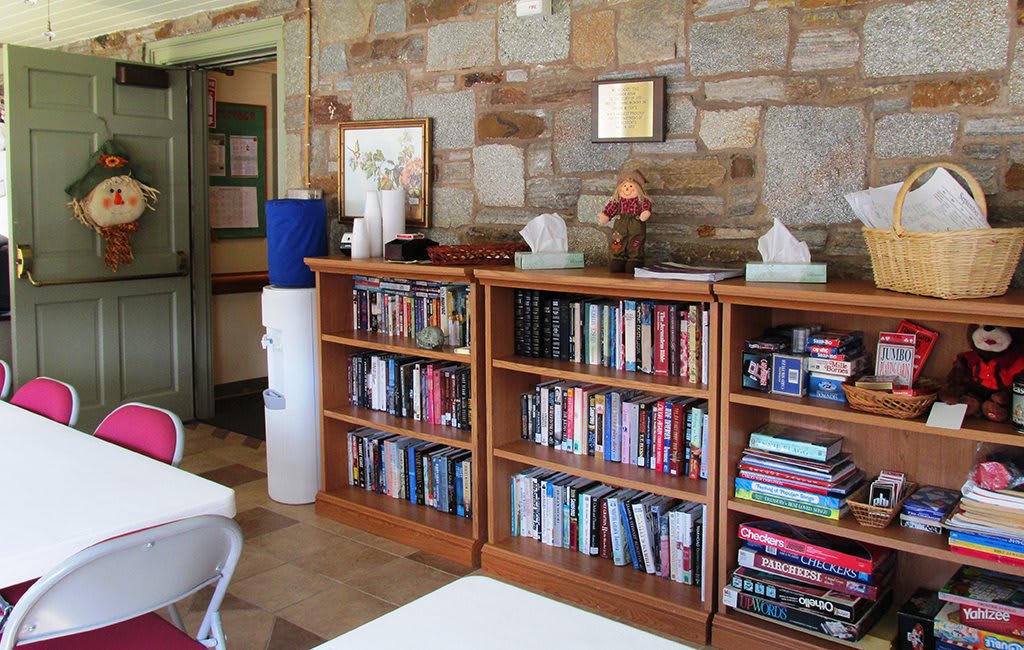
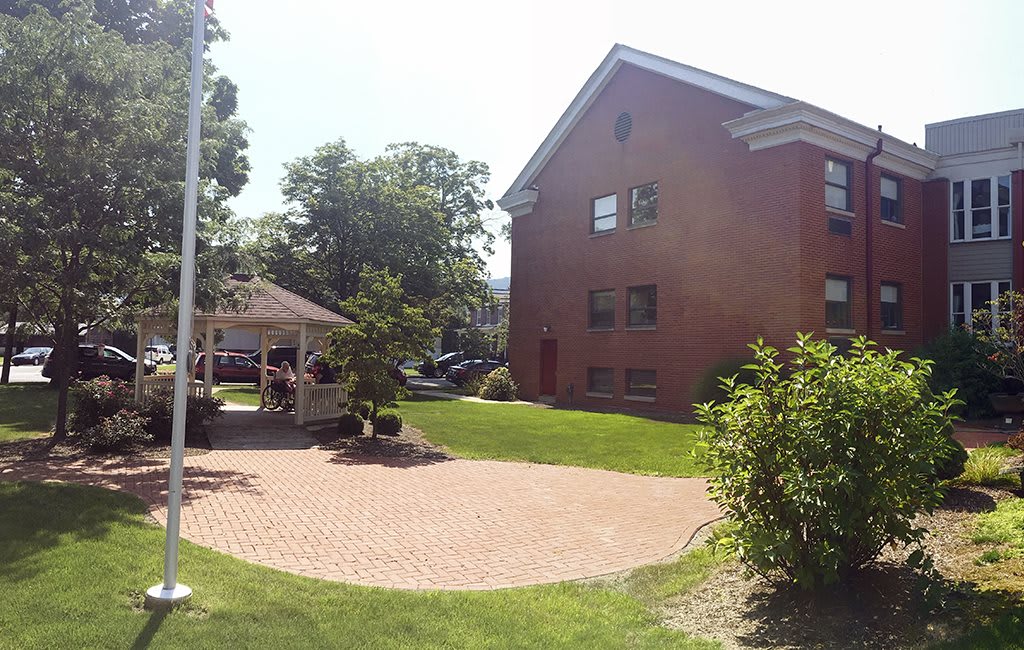
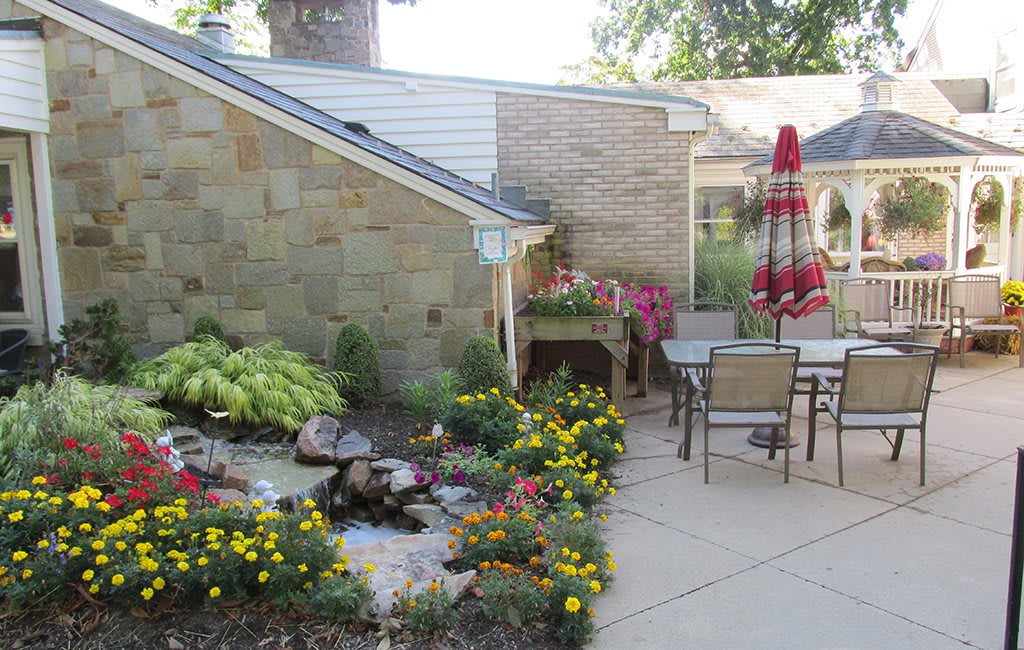
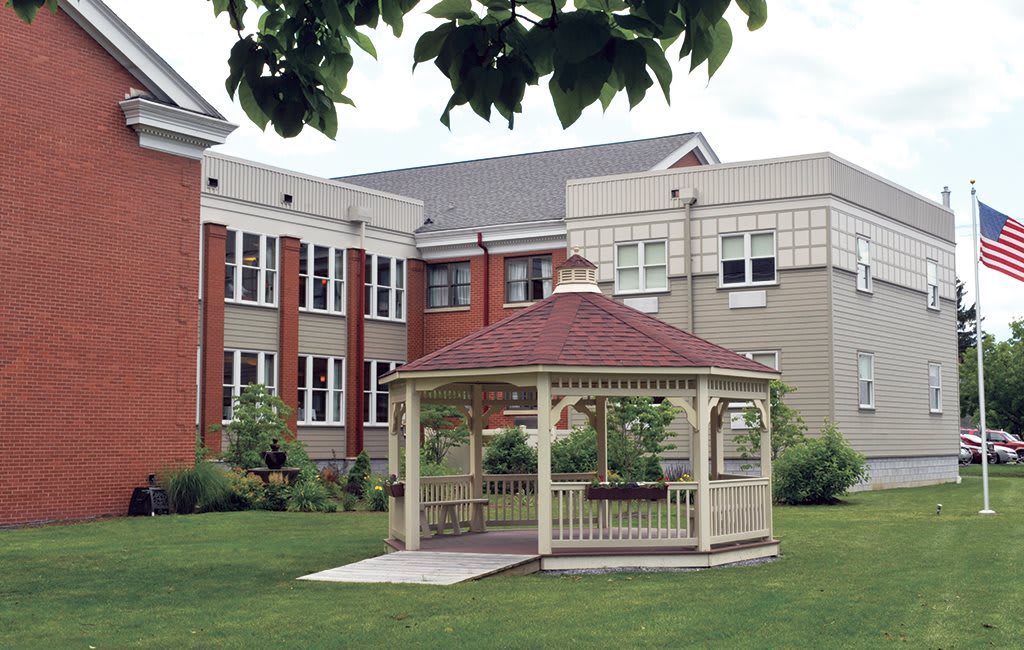
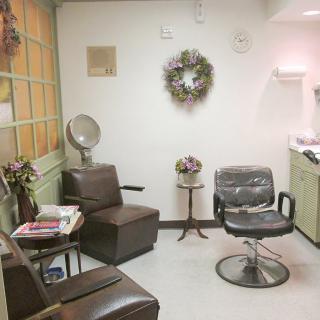
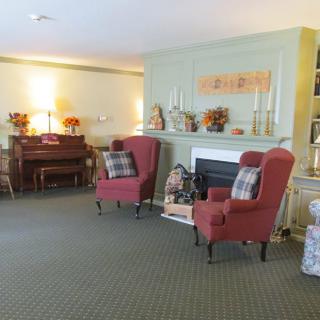
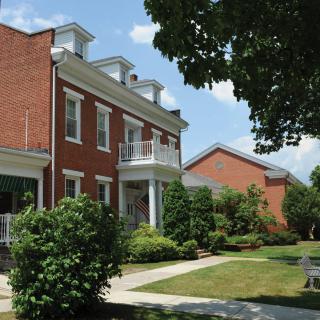
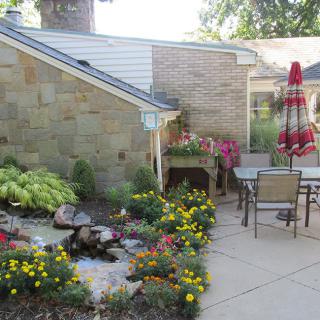
The strongest positives center on the people delivering day-to-day care. Reviewers repeatedly highlight the front-line staff, nurses and aides, as wonderful, caring, and dedicated, even when stretched thin by staffing shortages. The environment is described as neat, clean, and welcoming, with a courtyard, salon, and accessible activities that actually materialize on a schedule rather than disappear into a calendar grid. The Personal Care Unit and skilled nursing pathways are meaningful advantages, allowing a resident to stay on campus as needs shift. Therapy services are robust enough to support rehabilitation, with physical and occupational therapy available and a practical emphasis on getting residents moving again. Food and menus are not universally praised as elite, but the variety and accommodations offered keep many residents satisfied, contributing to an overall sense of home cooking rather than institutional fare.
Yet the downsides deserve sober consideration. Leadership presence and consistent communication emerge as chronic pain points: higher-level administrators and corporate contacts are said to be hard to reach, and problems sometimes go unaddressed despite being reported. Financial concerns recur, with perceptions of overcharging and a troubling pattern of activity cancellations that undermine the sense of time and engagement residents rely upon. Medication issues, expired meds in one case and questions about administration in general, underscore vulnerabilities when staffing is lean. The dining experience occasionally falls short, with meals not always served hot and vegetables sometimes undercooked. A subset of staff on the nursing floor is described as unfriendly or zombie-like, and at least one social worker is criticized for how transitions are handled with families. These tensions are real and affect day-to-day confidence in care.
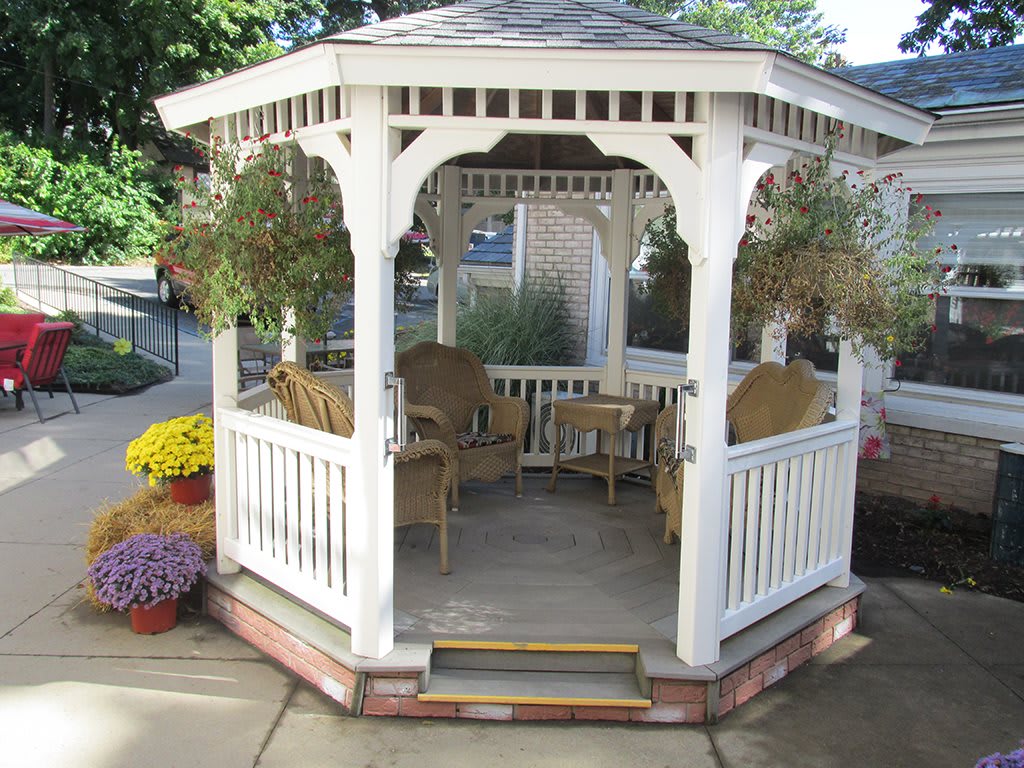
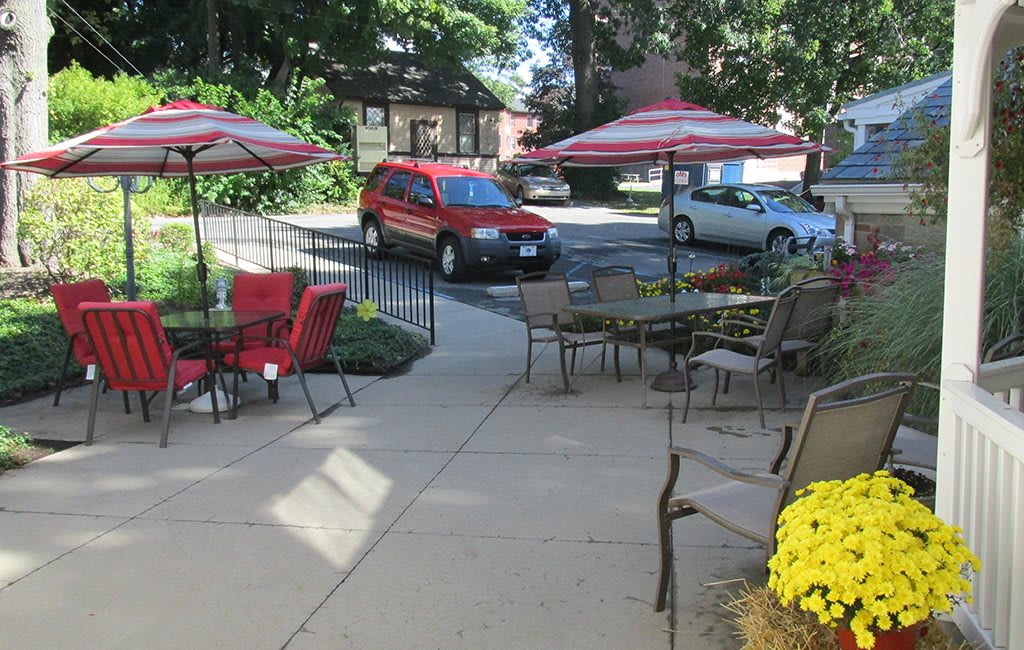
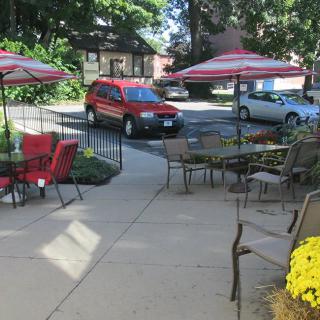
Despite these tensions, the on-campus advantages can meaningfully offset the drawbacks for the right resident. The care teams that receive praise for kindness and competence also provide a stabilizing presence that families can rely on during tough health changes. The on-site rehab ecosystem reduces the complexity of coordinating outside services and speeds recovery timelines, a critical factor for post-hospital needs. The campus’ multi-level model, where residents can move from assisted living into skilled nursing without leaving the same community, minimizes disruption and preserves continuity of relationships. Cleanliness, a weekly rhythm of activities, and accessible venues like a chapel, exercise room, and outdoor spaces contribute to a sense of belonging that can outweigh intermittently imperfect service.
For families weighing options, it is prudent to acknowledge where this community may not fit. Those requiring unwavering administrative visibility, transparent pricing, and consistently scheduled programming should consider alternatives. The described leadership gaps and billing concerns suggest seeking communities with visible on-site leadership, clear escalation protocols, and a track record of reliable follow-through. Prospective residents should request a direct meeting with the administrator of personal care, demand a transparent, line-item price breakdown, and review a full month of activity calendars to gauge reliability. Inquiries about medication safety protocols and incident reporting should also be non-negotiable.
In the end, Presbyterian Village at Hollidaysburg offers a practical, compassionate choice for families prioritizing hands-on care, rehab potential, and an integrated senior living journey at an approachable price. The campus shines where staff interaction, personalized attention, and a homey atmosphere matter most. If these strengths align with the loved one’s needs and the family can tolerate, and actively monitor, periodic leadership gaps and pricing questions, it remains a credible and often rewarding option. If administrative consistency and ironclad pricing transparency are non-negotiables, the search should continue with sharper questions and closer campus visits to avoid future disappointments.
 Assisted Living
 Cats allowed
 Dogs allowed
 Activities on-site
 Devotional services off-site
 Indoor common areas
 Ambulatory care
 Diabetic care
 High acuity care
 Meals provided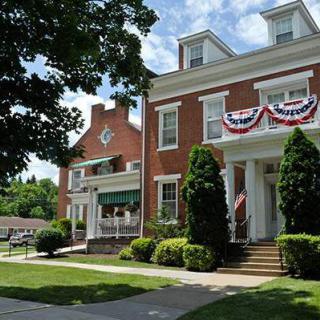




 Medicare Coverage for Assisted Living: An In-Depth Exploration
 Choosing the Right Senior Care: A Detailed Exploration of Assisted Living and Nursing Homes
 Understanding the True Cost of Assisted Living in 2025: A Comprehensive Guide