
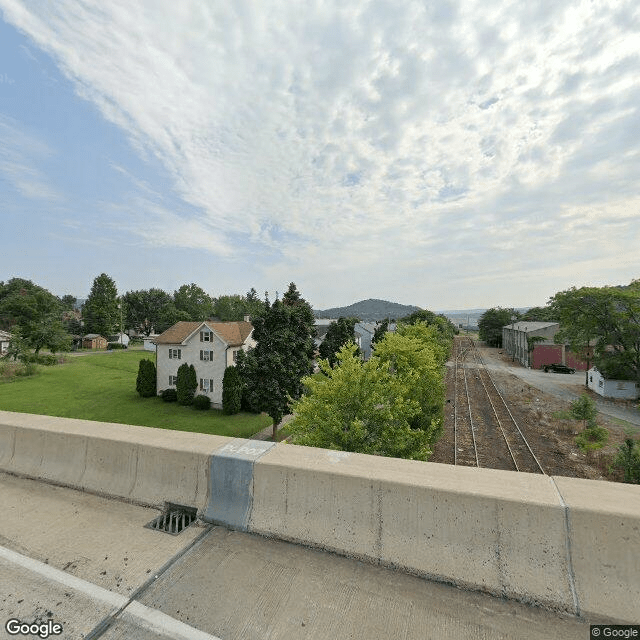
RR 1 Box 605, Hollidaysburg, PA 16648
To contact a resident: (814) 695-0536
For more information about senior living options: (866) 208-4318
Autumn Estate Costs & Pricing
Autumn Estate offers competitive pricing that stands out in both Blair County and the broader Pennsylvania market. For a studio apartment, residents at Autumn Estate pay $1,100 per month, significantly lower than the county average of $2,976 and even more so compared to the state average of $3,737. Similarly, for those seeking a one-bedroom unit, the monthly cost at Autumn Estate is $1,800, which is notably less than the $3,525 charged in Blair County and the $4,006 average across Pennsylvania. This pricing strategy not only makes Autumn Estate an appealing choice for potential residents but also reflects a commitment to providing affordable housing options without compromising on quality or amenities.
| Floor plans | Autumn Estate | Blair County | Pennsylvania |
|---|---|---|---|
| Studio | $1,100 | $2,976 | $3,737 |
| 1 Bedroom | $1,800 | $3,525 | $4,006 |
Assisted Living communities with a similar price nearby
-
About the same
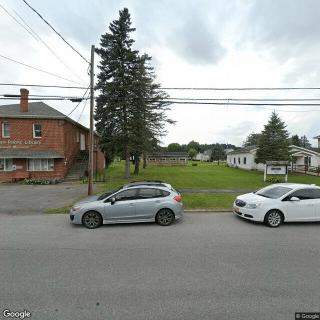
Cornerstone Personal Care Home
$1,110 / month9.4 miles away
Overall Review of Autumn Estate
Pros
 The house is clean and orderly.
- Residents are happy and well cared for.
- The staff are super friendly.
- There is a desire for more places like Autumn Estates in this world.
Review
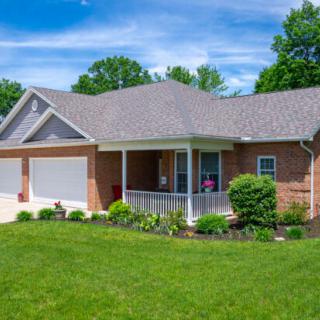
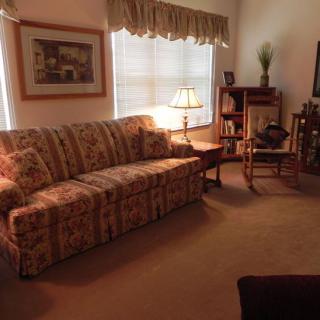
Autumn Estate in Hollidaysburg, Pennsylvania is best suited for seniors who prize a clean, friendly, home-like environment where residents appear well cared for and staff interactions feel personal. The two reviews describe a house that is clean and orderly, with residents who seem happy and a staff team described as super friendly. This combination suggests a setting that supports everyday comfort, predictable routines, and a strong sense of community rather than a flashy, high-traffic campus. Families seeking a quiet, manageable size, where staff can know residents by name and respond quickly, will likely find Autumn Estate a good fit.
However, Autumn Estate may not be the first choice for families needing robust medical supervision, a full slate of specialized programming, or expansive on-site amenities. The reviews do not detail memory-care options, extensive rehabilitation services, transportation offerings, or a wide calendar of activities. For seniors who require higher levels of medical oversight, frequent physical therapy, complex care coordination, or a more sociable, activity-rich calendar, alternatives with larger staffs and broader service lines should be explored. The limited public glimpse means due diligence is essential before any commitment, especially if care needs are evolving or stringent expectations exist around dining, outings, and cognitive support.
On the practical side, the strongest positives are the cleanliness and order of the home, the apparent happiness of residents, and the warmth of the team. Cleanliness signals reliable housekeeping and a calm living environment, while resident satisfaction and cheerful staff interactions hint at decent turnover, clear communication, and a culture of attentiveness. These factors matter in daily life: predictable routines, quick responses to requests, and a sense that everyday concerns are handled with care. When the experience on the ground is calm and residents appear content, that often translates into fewer days of disruption and more opportunities for meaningful connection with neighbors and caregivers.
That said, the scarcity of information in the sample, two five-star reviews, limits confidence about long-term fit. Prospective residents should seek specifics on staff-to-resident ratios, availability of nurses or aides on evenings and weekends, and what levels of care are actually covered under standard rates. Details about meal quality, dietary accommodations, and the calendar of activities, transportation arrangements, and respite options remain unclear. Without those specifics, the decision hinges on intangible impressions rather than verifiable service details. The risk is that a strong initial impression could mask gaps that only become apparent after a move.
Nevertheless, the confirmed pros, cleanliness, resident happiness, and friendly staff, do carry meaningful weight because they point to reliable daily operations and a supportive culture. A smaller, home-like environment can reduce stress, shorten response times, and foster genuine relationships, all of which can materially improve quality of life for seniors who prioritize dignity and personal attention. When these strengths align with the care requirements, they can offset the absence of a grand campus or a sprawling schedule of activities. The decisive factor becomes whether those warm, well-cared-for days match the resident’s needs for medical oversight, mobility support, and cognitive care.
Bottom line: Autumn Estate is a compelling option for families seeking a clean, intimate setting with responsive staff and a resident-centered feel. If that aligns with the care goals, schedule a visit armed with questions about staffing, levels of care, dining specifics, programming, and cost structure. If the need is for more comprehensive medical oversight, a broader activity program, memory-care specialization, or robust transportation, consider alternatives with larger footprints and clearer service matrices. In short, Autumn Estate deserves serious consideration for those who prize warmth, order, and personal attention, while others should compare additional options to ensure a comprehensive match to evolving needs.
 Assisted Living
 Activities on-site
 Devotional services off-site
 Indoor common areas
 Ambulatory care
 Diabetic care
 Meals provided


 How and When Medicaid May Cover Assisted Living Costs
 A Detailed Exploration of Assisted Living Medicaid Waivers Across the United States
 Comprehensive Residential Support and Assisted Living Solutions for Individuals with Disabilities