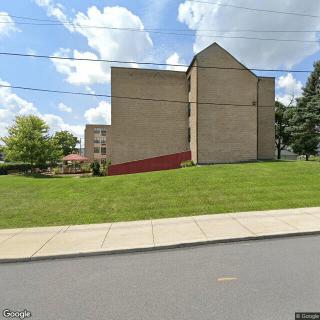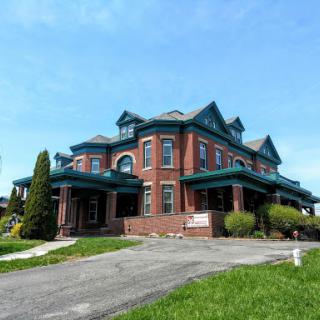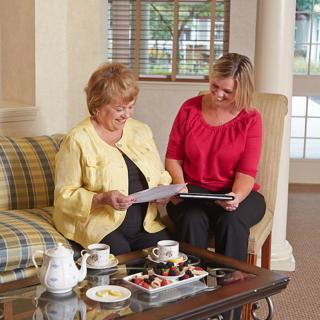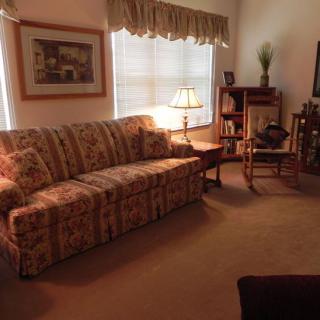
Lutheran Home At Hollidaysburg

Save
Lutheran Home At Hollidaysburg

Lutheran Home At Hollidaysburg

916 Hickory Street, Hollidaysburg, PA 16648

For more information about senior living options: (844) 490-3973

3.3 from 6 reviews
5 stars
2
4 stars
2
3 stars
0
2 stars
0
1 stars
2

Continuing Care Retirement Community (CCRC) Skilled Nursing Facility

Overall Review of Lutheran Home At Hollidaysburg

Pros

  • pro Residents enjoyed holiday gatherings and visits from children in the community.
  • pro The staff at Lutheran Home were very nice.
  • pro The dining facility was clean and very well decorated.
  • pro There were activities such as card games, exercise classes, church services, and birthday parties.
  • pro Each apartment had a call button, allowing residents to get help when needed.
  • pro The facility feels like a hotel, with a main meeting room for activities and opportunities for residents to be together.
  • pro Some rooms have been upgraded, and other apartments are undergoing upgrades.
  • pro The facility is wonderful for elderly family members.

Cons

  • pro The beds were uncomfortable due to a thin rubber mattress, not suitable for elderly residents.
  • pro The facility was understaffed, especially at night, with only one nurse and one aide on each floor for 44 residents.
  • pro A resident was left waiting for help early in the morning, fell, and died as a result.
  • pro The staff failed to identify the resident's UTI and pneumonia.
  • pro The doctor visited only monthly to sign papers and did not examine patients, yet Medicare was charged for the examination.
  • pro The facility hires only the minimum staff required by Medicare, which is insufficient when the home is full.
  • pro For-profit nursing home regulations should be changed to require enough staff to prevent injuries or deaths of elderly residents.

Review

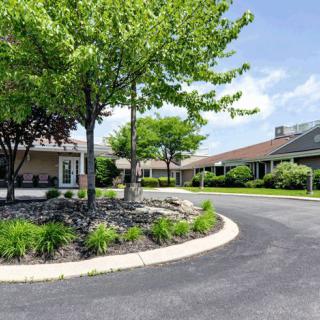
Lutheran Home At Hollidaysburg is best suited for seniors who want a socially rich, community-oriented setting with a hotel-like ambiance and ready-made activities, where daily life centers on engagement, dining atmosphere, and visible staff presence rather than intensive medical oversight. It works well for residents who can manage routine needs with mild assistance and for families seeking a warm, welcoming environment with regular gatherings, church services, and opportunities to participate in group programs. This is not the right match for someone who requires constant skilled nursing, rapid medical response, or heightened supervision to prevent falls and medical complications.

Alternatives should be considered for residents with complex medical needs or high fall risk, or those who insist on dependable overnight coverage. The clearest red flag here is staffing depth: night shifts typically run with one nurse and one aide for 44 residents per floor, which can lead to delays in assistance and safety concerns. For families with loved ones who rely on timely help for transfers, bathroom assistance, or urgent needs, a setting with higher staff-to-resident ratios and more direct physician involvement will likely yield stronger safety and peace of mind. Those requiring frequent medical monitoring, wound care, or rapid symptom management may find better alignment elsewhere.

On the upside, the facility delivers several meaningful benefits. Rooms are spacious enough for two, and some units have been upgraded, signaling ongoing investment in the living spaces. The dining environment is clean and attractively decorated, contributing to a pleasant daily routine. A robust slate of activities - including card games, exercise classes, church services, and birthday celebrations - helps residents stay engaged and socially connected. The call system is present in every apartment, offering a straightforward way to summon help. Overall, the atmosphere resembles a well-appointed hotel with ample communal space for socialization and structured programming.

Yet the hard realities must be weighed against these positives. The most serious concerns center on staffing and medical oversight. Limited overnight staffing translates into longer waits for assistance, increasing safety risk for frail or mobility-impaired residents. A fatal fall in an environment with understaffing underscores the practical consequences of delayed response. Reports that a physician visits only monthly, rather than on-site for regular examinations, raise questions about timely diagnosis and treatment of conditions like UTIs and pneumonia. The impression that staffing operates at Medicare minimums - common in for-profit settings - adds another layer of risk that families must evaluate against any perceived comfort or activity benefits.

Do the positives offset the negatives? They offset to some degree for families prioritizing social vitality and comfortable living spaces over strict medical oversight. The lively calendar of activities, sense of community, and attractive dining environment can significantly improve quality of life when health needs are modest and stable. However, the offset is incomplete when safety and prompt clinical response are at stake. For families weighing options, the decision hinges on personal risk tolerance: a strong social and residential experience can be compelling, but only if staffing levels, response times, and medical oversight meet acceptable standards. Without improvements in those areas, the trade-off remains heavy.

Bottom line and next steps: Lutheran Home At Hollidaysburg is a solid option for families prioritizing community, engagement, and comfortable surroundings in a nursing-home context, provided the resident's needs are relatively low-acuity and fall risk is actively managed. Those requiring constant skilled nursing, rapid medical intervention, or comprehensive, on-site physician management should consider alternatives with stronger staffing ratios and more proactive medical oversight. If choosing this community, insist on transparent staffing schedules, a detailed care plan with routine physician rounds, and clear guarantees around response times. Visit at multiple hours, speak candidly with staff and residents, and review incident logs and care documentation before committing.

Features

Housing

  • 89 resident community capacity 89 resident community capacity

Types of Care

  • Continuing Care Retirement Community (CCRC) Continuing Care Retirement Community (CCRC)Continuing Care Retirement Communities (CCRCs) are important for seniors because they provide a range of housing options and care services all in one location. This allows seniors to age in place and receive the level of care they need as their health changes, without having to move to a new facility. CCRCs provide a sense of security and peace of mind for seniors and their families, knowing that they will be taken care of no matter what the future holds.
  • Skilled Nursing Facility Skilled Nursing FacilitySkilled Nursing Facilities are crucial for seniors as they provide round-the-clock medical care, rehabilitation services, and assistance with daily activities. These facilities ensure that seniors receive the specialized care they need to maintain their health and well-being as they age.

Amenities

  • Air-conditioning Air-conditioningAir conditioning is important for seniors as they are more vulnerable to heat-related illnesses and may have underlying health conditions that make it difficult for them to regulate their body temperature. It helps to keep them comfortable, safe, and healthy in hot weather.
  • Beauty salon Beauty salonBeauty salons are important for seniors because they provide a space for them to feel pampered, socialize, and maintain their personal grooming and hygiene. Regular visits to a beauty salon can help boost seniors' self-esteem and overall well-being.
  • Cable or satellite TV Cable or satellite TVCable or satellite TV is important for seniors because it provides entertainment, news, and companionship, helping to combat loneliness and boredom. It also offers a wide range of programming options tailored to different interests and preferences.
  • Computer center Computer centerA computer center is essential for seniors as it provides access to technology, communication tools, and resources that can enhance their daily lives. It allows them to stay connected with loved ones, engage in online activities, and learn new skills, ultimately promoting socialization and mental stimulation.
  • Dining room Dining roomDining rooms are important for seniors as they provide a space for socialization, connection, and nutritious meals. They offer opportunities for residents to bond over shared meals, foster a sense of community, and promote healthy eating habits. Dining rooms also ensure that seniors have access to well-balanced meals tailored to their dietary needs and preferences.
  • Fitness room Fitness roomHaving a fitness room in a senior living community is essential for seniors to stay active, maintain their physical health, and improve their overall well-being. Regular exercise can help prevent falls, reduce the risk of chronic diseases, and promote mental sharpness. It also provides social opportunities for residents to connect with others and enjoy a sense of community.
  • Fully furnished Fully furnishedFully furnished senior living communities are important for seniors because they provide convenience, comfort, and a hassle-free moving experience. Seniors can easily settle into their new living space without the stress of having to buy and move furniture. This allows them to focus on enjoying their new home and community.
  • Gaming room Gaming roomGaming rooms are important for seniors as they provide a fun and engaging environment for socializing, cognitive stimulation, and physical activity. Games can improve memory, problem-solving skills, and overall mental well-being while fostering friendships and reducing feelings of isolation.
  • Garden GardenGardens are important for seniors as they provide a peaceful and therapeutic environment for relaxation, physical activity, and socialization. Being in nature has been shown to reduce stress, improve mood, and promote overall well-being. Gardens also offer opportunities for seniors to engage in gardening activities, which can improve mobility, flexibility, and cognitive function. Additionally, gardens create a sense of community and connection with others who share a passion for plants and outdoor spaces.
  • Housekeeping services Housekeeping servicesHousekeeping services are important for seniors because they help maintain a clean and safe living environment, promote independence, and reduce the risk of accidents or illnesses. Additionally, having assistance with household chores can alleviate physical strain and allow seniors to focus on other aspects of their well-being.
  • Kitchenette KitchenetteKitchenettes are important for seniors living in senior living communities because they provide the convenience and independence of being able to prepare simple meals and snacks in the comfort of their own living space. This can help promote a sense of autonomy and well-being for seniors, allowing them to maintain some level of control over their dietary choices and daily routines.
  • Move-in coordination Move-in coordinationMove-in coordination is important for seniors because it helps ease the transition into their new living environment. It ensures that all logistics, such as packing, organizing movers, and setting up utilities are taken care of, allowing seniors to focus on settling in and adjusting to their new home. Having a smooth move-in process can alleviate stress and anxiety, making the transition smoother and more enjoyable for seniors.
  • Outdoor space Outdoor spaceOutdoor spaces are important for seniors as they provide opportunities for physical activity, social interaction, exposure to natural light and fresh air, and a sense of connection to nature. Having access to outdoor spaces can improve overall well-being and quality of life for older adults living in senior communities.
  • Private bathrooms Private bathroomsPrivate bathrooms are important for seniors in senior living communities because they provide independence, dignity, and comfort. Having a private bathroom allows seniors to maintain their personal hygiene routines without the need for assistance, promoting a sense of autonomy and privacy. Additionally, private bathrooms help prevent the spread of infections and provide a safe and clean environment for seniors to navigate safely.
  • Restaurant-style dining Restaurant-style diningRestaurant-style dining is important for seniors because it allows them to enjoy delicious, nutritious meals in a social and upscale setting. This enhances their dining experience, promotes healthy eating habits, and fosters socialization with fellow residents, ultimately contributing to their overall well-being and quality of life.
  • Small library Small librarySmall libraries are important for seniors as they provide access to a variety of reading materials, including books, newspapers, and magazines. This can help stimulate their minds, keep them engaged, and provide a sense of community through book clubs and other social activities. Additionally, reading has been shown to improve cognitive function and overall mental well-being in older adults.
  • Telephone TelephoneTelephones are important for seniors as they provide a lifeline for communication with loved ones, emergency services, and healthcare providers. They offer a sense of security and independence, enabling seniors to stay connected and access assistance when needed.
  • Wellness center Wellness centerWellness centers are important for seniors because they offer a variety of programs and services that promote physical, mental, and emotional well-being. These centers provide opportunities for exercise, socialization, education, and relaxation, helping seniors maintain their overall health and quality of life.
  • Wi-Fi/high-speed internet available Wi-Fi/high-speed internet availableWi-Fi/high-speed internet is important for seniors to stay connected with loved ones, access online resources, and participate in virtual activities to combat feelings of loneliness and isolation. It also allows them to easily manage healthcare needs, access entertainment, and engage in lifelong learning opportunities.

Transportation

  • Community operated transportation Community operated transportationCommunity operated transportation is crucial for seniors as it provides them with the means to access essential services, social activities, and medical appointments. It allows seniors to maintain their independence and quality of life by ensuring they can participate in activities outside of their homes. Additionally, community-operated transportation services offer a safe and reliable way for seniors to travel without having to rely on family or friends for assistance.
  • Transportation arrangement Transportation arrangementTransportation arrangements are crucial for seniors as they may face challenges with driving, mobility, or access to public transportation. Having reliable transportation services ensures that seniors can easily attend appointments, social activities, and maintain their independence and quality of life.
  • Transportation arrangement (non-medical) Transportation arrangement (non-medical)Transportation arrangements are essential for seniors as they provide access to essential services, activities, and social interactions outside the home. This service helps maintain independence, mobility, and overall well-being for seniors who may have limited transportation options.
  • Transportation to doctors appointments Transportation to doctors appointmentsTransportation to doctors appointments is crucial for seniors as it ensures they have access to necessary medical care and support, promoting their health and well-being. It allows them to receive timely treatment, monitor existing conditions, and address any new health concerns efficiently. Additionally, transportation services can help seniors maintain their independence and quality of life by enabling them to stay connected with their healthcare providers.

Care Services

  • 12-16 hour nursing 12-16 hour nursing12-16 hour nursing care is crucial for seniors in order to ensure around-the-clock monitoring, timely medication administration, and prompt response to any health concerns or emergencies. This level of care helps to promote the overall well-being and safety of seniors living in senior living communities.
  • 24-hour call system 24-hour call system24-hour call systems are important for seniors because they provide peace of mind and immediate assistance in case of emergencies. This technology ensures that help is always available, promoting safety and security for elderly individuals living alone or in assisted living facilities.
  • 24-hour supervision 24-hour supervision24-hour supervision is important for seniors to ensure their safety, well-being, and access to immediate assistance in case of emergencies or health issues. This constant support provides peace of mind for both seniors and their loved ones, allowing them to age in place with dignity and security.
  • Activities of daily living assistance Activities of daily living assistanceActivities of daily living assistance are important for seniors because they provide essential support with tasks such as eating, bathing, dressing, and mobility. This assistance helps seniors maintain their independence, dignity, and overall quality of life as they age.
  • Assistance with bathing Assistance with bathingAssistance with bathing is crucial for seniors as it helps maintain personal hygiene, prevents infections, and ensures their overall well-being and comfort. It also provides a sense of dignity and independence for seniors who may struggle with this task on their own.
  • Assistance with dressing Assistance with dressingAssistance with dressing is important for seniors because it helps maintain their independence, promotes personal hygiene, prevents accidents and injuries, and improves overall quality of life. This service ensures that seniors can continue to dress comfortably and confidently, despite any physical limitations they may have.
  • Assistance with transfers Assistance with transfersAssistance with transfers is crucial for seniors as it helps prevent falls and injuries, maintains their independence, and ensures they can safely navigate their living environment. It also provides peace of mind for both seniors and their loved ones.
  • Diabetes diet Diabetes dietA diabetes diet is crucial for seniors as it helps manage blood sugar levels, reduce risks of complications, and improve overall health and well-being. By following a balanced and nutritious diet tailored to their specific needs, seniors can better control their diabetes and enhance their quality of life.
  • Meal preparation and service Meal preparation and serviceMeal preparation and service are crucial for seniors as they may have limited mobility or energy to cook nutritious meals. Having access to healthy and convenient food options can ensure they are getting the proper nutrition needed to maintain their overall health and well-being.
  • Medication management Medication managementMedication management is crucial for seniors to ensure they are taking the right medications at the correct dosages and times. This helps prevent adverse drug interactions, reduces the risk of medication errors, and promotes overall health and well-being. Proactive management also allows for adjustments as needed based on changing health conditions or new prescriptions.
  • Mental wellness program Mental wellness programMental wellness programs are essential for seniors as they promote cognitive stimulation, emotional support, and social engagement. These programs help prevent isolation, depression, and cognitive decline, ultimately enhancing the overall quality of life for older adults.
  • Special dietary restrictions Special dietary restrictionsSpecial dietary restrictions are important for seniors because age-related changes in metabolism and health conditions can make it difficult for their bodies to process certain foods. By following a diet tailored to their specific needs, seniors can maintain their overall health and well-being, manage chronic conditions, and reduce the risk of complications such as malnutrition or food interactions with medications.

Dining

  • Diabetes diet Diabetes dietA diabetes diet is crucial for seniors as it helps manage blood sugar levels, reduce risks of complications, and improve overall health and well-being. By following a balanced and nutritious diet tailored to their specific needs, seniors can better control their diabetes and enhance their quality of life.
  • Special dietary restrictions Special dietary restrictionsSpecial dietary restrictions are important for seniors because age-related changes in metabolism and health conditions can make it difficult for their bodies to process certain foods. By following a diet tailored to their specific needs, seniors can maintain their overall health and well-being, manage chronic conditions, and reduce the risk of complications such as malnutrition or food interactions with medications.

Activities

  • Community-sponsored activities Community-sponsored activitiesCommunity-sponsored activities are important for seniors as they provide opportunities for social interaction, mental stimulation, and physical activity. These activities can help improve overall well-being, combat loneliness and isolation, and promote a sense of belonging and purpose among older adults.
  • Concierge services Concierge servicesConcierge services are essential for seniors as they provide assistance with daily tasks and errands, enhance their quality of life by offering convenience and personalized care, and promote a sense of safety and security.
  • Fitness programs Fitness programsFitness programs are crucial for seniors as they help improve strength, flexibility, balance, and overall well-being. Staying active can reduce the risk of chronic diseases, improve mental health, and enhance quality of life in older adults.
  • Planned day trips Planned day tripsPlanned day trips are important for seniors because they offer opportunities for socialization, mental stimulation, and physical activity. They provide a change of scenery and help seniors stay engaged and connected to their community, promoting overall well-being and quality of life.
  • Resident-run activities Resident-run activitiesResident-run activities are important for seniors as they encourage social interaction, creativity, and a sense of autonomy. These activities empower seniors to stay engaged and active in their community while fostering meaningful connections with their peers.
  • Scheduled daily activities Scheduled daily activitiesScheduled daily activities are important for seniors because they provide structure, socialization, mental stimulation, and physical activity. Engaging in regular activities can improve overall well-being and quality of life for seniors living in a community setting.

Description

The Lutheran Home At Hollidaysburg in Hollidaysburg, PA is a skilled nursing facility that offers a range of care services and amenities to meet the needs of its residents. The community provides 24-hour supervision and assistance with activities of daily living such as bathing, dressing, and transfers. Medication management and special dietary restrictions are also offered to ensure the well-being of residents.

Amenities at this assisted living community include a beauty salon for grooming needs, cable or satellite TV for entertainment, and a computer center for internet access. There is also a dining room where residents can enjoy restaurant-style meals prepared by the staff. Additionally, there is a fitness room for exercise, a gaming room for leisure activities, and a small library for reading.

Residents can take advantage of outdoor spaces such as gardens and enjoy the convenience of housekeeping services. Move-in coordination is provided to assist new residents with their transition into the community. Transportation arrangement is available for non-medical purposes as well as transportation to doctors' appointments.

The community also features a wellness center that promotes mental well-being and offers various programs to support residents' overall health. Wi-Fi/high-speed internet is accessible throughout the facility.

In terms of nearby attractions, there are three cafes, four parks, 11 pharmacies, 18 physicians' offices within close proximity. Additionally, there are 45 restaurants nearby for dining options outside of the community. There is one transportation option available in the vicinity along with five places of worship nearby and one theater for cultural enjoyment.

Overall, the Lutheran Home At Hollidaysburg provides comprehensive care services and numerous amenities to create a comfortable and engaging living environment for its residents

Nearby Places of Interest

Restaurants

  • Allegheny Creamery and Crepes (0.4 miles)
  • The Dream Restaurant (0.4 miles)
  • Main Moon (0.6 miles)
  • Original Italian Pizza (0.6 miles)
  • Domino's Pizza (1.3 miles)
  • The Meadows Original Frozen Custard (1.3 miles)
  • Marzoni's Brick Oven & Brewing (1.4 miles)

Places of Worship

  • Crossroads Community Church (0.4 miles)
  • Frankstown Park Missionary Church (1.7 miles)
  • Westminster Orthodox Presbyterian Church (2 miles)
  • St Catherine of Siena (3.2 miles)
  • Evangelical Independent Methodist Church (4.8 miles)
  • Altoona Apostolic Church (5.3 miles)

Pharmacies

  • Rite Aid (0.4 miles)
  • Thompson Pharmacy (0.5 miles)
  • Martin's Pharmacy (1.2 miles)
  • Value Specialty Pharmacy (1.4 miles)
  • Duncansville Pharmacy (2.6 miles)
  • Value Drug Company (3 miles)
  • Cambria Medical Supply Co. (3 miles)

Physicians

  • Roland Crevecoeur Jr MD (0.7 miles)
  • Blair Medical Associates (0.7 miles)
  • Hollidaysburg Pediatric Association (1.1 miles)
  • Southern Cove Medical Associates (1.2 miles)
  • Remcare Anesthesia Solutions (1.2 miles)
  • Oral Surgery Associates of Central PA (1.3 miles)
  • Dr Centar and Imler (1.4 miles)

Parks

  • Chimney Rocks Park (1.1 miles)
  • Canterberry Canine Recreation Area (2 miles)
  • Mansion Park (4.1 miles)
  • Central Blair Recreation Commn (4.9 miles)
  • Garfield Park (5.2 miles)

Theaters

  • AMC CLASSIC Altoona 12 (1.4 miles)

Transportation

  • Wye Switches (1.6 miles)

Cafes

  • Starbucks (2.6 miles)
  • Starbucks (2.8 miles)
  • Panera Bread (3.6 miles)

Frequently Asked Questions

Where is Lutheran Home At Hollidaysburg?

Nearby Communities

  • Lutheran Home

    Lutheran Home

    Hollidaysburg, PA


  • Spring Manor Apartments

    Spring Manor Apartments

    Hollidaysburg, PA


    pro Excellent access to healthcare, dining, and parks nearby.

  • Autumn Estate

    Autumn Estate

    Hollidaysburg, PA

     
    $1,100 to $1,800 / month

    pro Affordable pricing with holistic and diabetic care.

  • Hollidaysburg Veterans Home

    Hollidaysburg Veterans Home

    Hollidaysburg, PA


    pro Extensive care options with 24/7 supervision and on-site amenities (dining, salon, fitness, library) plus transportation and social activities.

  • St Leonard's Home Inc

    St Leonard's Home Inc

    Hollidaysburg, PA

    4 from 10 reviews
    $2,964 to $4,994 / month

    pro Competitive pricing for one-bedroom units, plus specialized diabetic care and on-site activities.

  • St Leonard S Home

    St Leonard S Home

    Hollidaysburg, PA


    pro Fully furnished apartments with housekeeping, 24/7 supervision, medication management, and restaurant-style dining.

  • The Winds at Mattern Orchard

    The Winds at Mattern Orchard

    Duncansville, PA

    4.7 from 27 reviews
     

    pro Friendly, attentive staff in a clean, upscale setting with engaging activities and high-quality dining.

  • Garvey Manor and Our Lady of the Alleghenies Residence

    Garvey Manor and Our Lady of the Alleghenies Residence

    Hollidaysburg, PA

    4.4 from 14 reviews
     

    pro Compassionate staff in a well-maintained, hotel-like environment with engaging activities.

  • Celebration Villa of Altoona

    Celebration Villa of Altoona

    Duncansville, PA

    4.7 from 75 reviews
    $2,931 to $5,592 / month

    pro Caring staff, clean and inviting environment, good meals, engaging activities, and personalized apartment options.

Related Resources

  • pneumonia in elderlyEssential Knowledge on Pneumonia in Older Adults

    Pneumonia significantly affects older adults due to weakened immune systems and atypical symptoms that complicate diagnosis, necessitating early detection and tailored treatment. Risk factors include chronic diseases and cognitive impairments, with preventive measures like vaccinations and healthy lifestyles being crucial for reducing risk.

  • palliative care at homeExploring Palliative Care in the Home: A Comprehensive Overview

    Palliative care enhances the quality of life for seriously ill patients by providing comprehensive support at home through a multidisciplinary team, addressing various needs and prioritizing comfort over curative treatments. While it offers personalized care and involves family in decision-making, challenges like caregiver stress and logistical issues persist, with growing demand prompting advancements in technology and healthcare policies to improve access.

  • palliative care at homeComprehensive Insights into Palliative Home Care: What It Is and What to Expect
    Palliative home care focuses on improving the quality of life for individuals with serious illnesses by providing comfort, symptom management, and emotional support in their own homes. This approach includes personalized care plans, regular assessments, and resources for family caregivers, all while prioritizing person-centered treatment that aligns with patients' goals.