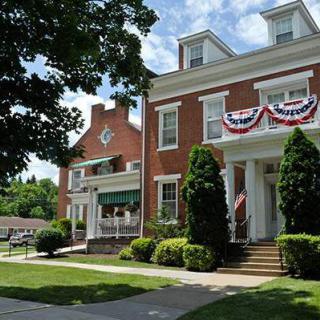
Overall Review of Presbyterian Home of Hollidaysburg
common
18 reviews mention this
Care team is kind and responsive
Residents and families describe staff who are caring and responsive to concerns.
Many reviewers say the nurses and caregivers are kind, patient, and hands-on, and they follow up quickly when families raise concerns. Several also mention staff being pleasant, respectful, and attentive to needs like meals and care adjustments. A few negative reviews criticize how some staff communicate or handle medication and care, but even those include praise for particular nursing aides or nurses.
common
10 reviews mention this
Facility is kept clean and home-like
Reviewers repeatedly describe a clean, well-kept setting.
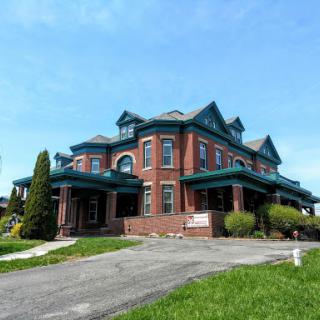
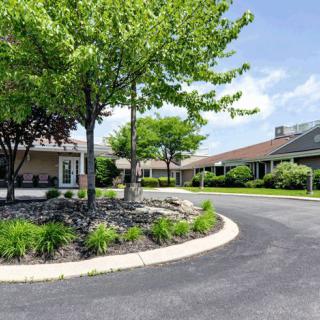
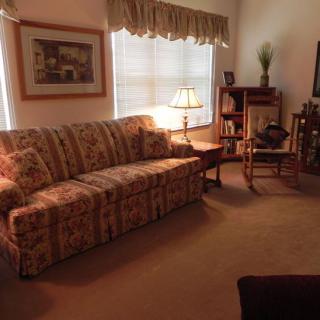
Multiple reviews highlight cleanliness—describing the building as neat, rooms maintained, and sanitation handled consistently. Several families also emphasize a home-like feel rather than a purely clinical environment, with welcoming spaces and ongoing upkeep. Even reviewers who had serious complaints still reference concerns that revolve around care execution, not the overall cleanliness.
differentiator
8 reviews mention this
Continuum of care helps as needs change
Residents can move between care levels as their needs change.
Reviewers mention a continuum approach, including skilled nursing when needed and the ability to shift into other levels of care as health changes. Families also describe rehab and therapy support, with physical and occupational therapy mentioned in more than one review. Others specifically value personal care support that helps with cooking, cleaning, bathing, and related daily needs while still allowing interaction and a private space.
common
6 reviews mention this
Dining earns praise, with some meal issues
Meals are generally viewed as good, with reported exceptions.
Several reviews describe the dining experience positively, including liking the meals, variety, and menu options, and noting staff awareness of dietary needs. One reviewer also says the dining rooms are nice and comparable to other places they considered. At the same time, a few comments criticize meal quality and temperature, including hot food being rarely warm and vegetables being undercooked.
common
8 reviews mention this
Activities and religious services are available
Residents can stay engaged with activities and faith-based options.
Many reviewers mention regular activities, including fitness or exercise classes, group events, and community outings like bus transportation to activities. Several also point to religious services at different times and options such as Bible study and Catholic services, depending on the review. One review raises a concern that planned activities are often canceled and that seniors are left without the daily schedule they were expecting.
caveat
2 reviews mention this
Social worker experiences vary sharply
At least two reviewers report problems with social-work communication.
Two reviews specifically call out the social worker’s communication style as inappropriate, including one describing a dismissive interaction during an appeal process. In both cases, the reviewers also note that other staff—especially the nursing team—was otherwise helpful, which makes the social-work portion stand out as a separate issue. These accounts focus on family experience during care decisions and transfers, rather than day-to-day caregiving.
caveat
3 reviews mention this
Pricing feels inconsistent for families
Families describe mixed value, including reports of being overcharged.
Some reviewers say the cost is high and describe the community as overcharging for things, including complaints about cancelations and meal quality. Another reviewer counters that the care and price fit their family’s needs and that the setting felt affordable compared with alternatives. Taken together, value appears to depend on what families expected and how billed items and services matched those expectations.
How we summarize
Counts show how many written reviews mention each theme; a review can touch several themes, and only frequently mentioned themes are displayed.

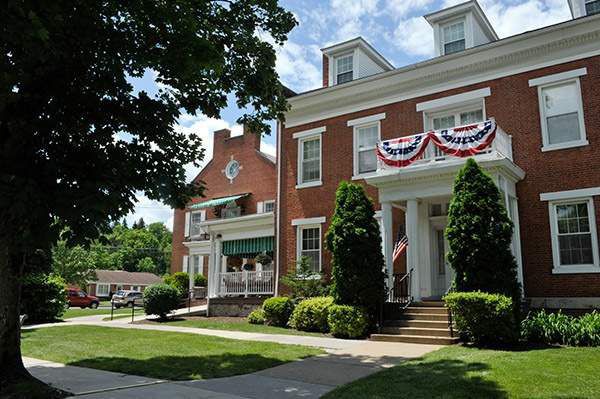
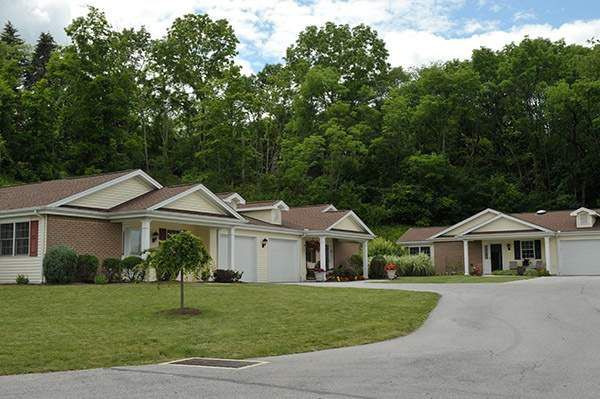
 22 resident community capacity
 Assisted Living
 Continuing Care Retirement Community (CCRC)
 Independent Living
 Memory Care
 Beauty salon
 Cable or satellite TV
 Fully furnished
 Garden
 Housekeeping services
 Kitchenette
 Move-in coordination
 Outdoor space
 Private bathrooms
 Wi-Fi/high-speed internet available
 Community operated transportation
 24-hour call system
 Activities of daily living assistance
 Assistance with bathing
 Assistance with dressing
 Assistance with transfers
 Diabetes diet
 Meal preparation and service
 Medication management
 Special dietary restrictions
 Fitness programs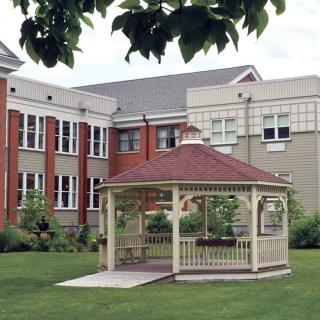
 Caring, skilled staff in a clean, home-like setting with engaging activities.



 Understanding Dementia Behaviors: Practical Insights and Strategies for Caregivers
 When Dementia Sparks Anger and Aggression: Understanding the Connection and Ways to Cope
 Dementia Behaviors: In-Depth Understanding and Effective Coping Strategies