
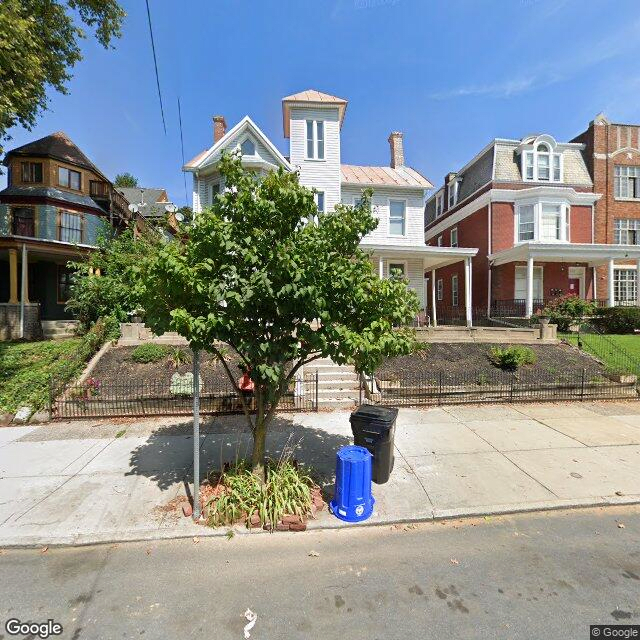
1935 NORTH THIRD STREET, Harrisburg, PA 17110
To contact a resident: (717) 233-5953
For more information about senior living options: (866) 208-4318
Overall Review of KEYSTONE SERVICE SYSTEMS THIRD STREET SERVICE
Pros
 They had a good work experience and enjoyed caring for the three patients.
- The program is very helpful and well organized.
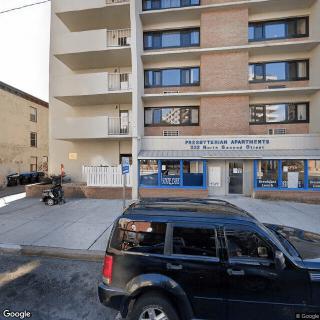
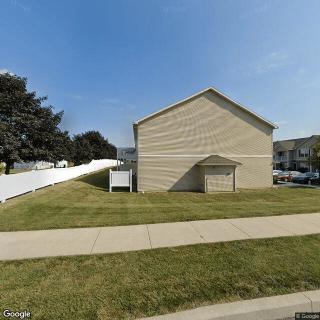
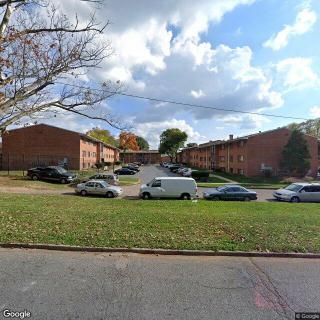
- The facility is nice and has a good location for DSP training.
- The people are very nice.
Cons
 Leaving a client in the ER overnight after discharge because no one could pick her up was awful.
- The location was hard to find.
Review
Keystone Service Systems Third Street Service in Harrisburg is best suited for families seeking a practical, staff-driven environment that supports adults with disabilities and emphasizes hands-on training for direct care professionals. The setting favors stability over luxury, prioritizing reliable daily care and well-coordinated operations. It works for families who want a clear organizational structure, approachable staff, and a community where caregivers are routinely engaged in professional development. In short, this is a solid choice when consistency, a friendly day-to-day culture, and a robust training ecosystem for DSPs matter more than upscale amenities.
The strongest upside centers on people and process. Reviewers consistently describe the staff as very nice and gains from a well-organized operation. The facility itself is portrayed as pleasant, with a location that supports DSP training, signaling a workforce that arrives technically prepared and ready to support residents. Taken together, these factors translate into reliable daily interactions, predictable routines, and a sense that families can count on attentive caregivers who communicate in routine caregiving scenarios. The overall rating of 4.3 from 26 reviews, skewed heavily toward five-star experiences, reinforces the sense that most families will encounter a workable, even commendable, level of service.
Yet there are notable cautions that families should weigh. A critical concern centers on care transitions and emergency coordination, illustrated by one emotionally charged critique about leaving a client in the ER overnight due to no one available to pick her up. That kind of anecdote points to gaps in discharge planning and aftercare logistics that, in a residential care context, can have real consequences for both residents and their families. Another practical drawback is navigational: a reviewer found the location hard to locate, which, in a setting where families may need to visit quickly or bring in new residents, can add unnecessary stress. While these concerns are not universal, they signal that not every family’s logistical needs will be seamlessly met.
How the pros stack up against these cons is a matter of priority. The positive elements, genuine staff warmth, strong organization, and a facility that supports DSP training, help offset everyday friction. For families prioritizing dependable, respectful interactions and a solid training pipeline for caregivers, Keystone Third Street offers meaningful value: a community where caregivers are likely to be well-prepared, responsive, and capable of maintaining steady routines. However, the serious caution about discharge coordination and emergency pickup means that, for households with high expectations around medical transitions, overnight hospital stays, or highly streamlined transportation, this community may require more handholding or risk-mitigation than some alternatives.
From a decision-making perspective, there are concrete steps to protect the choice. During tours, insist on speaking with frontline staff about how admissions and discharges are handled, what backup plans exist when transport is unavailable, and how families are notified during medical events. Probe the specifics of transportation arrangements, emergency contact protocols, and how hospital stays are integrated with ongoing care plans. Observe how staff communicate with residents and families in the lobby or common areas, and ask for examples of how similar situations were resolved in the past. These questions will illuminate whether the organization’s strengths in staffing and process management align with the family’s expectations for emergency readiness and reliability.
In sum, Keystone Third Street stands as a credible, well-regarded choice for families seeking a disciplined, people-focused environment with a strong DSP-training foundation. It delivers daily warmth and reliable organization that many residents will value highly. However, families must weigh the potential gaps in discharge planning and transportation logistics against the comfort of a staff-centric, well-run operation. For those who prize seamless medical coordination and easy-to-navigate access, it is prudent to compare alternatives with stronger demonstrated performance in urgent Care transitions and logistics, while keeping Keystone Third Street on the short list for its proven strengths in care culture and professional development.
 Board and Care Home
 Harrisburg International (9 miles away)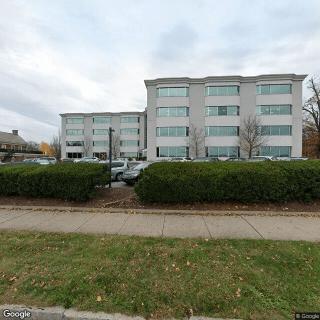



 Powerful Realities of Elder Abuse and the Most Effective Ways to Report It
 Ten Vital Duties of a Senior Caregiver: A Comprehensive Guide
 9 Stimulating Memory Activities for Seniors: Puzzles, Cards, and Much More