
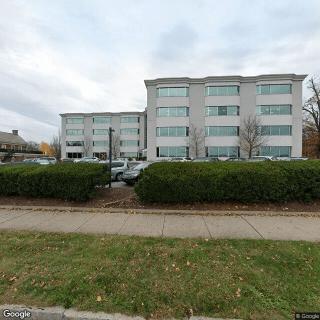
2900 Green Street, Harrisburg, PA 17110
For more information about senior living options: (866) 208-4318
Overall Review of Green Street Specialized Community Residence
Pros
 They love the way their team rallies around the individual to provide the best quality of care.
- They are incredibly caring toward the residential properties they care for.
- Keystone is a great agency to do a Lifesharing program through, with wonderful staff who truly care about the individuals and the providers.
- They love their job and their consumers.
- They help people.
- They are great people who help individuals with intellectual disabilities and autism. They love their bakery.
- They are highly recommended.
Cons
 They don’t exist until they suspect someone may have the power to remove their residents.
- They confiscate residents’ electronics and even break them to force parents to buy replacements.
- They don’t understand the rules of the parents.
- They are cold and expect families to trust them with their loved ones.
- They are not good with communication, leading to lackluster interactions with residents and staff.
- The payroll is the worst part; they are extremely unorganized with frequent miscommunication.
- Amy is unpleasant, rude, sarcastic, aggressive, and insensitive.
Review
Green Street Specialized Community Residence in Harrisburg is best suited for families seeking a hands-on, Lifesharing–oriented residential option for adults with intellectual disabilities and autism. The community appears built around a caregiver-led model where staff are seen as a stable, almost family-like presence around the resident. For families who want ongoing, meaningful interaction from a close-knit on-site team and a home-like atmosphere rather than a clinical setting, Green Street offers a compelling fit. It rewards those who value consistency, personalized routines, and a culture that centers the individual’s needs in day-to-day life.
On the upside, the strongest asset here is a care-first ethos that can feel deeply personal. Reviewers consistently note teams that rally around the individual to deliver quality care, with an emphasis on supporting residents where it matters most. The sense that staff care about the person, not just the task, translates into tangible warmth for residents and reassurance for families. Activities and engagements, such as meaningful, day-to-day work within the residential framework, underline a lived commitment to residents’ well-being. When the environment succeeds, these elements create trust and continuity that families fear losing in more impersonal settings.
However, there are clear cautions to weigh. Several reviews flag communication as a recurring weakness, describing miscommunications and organizational gaps that can hamper smooth operations. Payroll and administrative issues surface as a notable irritant in some accounts, and interpersonal friction with individual staff members has been highlighted by families who encountered less-than-ideal interactions. A few reviewers perceived coldness or distance from staff, and one account foregrounded a sense of rigid boundaries that left some families feeling unheard. Taken together, these cons point to a fragile balance between heartfelt resident care and the administrative friction that can undermine the overall experience.
The question for families is how much the pros offset the cons. The answer hinges on what matters most in daily life for the resident. If the priority is a resilient, person-centered culture where staff visibly invest in a resident’s routine, goals, and small pleasures (the bakery remark hints at authentic, everyday engagement), then the strengths can still carry significant weight. Yet the gaps in communication and payroll integrity can precipitate repeated frustrations and erode confidence in the operation’s reliability. The best defense is a proactive engagement: insist on clear, written communication protocols; request direct introductions to the leadership team; observe a shift or two to witness how staff interact with residents; and seek current families’ candid feedback about responsiveness and follow-through.
For families considering alternatives, the message is practical: if airtight administrative reliability, cross-shift consistency, and rigorous staff accountability are non-negotiable, it may be prudent to explore other options with a more standardized operational track record. Facilities that demonstrate consistently seamless communications across teams, stronger documented procedures, and fewer personnel-level disruptions can reduce the risk of frustrating surprises. That said, those who are flexible on administrative hiccups and prioritize a genuinely caring, hands-on atmosphere may find Green Street a worthwhile match, provided there is an explicit plan to monitor and improve communication, and a clear, ongoing line to leadership.
Bottom line: Green Street can be a very good fit for families who want a close-knit, resident-centered environment with staff who demonstrate real care and a willingness to rally around the individual. The decision hinges on tolerance for administrative rough edges and the willingness to insist on strong communication practices. For families willing to engage actively with administration, verify staffing stability, and demand transparent updates, Green Street offers a compelling path toward a home-like, Lifesharing–driven experience. For others who cannot compromise on administrative reliability or who require consistently polished cross-team communication, it makes sense to compare several options before committing.
 8 resident community capacity
 Assisted Living
 Board and Care Home
 Cable or satellite TV
 Dining room
 Fully furnished
 Garden
 Housekeeping services
 Move-in coordination
 Outdoor space
 Telephone
 Wi-Fi/high-speed internet available
 Harrisburg International (10 miles away)
 24-hour supervision
 Activities of daily living assistance
 Assistance with bathing
 Assistance with dressing
 Assistance with transfers
 Diabetes diet
 Meal preparation and service
 Medication management
 Special dietary restrictions
 Transportation arrangement (medical)
 Transportation to doctors appointments






 Securing Financial Support for Assisted Living: A Comprehensive Overview
 Social Security Benefits and Assisted Living: Navigating Options Across the U.S.
 An Extensive Exploration of the VA Aid and Attendance Benefit