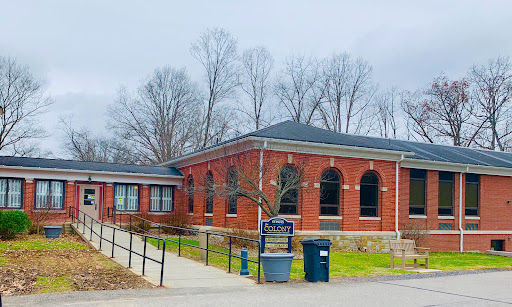
Overall Review of St Pauls A Continuing Care Community
differentiator6 reviews mention this
Nursing and post-hospital care stand out
Residents describe strong nursing care, including help after hospitalization.
Several reviews emphasize care quality at the facility, with comments about nursing excellence and “best care.” Others specifically mention positive experiences for post-hospital care. Reviews also note a focus on getting residents well, aligning with the community’s broader nursing and continuing-care focus.
common15 reviews mention this
Staff are caring and responsive
Staff are repeatedly described as caring, friendly, and engaged with residents.
A large share of reviews highlight staff warmth, including nurses and aides who are described as wonderful and caring. Residents and families also mention knowledgeable personnel, staff that treats loved ones with dignity, and an overall friendly feel during visits. Some reviewers add that staff seem engaged day to day, not just during care moments.
common5 reviews mention this
The facility is consistently described as clean
Reviews frequently call the building clean and well kept.
Multiple reviews point to cleanliness, including one comment saying it was the cleanest nursing facility the reviewer had seen. Others describe very clean conditions and a generally well-kept appearance when they visit. A review also ties cleanliness to overall care quality.
caveat2 reviews mention this
Cost feels too high for some
At least some reviewers feel the community is significantly overpriced.
Two reviews raise concerns about cost, with one calling the place extremely expensive and another saying it is overpriced. Even in the more mixed comment, the reviewer still frames the community as among the best available locally, but the pricing concern is clearly stated. Prospective residents may want to review pricing details carefully before committing.
How we summarize
Counts show how many written reviews mention each theme; a review can touch several themes, and only frequently mentioned themes are displayed.
Features
Housing
192 resident community capacity
Types of Care
Assisted Living
Continuing Care Retirement Community (CCRC)
Independent Living
Memory Care
Respite Care
Skilled Nursing Facility
Amenities
Air-conditioning
Beauty salon
Cable or satellite TV
Computer center
Fitness room
Fully furnished
Gaming room
Garden
Housekeeping services
Kitchenette
Move-in coordination
Outdoor space
Private bathrooms
Restaurant-style dining
Small library
Telephone
Wellness center
Wi-Fi/high-speed internet available
Transportation
Community operated transportation
Transportation arrangement
Transportation arrangement (non-medical)
Care Services
24-hour call system
24-hour supervision
Activities of daily living assistance
Assistance with bathing
Assistance with dressing
Assistance with transfers
Diabetes diet
Meal preparation and service
Medication management
Special dietary restrictions
Dining
Diabetes diet
Special dietary restrictions
Activities
Community-sponsored activities
Concierge services
Fitness programs
Planned day trips
Resident-run activities
Scheduled daily activities
Videos
Nearby Places of Interest
Restaurants
Hilltop Tavern (0.8 miles)
New England Tavern (1.4 miles)
Paxton's Lunch (1.4 miles)
Rosie's at Station One (1.5 miles)
Pizza Hut (1.6 miles)
Wendy's (1.8 miles)
U'll Scream (6.1 miles)
Physicians
Greenville Medical Center (1.2 miles)
Primary Health Network (1.3 miles)
Greenville Community Health Center (1.3 miles)
Valley Eye Center (1.4 miles)
UPMC Horizon Neurology (1.4 miles)
Heart & Vascular Institute at UPMC Horizon - Greenville (1.5 miles)
Greenville Orthopedic Association (1.5 miles)
Hospitals
UPMC Horizon Hospitals (1.3 miles)
UPMC Horizon Inpatient Rehab (1.3 miles)
Regional Diabetes Center at UPMC Horizon - Greenville (1.3 miles)
UPMC Horizon - Greenville (1.3 miles)
UPMC Horizon Bariatric Surgery Center (1.3 miles)
University of Pittsburgh Physicians (12.1 miles)
Sharon Regional Health System (13.4 miles)
Places of Worship
New Apostolic Chr-Greenville (1.4 miles)
Calvary United Methodist Church (1.5 miles)
Bethel Life Worship Center (2.2 miles)
Fredonia United Methodist Church (9.9 miles)
Rock Solid Kids Ministry (11.8 miles)
Williamsfield United Methodist Church (11.9 miles)
St Pauls A Continuing Care Community's features are designed to address the unique challenges faced by residents with dementia or Alzheimer's disease, fostering an environment that promotes dignity and comfort. Assistance with dressing and bathing helps maintain personal hygiene and self-esteem, while meal preparation and service ensure nutritious diets tailored to individual needs, enhancing overall health. Medication management is crucial for maintaining cognitive function and reducing confusion regarding prescriptions. Support with activities of daily living aids residents in performing essential tasks, allowing for greater autonomy despite their cognitive limitations. Additionally, assistance with transfers helps prevent falls and injuries, ensuring safety during mobility transitions. The 24-hour supervision provides constant security and immediate support, creating a reassuring atmosphere where residents can thrive as they navigate their daily lives.
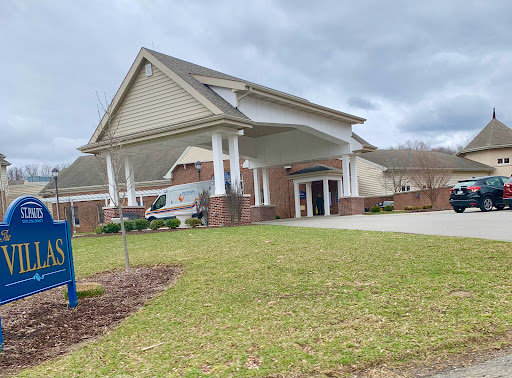
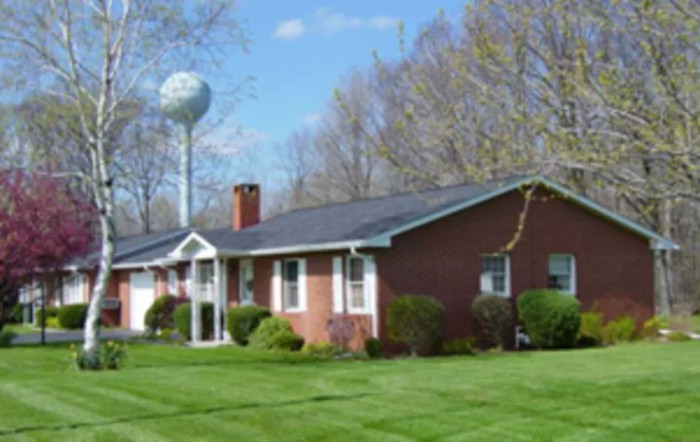
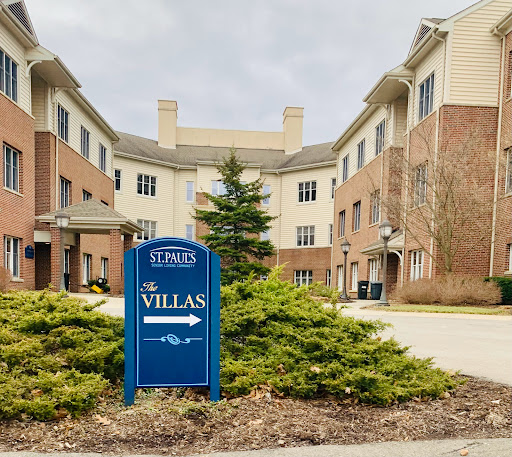
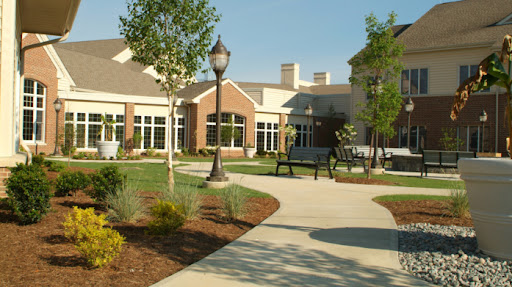
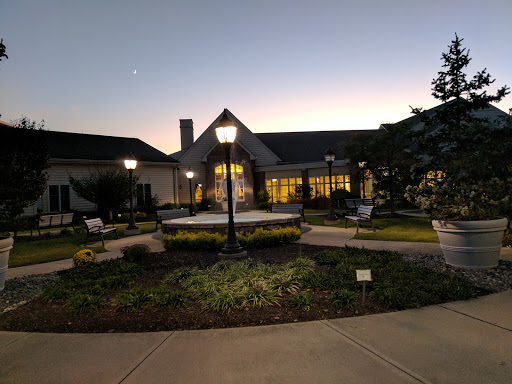
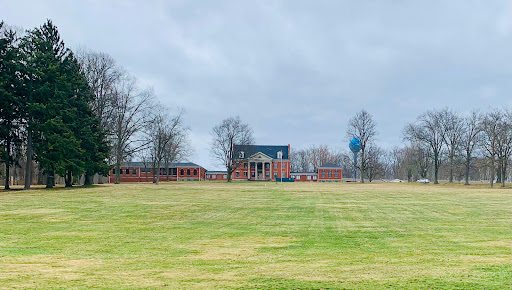
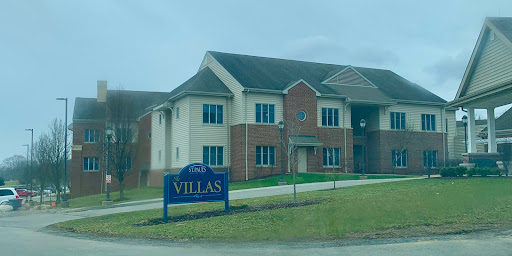
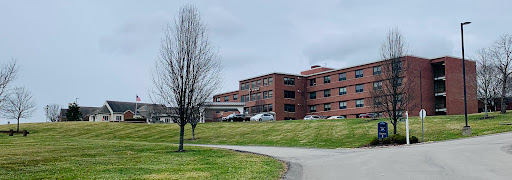
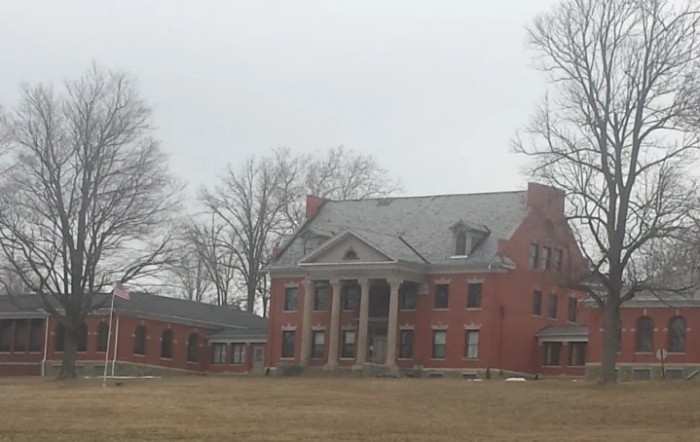
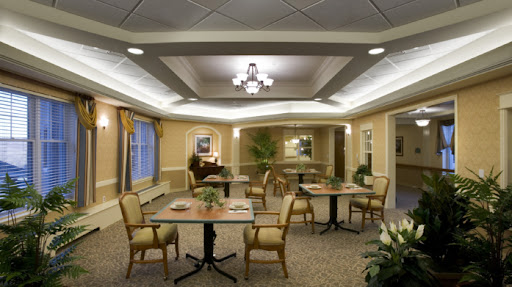
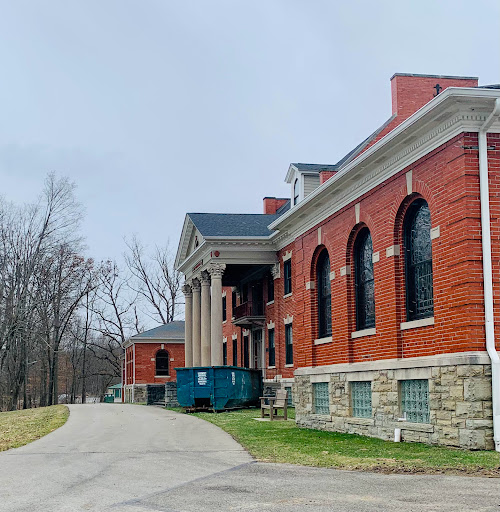
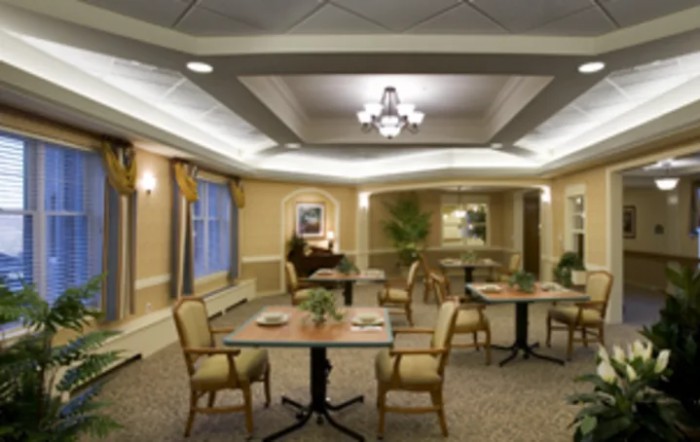
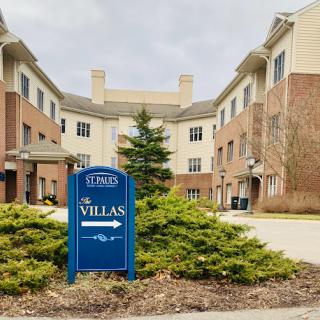
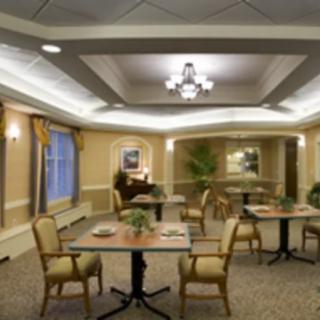
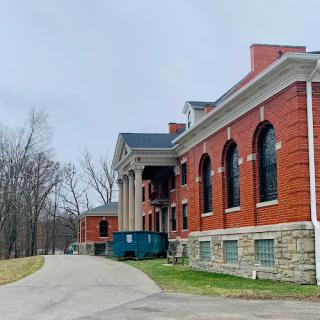
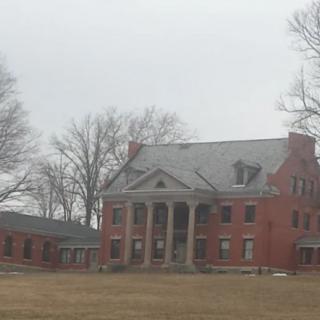
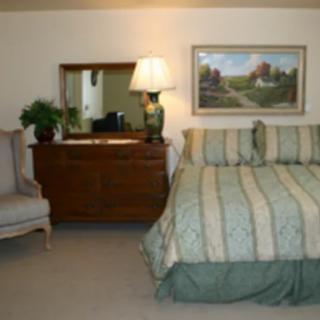
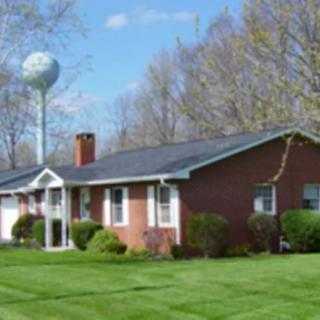
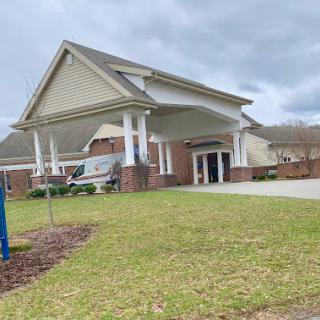
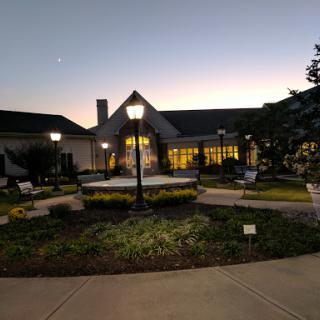
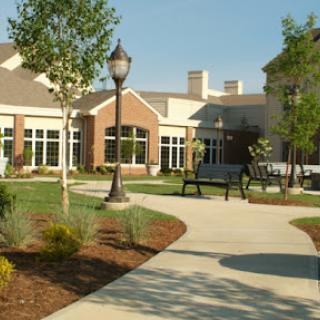
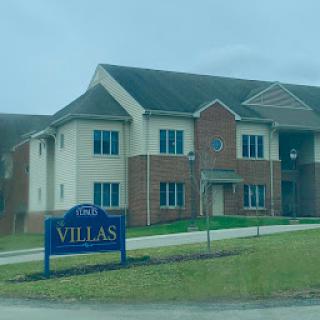
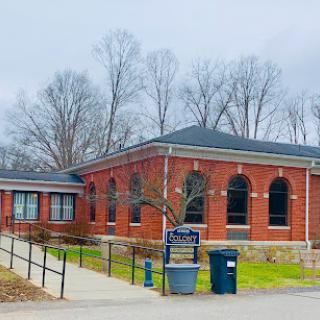
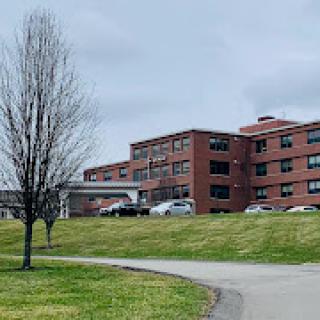
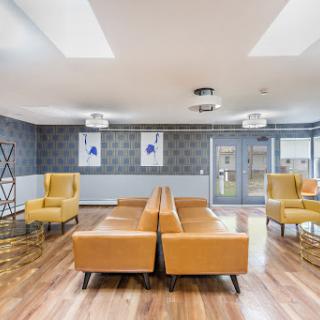
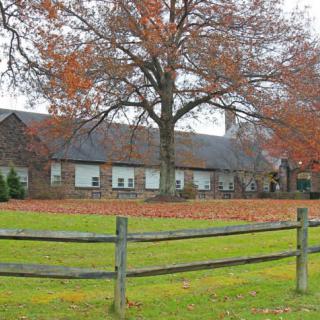
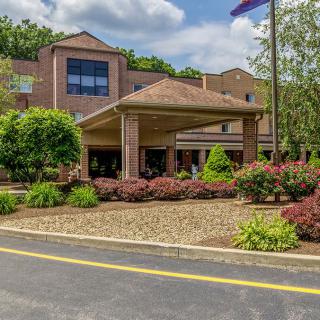
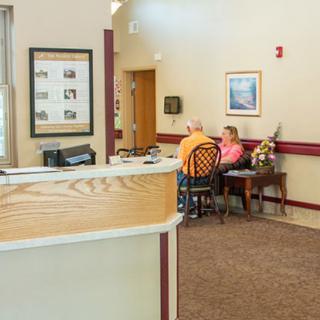
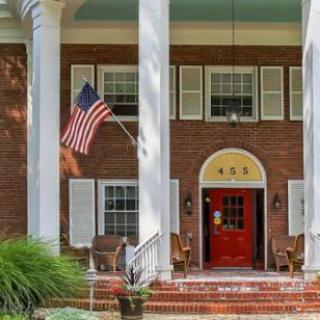
St Pauls A Continuing Care Community on seniors.fyi includes 14 photos including images showing building, landscaping, architecture, trees, outdoor, interior, dining, windows, and more.
Nearby Communities
The Heritage
Greenville, PA
$2,825 to $3,850 / month
Competitive pricing for studios and 1-bedroom units, with comprehensive on-site amenities and memory-care services.
The Ridgewood
Greenville, PA
$3,025 to $3,755 / month
Competitive pricing with comprehensive independent living amenities and on-site activities.
Greenville House
Greenville, PA
3.5 from 6 reviews
Excellent access to healthcare and nearby amenities.
Grove At Greenville
Greenville, PA
3.1 from 52 reviews
Extensive on-site amenities and services (dining, beauty salon, fitness, transportation) with 24-hour care and a variety of activities.
Turk's Personal Care Boarding
Hadley, PA
Assisted living with diabetic care and on-site activities in a warm, community-focused setting.
Greystone Country Estates
Fredonia, PA
4.8 from 20 reviews
$900 to $3,100 / month
Caring staff with a welcoming, family-like atmosphere and home-cooked meals.
Holiday Whispering Oaks
Hermitage, PA
4.5 from 133 reviews
$1,949 to $3,239 / month
Caring staff in a clean, welcoming community with ample activities and spacious apartments.
Clepper Manor
Sharon, PA
3.1 from 37 reviews
Compassionate hospice staff and attentive caregivers
Juniper Village at Meadville
Meadville, PA
4.9 from 133 reviews
$2,840 to $4,991 / month
Caring staff in a warm, home-like setting with spacious rooms and engaging activities.
Dementia affects memory and cognitive function in older adults, presenting challenges for caregivers due to behavioral changes such as confusion and mood swings. Compassionate, person-centered care that considers individual history and preferences, along with effective communication and environmental modifications, is essential for supporting both patients and their caregivers.
Dementia leads to cognitive impairment and can cause emotional and behavioral changes, including aggression that arises from frustration, confusion, or fear. Effective coping strategies for caregivers include understanding dementia's nature, recognizing triggers, using empathetic communication, and employing non-pharmacological interventions like music and art therapy.
Dementia causes cognitive decline and challenging behaviors that caregivers must manage, necessitating an understanding of the neurological basis of these issues. Effective strategies and self-care for caregivers can enhance support for those with dementia and improve their daily lives.
Get PricingAsk A QuestionSchedule A TourContact Senior Advisor
By clicking submit, you agree to our Partner's Terms of Use. You
also consent to receive calls and texts, which may be autodialed, from our Partner. Your consent is not a condition to
using our Partner's service. Please visit our Partner's Privacy Policy for information about their privacy practices.

 192 resident community capacity
 Assisted Living
 Continuing Care Retirement Community (CCRC)
 Independent Living
 Memory Care
 Respite Care
 Skilled Nursing Facility
 Air-conditioning
 Beauty salon
 Cable or satellite TV
 Computer center
 Fitness room
 Fully furnished
 Gaming room
 Garden
 Housekeeping services
 Kitchenette
 Move-in coordination
 Outdoor space
 Private bathrooms
 Restaurant-style dining
 Small library
 Telephone
 Wellness center
 Wi-Fi/high-speed internet available
 Community operated transportation
 24-hour call system
 Activities of daily living assistance
 Assistance with bathing
 Assistance with dressing
 Assistance with transfers
 Diabetes diet
 Medication management
 Special dietary restrictions
 Concierge services
 Planned day trips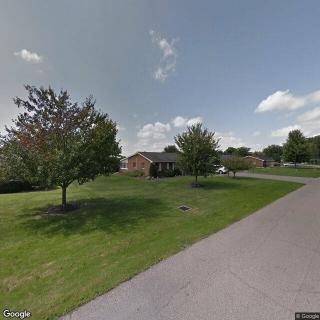
 Competitive pricing for studios and 1-bedroom units, with comprehensive on-site amenities and memory-care services.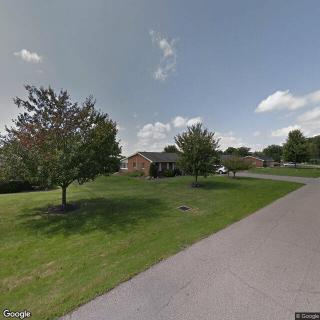

 Understanding Dementia Behaviors: Practical Insights and Strategies for Caregivers
 When Dementia Sparks Anger and Aggression: Understanding the Connection and Ways to Cope
 Dementia Behaviors: In-Depth Understanding and Effective Coping Strategies