

14 Deatrick Drive, Gettysburg, PA 17325
To contact a resident: (717) 398-2565
For more information about senior living options: (866) 208-4318
Overall Review of Home Instead - Gettysburg, PA
Pros
 The caregiver is wonderful, always on time, and takes very good care of residents.
- She consistently goes the extra mile and is highly appreciated.
- The community has a wonderful, helpful, and caring staff.
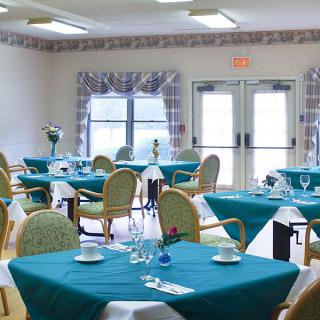
- The food is great and offers a good variety.
- Activities are available to keep residents active.
- It is highly recommended for great care.
Cons
 None found in the reviews.
Review
Home Instead Gettysburg is best suited for seniors who want to remain in the familiarity of their own home while receiving steady, hands-on support from a dependable caregiver. The reviews spotlight a caregiver who is consistently on time, attentive, and willing to do extra tasks, translating into predictable routines and less daily stress for both clients and families. This arrangement works particularly well for those who value continuity with a single caregiver, appreciate punctual visits, and benefit from companionship combined with practical help with daily activities and meals. In short, it is a practical, home-based care option that preserves independence without the need to relocate to an assisted living setting.
Those seeking a more social, campus-style living experience with built-in peer interaction and on-site health oversight may want to consider alternatives. If the priority is around 24/7 clinical supervision, diversified social programming, or a guaranteed backup for weekends and holidays, an assisted living or memory care community could be a better fit. Families facing complex medical needs or who want a broader care team with predictable coverage by multiple caregivers may also find such settings advantageous. The current reviews emphasize a strong, reliable caregiver, which is a major strength, but it can also signal a potential gap if that caregiver is unavailable. In those scenarios, exploring agencies with larger rosters and formalized backup plans becomes prudent.
Pros center on reliability and warmth. The most consistent praise is for the caregiver’s punctuality and the level of care provided, with reports that she arrives on time and goes beyond the call of duty. This reliability reduces daily stress, supports safer self-care, and frees family members from constant monitoring. The staff’s helpful and caring demeanor appears to translate into meaningful, day-to-day improvements in well-being. Food quality and variety emerge as notable positives, suggesting meal-related support that extends beyond basic supervision and can be a meaningful factor for seniors who value nutritional consistency at home. Activities designed to keep clients active also contribute to physical health and social engagement, mitigating isolation. Taken together, these positives create a cohesive care experience that makes remaining at home both feasible and comfortable.
Conventional caveats for in-home care include the potential for caregiver dependence on a single individual and the fragility of continuity if schedules shift. The reviews do not flag major drawbacks, but the reality of home care hinges on the availability and reliability of the same caregiver over time. When that consistency is present, the advantages multiply: routine, trust, and tailored attention. The absence of a broad social calendar or on-site medical oversight can be outweighed by the depth of one-on-one care and the option to integrate preferred activities and meals into daily life at home. Families should confirm backup arrangements, watch for caregiver turnover, and verify how the provider handles scheduling gaps to ensure that this strength remains intact as needs evolve.
Decision-making should center on alignment of needs and capabilities. Prospective clients should request a clear care plan detailing tasks, meal support scope, activity options, and how communication with families will occur. Confirm whether the caregiver schedule includes coverage during vacations, illness, or days off, and learn who steps in when the primary caregiver is unavailable. Inquire about meal timing, dietary accommodations, and whether the at-home kitchen setup supports the client’s nutritional goals. Budget considerations matter; in-home care can be cost-effective for some families but may escalate with higher care intensity. Ensure the provider’s documentation, escalation protocols, and emergency response plans give confidence that safety remains the top priority. If these elements align with expectations, the combination of reliable caregiving and at-home comfort represents strong value.
Overall, Home Instead Gettysburg presents a compelling option for seniors who prize dependable, compassionate in-home care with a strong caregiver relationship, plus meaningful meals and activities that can be integrated into daily life. The standout asset is consistent, proactive caregiving that reduces stress and supports independence. Those who need a more social or medically supervised setting, or who require constant backup coverage across weekends and holidays, should consider alternatives. For families ready to invest in a stable, home-based care dynamic, this provider offers practical, experienced support that can meaningfully extend comfortable living at home while guarding safety and dignity.






 Navigating the Tax Landscape of Caregiving: Credits, Deductions, and Beyond
 Highly Beneficial Low-Impact Exercises for Senior Living Residents
 Is In-Home Healthcare Tax Deductible? Your Comprehensive Guide