
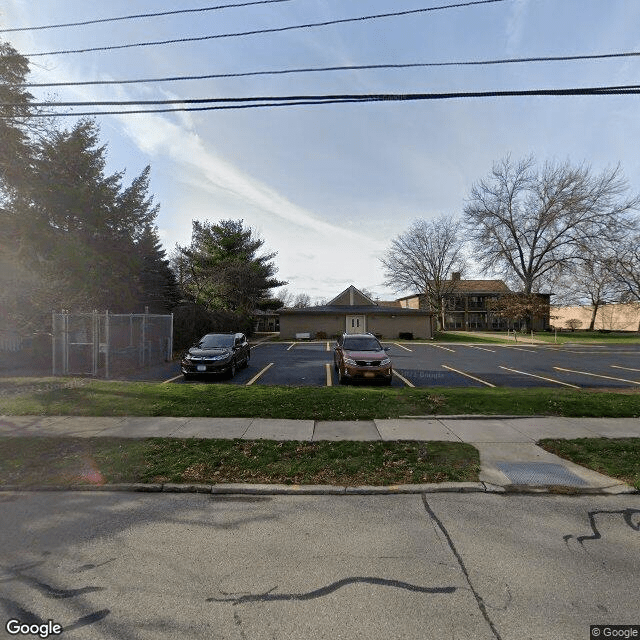
2628 Elmwood Ave, Erie, PA 16508
To contact a resident: (814) 864-4802
For more information about senior living options: (866) 208-4318
Overall Review of Elmwood Gardens Of Presbyterian Senior Care
Pros
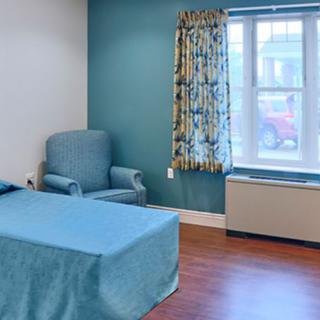
 The staff were very friendly and the rooms were clean.
- The staff were very friendly and accommodating.
- The staff were very kind, sweet, and welcoming.
- Caregivers were wonderful.
- The nurse Latrice is awesome, compassionate, and clearly loves her job.
- The wife who works there is very polite and loves what she does.
- The level of care and attention provided made the family feel relieved and happy.
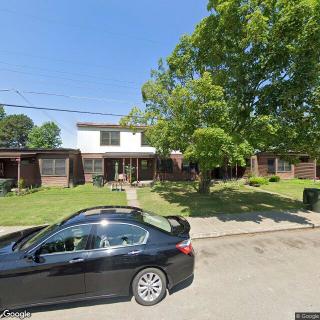
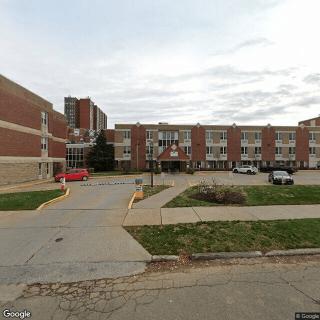
- The facility is quaint and very clean.
- Beth, the social worker, was wonderful.
Cons
 They describe poor communication, with messages left for the social worker going unreturned.
- The facility is described as a horrible rehab facility where a friend's father was mistreated and neglected.
- A COVID-positive roommate was not removed for six days, prompting health department involvement and safety concerns.
- The food portions were small, leaving a diabetic patient hungry and with low blood sugar until nurses finally responded with cookies.
- There was a lack of timely planning about Medicare dates and delays in test results, leading to a rapid hospital transfer.
- The doctor never assessed or treated, refused pain medication, and told the patient to find another place.
Review
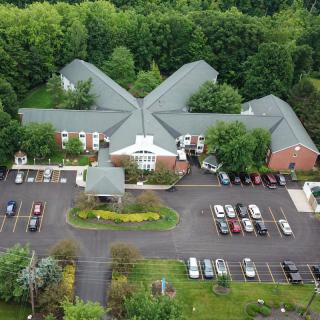
Elmwood Gardens of Presbyterian SeniorCare in Erie is best suited for families seeking a transitional rehab environment where a warm, personable staff and a clean, homey setting can support a move from hospital to home. This community tends to work well for short-term stays where the emphasis is on approachable frontline care and daily living assistance, delivered in a quaint, somewhat older building. It is particularly compatible with families who can participate actively in care planning, maintain regular communication with the treating team, and monitor progress through a defined plan. Those whose priority is consistent, high-stakes medical oversight, highly standardized protocols, or a newer facility with uniform staffing should consider alternatives.
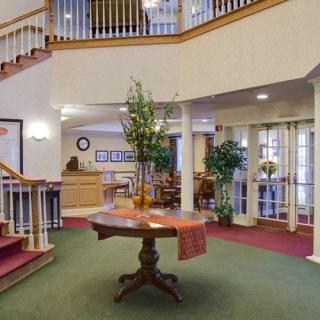
The strongest positives consistently cited are the friendliness and dedication of many staff members and the overall cleanliness and atmosphere. Residents and families repeatedly highlight kind, patient caregivers who appear genuinely engaged in daily care, and a number of staff members who stand out as exceptionally compassionate and responsive. The facility is described as quaint and quite clean, with a welcoming environment that can ease transitions from hospital and provide a supportive day-to-day routine. For families able to connect with the care team and visit regularly, these human touches can translate into meaningful comfort and steadier daily functioning for the resident.
However, serious concerns shadow the favorable notes, tempering the enthusiasm. Several reviews allege neglect or mistreatment, particularly around timely assessment and appropriate responses to acute needs, with one account describing a disastrous experience tied to perceived oversight gaps. Communication gaps emerge as a recurrent theme: messages left for social workers or care coordinators frequently go unanswered, and discharge-related or test-result information can arrive late. There are also explicit complaints about medical responsiveness and decision-making, including anecdotes about physicians or nursing staff who did not adequately address pain, symptoms, or urgent needs. The most alarming items involve safety and appropriateness of care in urgent moments, coupled with delayed actions that affected outcomes.
These contradictions matter when weighing options. The pros, friendly, attentive frontline staff; a clean, comfortable setting; and genuine warmth from certain caregivers, can offset many day-to-day irritants if the family commits to active oversight: establishing a clear point of contact, insisting on an explicit, written care plan, and requesting routine, timely updates. When the right people are involved, nurses and social workers who are responsive and collaborative, care can be effective and reassuring, particularly for short rehab stays. Yet the cons are not trivial; inconsistent staffing, variable quality across shifts, and communication gaps can undermine trust and jeopardize timely escalation when problems arise.
Practically, families considering Elmwood Gardens should enter with a plan that foregrounds accountability and transparency. During intake, secure a named social worker and a designated primary nurse with explicit expectations for daily check-ins and rapid follow-up on test results or changes in condition. Inquire about the availability of a stable rehab team, and request examples of discharge plans to ensure a smooth transition home. If possible, visit during multiple shifts to observe how staff interact with residents and how promptly concerns are addressed. Consider supporting a loved one with a family liaison who can monitor care continuity, coordinate appointments, and push for timely communication and problem resolution when issues surface.
In the end, Elmwood Gardens offers a solid option for families prioritizing warmth, cleanliness, and approachable care during a transitional stay. It can deliver meaningful, compassionate support when the care team is engaged and responsive. Yet the experience depends heavily on staffing consistency and communication efficacy, which are not guaranteed according to the reviews. For those who require unwavering medical oversight, or who cannot tolerate potential delays in information and action, exploring alternatives in Erie may be wise. If choosing Elmwood Gardens, approach the decision with a proactive, structured plan: insist on clear lines of communication, a concrete care and discharge plan, and a commitment from the facility to keep families informed at every critical juncture.
 Assisted Living
 Skilled Nursing Facility
 Activities on-site
 Devotional services off-site
 Indoor common areas
 Erie International (4 miles away)
 Ambulatory care
 Diabetic care
 Meals provided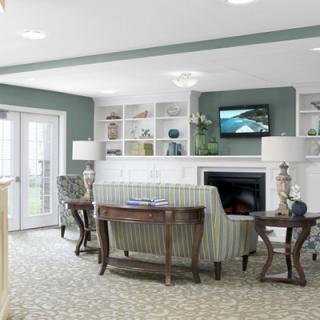

 Comprehensive Insights into Activities of Daily Living (ADLs) and Their Assessment
 Medicare Coverage for Assisted Living: An In-Depth Exploration
 Your Comprehensive Guide to Luxury Assisted Living: Elevated Facilities, Amenities, and Costs