

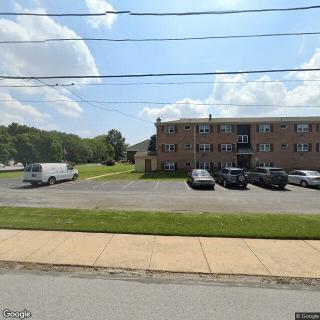
36 W Lancaster Ave, Downingtown, PA 19335
To contact a resident: (610) 269-2935
For more information about senior living options: (866) 208-4318
Overall Review of Relative Care
Pros
 Relative Care Home Care has been a very good experience.
- They are very accommodating regarding scheduling.
- They send caregivers who truly care for loved ones.
- The caregivers are very sweet.
- The service is highly recommended and would be the first choice for future care.
- The same caregivers have largely been providing care, indicating consistency.
Cons
 The very first day had issues with caregivers not showing up or arriving late.
- Some of the cars used by caregivers were described as dirty on the inside.
Review
Relative Care Home Care in Downingtown, PA is best suited for families seeking dependable, in-home non-medical support that feels personal and responsive. This is a service for aging loved ones or adults who need help with daily activities, companionship, and transportation, delivered through a small, caregiver-focused team. It works well for households that prioritize a warm, attentive bedside manner and scheduling flexibility over a hospital-style or strictly clinical model. Those who want reliable, friendly caregivers who will come consistently and form a familiar routine will find this option compelling. It is not designed to replace licensed medical care or to provide continuous, 24/7 clinical supervision, so families needing skilled nursing or intense medical oversight should look elsewhere.
The strongest advantages lie in scheduling adaptability and the quality of the caregivers who come to the home. Reviews repeatedly highlight how accommodating the agency is with calendar changes and how the caregivers sincerely invest in the wellbeing of the loved one. The two primary caregivers are described as sweet and genuinely caring, and the overall sentiment is that a compatible team can be kept on a steady rotation. Families report a high likelihood of recommending Relative Care and a readiness to return for future needs, which speaks to both reliability and the emotional comfort that comes from familiar faces in daily routines. Transportation support, caregivers who drive the loved one to appointments and activities, adds tangible independence and reduces the burden on family members.
There are a few practical caveats to weigh against these strengths. The most notable is an occasional first-day hiccup with lateness, although subsequent days tend to run smoothly. Beyond that initial stumble, the pattern is mostly one of consistency, with the same caregivers returning and a smaller number of new faces appearing over time. A minor but recurring theme is that some of the vehicles used by drivers can be a touch dusty on the inside; not a deal-breaker, but it is a detail that may matter to families who prioritize a pristine car environment for comfort or odor-sensitive clients. Taken together, the cons are modest and largely manageable within a well-structured care plan.
The pros reliably offset the drawbacks for families who value emotional continuity and practical reliability. When scheduling is flexible and caregivers are both capable and kind, weekly routines, meals, activities, appointments, and in-home assistance, become predictable anchors rather than sources of stress. The ability to count on drivers to handle transportation reduces the need for separate arrangements, which is a meaningful win for continuity of care and overall quality of life. Even the occasional shift in caregivers is mitigated by a compassionate approach and the agency’s apparent emphasis on placing a good match with the client’s personality and needs. In essence, the combination of warmth, reliability, and logistical support delivers a clear net benefit.
For families exploring alternatives, it matters to assess whether medical oversight is required at all times. If skilled nursing, wound care, IV therapies, or complex medications are part of the care plan, this option should be complemented or replaced by a licensed home health agency with clinical staff. If a single, unchanging caregiver roster is non-negotiable, or if vehicle cleanliness becomes a higher priority, it may be worth evaluating other providers with a larger caregiver pool or stricter vehicle policies. For those needing round-the-clock coverage, or service beyond standard daytime hours, alternative arrangements will also be necessary.
The bottom-line recommendation is straightforward: Relative Care is a strong choice for in-home, non-medical assistance in the Downingtown area, delivering compassionate caregivers, flexible scheduling, and practical transportation support. The main trade-offs, occasional onboarding gaps and a few varied drivers, plus minor vehicle cleanliness concerns, do not undermine the core value when a family prioritizes companionship, reliability, and ease of coordination. Prospective clients should consider a short-term trial or a clear scheduling plan to confirm caregiver fit, and ask pointed questions about how caregiver assignments are managed, how turnover is handled, and what standards exist for vehicle upkeep. With those checks in place, Relative Care stands out as a practical, experienced ally for maintaining independence and daily comfort at home.
 New Castle County (23 miles away)






 Exploring Palliative Care in the Home: A Comprehensive Overview
 Comprehensive Insights into Palliative Home Care: What It Is and What to Expect
 Skilled Nursing Facilities vs. Nursing Homes: Making Sense of the Differences