For more information about senior living options: (866) 208-4318
4.3 from 112 reviews
5 stars
73
4 stars
18
3 stars
9
2 stars
2
1 stars
10
Keystone Villa at Douglassville Personal Care Costs & Pricing
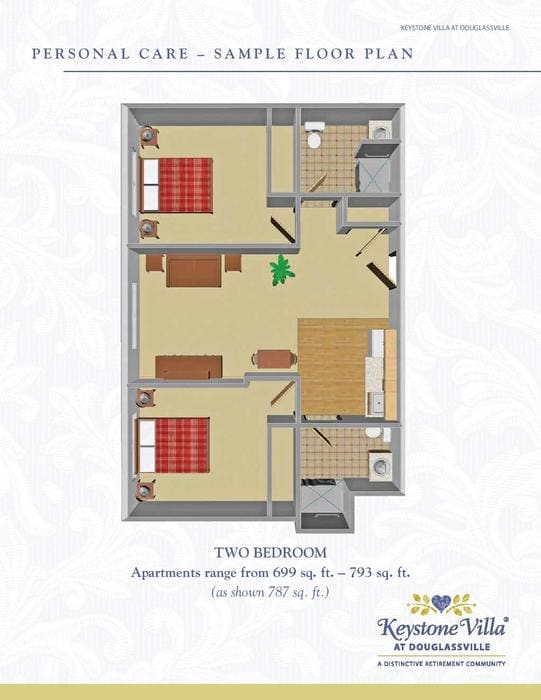
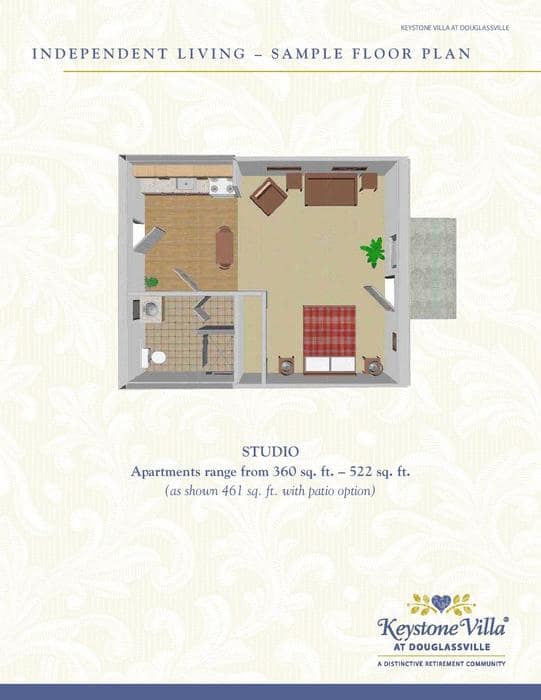
At Keystone Villa at Douglassville Personal Care, the monthly costs for accommodations reflect a significant investment in quality care and amenities. For a semi-private room, residents can expect to pay $4,975, which notably exceeds both the Berks County average of $3,216 and Pennsylvania's state average of $3,542. Studio apartments are priced at $5,400, again higher than local and state averages of $3,338 and $3,737 respectively. The one-bedroom units escalate to $6,400 - above both the county's average of $4,043 and the state's average of $4,006. Finally, for two-bedroom arrangements, the cost reaches $7,500 compared to Berks County's average of $4,289 and Pennsylvania's average of $4,242. These figures illustrate not just a premium pricing strategy but also highlight Keystone Villa's commitment to providing exceptional personal care services that may warrant the additional expense.
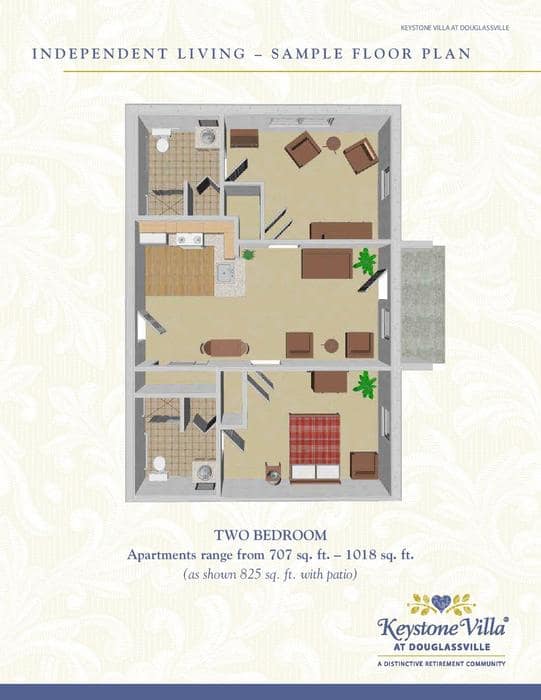
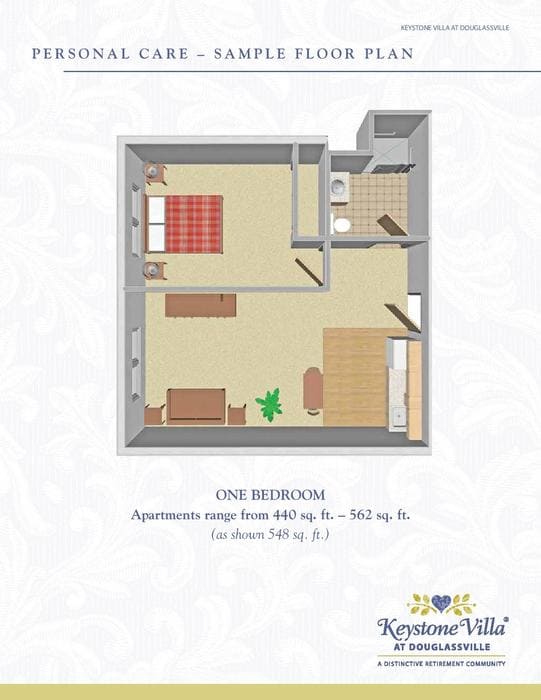
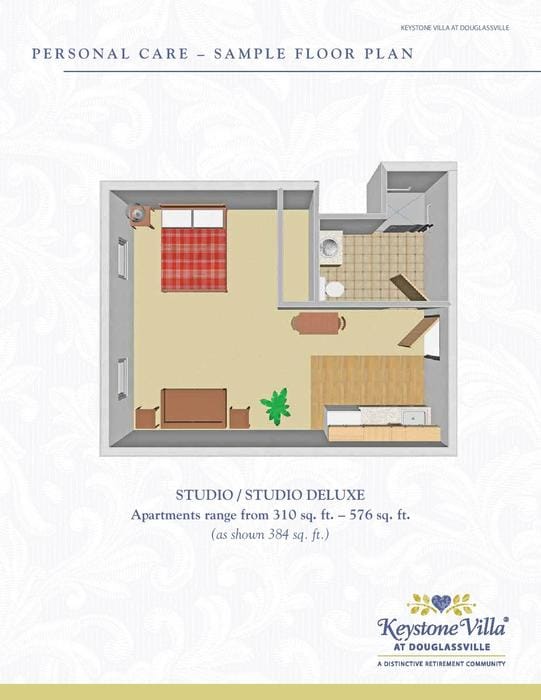
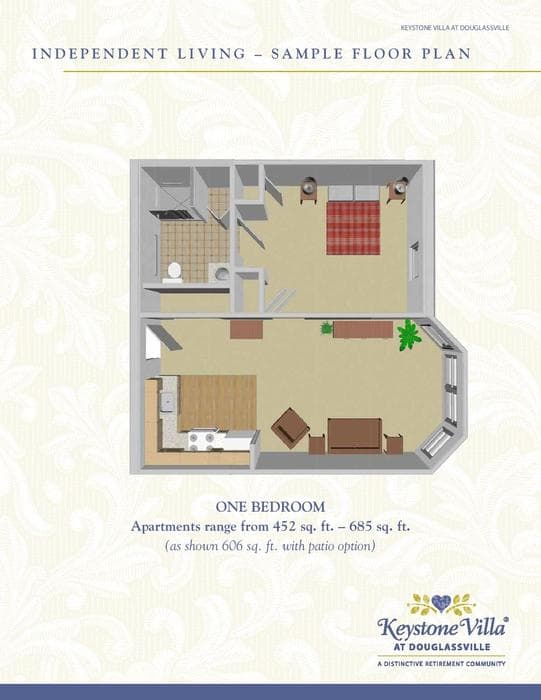
Floor plans
Keystone Villa at Douglassville Personal Care
Berks County
Pennsylvania
Semi-Private
$4,975
$3,216
$3,542
Studio
$5,400
$3,338
$3,737
1 Bedroom
$6,400
$4,043
$4,006
2 Bedrooms
$7,500
$4,289
$4,242
Memory care communities with a similar price nearby
Overall Review of Keystone Villa at Douglassville Personal Care
common28 reviews mention this
Staff support shows up in reviews
Residents and families frequently describe staff as kind, helpful, and attentive to needs.
Across many reviews, people talk about staff who are friendly, responsive, and willing to help with day-to-day care and routines. Several residents or families describe staff getting to know them and treating them with dignity, including support when personal care needs change. A smaller group of reviews raises concerns about staffing levels and delays with call bells, but even those comments often still acknowledge staff members who try to do their best within capacity limits.
common18 reviews mention this
Dining is a consistent focus
Food and dining experience are a frequent point of praise, alongside occasional concerns about variety or meals.
Many reviewers highlight enjoyable meals, good taste, and a dining experience that feels supportive rather than institutional. Several also mention dietary attention and options, including special dining programs and lower-sugar or low/no-sodium choices described in residentsā€™ experiences. A few reviews counter that food variety can be limited or that meal quality and food temperature were not always meeting expectations.
common22 reviews mention this
Activities help residents stay engaged
Residents describe an active schedule with frequent activities, outings, and social time.
Reviews commonly mention daily programming, group activities, and opportunities to get out and socialize, including happy hour and trips. Families also describe residents making friends and feeling more engaged after moving in, which they connect to the activity calendar. While some comments call out that activities are improving or could be better, the overall theme is that there is usually something scheduled and people are encouraged to participate.
differentiator6 reviews mention this
Care includes medication support
Reviews and care details repeatedly point to medication management as part of support.
Several reviews describe hands-on help with medication routines, including staff supporting the medication process and coordinating care tasks. This aligns with the care services the community offers, which include medication management along with other support such as incontinence, diabetic care, and assistance for ambulatory needs. A few critical reviews contrast that theme by saying medication issues occurred, reinforcing that outcomes can vary by resident situation and staffing.
caveat14 reviews mention this
Pricing trends higher than area benchmarks
Pricing is often described as expensive relative to what families expect.
Multiple reviews bring up cost, with some families explicitly comparing value and noting that rates can feel high even when care is viewed as comparable. The pricing details provided show rents that run above county and state benchmarks across unit types, which helps explain why value comes up in reviews. Even positive reviews sometimes frame affordability as a question, while negative ones tie pricing to staffing and care consistency concerns.
caveat12 reviews mention this
Staffing shortages and wait times appear
Some reviews describe staffing shortfalls, including delayed responses for care needs.
A recurring negative theme is that staffing levels can be insufficient, especially in memory care, with residents described as not getting enough attention. Several reviews also mention practical delays, such as long waits for caregivers or issues with call bells not being answered in a timely way. These complaints stand alongside many positive staff stories, suggesting the experience may depend on unit needs and staffing at the time.
How we summarize
Counts show how many written reviews mention each theme; a review can touch several themes, and only frequently mentioned themes are displayed.
Features
Types of Care
Assisted Living
Memory Care
Amenities
Activities off-site
Activities on-site
Air-conditioning
Beautician on-site
Devotional services off-site
Devotional services on-site
Ground floor units
Handicap accessible
Indoor common areas
Kitchenette
Outdoor common areas
Respite or short term stays offered
Wheelchair accessible showers
Care Services
Ambulatory care
Diabetic care
Incontinence care
Medication management
Dining
Guest meals
Low / no sodium
Meals provided
No Sugar
Professional chef
Restaurant style dining
Room service
Special dining programs
Activities
Art classes
Catholic services
Cooking classes
Day trips and outings
Devotional activities offsite
Devotional activities on-site
Educational speakers / life long learning
Happy hour
Other religious services
Protestant services
Visiting chaplain or priest
Nearby Places of Interest
Douglassville, Pennsylvania is a vibrant community with a variety of amenities to offer its residents, including a range of dining options such as the Yellow House Hotel and Hidden River Brewing Company. There are also several places of worship nearby, such as St Catherine of Siena Roman Catholic Church and Hope Community Church, providing spiritual support for those seeking it. In terms of healthcare, the area is well-equipped with pharmacies like CVS Pharmacy and hospitals like Berks Family Care within close proximity. For seniors looking for medical care, there are numerous physician offices in the area including Family Medicine Associates and Reading Hospital Medical Group. Additionally, recreational opportunities can be found at parks like Egelman Park and Pottstown Riverfront Park. With easy access to transportation services like Enterprise Rent-A-Car, as well as entertainment options such as AMC Theatres-Fairgrounds 10, Douglassville offers a convenient and enjoyable living environment for seniors.
Restaurants
Yellow House Hotel (0 miles)
Bertie's Inn (5.1 miles)
Hidden River Brewing Company (5.5 miles)
Exeter Family Restaurant (5.6 miles)
Chick-Fil-A (5.6 miles)
Sly Fox Brewery & Tastin' Room (6.1 miles)
Spunktown Tavern (6.1 miles)
Places of Worship
St Catherine of Siena Roman Catholic Church (4.1 miles)
Hope Community Church (8.9 miles)
Holy Guardian Angels Roman Catholic Church (9.6 miles)
At Keystone Villa at Douglassville Personal Care, the monthly costs for accommodations reflect a significant investment in quality care and amenities. For a semi-private room, residents can expect to pay $4,975, which notably exceeds both the Berks County average of $3,216 and Pennsylvania's state average of $3,542. Studio apartments are priced at $5,400, again higher than local and state averages of $3,338 and $3,737 respectively. The one-bedroom units escalate to $6,400 - above both the county's average of $4,043 and the state's average of $4,006. Finally, for two-bedroom arrangements, the cost reaches $7,500 compared to Berks County's average of $4,289 and Pennsylvania's average of $4,242. These figures illustrate not just a premium pricing strategy but also highlight Keystone Villa's commitment to providing exceptional personal care services that may warrant the additional expense.
Keystone Villa at Douglassville Personal Care's medication management ensures that residents receive the correct medications at the right times, which is crucial for maintaining cognitive stability and overall well-being in individuals with dementia or Alzheimer's disease. By closely monitoring prescriptions and potential side effects, staff can provide tailored support that not only enhances residents' health but also alleviates anxiety surrounding medication adherence. Additionally, incontinence care is thoughtfully designed to promote dignity and comfort for residents experiencing this common issue associated with cognitive decline. With compassionate assistance in maintaining personal hygiene and cleanliness, caregivers help reduce distress and behavioral challenges linked to incontinence, creating a more serene environment conducive to memory care. Together, these services foster a supportive atmosphere that prioritizes individual needs and preserves quality of life for those affected by memory-related conditions.
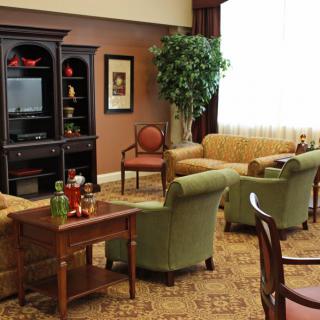
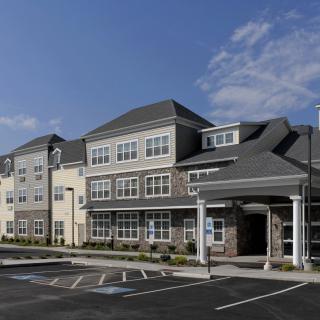
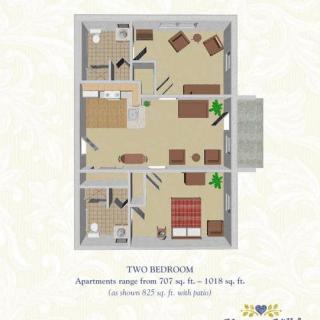
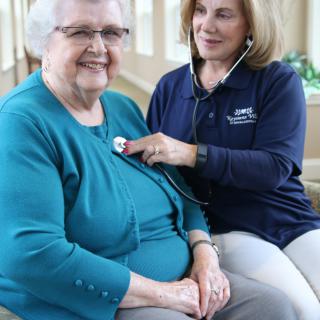
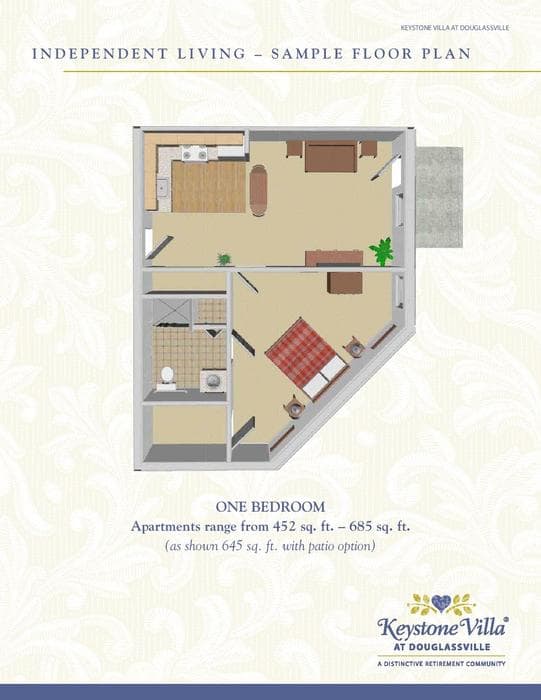
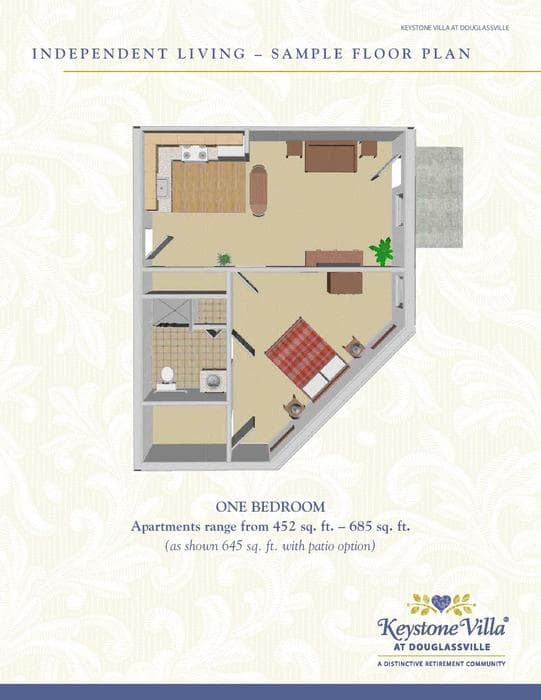
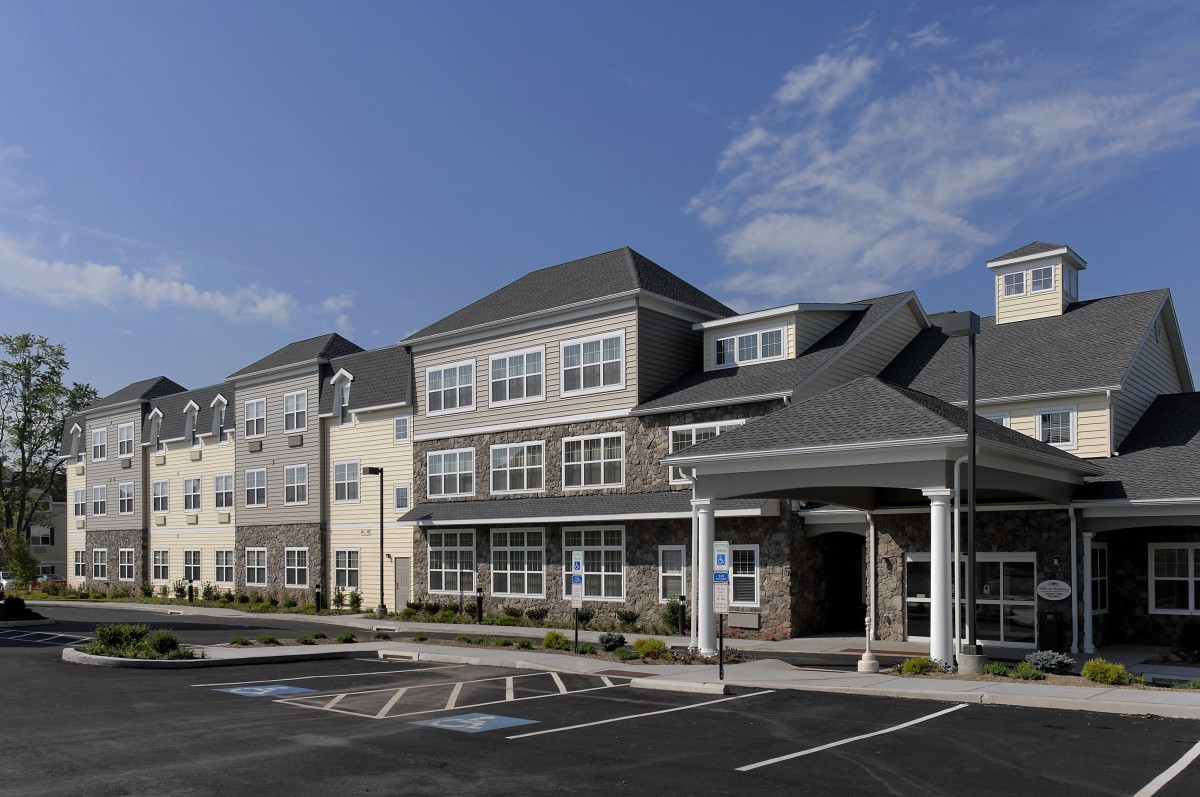
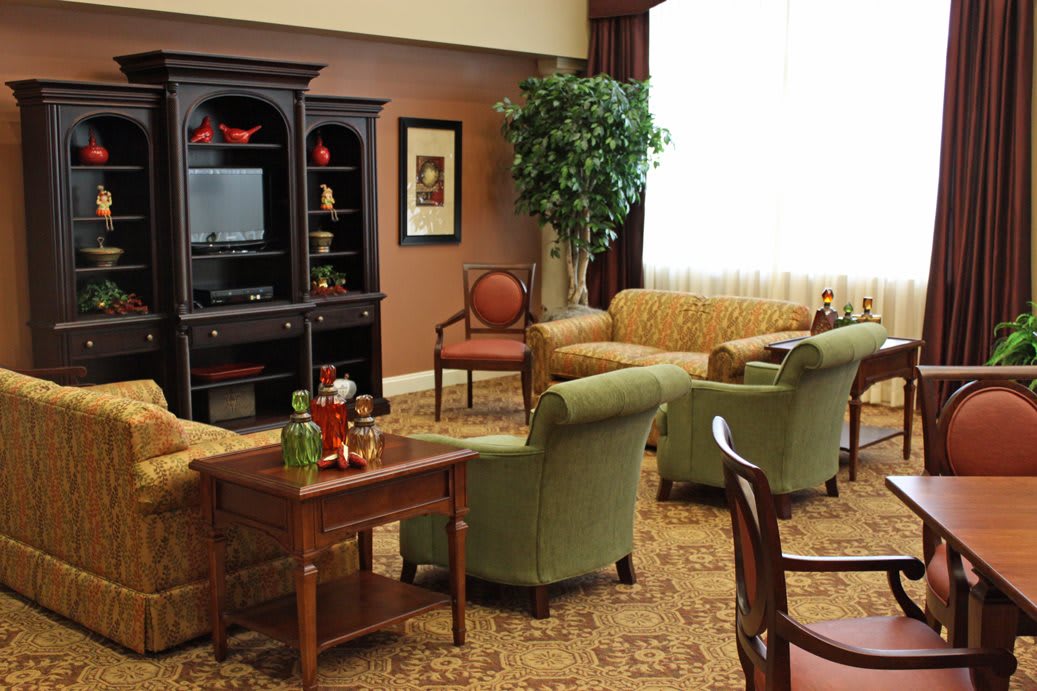
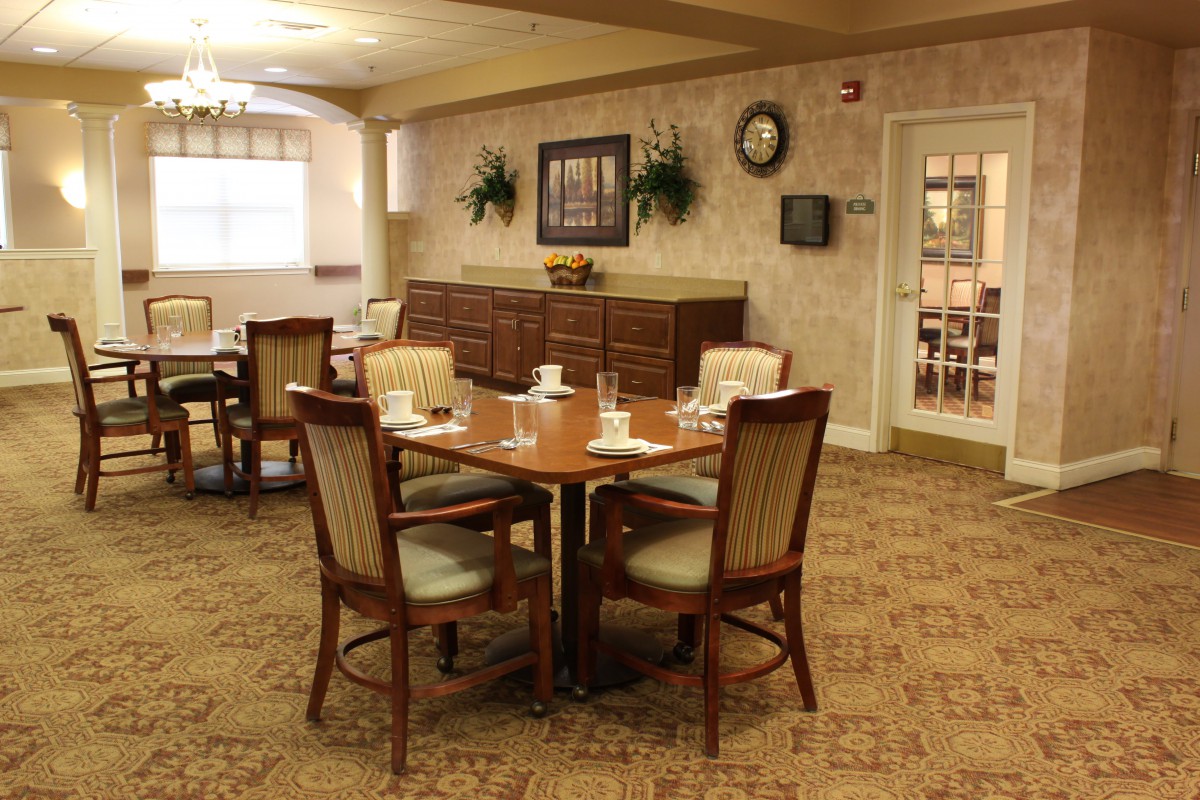
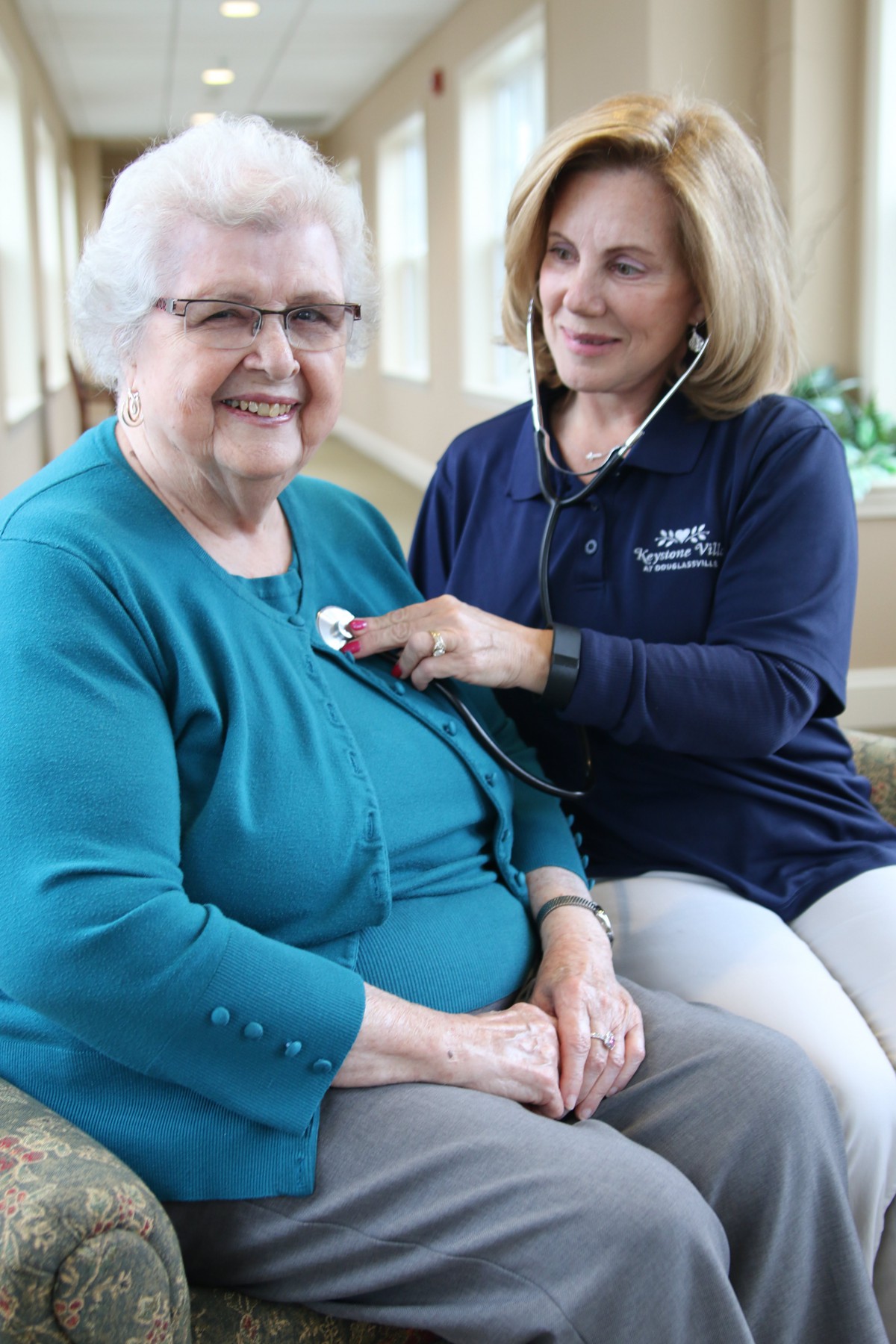
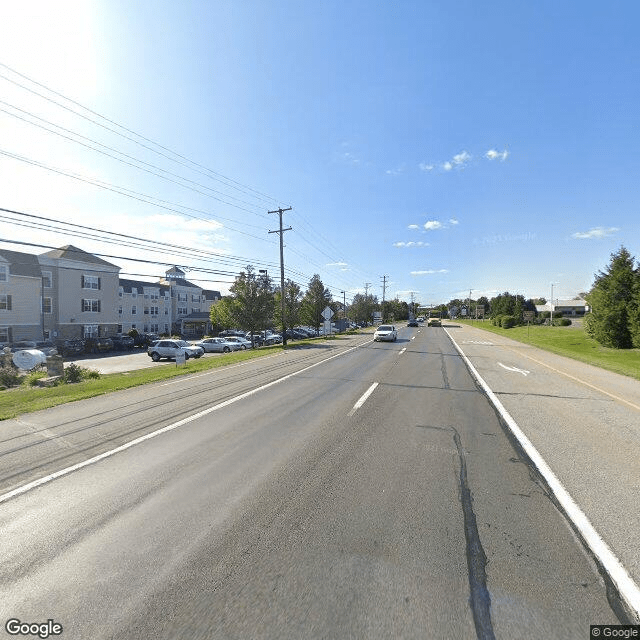
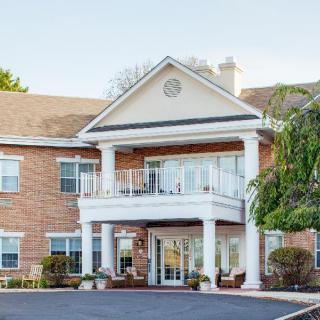
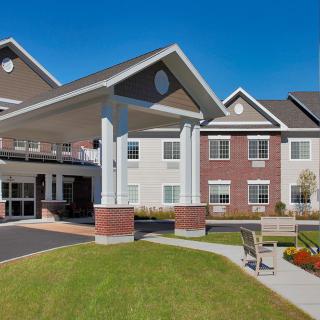
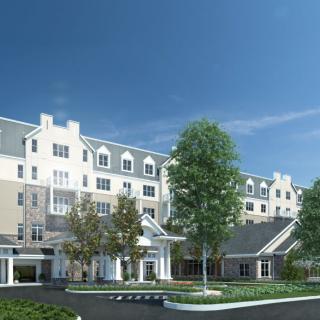
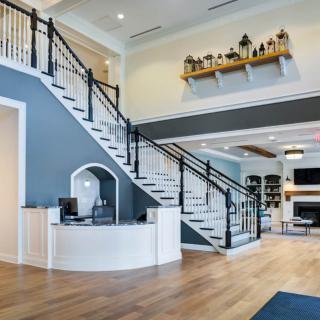
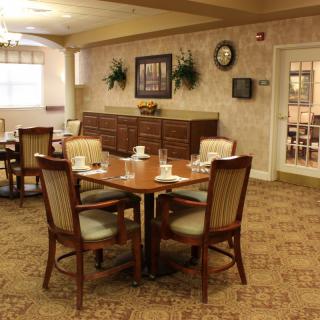
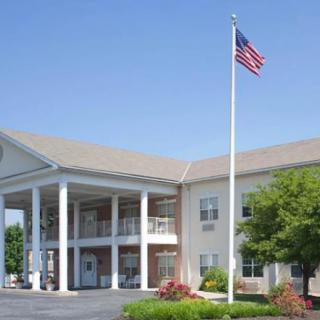
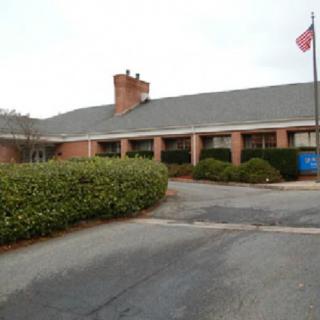
Keystone Villa at Douglassville Personal Care on seniors.fyi includes 14 photos including images showing floor plan, interior, bedroom, studio apartment, dining, architectural drawing, architecture, living room, and more.
Nearby Communities
Careland Home Health
Douglasville, PA
5 from 35 reviews
Convenient access to pharmacies, physicians, a hospital, and nearby amenities.
Birdsboro Lodge
Birdsboro, PA
4.8 from 20 reviews
$3,100 / month
Private bedrooms and bathrooms, friendly staff, clean facility, good meals, and engaging activities at a comparatively affordable price.
Harmonycrest Personal Care Services
Birdsboro, PA
Small, intimate board-and-care with personalized care and comprehensive services.
Keystone Villa at Douglassville
Douglassville, PA
4.5 from 117 reviews
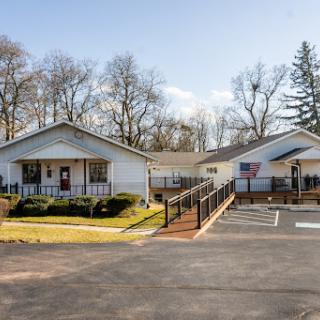
Caring, friendly staff in a warm community with engaging activities and good dining.
Meadow View Farms
Oley, PA
4.6 from 7 reviews
Intimate, small-community setting with personalized dining, medication management, and easy access to Wi-Fi and nearby services.
Keystone Villa at Douglassville Independent Living
Douglassville, PA
4.5 from 116 reviews
$2,600 to $5,100 / month
Caring staff and a strong sense of community
Complete Care Berkshire
Reading, PA
4.7 from 120 reviews
$3,125 to $4,800 / month
Clean, cozy atmosphere with friendly, genuinely caring staff and spacious rooms.
Fairlane Gardens Nursing And Rehab At Reading
Reading, PA
3.6 from 71 reviews
Comprehensive care with 24/7 supervision and medication management, plus a broad range of on-site amenities (dining, fitness, beauty salon, transportation, library).
Douglass Village
Douglassville, PA
3.8 from 25 reviews
Intimate, personalized care with dietary accommodations and reliable connectivity.
Memory care activities are essential for improving the quality of life of seniors with cognitive impairments, as they stimulate cognitive function, promote well-being, and encourage social interaction through tailored strategies. These activities combine structured exercises with spontaneous tasks, sensory engagement, physical workouts, creative pursuits, and intergenerational interactions to enhance emotional connection and a sense of purpose.
Transitioning from assisted living to memory care is driven by an individual's cognitive decline and specific needs, requiring careful evaluation of indicators like increased confusion and wandering. The process involves consulting medical professionals, researching suitable communities, considering financial and legal aspects, and ensuring effective communication for personalized care plans.
The article differentiates between assisted living and memory care, explaining that assisted living supports seniors with daily activities while promoting independence, whereas memory care provides specialized services for individuals with dementia, focusing on secure environments and cognitive support. It also addresses staff training, safety considerations, costs, family involvement, and transition strategies for families navigating these care options.
Keystone Villa at Douglassville Personal Care photos
×
Interior
Decor
Building
Floor Plan
Healthcare
Interior
Decor, Living Room, and Indoor Plants
Bedroom
Dining
Floor Plan
Building and Exterior
Architecture
Healthcare
Studio Apartment
Living Space
Architectural Drawing
Room Layout
Get PricingAsk A QuestionSchedule A TourContact Senior Advisor
By clicking submit, you agree to our Partner's Terms of Use. You
also consent to receive calls and texts, which may be autodialed, from our Partner. Your consent is not a condition to
using our Partner's service. Please visit our Partner's Privacy Policy for information about their privacy practices.

 Assisted Living
 Memory Care
 Activities off-site
 Air-conditioning
 Beautician on-site
 Devotional services off-site
 Ground floor units
 Handicap accessible
 Indoor common areas
 Kitchenette
 Outdoor common areas
 Respite or short term stays offered
 Wheelchair accessible showers
 Ambulatory care
 Diabetic care
 Incontinence care
 Medication management
 Guest meals
 Art classes
 Catholic services
 Cooking classes
 Day trips and outings
 Educational speakers / life long learning
 Happy hour
 Convenient access to pharmacies, physicians, a hospital, and nearby amenities.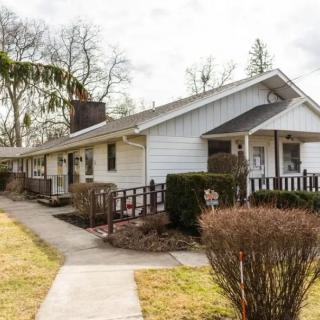
 Engaging Memory Care Activities That Enhance Quality of Life
 When to Transition from Assisted Living to Memory Care: Key Indicators, Steps, and Finding the Right Community
 Understanding the Distinctions: Assisted Living and Memory Care Explained