
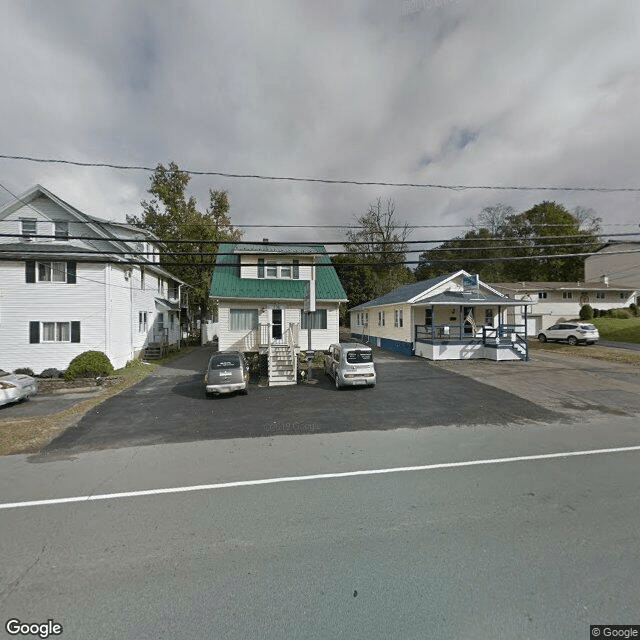
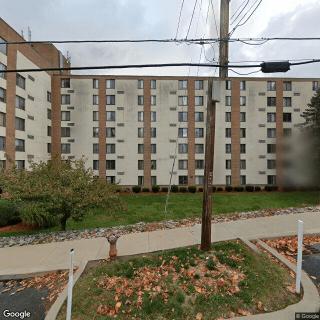
506 N State St, Clarks Summit, PA 18411
To contact a resident: (239) 594-3250
For more information about senior living options: (866) 208-4318
Overall Review of Home Instead - Clarks Summit, PA
Pros
 The young women who work with her are wonderful.
- The office staff is amazing and the workers are kind, knowledgeable, and empathetic.
- Diane is an absolutely amazing Care Pro, kind, loving, and very professional.
- The staff at the Scranton/Clark's Summit location are courteous and patient with families.
- Jessica, the GM, is recognized for a very well organized and efficient office.
- They have made life so much better for Mom.
- Home Instead is by far the best choice to consider for care of a loved one.
- Home Instead is awesome and highly regarded by clients.
Cons
 The reviewer reports that a Home Instead caregiver harassed a disabled client.
- Aides from Home Instead allegedly stole jewelry worth about $35,000 from a client’s home.
- The reviewer describes the administration as shady.
- The company raised the hourly rate without notifying clients.
- A nurse claims the agency cares only about the bottom line and underpays staff, offering too little to travel.
- One reviewer would be worried to entrust a disabled relative to Home Instead due to alleged harassment and potential risk to other clients.
- Some aides were lazy and mean.
Review
This community is best suited for families seeking in-home dementia and daily living support delivered with genuine warmth and personal attention. It works well for clients who value a hands-on, caregiver-driven approach, where most days feel personal and the relationship with aides is central. It also suits families who can navigate flexible scheduling and who want strong office support to coordinate care as needs evolve. Those who require constant guaranteed coverage, or who need a highly regulated, 24/7 staffed environment, should seriously consider alternatives. For higher levels of medical oversight or a setting with built-in back-up staffing, an assisted living community or a larger agency with deeper bench strength may be a wiser fit.
The strongest asset here is the people. Reviewers repeatedly highlight kind, knowledgeable, and empathetic caregivers who make a tangible difference in daily life for a loved one with dementia. Specific praise is given to individuals like Diane, described as an outstanding care pro, and to the overall Scranton/Clark’s Summit team for courtesy and patience. The office leadership is consistently credited with organization and responsiveness, with Jessica singled out for efficient management. When care plans click, families feel relief and appreciation because the caregiver-client bond truly enhances safety, dignity, and quality of life at home.
Yet the notes of caution are not trivial. A subset of reviews describes serious red flags: allegations of harassment by a caregiver, and even theft of jewelry by aides. There are warnings about price increases charged without prior notice, and accounts of “shady” administration that undermine trust. In addition, there are firsthand reports of staffing gaps that force families to rely on a second company to fulfill hours, or to absorb long shifts for the existing caregivers. These are material risks: inconsistent coverage can disrupt routines, increase caregiver fatigue, and heighten anxiety for families already navigating dementia care.
These pros can offset many concerns when managed proactively, but they do not erase the structural challenges. The in-home model remains powerful for dementia care because it keeps the loved one in familiar surroundings, with caregivers who learn routines and triggers, and with a responsive office that can adjust plans. The caveat is that without robust back-up staffing, the reliability of 24/7 or near-constant coverage is contingent on luck and scheduling workarounds. Families that can coordinate a backup plan, or that can accept periodic shifts in who cares for their loved one, will likely experience meaningful benefits from the dedicated staff and thoughtful care management.
From a practical standpoint, pricing and transparency need close scrutiny. Reports of unexpected rate changes, and the potential for upcharges, demand careful contract review and ongoing dialogue with the office. The staffing reality, caregivers carrying heavy loads, sometimes working two or three shifts to cover shortages, also has cost implications and affects consistency. Prospective clients should insist on written back-up policies, a predictable scheduling framework, and clear communication about any anticipated changes to services or rates. This is not a program that promises perfect continuity; it rewards families who plan for contingencies and demand accountability.
In the end, Home Instead Clarks Summit delivers deeply compassionate, person-centered in-home care that can substantially improve life for a person with dementia and ease for overwhelmed families. It stands out for caring professionals, strong office leadership, and a flexible approach that can adapt to progression. However, the potential for coverage gaps, disputes over billing, and the risk of misbehavior by individuals cannot be ignored. The prudent choice is to pursue this option with explicit expectations: a defined caregiver roster, robust backup coverage, transparent pricing, and a rigorous background check framework. If any of those assurances feel uncertain, exploring alternatives, such as a multi-provider arrangement, a larger agency, or an assisted living setting with guaranteed staffing, will likely deliver greater peace of mind.
 Wilkes-Barre Scranton International (10 miles away)



 8 Essential Assistive Devices for Older Adults
 Navigating the Financial Road to Nursing Home Care: In-Depth Guidance and Resources
 Supportive Employee Benefits That Help Caregivers Attain Better Work-Life Harmony