
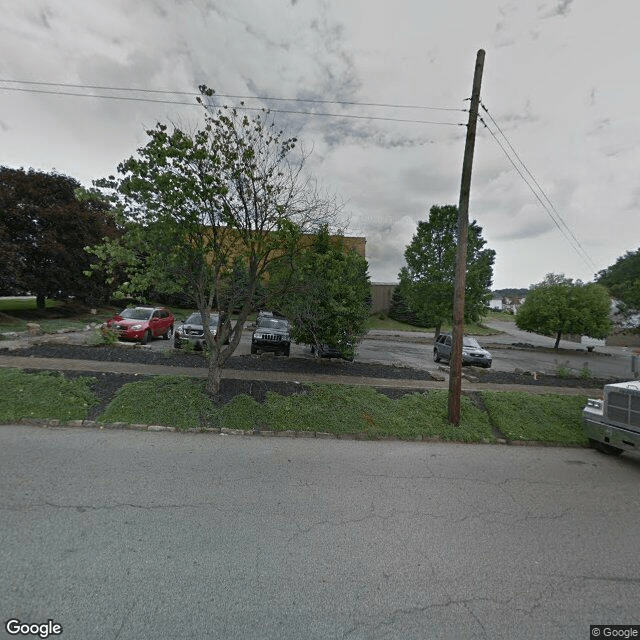
RR 1 Box 571, Chicora, PA 16025
To contact a resident: (724) 445-3868
For more information about senior living options: (866) 208-4318
Whispering Acres Personal Care Costs & Pricing
Whispering Acres Personal Care offers a compelling value for those seeking assisted living options in the region, with costs significantly lower than both Butler County and the broader state of Pennsylvania. For a semi-private room, residents pay just $1,200 per month, well below the county average of $2,993 and the state average of $3,542. Similarly, private rooms at Whispering Acres are priced at $1,300 per month, compared to $2,220 in Butler County and an impressive $4,890 statewide. This pricing structure not only reflects the facility's commitment to affordability but also positions it as an attractive option for families considering personal care services without sacrificing quality or care.
| Floor plans | Whispering Acres Personal Care | Butler County | Pennsylvania |
|---|---|---|---|
| Semi-Private | $1,200 | $2,993 | $3,542 |
| Private | $1,300 | $2,220 | $4,890 |
Senior living communities with a similar price nearby
-
About the same
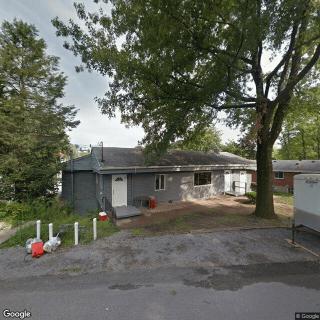
Shady Oaks Personal Care Home
$1,200 to $1,600 / month24.9 miles away -
About the same

Penn Grove Hotel Inc
$1,200 / month23.1 miles away -
About the same
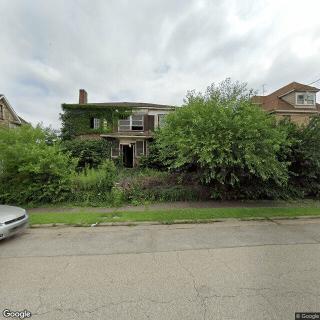
Family House
$1,200 / month23.4 miles away -
About the same

Royal Oak Manor
$1,200 to $1,500 / month24.9 miles away
Overall Review of Whispering Acres Personal Care
Pros
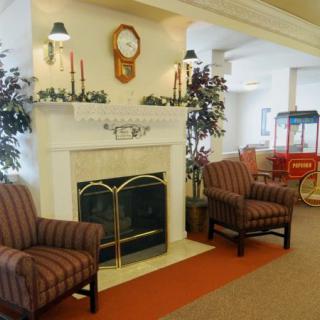
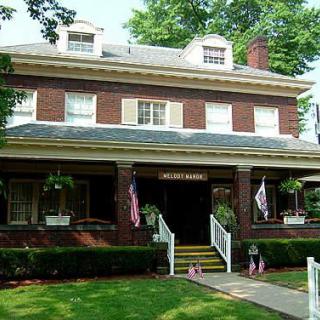
 The new owner provides guided tours and keeps the property very clean, displaying photos of birds and wildlife that frequently visit.
- The care provided to residents is described as wonderful.
- The staff are described as amazing.
Cons
 The facility is not licensed by the state.
- It is no more than a high-priced boarding home.
- It made everyone leave for 10 days so the owner could go to the Butler Fair.
- The place needs to be reported to the state.
Review
Whispering Acres Personal Care in Chicora, Pennsylvania is best suited for families seeking a small, home-like setting where attentive staff provide hands-on daily care. It tends to appeal to residents who prioritize personal attention, consistent caregiver presence, and a calmer, less institutional atmosphere over large‑scale amenities. The model works for individuals who value predictable routines, straightforward care plans, and a neighborhood feel rather than a glossy, high‑traffic campus. This option is not ideal for those needing aggressive medical management, highly specialized equipment, or rapid, frequent clinical interventions. Families should set clear expectations about service scope and whether evolving medical needs can be met on-site.
One review raises a serious caveat: a claim that the operation is not state-licensed and that residents were displaced for 10 days while the owner attended a fair. If true, this would represent a fundamental regulatory failure and a severe risk to resident safety. Given the gravity of such allegations, it is essential to verify licensing status with the Pennsylvania Department of Health immediately and review the latest inspection records. Ownership transitions are noted in other remarks, which signals potential changes in policies or care philosophy. Because of the stark contrast between accounts, due diligence becomes non-negotiable rather than optional.
On the brighter side, the staff is repeatedly described as a standout asset. A family caregiver’s experience is cited as wonderful, and a visitor later notes an engaged, capable team that maintains a clean environment. Tours describe a well-kept facility, reinforcing a sense of safety and order. The setting, eye-catching birds and wildlife photos, conveys a tranquil, homelike atmosphere that can contribute positively to mood and daily routine. Taken together, caregiving attentiveness paired with a tidy, comfortable living space translates into meaningful help with activities of daily living, medication reminders, and companionship.
However, the positive view sits amid governance uncertainties. Beyond licensing questions, ownership turnover can ripple through policy clarity, staffing stability, and long-term care planning. For families, this can mean variability in care standards, contingency planning, and contractual terms. The most alarming takeaway from the negative report concerns regulatory risk and resident displacement, which can erode confidence in long-term reliability. If administrative clarity appears unsettled or opaque, the warmth of caregivers may fail to compensate for perceived risk and potential disruption in residency rights and services.
Alternatives become a practical consideration for families prioritizing formal oversight and predictable operations. More established licensed assisted living communities or continuing care communities often offer transparent inspection histories, clear resident rights, and documented care continuums. When comparing options, focus on licensing status, staffing ratios, administrator accessibility, emergency protocols, and the specifics of what is included in the residency agreement. If Whispering Acres remains under consideration, pursue a disciplined due diligence itinerary: request recent inspection reports, study any filed complaints, meet the administrator, and experience multiple tours at different days and times to gauge consistency.
To move decisively, set a structured evaluation that probes licensing, finances, and care planning. Request copies of the license, recent survey results, and any corrective action plans; review medication administration procedures, emergency procedures, and staff training records. Confirm the residency agreement clearly outlines eviction conditions, notice timelines, and transfer policies between care levels. Families weigh the emotional warmth and caregiving attentiveness against regulatory and governance questions. Whispering Acres may be a compelling fit for those prioritizing a homey, caregiver-first vibe, provided solid licensure proof and stable administration are verified. If those assurances cannot be obtained, alternatives with stronger oversight deserve serious consideration.
 Board and Care Home
 Private



 Exploring Palliative Care in the Home: A Comprehensive Overview
 Comprehensive Insights into Palliative Home Care: What It Is and What to Expect
 Skilled Nursing Facilities vs. Nursing Homes: Making Sense of the Differences