Magnolias of Chambersburg offers competitive pricing for its residents in comparison to both Franklin County and the broader state of Pennsylvania. For a semi-private room, the monthly cost is $3,760, which exceeds the county average of $3,296 but remains slightly above the state average of $3,542. The studio option is priced at $3,788, aligning closely with Franklin County's rate of $3,661 and Pennsylvania's average of $3,737. Meanwhile, the 1-bedroom accommodation is available for $4,510 - higher than both Franklin County's average of $4,107 and Pennsylvania's average of $4,006. Overall, while some costs are above local and state averages, Magnolias of Chambersburg remains a compelling choice with its quality offerings and amenities.
Floor plans
Magnolias of Chambersburg
Franklin County
Pennsylvania
Semi-Private
$3,760
$3,296
$3,542
Studio
$3,788
$3,661
$3,737
1 Bedroom
$4,510
$4,107
$4,006
Memory care communities with a similar price nearby
Residents and families consistently describe staff who are caring, attentive, and responsive.
Across the reviews, families repeatedly say staff treat residents with compassion and respect, and that communication helps reduce worry. Multiple reviewers mention being supported during care transitions and daily needs, with staff taking questions seriously and following through. Even when describing serious care situations, residents’ loved ones return to the same point: the staff feel dependable and personally invested.
differentiator
Memory care feels safe
The memory care setting is described as secure and supportive for dementia.
Several reviews tie their comfort to the memory care environment and the way staff handle dementia-related needs. People describe a safe, secure setting and day-to-day engagement that helps residents feel settled. Reviews also mention structured units and practices aimed at keeping residents protected, along with staff who understand individual preferences.
common
Food and meal service matter
Meal service is a frequent bright spot, with residents said to enjoy the food.
A number of reviewers highlight that residents like the food and that meals are an important part of day-to-day life. Some mention room-to-room service or the way meals fit specific dietary needs, while others emphasize regular snack availability and special occasions. Overall, dining comes through as more than a basic routine in resident experiences.
common
Activities keep residents engaged
Activities are described as frequent, varied, and involving residents beyond their rooms.
Many reviews say residents have plenty to do, including social events, exercise, music, and outings. Reviewers also describe residents staying active at their own pace and participating in activities designed to encourage engagement. This theme shows up both as daily structure and as something families can see during visits.
caveat
Cost stands out as a concern
Reviewers sometimes flag the overall cost as a downside.
Some reviewers describe the community as expensive, and a few compare it to other options during the decision process. That concern is paired with statements that care and the environment still matter a lot to families choosing the place. When cost comes up, it’s usually mentioned alongside the overall evaluation rather than as the only factor.
How we summarize
We summarize when many written reviews mention each theme; a review can touch several themes, and only frequently mentioned themes are displayed.
Features
Housing
Studio apartments
Types of Care
Assisted Living
Memory Care
Pets
Cats allowed
Dogs allowed
Amenities
Activities off-site
Activities on-site
Air-conditioning
Beautician on-site
Beauty salon
Cable or satellite TV
Computer center
Devotional services off-site
Devotional services on-site
Dining room
Financing advice
Fully furnished
Garden
General store
Ground floor units
Guasts at mealtime
Guest parking
Handicap accessible
Housekeeping services
Indoor common areas
Kitchenette
Laundry
Move-in coordination
Outdoor common areas
Outdoor space
Overnight guests
Party space
Resident parking
Respite or short term stays offered
TV room
Telephone
VA Benefits Consultation
Wheelchair accessible showers
Wi-Fi/high-speed internet available
Transportation
Transportation & parking
Care Services
24-hour call system
24-hour supervision
Activities of daily living assistance
Assistance with bathing
Assistance with dressing
Assistance with transfers
Diabetes diet
Diabetic care
Incontinence care
Meal preparation and service
Medication management
Mental wellness program
Mild cognitive impairment
Physical therapy
Special dietary restrictions
Specialized memory care programming
Dining
Diabetes diet
Gluten-free
Guest meals
Low / no sodium
Meals provided
No Sugar
Restaurant style dining
Room service
Special dietary restrictions
Special dining programs
Vegan
Vegetarian
Activities
Activities off-site
Art classes
Arts and crafts
Book club
Brain fitness
Community-sponsored activities
Cooking club
Day trips and outings
Devotional activities offsite
Devotional activities on-site
Educational speakers / life long learning
Fitness programs
Games
Gardening club
Live dance or theater performances
Live musical performances
Live well programs
Religious services
Resident-run activities
Scheduled daily activities
Stories
Wii bowling
Yoga / chair yoga
Languages Spoken
English
Nearby Places of Interest
This part of Chambersburg, Pennsylvania offers a range of amenities and services that may be appealing to seniors looking to settle in the area. Within a short distance, you will find several physicians' offices, hospitals, pharmacies, restaurants, cafes, and places of worship. The convenient proximity to healthcare facilities such as Keystone Walk In Clinic and Summit Health, as well as pharmacies like GIANT Pharmacy and Rite Aid, ensures easy access to medical care. Additionally, there are various dining options available including Sonic Drive-In and Olive Garden for enjoying meals with friends or family. For recreational activities, parks like Falling Springs Trout Nursery and Memorial Park Skate Park are nearby for outdoor enjoyment. Overall, this area provides a mix of essential services and leisure opportunities suitable for senior living.
Physicians
Keystone Walk In Clinic (0.1 miles)
Keystone Women's Care (0.1 miles)
Hiv Services Keystone Health (0.1 miles)
N. Nasreen Khan DO (0.2 miles)
Summit Physician Services (0.2 miles)
Cumberland Valley Family Physicians (0.2 miles)
Wayne Ledinh, MD (0.2 miles)
Restaurants
Sonic Drive-In (0.2 miles)
Norland Pub (0.4 miles)
Crab 88 (0.5 miles)
Chick-Fil-A (0.6 miles)
Chipotle Mexican Grill (0.6 miles)
Olive Garden (0.7 miles)
Rosalie's Fabulous Grill (0.7 miles)
Cafes
Starbucks (0.5 miles)
Panera Bread (0.6 miles)
Denim Coffee (1.3 miles)
Kristtany Tea and Brewology Coffee Shop (2.8 miles)
Magnolias of Chambersburg offers competitive pricing for its residents in comparison to both Franklin County and the broader state of Pennsylvania. For a semi-private room, the monthly cost is $3,760, which exceeds the county average of $3,296 but remains slightly above the state average of $3,542. The studio option is priced at $3,788, aligning closely with Franklin County's rate of $3,661 and Pennsylvania's average of $3,737. Meanwhile, the 1-bedroom accommodation is available for $4,510 - higher than both Franklin County's average of $4,107 and Pennsylvania's average of $4,006. Overall, while some costs are above local and state averages, Magnolias of Chambersburg remains a compelling choice with its quality offerings and amenities.
Magnolias of Chambersburg offers comprehensive features designed to support residents with dementia or Alzheimer's disease, ensuring their safety and enhancing their quality of life. With 24-hour supervision, residents receive constant oversight that promotes a secure environment, while assistance with activities of daily living--such as bathing, dressing, and transfers--helps maintain personal dignity and comfort. Brain fitness activities are tailored to stimulate cognitive function, whereas incontinence care and meal preparation services address fundamental needs with compassion and respect. Medication management ensures proper adherence to prescribed treatments, while a dedicated mental wellness program fosters emotional health for overall well-being. Additionally, specialized memory care programming is specifically crafted to meet the unique challenges faced by those with mild cognitive impairment or more advanced stages of dementia. Physical therapy offerings further promote mobility and independence, contributing to an enriching living experience that prioritizes both physical and cognitive health.
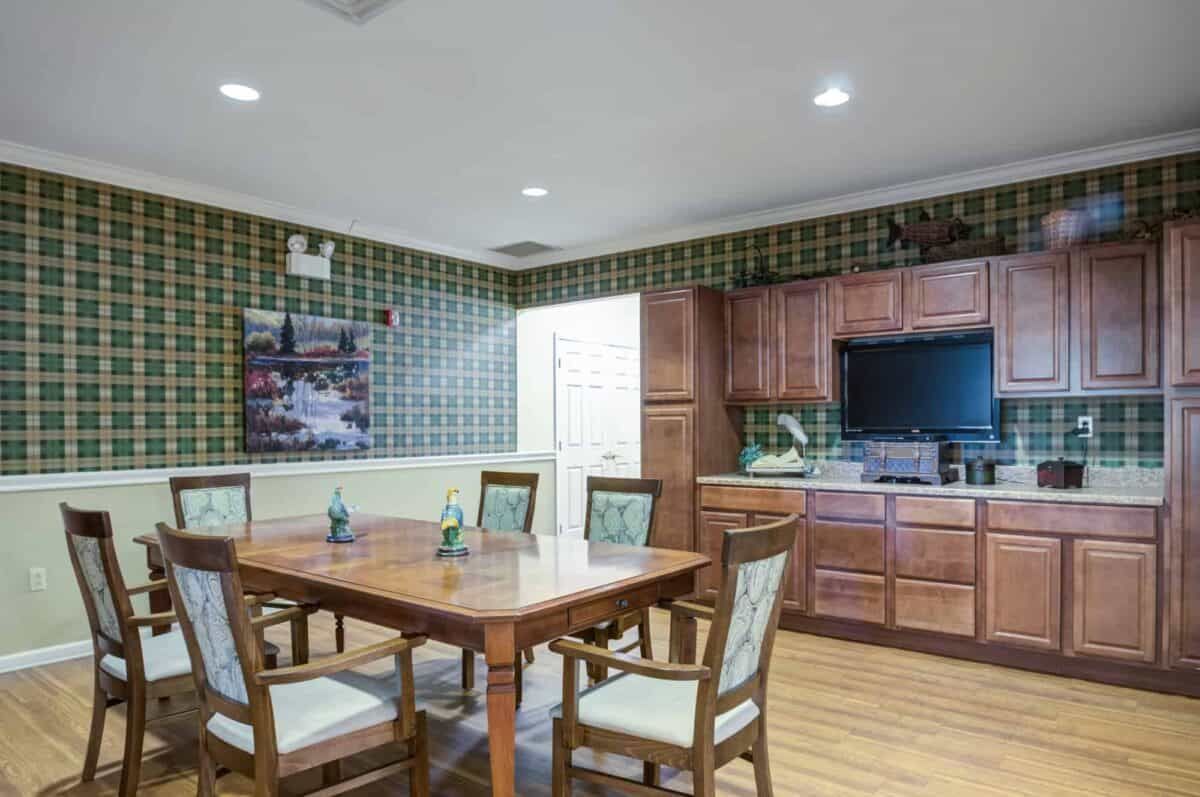
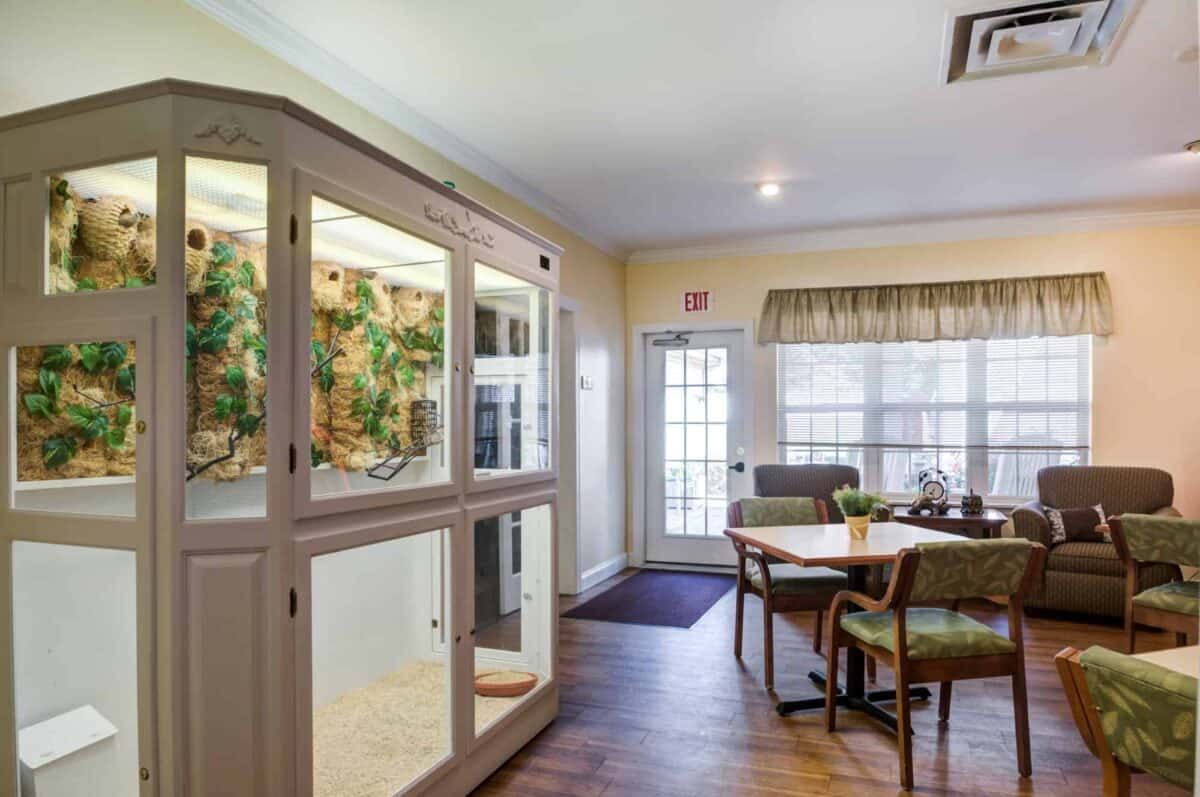
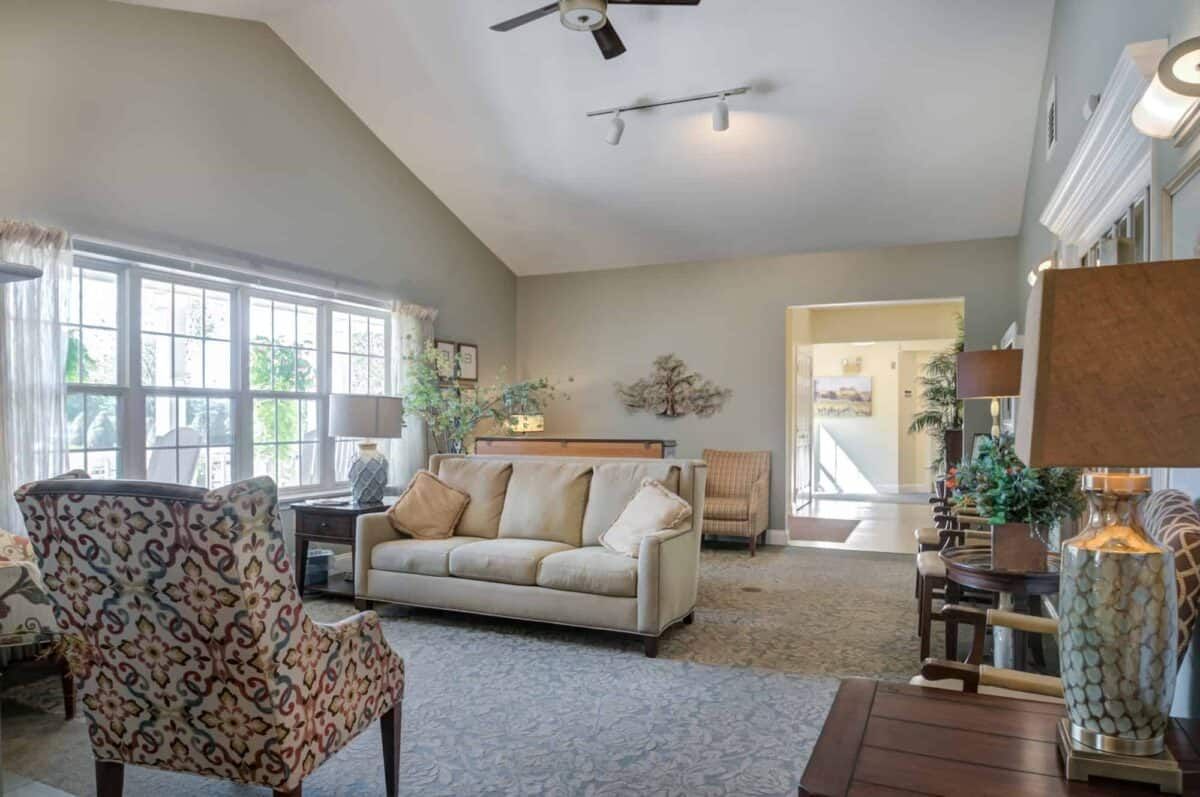
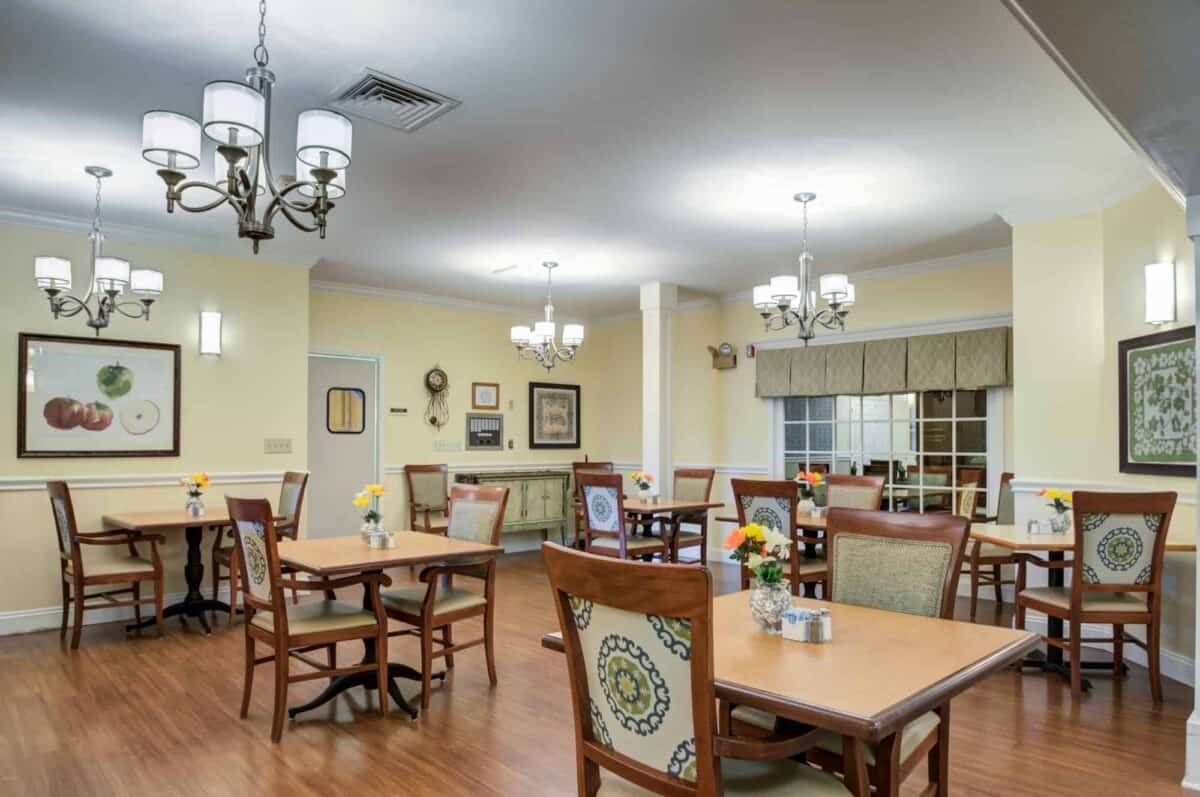
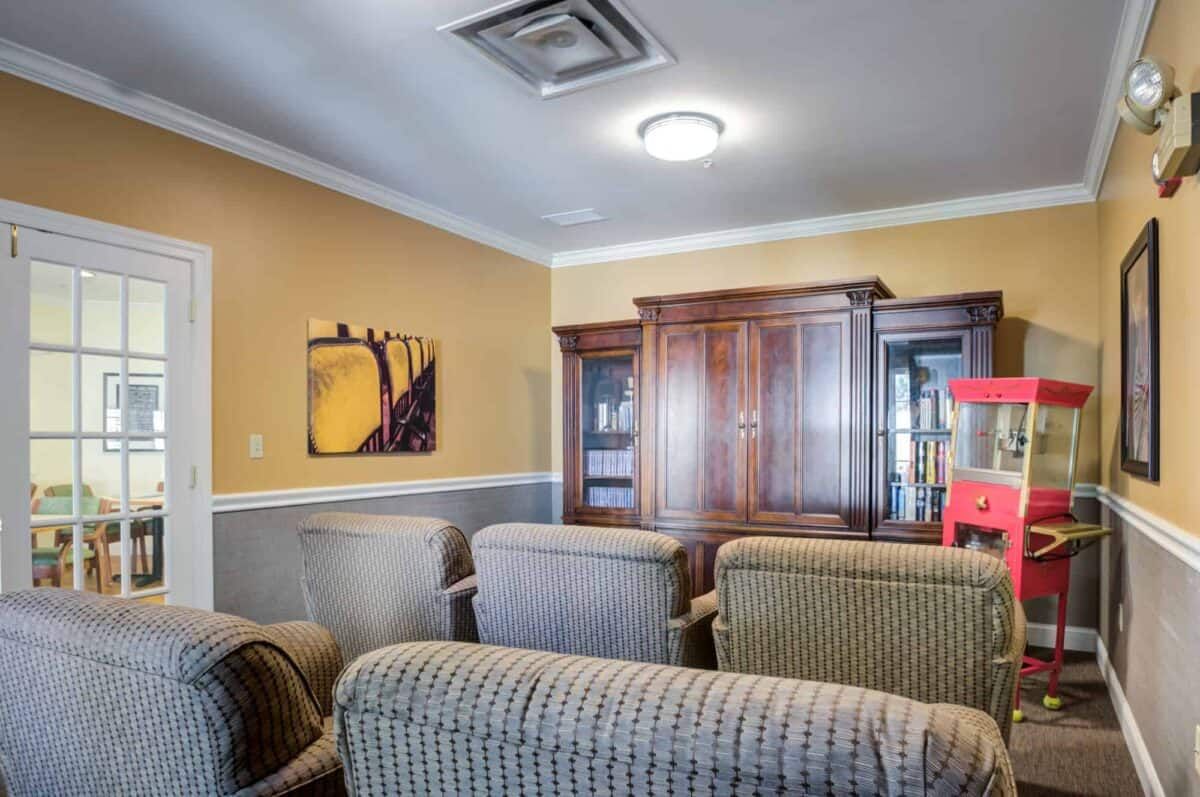
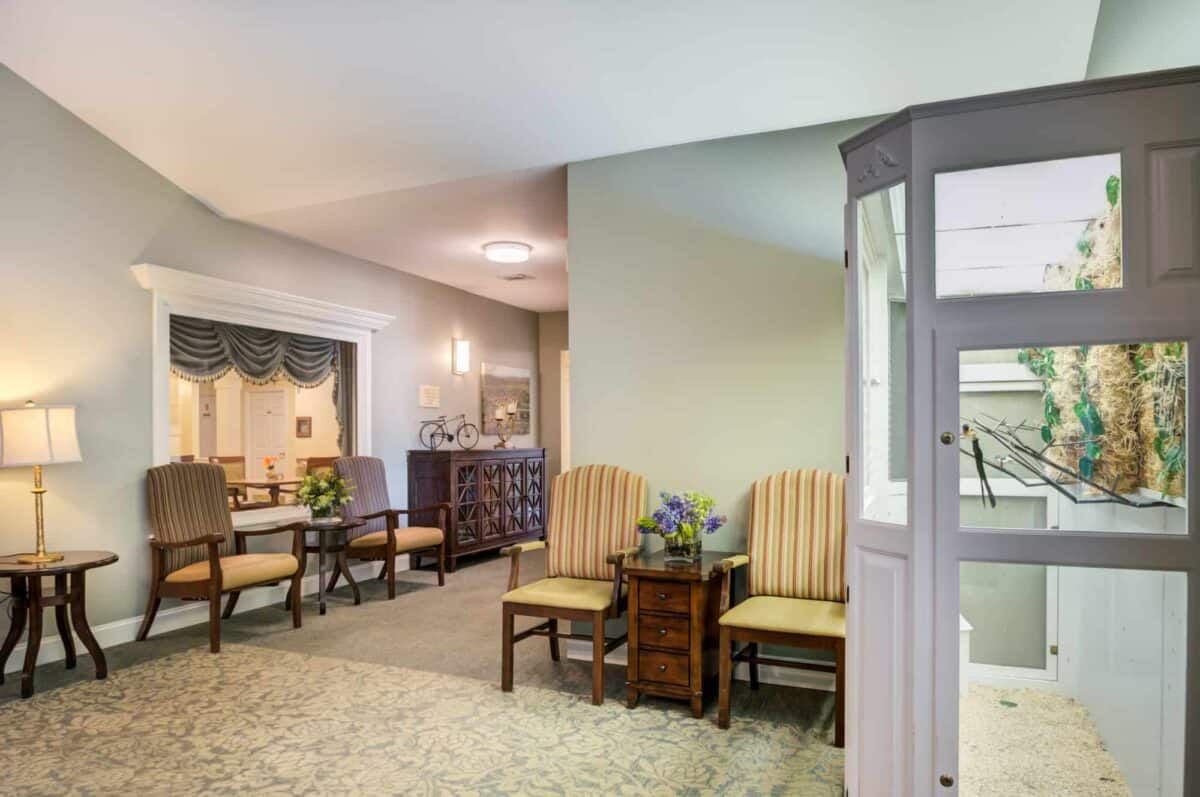
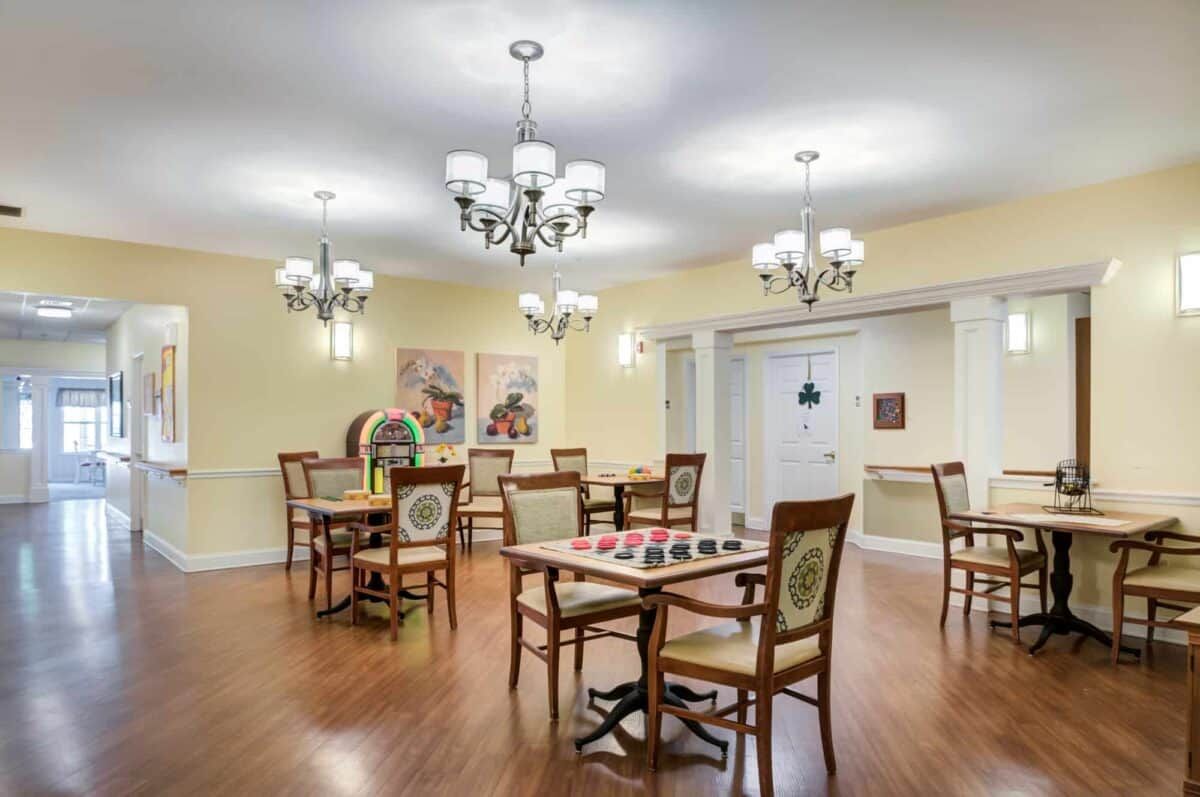
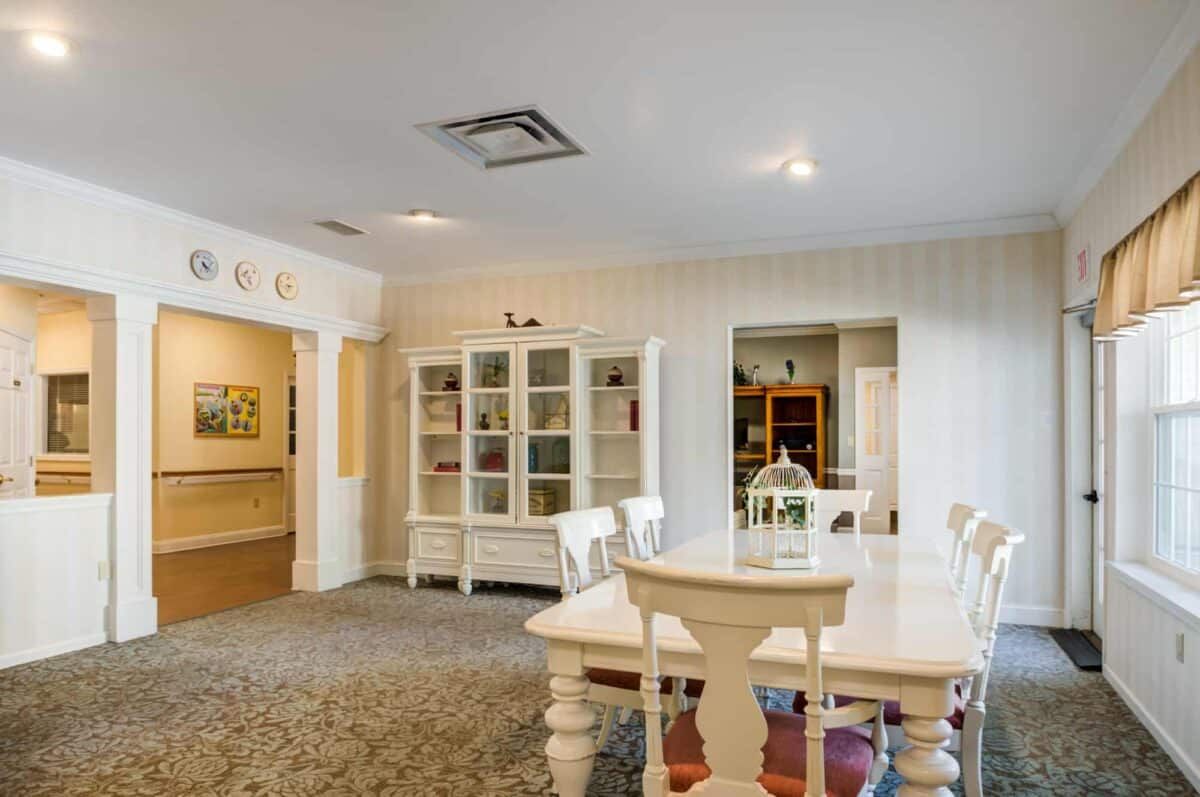
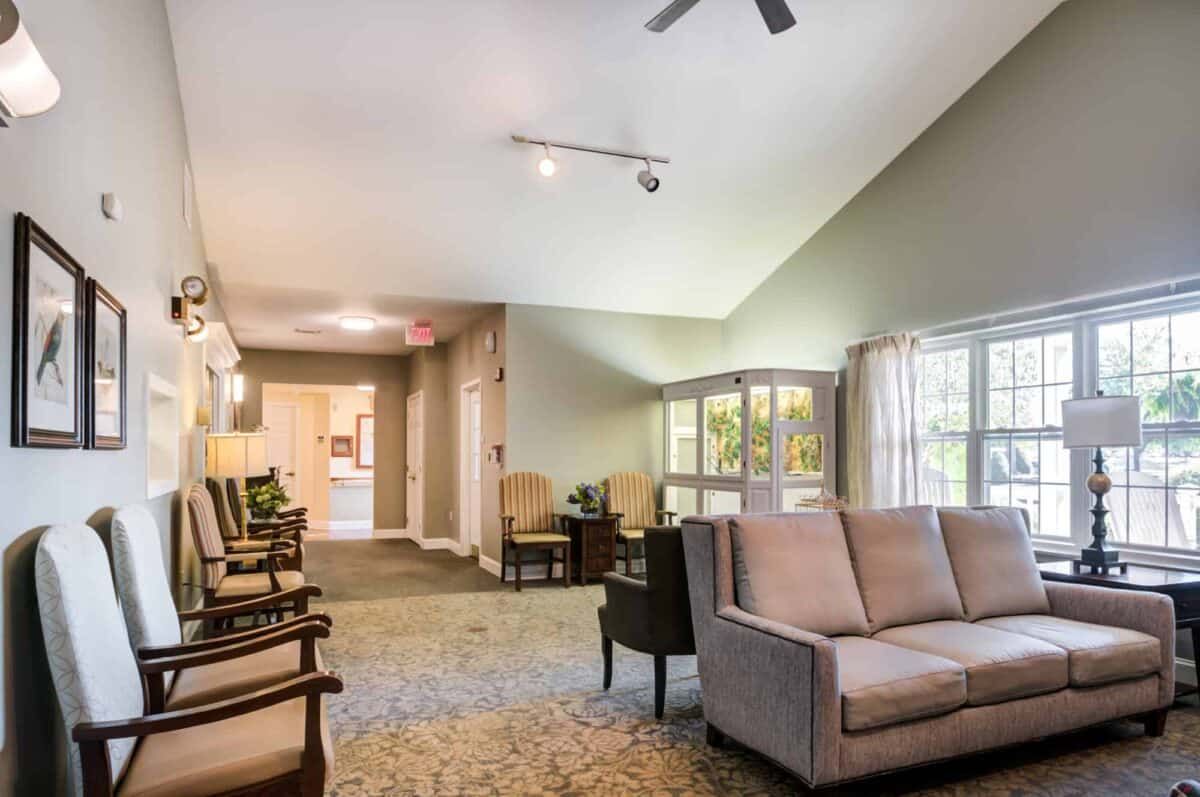
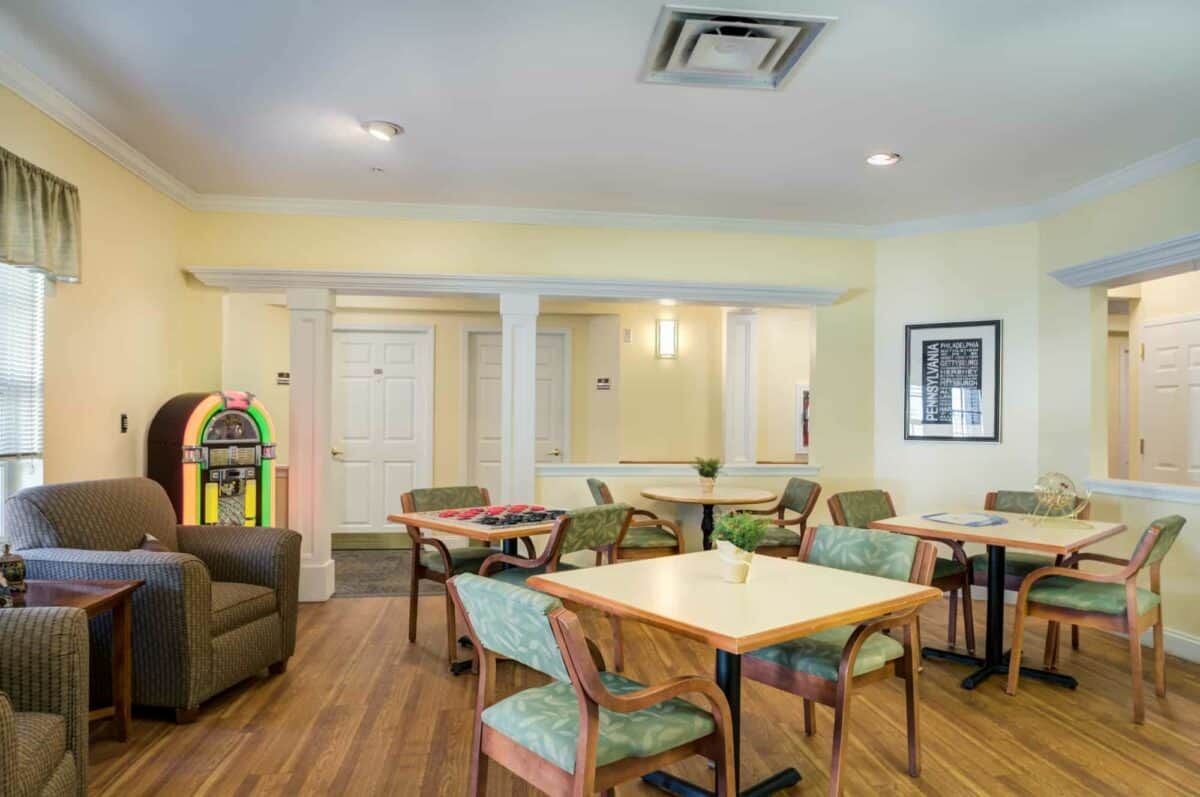
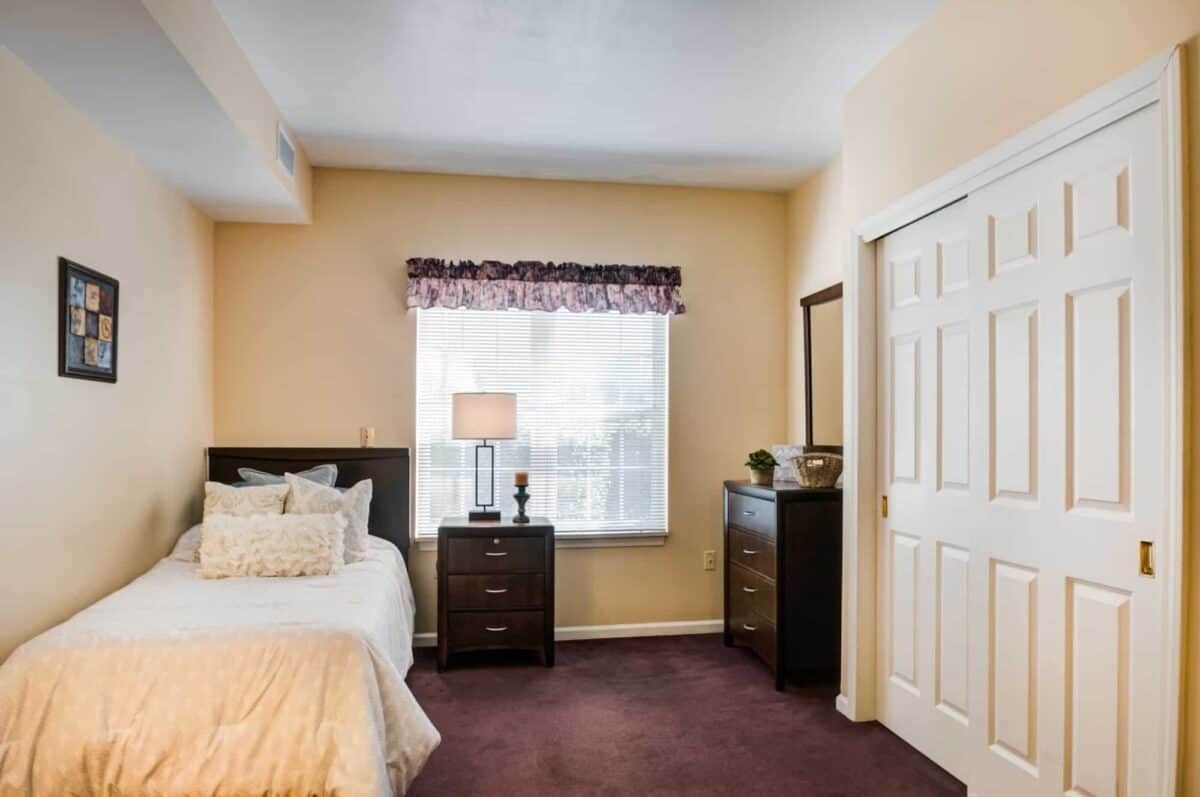
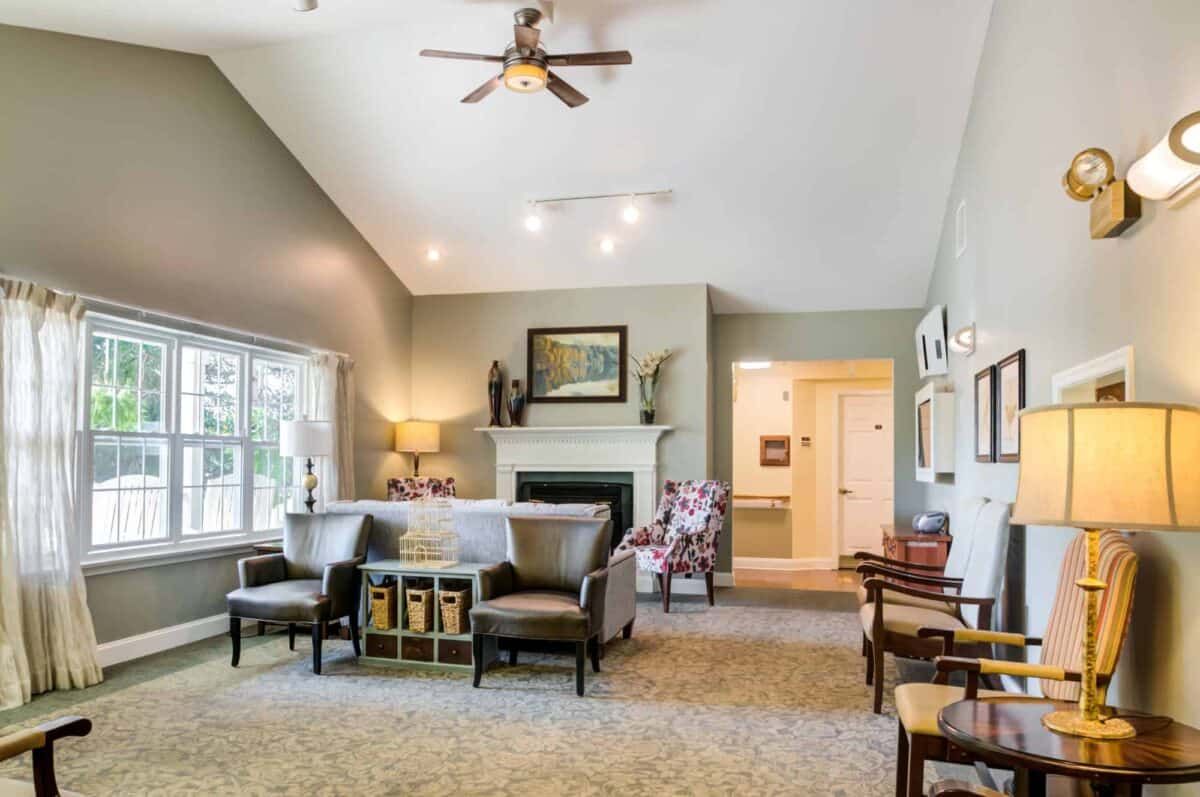
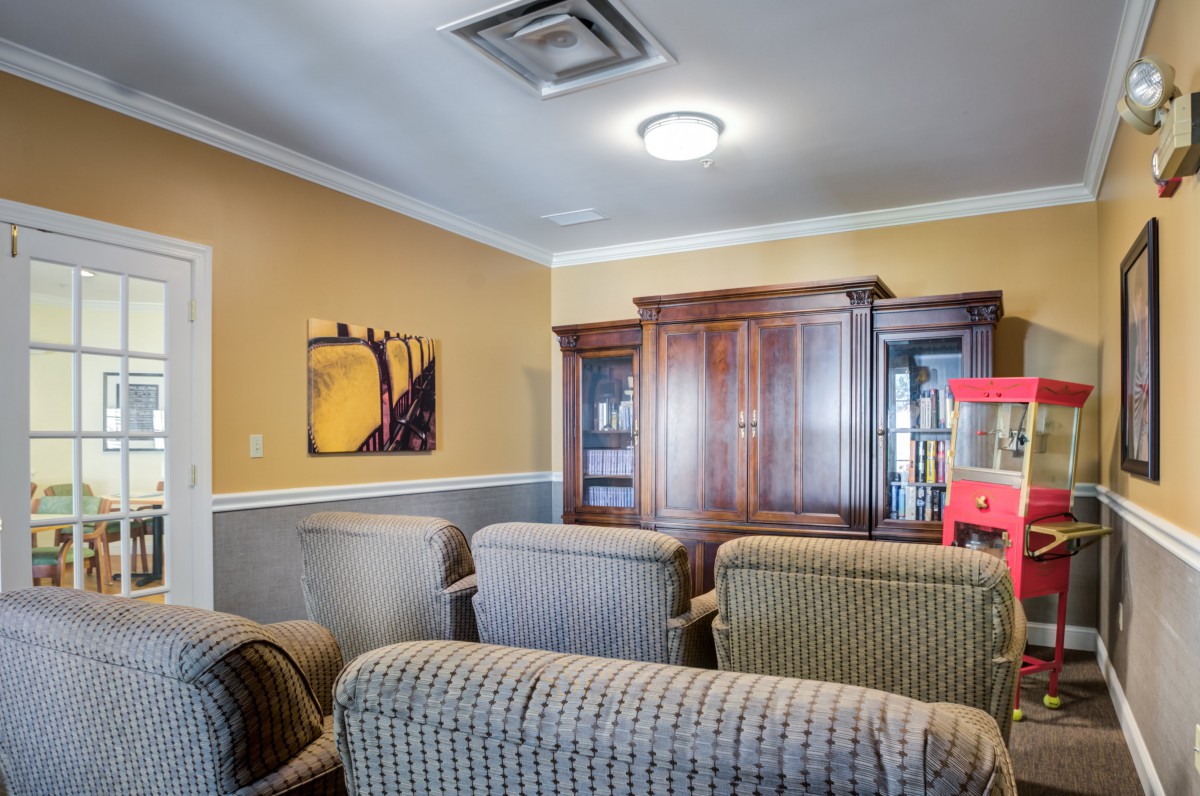
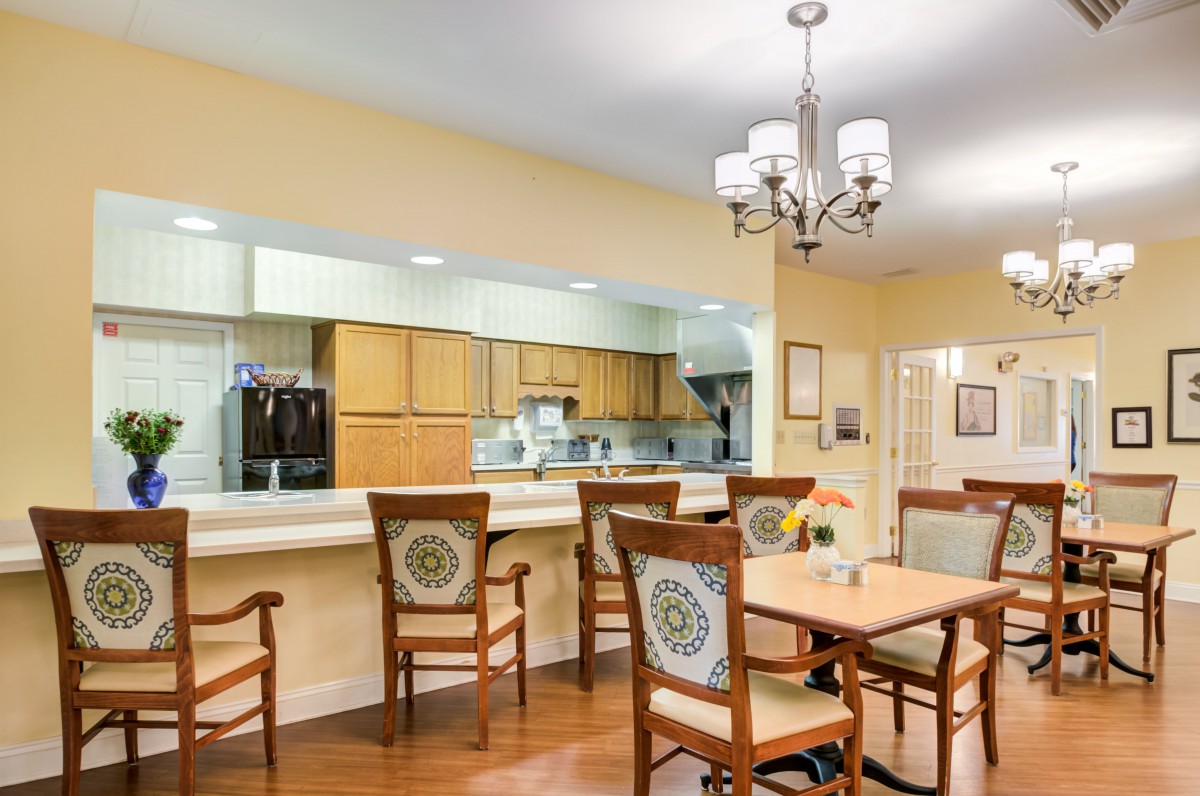
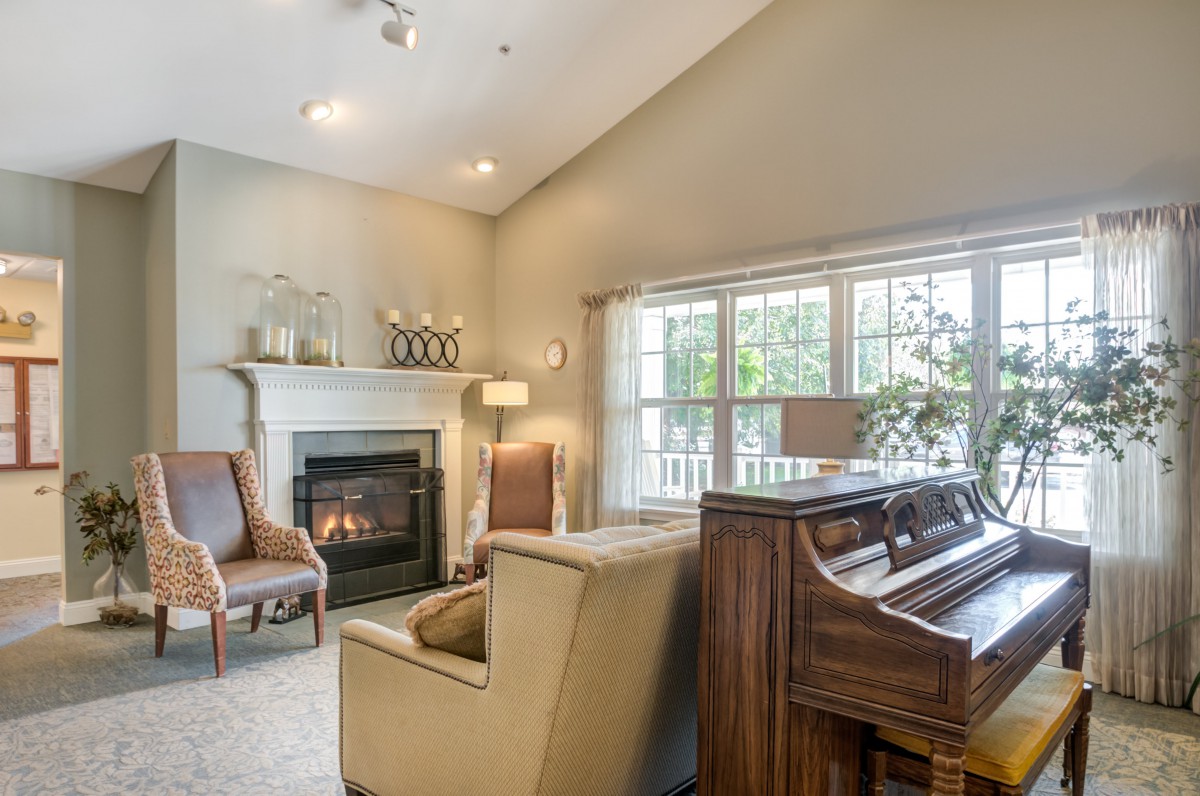
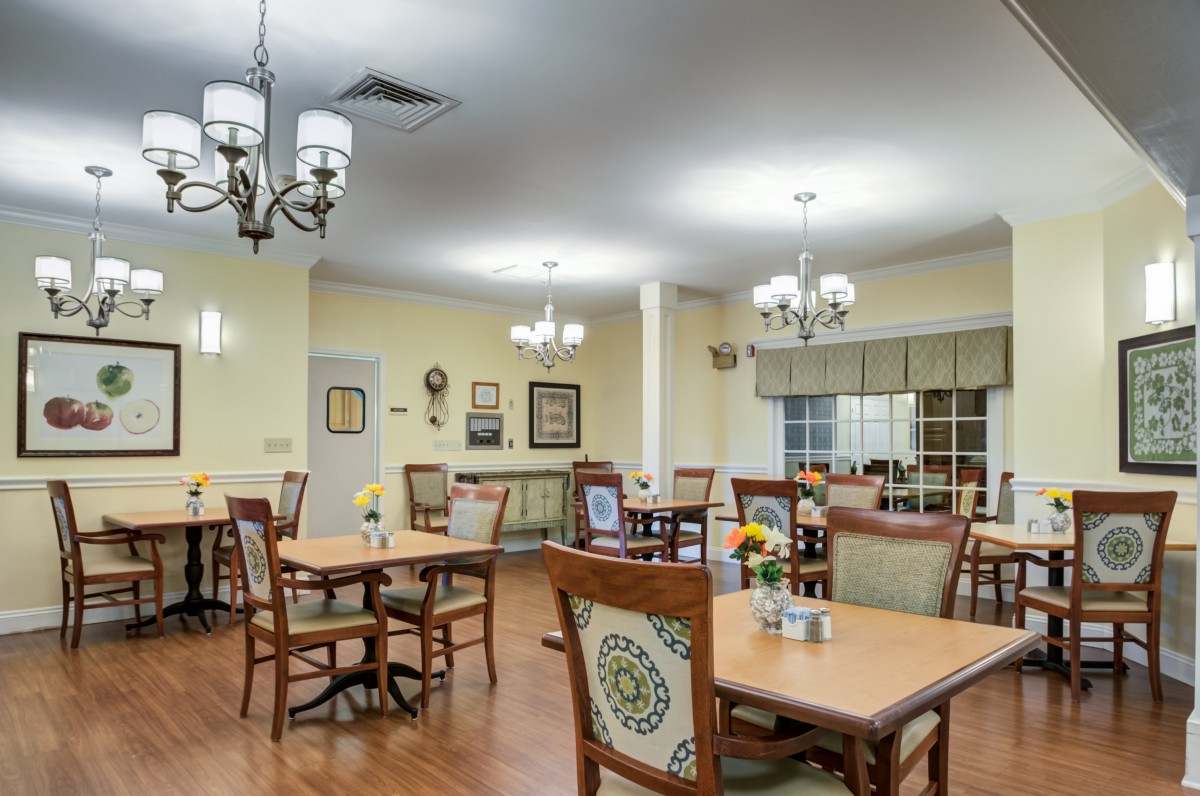
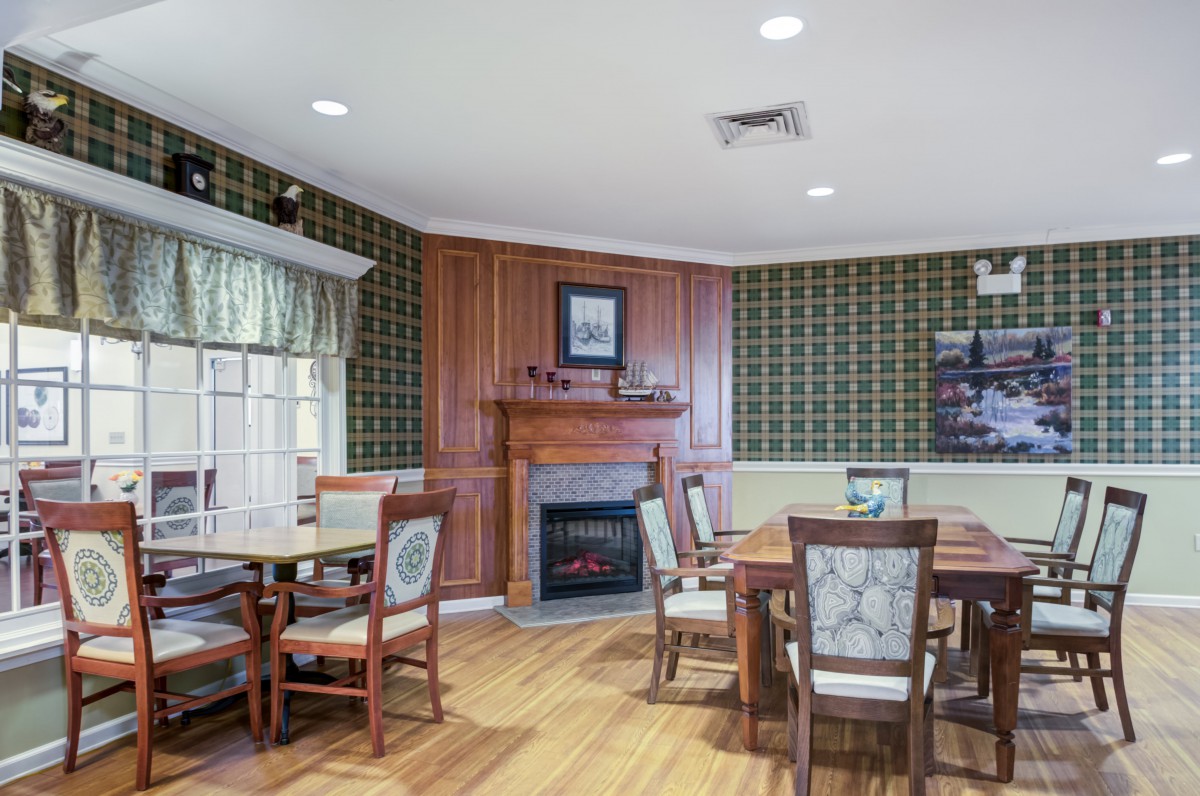
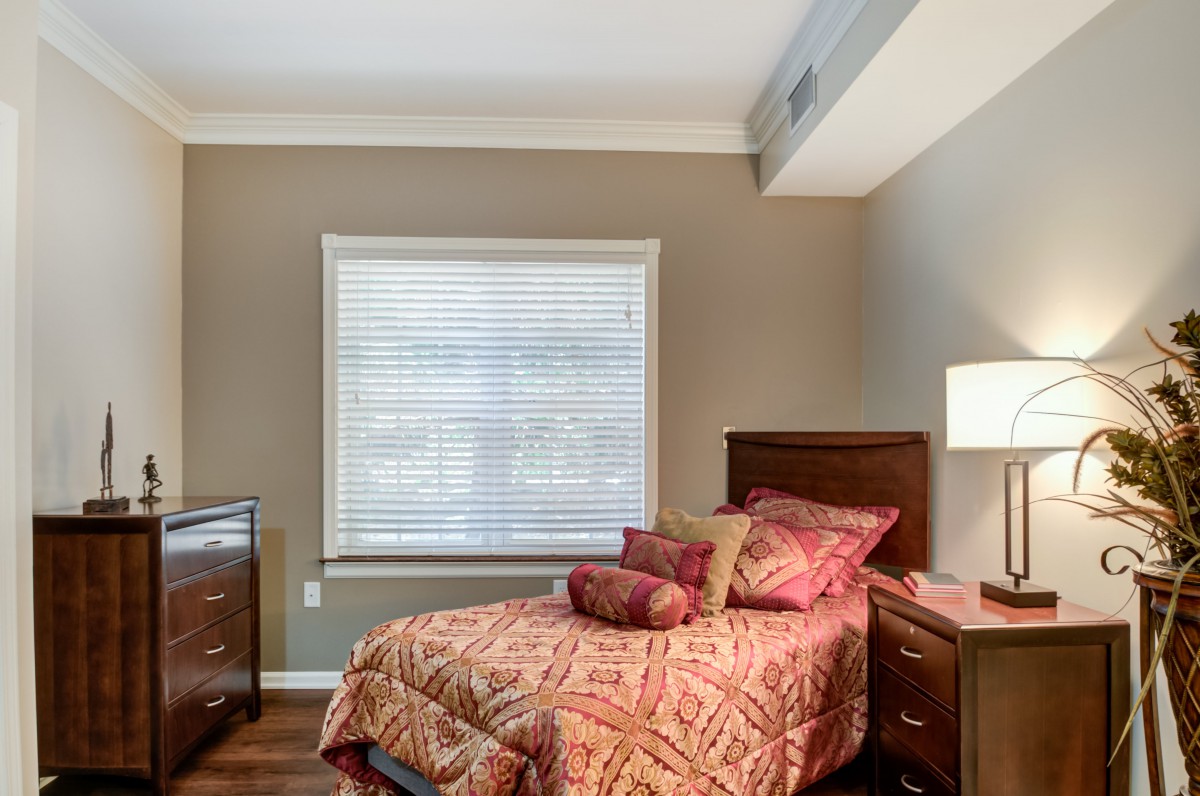
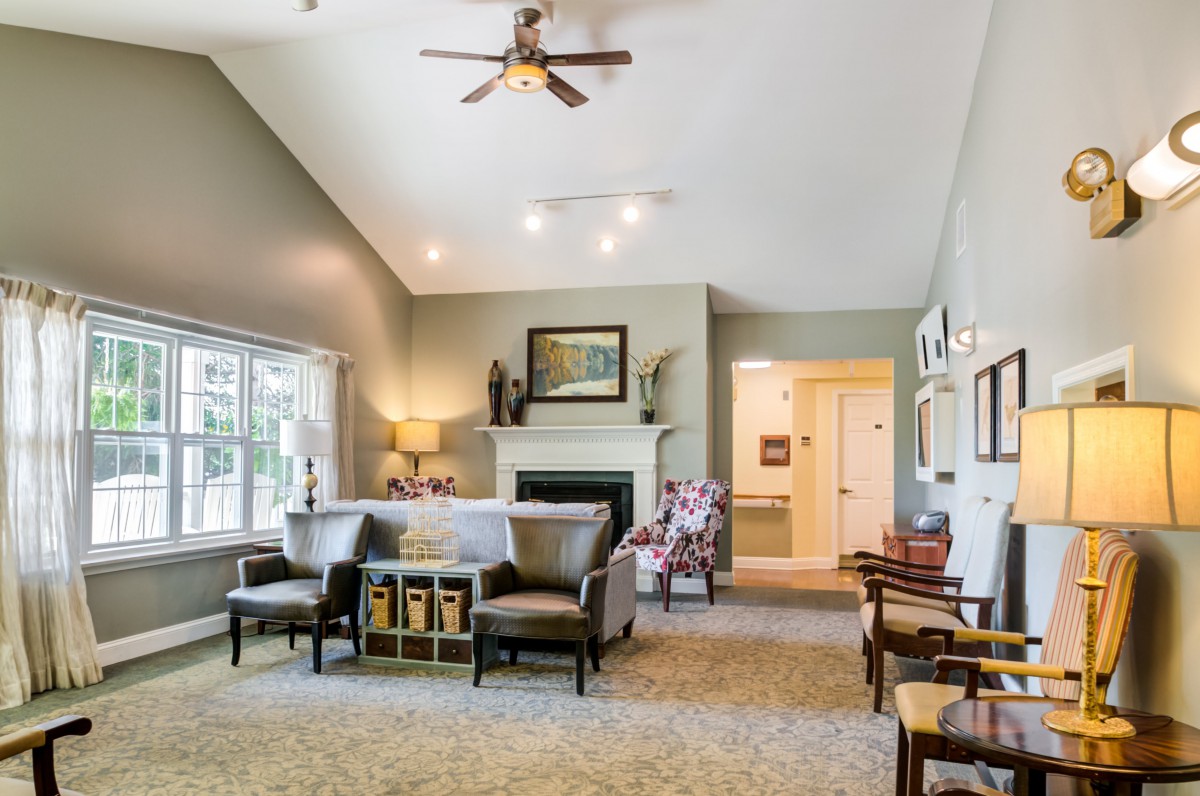
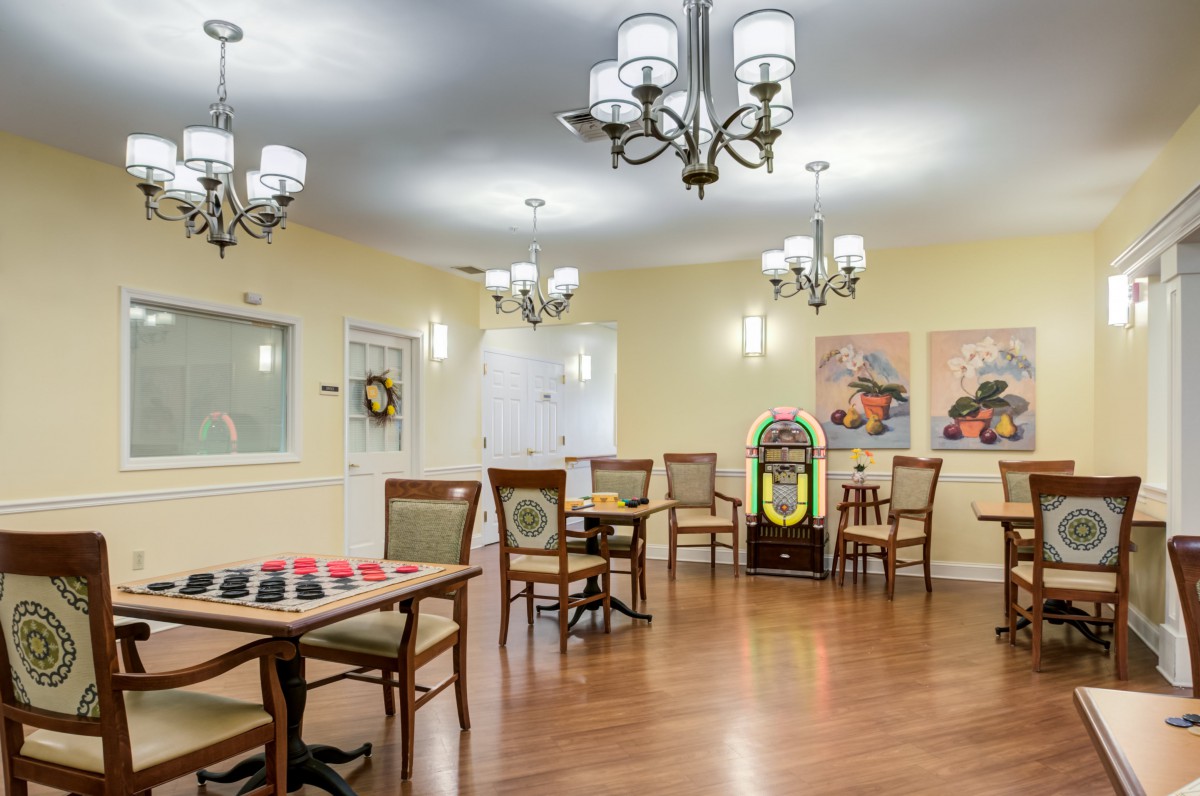
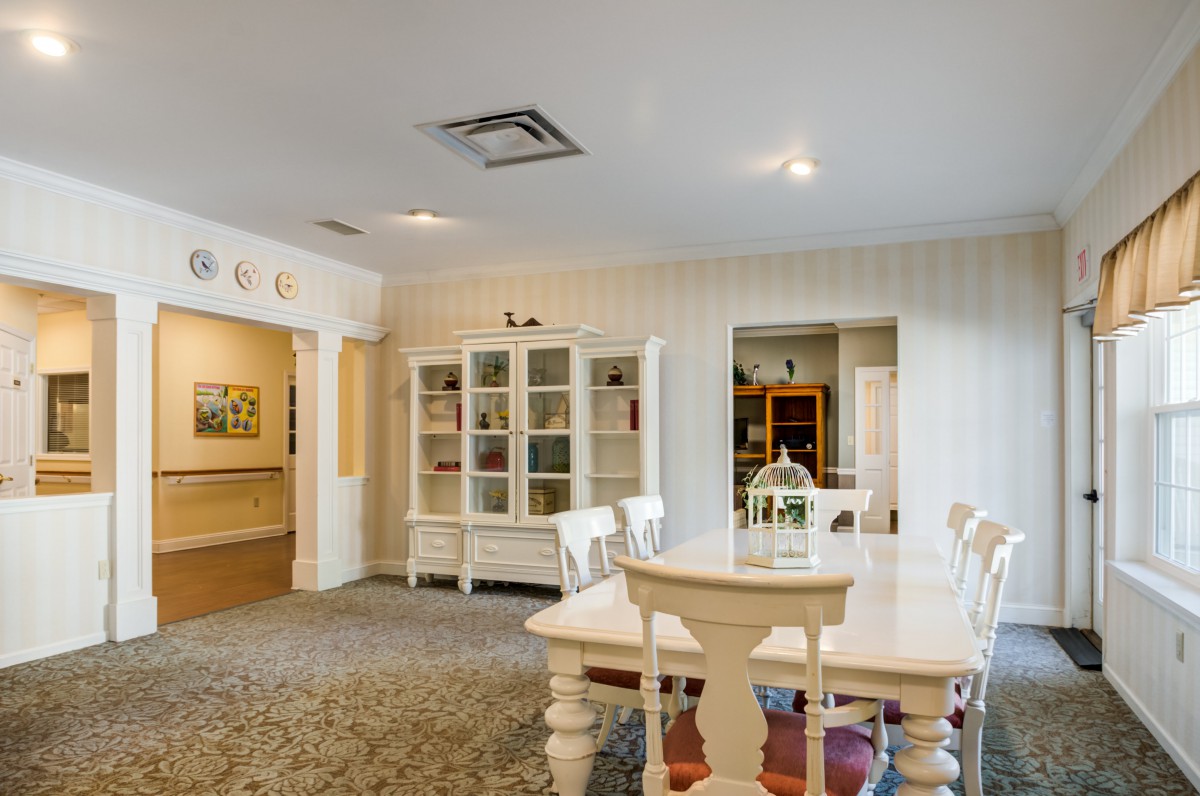
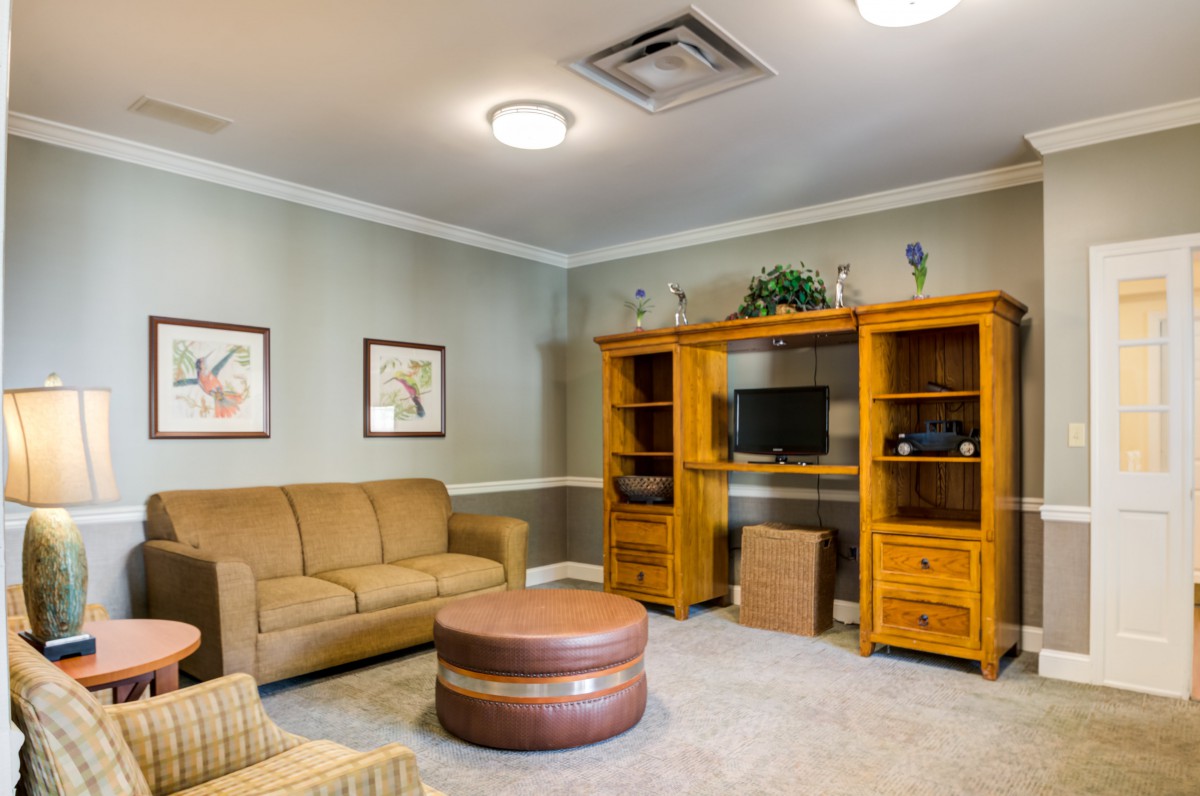
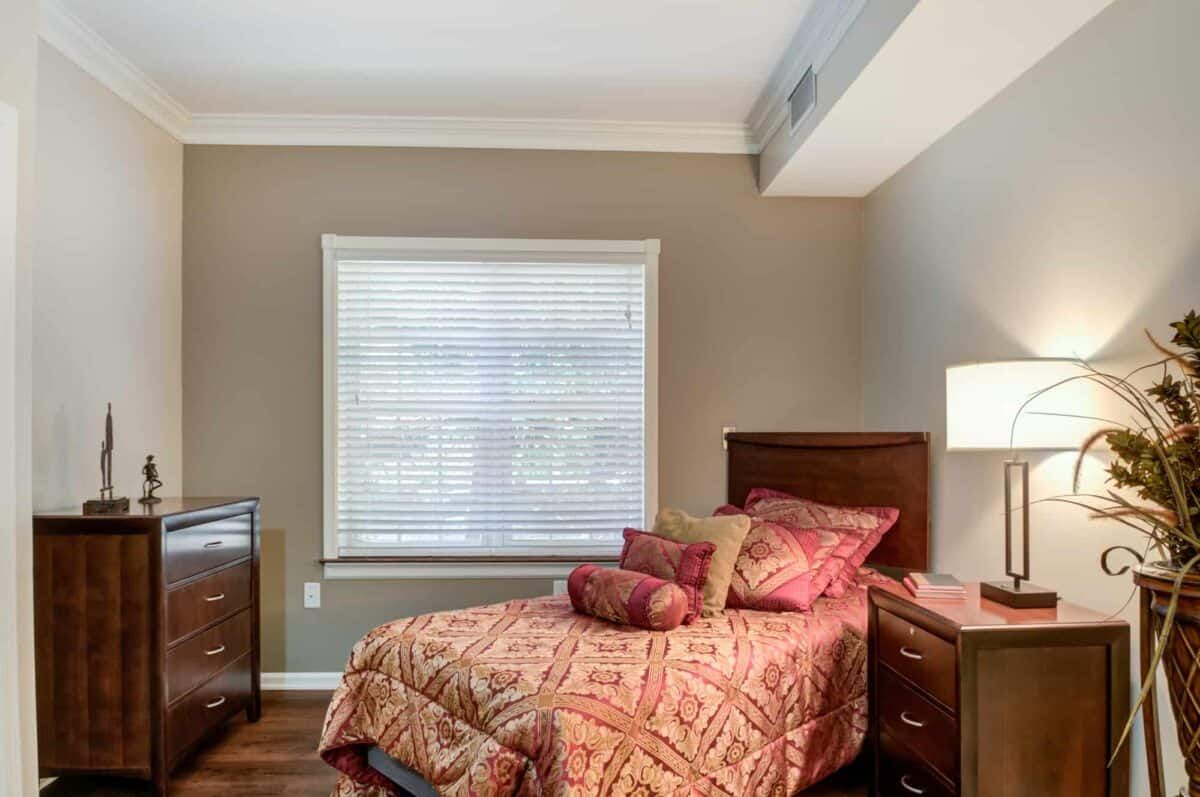
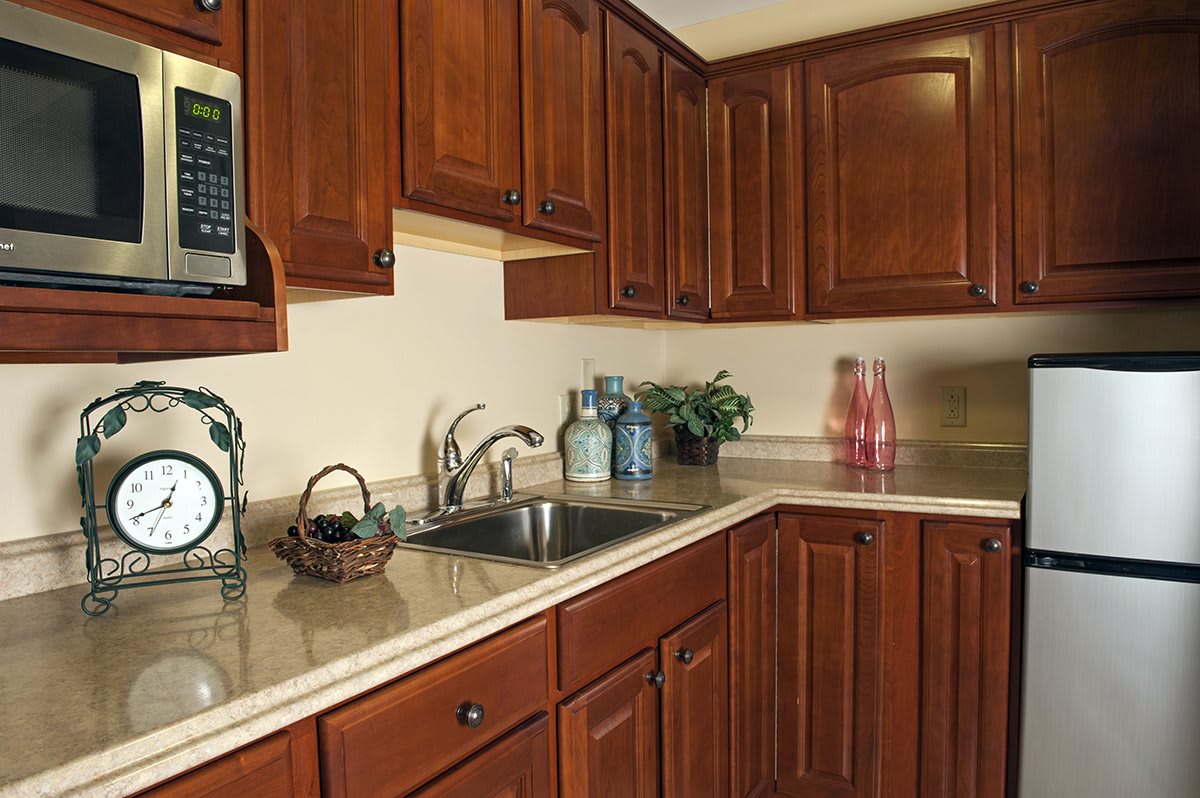
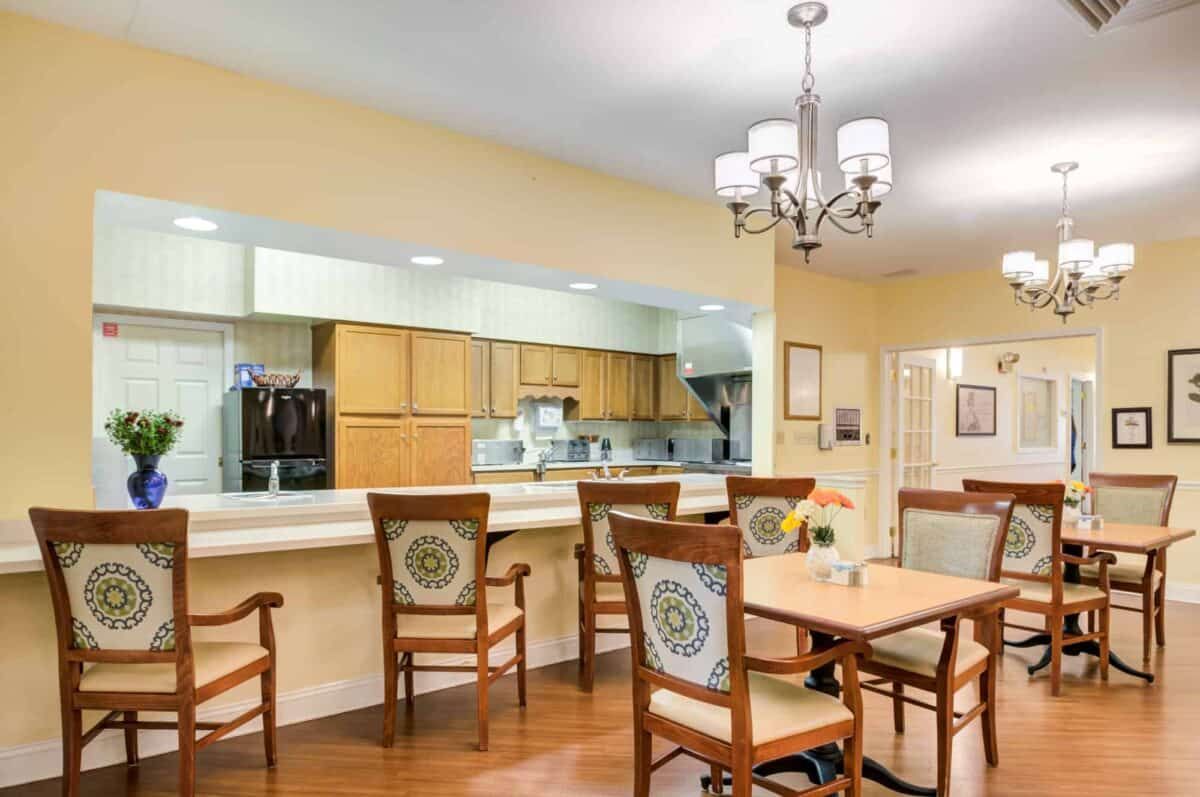
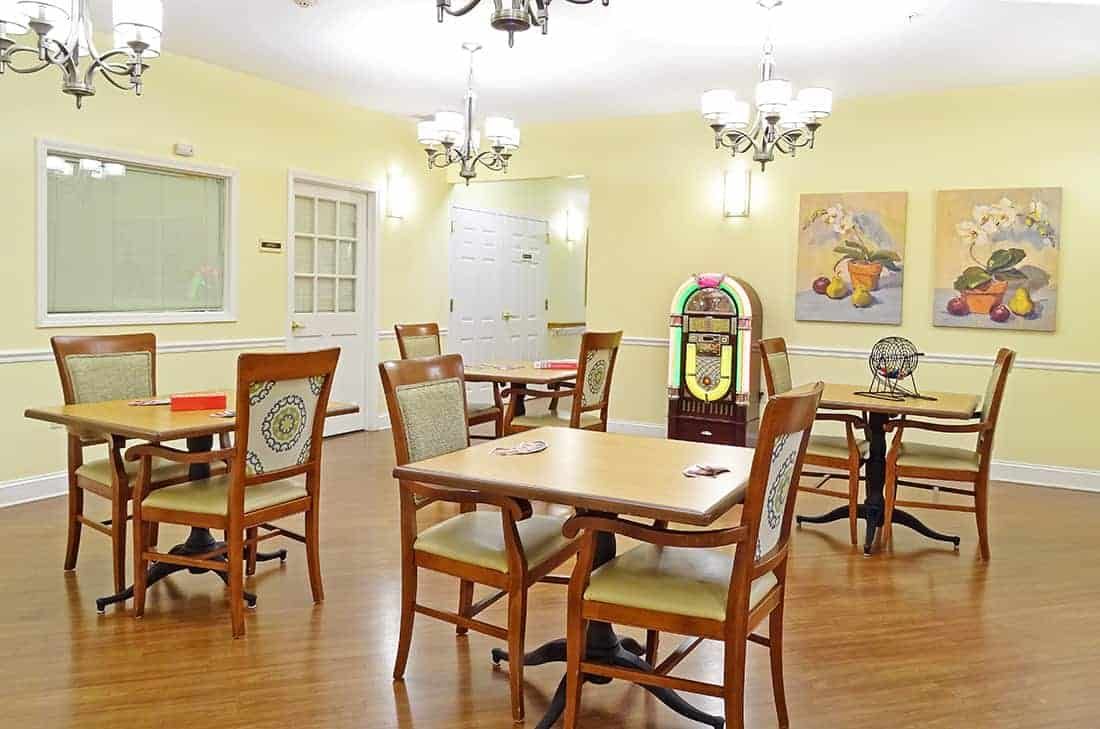
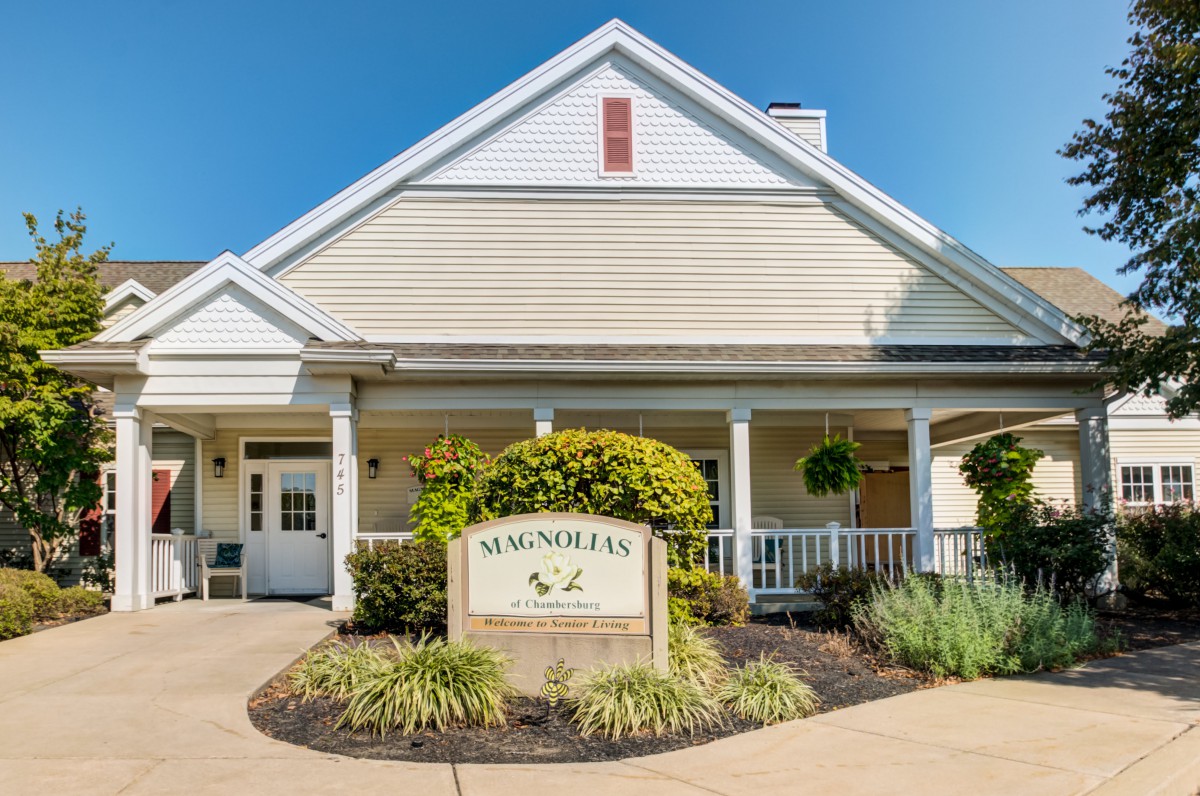
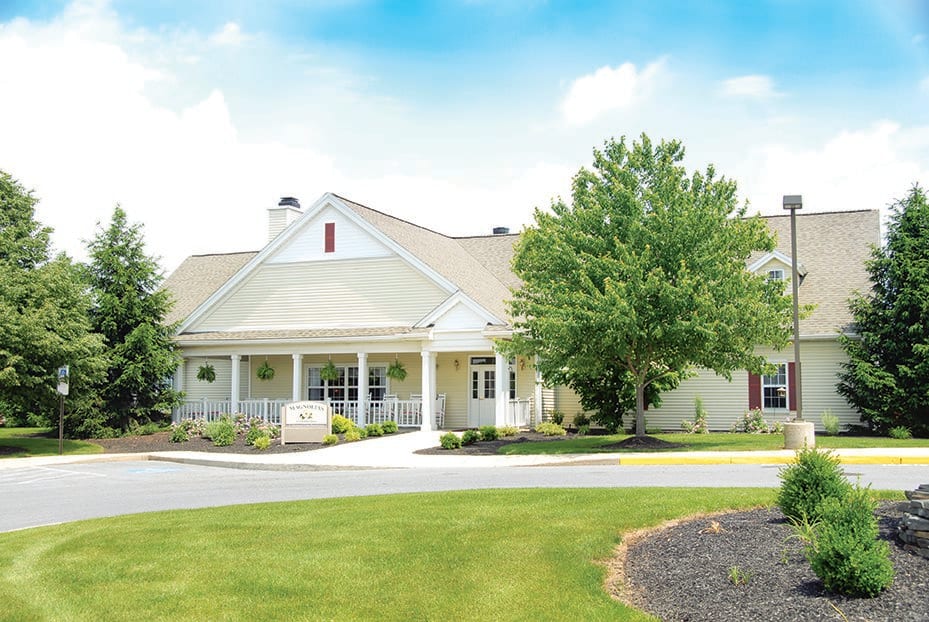
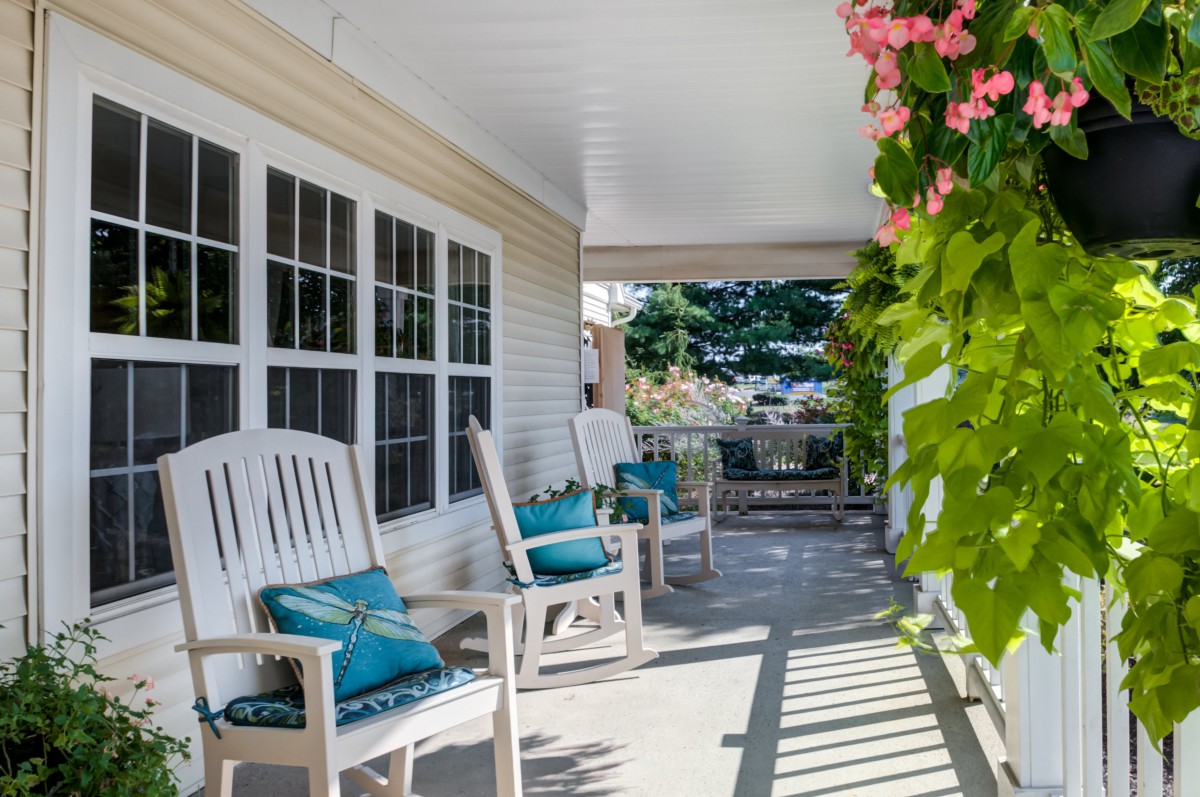
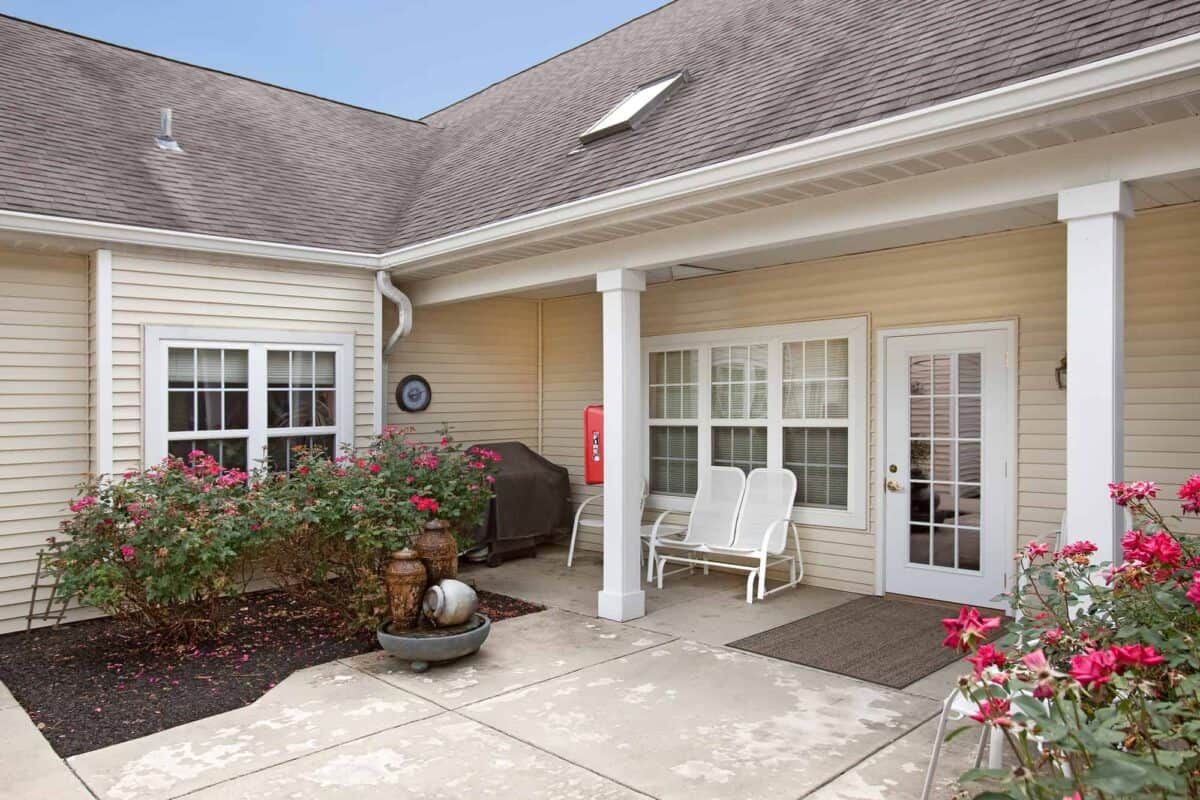
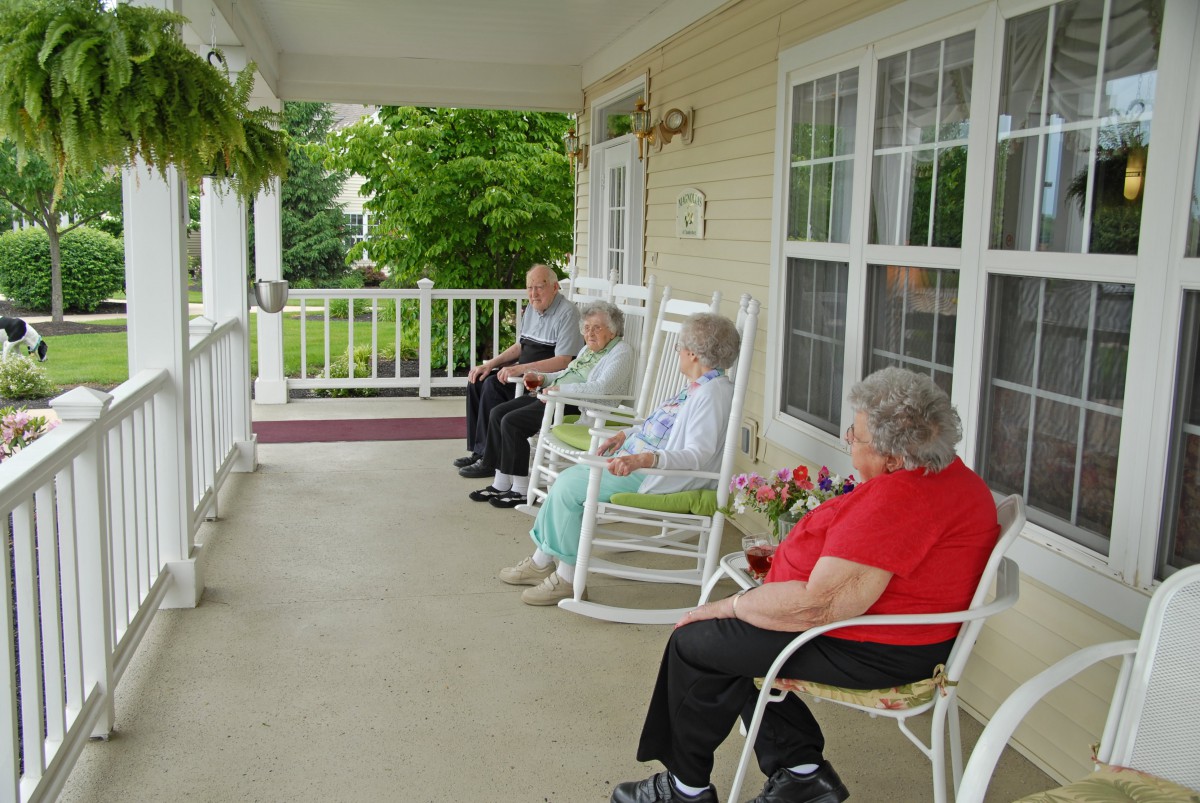
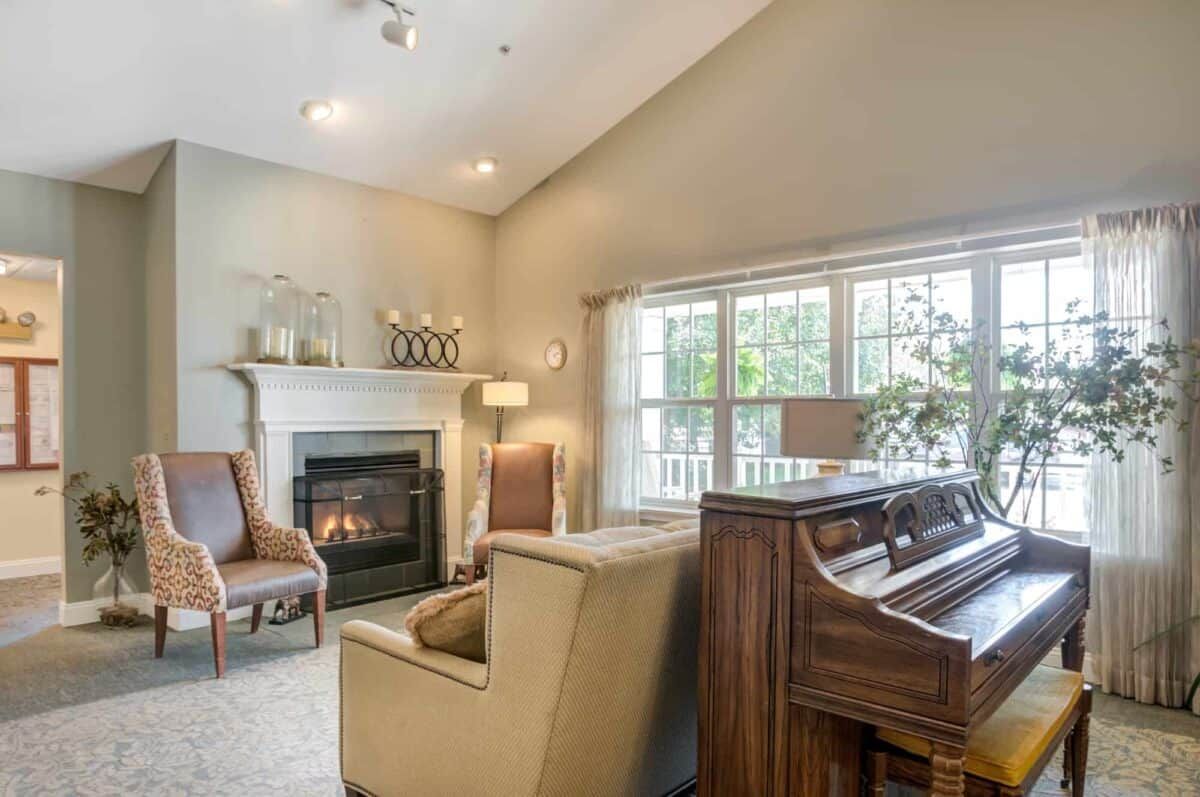
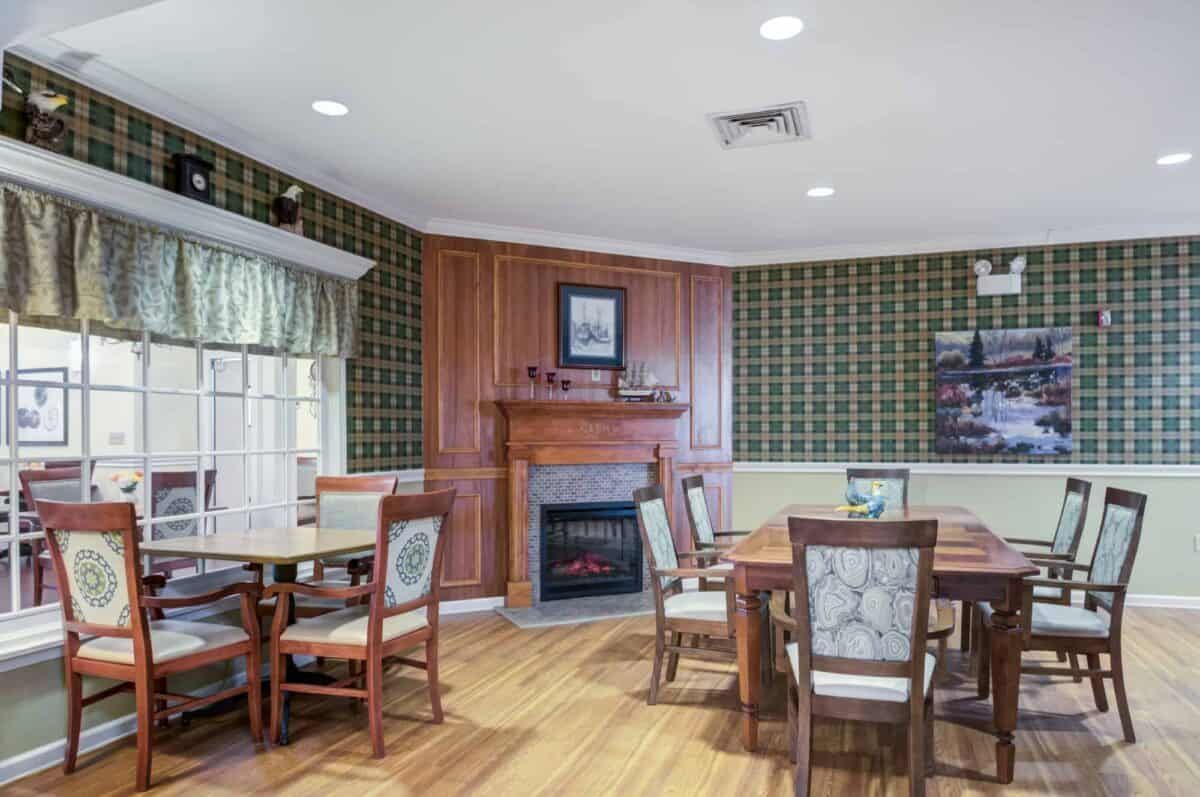
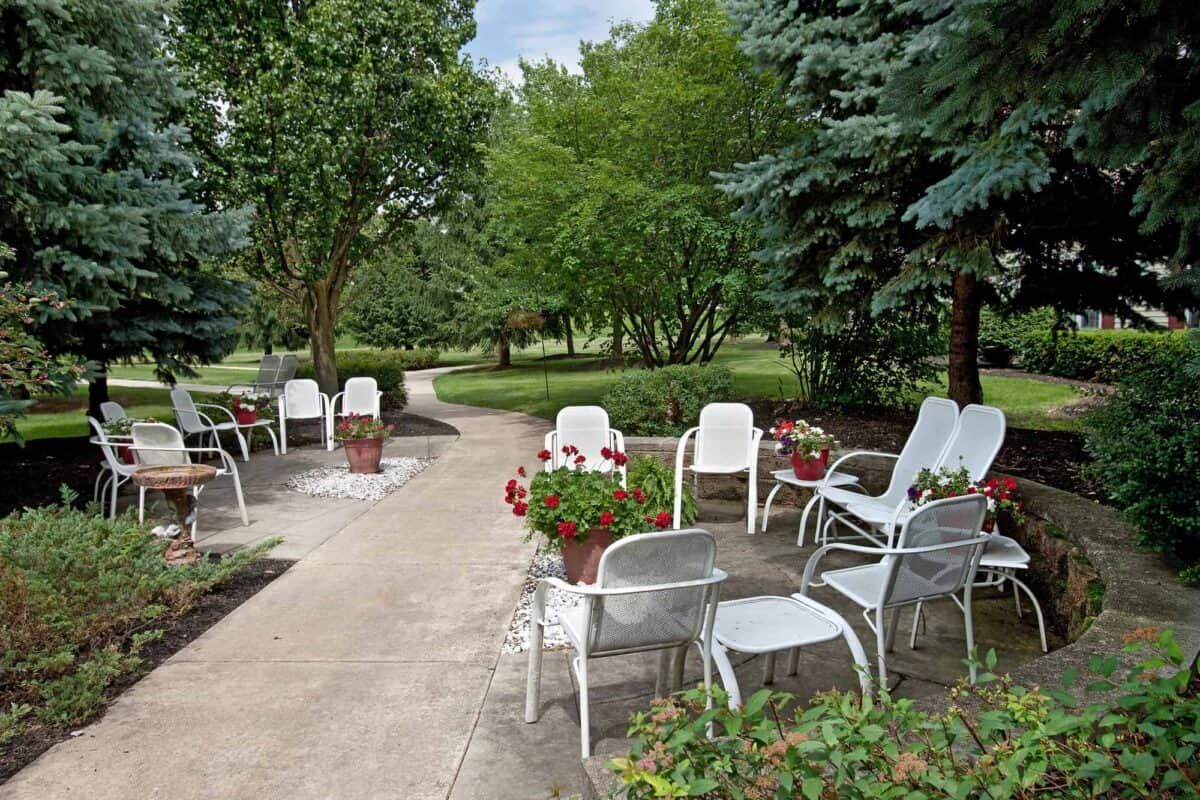
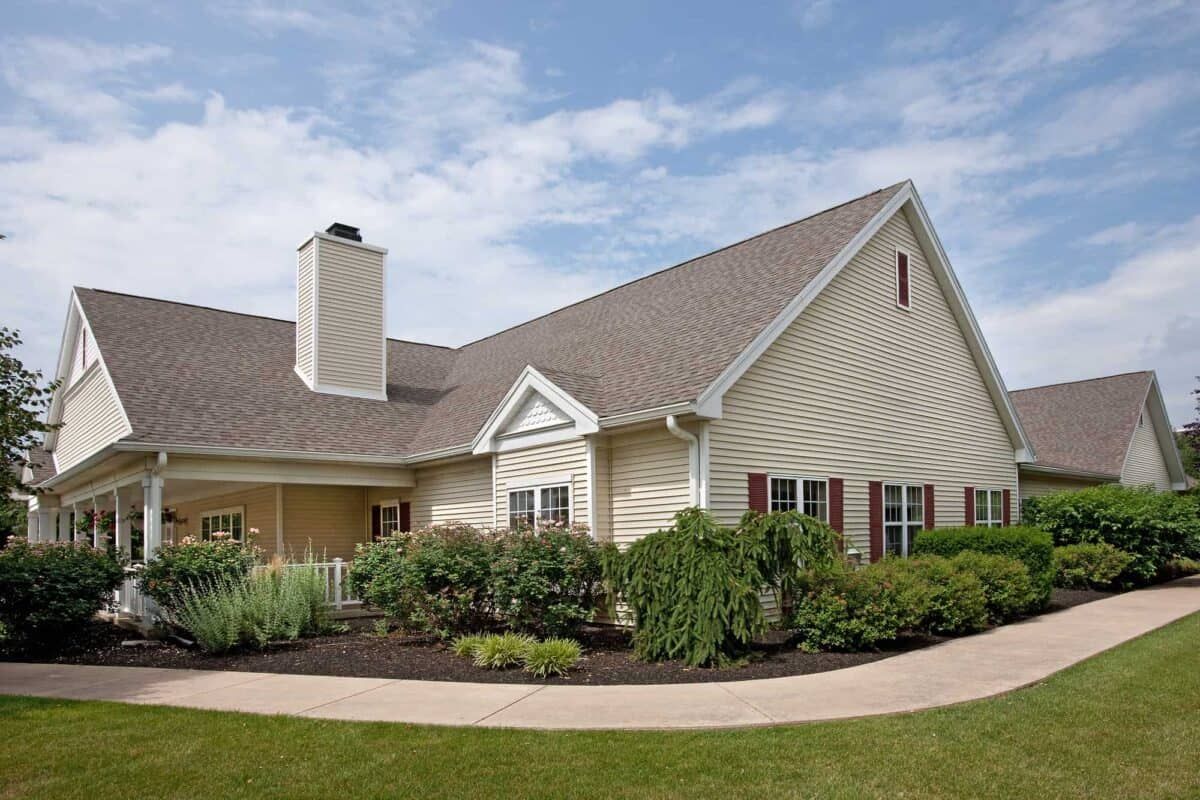
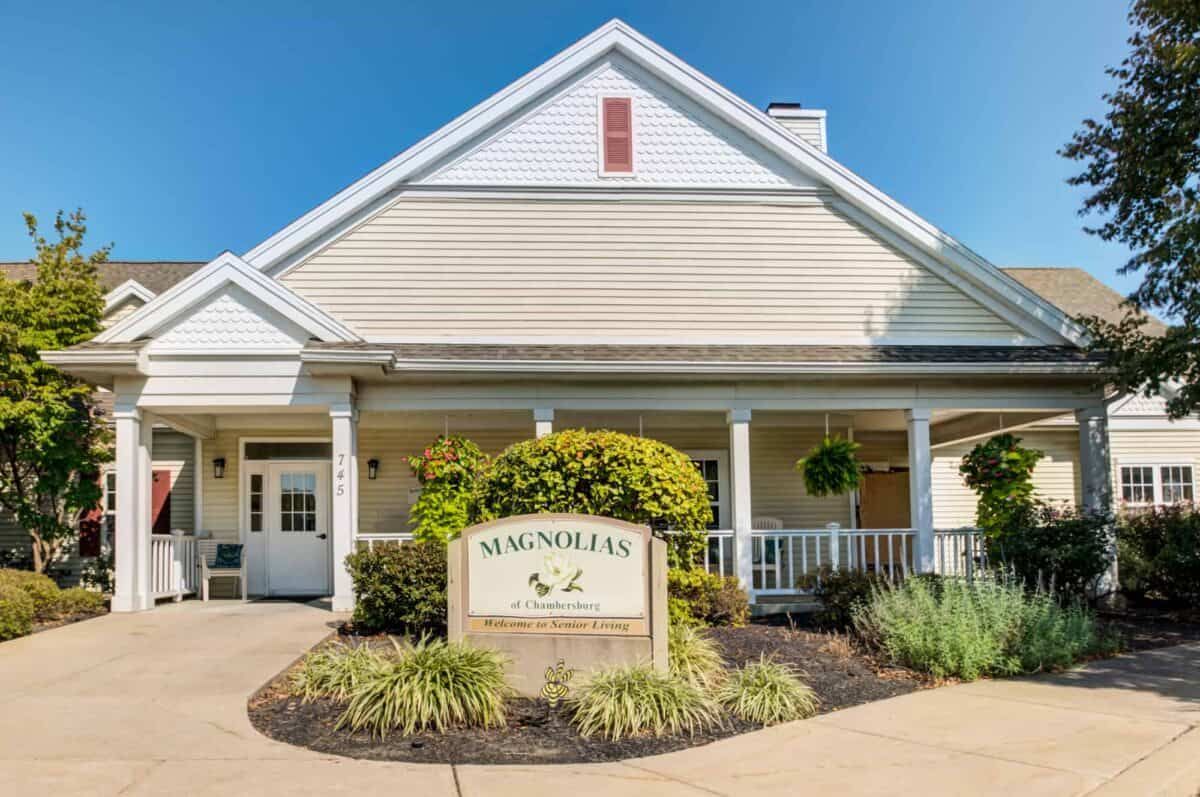
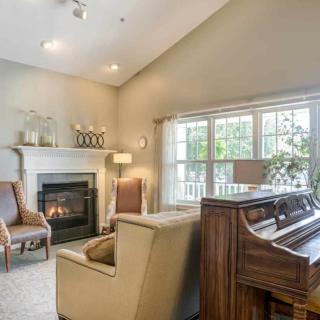
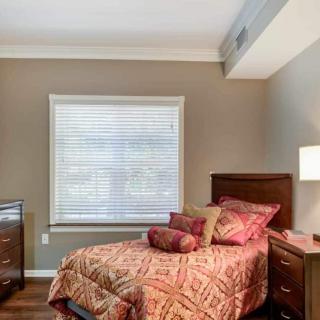
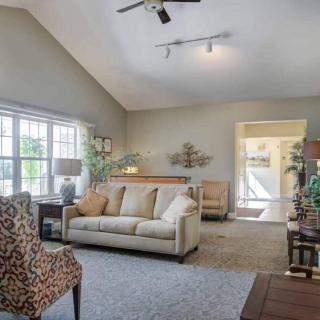
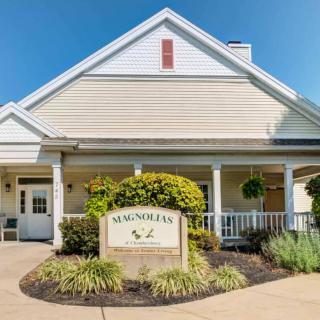
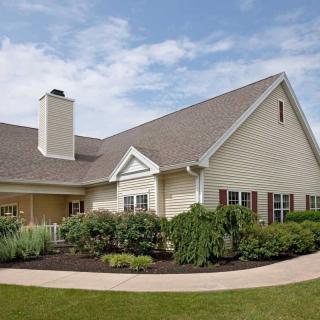
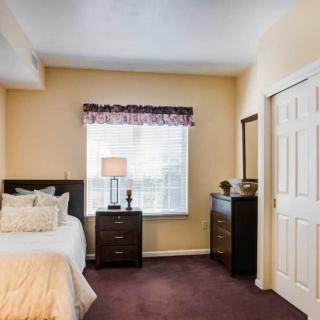
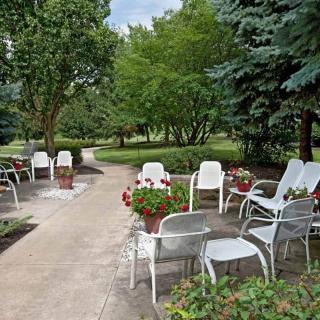
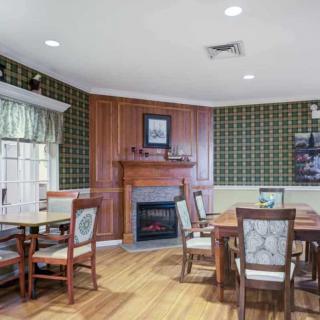
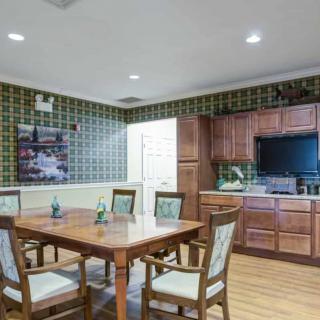
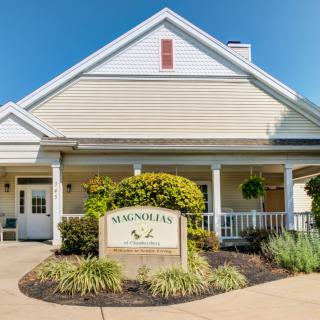
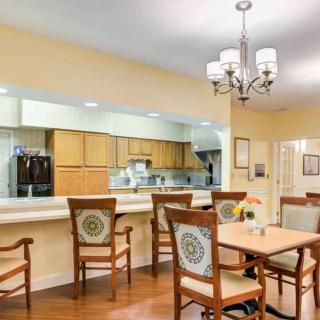
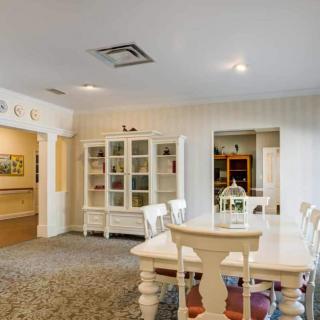
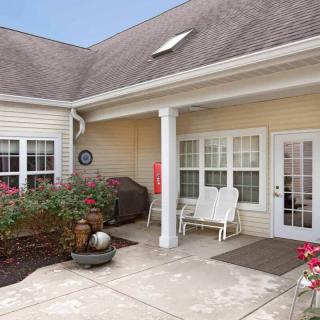
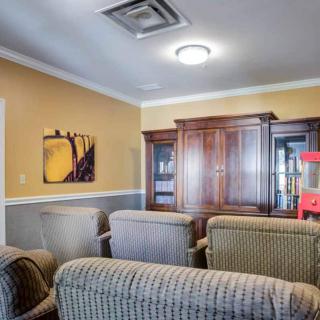
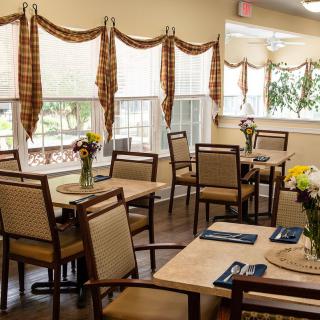
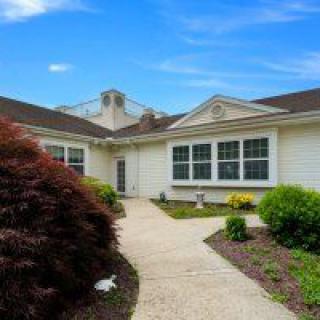
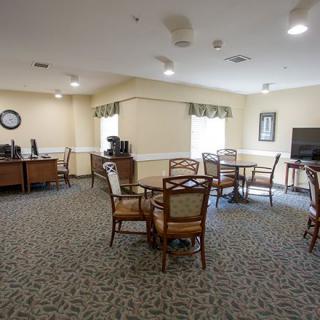
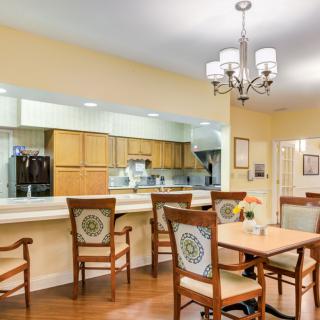
Magnolias of Chambersburg on seniors.fyi includes 39 photos including images showing interior, decor, dining, windows, living room, chandelier, fireplace, bedroom, and more.
Nearby Communities
Magnolias Of Chambersburg Building 1
Chambersburg, PA
4.9 from 44 reviews
Compassionate, knowledgeable staff and a welcoming, home-like atmosphere.
Chambers Pointe Personal Care Center
Chambersburg, PA
5 from 5 reviews
Extensive on-site amenities with restaurant-style dining in a comfortable, fully furnished setting.
Brookview Personal Care Center
Chambersburg, PA
4 from 1 review
CCRC with continuum care, furnished private suites, and restaurant-style dining.
Laurel Lakes Rehabilitation And Wellness Center
Chambersburg, PA
3.7 from 150 reviews
Friendly staff with good communication and beneficial therapy.
Menno Haven
Chambersburg, PA
4.4 from 107 reviews
Wide range of housing options with excellent upkeep and extensive amenities.
United Towers Apts
Chambersburg, PA
4.7 from 7 reviews
Excellent access to healthcare, dining, parks, and transportation nearby.
Shook Home
Chambersburg, PA
3.6 from 30 reviews
Assisted living with on-site activities, diabetic care, and indoor common areas.
Providence Place Of Chambersburg
Chambersburg, PA
4.2 from 38 reviews
Strong staff engagement with varied activities.
Orrstown Personal Care Home
Orrstown, PA
5 from 5 reviews
24/7 supervision with memory care support, diabetes-friendly dining, medication management, mental wellness program, and engaging on-site amenities.
The article examines the link between certain medications and increased dementia risk, particularly in older adults, emphasizing that long-term or high-dose use of anticholinergics, benzodiazepines, and other drug classes can exacerbate cognitive impairment. It calls for careful medication evaluation and shared decision-making to mitigate these risks while managing treatment efficacy.
The article emphasizes the significance of establishing a power of attorney for elderly parents to enable an agent to make decisions on their behalf regarding health and finances, especially during cognitive or physical decline. It outlines various types of power of attorney, the importance of consulting legal professionals, and the responsibilities and challenges faced by agents, while also discussing alternatives and common misconceptions.
Caregiver support groups are crucial for providing emotional and practical assistance to those caring for loved ones, offering resources, coping strategies, and a sense of community through various organizations and platforms. These groups help alleviate isolation and burnout while addressing the unique challenges faced by caregivers of individuals with specific conditions.
Get PricingAsk A QuestionSchedule A TourContact Senior Advisor
By clicking submit, you agree to our Partner's Terms of Use. You
also consent to receive calls and texts, which may be autodialed, from our Partner. Your consent is not a condition to
using our Partner's service. Please visit our Partner's Privacy Policy for information about their privacy practices.

 Studio apartments
 Assisted Living
 Memory Care
 Cats allowed
 Dogs allowed
 Activities off-site
 Air-conditioning
 Beautician on-site
 Cable or satellite TV
 Computer center
 Devotional services off-site
 Dining room
 Financing advice
 Fully furnished
 Garden
 General store
 Ground floor units
 Guest parking
 Handicap accessible
 Housekeeping services
 Indoor common areas
 Kitchenette
 Laundry
 Move-in coordination
 Outdoor common areas
 Overnight guests
 Party space
 Respite or short term stays offered
 Telephone
 Wheelchair accessible showers
 Wi-Fi/high-speed internet available
 Transportation & parking
 24-hour call system
 Assistance with bathing
 Assistance with dressing
 Assistance with transfers
 Diabetes diet
 Diabetic care
 Incontinence care
 Meal preparation and service
 Medication management
 Mental wellness program
 Physical therapy
 Special dietary restrictions
 Art classes
 Book club
 Brain fitness
 Cooking club
 Day trips and outings
 Educational speakers / life long learning
 Fitness programs
 Games
Games Live dance or theater performances
 Live musical performances
 Live well programs
 Wii bowling
 English
 Compassionate, knowledgeable staff and a welcoming, home-like atmosphere.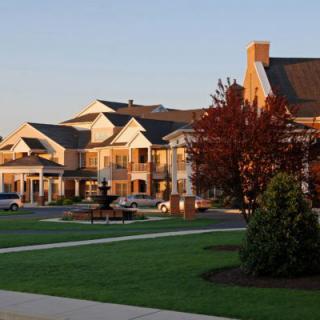
 Medications Associated with Dementia Risk: A Comprehensive Overview
 Guiding Your Journey: Understanding Power of Attorney for Elderly Parents
 22 Remarkable Caregiver Support Groups Available Online and In-Person