Laurel Lakes Rehabilitation And Wellness Center in Chambersburg, PA

Save

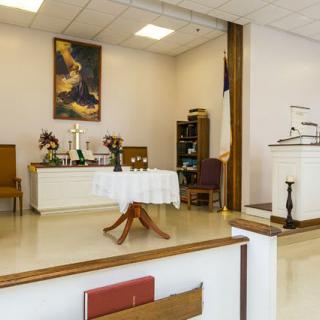
  • Interior

    An interior view of a church featuring an altar, pulpit, and religious decorations.
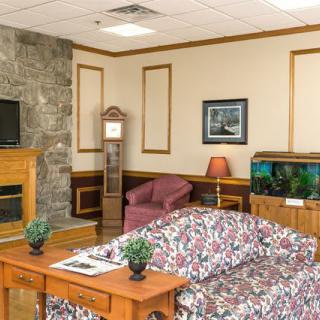
  • Living Room

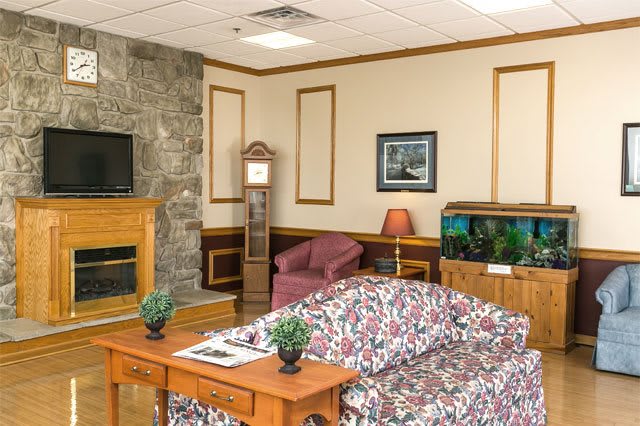
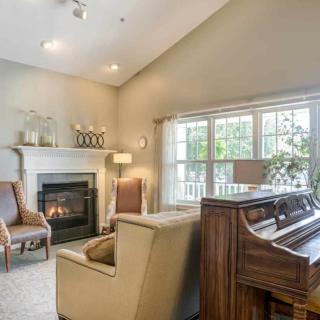
    A cozy living room with a fireplace, floral sofa, and an aquarium.
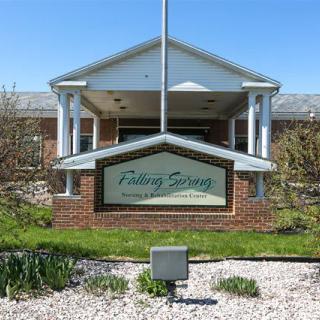
  • Building

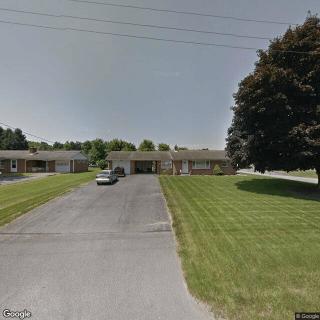
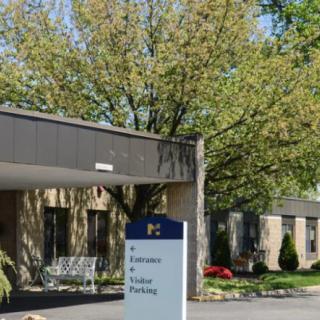
    The entrance of a building featuring a sign on the lawn.
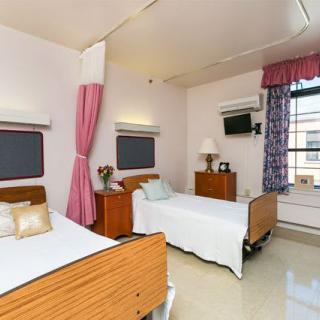
  • Bedroom

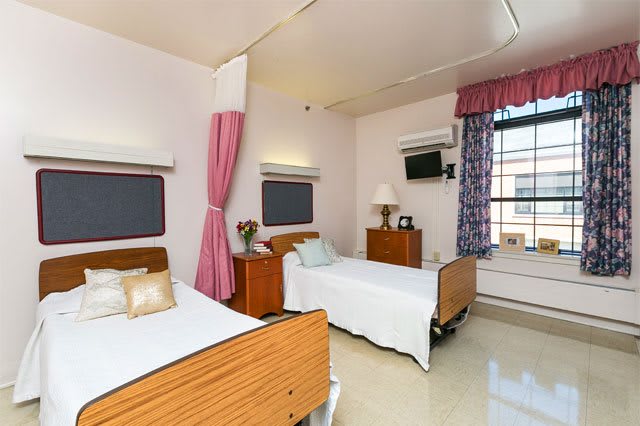
    A clean and comfortable hospital room with two beds, curtains, and windows.
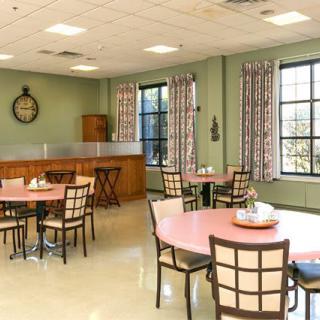
  • Windows

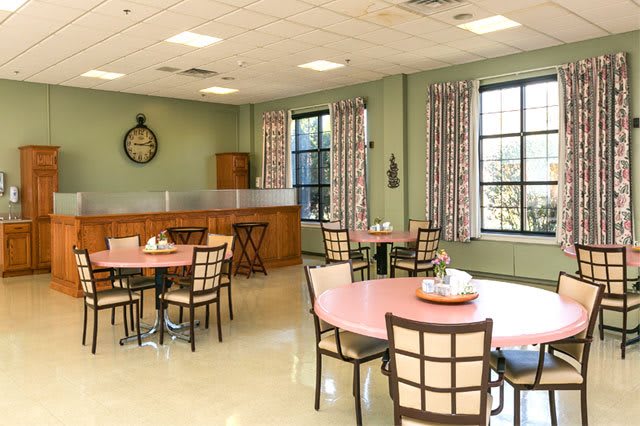
    A well-lit dining area with multiple tables and chairs, featuring large windows and decorative curtains.
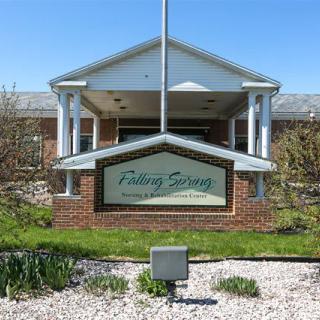
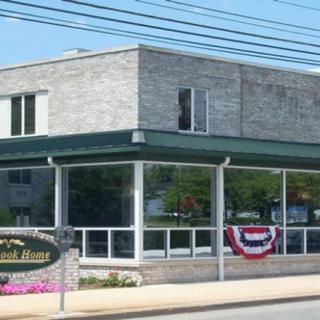
  • Landscaping

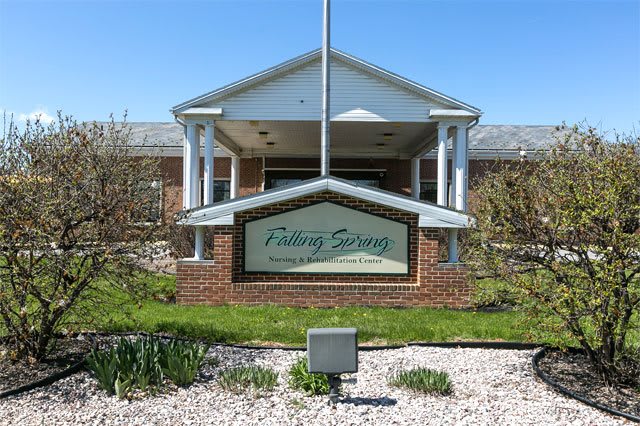
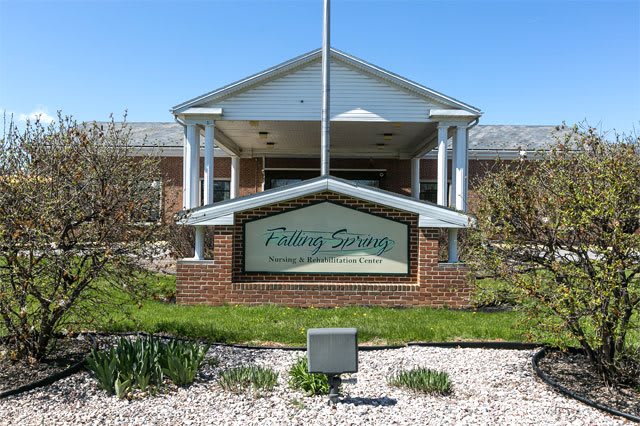
    A brick building entrance with a prominent sign and surrounding landscaping.
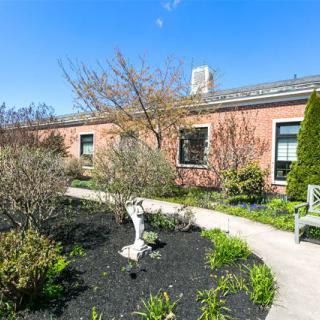
  • Garden

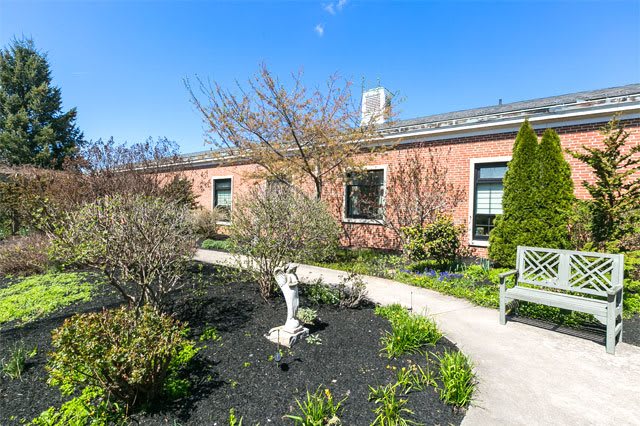
    A charming garden with a winding pathway and a bench, set against a brick building under a clear blue sky.
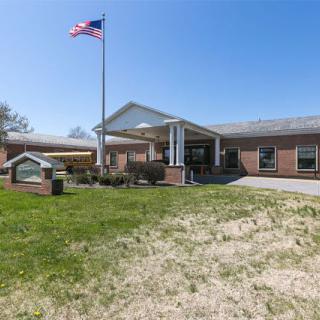
  • Entrance

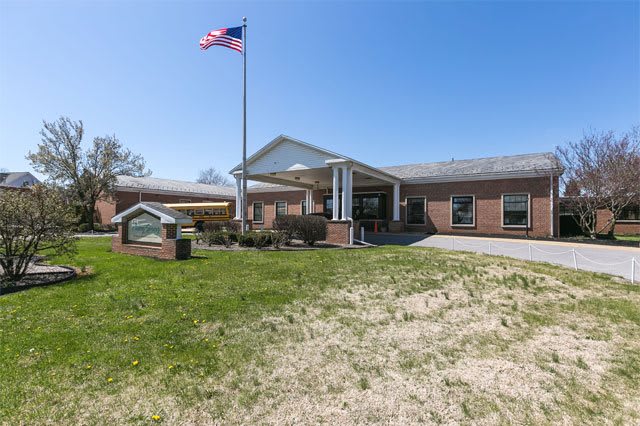
    A single-story brick building with an American flag flying outside and a well-maintained entrance.
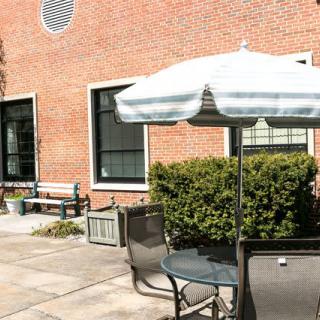
  • Patio

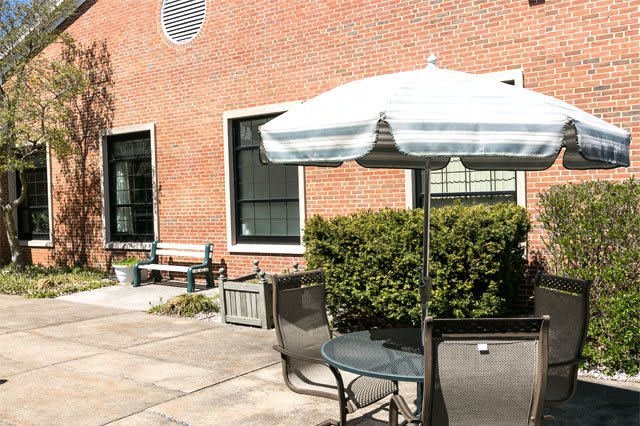
    A sunny patio area with tables and chairs, featuring a large white umbrella and a backdrop of a brick building.
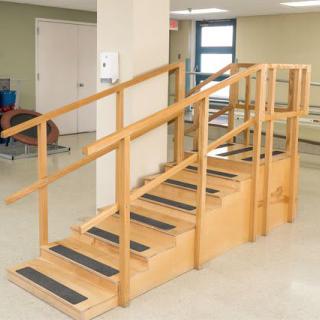
  • Exercise Equipment

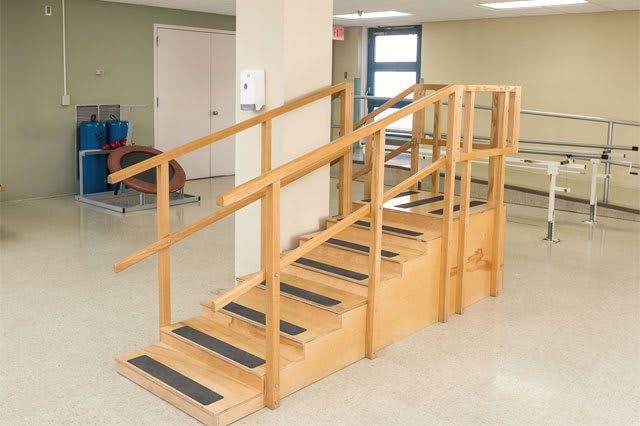
    A set of stairs used for physical rehabilitation exercises in an indoor setting.

Laurel Lakes Rehabilitation And Wellness Center in Chambersburg, PA

Information last verified:

201 Franklin Farm Lane, Chambersburg, PA 17201

For more information about senior living options: (844) 490-3973

3.7 from 141 reviews
5 stars
72
4 stars
21
3 stars
8
2 stars
10
1 stars
30

Overall Review of Laurel Lakes Rehabilitation And Wellness Center

Pros

  • pro The staff are consistently friendly, polite, and helpful.
  • pro The facility is clean and well kept.
  • pro The nurses are very friendly and caring.
  • pro The physical therapists and staff communicate with families regularly and answer questions promptly.
  • pro The activities director Jenell Taylor is a great blessing and creates meaningful, enjoyable experiences for residents.
  • pro Laurel Lakes Rehab takes wonderful care of residents, with friendly and helpful staff.
  • pro The staff go above and beyond to brighten residents’ days, including organizing special events like birthday celebrations.
  • pro The care team is described as amazing, caring, and dedicated by multiple family members.
  • pro The facility provides a home-like, welcoming environment where residents feel cared for.

Cons

  • pro The facility is described as the worst, laziest, and terrible place, where care was inadequate and a resident was kept in an uncomfortable room.
  • pro The reviewer claims the level of incompetence is extreme and pervasive throughout the operations.
  • pro There is a pungent odor of urine in the hallways, indicating poor cleanliness and maintenance.
  • pro The place is labeled unprofessional, with accusations of favoritism among nurses and a call for it to be shut down.
  • pro The building is described as dirty with dusty walls and long-neglected cleaning and maintenance issues.
  • pro Nurses are slow to respond and many staff members are rude or annoyed when approached for help.

Review

Laurel Lakes Rehabilitation and Wellness Center in Chambersburg is best suited for seniors who are navigating short- or medium-term rehab and therapy needs, and for families willing to be actively involved in care planning. The facility often delivers visible benefits in the rehab process: a clean environment, responsive therapy teams, and staff who genuinely engage with residents and visitors. This community can work well when the goal is to restore function with a focus on rehabilitation, provided there is consistent advocacy from loved ones to ensure that daily care aligns with each resident’s needs. It is not, however, a universal fit for every high-acuity or long-term resident, and prospective families should be prepared to supplement the on-site care with vigilant oversight and clear expectations.

For those weighing alternatives, the strongest red flag is the uneven level of everyday staffing and oversight. Several reviews raise concerns about understaffing, inconsistent CNA coverage, and delays in basic assistance, which can compound risk for long-term residents who require steady monitoring. Odors in hallways, occasional lapses in hygiene, and reports of food quality or meal service inconsistencies also appear in a substantial portion of feedback. Families prioritizing predictability, rigorous infection-control practices, and consistently reliable meals may find more satisfaction elsewhere. Similarly, if a loved one needs high-touch, 24/7 nursing attention with flawless communication, it pays to compare options with proven track records in those dimensions.

The strongest positives consistently cited are the warmth and professionalism of many frontline staff, the clean, well-kept facility environment, and the effectiveness of rehabilitation services when meshed with attentive therapy teams. Several residents and family members commend specific aides and therapists who bring energy, expertise, and personal connection to daily routines. The gym and rehab programming receive praise for accessibility and structured progress. In addition, the activity staff, evidenced by mentions of dedicated coordinators who design events and visit with families, can lift morale and provide meaningful engagement, which matters greatly for recovery and mood during rehab stays.

Those favorable elements, however, do not fully neutralize the standout drawbacks. When staffing is thin, simple tasks become burdensome for residents and family visitors alike, and supervision gaps can appear, especially for those who are medically fragile or require consistent assistance with mobility, hygiene, or call-bell access. Cleanliness and odor concerns, occasional lapses in room and equipment maintenance, and inconsistent meal quality undermine the otherwise positive rehab trajectory. Families must accept that while therapy may be excellent in some units or shifts, the overall resident experience can vary by floor and by day. This makes a cautious, hands-on admission approach essential.

If choosing Laurel Lakes, a practical playbook helps turn the odds in favor of a better experience. Begin with a detailed care plan and a shift-by-shift staffing overview, insisting on written accountability for CNA coverage, call-bell responses, and regular checks on patient safety. Request a tour of the therapy spaces and a sit-down with the therapy team to calibrate the expected rehab pace, goals, and daily communication cadence with families. Probe the dining service: sample menus, standard procedures for special diets, and clearly defined timelines for meal delivery to ensure nutritional needs are met. Pay close attention to housekeeping and laundry routines, confirm how missing clothing is tracked and resolved, and establish a dependable protocol for cleaning and odor control. Finally, engage the activities director and unit managers early on to weave in purposeful activities that support mood and recovery, while documenting concerns in real time so leadership can respond promptly.

Bottom-line verdict: Laurel Lakes can be a solid option for rehab-focused residents when families are prepared to supervise and advocate, and when staff on the ground demonstrate reliability and compassion. The concurrent mix of well-regarded therapy, clean facilities, and personable staff is meaningful, and it can drive strong rehabilitation outcomes for the right resident. Yet the facility also carries significant caveats: persistent concerns about staffing levels, hygiene and odor in certain areas, and inconsistent execution of daily operations that can erode confidence over time. For families with a loved one who requires consistent, high-touch care beyond rehabilitation, such as ongoing skilled nursing, complex medical management, or meticulous safety oversight, consider alternatives that emphasize steadier staffing, stronger infection-control practices, and uniform meal quality. In any case, entering Laurel Lakes with a clear set of expectations, a plan for ongoing family engagement, and a structured method for escalations will maximize the chance of a positive stay and smoother transitions when discharge or transfer becomes the goal.

Features

Housing

  • 186 resident community capacity 186 resident community capacity

Types of Care

  • Skilled Nursing Facility Skilled Nursing FacilitySkilled Nursing Facilities are crucial for seniors as they provide round-the-clock medical care, rehabilitation services, and assistance with daily activities. These facilities ensure that seniors receive the specialized care they need to maintain their health and well-being as they age.

Amenities

  • Activities off-site Activities off-siteEngaging in off-site activities is crucial for seniors to maintain social connections, stay active, and stimulate their minds. It promotes overall well-being and helps combat feelings of isolation and loneliness.
  • Activities on-site Activities on-siteActivities on-site are important for seniors because they provide opportunities for socialization, mental stimulation, physical activity, and overall well-being. Engaging in activities can help seniors stay active, maintain their independence, and improve their quality of life.
  • Air-conditioning Air-conditioningAir conditioning is important for seniors as they are more vulnerable to heat-related illnesses and may have underlying health conditions that make it difficult for them to regulate their body temperature. It helps to keep them comfortable, safe, and healthy in hot weather.
  • Bath tubs Bath tubsBath tubs are important for seniors because they provide a safe and relaxing way to bathe, helping to prevent slips and falls while promoting independence and overall well-being.
  • Beautician on-site Beautician on-siteHaving a beautician on-site at a senior living community is important for seniors as it allows them to easily access grooming and personal care services, boosting their self-esteem and overall well-being. It also provides convenience and helps seniors maintain their sense of independence and personal style.
  • Beauty salon Beauty salonBeauty salons are important for seniors because they provide a space for them to feel pampered, socialize, and maintain their personal grooming and hygiene. Regular visits to a beauty salon can help boost seniors' self-esteem and overall well-being.
  • Cable or satellite TV Cable or satellite TVCable or satellite TV is important for seniors because it provides entertainment, news, and companionship, helping to combat loneliness and boredom. It also offers a wide range of programming options tailored to different interests and preferences.
  • Computer center Computer centerA computer center is essential for seniors as it provides access to technology, communication tools, and resources that can enhance their daily lives. It allows them to stay connected with loved ones, engage in online activities, and learn new skills, ultimately promoting socialization and mental stimulation.
  • Devotional services on-site Devotional services on-siteDevotional services on-site provide seniors with spiritual support and a sense of community, as well as an opportunity for reflection and guidance during their senior living experience. This can promote emotional well-being and connection to others, leading to a more fulfilling and enriching lifestyle in their later years.
  • Dining room Dining roomDining rooms are important for seniors as they provide a space for socialization, connection, and nutritious meals. They offer opportunities for residents to bond over shared meals, foster a sense of community, and promote healthy eating habits. Dining rooms also ensure that seniors have access to well-balanced meals tailored to their dietary needs and preferences.
  • Fitness room Fitness roomHaving a fitness room in a senior living community is essential for seniors to stay active, maintain their physical health, and improve their overall well-being. Regular exercise can help prevent falls, reduce the risk of chronic diseases, and promote mental sharpness. It also provides social opportunities for residents to connect with others and enjoy a sense of community.
  • Fully furnished Fully furnishedFully furnished senior living communities are important for seniors because they provide convenience, comfort, and a hassle-free moving experience. Seniors can easily settle into their new living space without the stress of having to buy and move furniture. This allows them to focus on enjoying their new home and community.
  • Gaming room Gaming roomGaming rooms are important for seniors as they provide a fun and engaging environment for socializing, cognitive stimulation, and physical activity. Games can improve memory, problem-solving skills, and overall mental well-being while fostering friendships and reducing feelings of isolation.
  • Garden GardenGardens are important for seniors as they provide a peaceful and therapeutic environment for relaxation, physical activity, and socialization. Being in nature has been shown to reduce stress, improve mood, and promote overall well-being. Gardens also offer opportunities for seniors to engage in gardening activities, which can improve mobility, flexibility, and cognitive function. Additionally, gardens create a sense of community and connection with others who share a passion for plants and outdoor spaces.
  • Housekeeping services Housekeeping servicesHousekeeping services are important for seniors because they help maintain a clean and safe living environment, promote independence, and reduce the risk of accidents or illnesses. Additionally, having assistance with household chores can alleviate physical strain and allow seniors to focus on other aspects of their well-being.
  • Indoor common areas Indoor common areasIndoor common areas are crucial for seniors as they provide a space for socialization, recreation, and community engagement, promoting overall well-being and reducing feelings of isolation and loneliness.
  • Kitchenette KitchenetteKitchenettes are important for seniors living in senior living communities because they provide the convenience and independence of being able to prepare simple meals and snacks in the comfort of their own living space. This can help promote a sense of autonomy and well-being for seniors, allowing them to maintain some level of control over their dietary choices and daily routines.
  • Move-in coordination Move-in coordinationMove-in coordination is important for seniors because it helps ease the transition into their new living environment. It ensures that all logistics, such as packing, organizing movers, and setting up utilities are taken care of, allowing seniors to focus on settling in and adjusting to their new home. Having a smooth move-in process can alleviate stress and anxiety, making the transition smoother and more enjoyable for seniors.
  • Outdoor common areas Outdoor common areasOutdoor common areas are important for seniors as they provide a space for socialization, physical activity, and relaxation. Being outside in nature can improve mood and overall well-being, while also encouraging movement and engagement with others. These spaces can help combat feelings of isolation and promote a sense of community among residents.
  • Outdoor space Outdoor spaceOutdoor spaces are important for seniors as they provide opportunities for physical activity, social interaction, exposure to natural light and fresh air, and a sense of connection to nature. Having access to outdoor spaces can improve overall well-being and quality of life for older adults living in senior communities.
  • Private bathrooms Private bathroomsPrivate bathrooms are important for seniors in senior living communities because they provide independence, dignity, and comfort. Having a private bathroom allows seniors to maintain their personal hygiene routines without the need for assistance, promoting a sense of autonomy and privacy. Additionally, private bathrooms help prevent the spread of infections and provide a safe and clean environment for seniors to navigate safely.
  • Respite or short term stays offered Respite or short term stays offeredRespite or short term stays provide seniors with a temporary solution when their regular caregiver is unavailable, offering them the opportunity to receive additional care and support during times of need, while also giving caregivers a chance to rest and recharge.
  • Restaurant-style dining Restaurant-style diningRestaurant-style dining is important for seniors because it allows them to enjoy delicious, nutritious meals in a social and upscale setting. This enhances their dining experience, promotes healthy eating habits, and fosters socialization with fellow residents, ultimately contributing to their overall well-being and quality of life.
  • Small library Small librarySmall libraries are important for seniors as they provide access to a variety of reading materials, including books, newspapers, and magazines. This can help stimulate their minds, keep them engaged, and provide a sense of community through book clubs and other social activities. Additionally, reading has been shown to improve cognitive function and overall mental well-being in older adults.
  • Telephone TelephoneTelephones are important for seniors as they provide a lifeline for communication with loved ones, emergency services, and healthcare providers. They offer a sense of security and independence, enabling seniors to stay connected and access assistance when needed.
  • Wellness center Wellness centerWellness centers are important for seniors because they offer a variety of programs and services that promote physical, mental, and emotional well-being. These centers provide opportunities for exercise, socialization, education, and relaxation, helping seniors maintain their overall health and quality of life.
  • Wi-Fi/high-speed internet available Wi-Fi/high-speed internet availableWi-Fi/high-speed internet is important for seniors to stay connected with loved ones, access online resources, and participate in virtual activities to combat feelings of loneliness and isolation. It also allows them to easily manage healthcare needs, access entertainment, and engage in lifelong learning opportunities.

Transportation

  • Community operated transportation Community operated transportationCommunity operated transportation is crucial for seniors as it provides them with the means to access essential services, social activities, and medical appointments. It allows seniors to maintain their independence and quality of life by ensuring they can participate in activities outside of their homes. Additionally, community-operated transportation services offer a safe and reliable way for seniors to travel without having to rely on family or friends for assistance.
  • Transportation arrangement Transportation arrangementTransportation arrangements are crucial for seniors as they may face challenges with driving, mobility, or access to public transportation. Having reliable transportation services ensures that seniors can easily attend appointments, social activities, and maintain their independence and quality of life.
  • Transportation arrangement (non-medical) Transportation arrangement (non-medical)Transportation arrangements are essential for seniors as they provide access to essential services, activities, and social interactions outside the home. This service helps maintain independence, mobility, and overall well-being for seniors who may have limited transportation options.
  • Transportation to doctors appointments Transportation to doctors appointmentsTransportation to doctors appointments is crucial for seniors as it ensures they have access to necessary medical care and support, promoting their health and well-being. It allows them to receive timely treatment, monitor existing conditions, and address any new health concerns efficiently. Additionally, transportation services can help seniors maintain their independence and quality of life by enabling them to stay connected with their healthcare providers.

Care Services

  • 12-16 hour nursing 12-16 hour nursing12-16 hour nursing care is crucial for seniors in order to ensure around-the-clock monitoring, timely medication administration, and prompt response to any health concerns or emergencies. This level of care helps to promote the overall well-being and safety of seniors living in senior living communities.
  • 24-hour call system 24-hour call system24-hour call systems are important for seniors because they provide peace of mind and immediate assistance in case of emergencies. This technology ensures that help is always available, promoting safety and security for elderly individuals living alone or in assisted living facilities.
  • 24-hour supervision 24-hour supervision24-hour supervision is important for seniors to ensure their safety, well-being, and access to immediate assistance in case of emergencies or health issues. This constant support provides peace of mind for both seniors and their loved ones, allowing them to age in place with dignity and security.
  • Activities of daily living assistance Activities of daily living assistanceActivities of daily living assistance are important for seniors because they provide essential support with tasks such as eating, bathing, dressing, and mobility. This assistance helps seniors maintain their independence, dignity, and overall quality of life as they age.
  • Ambulatory care Ambulatory care"Ambulatory care services provide essential medical support and treatment to seniors without requiring hospitalization, allowing them to maintain their independence and quality of life while managing chronic conditions or receiving routine medical care."
  • Assistance with bathing Assistance with bathingAssistance with bathing is crucial for seniors as it helps maintain personal hygiene, prevents infections, and ensures their overall well-being and comfort. It also provides a sense of dignity and independence for seniors who may struggle with this task on their own.
  • Assistance with dressing Assistance with dressingAssistance with dressing is important for seniors because it helps maintain their independence, promotes personal hygiene, prevents accidents and injuries, and improves overall quality of life. This service ensures that seniors can continue to dress comfortably and confidently, despite any physical limitations they may have.
  • Assistance with transfers Assistance with transfersAssistance with transfers is crucial for seniors as it helps prevent falls and injuries, maintains their independence, and ensures they can safely navigate their living environment. It also provides peace of mind for both seniors and their loved ones.
  • Diabetes diet Diabetes dietA diabetes diet is crucial for seniors as it helps manage blood sugar levels, reduce risks of complications, and improve overall health and well-being. By following a balanced and nutritious diet tailored to their specific needs, seniors can better control their diabetes and enhance their quality of life.
  • High acuity care High acuity careHigh acuity care is important for seniors because it provides specialized medical attention and support for individuals with complex medical needs. This level of care ensures that seniors receive the appropriate treatment and assistance to maintain their health and quality of life as they age.
  • Incontinence care Incontinence careIncontinence care is essential for seniors to maintain their dignity, hygiene, and overall quality of life. By addressing incontinence issues promptly and effectively, seniors can enjoy a sense of independence and comfort in their daily activities.
  • Meal preparation and service Meal preparation and serviceMeal preparation and service are crucial for seniors as they may have limited mobility or energy to cook nutritious meals. Having access to healthy and convenient food options can ensure they are getting the proper nutrition needed to maintain their overall health and well-being.
  • Medication management Medication managementMedication management is crucial for seniors to ensure they are taking the right medications at the correct dosages and times. This helps prevent adverse drug interactions, reduces the risk of medication errors, and promotes overall health and well-being. Proactive management also allows for adjustments as needed based on changing health conditions or new prescriptions.
  • Mental wellness program Mental wellness programMental wellness programs are essential for seniors as they promote cognitive stimulation, emotional support, and social engagement. These programs help prevent isolation, depression, and cognitive decline, ultimately enhancing the overall quality of life for older adults.
  • Special dietary restrictions Special dietary restrictionsSpecial dietary restrictions are important for seniors because age-related changes in metabolism and health conditions can make it difficult for their bodies to process certain foods. By following a diet tailored to their specific needs, seniors can maintain their overall health and well-being, manage chronic conditions, and reduce the risk of complications such as malnutrition or food interactions with medications.

Dining

  • Anytime dining Anytime diningAnytime dining is important for seniors because it allows them the flexibility to eat when they are hungry, rather than being restricted to set meal times. This can be especially beneficial for those with medical conditions or medications that affect their appetite, as well as those who may have difficulty adhering to a strict dining schedule. Overall, anytime dining promotes independence and overall well-being for seniors in senior living communities.
  • Diabetes diet Diabetes dietA diabetes diet is crucial for seniors as it helps manage blood sugar levels, reduce risks of complications, and improve overall health and well-being. By following a balanced and nutritious diet tailored to their specific needs, seniors can better control their diabetes and enhance their quality of life.
  • Gluten-free Gluten-freeGluten-free options are important for seniors as they are more prone to digestive issues and dietary sensitivities. Offering gluten-free meal choices in senior living communities can help improve their overall health and well-being.
  • Low / no sodium Low / no sodiumLow/no sodium options are important for seniors because excessive sodium intake can lead to high blood pressure, heart disease, and other health issues commonly experienced by older adults. By choosing low/no sodium foods, seniors can better manage their health and reduce their risk of developing these conditions.
  • Meals provided Meals provided"Meals provided" are crucial for seniors in assisted living communities as it ensures they have access to nutritious, balanced meals without the stress of meal planning and preparation. This can help promote overall health and well-being for seniors who may have limited mobility or cognitive abilities.
  • No Sugar No SugarNo sugar diets are important for seniors because they can help prevent or manage chronic conditions such as diabetes, heart disease, and obesity. Sugar can also contribute to cognitive decline and inflammation in the body, so reducing sugar intake can lead to overall improved health and well-being in older adults.
  • Special dietary restrictions Special dietary restrictionsSpecial dietary restrictions are important for seniors because age-related changes in metabolism and health conditions can make it difficult for their bodies to process certain foods. By following a diet tailored to their specific needs, seniors can maintain their overall health and well-being, manage chronic conditions, and reduce the risk of complications such as malnutrition or food interactions with medications.
  • Vegan VeganVegan diets can provide numerous health benefits for seniors, including lower risk of chronic diseases, improved digestion, and increased energy levels. Additionally, plant-based diets are often rich in essential nutrients that can support overall well-being and longevity in older adults.
  • Vegetarian VegetarianA vegetarian diet is important for seniors because it can help lower the risk of chronic diseases, maintain a healthy weight, and provide essential nutrients needed for aging bodies. Additionally, plant-based diets are often easier on digestive systems and can contribute to overall well-being in older adults.

Activities

  • Activities off-site Activities off-siteEngaging in off-site activities is crucial for seniors to maintain social connections, stay active, and stimulate their minds. It promotes overall well-being and helps combat feelings of isolation and loneliness.
  • Activities on-site Activities on-siteActivities on-site are important for seniors because they provide opportunities for socialization, mental stimulation, physical activity, and overall well-being. Engaging in activities can help seniors stay active, maintain their independence, and improve their quality of life.
  • Community-sponsored activities Community-sponsored activitiesCommunity-sponsored activities are important for seniors as they provide opportunities for social interaction, mental stimulation, and physical activity. These activities can help improve overall well-being, combat loneliness and isolation, and promote a sense of belonging and purpose among older adults.
  • Concierge services Concierge servicesConcierge services are essential for seniors as they provide assistance with daily tasks and errands, enhance their quality of life by offering convenience and personalized care, and promote a sense of safety and security.
  • Devotional activities on-site Devotional activities on-siteDevotional activities on-site provide seniors with a sense of community, spiritual fulfillment, and emotional support, promoting overall well-being and a positive sense of purpose in their lives.
  • Fitness programs Fitness programsFitness programs are crucial for seniors as they help improve strength, flexibility, balance, and overall well-being. Staying active can reduce the risk of chronic diseases, improve mental health, and enhance quality of life in older adults.
  • Planned day trips Planned day tripsPlanned day trips are important for seniors because they offer opportunities for socialization, mental stimulation, and physical activity. They provide a change of scenery and help seniors stay engaged and connected to their community, promoting overall well-being and quality of life.
  • Resident-run activities Resident-run activitiesResident-run activities are important for seniors as they encourage social interaction, creativity, and a sense of autonomy. These activities empower seniors to stay engaged and active in their community while fostering meaningful connections with their peers.
  • Scheduled daily activities Scheduled daily activitiesScheduled daily activities are important for seniors because they provide structure, socialization, mental stimulation, and physical activity. Engaging in regular activities can improve overall well-being and quality of life for seniors living in a community setting.

Description

Laurel Lakes Rehabilitation And Wellness Center in Chambersburg, PA is a premier assisted living community that offers exceptional amenities and care services for its residents.

The community features a beauty salon where residents can pamper themselves and maintain their grooming needs. They can also enjoy their favorite TV shows and movies with the cable or satellite TV provided. Community operated transportation is available to help residents get around town for errands or social activities.

For those who wish to stay connected, there is a computer center with internet access. The dining room serves delicious meals in a restaurant-style setting, and residents have the option of eating in the comfort of their fully furnished apartments or using the kitchenette for light cooking. Housekeeping services ensure that the living spaces are always clean and tidy.

Residents can engage in various recreational activities such as playing games in the gaming room, spending time in the garden, or reading books from the small library. Regular transportation arrangements are made for non-medical purposes, including trips to nearby doctors' appointments.

The wellness center provides opportunities for physical fitness with its well-equipped fitness room. Wi-Fi/high-speed internet is available throughout the community for residents to stay connected with friends and family.

The care services offered at Laurel Lakes Rehabilitation And Wellness Center are comprehensive and personalized. A 24-hour call system ensures that assistance is always just a button away, while 24-hour supervision provides peace of mind to both residents and their families. Trained staff members assist residents with Activities of Daily Living (ADL) such as bathing, dressing, and transfers.

Special dietary needs are accommodated with diabetes diets and other dietary restrictions being taken into consideration during meal preparation and service. Medication management ensures that residents receive their medications on time and as prescribed.

Mental wellness programs are provided for those who need emotional support or engagement in cognitive activities. Transportation arrangements can be made for special outings, giving residents opportunities to explore new places.

Throughout the week, residents can enjoy a range of activities such as fitness programs, planned day trips, and resident-run activities. There are also scheduled daily activities to keep residents engaged and entertained.

Laurel Lakes Rehabilitation And Wellness Center is conveniently located near cafes, parks, pharmacies, physicians' offices, restaurants, places of worship, theaters, and hospitals. This ensures that residents have easy access to various amenities and services in the local area.

Overall, Laurel Lakes Rehabilitation And Wellness Center provides a comfortable living environment with exceptional amenities and care services to enhance the quality of life for its residents.

Nearby Places of Interest

Hospitals

  • Laurel Lakes (0 miles)
  • Chambersburg Hospital (0.9 miles)
  • Summit Health (0.9 miles)
  • Cancer Treatment Center (0.9 miles)
  • Chambersburg Hospital (2.3 miles)

Parks

  • Falling Springs Trout Nursery (0.1 miles)
  • Memorial Park Skate Park (0.9 miles)
  • Norlo Park (3.2 miles)

Restaurants

  • Jersey Mike's (0.2 miles)
  • Hoss's Steak & Sea House (0.2 miles)
  • Grace Pizza (0.2 miles)
  • Perkins Restaurant and Bakery (0.3 miles)
  • Trojan Diner & Sports Bar (0.4 miles)
  • Chambersburg Family Diner (0.4 miles)
  • McDonald's (0.5 miles)

Physicians

  • Joel H McGahen OD (0.3 miles)
  • MyEyeDr (0.5 miles)
  • Chambersburg - Gateway Center (0.5 miles)
  • Phoenix Wellness and Physical Restoration Center (0.6 miles)
  • Oral and Facial Surgery (0.7 miles)
  • Rosemary A Johnston DO (0.8 miles)
  • N. Nasreen Khan DO (0.8 miles)

Cafes

  • Starbucks (0.7 miles)
  • Panera Bread (0.7 miles)
  • Denim Coffee (1.7 miles)
  • Kristtany Tea and Brewology Coffee Shop (3.2 miles)

Pharmacies

  • Walgreens (0.7 miles)
  • GIANT Pharmacy (0.8 miles)
  • Rite Aid (1.3 miles)
  • Chambers' Apothecary (1.5 miles)
  • Park Avenue Pharmacy (1.5 miles)
  • GIANT Pharmacy (1.7 miles)
  • CVS Pharmacy (1.7 miles)

Transportation

  • U-Haul (1.4 miles)

Places of Worship

  • King Street Church (1.6 miles)
  • Zion Reformed Church (1.7 miles)
  • Southern Baptist Convention (3.1 miles)
  • Unity (3.6 miles)

Theaters

  • The Downtown Chambersburg (1.7 miles)

Frequently Asked Questions

Where is Laurel Lakes Rehabilitation And Wellness Center?
What photos are available for Laurel Lakes Rehabilitation And Wellness Center in Chambersburg, Pennsylvania?

Nearby Communities

  • Mckinley St Pch

    Mckinley St Pch

    Chambersburg, PA


    pro Small, personalized care with 24-hour supervision and diabetes-friendly meals.
  • Magnolias of Chambersburg

    Magnolias of Chambersburg

    Chambersburg, PA

    4.8 from 107 reviews
    $3,760 to $4,510 / month

    pro Caring, attentive staff in a clean, home-like setting.

  • Magnolias Of Chambersburg Building 1

    Magnolias Of Chambersburg Building 1

    Chambersburg, PA

    4.9 from 44 reviews
     

    pro Compassionate, knowledgeable staff and a welcoming, home-like atmosphere.

  • Manorcare Health Services-Chambersburg

    Manorcare Health Services-Chambersburg

    Chambersburg, PA

    4.2 from 116 reviews
     

    pro Strong nursing care and clear, consistent family communication.

  • Quarters At The Shook

    Quarters At The Shook

    Chambersburg, PA

    3.6 from 5 reviews
     

    pro Friendly, responsive staff; clean, well-maintained environment; good meals and engaging activities.

  • Shook Home

    Shook Home

    Chambersburg, PA

    3.7 from 29 reviews
     

    pro Assisted living with on-site activities, diabetic care, and indoor common areas.

  • Providence Place Of Chambersburg

    Providence Place Of Chambersburg

    Chambersburg, PA

    4.2 from 33 reviews
     

    pro Strong staff engagement with varied activities.

  • Orrstown Personal Care Home

    Orrstown Personal Care Home

    Orrstown, PA

    5 from 5 reviews
     

    pro 24/7 supervision with memory care support, diabetes-friendly dining, medication management, mental wellness program, and engaging on-site amenities.

  • Paramount Senior Living at Chambersburg Road

    Paramount Senior Living at Chambersburg Road

    Fayetteville, PA

    4 from 33 reviews
    $2,800 to $4,700 / month

    pro Friendly, attentive staff in a beautiful, home-like setting with engaging activities.

Related Resources

  • weight training for seniorsWeight Training for Seniors: Building Strength and Vitality

    Weight training is vital for seniors to maintain muscle mass, bone density, and overall health, combating age-related declines through customized resistance exercises that enhance balance and well-being. Safe routines should start with realistic goals and proper form, while emphasizing gradual progress and consultations with healthcare providers to ensure safety and effectiveness.

  • what does the sandwich generation meanUnderstanding the Sandwich Generation: Stress and Responsibilities for Multigenerational Caregivers

    The Sandwich Generation comprises adults managing the dual responsibilities of caring for aging parents and raising children, leading to significant emotional, logistical, and financial challenges. This situation is exacerbated by longer life expectancies and cultural expectations, necessitating effective coping strategies and support resources to alleviate caregiver stress and burnout.

  • assistive devices for elderly8 Essential Assistive Devices for Older Adults
    The article highlights eight essential assistive devices that improve the independence and safety of older adults, addressing issues related to mobility, balance, vision, hearing, and dexterity. It emphasizes the importance of proper selection guided by healthcare professionals to enhance seniors' quality of life while allowing them to age in place.