
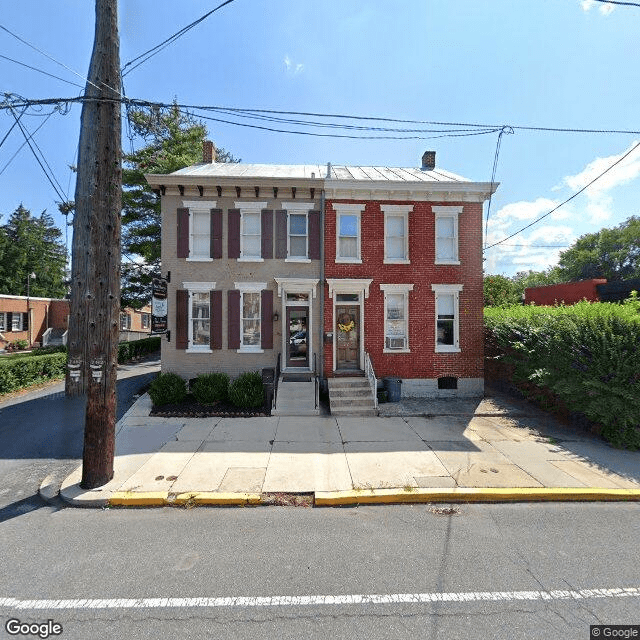
325 S. Hanover St, Ste A, Carlisle, PA 17013
To contact a resident: (717) 241-5900
For more information about senior living options: (866) 208-4318
Overall Review of Lakeview Respite Care
Pros
 The Chapel Pointe administration is a caring group looking out for residents.
- The facility is a great place for employment and for residents, and it is very clean.
- The staff at Chapel Pointe are outstanding, professional, caring, and compassionate.
- The staff make every effort to keep residents comfortable and in good spirits.
- The nursing and administrative teams treat residents with dignity and communicate regularly with families.
- The skilled care team provides excellent care during challenging times and accommodates family visits.
- Residents feel at home and safe because of the thoughtful, friendly staff.
- The on-site cafe, convenient location, and overall amenities contribute to residents' peace of mind.
- The meals are good and cooked to order, and pets are allowed to visit.
Cons
 They had a very bad experience at Chapel Pointe - Garden View Personal Care, alleging the staff did not know how to handle dementia, overmedicated the family member to the point she couldn't walk or feed herself, and expelled her after less than a month.
- They would not recommend Chapel Pointe for dementia care.
Review
This community is best suited for families seeking a Carlisle option with authentic, consistent caregiving across levels of care, a clean and welcoming environment, and dependable communication. It excels when residents benefit from a steady, respectful staff who treat daily life with dignity and warmth, from independent living through the transition to more intensive care. For seniors who prize a sense of home, quietly well-maintained spaces, accessible amenities, and staff who know their preferences, the setting is particularly appealing. It is not a passive choice; it rewards families who value proactive, personal attention and a real commitment to resident well‑being.
However, some families may want to consider alternatives, especially if dementia-specific needs are central. Reviews show that dementia care can be a minefield elsewhere, including a cautionary case where a memory-care unit was accused of overmedicating a resident and discharging them quickly. Those evaluating memory-care programs should scrutinize medication management, behavior-support strategies, and discharge criteria, and not assume all memory-care wings operate with uniform sensitivity and safeguards. In short, memory-care emphasis and protocols vary, and a facility with a demonstrated, transparent approach to dementia is essential for households facing complex cognitive needs.
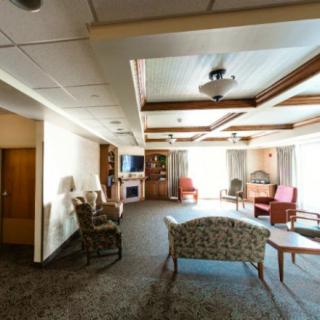
The strongest positives in these reviews point to a care culture that genuinely values residents. Families repeatedly praise staff who are described as outstanding, compassionate, and attentive to both medical needs and daily comfort. Cleanliness and modern, homey spaces recur as standout features, with private rooms and well-maintained common areas contributing to a sense of safety and pride. The ability to communicate regularly with families, health updates, daily routines, and even light-hearted notes, helps families sleep better at night and fosters trust. For many, these elements translate into a peace of mind that living at the facility will be managed with competence and kindness.
Where the reviews turn cautious is in the specific realm of dementia care, underscoring the need for families to verify how memory care is delivered. The positive experiences hinge on staff who know residents well, communicate clearly, and adapt care plans as needs evolve; the risk lies where the program lacks clear supervision, consistent medication reviews, or a transparent path for changes in level of care. Potential residents should demand a clearly defined dementia care program, ask about staff-to-resident ratios in the memory unit, and request opportunities to observe interactions and care planning in action. Without these assurances, even a polished environment can fail to meet expectations for cognitive impairment.
Practically, evaluating Lakeview Respite Care for dementia and non-dementia residents means grilling for specifics. Inquire about intake assessments, individualized care plans, and how transitions between Personal Care and Skilled Nursing are managed. Seek details on visitation policies, flexible dining options, and the availability of on-site services (cafe, maintenance responsiveness, pet visitation). Confirm whether private rooms are standard across levels, and whether memory-care staff receive ongoing training in dementia-friendly communication and behavior support. A rigorous tour should include conversations with front-line staff, administrators, and families currently navigating transitions to higher care levels to gauge consistency between promises and daily practice.
In the end, this community is a practical, confident choice for families seeking a reliable, respectful, and well-managed living environment with a genuine continuum of care. The strongest recommendation goes to households prioritizing compassionate staff, transparent family communication, and a clean, welcoming setting that supports independence while offering strong safety nets. Those with explicit, high-priority dementia-care requirements should enter with a focused checklist, detailed questions, evidence of skilled memory-care operations, and the comfort to compare against dedicated memory-care facilities. When these boxes are checked, the path forward is clear: a setting that delivers trust, steadiness, and real peace of mind for both seniors and their families.
 Harrisburg International (23 miles away)


 In-Home Care Costs in 2025: A Detailed State-by-State Exploration
 Understanding Home Health Care: A Comprehensive Guide
 Home Health Care Demystified: A Comprehensive Guide for Families and Caregivers