
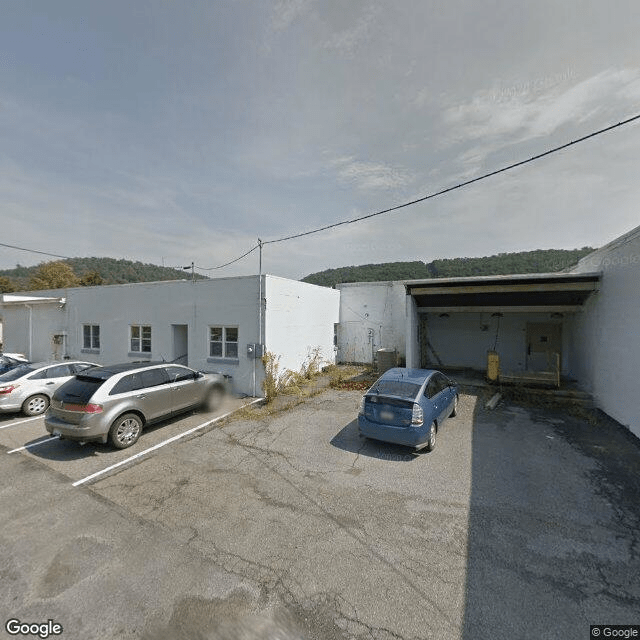
4 Riverside Plz, Blossburg, PA 16912
To contact a resident: (570) 638-2151
For more information about senior living options: (866) 208-4318
Overall Review of Tioga County Housing Authority
Pros
 The app is very great.
- The staff are caring and knowledgeable, with a solid understanding of regulatory requirements and how to assist the individual and the community.
Cons
 Any complaints for a safety issue or complaints against a building manager goes to the wayside.
- They will stand with building managers and maintenance without any interest in what you say.
- Can't drop off Rent outside business hours no drop box :(
Review
Tioga County Housing Authority in Blossburg, PA is best suited for budget-conscious seniors and adults with disabilities who need stable, low-cost housing and rely on staff who truly understand the regulatory landscape. The community’s core strength is a competent, approachable team that can translate complex rules into practical steps residents can follow. A resident-facing app adds real value, streamlining payments and service requests so daily logistics aren’t bogged down in paperwork. For families seeking predictable, administrator-supported housing that minimizes compliance risk, this option offers a grounded, well-structured environment anchored by regulatory know-how.
Those who should consider alternatives are families prioritizing aggressive resident advocacy or rapid, public-facing responses to safety concerns. Reviews suggest safety issues and complaints against building managers can be deprioritized, with staff aligning with management rather than listening to residents’ concerns. If a culture of assertive tenants’ rights, transparent conflict-resolution, and visible, timely escalation of problems matters, a different operator, especially larger housing authorities or private senior living providers with stronger resident councils, merits serious consideration. The lack of an after-hours rent drop-off option compounds this draw toward alternatives.
On the positive side, the pros are concrete and meaningful. Caring, knowledgeable staff who grasp regulatory requirements can guide individuals through processes, reducing confusion and helping ensure compliance for the wider community. That expertise minimizes the risk of paperwork mistakes and regulatory missteps, sustaining smoother operations and steadier occupancy. The sense that staff can navigate rules effectively directly supports residents who must navigate benefits, leases, and compliance without getting lost in red tape. The app’s practicality further alleviates day-to-day friction, making routine interactions fewer obstacles and more predictable.
Yet the principal drawbacks carry considerable weight in practical decision-making. The perception that safety concerns and complaints about management receive insufficient attention creates a fragile trust dynamic, especially for residents with real safety needs or vulnerabilities. When management appears to shield itself behind the building leadership, residents may feel unheard, and that disconnect can escalate anxiety during critical moments. The inability to drop off rent after business hours introduces a tangible inconvenience, potentially affecting timeliness and creating unnecessary stress for those juggling caregiving schedules or irregular routines. Taken together, these factors erode the otherwise steady operational baseline.
Families can mitigate some downsides with deliberate planning. Document concerns in writing and pursue formal escalation pathways with clear response timelines, ensuring there is a designated contact who can advocate when tensions rise with management. Leverage the app to submit requests and track progress, turning digital tools into a buffer against slow in-person responses. Before moving in, confirm after-hours payment options and ensure there is transparent guidance on acceptable methods. If a pattern of delayed safety attention or opaque processes emerges after a probation period, it is prudent to compare this option with alternatives that emphasize resident councils, quicker safety follow-up, and more flexible financial arrangements.
Bottom line: Tioga County Housing Authority offers a practical, cost-conscious option for households that prize regulatory competence and predictable operations backed by a functional digital interface. It is not the best fit for families requiring vigorous resident advocacy or consistently rapid responses to safety concerns. The decision hinges on weighing affordable, rule-savvy housing against the potential for slow escalation of issues and the inconvenient gap in after-hours rent logistics. For some, this is a sensible stepping stone toward more tenant-centered options; for others, a different operator that foregrounds resident empowerment and responsive safety culture will deliver greater peace of mind and smoother daily life.
 Assisted Living
 Activities on-site
 Devotional services off-site
 Indoor common areas
 Ambulatory care
 Diabetic care
 Meals provided




 Is Assisted Living Deductible on Your Taxes? Understanding the Complexities of Assisted Living Expenses and Deductions
 Assisted Living Support for Veterans: A Complete and Detailed Overview
 Exploring the Contrasts Between Assisted Living and Skilled Nursing