Moravian Village Of Bethlehem

Save

  • Interior

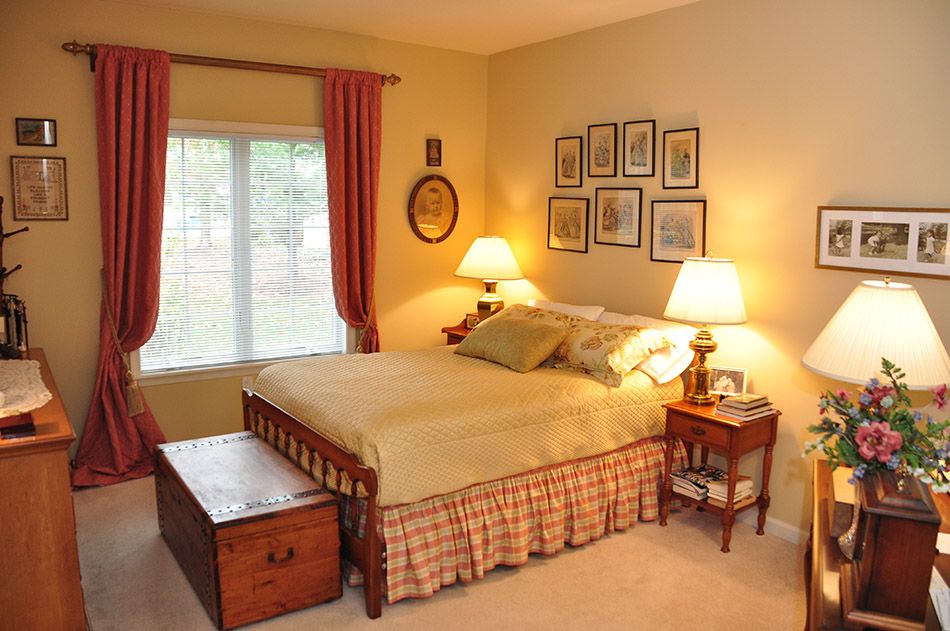
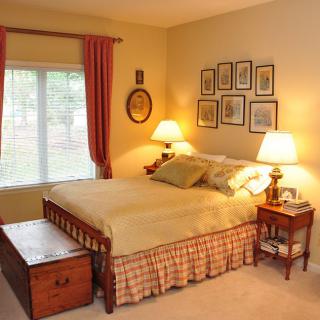
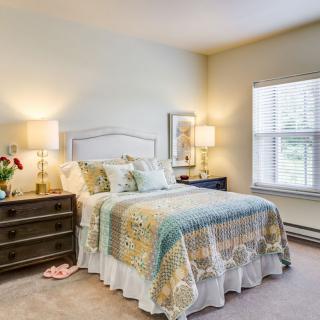
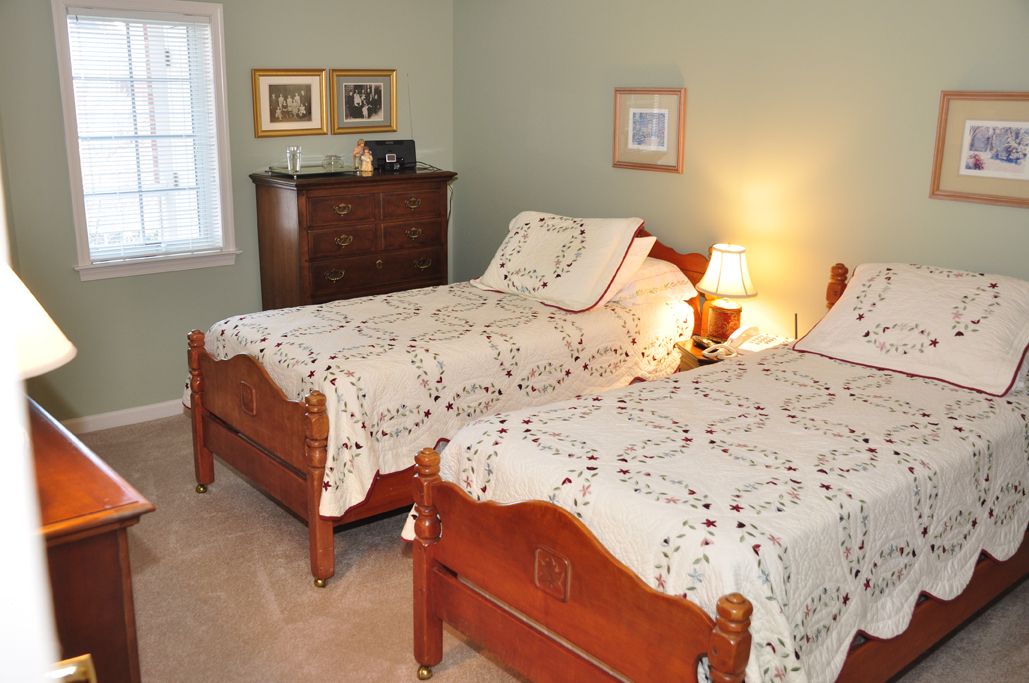
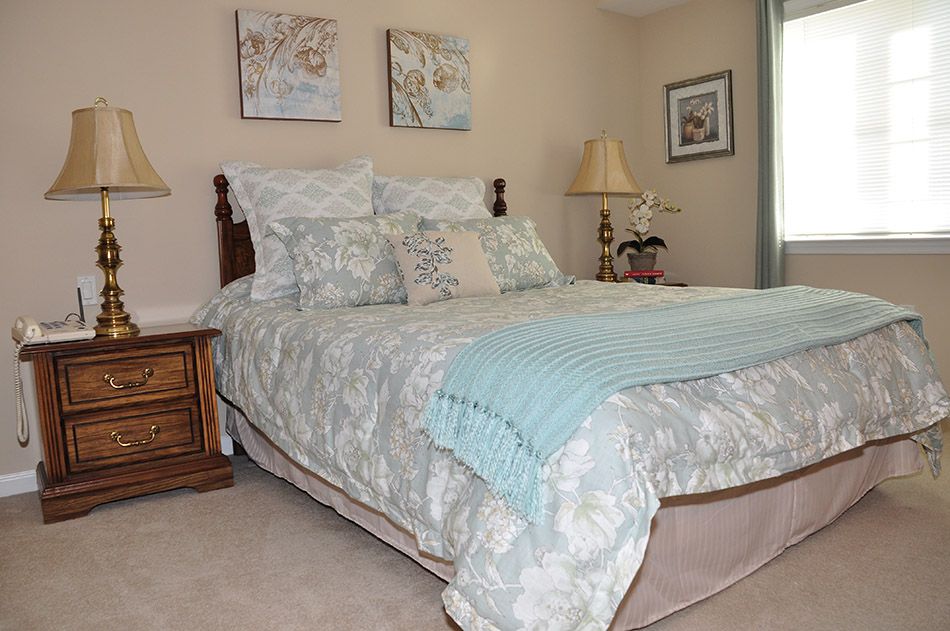
    A cozy bedroom with warm lighting, featuring a neatly made bed, two bedside lamps, and decorative elements on the walls.
  • Decor

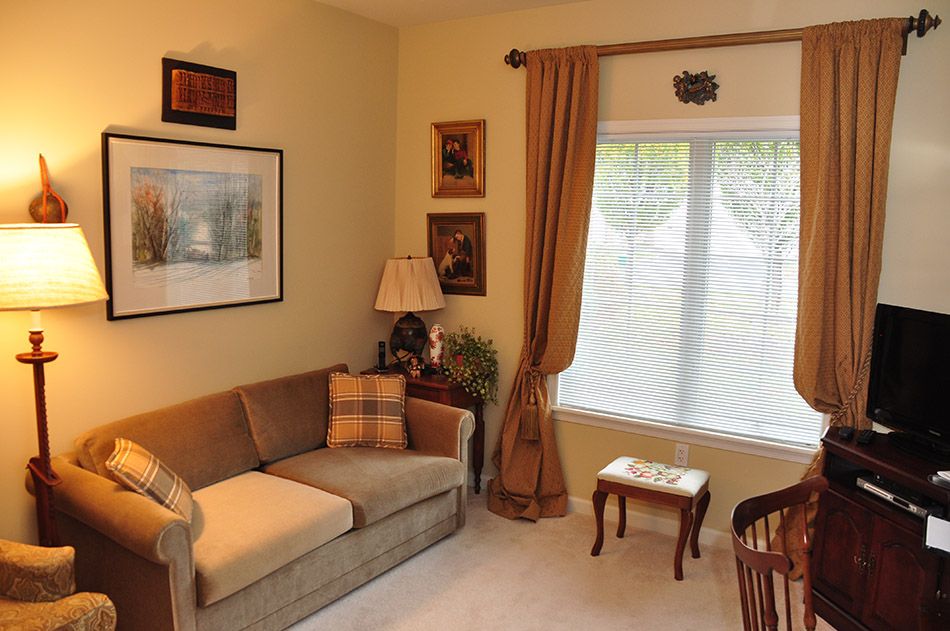
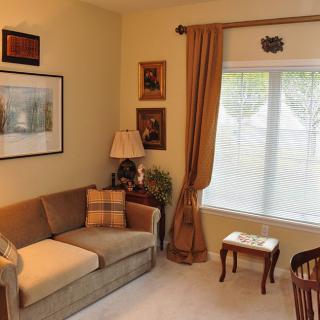
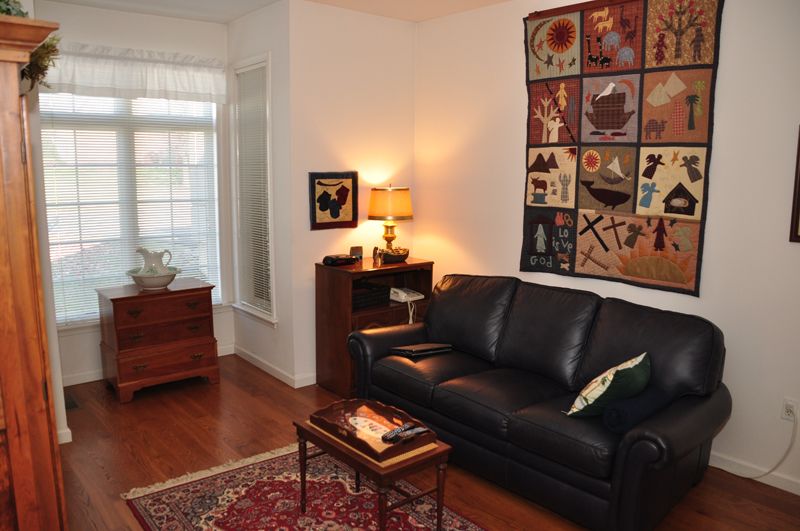
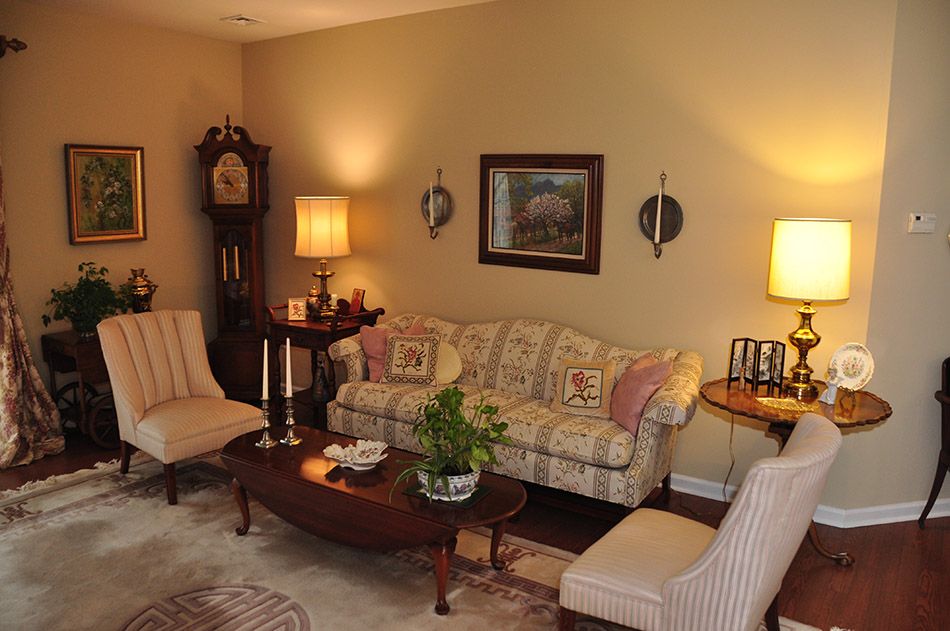
    A cozy living room corner with a sofa, small table, and framed art on the walls.
  • Living Room

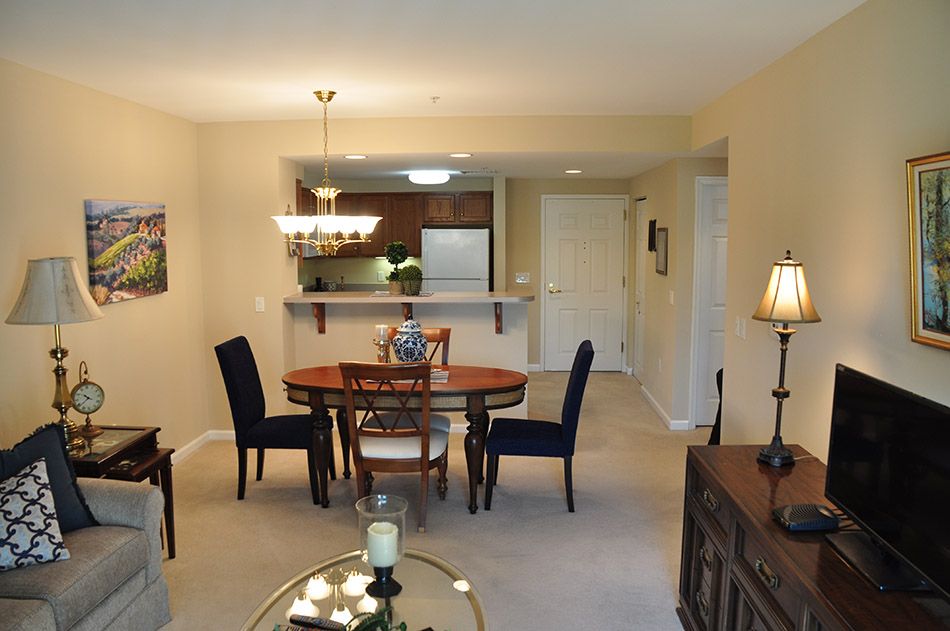
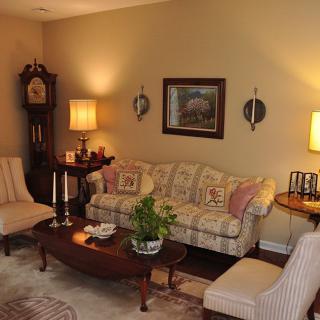
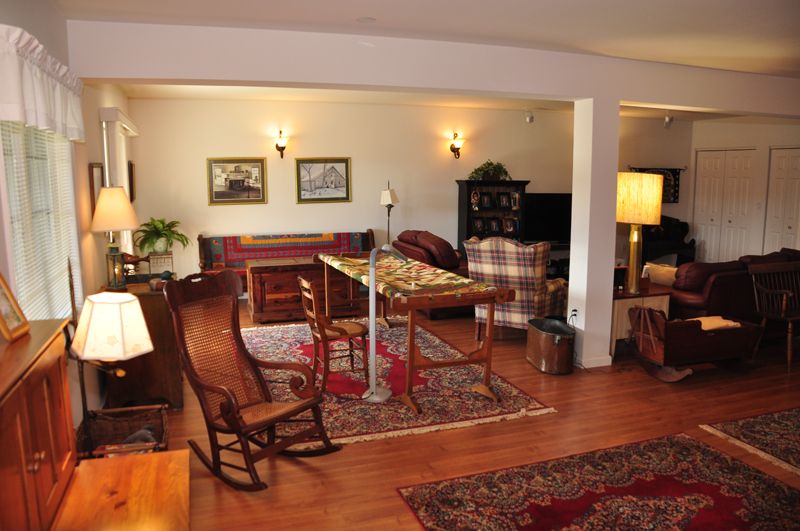
    A cozy living room featuring traditional decor with a sofa, chairs, and a coffee table, accented by lamps and wall art.
  • Building

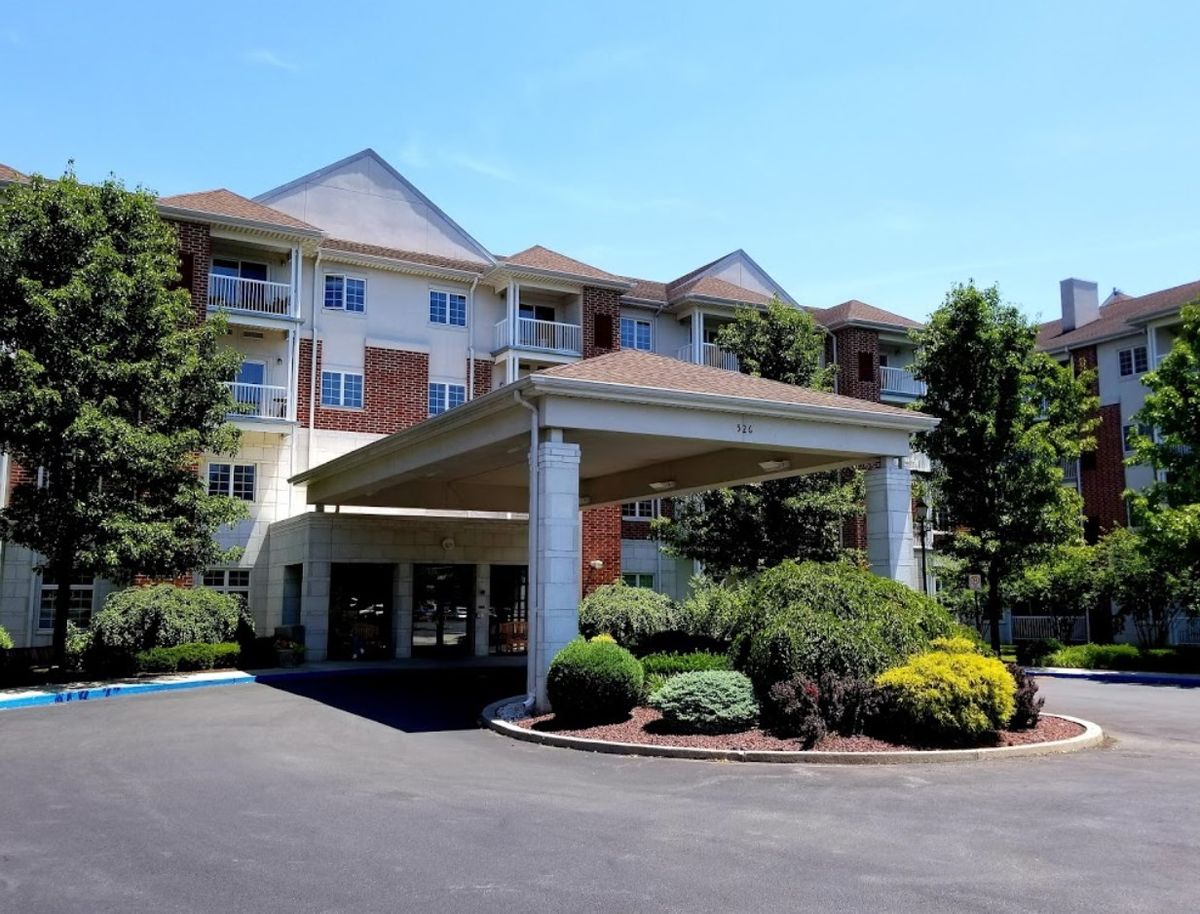
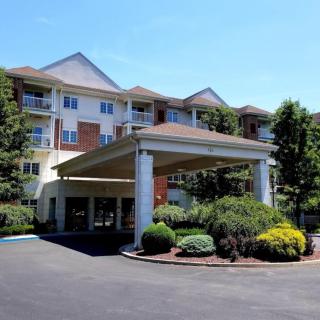
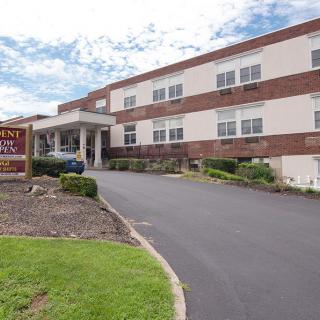
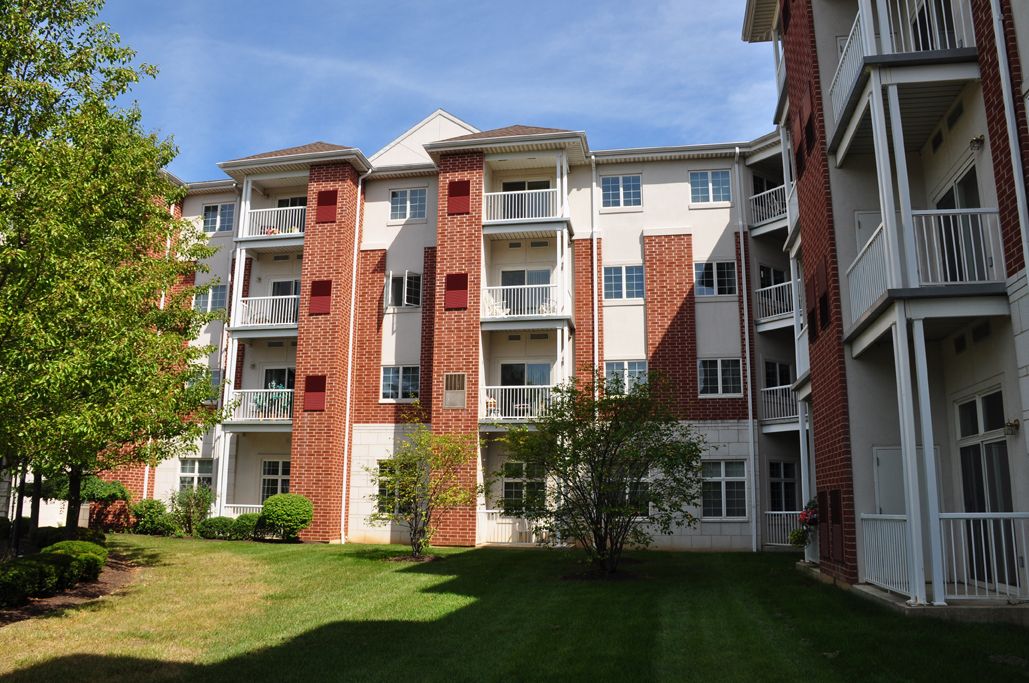
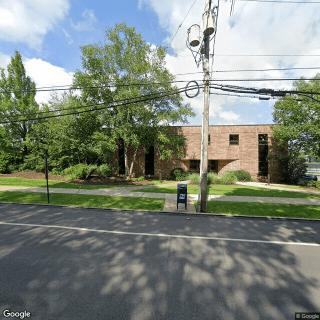
    A residential apartment complex with a landscaped entrance and covered driveway.
  • Architecture

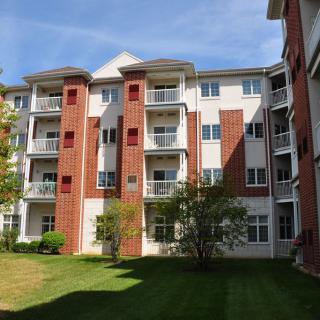
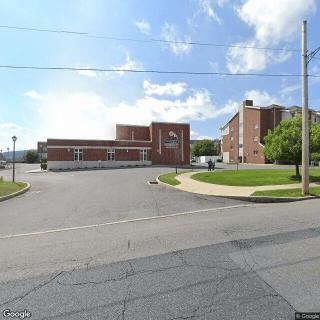
    A residential apartment building with brick and white facade under a clear blue sky.
  • Bedroom

    A cozy bedroom with a neatly made bed, decorative pillows, and calming artwork on the walls.
  • Windows

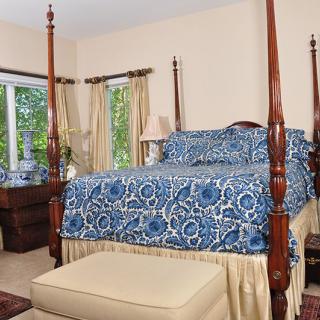
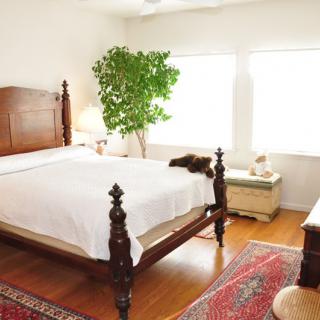
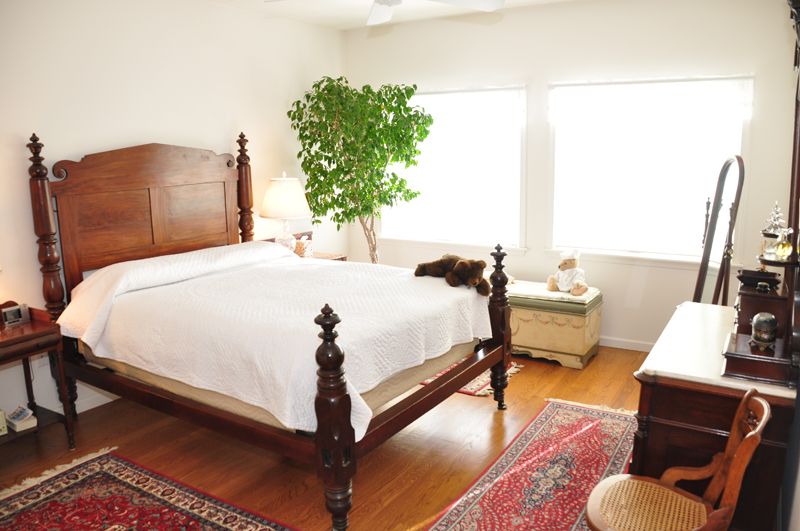
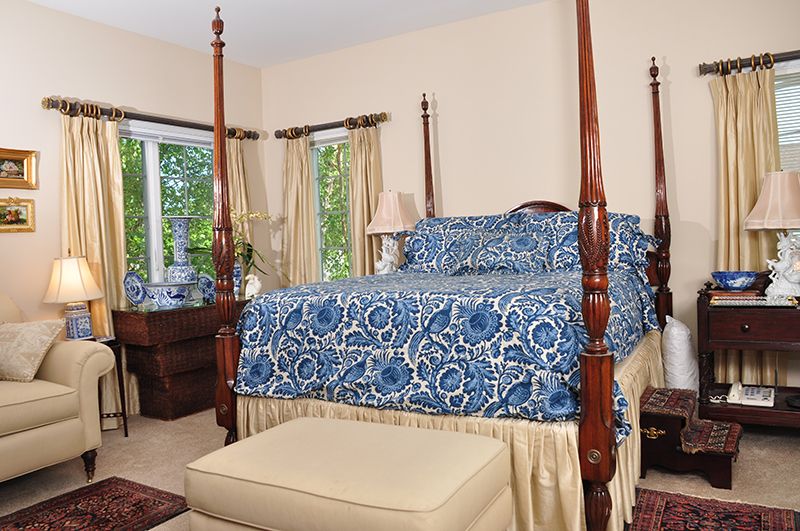
    A cozy bedroom with a four-poster bed featuring blue patterned bedding, surrounded by elegant curtains and classic furniture.
  • Dining

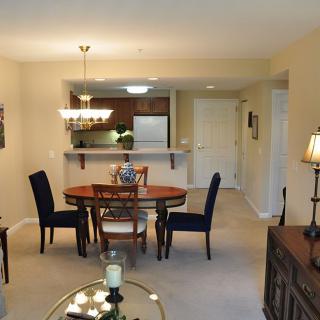
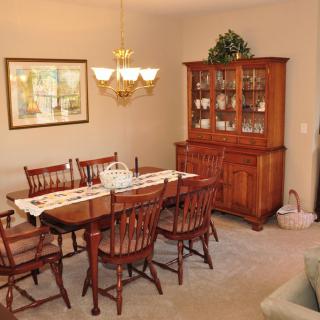
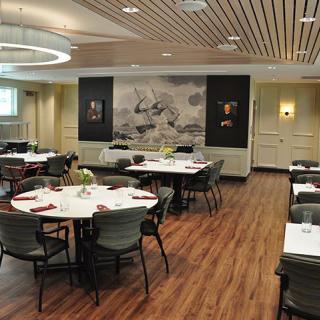
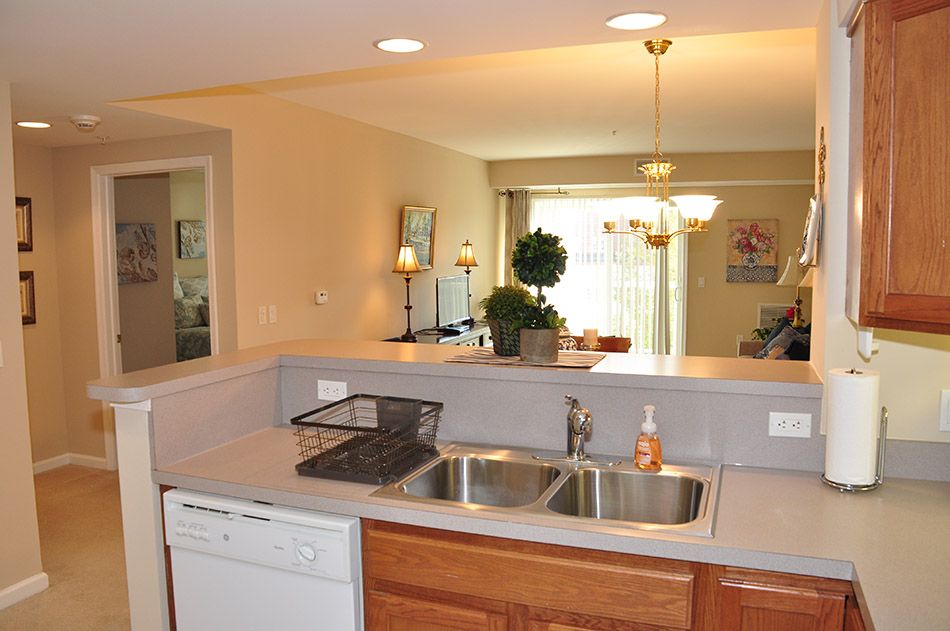
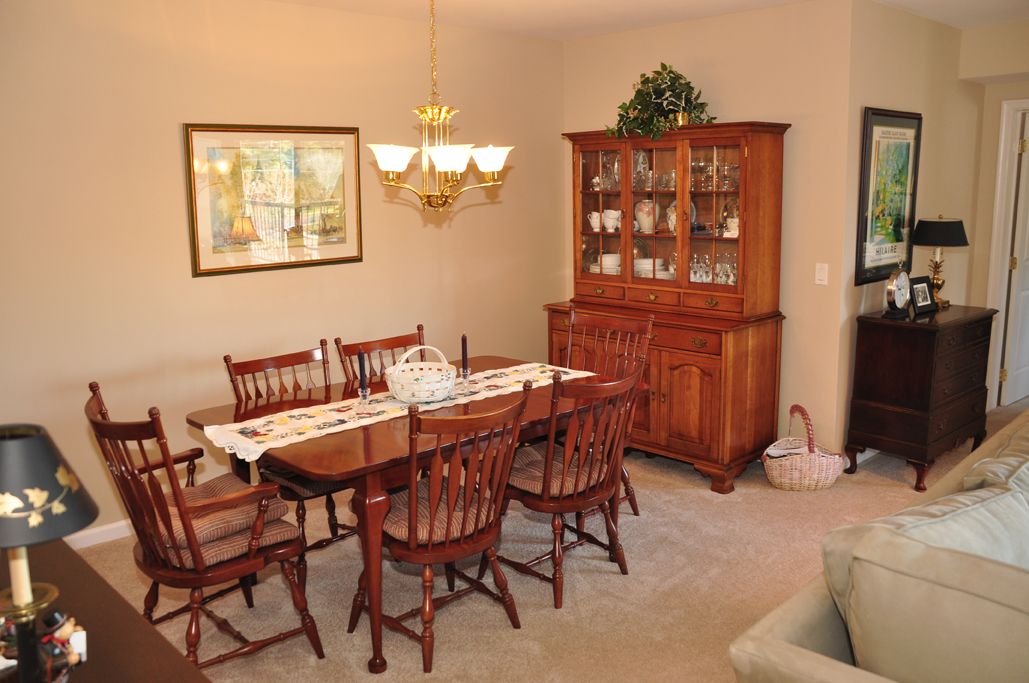
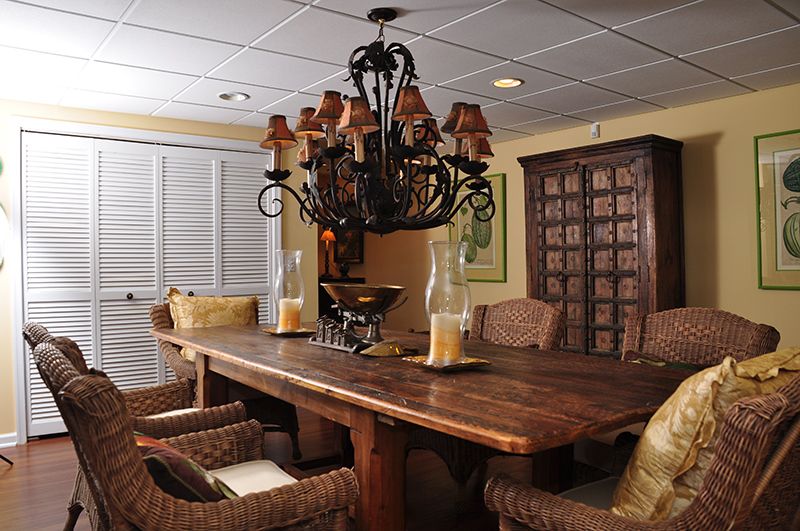
    A cozy dining room with an open layout, featuring a wooden table, elegant chairs, and ambient lighting.
  • Kitchen

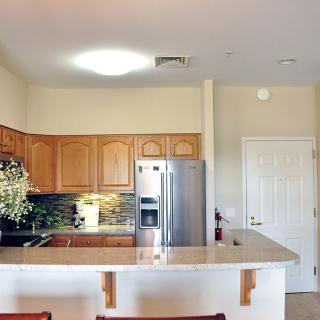
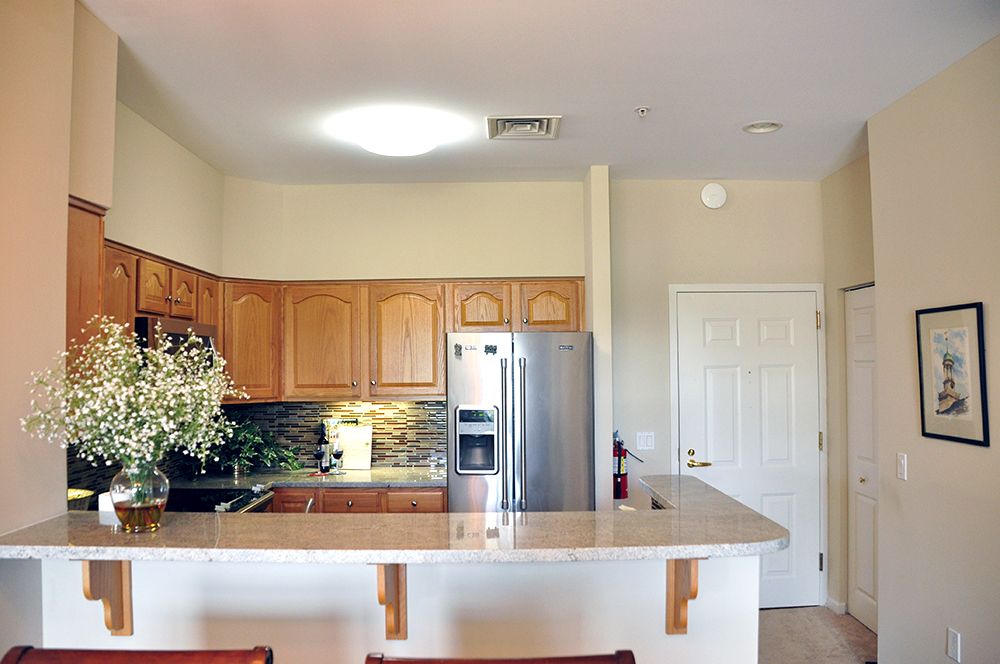
    A modern kitchen with wooden cabinets and a sleek refrigerator.
  • Artwork

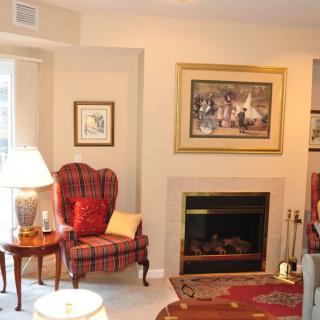
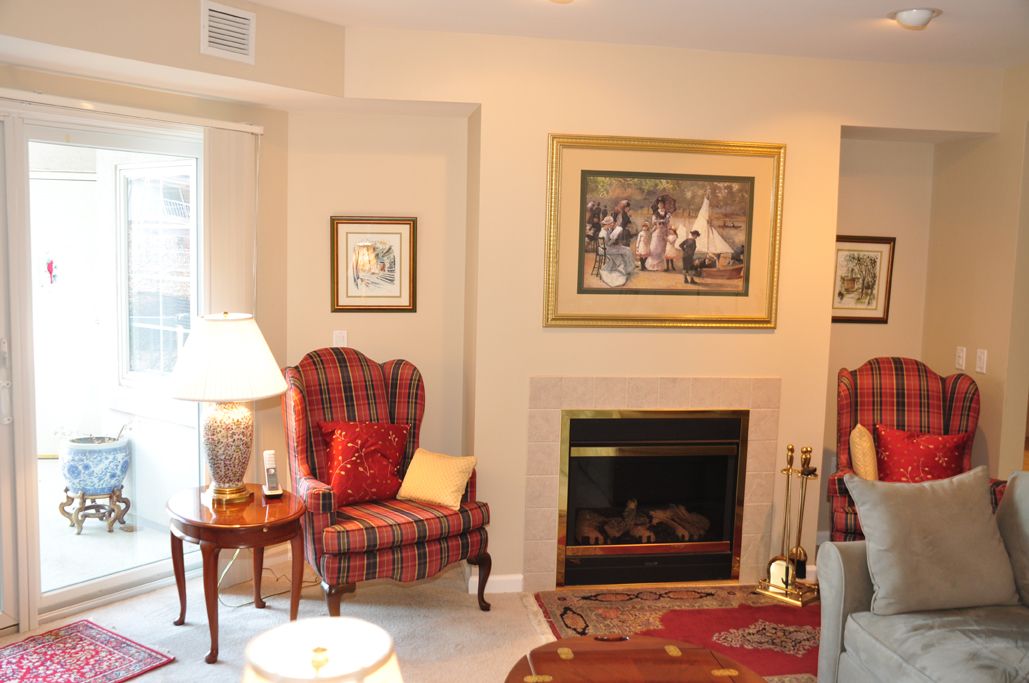
    A cozy living room with a plaid armchair and fireplace, adorned with artwork and a lamp.
  • Chandelier

    A cozy dining room with a wooden table and chairs, accompanied by a matching china cabinet and an elegant chandelier.
  • Natural Light

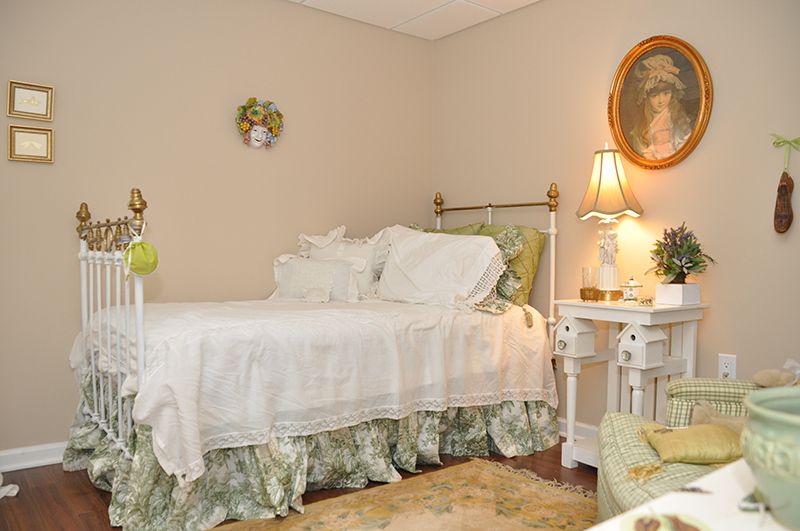
    A bright bedroom with wooden furniture and a large bed, featuring natural lighting and indoor plants.
  • Appliances

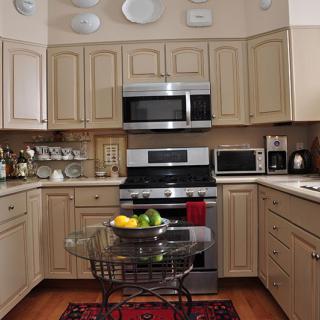
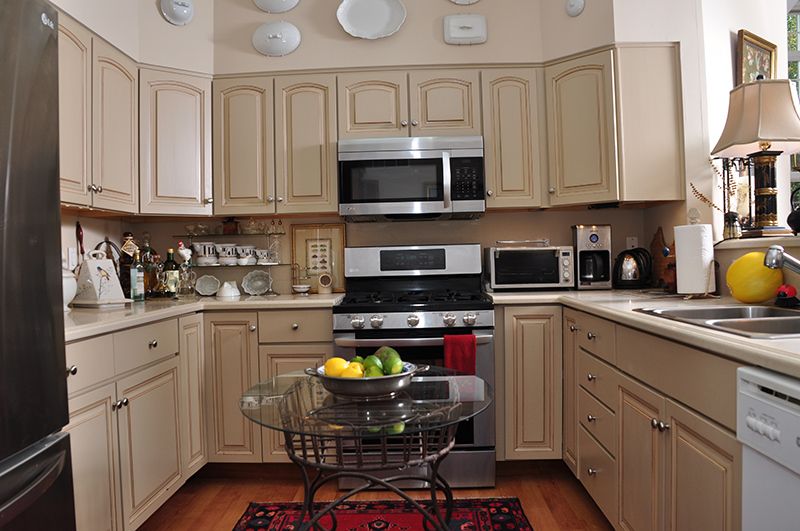
    A cozy kitchen with modern appliances and a fruit bowl on the table.
  • Wall Art

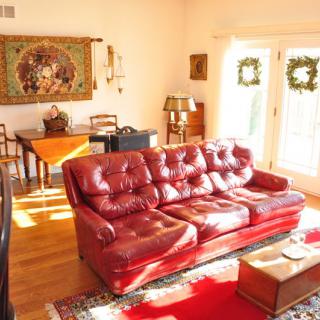
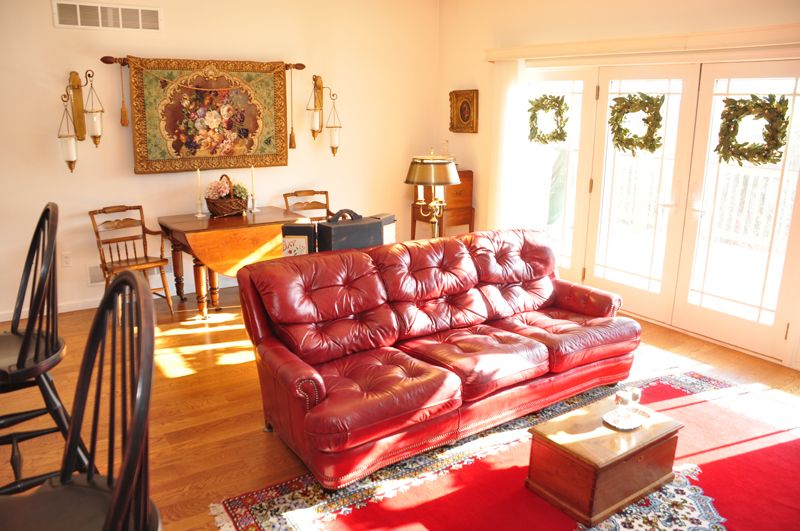
    A cozy living room featuring a red leather sofa, bright natural lighting, and elegant decor.

Moravian Village Of Bethlehem

526 Wood Street, Bethlehem, PA 18018

For more information about senior living options: (844) 490-3973

3.4 from 24 reviews
5 stars
9
4 stars
7
3 stars
0
2 stars
1
1 stars
7

Assisted Living Independent Living Memory Care Respite Care

Overall Review of Moravian Village Of Bethlehem

Pros

  • pro Moravian Village is an A+ establishment.
  • pro Every experience with Moravian Village has far exceeded expectations.
  • pro The custodial and IT staff, along with other professionals, provide exemplary care.
  • pro The grounds are well maintained and the staff greet residents, creating a welcoming environment.
  • pro The CNAs are doing a wonderful job.
  • pro The rooms are spacious, modern, and well lit.
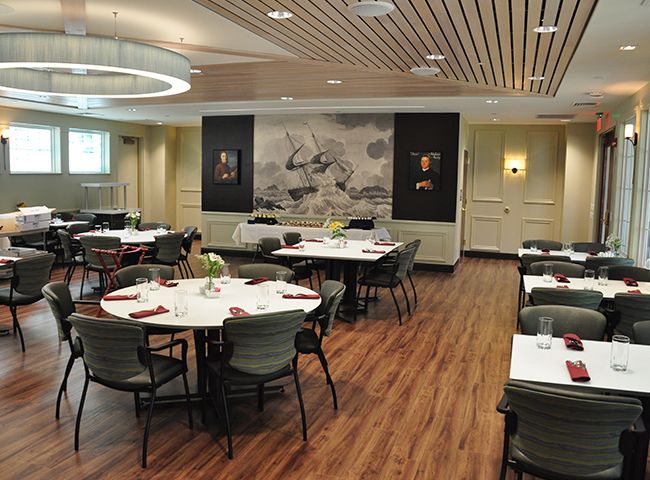
  • pro The dining areas are pleasant, with a lovely dining room and varied options.
  • pro There are numerous physical activities and health-focused programs to keep residents active.

Cons

  • pro The policy barring skilled-nursing residents from dining in the large dining area was described as shocking and unfair.
  • pro The facility was labeled as horrible for rehab, with a warning not to let a loved one go there.
  • pro It was claimed that only about 1 in 10 staff care for and are knowledgeable about elderly care.
  • pro The buzzer system was called a cruel joke, with delays in administering pain medication due to miscommunication.
  • pro The facility was described as horrible for elders with dementia/Alzheimer's, citing a fall and neglect.
  • pro Staff were described as rude and uncaring.
  • pro The place was considered expensive.
  • pro Receptionist and admissions staff were described as rude and unhelpful.
  • pro It was implied that residents would face overly restrictive rules, limiting their freedom unless they could "run free."

Review

Moravian Village of Bethlehem is best suited for seniors who want a spacious, campus-style community that blends cottage living with a robust main-building environment, and who are prepared to invest in a premium, amenity-rich setting. This is a place where larger apartments, options for independent living cottages with garages, and well-appointed common areas sit alongside a continuum of care. It appeals to families seeking a lively social scene, active programming, and a high level of cleanliness and maintenance, all within reach of Bethlehem's downtown charm. Those who prioritize ultra-tight medical responsiveness, especially for pain control or quick changes in health status, may find the pace and process slower than ideal.

Similarly, residents with specific needs should consider alternatives. The community is not the best fit for those whose priority is consistently prompt pain medication or immediate, round-the-clock medical responsiveness. Families evaluating memory care for dementia or Alzheimer's should note reported gaps in safety and specialized staffing. A subset of reviewers indicates that rehab outcomes can be uneven, and that the experience can hinge on individual care staff and shifts. In short, this is a solid match for those who value a large, sociable setting and proactive administration, but not for those who require specialized, always-on clinical precision or dementia-centric programs.

On the upside, the pros form a compelling value proposition. The grounds are meticulously kept, and the overall environment feels orderly and welcoming. Living spaces run large by many standards, with a mix of two-floor main-building apartments and standalone cottages that offer garages and basements for storage. The dining experience is frequently praised, and there is a genuine emphasis on friendly service across departments, from the front desk to maintenance. The campus supports a rich slate of activities, with physical therapy, arthritis-focused programs, pool classes, and book clubs, plus accessible dining and social options that can sustain engagement for residents who want to stay active. Quarterly care meetings provide families with a structured forum to track progress and raise concerns.

Yet, several persistent drawbacks temper the appeal. Notable is the uneven quality of care experiences in the health care center, with some accounts of delays in pain management and communication breakdowns between aides and nurses. Rude or dismissive frontline interactions - especially at admissions or receptionist points - have been cited as a turning-off factor for prospective residents and their families. There are also pointed concerns about safety and care for those with dementia or Alzheimer's, including incidents where restraints or safety measures appeared inconsistently applied. The pricing structure is described by many as expensive, and one reviewer notes the facility's buy-in model alongside large rooms as a potential financial necessity to secure placement. These cons are not minor and can color the overall sense of security and satisfaction.

Importantly, the strongest positives can offset some of the drawbacks for the right resident. For families prioritizing space, light-filled apartments, and a broad activity calendar, Moravian Village can deliver a high-quality daily living experience. The commitment of many staff members - cleanliness, attentiveness at the dining and maintenance levels, and a welcoming front office - helps create a dependable, orderly environment. The presence of distinct living options, including cottages with garages and basements, supports varying preferences for privacy and independence while still providing access to campus services. When care is well-coordinated and staff communicate proactively, the model works well, and several families report outcomes that compare favorably with other regional options.

For decision-making, approach with a clear checklist. Verify current staffing patterns, especially in the health care center, and ask for recent records on response times for pain management. Request specific examples of how care coordination works between the nursing staff, aides, and physicians, and ask for a demonstration of how urgent needs are escalated at night and on weekends. Probe the admissions experience for professionalism and respect, testing the reception and tours with targeted questions about dementia safety, fall prevention, and what happens if a resident requires a quick transfer to higher levels of care. Finally, obtain current pricing, including the buy-in structure and what is included in monthly fees, so the financial commitment aligns with expectations. When those factors align, Moravian Village offers a compelling blend of space, amenities, and steadier programming that can support a satisfying, long-term senior living choice.

Features

Housing

  • 250 resident community capacity 250 resident community capacity

Types of Care

  • Assisted Living Assisted LivingAssisted living facilities provide crucial support and care for seniors who may need help with daily tasks such as medication management, bathing, and meal preparation. These communities offer a safe and comfortable environment where seniors can maintain their independence while receiving the assistance they need to thrive in their golden years.
  • Independent Living Independent LivingIndependent living communities are important for seniors because they offer a safe and supportive environment where older adults can live independently while still having access to amenities and services that enhance their quality of life. These communities provide social opportunities, recreational activities, and assistance with daily tasks, promoting overall well-being and allowing seniors to maintain their independence for as long as possible.
  • Memory Care Memory CareMemory care is crucial for seniors as it provides specialized support and services for individuals with dementia or Alzheimer's disease. These programs offer a safe and secure environment where residents receive personalized care, cognitive stimulation, and help with daily activities. Memory care helps seniors maintain their independence, quality of life, and dignity while also providing peace of mind for their families.
  • Respite Care Respite CareRespite care provides temporary relief for caregivers, allowing them to recharge and attend to their own needs. It also gives seniors the opportunity to socialize, receive professional care, and experience a change of scenery, promoting overall well-being and reducing feelings of isolation.

Amenities

  • Activities on-site Activities on-siteActivities on-site are important for seniors because they provide opportunities for socialization, mental stimulation, physical activity, and overall well-being. Engaging in activities can help seniors stay active, maintain their independence, and improve their quality of life.
  • Air-conditioning Air-conditioningAir conditioning is important for seniors as they are more vulnerable to heat-related illnesses and may have underlying health conditions that make it difficult for them to regulate their body temperature. It helps to keep them comfortable, safe, and healthy in hot weather.
  • Beauty salon Beauty salonBeauty salons are important for seniors because they provide a space for them to feel pampered, socialize, and maintain their personal grooming and hygiene. Regular visits to a beauty salon can help boost seniors' self-esteem and overall well-being.
  • Cable or satellite TV Cable or satellite TVCable or satellite TV is important for seniors because it provides entertainment, news, and companionship, helping to combat loneliness and boredom. It also offers a wide range of programming options tailored to different interests and preferences.
  • Computer center Computer centerA computer center is essential for seniors as it provides access to technology, communication tools, and resources that can enhance their daily lives. It allows them to stay connected with loved ones, engage in online activities, and learn new skills, ultimately promoting socialization and mental stimulation.
  • Devotional services off-site Devotional services off-siteDevotional services off-site are important for seniors as they provide spiritual nourishment, social engagement, and a sense of community outside of the senior living facility. This can enhance overall well-being and help combat feelings of isolation and loneliness often experienced by older adults.
  • Dining room Dining roomDining rooms are important for seniors as they provide a space for socialization, connection, and nutritious meals. They offer opportunities for residents to bond over shared meals, foster a sense of community, and promote healthy eating habits. Dining rooms also ensure that seniors have access to well-balanced meals tailored to their dietary needs and preferences.
  • Fitness room Fitness roomHaving a fitness room in a senior living community is essential for seniors to stay active, maintain their physical health, and improve their overall well-being. Regular exercise can help prevent falls, reduce the risk of chronic diseases, and promote mental sharpness. It also provides social opportunities for residents to connect with others and enjoy a sense of community.
  • Fully furnished Fully furnishedFully furnished senior living communities are important for seniors because they provide convenience, comfort, and a hassle-free moving experience. Seniors can easily settle into their new living space without the stress of having to buy and move furniture. This allows them to focus on enjoying their new home and community.
  • Gaming room Gaming roomGaming rooms are important for seniors as they provide a fun and engaging environment for socializing, cognitive stimulation, and physical activity. Games can improve memory, problem-solving skills, and overall mental well-being while fostering friendships and reducing feelings of isolation.
  • Garden GardenGardens are important for seniors as they provide a peaceful and therapeutic environment for relaxation, physical activity, and socialization. Being in nature has been shown to reduce stress, improve mood, and promote overall well-being. Gardens also offer opportunities for seniors to engage in gardening activities, which can improve mobility, flexibility, and cognitive function. Additionally, gardens create a sense of community and connection with others who share a passion for plants and outdoor spaces.
  • Housekeeping services Housekeeping servicesHousekeeping services are important for seniors because they help maintain a clean and safe living environment, promote independence, and reduce the risk of accidents or illnesses. Additionally, having assistance with household chores can alleviate physical strain and allow seniors to focus on other aspects of their well-being.
  • Indoor common areas Indoor common areasIndoor common areas are crucial for seniors as they provide a space for socialization, recreation, and community engagement, promoting overall well-being and reducing feelings of isolation and loneliness.
  • Kitchenette KitchenetteKitchenettes are important for seniors living in senior living communities because they provide the convenience and independence of being able to prepare simple meals and snacks in the comfort of their own living space. This can help promote a sense of autonomy and well-being for seniors, allowing them to maintain some level of control over their dietary choices and daily routines.
  • Move-in coordination Move-in coordinationMove-in coordination is important for seniors because it helps ease the transition into their new living environment. It ensures that all logistics, such as packing, organizing movers, and setting up utilities are taken care of, allowing seniors to focus on settling in and adjusting to their new home. Having a smooth move-in process can alleviate stress and anxiety, making the transition smoother and more enjoyable for seniors.
  • Outdoor space Outdoor spaceOutdoor spaces are important for seniors as they provide opportunities for physical activity, social interaction, exposure to natural light and fresh air, and a sense of connection to nature. Having access to outdoor spaces can improve overall well-being and quality of life for older adults living in senior communities.
  • Private bathrooms Private bathroomsPrivate bathrooms are important for seniors in senior living communities because they provide independence, dignity, and comfort. Having a private bathroom allows seniors to maintain their personal hygiene routines without the need for assistance, promoting a sense of autonomy and privacy. Additionally, private bathrooms help prevent the spread of infections and provide a safe and clean environment for seniors to navigate safely.
  • Restaurant-style dining Restaurant-style diningRestaurant-style dining is important for seniors because it allows them to enjoy delicious, nutritious meals in a social and upscale setting. This enhances their dining experience, promotes healthy eating habits, and fosters socialization with fellow residents, ultimately contributing to their overall well-being and quality of life.
  • Small library Small librarySmall libraries are important for seniors as they provide access to a variety of reading materials, including books, newspapers, and magazines. This can help stimulate their minds, keep them engaged, and provide a sense of community through book clubs and other social activities. Additionally, reading has been shown to improve cognitive function and overall mental well-being in older adults.
  • Telephone TelephoneTelephones are important for seniors as they provide a lifeline for communication with loved ones, emergency services, and healthcare providers. They offer a sense of security and independence, enabling seniors to stay connected and access assistance when needed.
  • Wellness center Wellness centerWellness centers are important for seniors because they offer a variety of programs and services that promote physical, mental, and emotional well-being. These centers provide opportunities for exercise, socialization, education, and relaxation, helping seniors maintain their overall health and quality of life.
  • Wi-Fi/high-speed internet available Wi-Fi/high-speed internet availableWi-Fi/high-speed internet is important for seniors to stay connected with loved ones, access online resources, and participate in virtual activities to combat feelings of loneliness and isolation. It also allows them to easily manage healthcare needs, access entertainment, and engage in lifelong learning opportunities.

Transportation

  • Lehigh Valley International (5 miles away) Lehigh Valley International (5 miles away)
  • Community operated transportation Community operated transportationCommunity operated transportation is crucial for seniors as it provides them with the means to access essential services, social activities, and medical appointments. It allows seniors to maintain their independence and quality of life by ensuring they can participate in activities outside of their homes. Additionally, community-operated transportation services offer a safe and reliable way for seniors to travel without having to rely on family or friends for assistance.
  • Transportation arrangement Transportation arrangementTransportation arrangements are crucial for seniors as they may face challenges with driving, mobility, or access to public transportation. Having reliable transportation services ensures that seniors can easily attend appointments, social activities, and maintain their independence and quality of life.
  • Transportation arrangement (non-medical) Transportation arrangement (non-medical)Transportation arrangements are essential for seniors as they provide access to essential services, activities, and social interactions outside the home. This service helps maintain independence, mobility, and overall well-being for seniors who may have limited transportation options.
  • Transportation to doctors appointments Transportation to doctors appointmentsTransportation to doctors appointments is crucial for seniors as it ensures they have access to necessary medical care and support, promoting their health and well-being. It allows them to receive timely treatment, monitor existing conditions, and address any new health concerns efficiently. Additionally, transportation services can help seniors maintain their independence and quality of life by enabling them to stay connected with their healthcare providers.

Care Services

  • 12-16 hour nursing 12-16 hour nursing12-16 hour nursing care is crucial for seniors in order to ensure around-the-clock monitoring, timely medication administration, and prompt response to any health concerns or emergencies. This level of care helps to promote the overall well-being and safety of seniors living in senior living communities.
  • 24-hour call system 24-hour call system24-hour call systems are important for seniors because they provide peace of mind and immediate assistance in case of emergencies. This technology ensures that help is always available, promoting safety and security for elderly individuals living alone or in assisted living facilities.
  • 24-hour supervision 24-hour supervision24-hour supervision is important for seniors to ensure their safety, well-being, and access to immediate assistance in case of emergencies or health issues. This constant support provides peace of mind for both seniors and their loved ones, allowing them to age in place with dignity and security.
  • Activities of daily living assistance Activities of daily living assistanceActivities of daily living assistance are important for seniors because they provide essential support with tasks such as eating, bathing, dressing, and mobility. This assistance helps seniors maintain their independence, dignity, and overall quality of life as they age.
  • Ambulatory care Ambulatory care"Ambulatory care services provide essential medical support and treatment to seniors without requiring hospitalization, allowing them to maintain their independence and quality of life while managing chronic conditions or receiving routine medical care."
  • Assistance with bathing Assistance with bathingAssistance with bathing is crucial for seniors as it helps maintain personal hygiene, prevents infections, and ensures their overall well-being and comfort. It also provides a sense of dignity and independence for seniors who may struggle with this task on their own.
  • Assistance with dressing Assistance with dressingAssistance with dressing is important for seniors because it helps maintain their independence, promotes personal hygiene, prevents accidents and injuries, and improves overall quality of life. This service ensures that seniors can continue to dress comfortably and confidently, despite any physical limitations they may have.
  • Assistance with transfers Assistance with transfersAssistance with transfers is crucial for seniors as it helps prevent falls and injuries, maintains their independence, and ensures they can safely navigate their living environment. It also provides peace of mind for both seniors and their loved ones.
  • Diabetes diet Diabetes dietA diabetes diet is crucial for seniors as it helps manage blood sugar levels, reduce risks of complications, and improve overall health and well-being. By following a balanced and nutritious diet tailored to their specific needs, seniors can better control their diabetes and enhance their quality of life.
  • Diabetic care Diabetic careDiabetic care is crucial for seniors as they are more susceptible to developing diabetes due to aging and other health conditions. Proper management of diabetes can help prevent complications such as heart disease, vision loss, and nerve damage, improving the overall quality of life for seniors in senior living communities.
  • Meal preparation and service Meal preparation and serviceMeal preparation and service are crucial for seniors as they may have limited mobility or energy to cook nutritious meals. Having access to healthy and convenient food options can ensure they are getting the proper nutrition needed to maintain their overall health and well-being.
  • Medication management Medication managementMedication management is crucial for seniors to ensure they are taking the right medications at the correct dosages and times. This helps prevent adverse drug interactions, reduces the risk of medication errors, and promotes overall health and well-being. Proactive management also allows for adjustments as needed based on changing health conditions or new prescriptions.
  • Mental wellness program Mental wellness programMental wellness programs are essential for seniors as they promote cognitive stimulation, emotional support, and social engagement. These programs help prevent isolation, depression, and cognitive decline, ultimately enhancing the overall quality of life for older adults.
  • Mild cognitive impairment Mild cognitive impairment"Mild cognitive impairment" is important for seniors because it is an early stage of cognitive decline that can potentially progress to more severe conditions such as dementia. Recognizing and addressing mild cognitive impairment can help seniors receive appropriate care and support to maintain their quality of life and independence for as long as possible.
  • Special dietary restrictions Special dietary restrictionsSpecial dietary restrictions are important for seniors because age-related changes in metabolism and health conditions can make it difficult for their bodies to process certain foods. By following a diet tailored to their specific needs, seniors can maintain their overall health and well-being, manage chronic conditions, and reduce the risk of complications such as malnutrition or food interactions with medications.
  • Specialized memory care programming Specialized memory care programmingSpecialized memory care programming is crucial for seniors with cognitive impairments such as dementia or Alzheimer's disease. These programs provide a safe and supportive environment tailored to the unique needs of individuals with memory loss, helping them maintain their independence, dignity, and quality of life.

Dining

  • Diabetes diet Diabetes dietA diabetes diet is crucial for seniors as it helps manage blood sugar levels, reduce risks of complications, and improve overall health and well-being. By following a balanced and nutritious diet tailored to their specific needs, seniors can better control their diabetes and enhance their quality of life.
  • Meals provided Meals provided"Meals provided" are crucial for seniors in assisted living communities as it ensures they have access to nutritious, balanced meals without the stress of meal planning and preparation. This can help promote overall health and well-being for seniors who may have limited mobility or cognitive abilities.
  • Special dietary restrictions Special dietary restrictionsSpecial dietary restrictions are important for seniors because age-related changes in metabolism and health conditions can make it difficult for their bodies to process certain foods. By following a diet tailored to their specific needs, seniors can maintain their overall health and well-being, manage chronic conditions, and reduce the risk of complications such as malnutrition or food interactions with medications.

Activities

  • Activities on-site Activities on-siteActivities on-site are important for seniors because they provide opportunities for socialization, mental stimulation, physical activity, and overall well-being. Engaging in activities can help seniors stay active, maintain their independence, and improve their quality of life.
  • Community-sponsored activities Community-sponsored activitiesCommunity-sponsored activities are important for seniors as they provide opportunities for social interaction, mental stimulation, and physical activity. These activities can help improve overall well-being, combat loneliness and isolation, and promote a sense of belonging and purpose among older adults.
  • Concierge services Concierge servicesConcierge services are essential for seniors as they provide assistance with daily tasks and errands, enhance their quality of life by offering convenience and personalized care, and promote a sense of safety and security.
  • Devotional activities offsite Devotional activities offsiteDevotional activities offsite are important for seniors because they provide social engagement, spiritual growth, and a sense of community outside of their living environment. This can improve overall well-being, mental health, and combat feelings of isolation or loneliness.
  • Fitness programs Fitness programsFitness programs are crucial for seniors as they help improve strength, flexibility, balance, and overall well-being. Staying active can reduce the risk of chronic diseases, improve mental health, and enhance quality of life in older adults.
  • Planned day trips Planned day tripsPlanned day trips are important for seniors because they offer opportunities for socialization, mental stimulation, and physical activity. They provide a change of scenery and help seniors stay engaged and connected to their community, promoting overall well-being and quality of life.
  • Resident-run activities Resident-run activitiesResident-run activities are important for seniors as they encourage social interaction, creativity, and a sense of autonomy. These activities empower seniors to stay engaged and active in their community while fostering meaningful connections with their peers.
  • Scheduled daily activities Scheduled daily activitiesScheduled daily activities are important for seniors because they provide structure, socialization, mental stimulation, and physical activity. Engaging in regular activities can improve overall well-being and quality of life for seniors living in a community setting.

Description

The assisted living community at Moravian Village Of Bethlehem in Bethlehem, PA offers a range of care services to meet the individual needs of residents. With options for Independent Living, Memory Care, and Respite Care, the community caters to seniors at different stages of their lives.

Residents enjoy a comfortable and convenient living environment with amenities such as air-conditioning, cable or satellite TV, and Wi-Fi/high-speed internet. The community also provides essential services like housekeeping, move-in coordination, and transportation arrangements for non-medical purposes. For those who require it, there is 24-hour supervision and a call system for emergencies.

Meals are provided and can accommodate special dietary restrictions like diabetes diet or other specialized needs. Dining takes place in a restaurant-style setting where residents can enjoy delicious meals prepared and served by the community's staff. For socialization and entertainment, there are common areas for indoor activities, gaming rooms, small libraries, and outdoor spaces that include gardens.

Moravian Village Of Bethlehem offers various activities to enrich the lives of its residents. These include community-sponsored activities organized by the staff as well as resident-run initiatives. Fitness programs promote physical well-being while planned day trips provide opportunities for exploration beyond the community's grounds. Devotional activities offsite and mental wellness programs contribute to residents' spiritual and emotional well-being.

The location of Moravian Village Of Bethlehem also provides convenience with numerous nearby facilities. There are cafes, pharmacies, physicians' offices, restaurants, transportation options, places of worship, theaters; all within close proximity to the community. Additionally, there are hospitals nearby for any medical needs.

Overall, Moravian Village Of Bethlehem offers a comprehensive package of care services and amenities designed to enhance the quality of life for its residents in an inviting and supportive environment.

Nearby Places of Interest

Restaurants

  • The Bayou (0.2 miles)
  • Mach's Gute (0.5 miles)
  • Southside 313 Bar & Grille (0.9 miles)
  • Vegan Treats (0.9 miles)
  • Bonn Place Brewing Company (0.9 miles)
  • Twisted Olive (1 miles)
  • Apollo Grill (1 miles)

Pharmacies

  • CVS Pharmacy (0.9 miles)
  • CVS Pharmacy (1.3 miles)
  • CVS Pharmacy (2 miles)
  • Ritter Pharmacy (2.2 miles)
  • Walgreens (2.4 miles)
  • Walgreens (2.4 miles)
  • CVS Pharmacy (2.5 miles)

Physicians

  • Solutions Counseling & Consultation Services (1 miles)
  • Aesthetica Cosmetic & Laser Center (1.1 miles)
  • Vita Medical Associates P.C. (1.1 miles)
  • LVPG Pediatrics-West Broad (1.4 miles)
  • Lehigh Valley Physicians Group (1.4 miles)
  • Greg Bensinger- Podiatrist (1.4 miles)
  • St Lukes Emergency Care Specialist - John C Pretosh Do (1.8 miles)

Cafes

  • Saxbys Coffee (1.2 miles)
  • Starbucks (4.1 miles)
  • Starbucks (4.2 miles)

Hospitals

  • St Lukes Hospital Human Resources Department (1.9 miles)
  • Muhlenberg Hospital Center (2.9 miles)
  • Coordinated Health (3.6 miles)
  • Lehigh Valley Health Network (4.2 miles)
  • Singh Sandeep MD - Good Shepherd Rehab Hospital (5.7 miles)
  • Emergency Room at Lehigh Valley Hospital–Hecktown Oaks (6.5 miles)

Places of Worship

  • Our Lady of Perpetual Help (3 miles)
  • St Peter's Preschool (3.4 miles)
  • City Limits Assembly of God (5.2 miles)
  • Dubbs Memorial Ucc (5.8 miles)
  • Christ Lutheran Church (6.6 miles)

Transportation

  • Trans Bridge Bus Stop - Lehigh Valley International Airport (4.3 miles)
  • Lehigh Valley International Airport (ABE) (4.3 miles)

Theaters

  • AMC Center Valley 16 (4.9 miles)

Frequently Asked Questions

Where is Moravian Village Of Bethlehem?
Does Moravian Village Of Bethlehem provide care for residents with dementia or Alzheimer's disease?
What photos are available for Moravian Village Of Bethlehem in Bethlehem, Pennsylvania?

Nearby Communities

  • Senior Solutions Moravian Village of Bethlehem

    Senior Solutions Moravian Village of Bethlehem

    Bethlehem, PA


    pro Full continuum of care (Independent, Assisted, Memory Care, Skilled Nursing) with on-site activities and devotional services, plus strong access to nearby healthcare, dining, and transportation.
  • Blough Health Care Center

    Blough Health Care Center

    Bethlehem, PA

     
    $6,600 to $6,900 / month

    pro Fully furnished private rooms with on-site activities, restaurant-style dining, beauty salon, devotional services, and high-acuity care.

  • Living Care Home Services

    Living Care Home Services

    Bethlehem, PA

    5 from 1 review
     

    pro Excellent access to nearby healthcare and abundant local amenities.

  • Bethlehem Area Morovian Inc

    Bethlehem Area Morovian Inc

    Bethlehem, PA


    pro Excellent access to healthcare, dining, and transportation.

  • Moravian King S Daughters Home

    Moravian King S Daughters Home

    Bethlehem, PA

    4.4 from 14 reviews
     

    pro Small, personalized board-and-care with 24-hour supervision and comprehensive daily living support.

  • Moravian King's Daughters And Sons Home

    Moravian King's Daughters And Sons Home

    Bethlehem, PA

    4.4 from 14 reviews
     

    pro Assisted living with diabetic care and on-site activities.

  • Saucon Valley Manor

    Saucon Valley Manor

    Hellertown, PA

    3.9 from 153 reviews
    $2,495 to $4,495 / month

    pro Caring staff with good communication; clean, spacious facilities and engaging activities.

  • Riverton Enhanced Senior Living

    Riverton Enhanced Senior Living

    Allentown, PA

    4.7 from 60 reviews
    $4,400 to $5,100 / month

    pro Friendly staff, engaging daily activities, and a clean, hotel-like environment.

  • Sterling Heights Gracious Retirement Living

    Sterling Heights Gracious Retirement Living

    Bethlehem, PA

    4.4 from 95 reviews
    $2,665 to $4,465 / month

    pro Friendly staff and well-maintained facilities with engaging activities.

Related Resources

  • dementia stagesUnderstanding Dementia Through Its Seven Stages: A Comprehensive Look at Progression and Expectations

    Dementia encompasses a range of cognitive impairments characterized by types such as Alzheimer's and vascular dementia, and follows a seven-stage progression model known as the Global Deterioration Scale (GDS), highlighting varying symptoms and decline timelines. Early detection allows for lifestyle adjustments to potentially slow progression, while caregivers need support and resources to manage the challenges involved in caring for affected individuals.

  • how to prevent memory loss in old ageSafeguarding Your Memory Through the Golden Years: Eight Ways to Preserve Cognitive Health

    The article presents eight strategies for preserving cognitive health and memory in older adults, emphasizing a nutrient-rich diet, regular exercise, intellectually stimulating activities, adequate sleep, social connections, stress management techniques, limiting harmful substances, and regular medical checkups to mitigate age-related memory decline.

  • activities of daily livingComprehensive Insights into Activities of Daily Living (ADLs) and Their Assessment
    Activities of Daily Living (ADLs) are fundamental tasks vital for an individual's independence, particularly in older adults over 85, and include functions like bathing and dressing; assessing ADLs alongside Instrumental Activities of Daily Living (IADLs) helps determine the level of required assistance due to age-related health challenges. Tailored support plans, involving family and community resources, are essential for maintaining dignity and autonomy in assisted living environments.