
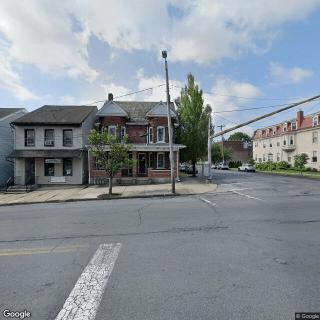
61 West Market Street, Bethlehem, PA 18018
For more information about senior living options: (866) 208-4318
Overall Review of Moravian King S Daughters Home
Pros
 The Moravian King's Daughters Home is described as the best there is for care.
- The home makes residents feel like family.
- Residents receive excellent medical and personal care, family-style meals, and engaging activities that help them make new friends.
- Hospice teams consistently praise Moravian King's for providing the best personal care among facilities.
- The staff are helpful, the facility is clean, and they work closely with families.
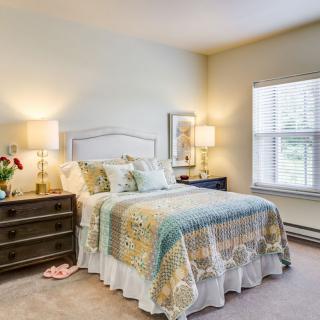
- The environment feels homelike, very clean, and welcoming for elders.
Cons
 There is no HR available, which allows the organization to do whatever it wants and treat employees with disrespect.
- An employee who has not even been at the home for a month has faced disrespect from co-workers for following instructions.
- Some employees are sneaking into quiet dark rooms during their shifts.
- Employees are laughing on their phones while working.
- There are reports of stealing residents’ belongings.
- Residents dread living there because nobody is creating bonds with them; they seem there for the paycheck.
- The overall operation is described as unprofessional.
Review
Moravian King’s Daughters Home in Bethlehem is best suited for families seeking a small, homelike, non-profit setting where residents receive genuinely attentive, personal care and a strong sense of community. The environment emphasizes warmth, family-style meals, and social connection, with a clear focus on comfort and daily living. It shines for seniors who need help with activities of daily living and for those requiring dementia support and end-of-life palliation, all delivered in a setting that feels like “grandma’s house.” The overall reputation, reinforced by numerous five-star endorsements, points to a care philosophy built around nurturing relationships, close caregiver-resident bonds, and steady, compassionate presence during difficult moments.
Those who should consider alternatives are families prioritizing formal HR structures, explicit policy enforcement, and highly standardized programming. A recurring concern in the reviews is the lack of an HR department in this non-profit setting, which some interpret as reduced accountability and inconsistent expectations for staff conduct. Aligned with that view, one reviewer raised worries about disrespect toward employees and unprofessional behavior, linked to broader questions about supervision and the consistency of daily operations. If a transparent, corporation-size governance framework with rigorous staffing controls and well-documented procedures is non-negotiable, exploring other options may be prudent.
The strongest pros sit squarely with the caregiving core: exceptionally caring staff, clean and welcoming facilities, and a home-like atmosphere that reduces the clinical distance many facilities create. Families repeatedly note that residents receive excellent personal care, with help for activities of daily living, delicious family-style cooking, and regular social engagement. The care team’s devotion is underscored by hospice professionals who visited and affirmed this home as delivering among the best personal care they’ve encountered. The combination of medical attentiveness, daily companionship, and meaningful meals creates a dignified, comfortable experience for residents in fragile illness trajectories.
On the downside, activity levels and structured programming appear uneven across the reviews. One critic laments too few activities, suggesting residents could benefit from a more robust schedule to sustain social stimulation and engagement. While others describe a lively, welcoming atmosphere and consistent family collaboration, this tension signals a real risk: without proactive programming and visible activity planning, residents may experience stagnation or disengagement. Staffing morale and the consistency of staff availability across shifts also emerge as potential vulnerabilities, especially if turnover or morale dips, impacting the steadiness families expect in day-to-day life.
Balancing the positives against the noted drawbacks yields a straightforward conclusion for discerning families. The cons are meaningful and deserve careful scrutiny, yet they do not erase the compelling strengths: a genuinely homelike setting, close, compassionate care, and a culture that treats elders with respect and familial regard. The home’s non-profit, small-community character can be a powerful match for families who prioritize warmth, intimacy, and visible, affectionate care over formal programmatic polish. Prospective residents should, however, press for clarity on staffing oversight, incident reporting, and measurable activity planning during tours, and should seek to meet staff across shifts to gauge consistency and morale firsthand. If those assurances align with the resident’s preferences, Moravian King’s Daughters Home stands out as a practical, trusted choice for meaningful, dignity-filled aging at home.
 16 resident community capacity
 Assisted Living
 Board and Care Home
 Cable or satellite TV
 Dining room
 Fully furnished
 Garden
 Housekeeping services
 Move-in coordination
 Outdoor space
 Telephone
 Wi-Fi/high-speed internet available
 Lehigh Valley International (4 miles away)
 24-hour supervision
 Activities of daily living assistance
 Assistance with bathing
 Assistance with dressing
 Assistance with transfers
 Diabetes diet
 Meal preparation and service
 Medication management
 Special dietary restrictions
 Transportation arrangement (medical)
 Transportation to doctors appointments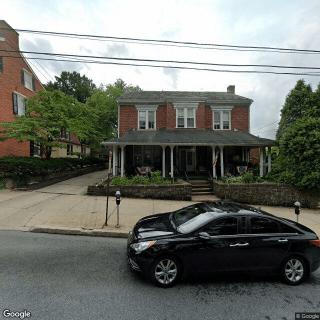




 When to Transition from Assisted Living to Memory Care: Key Indicators, Steps, and Finding the Right Community
 Assisted Living and Memory Care: Understanding Their Core Differences
 Beyond the Bingo Hall: 50+ Enriching Activities for Seniors in Assisted Living