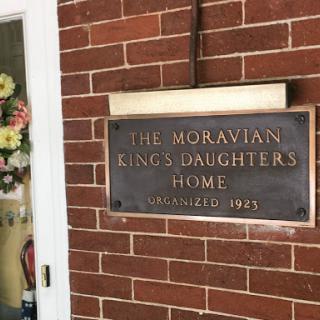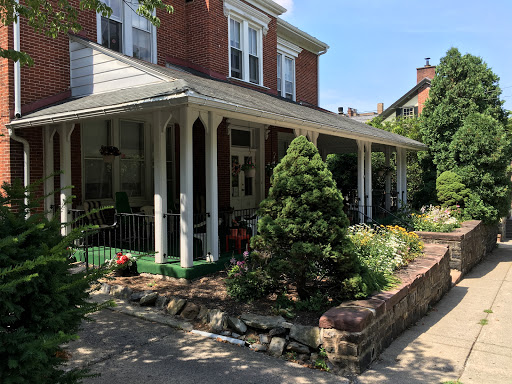
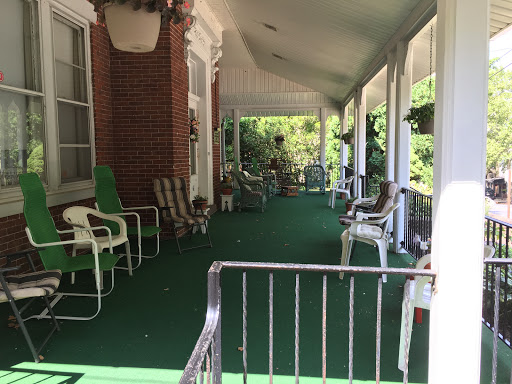
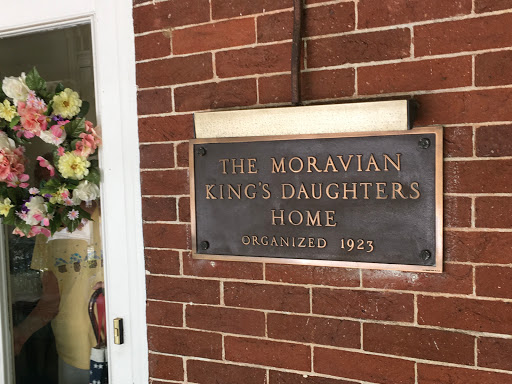
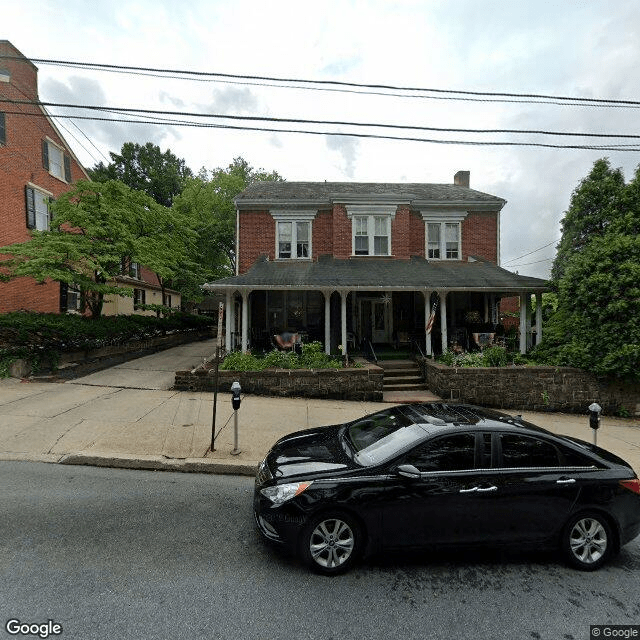
61 W Market Street, Bethlehem, PA 18018
To contact a resident: (610) 867-5382
For more information about senior living options: (866) 208-4318
Overall Review of Moravian King's Daughters And Sons Home
Pros
 The staff form a loving, caring team that provides the best possible care.
- The home offers excellent medical and personal care, family-style meals, engaging activities, and opportunities for residents to make new friends.
- Hospice teams have praised the home for providing top-tier personal care.
- The home has a history of staff who loved their jobs and the people there.
- The facility is a very nice place to work, with a lovely atmosphere.
- The staff are very helpful, the facility is clean, and they work closely with families.
- The facility is clean and comfortable, with an extremely welcoming staff.
- The home feels homelike for the elders.
Cons
 The nonprofit organization has no HR, allegedly allowing them to do whatever they want and treating employees with disrespect.
- An employee reports disrespect from coworkers and notes that some staff sneak into quiet dark rooms during shifts, laugh on their phones, and steal residents’ belongings.
- They claim some residents are dreading living there because nobody is creating bonds with them, and it seems everyone is there just for the paycheck.
- The place is described as sad, with staff trying but needing more activities for residents.
Review
This community is best suited for families seeking a warm, home-like, non-profit setting that emphasizes personal care and a familial atmosphere for seniors, particularly those facing dementia progression or end-of-life care. The environment feels like a grandmother’s house, with family-style meals, familiar furnishings, and daily routines that foster a sense of belonging. Residents benefit from attentive, personal care that blends daily living assistance with meaningful social engagement, and the presence of hospice-aligned support often translates into very individualized attention during advanced illness.
Those who may want to consider alternatives include families seeking a more structured, activity-filled program or a setting with clearer, institution-level governance and HR oversight. If consistency in activity scheduling, staff discipline, and ongoing, transparent administrative processes are non-negotiable, this community may present concerns flagged by some staff and former employees. In short, when a resident needs a highly regimented calendar, strict staffing protocols, or a robust, clearly documented chain of command, it may be prudent to explore other options that emphasize those attributes more visibly.
The strongest positives here sit in the intimate, caregiving ethos. Residents receive excellent personal care, with support for activities of daily living and meals served in a family-style manner that reinforces a sense of normalcy and companionship. Cleanliness and a welcoming atmosphere reinforce the homelike experience, and the staff’s willingness to partner with families helps families stay connected to their loved one’s daily life. The facility’s alignment with hospice teams and the consistent emphasis on compassionate care can be life-changing for a resident facing end-stage dementia or terminal illness, offering comfort, dignity, and a familiar, supportive routine at a vulnerable time.
Yet the core concerns are meaningful enough to weigh heavily in a decision. A portion of the reviews highlights internal staff dynamics and morale, including reports of disrespectful treatment among some employees and a lack of HR oversight. Such issues can ripple into resident experience, potentially affecting consistency, staff availability, and the ability to sustain a broad activity program. A few comments also note a desire for more structured activities and a more proactive approach to intellectual and social engagement. While the caregiving itself shines, these organizational strains warrant serious attention from families evaluating long-term placement.
In practical terms, families should visit with a targeted checklist. Observe how staff interact with residents across different times of the day and with dementia-related needs; ask to meet front-line caregivers and observe how they communicate with families; review the activity calendar and ask how activities are chosen, personalized, and adjusted for changing abilities. Inquire about staff turnover, supervision, and how responsibility is distributed during shifts. Seek clarity on how the hospice partnership operates on a day-to-day basis and how medical and personal care plans are coordinated with family input. These conversations illuminate whether the home’s strengths can be sustained over months and years.
Ultimately, the decision hinges on whether warmth, personalized attention, and strong end-of-life care outweigh the potential downsides of organizational fragility and a lean activity program. For families prioritizing a truly homelike atmosphere and highly attentive personal care, especially when dementia care and hospice considerations are central, Moravian King’s Daughters and Sons Home stands out as a compelling option. It delivers a level of tenderness and daily companionship that is rare in larger or more institutional settings. If those assets align with the resident’s needs and family expectations, this community deserves serious consideration. If not, areas to probe further or alternatives with firmer HR structures and more robust activity offerings may prove to be safer long-term bets.
 Assisted Living
 Activities on-site
 Devotional services off-site
 Indoor common areas
 Lehigh Valley International (4 miles away)
 Ambulatory care
 Diabetic care
 Meals provided




 Social Security Benefits and Assisted Living: Navigating Options Across the U.S.
 An Extensive Exploration of the VA Aid and Attendance Benefit
 Senior Transition Services: Understanding Their Role, Cost, and Importance