Footsteps At Wilsonville

Save
Footsteps At Wilsonville Footsteps At Wilsonville Footsteps At Wilsonville Footsteps At Wilsonville

Footsteps At Wilsonville

Information last verified:

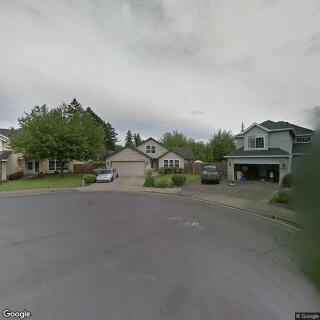
7600 Vlahos Drive, Wilsonville, OR 97070

For more information about senior living options: (844) 490-3973

3.9 from 18 reviews
5 stars
12
4 stars
1
3 stars
0
2 stars
1
1 stars
4

Overall Review of Footsteps At Wilsonville

Pros

  • pro The staff are consistently caring and attentive, keeping residents active and engaged.
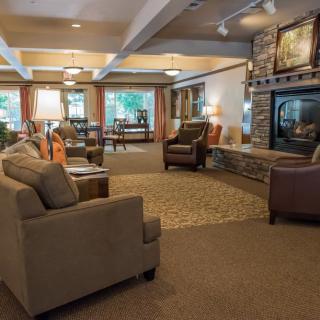
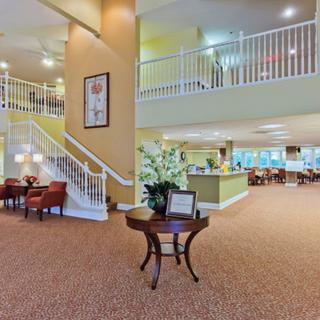
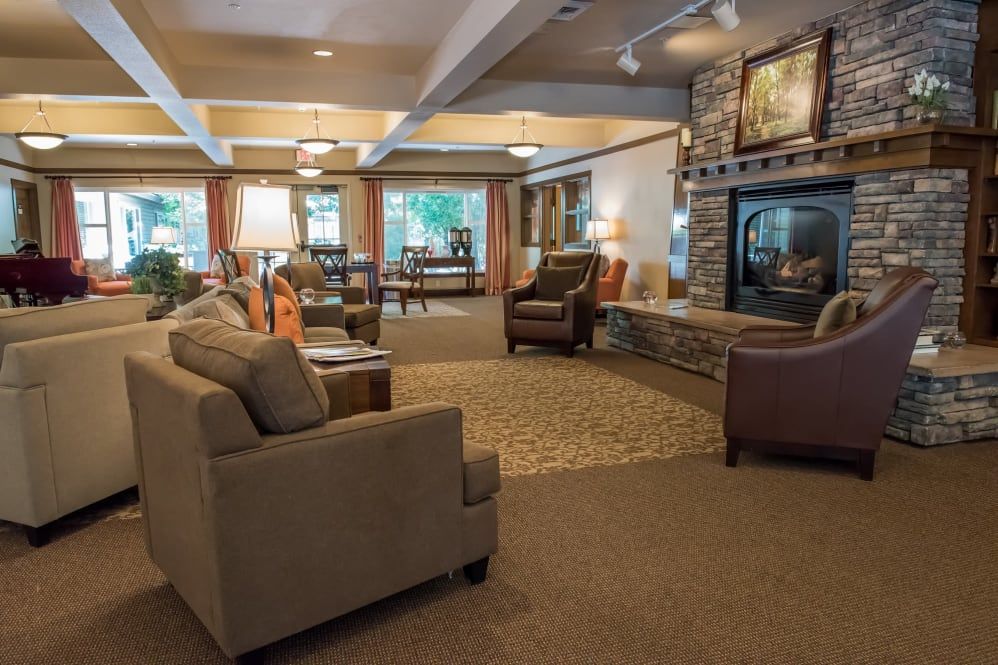
  • pro The facility is beautiful, clean, and exudes a warm, professional atmosphere with smiles all around.
  • pro The staff are great and very caring, and the facility offers engaging activities.
  • pro The management and care teams create a warm, cozy environment that makes life a little easier for loved ones.
  • pro The care team provides loving, attentive care and helps families feel included and supported.
  • pro Residents light up about the fun, stimulating activities that help them feel youthful and connected.
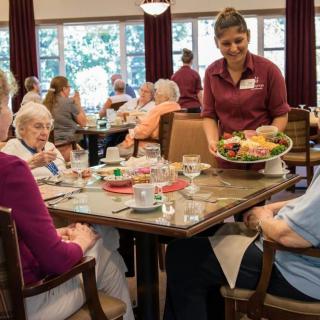
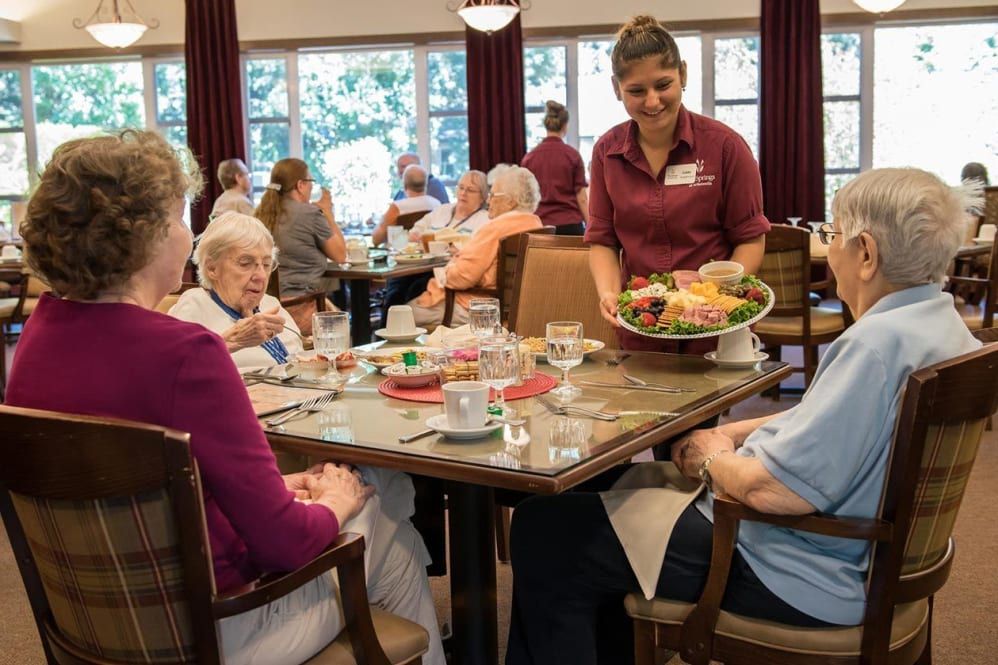
  • pro The dining experience feels like a big, welcoming family with quality, varied foods.
  • pro The staff are described as highly skilled with heart, among the most caring people in geriatric care.

Cons

  • pro They were unresponsive and negligent in caring for him.
  • pro The call button didn't work and there was no one to assist when he needed help.
  • pro Emergency services had to be dispatched because staff couldn't assist.
  • pro The family’s calls of concern were never returned and they were ignored.
  • pro They felt paying $10,000 per month was robbery given the level of care.
  • pro The reviewer never felt the facility was safe or that their loved one was cared for.
  • pro Constant staff turnover made it impossible to connect with caregivers.
  • pro They never called to inquire about health or offer condolences after she died.

Review

Footsteps At Wilsonville is best suited for families that prize a warm, resident-centered environment where caregiving feels like a small-town, well-coordinated effort. The community consistently earns praise for staff who are deeply engaged, attentive, and quick to involve residents in meaningful activities. It is especially strong for memory care and for families who want to see their loved ones thrive in a social, smiling setting with accessible dining and on-site programming. The atmosphere leans toward a homey, hospitable feel: clean, pleasant, and staff-driven in a way that makes daily life feel connected rather than clinical. For families who want visible warmth, regular activity calendars, and staff who genuinely know residents, this is a compelling choice.

Those considering alternatives will want to weigh reliability and continuity of care as top-line priorities. Several reviews flag concerns about responsiveness and after-hours support, including instances where calls went unreturned or a front-desk presence seemed inconsistent. A subset of experiences also points to turnover and leadership changes that disrupted information flow and continuity of care. For families with high needs for predictable, always-on supervision, or for those who require a facility with an unassailable front-desk protocol and a consistent leadership team, these factors may tilt the balance toward a different community.

The strongest positives pivot on the staff’s caring nature and the vibrant daily life. Residents consistently report caregivers who know them well, a willingness to “go above and beyond,” and a culture of engagement through activities led by dedicated team members, think organized social events, meaningful outings, and engaging programming that keeps residents feeling youthful and connected. The on-site dining experience is frequently highlighted as a real strength, with meals described as tasty, thoughtfully prepared, and capable of accommodating swallowing and dietary challenges. When care teams function at peak, nurses, med techs, and aides collaborating smoothly, the result is a sense of safety, personal attention, and a feeling that life stays enjoyable even as medical needs evolve.

Yet the cons cited by several families cannot be ignored. The most consequential concerns involve after-hours access, urgent communication during crises, and the fear of being “forgotten” when staff turnover rises or when management shifts occur. Some reviews recount moments when a loved one appeared inadequately supervised or where important alarms or calls were not promptly addressed. The implication is clear: when staffing becomes unstable or leadership is strained, the entire care experience can feel fragmented. These risks tend to matter most to families managing complex medical conditions, or those who require tight, transparent visibility into daily care decisions and rapid escalation protocols.

From a practical standpoint, Footsteps At Wilsonville offers a compelling on-site ecosystem: a walkable campus, a self-contained memory care courtyard, and a sense that residents dine and socialize as a cohesive community. Families frequently mention coordination with local healthcare providers and the ease of navigating hospital returns, which can be a significant advantage for those juggling multiple medical needs. The presence of a strong “home” feeling, where staff know residents by name, and where activities and dining reinforce a shared life, helps offset many of the days when logistics or staffing hiccups arise. The contrast between the best and worst reviews largely centers on administrative stability and after-hours responsiveness.

Bottom line: for families prioritizing warmth, meaningful engagement, and attentive, well-liked caregiving, Footsteps At Wilsonville stands out as a practical, human-centered option. It delivers notable value when the emphasis is on daily life that feels rich and relational, with memory care that can be particularly supportive. However, if risk tolerance for staffing fluctuations and gaps in after-hours communication is low, it is prudent to compare other communities noted for more consistent leadership and steadier frontline coverage. Prospective families should insist on a detailed tour, probe the front-desk and after-hours protocols, and seek recent feedback about staff continuity, to confirm that the positive day-to-day experiences remain stable for their loved one.

Features

Housing

  • 51 resident community capacity 51 resident community capacity

Types of Care

  • Assisted Living Assisted LivingAssisted living facilities provide crucial support and care for seniors who may need help with daily tasks such as medication management, bathing, and meal preparation. These communities offer a safe and comfortable environment where seniors can maintain their independence while receiving the assistance they need to thrive in their golden years.
  • Memory Care Memory CareMemory care is crucial for seniors as it provides specialized support and services for individuals with dementia or Alzheimer's disease. These programs offer a safe and secure environment where residents receive personalized care, cognitive stimulation, and help with daily activities. Memory care helps seniors maintain their independence, quality of life, and dignity while also providing peace of mind for their families.

Amenities

  • Air-conditioning Air-conditioningAir conditioning is important for seniors as they are more vulnerable to heat-related illnesses and may have underlying health conditions that make it difficult for them to regulate their body temperature. It helps to keep them comfortable, safe, and healthy in hot weather.
  • Beauty salon Beauty salonBeauty salons are important for seniors because they provide a space for them to feel pampered, socialize, and maintain their personal grooming and hygiene. Regular visits to a beauty salon can help boost seniors' self-esteem and overall well-being.
  • Cable or satellite TV Cable or satellite TVCable or satellite TV is important for seniors because it provides entertainment, news, and companionship, helping to combat loneliness and boredom. It also offers a wide range of programming options tailored to different interests and preferences.
  • Computer center Computer centerA computer center is essential for seniors as it provides access to technology, communication tools, and resources that can enhance their daily lives. It allows them to stay connected with loved ones, engage in online activities, and learn new skills, ultimately promoting socialization and mental stimulation.
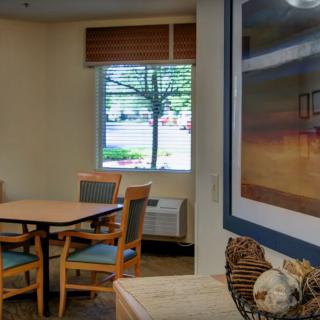
  • Dining room Dining roomDining rooms are important for seniors as they provide a space for socialization, connection, and nutritious meals. They offer opportunities for residents to bond over shared meals, foster a sense of community, and promote healthy eating habits. Dining rooms also ensure that seniors have access to well-balanced meals tailored to their dietary needs and preferences.
  • Fitness room Fitness roomHaving a fitness room in a senior living community is essential for seniors to stay active, maintain their physical health, and improve their overall well-being. Regular exercise can help prevent falls, reduce the risk of chronic diseases, and promote mental sharpness. It also provides social opportunities for residents to connect with others and enjoy a sense of community.
  • Fully furnished Fully furnishedFully furnished senior living communities are important for seniors because they provide convenience, comfort, and a hassle-free moving experience. Seniors can easily settle into their new living space without the stress of having to buy and move furniture. This allows them to focus on enjoying their new home and community.
  • Gaming room Gaming roomGaming rooms are important for seniors as they provide a fun and engaging environment for socializing, cognitive stimulation, and physical activity. Games can improve memory, problem-solving skills, and overall mental well-being while fostering friendships and reducing feelings of isolation.
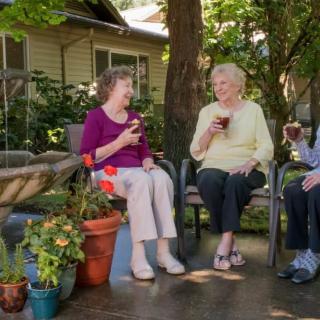
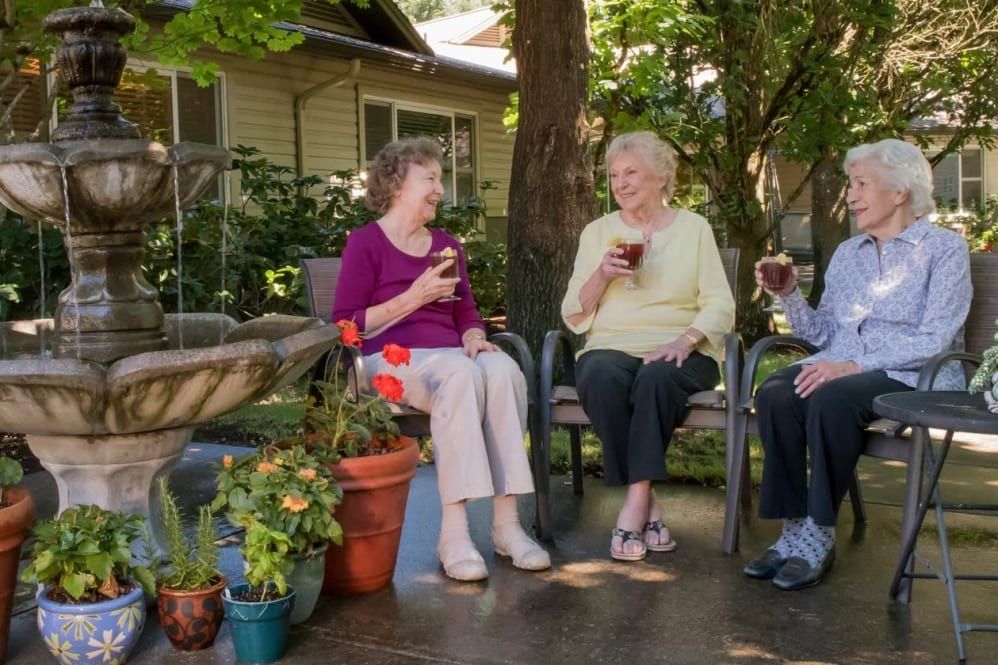
  • Garden GardenGardens are important for seniors as they provide a peaceful and therapeutic environment for relaxation, physical activity, and socialization. Being in nature has been shown to reduce stress, improve mood, and promote overall well-being. Gardens also offer opportunities for seniors to engage in gardening activities, which can improve mobility, flexibility, and cognitive function. Additionally, gardens create a sense of community and connection with others who share a passion for plants and outdoor spaces.
  • Housekeeping services Housekeeping servicesHousekeeping services are important for seniors because they help maintain a clean and safe living environment, promote independence, and reduce the risk of accidents or illnesses. Additionally, having assistance with household chores can alleviate physical strain and allow seniors to focus on other aspects of their well-being.
  • Kitchenette KitchenetteKitchenettes are important for seniors living in senior living communities because they provide the convenience and independence of being able to prepare simple meals and snacks in the comfort of their own living space. This can help promote a sense of autonomy and well-being for seniors, allowing them to maintain some level of control over their dietary choices and daily routines.
  • Move-in coordination Move-in coordinationMove-in coordination is important for seniors because it helps ease the transition into their new living environment. It ensures that all logistics, such as packing, organizing movers, and setting up utilities are taken care of, allowing seniors to focus on settling in and adjusting to their new home. Having a smooth move-in process can alleviate stress and anxiety, making the transition smoother and more enjoyable for seniors.
  • Outdoor space Outdoor spaceOutdoor spaces are important for seniors as they provide opportunities for physical activity, social interaction, exposure to natural light and fresh air, and a sense of connection to nature. Having access to outdoor spaces can improve overall well-being and quality of life for older adults living in senior communities.
  • Private bathrooms Private bathroomsPrivate bathrooms are important for seniors in senior living communities because they provide independence, dignity, and comfort. Having a private bathroom allows seniors to maintain their personal hygiene routines without the need for assistance, promoting a sense of autonomy and privacy. Additionally, private bathrooms help prevent the spread of infections and provide a safe and clean environment for seniors to navigate safely.
  • Restaurant-style dining Restaurant-style diningRestaurant-style dining is important for seniors because it allows them to enjoy delicious, nutritious meals in a social and upscale setting. This enhances their dining experience, promotes healthy eating habits, and fosters socialization with fellow residents, ultimately contributing to their overall well-being and quality of life.
  • Small library Small librarySmall libraries are important for seniors as they provide access to a variety of reading materials, including books, newspapers, and magazines. This can help stimulate their minds, keep them engaged, and provide a sense of community through book clubs and other social activities. Additionally, reading has been shown to improve cognitive function and overall mental well-being in older adults.
  • Telephone TelephoneTelephones are important for seniors as they provide a lifeline for communication with loved ones, emergency services, and healthcare providers. They offer a sense of security and independence, enabling seniors to stay connected and access assistance when needed.
  • Wellness center Wellness centerWellness centers are important for seniors because they offer a variety of programs and services that promote physical, mental, and emotional well-being. These centers provide opportunities for exercise, socialization, education, and relaxation, helping seniors maintain their overall health and quality of life.
  • Wi-Fi/high-speed internet available Wi-Fi/high-speed internet availableWi-Fi/high-speed internet is important for seniors to stay connected with loved ones, access online resources, and participate in virtual activities to combat feelings of loneliness and isolation. It also allows them to easily manage healthcare needs, access entertainment, and engage in lifelong learning opportunities.

Transportation

  • Portland International (21 miles away) Portland International (21 miles away)
  • Community operated transportation Community operated transportationCommunity operated transportation is crucial for seniors as it provides them with the means to access essential services, social activities, and medical appointments. It allows seniors to maintain their independence and quality of life by ensuring they can participate in activities outside of their homes. Additionally, community-operated transportation services offer a safe and reliable way for seniors to travel without having to rely on family or friends for assistance.
  • Transportation arrangement Transportation arrangementTransportation arrangements are crucial for seniors as they may face challenges with driving, mobility, or access to public transportation. Having reliable transportation services ensures that seniors can easily attend appointments, social activities, and maintain their independence and quality of life.

Care Services

  • 24-hour call system 24-hour call system24-hour call systems are important for seniors because they provide peace of mind and immediate assistance in case of emergencies. This technology ensures that help is always available, promoting safety and security for elderly individuals living alone or in assisted living facilities.
  • 24-hour supervision 24-hour supervision24-hour supervision is important for seniors to ensure their safety, well-being, and access to immediate assistance in case of emergencies or health issues. This constant support provides peace of mind for both seniors and their loved ones, allowing them to age in place with dignity and security.
  • Activities of daily living assistance Activities of daily living assistanceActivities of daily living assistance are important for seniors because they provide essential support with tasks such as eating, bathing, dressing, and mobility. This assistance helps seniors maintain their independence, dignity, and overall quality of life as they age.
  • Assistance with bathing Assistance with bathingAssistance with bathing is crucial for seniors as it helps maintain personal hygiene, prevents infections, and ensures their overall well-being and comfort. It also provides a sense of dignity and independence for seniors who may struggle with this task on their own.
  • Assistance with dressing Assistance with dressingAssistance with dressing is important for seniors because it helps maintain their independence, promotes personal hygiene, prevents accidents and injuries, and improves overall quality of life. This service ensures that seniors can continue to dress comfortably and confidently, despite any physical limitations they may have.
  • Assistance with transfers Assistance with transfersAssistance with transfers is crucial for seniors as it helps prevent falls and injuries, maintains their independence, and ensures they can safely navigate their living environment. It also provides peace of mind for both seniors and their loved ones.
  • Diabetes diet Diabetes dietA diabetes diet is crucial for seniors as it helps manage blood sugar levels, reduce risks of complications, and improve overall health and well-being. By following a balanced and nutritious diet tailored to their specific needs, seniors can better control their diabetes and enhance their quality of life.
  • Meal preparation and service Meal preparation and serviceMeal preparation and service are crucial for seniors as they may have limited mobility or energy to cook nutritious meals. Having access to healthy and convenient food options can ensure they are getting the proper nutrition needed to maintain their overall health and well-being.
  • Medication management Medication managementMedication management is crucial for seniors to ensure they are taking the right medications at the correct dosages and times. This helps prevent adverse drug interactions, reduces the risk of medication errors, and promotes overall health and well-being. Proactive management also allows for adjustments as needed based on changing health conditions or new prescriptions.
  • Mental wellness program Mental wellness programMental wellness programs are essential for seniors as they promote cognitive stimulation, emotional support, and social engagement. These programs help prevent isolation, depression, and cognitive decline, ultimately enhancing the overall quality of life for older adults.
  • Mild cognitive impairment Mild cognitive impairment"Mild cognitive impairment" is important for seniors because it is an early stage of cognitive decline that can potentially progress to more severe conditions such as dementia. Recognizing and addressing mild cognitive impairment can help seniors receive appropriate care and support to maintain their quality of life and independence for as long as possible.
  • Special dietary restrictions Special dietary restrictionsSpecial dietary restrictions are important for seniors because age-related changes in metabolism and health conditions can make it difficult for their bodies to process certain foods. By following a diet tailored to their specific needs, seniors can maintain their overall health and well-being, manage chronic conditions, and reduce the risk of complications such as malnutrition or food interactions with medications.
  • Specialized memory care programming Specialized memory care programmingSpecialized memory care programming is crucial for seniors with cognitive impairments such as dementia or Alzheimer's disease. These programs provide a safe and supportive environment tailored to the unique needs of individuals with memory loss, helping them maintain their independence, dignity, and quality of life.

Dining

  • Diabetes diet Diabetes dietA diabetes diet is crucial for seniors as it helps manage blood sugar levels, reduce risks of complications, and improve overall health and well-being. By following a balanced and nutritious diet tailored to their specific needs, seniors can better control their diabetes and enhance their quality of life.
  • Special dietary restrictions Special dietary restrictionsSpecial dietary restrictions are important for seniors because age-related changes in metabolism and health conditions can make it difficult for their bodies to process certain foods. By following a diet tailored to their specific needs, seniors can maintain their overall health and well-being, manage chronic conditions, and reduce the risk of complications such as malnutrition or food interactions with medications.

Activities

  • Community-sponsored activities Community-sponsored activitiesCommunity-sponsored activities are important for seniors as they provide opportunities for social interaction, mental stimulation, and physical activity. These activities can help improve overall well-being, combat loneliness and isolation, and promote a sense of belonging and purpose among older adults.
  • Concierge services Concierge servicesConcierge services are essential for seniors as they provide assistance with daily tasks and errands, enhance their quality of life by offering convenience and personalized care, and promote a sense of safety and security.
  • Fitness programs Fitness programsFitness programs are crucial for seniors as they help improve strength, flexibility, balance, and overall well-being. Staying active can reduce the risk of chronic diseases, improve mental health, and enhance quality of life in older adults.
  • Planned day trips Planned day tripsPlanned day trips are important for seniors because they offer opportunities for socialization, mental stimulation, and physical activity. They provide a change of scenery and help seniors stay engaged and connected to their community, promoting overall well-being and quality of life.
  • Resident-run activities Resident-run activitiesResident-run activities are important for seniors as they encourage social interaction, creativity, and a sense of autonomy. These activities empower seniors to stay engaged and active in their community while fostering meaningful connections with their peers.
  • Scheduled daily activities Scheduled daily activitiesScheduled daily activities are important for seniors because they provide structure, socialization, mental stimulation, and physical activity. Engaging in regular activities can improve overall well-being and quality of life for seniors living in a community setting.

Description

Footsteps At Wilsonville is an assisted living community located in the charming town of Wilsonville, OR. This community offers a wide range of amenities and care services to ensure that residents have everything they need to live a comfortable and fulfilling life.

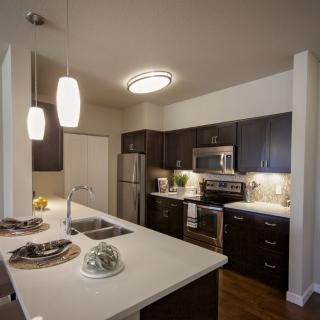
Amenities at Footsteps At Wilsonville include a beauty salon for residents to pamper themselves, cable or satellite TV for entertainment, and community operated transportation for easy access to nearby destinations. The computer center allows residents to stay connected and engaged, while the fitness room is perfect for staying active and maintaining physical health. The assisted living apartments are fully furnished and feature private bathrooms and kitchenettes for convenience.

Residents can enjoy time socializing in the gaming room or garden, or relax with a book in the small library. The dining experience at Footsteps At Wilsonville is restaurant-style, with delicious meals prepared by experienced chefs. Move-in coordination is provided to ease the transition into the community, and housekeeping services ensure that residents can focus on enjoying their time.

For healthcare needs, Footsteps At Wilsonville provides 24-hour supervision and assistance with activities of daily living such as bathing, dressing, and transfers. Medication management is available to ensure that residents are taking their medications correctly. Special dietary restrictions can be accommodated to meet individual needs.

The community offers a variety of activities to keep residents engaged and entertained. Concierge services are available for assistance with planning outings or events. Fitness programs help residents stay active, while planned day trips provide opportunities for exploration outside of the community. Resident-run activities allow individuals to pursue their interests and hobbies together, while scheduled daily activities offer a structured routine.

Footsteps At Wilsonville benefits from its location near several amenities. With four cafes nearby, residents can easily enjoy coffee or tea outings with friends or family members. Seven parks offer ample opportunities for outdoor recreation and relaxation. Six pharmacies located conveniently nearby make accessing medication simple. There are also 20 physicians nearby, ensuring that residents have easy access to quality healthcare. With 14 restaurants in the vicinity, residents can enjoy dining out and trying new culinary experiences. Additionally, there is transportation available for those who prefer not to drive, and a hospital is located nearby for any medical emergencies.

Overall, Footsteps At Wilsonville provides a welcoming and vibrant community for seniors seeking assisted living care. With its range of amenities, comprehensive care services, and convenient location near various amenities, residents can enjoy a comfortable and engaging lifestyle in a beautiful setting.

Nearby Places of Interest

Parks

  • Memorial Park (0.5 miles)
  • Wilsonville Memorial Park (0.7 miles)
  • Safe And Hound (0.9 miles)
  • Molalla River State Park (3 miles)
  • Ibach Park (3.9 miles)
  • Wait Park (4.3 miles)
  • Canby Community Park (4.8 miles)

Restaurants

  • Wilsonville Family Fun Center & Bullwinkle's Restaurant (0.6 miles)
  • Noodles & Company (0.7 miles)
  • Oswego Grill Wilsonville (0.9 miles)
  • MOD Pizza (1 miles)
  • McMenamins Old Church & Pub (1.1 miles)
  • Langdon's Grill (2.7 miles)
  • Backstop Bar & Grill (4.3 miles)

Cafes

  • Starbucks (0.7 miles)
  • Starbucks (1.8 miles)
  • The Human Bean Canby, SW 1st Ave (4.4 miles)
  • Starbucks (4.5 miles)
  • Panera Bread (5.1 miles)
  • Dutch Bros Coffee (5.9 miles)
  • Peet's Coffee and Tea (5.9 miles)

Pharmacies

  • Fred Meyer Pharmacy (1 miles)
  • Walgreens (1 miles)
  • CVS Pharmacy (1.7 miles)
  • Parsons Canby Pharmacy (4.3 miles)
  • Walgreens (4.4 miles)
  • Dave's Prescription Shop (4.5 miles)
  • Walmart Pharmacy (5.4 miles)

Physicians

  • Lenza Eye Center (1.8 miles)
  • First Avenue Clinic (4.4 miles)
  • Cascade Spine Center (4.6 miles)
  • Occupational Orthopedics (4.6 miles)
  • Meridian Park Anticoagulation Clinic (4.7 miles)
  • Legacy Medical Group-Canby (4.8 miles)
  • Pacific Medical Group (4.8 miles)

Transportation

  • Enterprise Rent-A-Car (4.5 miles)

Hospitals

  • Legacy Meridian Park Hospital (4.8 miles)
  • Hand Reconstructive Surgery NW (5.5 miles)
  • West Linn Clinic - US Department of Veterans Affairs (5.6 miles)
  • Sherwood Family Medicine (6 miles)

Theaters

  • Regal Bridgeport Village ScreenX & IMAX (6.1 miles)
  • Regal Hilltop Cinema (8.1 miles)

Frequently Asked Questions

Where is Footsteps At Wilsonville?
Does Footsteps At Wilsonville provide care for residents with dementia or Alzheimer's disease?
What photos are available for Footsteps At Wilsonville in Wilsonville, Oregon?

Nearby Communities

  • The Springs at Wilsonville

    The Springs at Wilsonville

    Wilsonville, OR

    4 from 52 reviews
    $4,175 to $6,150 / month

    pro Warm, inviting atmosphere with attentive staff and robust activities and dining.

  • Brookdale Wilsonville

    Brookdale Wilsonville

    Wilsonville, OR

    4.4 from 75 reviews
    $1,775 to $3,565 / month

    pro Friendly staff, clean, welcoming environment with a strong sense of community and engaging activities.

  • Creekside Woods

    Creekside Woods

    Wilsonville, OR

    4.8 from 4 reviews
     

    pro Serene creekside setting with abundant nearby amenities

  • Elder Care of Wilsonville

    Elder Care of Wilsonville

    Wilsonville, OR

    5 from 3 reviews
    $3,000 / month

    pro Home-like, compassionate environment with attentive staff and solid medical management.

  • Portera at the Grove

    Portera at the Grove

    Wilsonville, OR

    4.2 from 20 reviews
    $2,220 to $2,740 / month

    pro Spacious rooms, friendly, attentive staff, and affordable area pricing.

  • Marquis Wilsonville

    Marquis Wilsonville

    Wilsonville, OR

    2.6 from 20 reviews
    $3,461 to $4,390 / month

    pro Individualized, around-the-clock care with a strong rehabilitation focus.

  • SpringRidge at Charbonneau

    SpringRidge at Charbonneau

    Wilsonville, OR

    4.4 from 121 reviews
    $4,245 to $6,355 / month

    pro Vibrant community with active activities, attentive staff, and appealing dining.

  • Marquis Tualatin

    Marquis Tualatin

    Tualatin, OR

    3.7 from 19 reviews
    $3,803 to $4,999 / month

    pro Caring, attentive staff and engaging activities; clean spaces and ability to accommodate dietary needs.

  • The Springs at Sherwood

    The Springs at Sherwood

    Sherwood, OR

    4.5 from 43 reviews
    $3,490 to $5,680 / month

    pro Engaged, compassionate staff with a wide range of activities supporting residents' well-being.

Related Resources

  • what do dementia patients think aboutDelving into the Inner World of Dementia: Insights into Thoughts and Awareness

    Dementia, primarily caused by Alzheimer's disease but also linked to other conditions, leads to cognitive decline impacting memory and daily functioning, with individuals experiencing varied awareness of their impairments. Despite memory loss, emotional connections persist, enabling responses to familiar stimuli, highlighting the need for caregivers to provide compassionate support that recognizes both limitations and retained emotional depth.

  • does my mom have dementia quizFive Subtle Dementia Indicators to Observe: An In-Depth Guide to Understanding “Does My Mom Have Dementia?”

    The article presents five subtle indicators of dementia, such as memory lapses and mood swings, to help families assess cognitive decline in loved ones. It emphasizes early detection, open communication, and seeking professional help while providing practical support steps.

  • dementia paranoiaDementia, Paranoia, and Caregiver Guidance: Understanding the Connection

    Dementia encompasses progressive neurological disorders that impair cognitive functions and can lead to paranoia due to cognitive decline and emotional changes. The article discusses the triggers of paranoia in dementia, caregiver strategies for managing it, and the importance of distinguishing between dementia-related paranoia and other psychiatric conditions.