
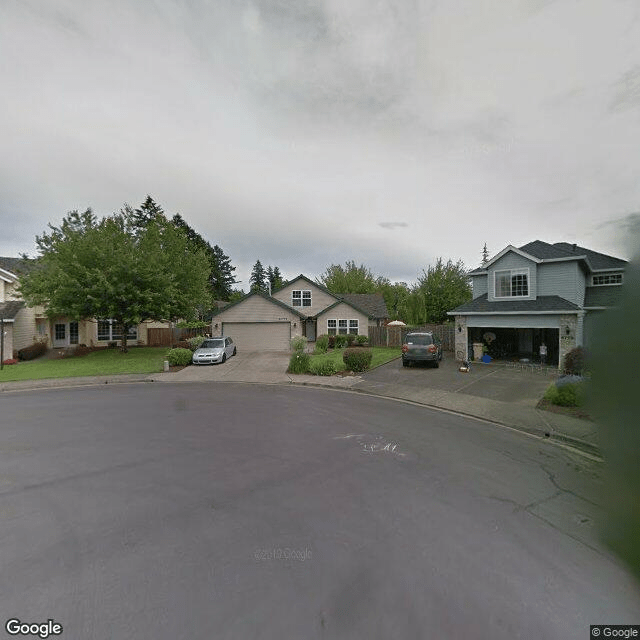
6755 Southwest Fernbrook Court, Wilsonville, OR 97070
To contact a resident: (503) 855-3502
For more information about senior living options: (866) 208-4318
Elder Care of Wilsonville Costs & Pricing
Elder Care of Wilsonville offers competitive pricing for its private rooms at $3,000 per month, positioning itself favorably against both Washington County and the broader state of Oregon. In comparison, the average monthly cost in Washington County is approximately $3,261, while the state average rises to about $3,424. This not only illustrates Elder Care of Wilsonville as a more budget-friendly option for families seeking quality care but also highlights its commitment to providing accessible elder care services without compromising on the level of support and amenities offered.
| Floor plans | Elder Care of Wilsonville | Washington County | Oregon |
|---|---|---|---|
| Private | $3,000 | $3,261 | $3,424 |
Senior living communities with a similar price nearby
-
About the same
A Piece of Heaven
$3,000 / month10.5 miles away -
from -$500 / mo
Mapleview Manor, LLC
$2,500 / month10.7 miles away -
About the same
Yamhill Senior Care Home
$3,000 / month18.3 miles away -
About the same
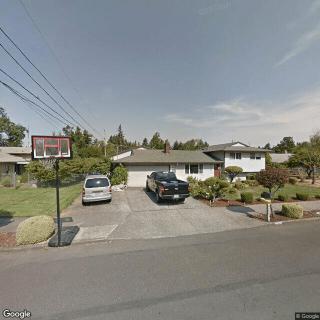
Peaceful Lighthouse Adult Care Home
$3,000 / month20.6 miles away -
from +$500 / mo
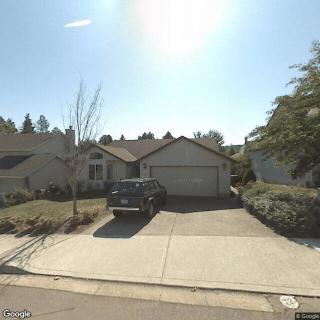
Fulga's ACH
$3,500 / month11.6 miles away
Overall Review of Elder Care of Wilsonville
Pros
 The care home provides a wonderful, loving, and safe environment for seniors.
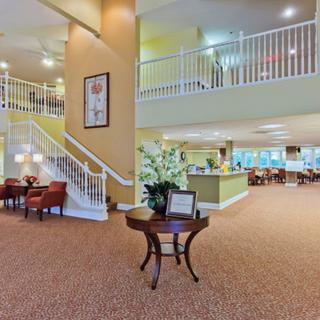
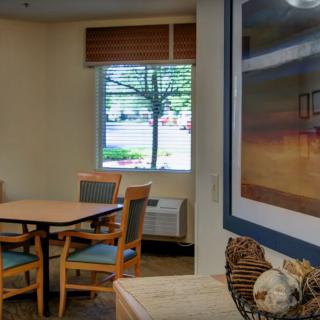
- The foster care home is a real home in a residential neighborhood and is designed with seniors in mind.
- It is handicap accessible.
- The caregiver-to-resident ratio is high, with two to three caregivers for five residents.
- Daily living needs are managed thoughtfully and with care.
- Medical regimens and doctor visits are handled professionally.
- The home has been the answer to the father's needs, and the family is grateful to have found it.
Cons
 The father's dementia symptoms had become more than his family could manage.
Review
This community is best suited for families seeking a true home-like setting where seniors receive intimate, hands-on daily living support and dementia care. Elder Care of Wilsonville operates as a foster care home inside a residential neighborhood, not a high-rise campus, and that matters. The residence is designed with seniors in mind and is fully handicap accessible, which translates into smoother navigation for wheelchairs, walkers, and ever-present small hazards that can unsettle older adults. The standout feature is the caregiver-to-resident ratio, roughly two to three caregivers for about five residents, allowing continuous supervision, quick assistance, and highly personalized attention. For families carrying the weight of medical regimens and regular doctor visits, the staff’s disciplined, professional handling of these tasks relieves a substantial burden and promotes consistency in routines.
Those who may want to consider alternatives include families seeking a more facility-like environment with expansive programs, on-site clinics, or 24/7 nursing oversight. If the priority is robust social programming, a wider array of amenities, or a setting that feels more like a traditional assisted living campus, a larger facility may better fit. Similarly, if medical complexity requires round-the-clock clinical care from licensed nurses or if there is a need for highly structured, highly scheduled activities that resemble a senior day program, exploring other options with 24/7 nursing or memory-care certifications could be prudent. In short, this home shines for intimate, attentive care; it may not satisfy every desire for commodified campus life or clinical intensity.
The key strengths, the real home environment, accessibility, and the high staff presence, offset several potential drawbacks by creating stability and trust. A residential, non-institutional setting reduces anxiety and misunderstandings for seniors who respond best to familiar surroundings and a predictable, gentle routine. The frequent caregiver contact enables meticulous management of medications, appointments, and day-to-day tasks, which can dramatically ease caregivers at home who previously struggled with complex regimens. The dementia care emphasis is implicit in the daily structure and staffing, offering families reassurance that memory-related needs are observed and addressed with patience and continuity, not rushed or outsourced to distant teams.
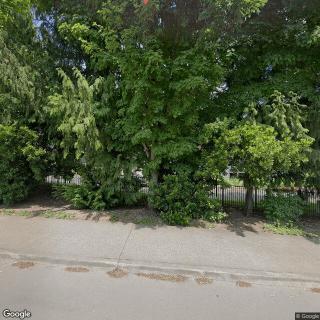
Another clear advantage is the safety-minded, nurturing tone that emerges from having caregivers embedded in a single, home-like space. Families consistently describe the environment as loving, safe, and attentive to the emotional currents of aging. The location in a quiet Wilsonville neighborhood adds to the sense of normalcy, residents aren’t shielded from ordinary life but are integrated into a living space that feels like a true home. This combination of emotional warmth and practical vigilance translates into fewer crises and smoother transitions when medical priorities shift, which is precisely what anxious families crave when dementia or chronic illness deepens.
That said, the small, home-based model can come with limits that must be weighed. While the intimate setting fosters close relationships and rapid response, it may provide fewer formal activities, fewer on-site medical resources, and less of the “campus” feeling some seniors expect. For residents who thrive on a rich calendar of events, group outings, or the security of a full-time on-site nurse, a larger facility with structured programming could be more satisfying. Prospective families should verify what level of on-call medical support exists after business hours and how emergency transfers are handled, since those details matter when medical needs spike unexpectedly.
In the end, Elder Care of Wilsonville presents a compelling option for a specific profile: families seeking a small, homelike environment with exceptional daily attention, strong medication and appointment coordination, and dementia-friendly care in a handicap-accessible space. It is less suited for those who prioritize campus-scale amenities, aggressive clinical staffing, or a broader social program. The practical recommendation is clear: plan a visit with questions that matter, caregiver coverage after hours, exact medication management protocols, how doctor visits are integrated, and what happens if medical needs escalate. If these align with family goals, this community stands out as a trustworthy, pragmatic choice for safe, loving senior living.
 Board and Care Home
 Activities on-site
 Bath tubs
 Beautician on-site
 Indoor common areas
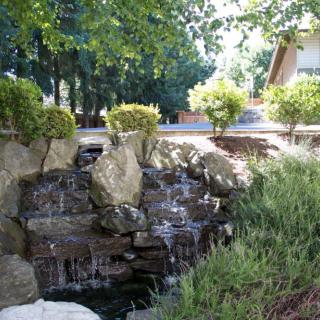
 Outdoor common areas
 Private
 Private bathrooms
 Wheelchair accessible showers
 Portland International (20 miles away)
 Ambulatory care
 Diabetic care
 High acuity care
 Incontinence care
 Meals provided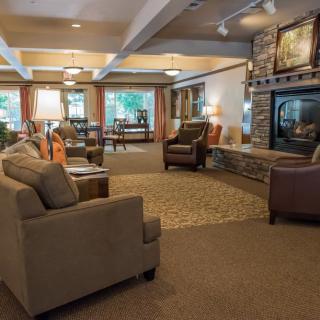


 A Detailed Exploration of Living Wills and Advance Directives
 Comprehensive Guide to Medicare Coverage for Hospice Care
 Caring for Those Who Care: Recognizing, Understanding, and Overcoming Caregiver Burnout