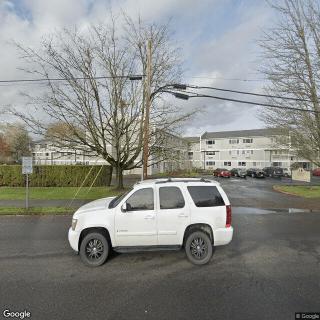
Reflections Memory Care in Salem, OR
Save2480 Coral Avenue NE, Salem, OR 97305
For more information about senior living options: (844) 490-3973
Reflections Memory Care offers a 1-bedroom option at a monthly rate of $5,075, which positions it above the average costs seen in Marion County and across Oregon. In Marion County, the typical monthly cost for similar accommodations is approximately $4,001, while the state average stands at about $3,904. This indicates that Reflections Memory Care may provide additional value or specialized care services that justify the higher price tag. Potential residents and their families should consider these factors when evaluating care options to ensure they choose a facility that meets their specific needs and expectations.
| Floor plans | Reflections Memory Care | Marion County | Oregon |
|---|---|---|---|
| 1 Bedroom | $5,075 | $4,001 | $3,904 |
What level of care are you interested in?

Assisted Living

Memory Care

Independent Living

Skilled Nursing Facility

Continuing Care Retirement Community (CCRC)CCRC

Other
Reflections Memory Care in Salem is best suited for families seeking a small, homey, faith-informed memory-care community where residents receive exceptionally personal attention. The campus is intimate, with a tight-knit team that gets to know each resident's routine, preferences, and early signs of distress. Caregivers operate with visible RN oversight and readily available med techs, while owners and administrators stay engaged, which translates into a consistently warm, hands-on approach. Daily life is not a string of generic activities but a thoughtfully curated program led by an active activities director who keeps residents engaged through arts, crafts, manicures, and guided social time. For families prioritizing connection and individualized care over a clinical, hallway-after-hallway model, this is where peace of mind begins.
Who may want alternatives? Those whose loved one requires higher medical acuity or continuous skilled-nursing oversight should look elsewhere. Several reviews caution that this is not a skilled-nursing facility and that staffing levels can falter during certain shifts, which could prove challenging for residents with complex medical needs or frequent crises. Families dealing with aggressive wandering, severe mobility limitations, or escalating medical instability may find this setting insufficient for around-the-clock supervision. Additionally, families seeking a larger campus, more formalized care systems, or a non-faith-based environment may prefer other networks. A few concerns about leadership responsiveness underscore the importance of tours and direct conversations with front-line staff before committing.
The strongest positives are tangible and sustained. The small scale enables remarkable familiarity: staff members consistently know residents by name, respond quickly, and coordinate with nursing leadership to cover the basics of medical care. Family communication stands out, with regular photo updates and texts that help out-of-state relatives stay connected without feeling intrusive. The faith-based culture provides a daily rhythm - prayer and a values-driven tone - that many families find reassuring in moments of uncertainty. The activity program remains robust for a small campus, offering meaningful options without overwhelming residents, and move-in processes are handled with flexibility and care. End-of-life and hospice support feel integrated, with staff who proactively support families through difficult transitions.
A thoughtful balance exists between the evident strengths and the potential drawbacks. While a minority of reviews allege training gaps or inconsistent managerial responsiveness, the broader consensus highlights a caring, involved ownership and a culture that puts residents first. The intimate setting does mean fewer on-site medical staff than a larger facility, which can be a concern for residents whose needs are rapidly escalating. Yet the practical realities - personalized attention, rapid distress recognition, and an emphasis on supporting families through challenging times - often offset these concerns. For many, the day-to-day experience of staff who treat residents as family members outweighs the occasional hiccup in administrative communication.
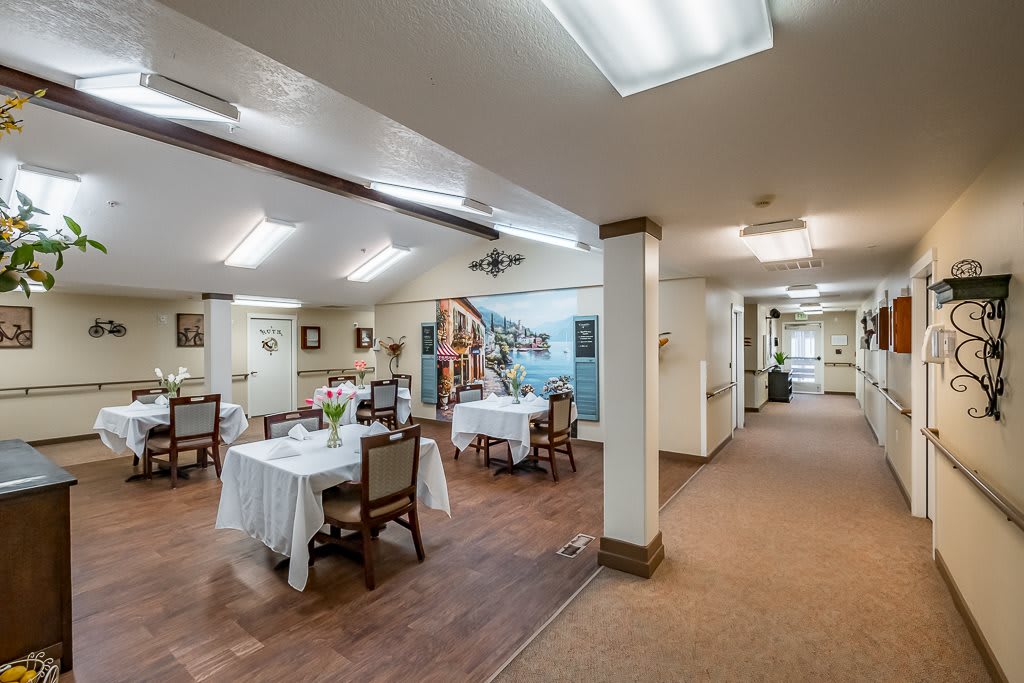
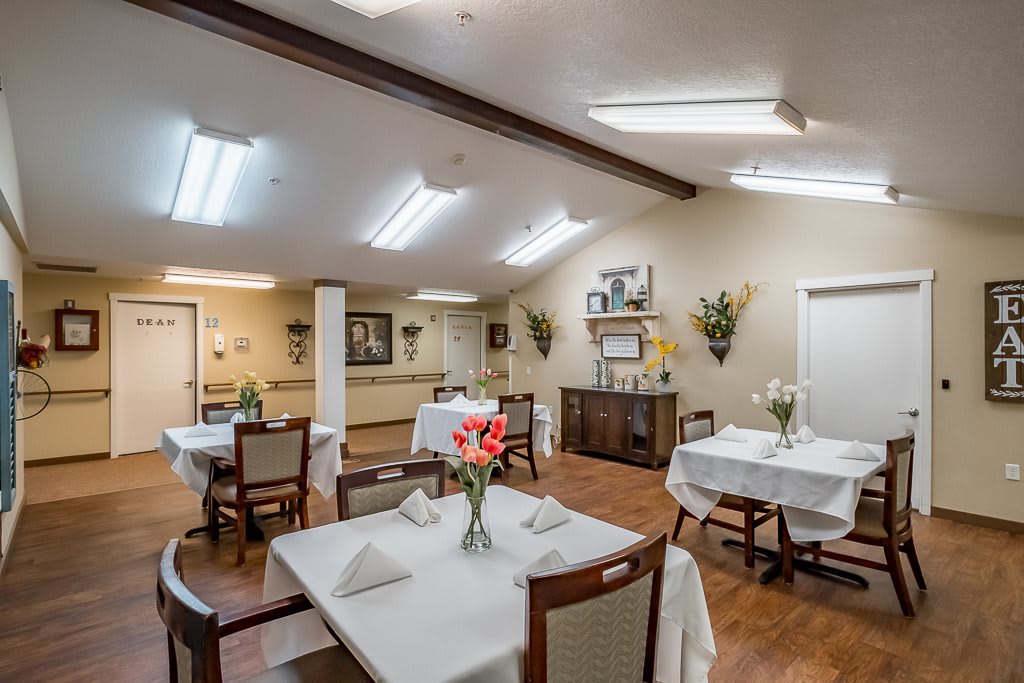
Practical considerations for families weighing this option are favorable. The environment feels like a high-end, comfortable home rather than a clinical campus, with a well-appointed dining area and even a private family dining room for special occasions. Laundry, housekeeping, and preparation routines appear well managed, and residents frequently present well groomed and well cared for during visits. The consistent, small-team approach appears to support stronger relationships and lower turnover, which translates into stable, trusted caregivers for the same residents over time. Outlier incidents, such as a transportation misstep, should be reviewed during a tour, but they do not appear to define the overall quality of care.
Overall, Reflections Memory Care offers a compelling, top-tier option for families who prize an intimate, relationship-driven memory-care environment with a faith-informed ethos. Its combination of personal attention, robust engagement, and clear family communication provides considerable reassurance for relatives seeking a lived-in, home-like setting where residents feel known and valued. The caveat is clear: this model excels for those who do not require constant hospital-level medical oversight and who are comfortable with a smaller campus dynamic. For families with higher acuity needs or a preference for a larger, more clinical operation, exploring alternatives is prudent. A deliberate tour, with specific questions about staffing ratios, training, and escalation protocols, will illuminate whether this community aligns with the loved one's care trajectory and family expectations.
Reflections Memory Care in Salem, OR is a specialized assisted living community that focuses on providing exceptional memory care for individuals facing Alzheimer's disease, dementia, and other memory-related conditions. Our dedicated team of caregivers and staff are trained to provide high acuity care, ensuring the safety and well-being of our residents.
We understand the challenges and unique needs that come with memory loss, which is why we offer comprehensive medication management services to ensure our residents receive their prescribed medications accurately and on time. Our staff also work closely with physicians in the area, with 29 physicians nearby who can provide additional medical support when needed.
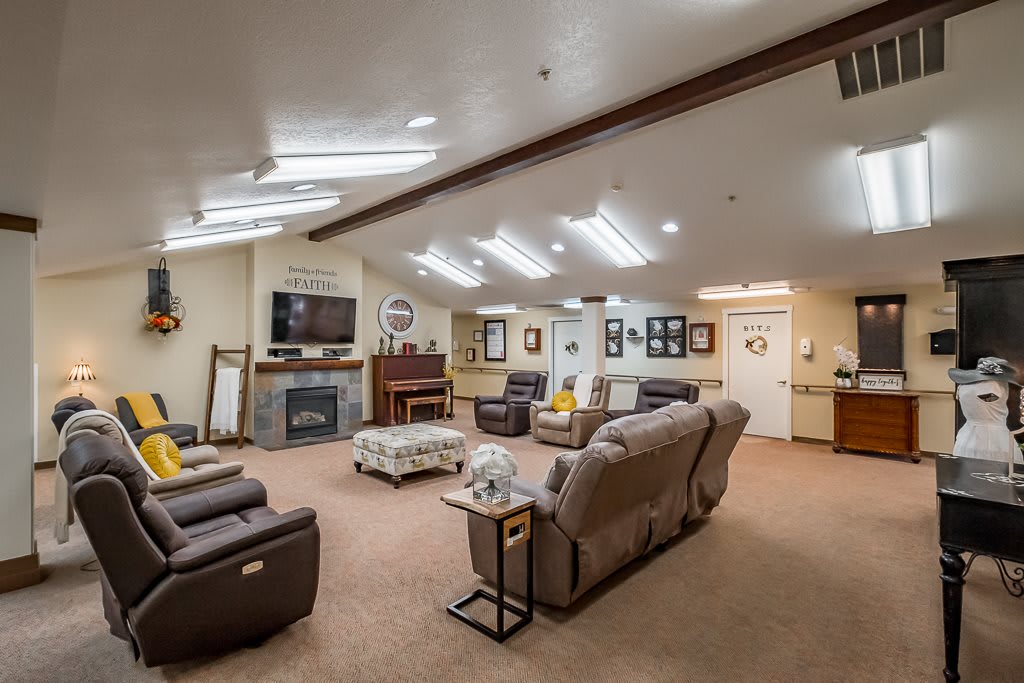
At Reflections Memory Care, we believe in the importance of maintaining a comforting and engaging environment for our residents. Our indoor common areas provide a warm and inviting space where residents can socialize and participate in various activities tailored to their interests and abilities. We also organize devotional activities offsite to cater to the spiritual needs of our residents.
The amenities at Reflections Memory Care further enhance the quality of life for our residents. Each resident has access to a private bathroom for their convenience and privacy. Additionally, we offer devotional services off-site for those who seek spiritual nourishment.
Located in the heart of Salem, Oregon, our community benefits from its central location with numerous amenities nearby. With 11 cafes, 6 parks, 14 pharmacies, and 30 restaurants within close proximity, there are plenty of options for dining out or enjoying nature walks. For transportation needs, there are two transportation options available to assist residents in getting around easily. Places of worship are also nearby for those seeking spiritual solace. Should any medical emergencies arise, there are five hospitals accessible to provide prompt medical care.
At Reflections Memory Care in Salem, OR, we strive to create a safe and compassionate environment where individuals with memory loss can thrive while receiving the highest level of care possible.
This particular part of Salem, Oregon, offers a convenient and accessible location for senior living. With a variety of healthcare facilities nearby such as Willamette Occupational Health Systems, Salem Occupational Health Clinic, and Pacific Pulmonary Service, residents can easily access medical care when needed. There are also several pharmacies in the area including Rite Aid, CVS Pharmacy, and Walgreens for medication needs. In terms of recreation, there are parks like Englewood Park and Riverfront Park for outdoor activities. Additionally, there is a selection of restaurants like Pietro's Pizza and McGrath's Fish House for dining options. Public transportation is also readily available with amenities like Hertz Rent A Car and Amtrak within a short distance. Places of worship such as First Christian Church offer spiritual support for those seeking a religious community. Overall, this part of Salem provides essential services and amenities to support a comfortable senior living experience.
Reflections Memory Care offers a 1-bedroom option at a monthly rate of $5,075, which positions it above the average costs seen in Marion County and across Oregon. In Marion County, the typical monthly cost for similar accommodations is approximately $4,001, while the state average stands at about $3,904. This indicates that Reflections Memory Care may provide additional value or specialized care services that justify the higher price tag. Potential residents and their families should consider these factors when evaluating care options to ensure they choose a facility that meets their specific needs and expectations.
Reflections Memory Care is located at 2480 Coral Avenue NE, Salem, OR 97305 in Marion County, Oregon
Medication management is a crucial feature at Reflections Memory Care, as it ensures that residents receive their prescribed medications accurately and on schedule, which is vital for maintaining cognitive function and overall well-being in individuals with dementia or Alzheimer's disease. By employing trained staff to oversee medication administration, the facility helps mitigate the risks associated with missed doses or incorrect usage, which can exacerbate symptoms or lead to health complications. Additionally, personalized medication plans allow for adjustments based on individual needs and progression of the condition, fostering an environment where residents can thrive while minimizing anxiety related to their health management. This structured approach not only enhances the physical health of residents but also supports their emotional stability by reducing uncertainty around medication routines.
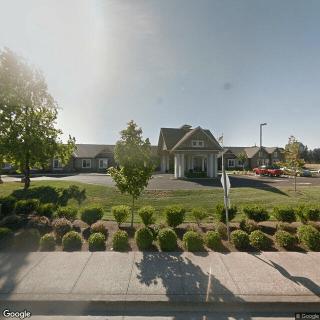
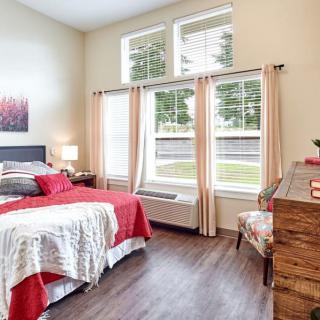
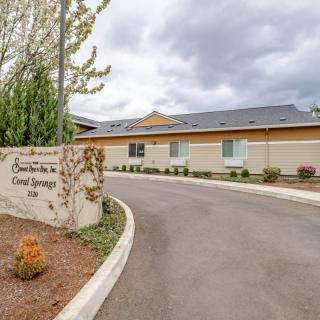
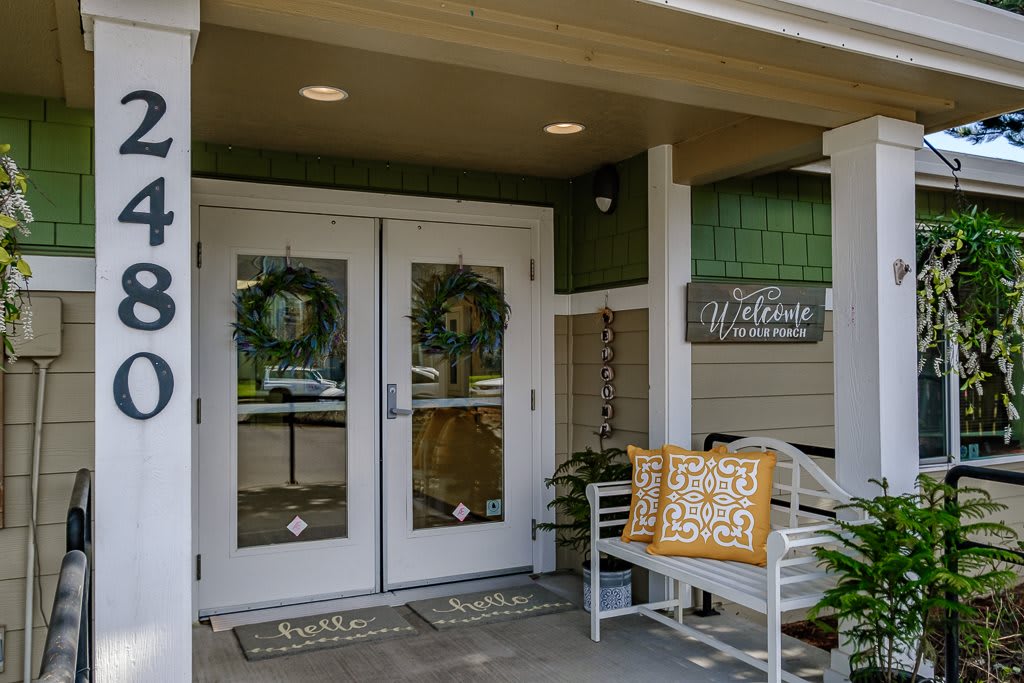
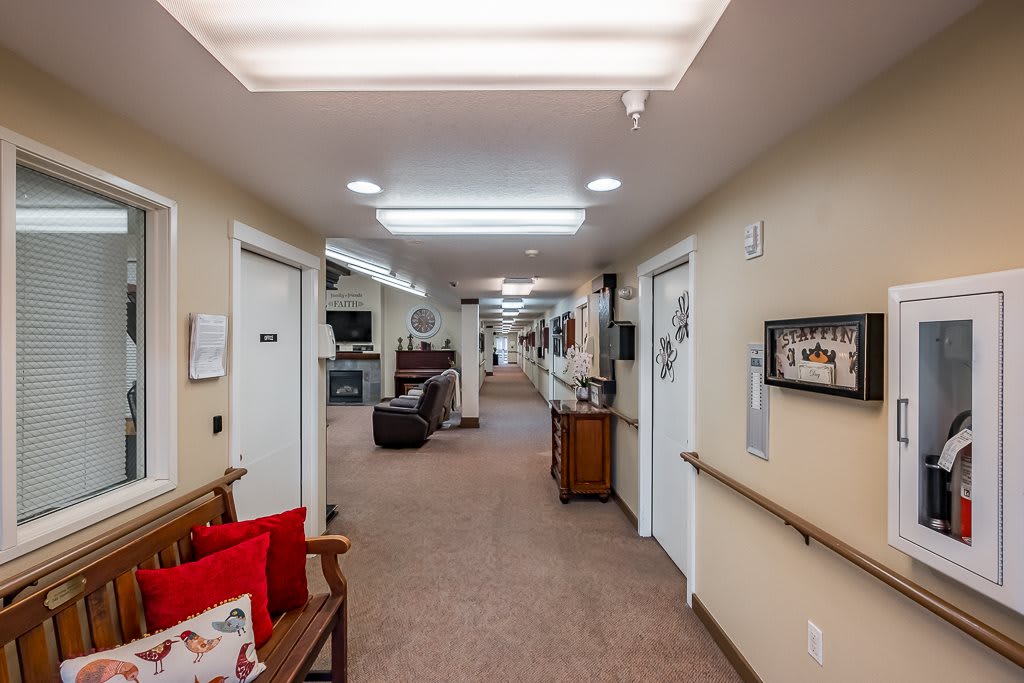
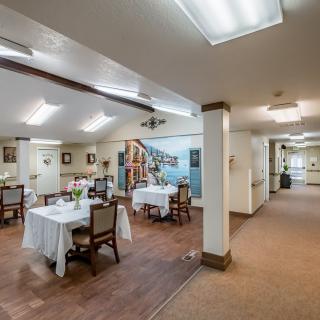
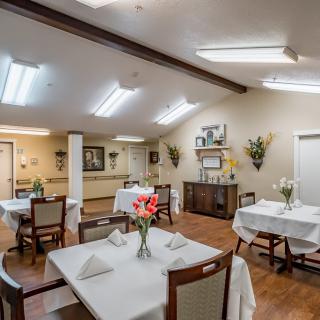
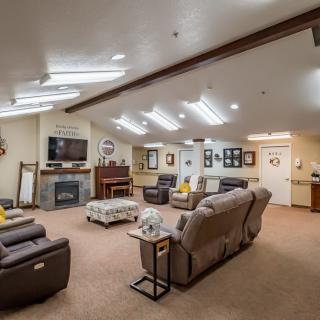
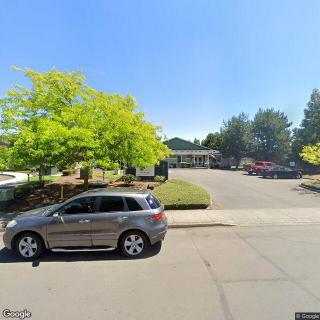
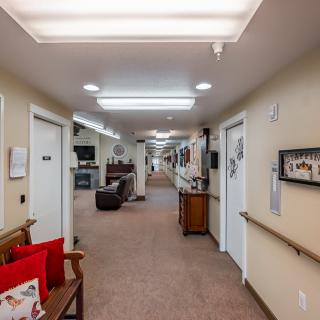
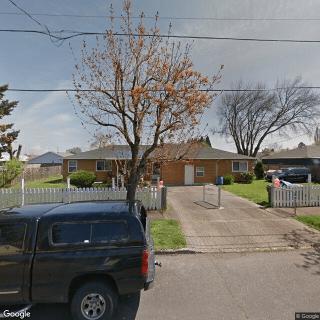
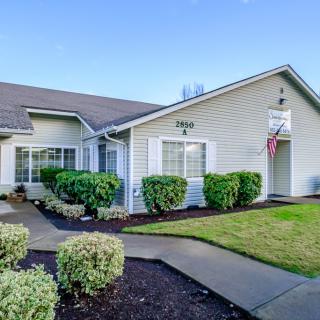
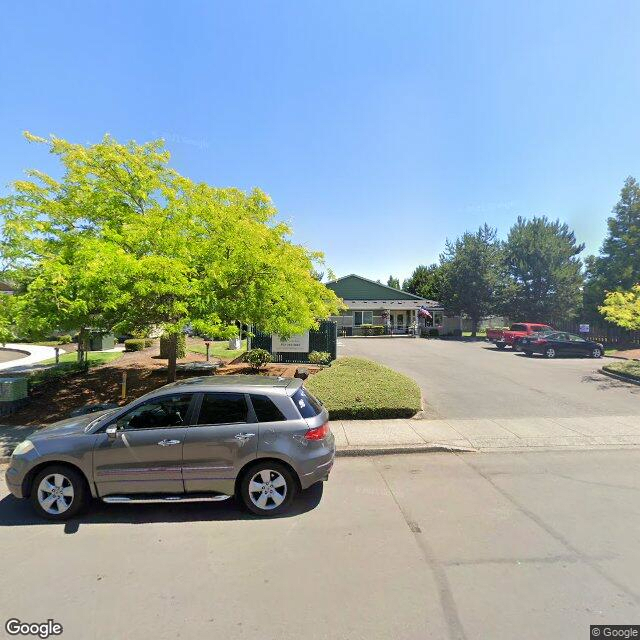
Reflections Memory Care on seniors.fyi includes 6 photos including images showing dining, interior, decor, lighting, seating area, parking, building, entrance, and more.
Transitioning from assisted living to memory care is driven by an individual's cognitive decline and specific needs, requiring careful evaluation of indicators like increased confusion and wandering. The process involves consulting medical professionals, researching suitable communities, considering financial and legal aspects, and ensuring effective communication for personalized care plans.
Understanding the Distinctions: Assisted Living and Memory Care Explained
The article differentiates between assisted living and memory care, explaining that assisted living supports seniors with daily activities while promoting independence, whereas memory care provides specialized services for individuals with dementia, focusing on secure environments and cognitive support. It also addresses staff training, safety considerations, costs, family involvement, and transition strategies for families navigating these care options.
How to Communicate with a Loved One Living with Dementia: 10 Supportive Strategies
The article outlines effective communication strategies for interacting with loved ones with dementia, highlighting the need for empathy, patience, and understanding while emphasizing supportive approaches like using simple language, minimizing distractions, and focusing on feelings over facts to maintain dignity and foster connection. It also suggests seeking professional guidance when needed as communication challenges evolve.