Lancaster Assisted Living in Salem, OR

Information last verified:

4156 Market Street Ne, Salem, OR 97314

For more information about senior living options: (844) 490-3973

4 from 21 reviews
5 stars
13
4 stars
3
3 stars
0
2 stars
1
1 stars
4

Overall Review of Lancaster Assisted Living

Pros

  • pro Shauna's customer service and passion were outstanding.
  • pro She has a great heart.
  • pro The staff did a very good job making the resident comfortable and showed kindness the whole time.
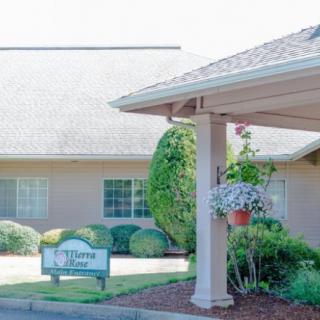
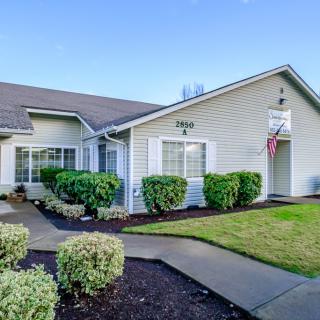
  • pro The exterior is beautiful.
  • pro The staff were very helpful with the move-in process and guided the family through the initial steps.
  • pro The facility is really great, with loving, caring staff and good leadership.
  • pro Residents love living there.
  • pro Suzie Robinson's support has been invaluable.
  • pro The remodel looks great, and the atmosphere and staff are commendable.
  • pro The facility and grounds are clean and well kept.
  • pro The meals are scrumptious.
  • pro Lancaster Village takes real good care of residents.

Cons

  • pro The administration turns a blind eye to staff refusing to wear masks during the state mandate, even with pictures showing the staff not wearing them.
  • pro A med tech refused to give medication to the dying mother until hospice sent an RN to remedy the situation.
  • pro Staff yelled at each other in the lobby while residents were having a movie in the same lobby.
  • pro A med tech was caught sleeping in the lobby, as shown in pictures sent to Admin.
  • pro Admin’s response is perceived as only saying “I’m sorry” and trying to smooth things over rather than taking real action.
  • pro The staff RN commented on hairstyles in family pictures instead of showing compassion and respect during the mother’s active dying.
  • pro The staff were not trained properly, with supplies not ready and used gloves used to obtain clean supplies, which could lead to infection.

Review

Lancaster Assisted Living in Salem is best suited for families seeking a warm, personable environment where residents are treated with genuine kindness and daily life centers on comfort, routine, and social connection. It works well for long-term residents who benefit from attentive, unobtrusive care and a stable, home-like atmosphere. The community shines for those who value a well-regarded dining experience, visible staff engagement, and a remodel that freshens the surroundings without sacrificing the sense of familiarity. For seniors with dementia or chronic needs who prioritize consistency and personal attention over formal medical add-ons, this is a compelling option.

The strongest, most reliable positives are the people at the floor level. Staff are repeatedly described as loving, caring, and responsive, with Shauna singled out for exceptional customer service and compassion. Move-in support is a tested strength, helping families navigate the transition with patience and practical guidance, and many reviewers report that staff stay friendly and helpful through ongoing, if imperfect, adjustments to care. The dining room staff consistently earns praise for professionalism and efficiency, and residents themselves often declare they feel safe, valued, and well-attended in daily life. A remodel and improved atmosphere further reinforce the sense of a current, cared-for home.

Yet the upside comes with meaningful caveats that cannot be ignored. Several reviewers flag gaps in training and supervision, noting high turnover and inconsistent supervision that manifest in lapses around medication, discipline, or general care execution. There are explicit concerns about incidents in which meds were delayed or mishandled, and about staff behavior in common areas during stressful moments. Cleanliness and maintenance aren’t uniformly dependable in every unit, with specific mentions of blood stains in carpet and other indicators of insufficient quality control. In short, the pros, genuine warmth, smooth move-in, and a welcoming setting, do not fully erase the potential for operational gaps that affect safety and reliability.

These tensions matter most when evaluating risk versus reward. For families prioritizing intimate, steady attention and a welcoming culture, the pros can offset the cons by anchoring expectations in strong, compassionate care and visible leadership focus on resident well-being. The same strengths that create a comforting day-to-day experience, attentive staff, reliable dining service, and a remodeling that modernizes without erasing character, also demand ongoing, tighter supervision, consistent training, and a proactive approach to incident resolution. Without those, the positive experiences risk being uneven depending on shift coverage or administrator follow-through.

Families considering alternatives should look for communities with more consistent staffing and stronger, visible accountability. If medical oversight, timely medication administration, and spotless infection-control discipline are non-negotiables, it may be prudent to compare options with formal QA processes and longer-tenured management. Larger operators or smaller, closely run homes with stabilized leadership can deliver the same warmth with greater predictability. In practice, this means asking pointed questions about nurse availability, med-pass procedures, staff-to-resident ratios, incident reporting, and concrete examples of how staff training translates to daily care.

Bottom line: Lancaster Assisted Living delivers a heartfelt, home-like experience that resonates with residents and families who prize warmth, personal connection, and a pleasant environment. It can be an excellent match for residents who thrive on non-intrusive encouragement, strong social programming, and dependable day-to-day attention. However, for families where flawless safety procedures, consistent staffing, and rigorous care standards are essential, this community warrants a careful, probing tour with concrete assurances from leadership. Prepare to ask hard questions, meet frontline staff and supervisors, and observe how the team handles medication, cleanliness, and real-time care needs during visits.

Features

Housing

  • 50 resident community capacity 50 resident community capacity

Types of Care

  • Assisted Living Assisted LivingAssisted living facilities provide crucial support and care for seniors who may need help with daily tasks such as medication management, bathing, and meal preparation. These communities offer a safe and comfortable environment where seniors can maintain their independence while receiving the assistance they need to thrive in their golden years.

Amenities

  • Beauty salon Beauty salonBeauty salons are important for seniors because they provide a space for them to feel pampered, socialize, and maintain their personal grooming and hygiene. Regular visits to a beauty salon can help boost seniors' self-esteem and overall well-being.
  • Cable or satellite TV Cable or satellite TVCable or satellite TV is important for seniors because it provides entertainment, news, and companionship, helping to combat loneliness and boredom. It also offers a wide range of programming options tailored to different interests and preferences.
  • Dining room Dining roomDining rooms are important for seniors as they provide a space for socialization, connection, and nutritious meals. They offer opportunities for residents to bond over shared meals, foster a sense of community, and promote healthy eating habits. Dining rooms also ensure that seniors have access to well-balanced meals tailored to their dietary needs and preferences.
  • Fully furnished Fully furnishedFully furnished senior living communities are important for seniors because they provide convenience, comfort, and a hassle-free moving experience. Seniors can easily settle into their new living space without the stress of having to buy and move furniture. This allows them to focus on enjoying their new home and community.
  • Garden GardenGardens are important for seniors as they provide a peaceful and therapeutic environment for relaxation, physical activity, and socialization. Being in nature has been shown to reduce stress, improve mood, and promote overall well-being. Gardens also offer opportunities for seniors to engage in gardening activities, which can improve mobility, flexibility, and cognitive function. Additionally, gardens create a sense of community and connection with others who share a passion for plants and outdoor spaces.
  • Housekeeping services Housekeeping servicesHousekeeping services are important for seniors because they help maintain a clean and safe living environment, promote independence, and reduce the risk of accidents or illnesses. Additionally, having assistance with household chores can alleviate physical strain and allow seniors to focus on other aspects of their well-being.
  • Kitchenette KitchenetteKitchenettes are important for seniors living in senior living communities because they provide the convenience and independence of being able to prepare simple meals and snacks in the comfort of their own living space. This can help promote a sense of autonomy and well-being for seniors, allowing them to maintain some level of control over their dietary choices and daily routines.
  • Move-in coordination Move-in coordinationMove-in coordination is important for seniors because it helps ease the transition into their new living environment. It ensures that all logistics, such as packing, organizing movers, and setting up utilities are taken care of, allowing seniors to focus on settling in and adjusting to their new home. Having a smooth move-in process can alleviate stress and anxiety, making the transition smoother and more enjoyable for seniors.
  • Outdoor space Outdoor spaceOutdoor spaces are important for seniors as they provide opportunities for physical activity, social interaction, exposure to natural light and fresh air, and a sense of connection to nature. Having access to outdoor spaces can improve overall well-being and quality of life for older adults living in senior communities.
  • Restaurant-style dining Restaurant-style diningRestaurant-style dining is important for seniors because it allows them to enjoy delicious, nutritious meals in a social and upscale setting. This enhances their dining experience, promotes healthy eating habits, and fosters socialization with fellow residents, ultimately contributing to their overall well-being and quality of life.
  • Small library Small librarySmall libraries are important for seniors as they provide access to a variety of reading materials, including books, newspapers, and magazines. This can help stimulate their minds, keep them engaged, and provide a sense of community through book clubs and other social activities. Additionally, reading has been shown to improve cognitive function and overall mental well-being in older adults.
  • Telephone TelephoneTelephones are important for seniors as they provide a lifeline for communication with loved ones, emergency services, and healthcare providers. They offer a sense of security and independence, enabling seniors to stay connected and access assistance when needed.
  • Wi-Fi/high-speed internet available Wi-Fi/high-speed internet availableWi-Fi/high-speed internet is important for seniors to stay connected with loved ones, access online resources, and participate in virtual activities to combat feelings of loneliness and isolation. It also allows them to easily manage healthcare needs, access entertainment, and engage in lifelong learning opportunities.

Care Services

  • 24-hour call system 24-hour call system24-hour call systems are important for seniors because they provide peace of mind and immediate assistance in case of emergencies. This technology ensures that help is always available, promoting safety and security for elderly individuals living alone or in assisted living facilities.
  • 24-hour supervision 24-hour supervision24-hour supervision is important for seniors to ensure their safety, well-being, and access to immediate assistance in case of emergencies or health issues. This constant support provides peace of mind for both seniors and their loved ones, allowing them to age in place with dignity and security.
  • Activities of daily living assistance Activities of daily living assistanceActivities of daily living assistance are important for seniors because they provide essential support with tasks such as eating, bathing, dressing, and mobility. This assistance helps seniors maintain their independence, dignity, and overall quality of life as they age.
  • Assistance with bathing Assistance with bathingAssistance with bathing is crucial for seniors as it helps maintain personal hygiene, prevents infections, and ensures their overall well-being and comfort. It also provides a sense of dignity and independence for seniors who may struggle with this task on their own.
  • Assistance with dressing Assistance with dressingAssistance with dressing is important for seniors because it helps maintain their independence, promotes personal hygiene, prevents accidents and injuries, and improves overall quality of life. This service ensures that seniors can continue to dress comfortably and confidently, despite any physical limitations they may have.
  • Assistance with transfers Assistance with transfersAssistance with transfers is crucial for seniors as it helps prevent falls and injuries, maintains their independence, and ensures they can safely navigate their living environment. It also provides peace of mind for both seniors and their loved ones.
  • Diabetes diet Diabetes dietA diabetes diet is crucial for seniors as it helps manage blood sugar levels, reduce risks of complications, and improve overall health and well-being. By following a balanced and nutritious diet tailored to their specific needs, seniors can better control their diabetes and enhance their quality of life.
  • Meal preparation and service Meal preparation and serviceMeal preparation and service are crucial for seniors as they may have limited mobility or energy to cook nutritious meals. Having access to healthy and convenient food options can ensure they are getting the proper nutrition needed to maintain their overall health and well-being.
  • Medication management Medication managementMedication management is crucial for seniors to ensure they are taking the right medications at the correct dosages and times. This helps prevent adverse drug interactions, reduces the risk of medication errors, and promotes overall health and well-being. Proactive management also allows for adjustments as needed based on changing health conditions or new prescriptions.
  • Mental wellness program Mental wellness programMental wellness programs are essential for seniors as they promote cognitive stimulation, emotional support, and social engagement. These programs help prevent isolation, depression, and cognitive decline, ultimately enhancing the overall quality of life for older adults.
  • Special dietary restrictions Special dietary restrictionsSpecial dietary restrictions are important for seniors because age-related changes in metabolism and health conditions can make it difficult for their bodies to process certain foods. By following a diet tailored to their specific needs, seniors can maintain their overall health and well-being, manage chronic conditions, and reduce the risk of complications such as malnutrition or food interactions with medications.

Dining

  • Diabetes diet Diabetes dietA diabetes diet is crucial for seniors as it helps manage blood sugar levels, reduce risks of complications, and improve overall health and well-being. By following a balanced and nutritious diet tailored to their specific needs, seniors can better control their diabetes and enhance their quality of life.
  • Special dietary restrictions Special dietary restrictionsSpecial dietary restrictions are important for seniors because age-related changes in metabolism and health conditions can make it difficult for their bodies to process certain foods. By following a diet tailored to their specific needs, seniors can maintain their overall health and well-being, manage chronic conditions, and reduce the risk of complications such as malnutrition or food interactions with medications.

Activities

  • Community-sponsored activities Community-sponsored activitiesCommunity-sponsored activities are important for seniors as they provide opportunities for social interaction, mental stimulation, and physical activity. These activities can help improve overall well-being, combat loneliness and isolation, and promote a sense of belonging and purpose among older adults.
  • Resident-run activities Resident-run activitiesResident-run activities are important for seniors as they encourage social interaction, creativity, and a sense of autonomy. These activities empower seniors to stay engaged and active in their community while fostering meaningful connections with their peers.
  • Scheduled daily activities Scheduled daily activitiesScheduled daily activities are important for seniors because they provide structure, socialization, mental stimulation, and physical activity. Engaging in regular activities can improve overall well-being and quality of life for seniors living in a community setting.

Description

Lancaster Assisted Living in Salem, OR is a welcoming and comfortable community where seniors can enjoy their golden years with ease and peace of mind. The community offers a wide range of amenities to ensure that residents have everything they need to live a fulfilling and enjoyable life.

Residents can relax in their fully furnished apartments, complete with cable or satellite TV, kitchenette, and Wi-Fi/high-speed internet access. They can also take advantage of the beautiful outdoor spaces and gardens, perfect for strolling or enjoying some fresh air. For those who prefer indoor activities, there is a small library where residents can indulge in their love for reading.

Meals at Lancaster Assisted Living are a highlight of the day. Residents can dine restaurant-style in the elegant dining room, enjoying delicious and nutritious meals prepared by the skilled culinary team. Special dietary restrictions are taken into consideration to ensure that everyone's needs are met.

The caring staff at Lancaster Assisted Living is available 24 hours a day to provide assistance with activities of daily living such as bathing, dressing, and transfers. Medication management services are also offered to ensure that residents stay on top of their health. A mental wellness program is available to promote emotional well-being among residents.

Socialization and staying active are important aspects of life at Lancaster Assisted Living. Resident-run activities encourage social interaction and create a sense of community among the residents. Additionally, scheduled daily activities provide opportunities for recreation and engagement.

Conveniently located near various amenities, Lancaster Assisted Living offers easy access to nearby cafes, parks, pharmacies, physicians' offices, restaurants, transportation options, places of worship, theaters, and hospitals. This ensures that residents have plenty of opportunities for outings and cultural experiences.

At Lancaster Assisted Living in Salem, OR seniors can truly enjoy their retirement years surrounded by a supportive community that caters to their needs and preferences.

Nearby Places of Interest

Physicians

  • Salem Occupational Health Clinic (0.2 miles)
  • Willamette Occupational Health Systems (0.2 miles)
  • Childhood Health Associates of Salem (1.4 miles)
  • Medical Center Eye Clinic | U. John Berzins, MD (1.5 miles)
  • Dermatology Clinic PC (1.5 miles)
  • Pacific Pulmonary Service (1.7 miles)
  • Oregon Heart Center, PC (2 miles)

Cafes

  • Black Rock Coffee Bar (0.4 miles)
  • Dutch Bros Coffee (2.2 miles)
  • Dutch Bros Coffee (2.5 miles)
  • Ike Box (2.7 miles)
  • Starbucks (2.8 miles)
  • Starbucks (2.9 miles)
  • Dutch Bros Coffee (3.4 miles)

Restaurants

  • McDonald's (0.5 miles)
  • Chipotle Mexican Grill (0.6 miles)
  • McDonald's (0.6 miles)
  • Pietro's Pizza (0.7 miles)
  • McGrath's Fish House (0.8 miles)
  • Kkoki Korean BBQ (0.8 miles)
  • Del Taco (0.9 miles)

Theaters

  • Regal Willamette Town Center (0.6 miles)
  • Regal Cinebarre Movieland (2.7 miles)

Pharmacies

  • Rite Aid (0.8 miles)
  • CVS Pharmacy (0.9 miles)
  • Genoa Pharmacy (1.1 miles)
  • Walgreens (1.5 miles)
  • Walgreens (2 miles)
  • Medicine Shoppe (2 miles)
  • Walmart Pharmacy (2.6 miles)

Transportation

  • Hertz Rent A Car (1 miles)
  • Amtrak (2.7 miles)

Hospitals

  • Department of Human Service (1.4 miles)
  • Oregon State Hospital (1.4 miles)
  • Willamette Family Medical Center (1.5 miles)
  • DaVita Salem North Dialysis (2.7 miles)
  • Salem Hospital (3.6 miles)

Parks

  • Englewood Park (1.5 miles)
  • Aldrich Park (2.5 miles)
  • Pringle City Park (3 miles)
  • Lower Bush Playground (3.1 miles)
  • Riverfront Park (3.1 miles)
  • Sunset Park (3.6 miles)

Places of Worship

  • First Christian Church (2.6 miles)

Frequently Asked Questions

Where is Lancaster Assisted Living?

Nearby Communities

  • Lancaster Village

    Lancaster Village

    Salem, OR

    4 from 22 reviews
     

    pro Comprehensive amenities and 24-hour care with restaurant-style dining and mental wellness programs.

  • Lancaster Village

    Lancaster Village

    Salem, OR

    4.1 from 38 reviews
    $2,275 to $2,950 / month

    pro Clean, welcoming community with friendly staff, good dining options, and engaging activities.

  • The Springs at Willowcreek

    The Springs at Willowcreek

    Salem, OR

    4.4 from 46 reviews
    $3,380 to $4,965 / month

    pro Caring, long-tenured staff with engaging activities and high-quality dining.

  • Rosewood Court Residential Care

    Rosewood Court Residential Care

    Salem, OR

    4.4 from 32 reviews
     

    pro Comprehensive care (memory care + skilled nursing) with 24/7 supervision and broad amenities.

  • Tierra Rose Care Ctr & Rosewood Ct

    Tierra Rose Care Ctr & Rosewood Ct

    Salem, OR


    pro Comprehensive skilled nursing with memory care and easy access to medical services.

  • The Springs at Sunnyview

    The Springs at Sunnyview

    Salem, OR

    4.7 from 20 reviews
    $2,885 to $3,640 / month

    pro Friendly, close-knit community with caring staff, engaging activities, and well-maintained facilities.

  • Sweet Bye N Bye Memory Care

    Sweet Bye N Bye Memory Care

    Salem, OR

    5 from 8 reviews
    $5,075 to $5,600 / month

    pro Intimate, staff-focused care in a small, 16-resident setting with responsive management.

  • Jason Lee Manor

    Jason Lee Manor

    Salem, OR

    4 from 10 reviews
     

    pro Clean, well-maintained building with a standout library.

  • Harmony House Of Salem

    Harmony House Of Salem

    Salem, OR

    4.6 from 14 reviews
     

    pro Intimate memory-care community with 24/7 supervision and comprehensive services.

Related Resources

  • assisted living activitiesBeyond the Bingo Hall: 50+ Enriching Activities for Seniors in Assisted Living

    Assisted living communities offer diverse activities beyond traditional games to enhance seniors' physical health, cognitive well-being, emotional enrichment, and social connections, including fitness classes, creative expression, and intergenerational interactions. These enriching programs foster community bonds and support residents' independence and happiness.

  • assisted living vs memory careUnderstanding the Distinctions: Assisted Living and Memory Care Explained

    The article differentiates between assisted living and memory care, explaining that assisted living supports seniors with daily activities while promoting independence, whereas memory care provides specialized services for individuals with dementia, focusing on secure environments and cognitive support. It also addresses staff training, safety considerations, costs, family involvement, and transition strategies for families navigating these care options.

  • elderly parent refuses assisted livingGuiding Elderly Parents Who Refuse Assisted Living: 6 Practical Steps

    Family caregivers face emotional, legal, and practical challenges when elderly parents refuse assisted living, often due to fears of losing autonomy. Open conversations and professional assessments can help address these concerns while exploring alternatives and ensuring safety, potentially leading to legal guardianship if necessary.