Coral Springs RCF presents a competitive monthly cost for its studio accommodations, priced at $4,650. This figure is notably higher than the average costs in both Marion County and broader Oregon, where studio rentals average around $3,836 and $3,815 respectively. While the premiums associated with Coral Springs RCF may reflect additional amenities or specialized services offered to residents, potential clients should consider this pricing in relation to the value provided. The elevated cost may indicate a commitment to enhanced care options or superior living conditions that could be beneficial for individuals seeking comprehensive support in an assisted living environment.
Floor plans
Coral Springs RCF
Marion County
Oregon
Studio
$4,650
$3,836
$3,815
Memory care communities with a similar price nearby
Residents and families describe a faith-centered daily routine that includes prayer.
Several reviews tie the community’s atmosphere to a faith-based approach, with prayer mentioned as part of the day. This lines up with the community offering devotional services both on-site and off-site, and it shows up most strongly in the way families describe daily life and reassurance.
common2 reviews mention this
Activities help residents stay engaged
Families notice residents staying involved through regular activities.
A couple of reviews highlight that residents participate in activities like arts and crafts and other group activities. Reviews also describe staff engaging residents during visits and keeping schedules active, which matches the community’s listed focus on activities and outings.
caveat2 reviews mention this
Pricing feels too high to some
Some families say the cost does not match the care they experienced.
While many reviewers are positive about care, a small number raise cost concerns. Those reviews specifically criticize the overall value, and the listing’s pricing for a studio is priced above county and state benchmarks.
How we summarize
Counts show how many written reviews mention each theme; a review can touch several themes, and only frequently mentioned themes are displayed.
Features
Types of Care
Assisted Living
Memory Care
Amenities
Activities off-site
Activities on-site
Air-conditioning
Beautician on-site
Cable or satellite TV
Devotional services off-site
Devotional services on-site
Ground floor units
Handicap accessible
Indoor common areas
Outdoor common areas
Respite or short term stays offered
Wheelchair accessible showers
Wi-Fi/high-speed internet available
Care Services
Diabetic care
High acuity care
Incontinence care
Medication management
Dining
Guest meals
Kosher
Low / no sodium
Meals provided
No Sugar
Special dining programs
Vegetarian
Activities
Art classes
Day trips and outings
Devotional activities offsite
Devotional activities on-site
Educational speakers / life long learning
Forever fit
Live dance or theater performances
Live musical performances
Live well programs
Visiting chaplain or priest
Nearby Places of Interest
This part of Salem, Oregon is a convenient and accessible area with a variety of amenities in close proximity. There are multiple physicians' offices, pharmacies, and hospitals nearby, providing easy access to healthcare services. There are also several restaurants and cafes within a short distance for dining options. Additionally, there are parks where one can enjoy outdoor activities and relaxation. The area also offers transportation options through rental car services and an Amtrak station for added convenience. A place of worship, First Christian Church, is located nearby for those seeking spiritual fulfillment. Overall, this neighborhood provides a range of services and facilities that would be beneficial for seniors looking to settle in a well-equipped community.
Physicians
Willamette Occupational Health Systems (0.6 miles)
Salem Occupational Health Clinic (0.7 miles)
Pacific Pulmonary Service (1.4 miles)
Childhood Health Associates of Salem (1.5 miles)
Medical Center Eye Clinic | U. John Berzins, MD (1.7 miles)
Coral Springs RCF presents a competitive monthly cost for its studio accommodations, priced at $4,650. This figure is notably higher than the average costs in both Marion County and broader Oregon, where studio rentals average around $3,836 and $3,815 respectively. While the premiums associated with Coral Springs RCF may reflect additional amenities or specialized services offered to residents, potential clients should consider this pricing in relation to the value provided. The elevated cost may indicate a commitment to enhanced care options or superior living conditions that could be beneficial for individuals seeking comprehensive support in an assisted living environment.
Medication management is crucial in memory care settings like Coral Springs RCF, as it ensures that residents receive their prescribed medications on time and in the correct dosages, minimizing potential health complications associated with missed or incorrect doses. This structured approach alleviates stress for families who may worry about medication adherence and helps maintain stability in residents' cognitive functions, which is essential for those with dementia or Alzheimer's. Additionally, incontinence care plays a vital role in enhancing the dignity and comfort of residents. By providing compassionate support and specialized hygiene practices, caregivers prevent discomfort and promote skin health, enabling individuals to focus on their daily activities without the added anxiety of managing incontinence issues. This holistic attention to both medical needs and personal care significantly contributes to the overall well-being of residents coping with cognitive decline.
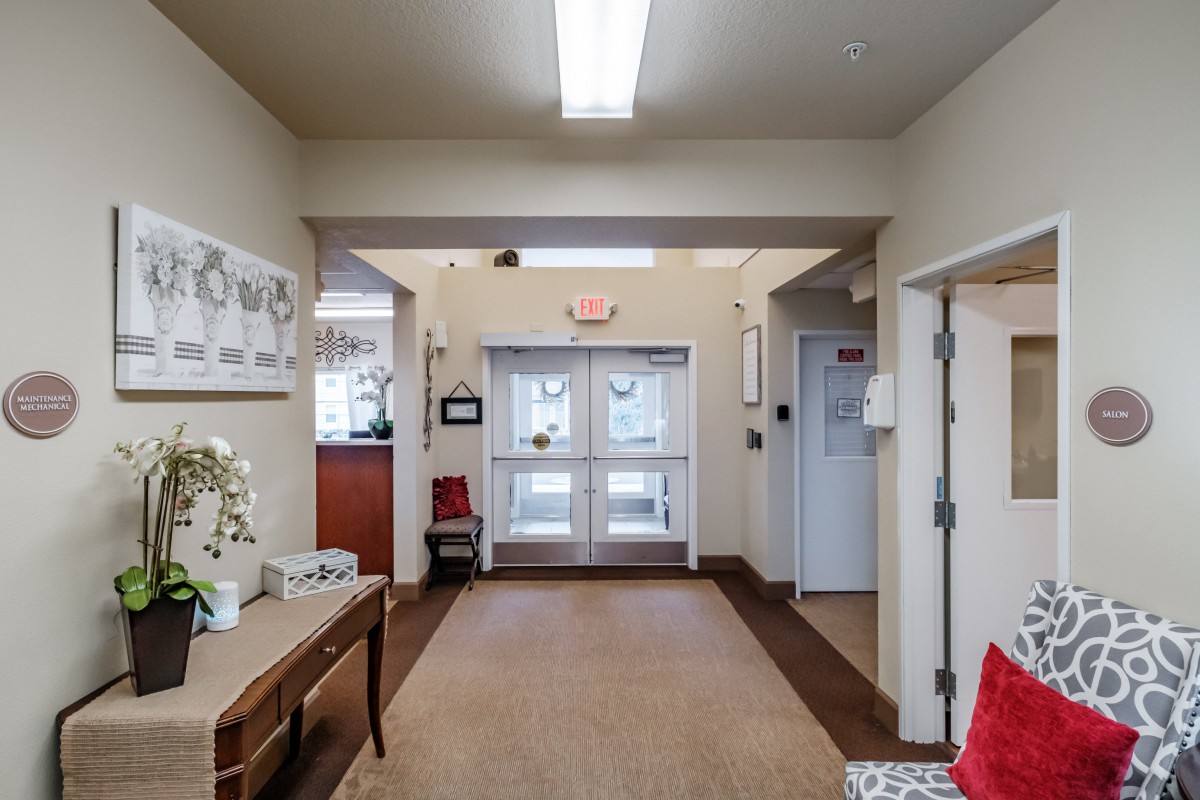
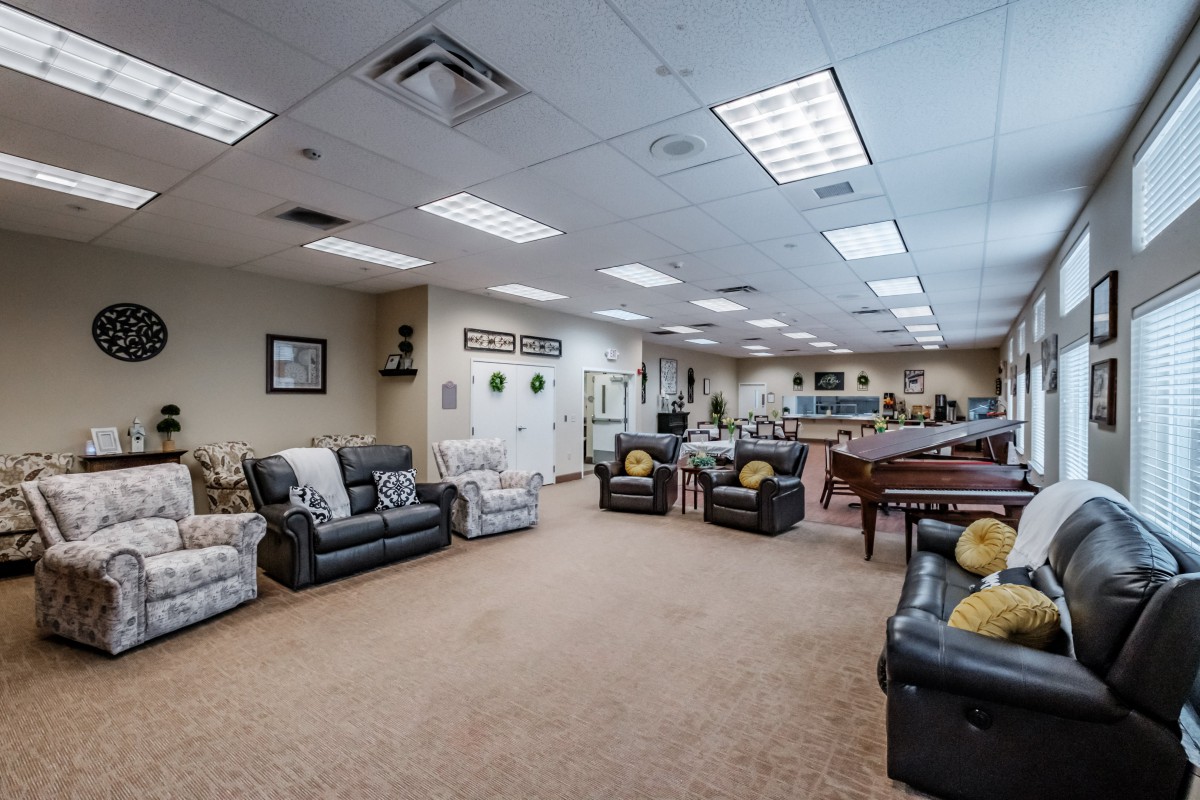
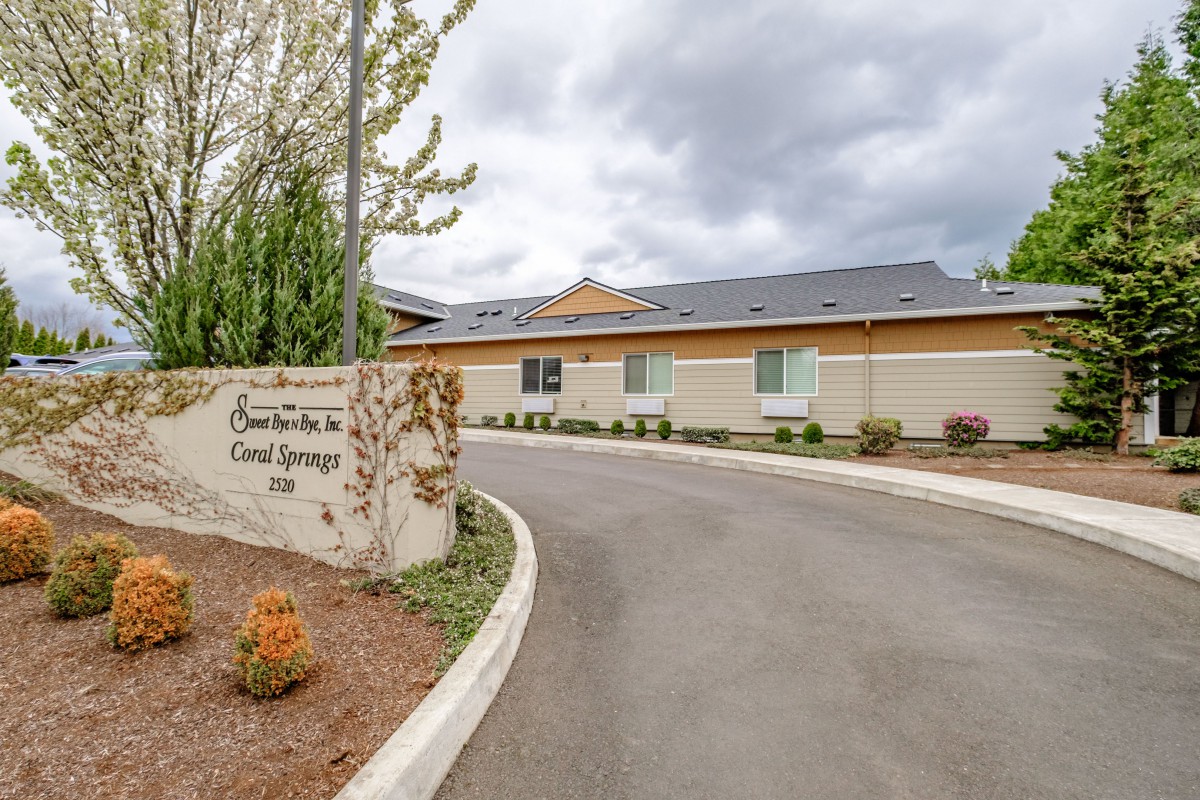
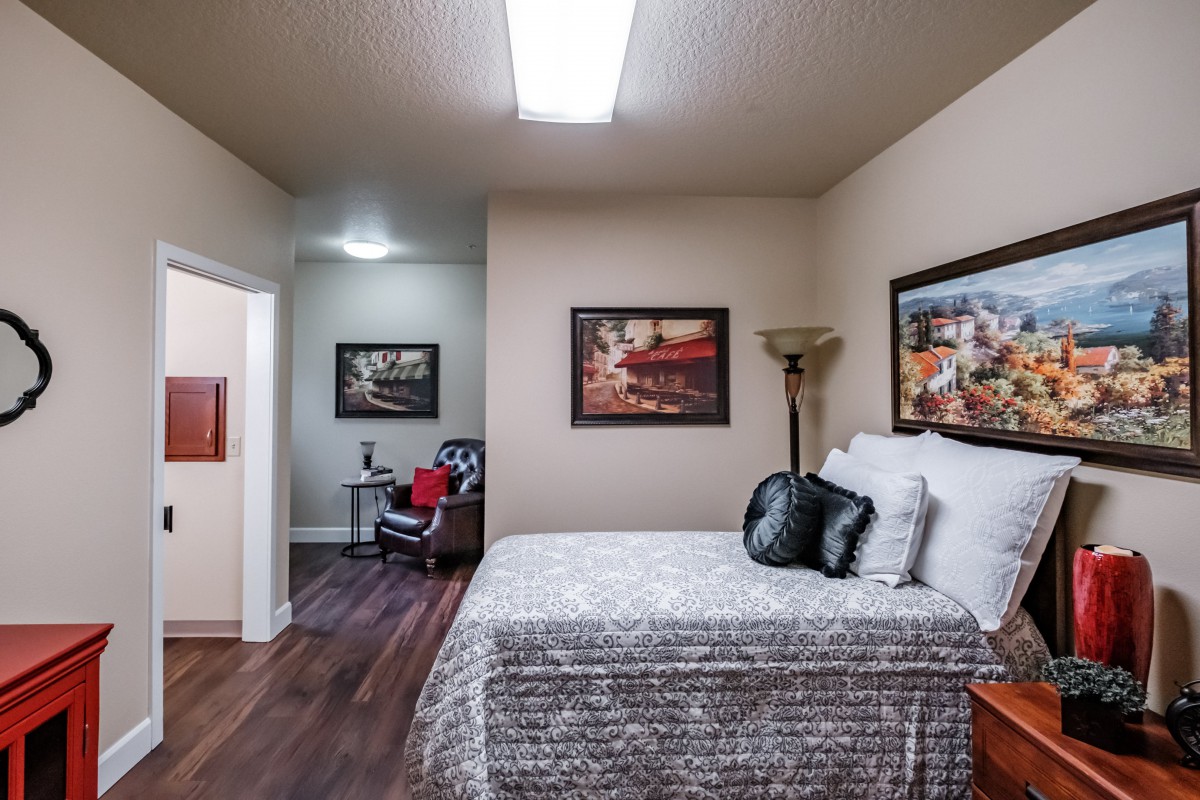
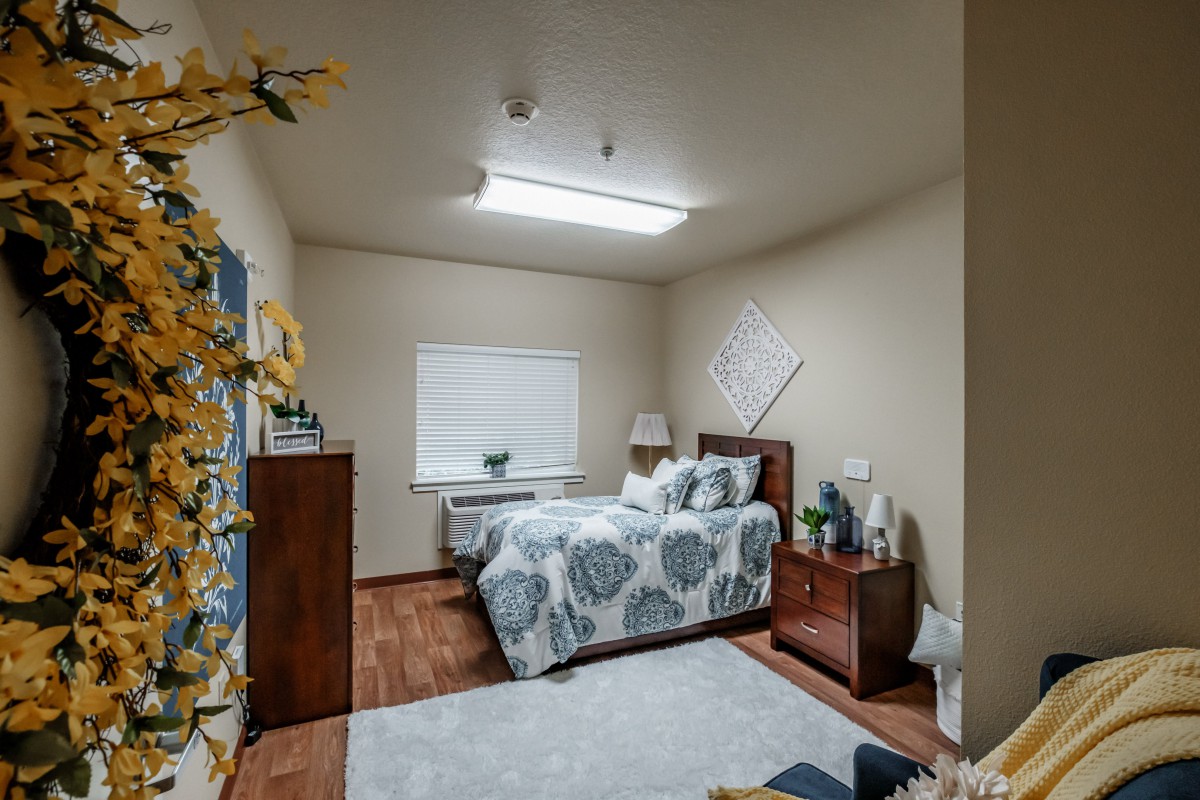
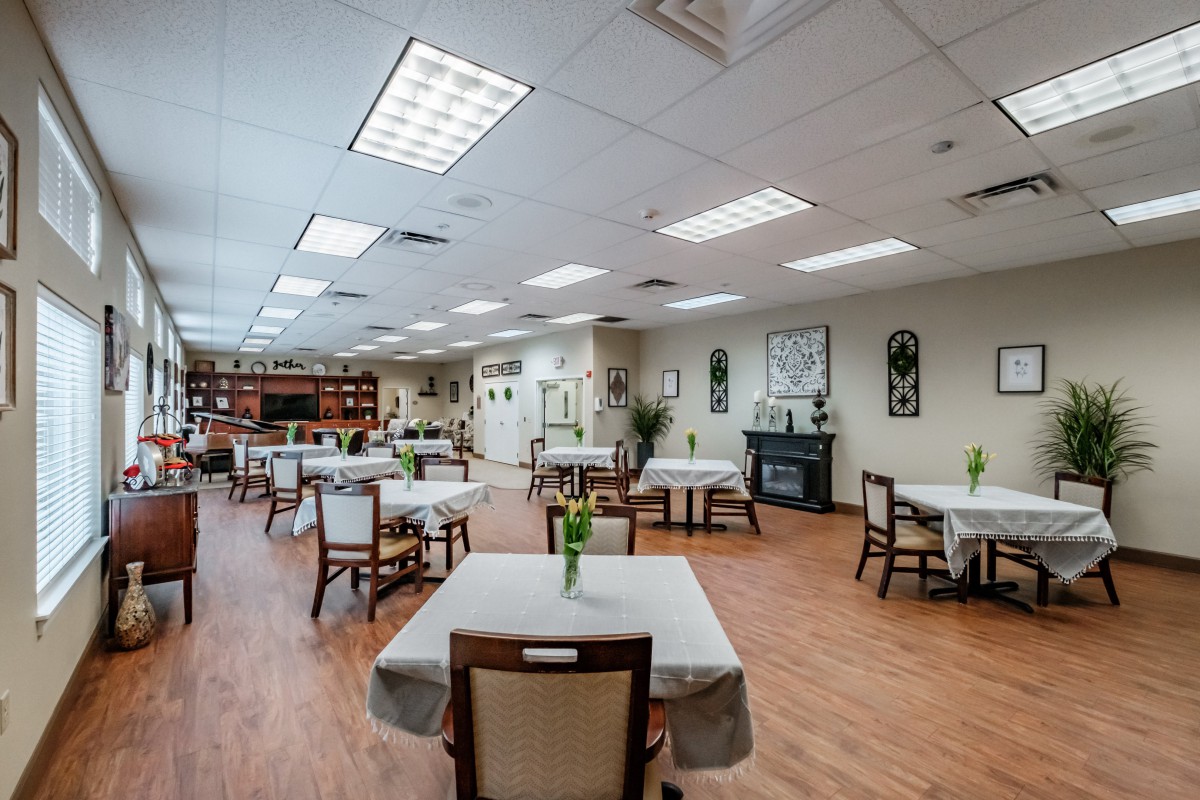
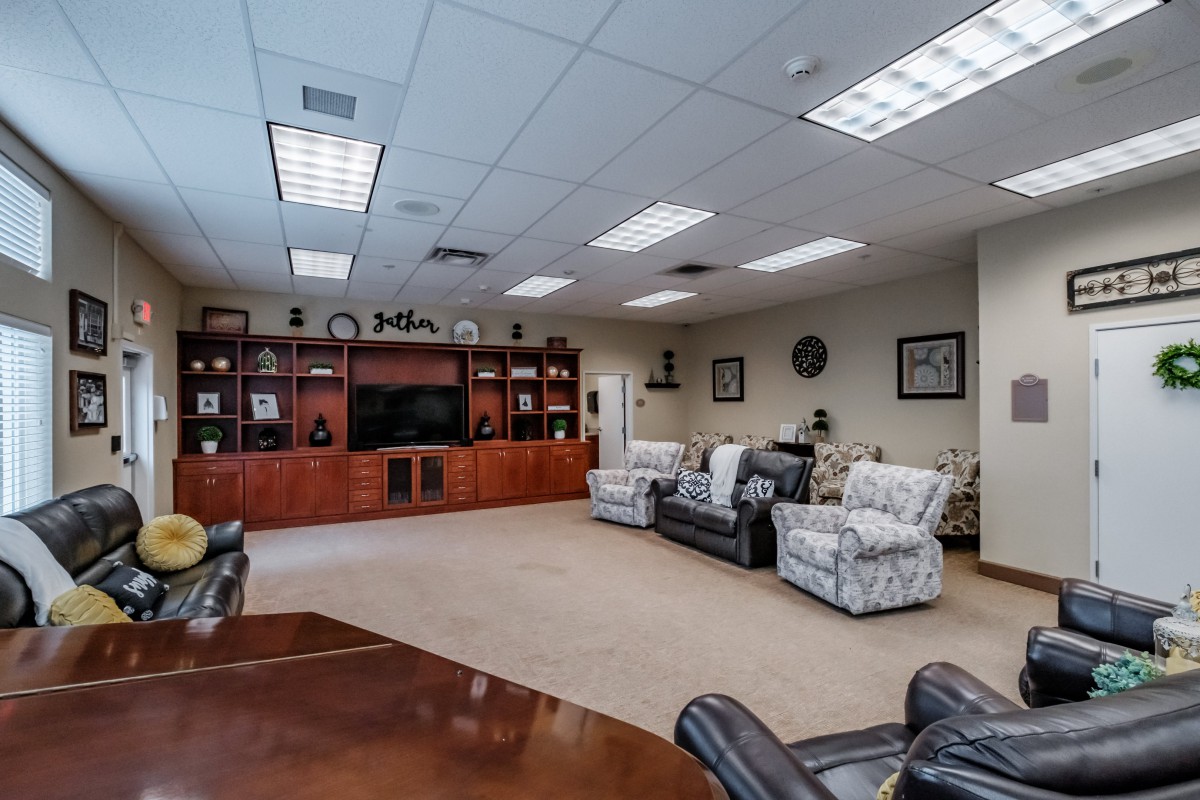
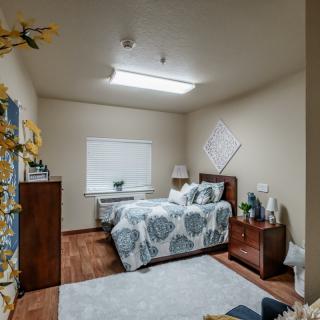
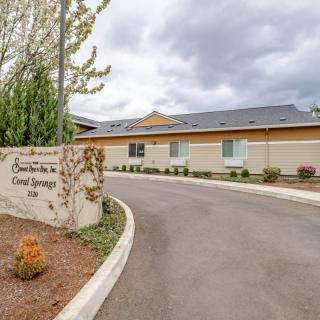
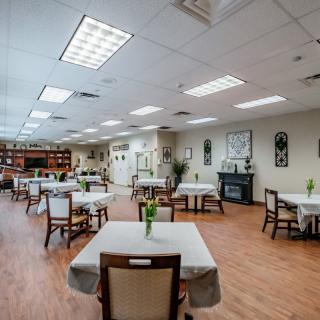
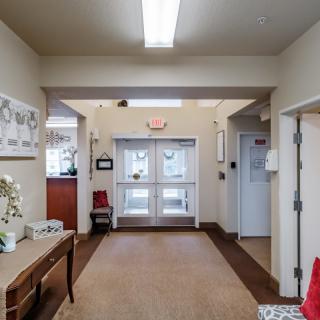
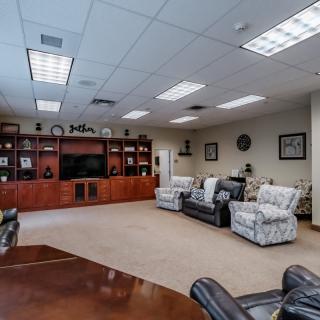
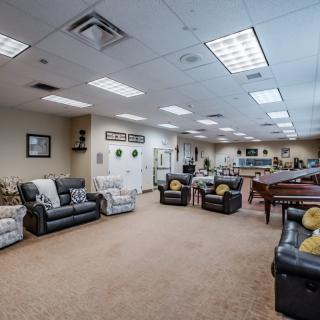
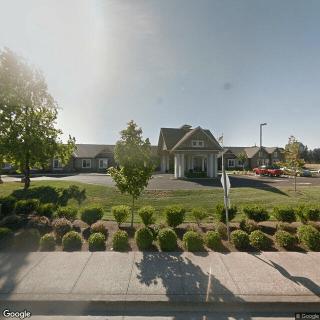
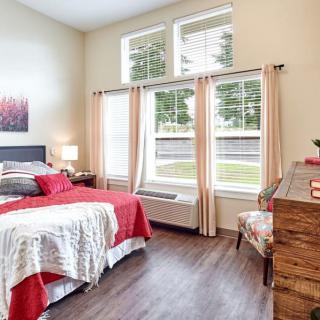
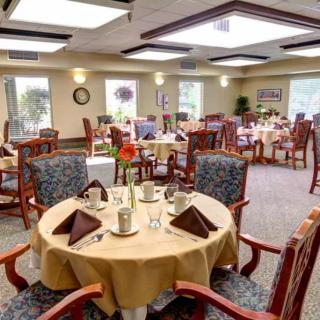
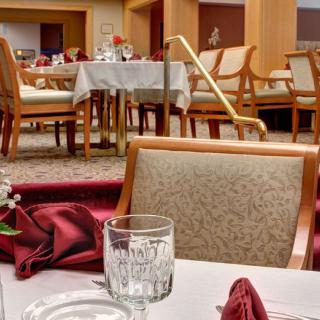
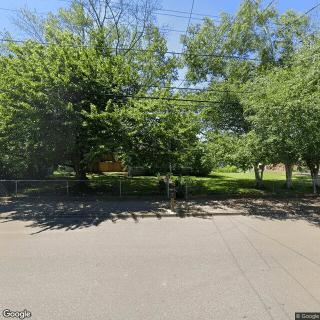
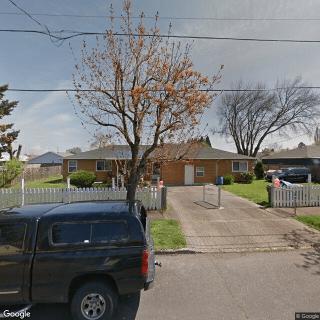
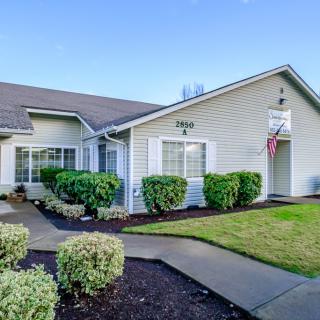
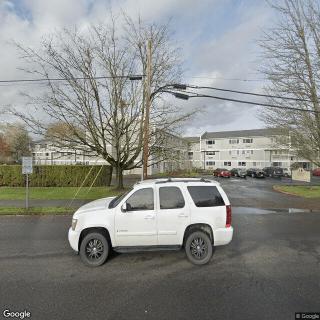
Coral Springs RCF on seniors.fyi includes 8 photos including images showing decor, interior, bedroom, dining, lighting, seating area, artwork, office, and more.
Nearby Communities
Coral Springs Residential Care
Salem, OR
4.6 from 40 reviews
$7,000 / month
Reflections Memory Care
Salem, OR
4.6 from 40 reviews
Specialized memory care with 24/7 supervision and dementia-focused programming.
Reflections Memory Care
Salem, OR
4.5 from 52 reviews
$5,075 / month
Competent, patient-oriented staff with hands-on, supportive owners in a warm, home-like setting.
The Mornings Glory
Salem, OR
4.8 from 4 reviews
A Place Like Home AFH #1
Salem, OR
$3,500 / month
Competitive pricing for private rooms with diabetes/high-acuity care.
Four Seasons Rcf Fairgrounds
Salem, OR
5 from 3 reviews
Comprehensive assisted living with furnished apartments, meals, housekeeping, medication management, and mental wellness.
Sweet Bye N Bye Memory Care
Salem, OR
5 from 8 reviews
$5,075 to $5,600 / month
Intimate, staff-focused care in a small, 16-resident setting with responsive management.
Harmony House Of Salem
Salem, OR
4.6 from 14 reviews
Intimate memory-care community with 24/7 supervision and comprehensive services.
Jason Lee Manor
Salem, OR
4 from 10 reviews
Clean, well-maintained building with a standout library.
"Memory Care Pathways: A Holistic Guide to Dementia Support" outlines the complexities of dementia and its various types, emphasizing early detection, patient-centered care strategies, caregiver support, and long-term care options while addressing legal and financial considerations to enhance the quality of life for individuals with dementia and their families.
Sundown syndrome, or sundowning, is a phenomenon in dementia patients characterized by increased confusion and agitation during late afternoon and evening, influenced by factors like disrupted circadian rhythms and fatigue. Effective caregiver strategies include establishing routines and managing environmental light while addressing caregiver stress through support services.
Delirium is a rapidly onset, reversible cognitive disturbance often caused by acute medical issues, while dementia is a gradual and irreversible decline due to chronic neurodegenerative diseases. Accurate differentiation between the two is essential for appropriate treatment and management in older adults.
Get PricingAsk A QuestionSchedule A TourContact Senior Advisor
By clicking submit, you agree to our Partner's Terms of Use. You
also consent to receive calls and texts, which may be autodialed, from our Partner. Your consent is not a condition to
using our Partner's service. Please visit our Partner's Privacy Policy for information about their privacy practices.


 Assisted Living
 Memory Care
 Activities off-site
 Air-conditioning
 Beautician on-site
 Cable or satellite TV
 Devotional services off-site
 Ground floor units
 Handicap accessible
 Indoor common areas
 Outdoor common areas
 Respite or short term stays offered
 Wheelchair accessible showers
 Wi-Fi/high-speed internet available
 Diabetic care
 High acuity care
 Incontinence care
 Medication management
 Guest meals
 Art classes
 Day trips and outings
 Educational speakers / life long learning
 Forever fit
 Live dance or theater performances
 Live musical performances
 Live well programs
 Visiting chaplain or priest

 Specialized memory care with 24/7 supervision and dementia-focused programming.
 Memory Care Pathways: A Holistic Guide to Dementia Support
 Comprehending Evening Confusion in Dementia: Causes, Manifestations, and Support
 Delirium and Dementia: Unraveling the Key Differences