
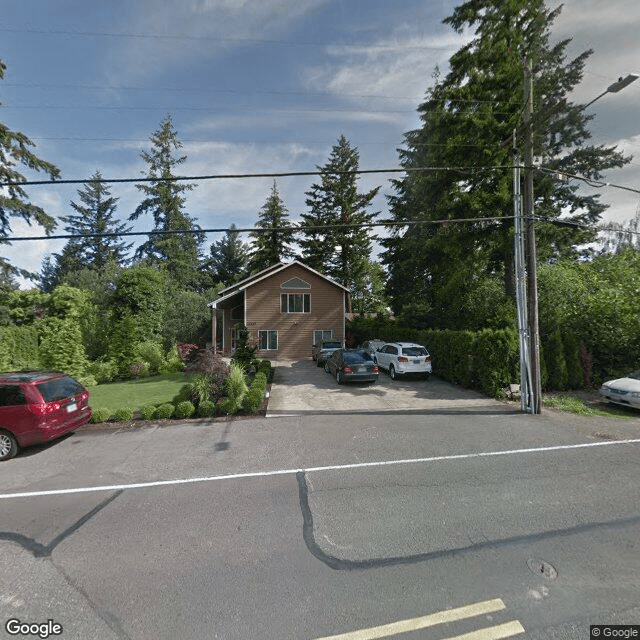
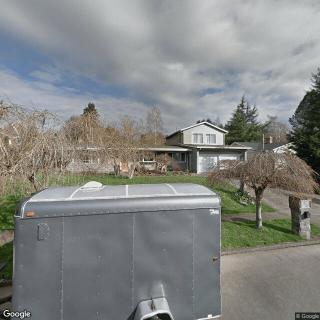
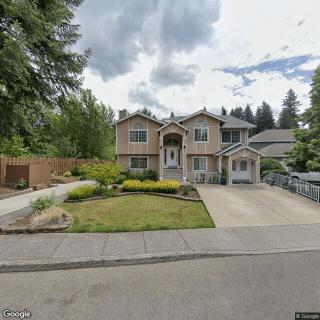
12115 SE Flavel St., Portland, OR 97266
To contact a resident: (503) 762-9846
For more information about senior living options: (866) 208-4318
Quality Care Adult Foster Home Costs & Pricing
Quality Care Adult Foster Home offers a private room at a competitive rate of $2,100 per month. This price is significantly lower than the average costs in Multnomah County, which stand at approximately $3,227, and even more so compared to the statewide average in Oregon of around $3,424. Choosing Quality Care not only provides residents with a comfortable living environment but also represents a substantial cost-saving opportunity for families seeking high-quality adult foster care within the community. This affordability, combined with personalized care services, positions Quality Care as an appealing option for those looking to balance quality and budget in their long-term care decisions.
| Floor plans | Quality Care Adult Foster Home | Multnomah County | Oregon |
|---|---|---|---|
| Private | $2,100 | $3,227 | $3,424 |
Senior living communities with a similar price nearby
-
from +$400 / mo
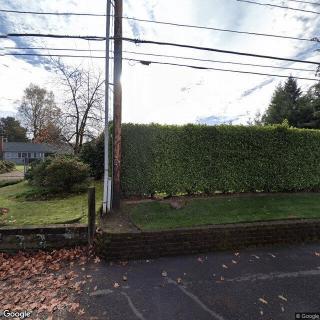
Mapleview Manor, LLC
$2,500 / month4.1 miles away -
from +$100 / mo
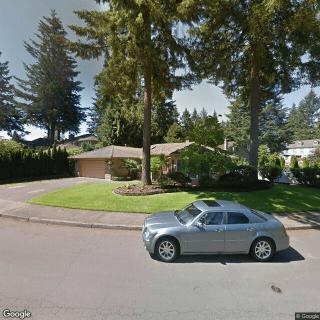
The Peace and Joy Garden
$2,200 / month12.0 miles away -
from -$100 / mo

Alliance Home Health
$2,000 / month1.7 miles away -
from +$400 / mo
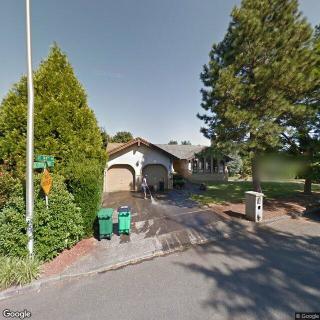
A Gentle Care Home
$2,500 / month1.2 miles away -
from +$400 / mo
Sacred Heart Adult Foster Care
$2,500 / month12.5 miles away
Overall Review of Quality Care Adult Foster Home
Pros
 They are so incredible.
- They took care of her, loved her, and brought joy back into her life.
- He is well looked after and in a safe environment.
- He's probably best off in a facility like the one he's in.
Cons
 There isn’t much community.
- The staff doesn’t emit a homey vibe.
- They don’t really have activities.
- The food is hit and miss, depending on who is cooking.
- The reviewer wishes there were more opportunities for friendship for him.
Review
Quality Care Adult Foster Home in Portland is best suited for seniors who want safety, personal attention, and a quiet, home-like setting without the bustle of a larger campus. It fits residents who prefer intimate surroundings where caregivers can establish steady routines and watch over daily needs with a hands-on approach. Families seeking peace of mind through consistent oversight and a lower-key environment will find this setting reassuring, especially when a transition of care is delicate and long-term companionship isn’t the top requirement.
Those who crave a rich social life, a robust activity calendar, and ongoing opportunities to connect with peers should consider alternatives. One reviewer notes a limited sense of community and a homey vibe that doesn’t always translate into frequent activities or warm social dynamics. The implication is clear: if friendship networks, organized outings, and regular engagement are critical, this home may feel like a quiet retreat rather than a thriving living room of residents. Food quality is also variable, depending on the cook on duty, which can be a factor for households with specific tastes or dietary needs.
The strongest, consistently evident strength is the level of care and safety provided. In one account, the staff are described as responsible and capable, delivering dependable oversight in a safe environment. In another, care is described as extraordinary and deeply compassionate: a grandmother’s final year spent there was marked by love, attention, and a sense that she was valued and supported. When safety and dignity under pressure matter most, whether for ongoing daily care or end-of-life needs, the caregiving quality stands out as the decisive advantage.
These core strengths do not fully erase the main drawbacks, but they do explain why some families accept them. The small, understated community can feel isolating for residents who want to build friendships or participate in regular, visible activities. The lack of a bustling social scene means friendship, an important factor for long-term happiness, may be harder to attain. For families, the trade-off is clear: prioritize a calm, well-staffed, nurturing environment over a programmatic, activity-rich setting. Prospective residents must weigh the comfort of individualized attention against the desire for a more interactive daily life.
A practical evaluation plan can help families decide decisively. Start with a clear read on daily life: request a current activity calendar, meal plan, and a demonstration of how staff engage residents during a typical day. Ask about staffing ratios, how care plans are developed and updated, and how family involvement is facilitated. If memory care or higher-acuity needs are relevant, confirm what level of support is available and how blended care is managed. Above all, seek candid conversations with current residents or families about friendship opportunities and the real texture of community beyond the doorways.
Overall, Quality Care Adult Foster Home stands as a credible choice for safety-forward families who prize compassionate, personalized care and a serene setting. It excels where individual attention and trustworthy oversight are non-negotiable, and where end-of-life or ongoing daily care can be delivered with warmth and respect. For households that prioritize social engagement, activity variety, and a palpable sense of community, this may be a second or third option to consider after touring more program-rich facilities. A thoughtful visit, specific questions, direct observation, and candid conversations, will reveal whether the balance of pros aligns with the resident’s values and goals.
 Board and Care Home
 Activities on-site
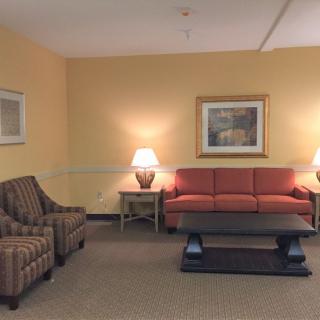
 Indoor common areas
 Outdoor common areas
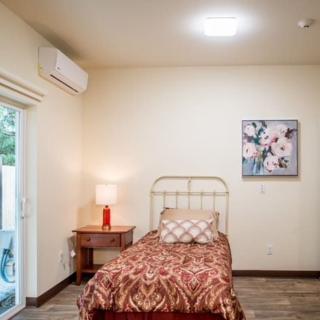
 Private
 Private bathrooms
 Wheelchair accessible showers
 Portland International (9 miles away)
 Ambulatory care
 Diabetic care
 High acuity care
 Incontinence care
 Kosher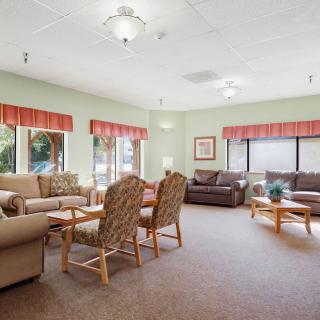



 Comprehensive Exploration of Living Wills and Other Advance Directives
 A Detailed Exploration of Living Wills and Advance Directives
 Comprehensive Guide to Medicare Coverage for Hospice Care