
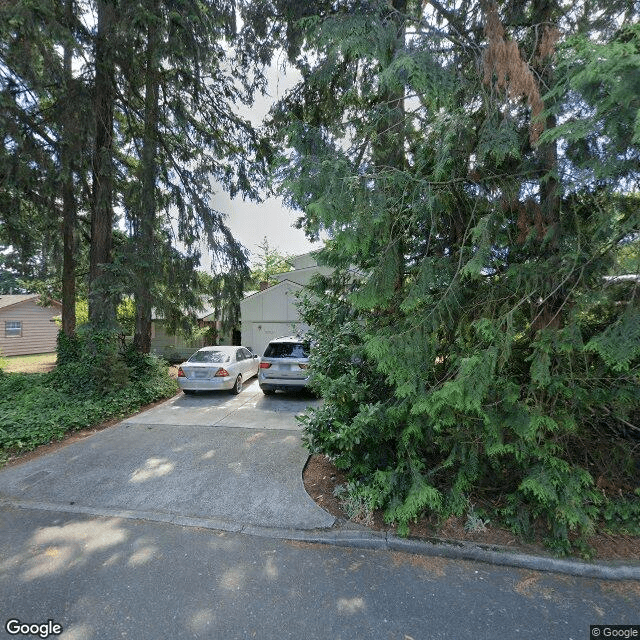
12402 NE Hassalo, Portland, OR 97230
To contact a resident: (503) 255-9639
For more information about senior living options: (866) 208-4318
Mary and Josef Adult Care Home Costs & Pricing
Mary and Josef Adult Care Home offers competitive pricing for adult care services, particularly when compared to the broader market in Multnomah County and the state of Oregon. For a semi-private room, residents pay $3,500 per month, which is notably lower than the county average of $4,011 and the state average of $4,457. In contrast, for private rooms, Mary and Josef's rate of $3,800 is somewhat higher than Multnomah County's average of $3,227 but remains below Oregon's overall average of $3,424. This pricing structure highlights Mary and Josef Adult Care Home as a viable choice for families seeking quality care at a more affordable rate within the community.
| Floor plans | Mary and Josef Adult Care Home | Multnomah County | Oregon |
|---|---|---|---|
| Semi-Private | $3,500 | $4,011 | $4,457 |
| Private | $3,800 | $3,227 | $3,424 |
Senior living communities with a similar price nearby
-
from +$300 / mo

The Inn at University Village
$3,800 to $7,500 / month13.9 miles away -
from -$500 / mo
A Piece of Heaven
$3,000 / month7.9 miles away -
from +$500 / mo
Oaktree Adult Care Home
$4,000 / month14.3 miles away -
from -$500 / mo
Yamhill Senior Care Home
$3,000 / month1.8 miles away -
from -$500 / mo
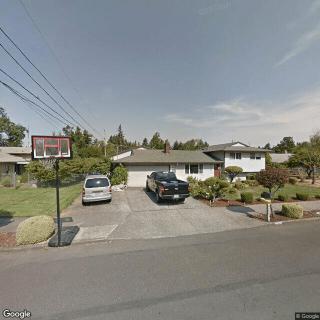
Peaceful Lighthouse Adult Care Home
$3,000 / month3.7 miles away
Overall Review of Mary and Josef Adult Care Home
Pros
 Eunice and Allen are passionate about helping others and consistently look out for residents’ needs.
- Evergreen Haven is an amazing family that promotes love, compassion, kindness, and respect for residents.
- The owners are professional, competent, and have a heart for elder care.
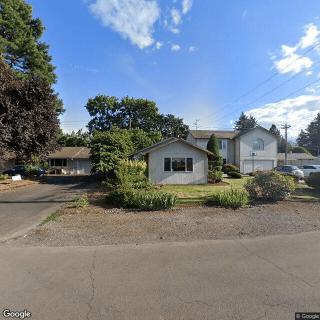
- The home is beautifully renovated, clean, cozy, and spacious.
- Residents adjust well to the care and enjoy the hospitality they receive.
- Eunice is a loving and compassionate caregiver who takes good care of residents.
- Kathy’s cooking is highly praised.
Review
This community is best suited for families seeking an intimate, home-like living arrangement where seniors receive highly personalized, compassionate care from a close-knit team. It shines for residents who value warmth, respect, and daily hands-on attention that feels more like a family home than a traditional facility. The environment is quiet and welcoming, with a renovated, clean, and cozy interior that makes a resident feel comfortable the moment they walk in. It is particularly well-suited for those who thrive on predictability, regular meals prepared with care, and a setting where caregivers know residents by name and anticipate needs before they are voiced.
Those who may want to consider alternatives should be mindful of a few realities. Residents with complex medical needs requiring hospital-level oversight, or those needing intensive therapy and memory-care programming, may find a larger, more clinical setting better aligned with their care plan. Families seeking a robust calendar of structured activities, extensive on-site medical services, or a wide array of amenities typical of bigger communities may wish to compare options. Similarly, residents who require larger groups, more formalized clinical routines, or comprehensive rehabilitation services should evaluate whether a small home environment can deliver everything on the care checklist.
The strongest pros here center on care that feels relentlessly personal and genuinely attentive. Reviews repeatedly highlight owners who are passionate about caregiving, with a demonstrated commitment to treating each resident with love, kindness, and respect. The physical space reinforces this culture: a home that is beautifully renovated, meticulously clean, and comfortably spacious, designed to feel like a private residence rather than a facility. Families note that staffing is attentive and capable, which translates into reliable daily routines, prompt responses, and a clear sense that staff know residents’ preferences, down to meals and daily rituals. The kitchen emerges as a real strength, with home-cooked meals that residents genuinely enjoy, underscoring a level of personalized care that larger communities sometimes struggle to match.
Another clear advantage is impact on peace of mind for families. Move-in experiences are described as stressful moments handled with scrupulous care, with staff going to great lengths to make the transition smooth and welcoming. Residents frequently adapt well, reporting satisfaction with daily hospitality, safety, and the overall sense of being valued. In a setting where residents live closely with caregivers, the ability to engage in meaningful, ongoing conversations about routines, meals, and preferences translates into a predictable, comforting rhythm that can ease anxiety for both residents and their families. The combination of a safe environment and a loving, attentive staff makes this model compelling for seniors who prioritize dignity, familiarity, and emotional warmth.
Yet the model does carry trade-offs that warrant deliberate consideration. A small, home-like arrangement can mean less on-site medical infrastructure, fewer routine activities programmed at scale, and a dependence on a tight-knit staff to cover a wide range of tasks. For residents with complex or rapidly changing clinical needs, the balance may tilt toward external support or coordination with visiting clinicians rather than in-house specialists. The upside, the intimate attention and rapid communication, must be weighed against a potential lack of punchy, day-long activity calendars or readily available in-house therapy services. Prospective families should ask direct questions about care plans, emergency protocols, medication management, and partnerships with external medical providers to ensure expectations align with reality.
In decision-making terms, this community offers a compelling fit for seniors who prize warmth, individualized attention, and the feeling of being at home without surrendering safety or structure. It is a strong recommendation for families prioritizing personal relationships with caregivers, high-quality meals, a clean and comforting living space, and a straightforward, transparent care dynamic. Those with demanding medical regimens, memory-care needs, or a preference for expansive amenities and formal programming should consider alternatives and compare not only monthly costs but also the availability of in-house nursing, therapy, and specialized programming. The right choice hinges on matching the level of medical oversight with personal preferences for interaction, independence, and daily routine.
For families moving in this direction, practical steps solidify the fit: arrange a thorough visit to observe mealtime dynamics, talk directly with caregivers about daily routines and how care plans are developed and updated, and request a clear picture of staffing ratios and backups. Inquire about how mobility limitations are addressed, how fall risks are managed, and how emergencies are coordinated with external medical partners. Schedule time with current residents and family members to hear firsthand about responsiveness and consistency. If the priority is a home-like, relationship-driven environment with a strong emphasis on respect and comfort, this community stands out as a practical, reliable option. If the care needs skew toward higher medical complexity or memory-specific programming, it should be placed in the broader field of options for a more specialized match.
 Board and Care Home
 Activities off-site
 Beautician on-site
 Devotional services on-site
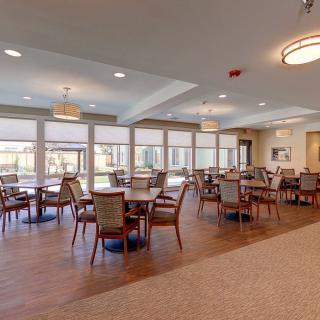
 Indoor common areas
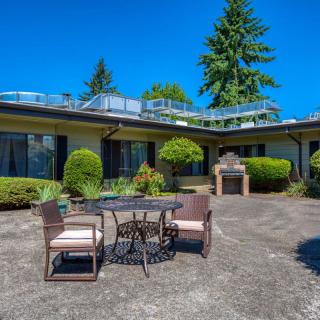
 Outdoor common areas
 Private
 Private bathrooms
 Wheelchair accessible showers
 Portland International (5 miles away)
 Ambulatory care
 Diabetic care
 High acuity care
 Medication management
 Gluten-free
 Art classes
 Day trips and outings
 Forever fit
 Happy hour
 Live dance or theater performances
 Live musical performances
 Stretching classes
 Trivia games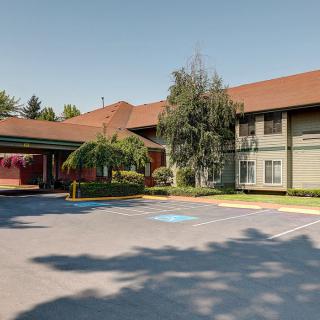



 Powerful Realities of Elder Abuse and the Most Effective Ways to Report It
 Ten Vital Duties of a Senior Caregiver: A Comprehensive Guide
 9 Stimulating Memory Activities for Seniors: Puzzles, Cards, and Much More