
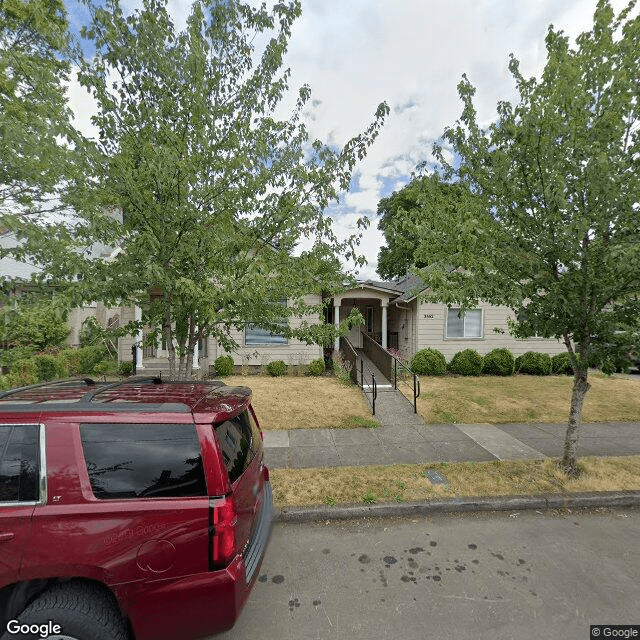
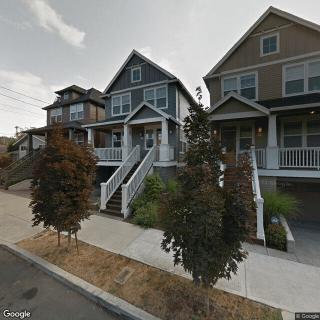
3552 SE 65th Ave, Portland, OR 97206
To contact a resident: (503) 771-6936
For more information about senior living options: (866) 208-4318
Lidia's Adult Care Home Costs & Pricing
Lidia's Adult Care Home offers competitive pricing for its private rooms, with a monthly cost of $2,800. This rate is notably lower than the average costs in Multnomah County, which stands at approximately $3,227, and even more so compared to the broader state average of $3,424 in Oregon. By providing an affordable alternative while maintaining quality care, Lidia's Adult Care Home positions itself as a cost-effective option for families seeking supportive living arrangements. The facility's pricing reflects a commitment to accessibility without compromising on the essential services that residents need.
| Floor plans | Lidia's Adult Care Home | Multnomah County | Oregon |
|---|---|---|---|
| Private | $2,800 | $3,227 | $3,424 |
Senior living communities with a similar price nearby
-
from +$200 / mo
A Piece of Heaven
$3,000 / month4.9 miles away -
from -$300 / mo
Mapleview Manor, LLC
$2,500 / month5.1 miles away -
from +$200 / mo
Yamhill Senior Care Home
$3,000 / month4.7 miles away -
from +$200 / mo
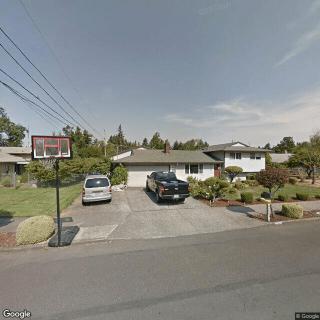
Peaceful Lighthouse Adult Care Home
$3,000 / month7.1 miles away -
from -$300 / mo
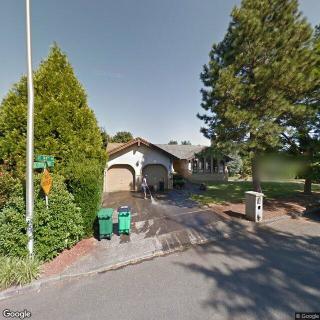
A Gentle Care Home
$2,500 / month4.5 miles away
Overall Review of Lidia's Adult Care Home
Pros
 The care at Lidia's Adult Care Home is described as superlative.
- The staff are kind, tender, and compassionate toward residents.
- Meals are prepared in Lidia's own kitchen and are nutritious and wholesome.
- Documentation and communication about residents' care are thorough and reassuring for families.
- Families feel reassured and worry-free about their loved one's care.
- The facility is small, quiet, quaint, and home-like, with good accommodations for special needs.
Cons
 The care was described as very awful, with the owner never home and working at night in a hospital.
- The caregivers did not speak English, had no experience, and there was no CPR knowledge.
- The home was very messy, with no manager, and it reeked of urine; it was not cleaned and felt dirty and stinky.
- The mom smelled urine in her bedroom, visitors could not stay long, and access to her was limited.
- The meals were not fresh: everything was frozen and reheated in a microwave, serving junk food with no meat, soups, or fresh fruits.
- They paid about $5,500 a month yet felt the food and care did not reflect homemade, from-scratch cooking.
- The mom almost died and was described as very weak and barely able to eat or walk.
Review
This community is best suited for families seeking a small, home-like setting where caregivers provide attentive, hands-on daily care and meals are cooked on-site. It serves residents who prioritize intimate contact with staff, predictable routines, and a quiet, non-institutional atmosphere over high-tech programming or large-scale services. For seniors who do not require continuous, professional nursing oversight but do want regular check-ins, familiar surroundings, and the reassurance of daily documentation of care, Lidia’s offers a compelling fit.
Those who may want to consider alternatives are clearly defined by needs that exceed what a tiny, home-style operation can reliably deliver. If a resident requires round-the-clock skilled nursing, CPR-certified staff available on every shift, multilingual teams, or rigorous, ongoing supervision and infection-control practices, another option with a larger staff and formal licensing will likely be a safer match. Families who demand consistently pristine cleanliness, transparent management presence, and meals prepared to the highest standards may also want to look elsewhere, especially if budget flexibility is not negotiable.
On the upside, the most persuasive pros center on the intimate scale and the personal touch. A small number of residents and a home-like environment foster frequent, meaningful interaction with caregivers, who are described as kind, tender, and responsive to individual needs. Meals prepared in-house and described as nutritious and wholesome are not incidental here; they matter in daily life and in peace of mind. For families seeking active family-style engagement, care coordination that includes documentation and routine review with the family can be a meaningful confidence booster, and the ability to accommodate special requests in a home setting adds to the practical appeal.
Yet the major drawbacks must be weighed with equal seriousness. The most troubling concerns involve questions about on-site management, staff qualifications, and basic safety. Reports that the owner is not consistently present, that some caregivers may lack language fluency or formal training, and that essential safety measures such as CPR certification are not clearly guaranteed raise red flags for residents who may need prompt medical or safety responses. Cleanliness and odors, and claims about food quality alternating between fresh, home-cooked meals and heavily processed options, further complicate the risk-reward calculation. In short, there is a notable tension between the sweet spot of a homey setting and real-world expectations for reliable, professional care.
How the positives offset the negatives depends on verifiable, ongoing operations. If the facility can demonstrate consistent on-site leadership, certified staff on all shifts, regular housekeeping regimes, transparent meal sourcing and preparation, and a proven care-planning process with family input, the strengths become real safeguards. Without those assurances, the weight of safety and cleanliness concerns can overwhelm even the strongest moments of warmth and personalized attention. Prospective families should pursue concrete confirmations: current licensing, staff credentials, a tour with time in the common areas and resident rooms, and access to recent inspection or complaint history.
Practically, decision-makers should approach visits with a structured checklist and clear questions. Insist on meeting the on-site manager, requesting a sample weekly menu and a behind-the-scenes look at meal preparation, and reviewing a current care plan for their loved one. Verify CPR and first-aid certification for all direct caregivers, observe the cleanliness of common areas and rooms during daytime and evening hours, and speak with current residents or families about consistency of care. If these assurances align with the warmth described in the positive reviews, Lidia’s can be a workable, even favorable, choice. If not, alternatives in the Portland area, especially ones with stronger professional oversight and explicit safety protocols, will likely serve better. In sum, this community works best for those who can actively supervise and verify operations, and may be less suitable for seniors needing robust, fully professional care around the clock. Consider Cooper Mountain Care Home in Beaverton as a comparative example of a different approach to similar needs, where a focus on fresh, homemade food and consistently respectful care is emphasized.
 Board and Care Home
 Private
 Portland International (6 miles away)




 Recognizing the Journey: Understanding and Navigating Anticipatory Grief
 Encouraging Participation in Adult Day Care: A Guide to Supporting a Hesitant Parent
 Comprehensive Exploration of Living Wills and Other Advance Directives