

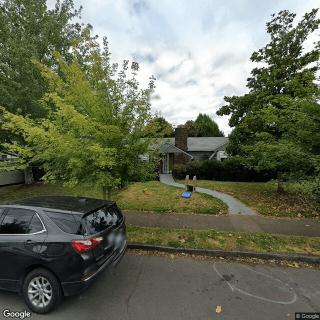
4225 SE 63rd Ave, Portland, OR 97206
To contact a resident: (503) 775-8140
For more information about senior living options: (866) 208-4318
Georgia's Adult Foster Care Costs & Pricing
In Georgia, the monthly cost for Adult Foster Care is notably more affordable compared to both Multnomah County and the broader state of Oregon. Specifically, a private room in Georgia's Adult Foster Care is priced at approximately $2,500, which reflects a significant savings when juxtaposed with Multnomah County's rate of $3,227 and Oregon's higher average of $3,424. This pricing structure may make Georgia an attractive option for families seeking quality care for their loved ones without the elevated financial burden seen in other regions. The affordability of care in Georgia could potentially enhance accessibility for individuals needing support while ensuring they receive a comfortable living environment.
| Floor plans | Georgia's Adult Foster Care | Multnomah County | Oregon |
|---|---|---|---|
| Private | $2,500 | $3,227 | $3,424 |
Senior living communities with a similar price nearby
-
About the same

Mapleview Manor, LLC
$2,500 / month4.8 miles away -
from -$300 / mo

The Peace and Joy Garden
$2,200 / month11.2 miles away -
About the same

A Gentle Care Home
$2,500 / month4.5 miles away -
About the same

Sacred Heart Adult Foster Care
$2,500 / month9.2 miles away -
from +$300 / mo

Lund AFH
$2,800 / month13.9 miles away
Overall Review of Georgia's Adult Foster Care
Pros
 The facility is beautiful and clean, and the owner is the sweetest, most caring person.
- Grace Adult Care is a place one would choose for care.
- The staff always took great care of residents.
- The care and services provided were greatly valued by families.
- Visitors are always welcome, and meals are home-cooked.
- The home is lovely, spacious, and warm, with staff who are wonderful.
- Residents are treated like family and families are kept informed of questions and concerns.
- There are pets in the home, which residents love.
- The home has nice wide hallways for walkers, a sheltered porch, and garden areas, with pets in residence.
- The home would be highly recommended to anyone needing a care home.
Cons
 Sister didn't like the ramp.
- Sister didn't like the lack of meal choices.
- It was too expensive for his budget.
- One of her four kids had a criminal record.
Review
Georgia’s Adult Foster Care in Portland is best suited for seniors who want a true home-like environment and a high level of personal attention. Reviewers describe a clean, warm setting where the owner and her staff provide around-the-clock caregiving, home-cooked meals, and a family atmosphere. The space feels spacious yet intimate, with pets onsite and easy access for walkers. This combination appeals to families seeking continuity of care, dignity, and a sense of belonging over clinical routine. For residents who benefit from steady, humble caregiving and regular family involvement, this setting is a strong match.
Those who should consider alternatives include families with tighter budgets, broader service needs, or strict accessibility requirements. The model hinges on a small operation, which can translate into higher costs and limited menu variety or formal programming. Several reviewers flagged cost as a barrier, making this option impractical for many families. Accessibility features like ramps may not meet everyone’s needs, and for those seeking more structured activities or comprehensive medical oversight, a larger, licensed facility could be a better fit. It’s also crucial to note that Georgia’s as described no longer operates under that name, having closed and changed ownership.
The core pros, the homey ambiance, 24/7 care, and a sense of being treated like family, often offset the cons for families who prize peace of mind and straightforward communication. The warmth and cleanliness address essential comfort goals, and the on-site meals provide nourishment without the bureaucracy of bigger facilities. The presence of pets and the easy, welcoming visitation culture further bolster emotional well-being, a meaningful counterweight to the realities of higher costs or limited formal programming. In short, the intimate setting can yield a quality of daily life gratification that larger boards-and-schedules facilities sometimes lack.
Yet several nuanced tensions deserve emphasis. The same intimate scale that fosters closeness also risks gaps in specialized services or rapid medical oversight that some families require. Limited meal variety may frustrate those with particular dietary preferences, and the higher price point can squeeze budgets even when the care feels personally rewarding. A reviewer mentioning a relative’s criminal record in the household history highlights the importance of carefully researching any operator’s surrounding context, even as it does not directly reflect day-to-day care quality. These frictions must be weighed against the tangible comfort and trust built through hands-on, attentive caregiving.
The practical reality is clear: the original Georgia’s Adult Foster Care has closed, with the owner selling and moving to California, and the property now redesigned as a high-end rooming house under temple ownership. That means the precise model described is not available as an ongoing care option. For families pursuing this style of care, the lesson is to seek nearby, similarly sized, owner-operated homes that maintain licensure and continuous staffing. Due diligence matters: verify current licenses, inquire about caregiver turnover, request trial stays when possible, and assess how well daily routines align with a loved one’s needs before committing.
Bottom-line guidance is forthcoming and actionable. For those prioritizing a warm, home-like setting with steady, personable care, a small, person-centered care home remains compelling, provided it is active, licensed, and within budget. Given the current status of Georgia’s, decisions should be anchored in the present reality rather than past impressions. Prospective families should emphasize hands-on availability, clear communication, predictable daily rhythms, and transparent pricing. Visit multiple options, meet caregivers in person, observe meals and routines, and confirm safety measures and licensing before selecting a path that offers the same human-centered strengths while fitting today’s regulatory and financial landscape.
 Board and Care Home
 Cats allowed
 Dogs allowed
 Activities off-site
 Devotional services off-site
 Indoor common areas
 Outdoor common areas
 Private
 Respite or short term stays offered
 Wheelchair accessible showers
 Portland International (7 miles away)
 Ambulatory care
 Diabetic care
 High acuity care
 Incontinence care
 Kosher






 Exploring the World of Home Health Nurses: Qualifications, Roles, and Hiring Tips
 Navigating Medicare Coverage for In-Home Care Services
 In-Home Care Costs in 2025: A Detailed State-by-State Exploration