For more information about senior living options: (866) 208-4318
3.4 from 36 reviews
5 stars
19
4 stars
3
3 stars
1
2 stars
1
1 stars
12
Overall Review of Homewatch Caregivers of GPA
common14 reviews mention this
Caregivers are often described
Caregivers are frequently described as kind, compassionate, and respectful.
Many reviews focus on how caregivers show compassion, patience, and respect, with families saying they felt comfortable having staff in the home. Several reviewers also highlight supportive communication and professional treatment, including being treated with dignity. A smaller set of reviews goes the opposite direction, describing inattentiveness, shushing, or a lack of compassion.
caveat7 reviews mention this
Reliability and communication vary
Some residents report missed visits, unstable staffing, and weak communication.
A recurring concern is inconsistency, including reviews that describe caregivers not showing up, staffing being unstable, or schedules feeling like a gamble. Multiple reviewers also mention communication issues, such as not keeping clients updated. While other reviews express confidence in caregivers showing up and being dependable, the negative accounts are specific enough to raise concern for families who need dependable coverage.
common4 reviews mention this
Support is described as personal
Residents describe support that feels matched to their needs.
Some reviewers say the agency provides personalized support rather than a one-size-fits-all approach, including matching clients to caregivers with compatible personalities and goals. Others mention the team coordinating care so clients can stay home and getting the support needed to remain independent. A few accounts that were unhappy also describe breakdowns in the setup and expectations around who would be hired and how care would be provided.
How we summarize
Counts show how many written reviews mention each theme; a review can touch several themes, and only frequently mentioned themes are displayed.
Features
Pets
Cats allowed
Dogs allowed
Transportation
Portland International (7 miles away)
Nearby Places of Interest
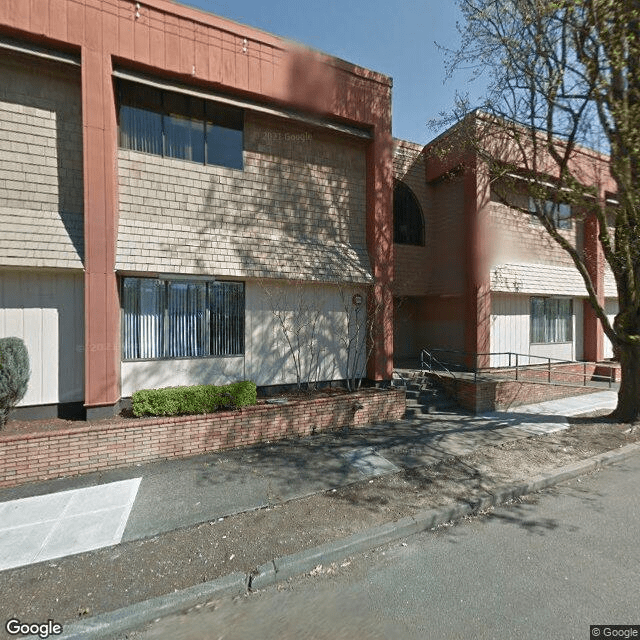
This particular area of Portland, Oregon offers a convenient and diverse range of amenities for seniors looking to live in a vibrant community. The neighborhood boasts several pharmacies within close proximity, ensuring easy access to healthcare needs. Additionally, there are plenty of cafes and restaurants nearby for socializing and enjoying meals with friends. The area is also home to various parks, providing opportunities for leisurely strolls and outdoor activities. For medical care, there are reputable hospitals and physicians' offices within a reasonable distance. Public transportation options, such as Amtrak and TriMet, are easily accessible for those who prefer not to drive. Lastly, St John Fisher Church is available as a welcoming place of worship for spiritual support and community involvement. Overall, this part of Portland offers a well-rounded living environment with an abundance of resources for seniors looking to settle down in the area.
Pharmacies
Brooklyn Pharmacy (0.4 miles)
CVS Pharmacy (1.6 miles)
Walgreens (1.7 miles)
Rite Aid (1.8 miles)
Rite Aid (2 miles)
Fred Meyer Pharmacy (2 miles)
CVS Pharmacy (2.2 miles)
Cafes
Dutch Bros Coffee (0.9 miles)
Portland Cà Phê (1 miles)
Coava Coffee Roasters (1.3 miles)
Keeper Coffee Co. (1.8 miles)
Dutch Bros Coffee (2.2 miles)
Common Grounds Coffee House (2.3 miles)
King's Hookah Lounge (2.5 miles)
Restaurants
Hopworks Urban Brewery (1.1 miles)
Upper Left Roasters (1.2 miles)
Dough Zone Dumpling House (1.2 miles)
Lardo (1.2 miles)
Kachka Co. (1.5 miles)
Salt & Straw (1.5 miles)
Produce Row Cafe (1.8 miles)
Parks
Terwilliger Playground (1.3 miles)
Colonel Summers Park (1.5 miles)
Governor Tom McCall Waterfront Park (1.6 miles)
Sellwood Park (1.9 miles)
Sellwood Riverfront Park (2.1 miles)
Alberta Park (2.2 miles)
Laurelhurst Park (2.4 miles)
Hospitals
Portland VA Medical Center (1.3 miles)
Doernbecher Children's Hospital (1.4 miles)
Shriners Hospitals For Children (1.6 miles)
Legacy Good Samaritan Medical Center (3.1 miles)
Legacy Emanuel Childrens Hospital (3.4 miles)
Providence Milwaukie Hospital (3.4 miles)
Randall Children's Hospital (3.5 miles)
Physicians
Richmond Family Health Center (1.8 miles)
Sellwood Medical Clinic (2.2 miles)
Legacy Medical Group (2.8 miles)
Good Samaritan Building 1 (3.1 miles)
Legacy Medical Group-Emanuel (3.4 miles)
Family Medical Group, PC (3.5 miles)
Theaters
Regal Pioneer Place (1.9 miles)
Hollywood Theatre (3.3 miles)
Transportation
Amtrak (2.6 miles)
TriMet Hollywood/NE 42nd Ave Transit Center (3.3 miles)
Home health nursing is an expanding field where licensed professionals provide specialized medical care in patients' homes, addressing the needs of an aging population through personalized services like assessments and medication management. Effective collaboration with healthcare teams, cultural sensitivity, and quality assurance measures are essential for fostering trust and ensuring positive patient outcomes.
Medicare covers in-home health care services, which are medical and provided by licensed professionals under a physician's supervision, whereas non-medical personal assistance is generally not covered unless part of a broader skilled care plan. Eligibility for benefits depends on being homebound and needing intermittent skilled services from a Medicare-certified agency, with specific coverage limitations and additional resources available for navigating options.
In-home care is increasingly sought after by older adults for maintaining independence, with average private home care rates in 2025 varying by state and service type, reflecting geographical and local labor market influences. As demand rises, families are considering funding options like Medicaid waivers and long-term care insurance to manage costs effectively while ensuring quality care.
Get PricingAsk A QuestionSchedule A TourContact Senior Advisor
By clicking submit, you agree to our Partner's Terms of Use. You
also consent to receive calls and texts, which may be autodialed, from our Partner. Your consent is not a condition to
using our Partner's service. Please visit our Partner's Privacy Policy for information about their privacy practices.

 Cats allowed
 Dogs allowed
 Portland International (7 miles away)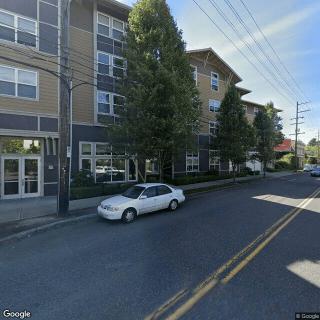
 Very affordable pricing relative to county/state averages with strong access to local amenities.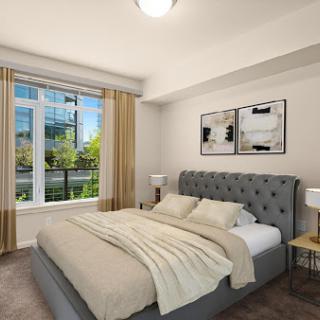

 Exploring the World of Home Health Nurses: Qualifications, Roles, and Hiring Tips
 Navigating Medicare Coverage for In-Home Care Services
 In-Home Care Costs in 2025: A Detailed State-by-State Exploration